OPINION: Jacinda Ardern preaches about it time and again: How we should all be kind to each other and to look after our wellbeing.Well, the Prime Minister’s just lost all moral authority to preach to us about niceness, because…
Tag Archives: oceania
Almost a tie: New Zealanders divided over MPs' dress code
New Zealanders’ opinions are split when it comes to the dress code of MPs in Parliament.At the time of writing, more than 3,200 people had voted in an informal poll on the Herald’s Facebook page on whether ties should remain compulsory.Of…
Woman's snap decision while leaving work saves her mum's life
It was a split-second decision on her last day of work that nobody ever could have predicted would save her mother's life.
Carly Ryan, a regional manager at the Royal Life Saving Society and sister of ex-football star Beau Ryan, was heading out the door of her office to go on leave when she decided on a whim to grab the defibrillator from the wall, given it had would have no use in a locked building over the Christmas break.
She put in in the boot of her car and drove home, giving it no more thought.
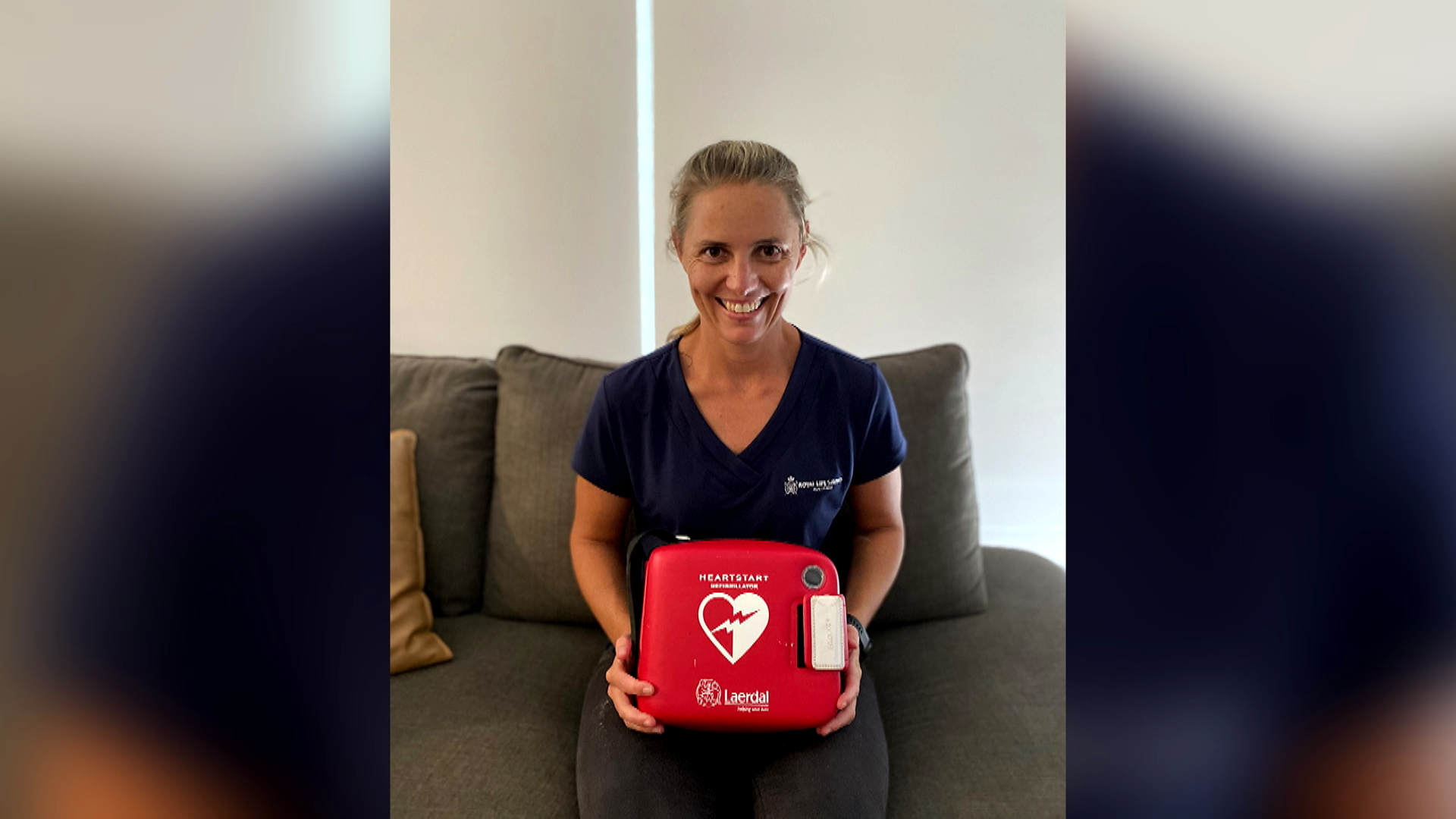
That was until the early hours on January 14, when she awoke to the nightmare of her father Kym screaming for her upstairs.
Her mother Robyn, a fit and healthy 63-year-old grandmother with no pre-existing medical problems, had woken complaining of chest pains before abruptly going into sudden cardiac arrest.
Kym sprung into action.
"I screamed out twice and I told Carly [what was happening]," he says.
"And on the second occasion, ring an ambulance.. and I went straight back in and I started CPR on Robyn."
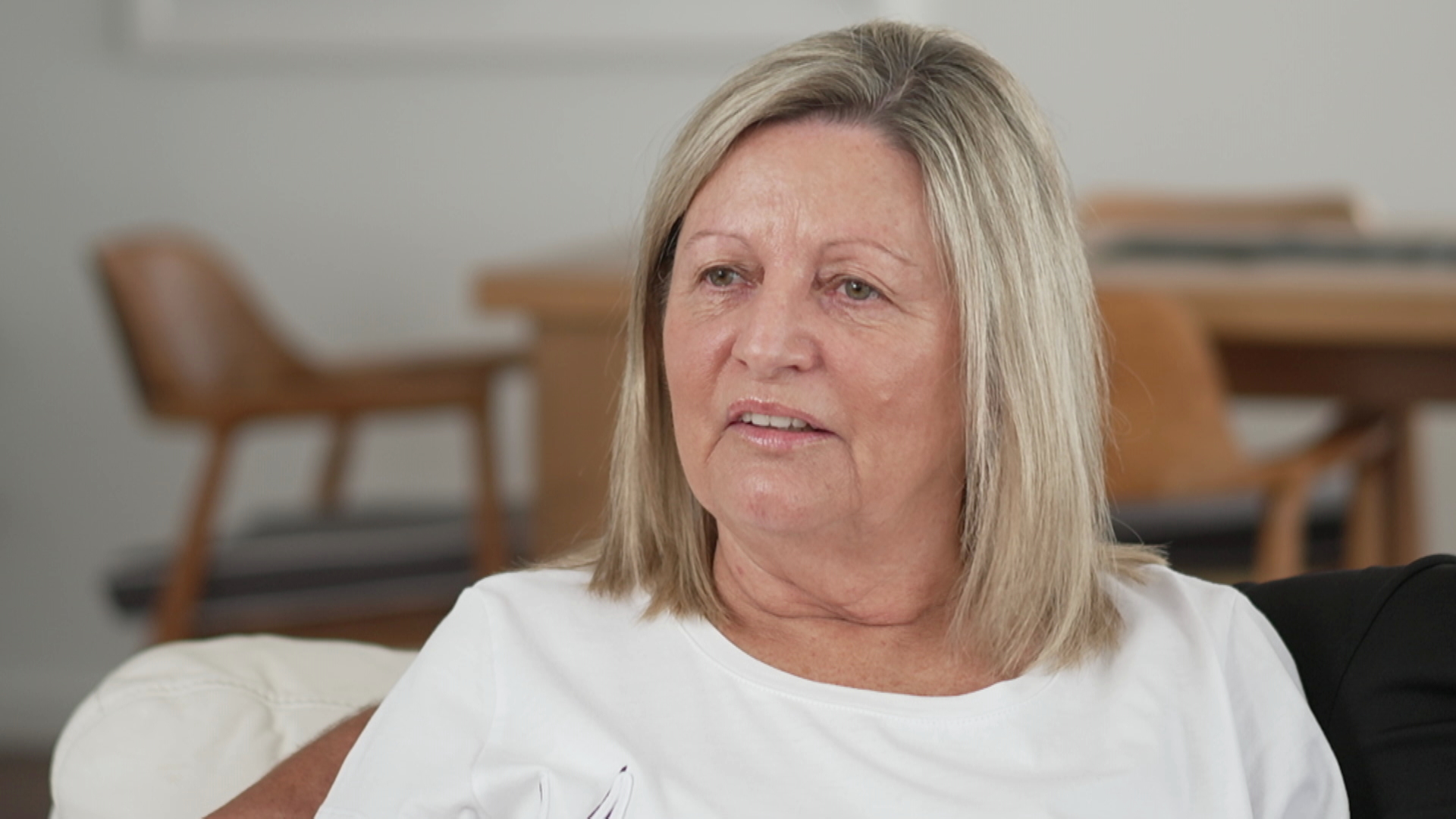
That's when Carly realised she had the very tool that would give her mother the best chance of survival.
"I ran down to the car – I felt like I was running on air – and got the defib," she says.
"My partner called Triple Zero at 4.29am and by 4.30am we had the defib on mum.
"We were all acting on instinct and adrenaline."
The survival rate in Australians experiencing a sudden cardiac arrest away from hospital is about 10 per cent – but rapid defibrillation in the first few minutes can increase the odds to more than 70 per cent.
The defibrillator, which delivers step-by-step verbal instructions to users and analyses the patient's heartbeat via chest pads, delivered a first shock to Robyn.
Nothing happened, so Kim continued CPR.
Next came another shock with no response, so Kym restarted CPR again.
After a couple of minutes came the first sign of life the family was desperately hoping for: Robyn opened her eyes.
Her pupils were dilated and she didn't respond to them calling her name.
Now onto a third round, the defibrillator performed another heart analysis and delivered the good news: "no shock advised".
"I looked at mum – she started moving her arm and fluid was coming out of her mouth," Carly says.
"She could kind of hear us but not see very well and I could tell she was regaining consciousness.
"After about another 30 seconds, she started to move and come to.
"The paramedics walked in about another 30 seconds after that."
The paramedics were stunned by what had happened in the time between receiving the call and arriving at the house in Warilla, a suburb of Wollongong.
"The intensive care paramedic kept walking between the bedroom and us, shaking his head and saying, 'I can't believe it' – he had never seen anything like it," Carly says.
"We did everything right but the clincher was that we had the AED [automated external defibrillator]."
Robyn says she is cherishing family time after her brush with death.
"I'm good now," she says.
"I don't want to go there [thinking about it too much] because so many bad things could have happened.
"I've got beautiful friends and family. I'm very fortunate, very fortunate."
Her daughter also feels lucky.
"Now I'm fortunate enough to still have my mum," she says.
"And my dad has his wife. My brother has his mum, the kids have still got their grandma.
"[We are] so lucky."
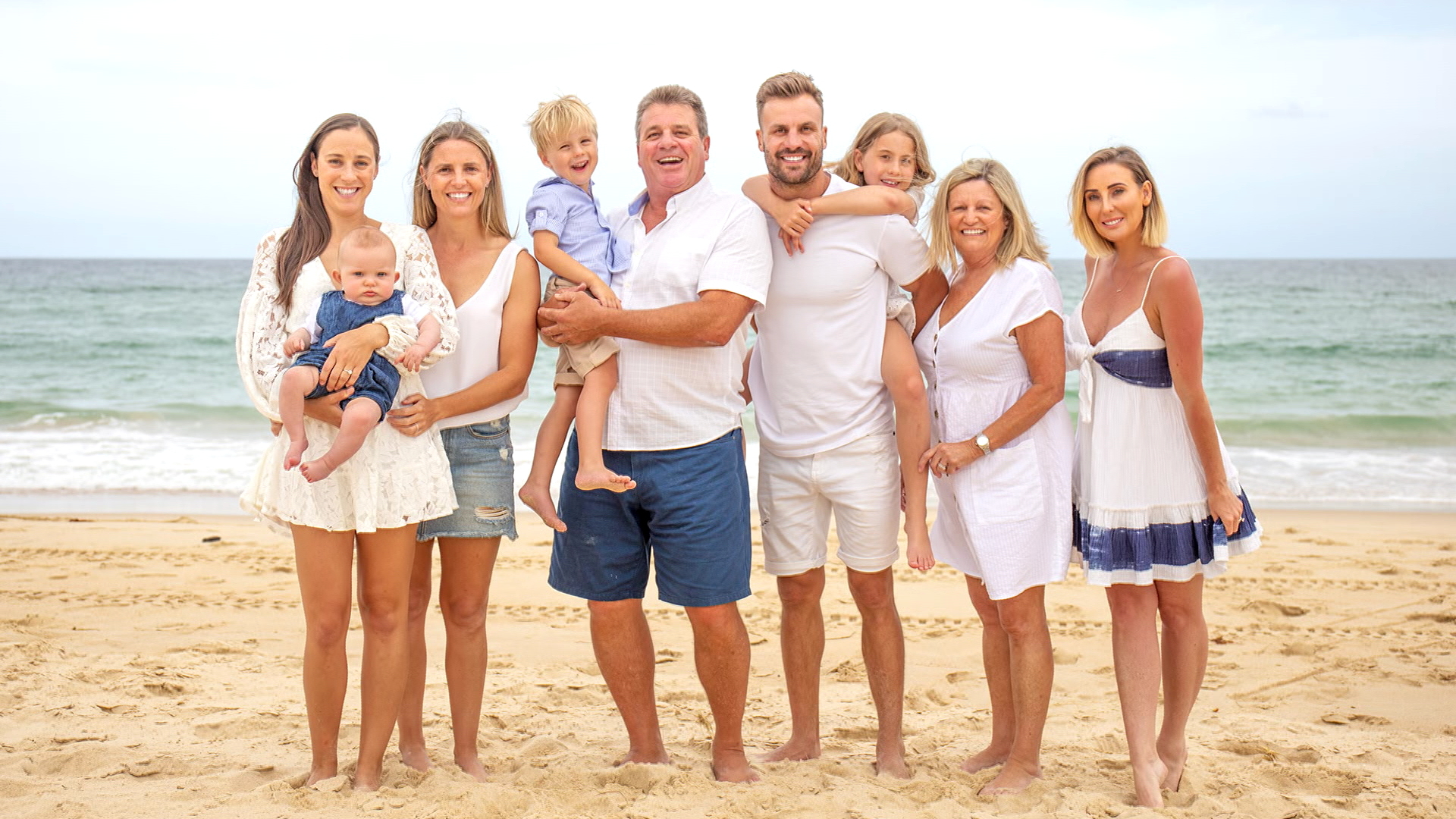
Carly, who has worked for Royal Life Saving for 10 years and is now regional manager for the Illawarra region, wants to tell her story to 9News viewers in the hope it will help others who find themselves in similar situations.
She emphasises that anyone can use a defibrillator – you don't need special training – as the device contains simple directions and "talks" through the process with audio instructions about what to do.
It will only deliver shocks if the patient need them, as it analyses their heartbeat first.
"They are foolproof," Carly says.
"All you do is turn it on and it talks you through it from there."
Defibrillators are commonly located in publicly accessible places such as train stations, shopping centres, gyms and sporting facilities.
About 33,000 Australians have a sudden cardiac arrest each year.
For every minute that passes, the chance of survival falls by 10 per cent.
National's no-confidence motion against Speaker Trevor Mallard fails
By Yvette McCullough of RNZ The National Party has failed in its attempt to move a motion of no confidence in House Speaker Trevor Mallard.Mallard has been under pressure since it was revealed more than $300,000 of taxpayers’…
Rawiri Waititi: It's not about a tie – it's about Pākehā power
OPINION: In July 2004, Trevor Mallard gave a speech as the coordinating minister for Race Relations. He opined that under the Treaty, Māori were given the same rights as other British citizens. But Māori have no extra…
Man wins appeal to have name struck off Child Sex Offender Register
By RNZ A convicted man has won his appeal in the Supreme Court to have his name struck off the Child Sex Offender Register.The man was sentenced to nine months home detention in early 2018 after pleading guilty to possessing…
Otago lead contamination: Blood tests begin for Waikouaiti residents
A steady stream of Waikouaiti locals were waiting patiently at the East Otago Events Centre this afternoon, as blood testing of the community for lead began.Twelve testing stations had been set up to assess whether a scare involving…
Boat rage: Second person arrested over incident at Tairua Wharf
Whangamata Police have charged a second person following a boat-rage incident at Tairua Wharf last month.Sergeant Will Hamilton said a 52-year-old woman was charged this afternoon with common assault and is due to appear in Thames…
Optical illusion confusion: What happens if you stare at the black dot?
From viral photos like 'the dress' to century-old drawings, these are the optical illusions that have baffled people for years.
How a free speech app briefly evaded China's Great Firewall
It flickered brightly and briefly, but a rare window of free speech in Communist China has been slammed shut.
While accessible, thousands of Chinese embraced Clubhouse, a popular audio-based app named now valued at more than $1.3 billion, to talk about topics and issues forbidden by their government.
Clubhouse, which momentarily operated away from the shadow of China's Great Firewall, allowed young Chinese to speak with strangers in Hong Kong, Taiwan and other parts of the world.
READ MORE: Chinese ambassador confronted on live TV with 'not beautiful' footage
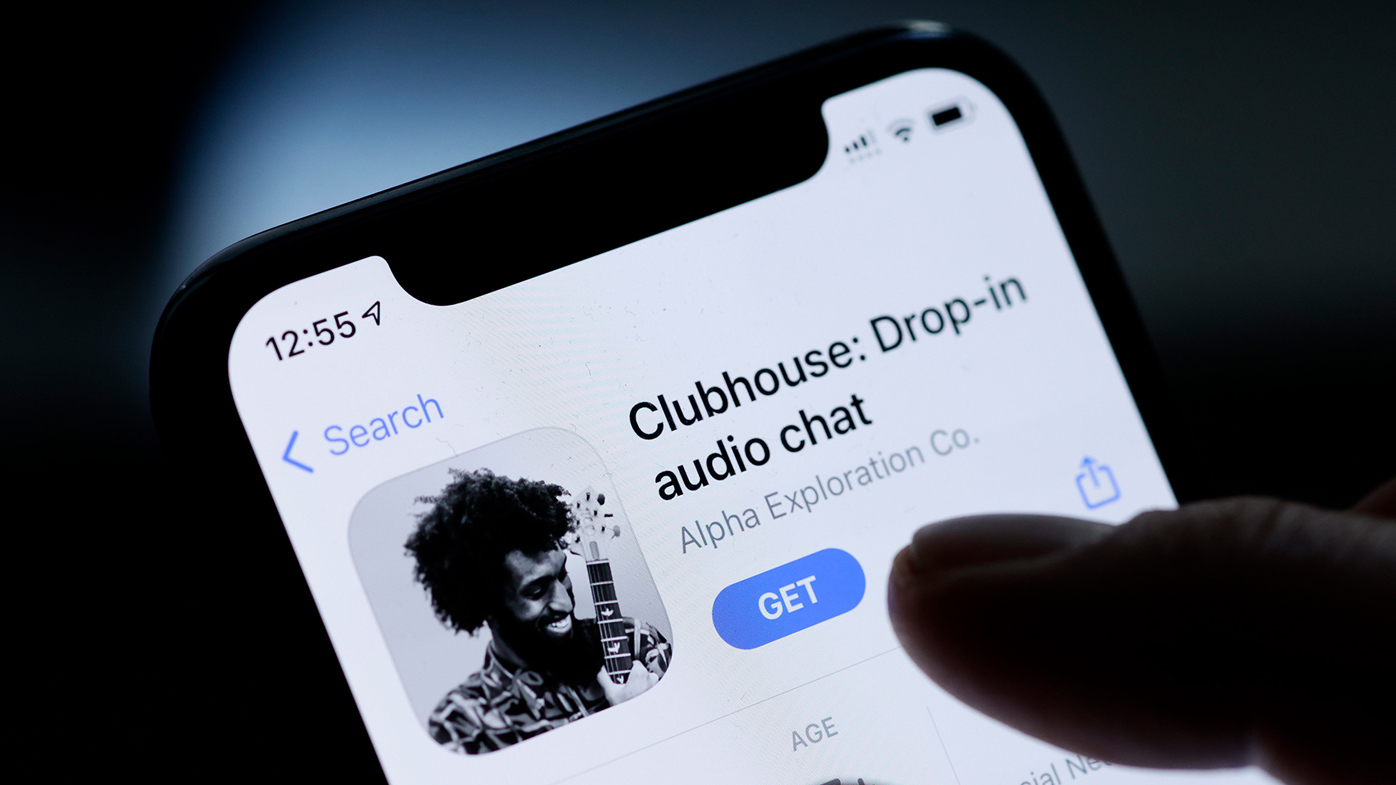
Like passing audio notes behind the teacher's back, Chinese users asked about the Tiananmen Square massacre, Hong Kong protests, female orgasm and reports of mass detentions of Uighurs.
But today, scores of Chinese users were reporting they had been blocked from the app.
"We all knew the day was coming when the Firewall would come down on Clubhouse. We were only allowed a few days of freedom," one wrote on the microblog Weibo.
Clubhouse has rocketed in popularity recently, especially after Elon Musk spoke on the platform.
Other celebrity users include Oprah Winfrey, Ashton Kutcher, Drake and Azealia Banks.
Clubhouse operates on a user-only invite system, with The Financial Times reporting invitations in China were trading online at $100 per invite.
According to TechCrunch, Clubhouse's API was blocked on Monday around 7pm Beijing time.
TechCrunch reported Clubhouse rooms titled "How long will Clubhouse last in China" and "Have you been invited to have tea for using Clubhouse?" attracted big crowds before the app was pulled.
"Having tea" is slang for being taken away for interrogation by the police.
Other rooms, which can hold a maximum of 5000 people, were set up to discuss alleged internment camps, coronavirus and relations between Taiwan and mainland China.

READ MORE: Tik Tok rival aims for world's biggest IPO since COVID
The audio shared between users on Clubhouse is not recorded by the platform, making the app difficult for countries such as China to censor.
The Chinese government's Great Firewall curtails free speech, and especially information on taboo topics, on social media platforms such as Facebook and Twitter.
Chinese authorities regularly censor internet search results.
The Clubhouse app was reportedly been downloaded 2.3 million times by January 31.