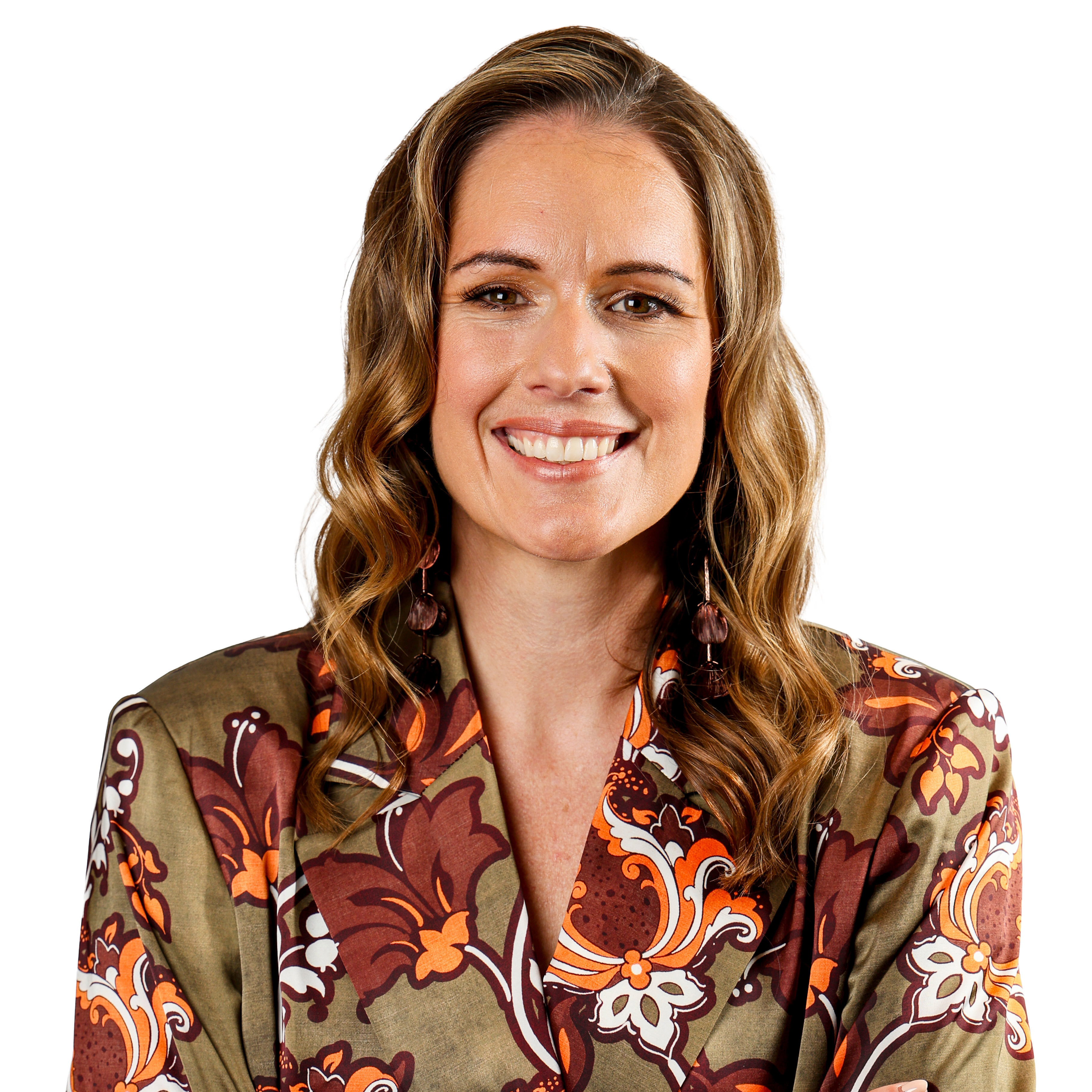
When Katherine Bennell-Pegg was asked at school to write down three career options, she chose just one: astronaut.
Australia didn't even have a space agency at the time but it didn't matter. In 2024 she became the first Australian to qualify as an astronaut under Australia's space program.
Now she can add one more honour to her already impressive CV: Australian of the Year 2026.
"As a kid, I used to lie on the dry grass in my backyard and gaze up at the stars in awe," she said tonight.
"That imperative to look to the sky and wonder, to innovate and explore is an ancient one on this continent.
"Australia's first nations, people's deep connection to Sky Country reminds us that, looking up, has always been part of who we are."
Bennell-Pegg said her childhood dream felt so far away but paid tribute to "incredible Australians" Dr Paul Scully-Power and Dr Andy Thomas, who went to space with another nation's flag on their arm.
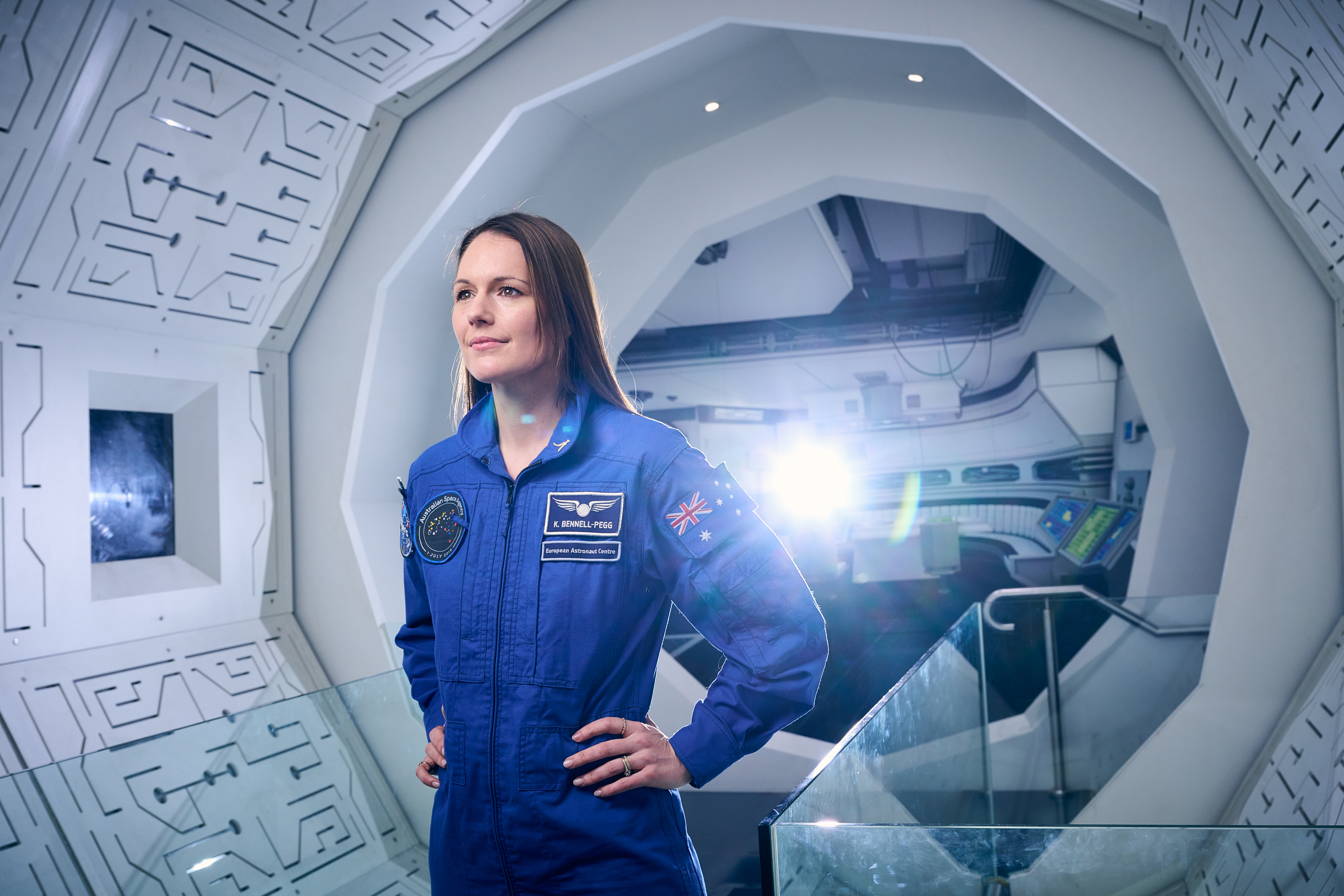
"So at the astronaut centre, when I received my blue flight suit, and right there, bright on the left shoulder was the Australian flag, it was quite emotional, because it marked something so, so much greater than myself.
"It said that the door has opened for Australia to take our place at the forefront of human endeavour, a chance to collaborate with other nations at the cutting edge of the cutting edge, showcase what we're made of, and access the collective discoveries and benefits that all involved countries will make.
"And it gave me hope, hope that one day, more of the flags on spacesuits will follow."
But Bennell-Pegg warned the nation was "leaving too much talent on the launchpad" as young people turned away from STEM subjects.
"A wonderful part of our culture, I think, is how we give it a go in sports, even if we're the weakest on the field," she said.
"But when it comes to maths and science, if we're not top of the class, or we don't fit the stereotype, we often shy away. We're even encouraged away.
"So if I may be allowed another dream beyond being an astronaut, it's this that we bring that same "give it a go" spirit from the sports field to the STEM fields, backing each other and ourselves with the trust that we can do hard, important things.
"Imagine what more we would discover, what great problems we would solve, how our horizons would expand."
YOUNG AUSTRALIAN OF THE YEAR
Nedd Brockman was named Young Australian of the Year for 2026 after capturing the nation's hearts and minds with an almost 4000-kilometre run across Australia on his mission to end homelessness.
After the 23-year-old electrician spent 46 days running from Perth's Cottesloe Beach to Bondi Beach in 2022, raising $2.6 million, he's shown no signs of slowing down.
Later, he ran 1000 miles (1600 kilometres) around Sydney Olympic Park, a gruelling feat he joked probably shaved about 20 years off his live.
READ MORE: K'gari pack of dingoes to be euthanised
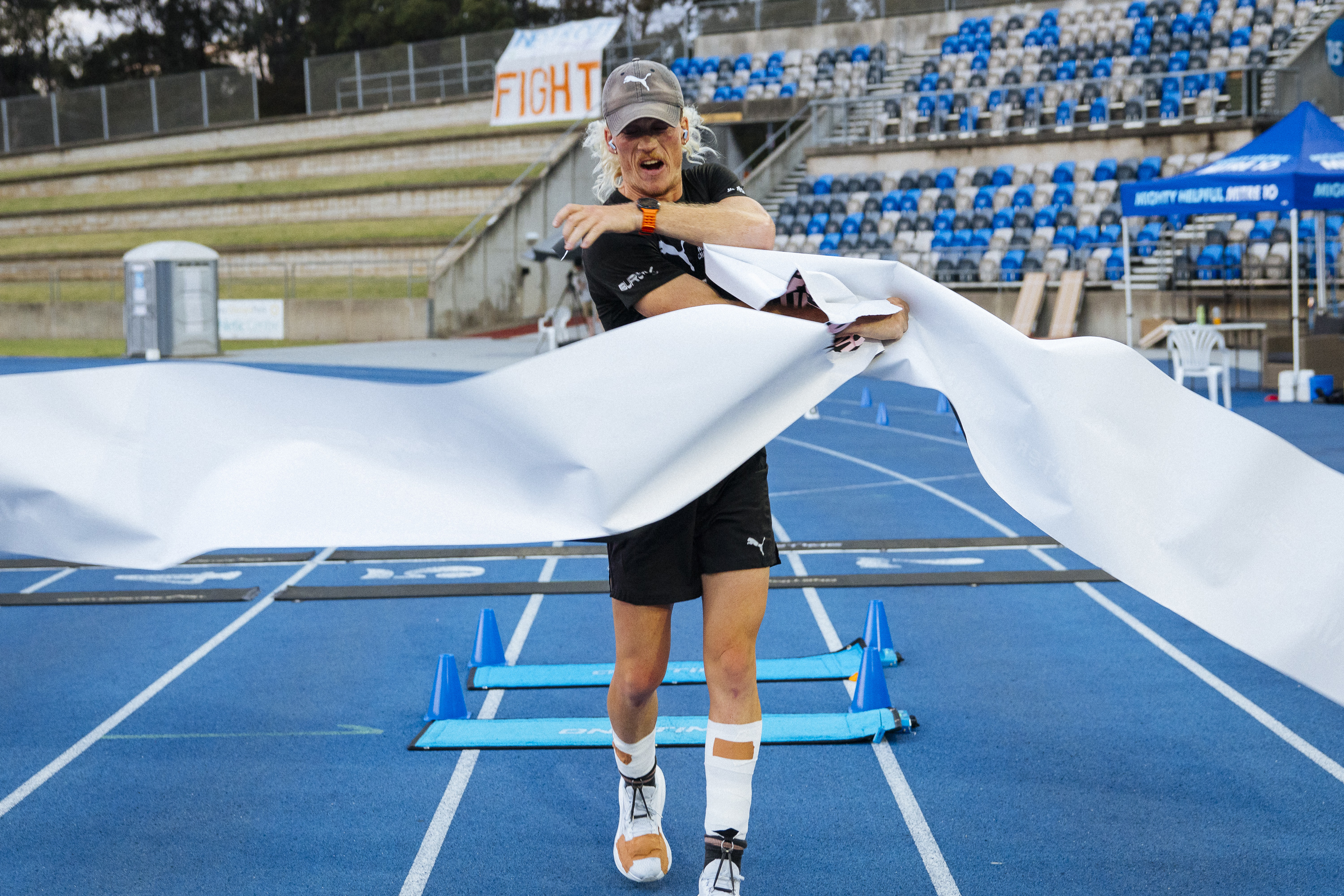
Since starting Nedd's Uncomfortable Challenge in 2024, Brockmann and his team have raised more than $8 million for those experiencing homelessness.
Admitting that he was a "blubbering mess", Brockmann called out singer John Farnham's 1987 Australian of the Year acceptance speech, in which he spoke about the importance of making sure our national pride encompasses humanity.
"Ever the eternal optimist, I think I see a bit of what I hope for in those words myself," Brockmann said tonight.
"We should be proud of this amazing country. We are so lucky to call it home.
"But unfortunately, not everyone feels that way in a country as prosperous as Australia, why is it that 122,000 Australians sleep rough every night?
"That number should stop us all in our tracks."
READ MORE: Fire doubles in size as state endures once in 20-year heatwave
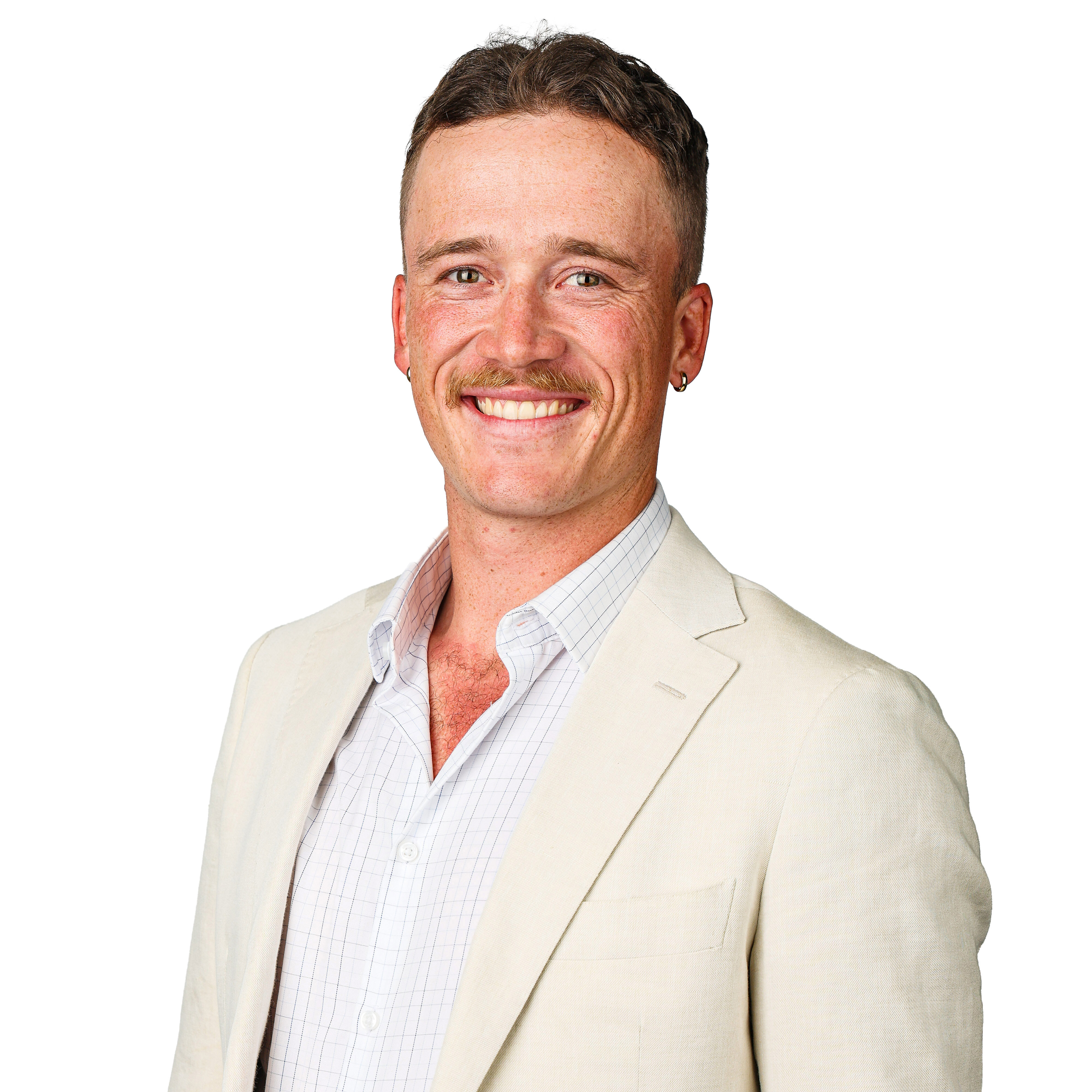
2026 SENIOR AUSTRALIAN OF THE YEAR
A psychiatrist whose father's Alzheimer's disease diagnosis kickstarted a life dedicated to fighting dementia was recognised with the Senior Australian of the Year award.
Professor Henry Brodaty AO dementia treatment research revolutionised his own field along with the lives of many people living with the disease and their families.
His Centre for Healthy Brain Ageing, founded in 2012, has led internationally significant research and his Maintain Your Brain trial showed what a major difference simple preventions could make.
"Almost half the cost of dementia is caused by preventable factors that we can modify in our lifestyle," he said tonight.
"Now, our randomised control trial of an intensive online lifestyle coaching program had the best results yet in the world in maintaining cognition.
"We did a cost benefit analysis. The program paid for itself in reducing health costs, we designed this a decade ago. We can do better. We can do a lot better."
Brodaty dedicated the award to all older Australians, especially those and their families affected by dementia.
"Oer four decades, we have moved from hopelessness to hope, from stigma to science and I'm proud to have been part of this transformation," he said.
"There is so much we can do. There's so much we must do."
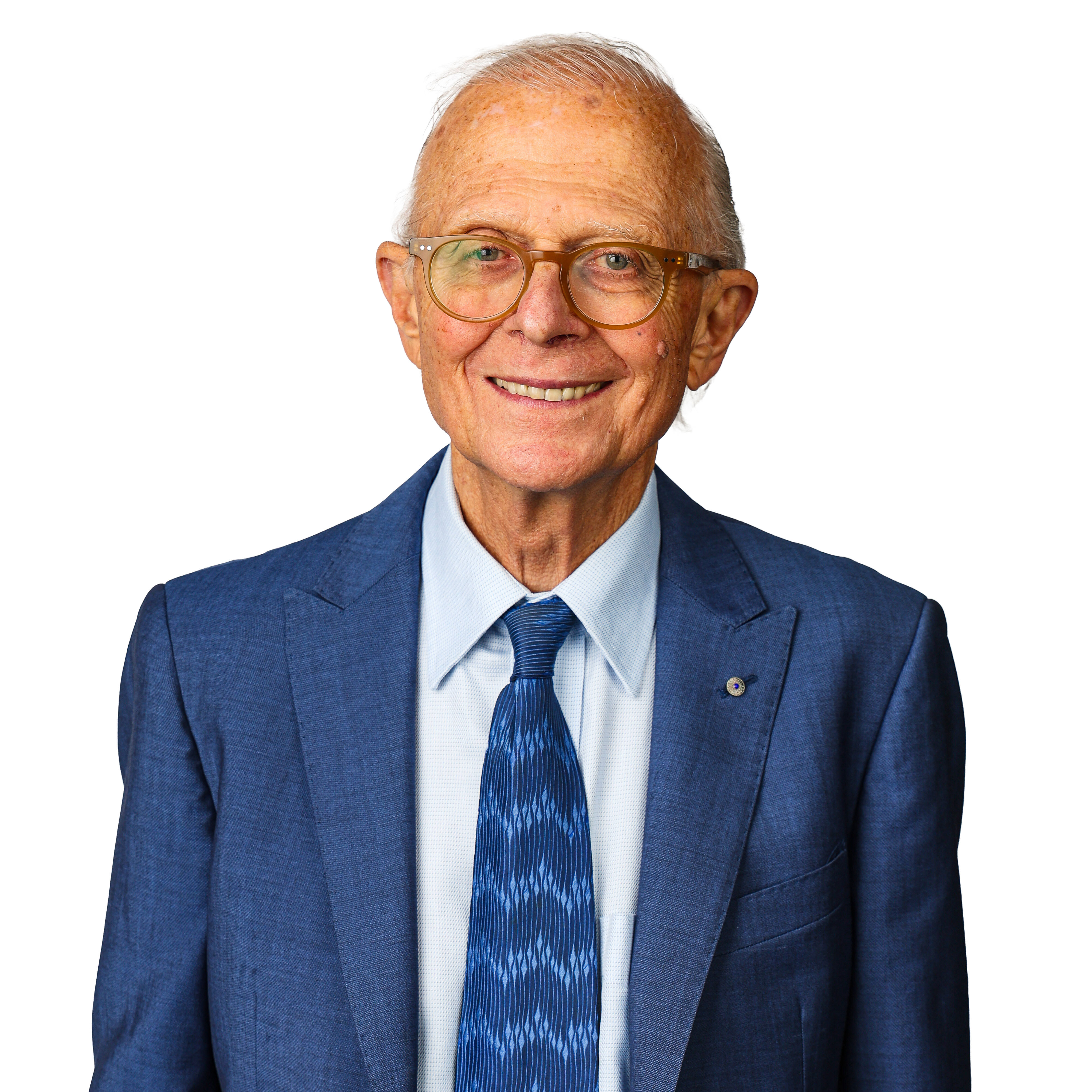
2026 AUSTRALIAN LOCAL HERO
Indigenous business owner Frank Mitchell was crowned Australia's Local Hero in the first award of the night.
The proud Whadjuk-Yued Noongar knew it was a huge opportunity when he was offered an electrical apprenticeship as a young, single father who'd been affected by suicide but wasn't sure if he could complete it.
When he started his own business in 2015, he pledged to offer the same opportunities to fellow Indigenous people.
Wilco Electrical started with eight staff and $1.5 million turnover, created more than 70 Indigenous upskilling positions and awarded more than $11 million to indigenous subcontractors. His four companies now employ more than 200 full-time staff.
"I used to advocate for organisations to simply give Mob a job, but I know now opportunity alone is not enough," he said.
"If workplaces are not not culturally safe, Mob may survive, but they are unlikely to thrive.
"Wilco, Kardan, Baldja and Bilyaa are places where Mob are given a chance to feel safe, and it still does not always work, because people's lives are complex, and there is no one size fits all approach, but when it does work, the impacts are powerful.
"That's what I represent standing here before you today. And I am just one success story among many."
READ MORE: Police respond to potential sighting of accused triple murderer
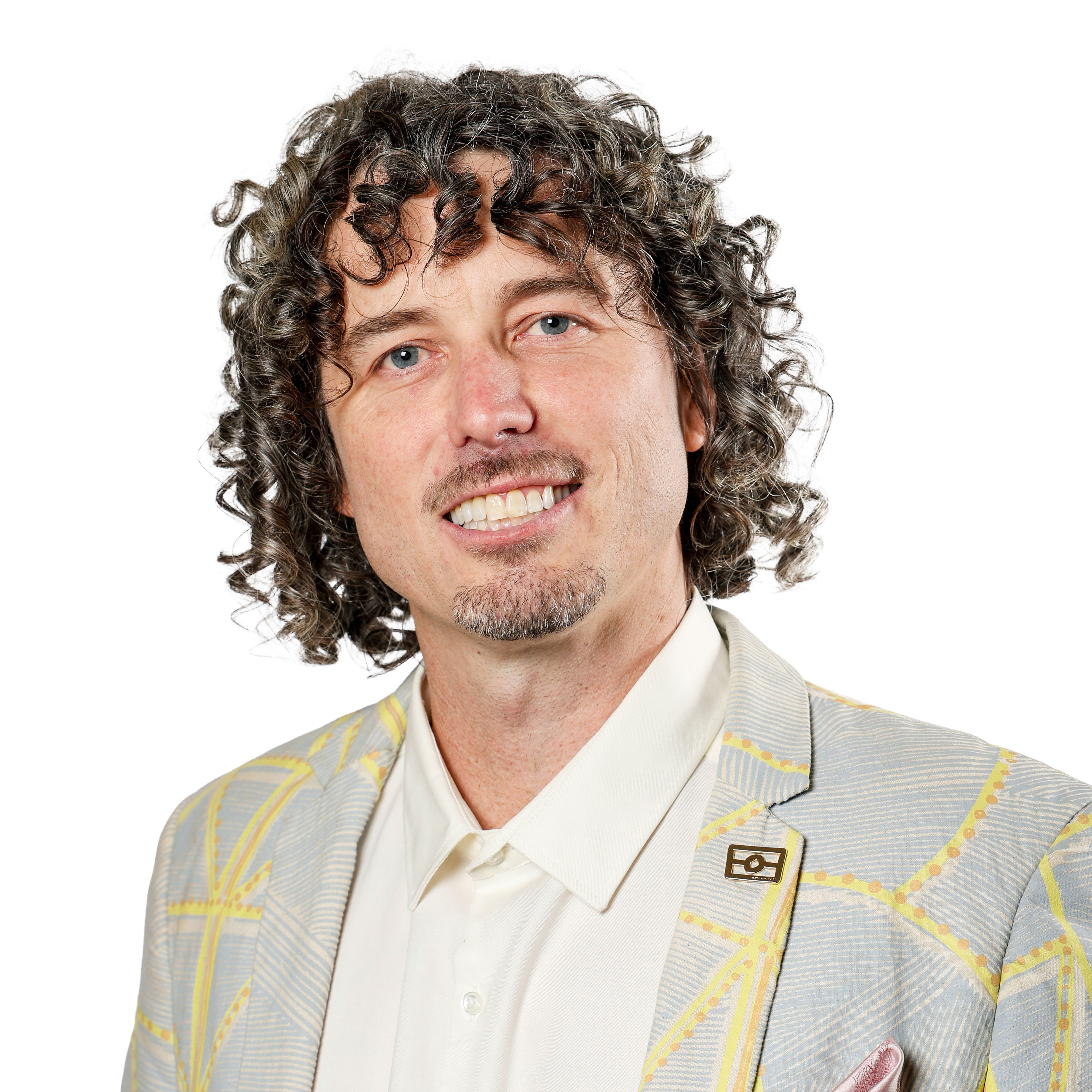
2026 AUSTRALIAN OF THE YEAR NOMINEES
Australian Capital Territory – Professor Rose McGready (Thailand)
Professor Rose McGready, 61, has spent three decades providing health services to displaced people in the border region between Thailand and Myanmar.
Arriving as a young doctor, Rose discovered that refugees who had fled persecution in Myanmar had difficulty accessing medical assistance in Thailand. In response, Rose established training for local staff to focus on services for expectant mothers and in the critical period of childbirth. Over the past 31 years, she has built a network of locally run clinics and out-patient services which have saved thousands of lives.
Rose's research has also led to new treatments being developed to tackle maternal malaria. Her findings have been adopted by the World Health Organisation as the global standard for combatting the disease, helping to treat millions of women around the world.
Rose's commitment, compassion and clinical expertise provide life-saving aid to some of the most vulnerable communities in the world.
New South Wales – Dr Alison Thompson OAM (Sutherland Shire)
Dr Alison Thompson has deployed over 30,000 volunteers to the world's worst disaster zones – bringing humanitarian assistance and medical aid to over 18 million people.
It started on September 11, 2001, when as an investment banker, Alison rushed to New York's World Trade Centre with her first aid kit. She stayed nine months, offering disaster relief arm-in-arm with ordinary, like-minded people.
Galvanising grassroots momentum, Alison founded Third Wave Volunteers – a global movement of first responder volunteers who bring relief to the world's disaster and war zones, including Ukraine, Syria, Afghanistan, and Sri Lanka. Following the 2004 tsunami, she set up the first Tsunami Early-Warning Centre and education museum, which continues to thrive.
By mobilising everyday people, 61-year-old Alison is building resilience in local communities through sustainable, locally driven disaster prevention and recovery. Drawing from her upbringing as a pastor's child, Alison believes that each person's small skills add up to drive big changes.
Northern Territory – Dr Felix Ho ASM (Darwin)
Dr Felix Ho tirelessly serves remote communities in the Northern Territory as a medical practitioner. But for Felix, that's not enough – he also volunteers thousands of his hours building the St John Youth Program and helps at public events as a St John first responder.
Since joining as a St John cadet in 1995 at the age of 13, Felix has faithfully served others, including overseas as an Intensive Care Paramedic on a United Nations mission to Timor-Leste.
In 2020, he took on national leadership of the youth portfolio for St John Ambulance Australia, where he's a guiding force for over 3,000 young people, equipping the next generation of first responders. Aligned with clinical standards, Felix developed interactive, accessible and engaging training for youth and cadets across Australia.
Now 43, Felix brings people together across geography and generations, to equip Australia's youth to save lives through first aid in an emergency.
Queensland – Dr Rolf Gomes (Kenmore Hills)
When Dr Rolf Gomes, 52, was confronted with how differently cardiac patients were treated in rural and remote Australia, he decided to do something about it. He designed and launched the first Heart of Australia mobile 'Heart Trucks' to visit remote communities.
Today the Heart Trucks bring regular specialist clinics to over 30 towns in rural Australia, providing early diagnostic services that would otherwise be out of reach. Since 2014, the trucks have treated more than 20,000 patients and saved countless lives. The truck fleet will expand to 11 trucks by 2027 to provide services nationally, adding new diagnostic services for a wide range of early intervention health screenings, including for lung cancer.
Rolf's vision, ingenuity and tenacity have had a far-reaching impact on rural health and medicine in Australia, helping to save lives and ensure that rural patients have access to clinical services without having to travel long distances.
South Australia – Katherine Bennell-Pegg (West Beach)
Katherine Bennell-Pegg is making history as the first Australian to qualify as an astronaut under Australia's space program, opening pathways for others to follow.
Katherine graduated from Basic Astronaut Training in 2024 as part of a class of six trained by the European Astronaut Centre in Germany – the first international candidate to do so. She was initially chosen for the program from a field of over 22,500 applicants.
Katherine has harboured ambitions of becoming an astronaut since she was a young child. As a space engineer, she has advanced multiple space missions and technologies.
Alongside her career achievements, Katherine is an energetic champion for Australia's space program, regularly presenting to audiences of schoolchildren and industry leaders to inspire the next generation and create new opportunities.
Katherine, 41, is a genuine trailblazer in Australia's emerging space industry. With her determination and drive to succeed, she is a powerful example for young Australians.
Tasmania – Dr Jorian (Jo) Kippax (Ridgeway)
Dr Jo Kippax was part of a specialist team of rescuers tasked to free a whitewater rafter who was trapped in perilous rapids on the Franklin River in 2024.
Lithuanian whitewater rafter, Valdas Bieliauskas, was retrieved from freezing water by Jo and his team.
The clinical team performed an operation to amputate Valdas's leg underwater, allowing him to be freed and ultimately saving his life. Throughout the rescue, Jo was instrumental in guiding the team with professionalism, courage and remarkable calmness under pressure.
For this life-saving act, the President of Lithuania, Gitanas Nausėda awarded the country's Life Saving Cross award to Jo, which he humbly accepted on behalf of his team.
The rescue of Valdas is just one chapter in Jo's long career in emergency medicine, disaster response, and search and rescue. Demonstrating outstanding skill, courage and team leadership in the aid of others, 55-year-old Jo displays selfless dedication to saving lives in often very challenging circumstances.
Victoria – Carrie Bickmore OAM (Melbourne)
Carrie Bickmore is a radio and television presenter who has changed the way that brain cancer research is funded in Australia.
Brain cancer kills more Australian children than any other disease, and more people aged under 40 than any other cancer – including Carrie's late husband Greg, who passed away in 2010.
Since 2015, Carrie has raised over $27 million. In 2021, she established The Brain Cancer Centre to bring together the brightest minds in research to find a cure.
The Brain Cancer Centre has leveraged investment by Carrie's Foundation to secure another $45 million of research funding. This supports research projects across the country and is delivering specific clinical trials for brain cancer patients that are the first of their kind in the world.
Carrie is striving to ensure that every Australian diagnosed with brain cancer can access the best treatments and has real hope of a positive outcome.
Western Australia – Dr Daniela Vecchio (Parklands)
Dr Daniela Vecchio is head of mental health and addiction services at Fiona Stanley Hospital. She is the pioneer in establishing the first publicly funded gaming disorder clinic in Australia in 2022.
She has seen increasing numbers of young people with addiction to video games and social media and was quick to recognise the distress and harms caused to them and their families. The clinic is unique worldwide in providing early detection and intervention in an acute hospital setting.
Daniela, 57, has driven the development of holistic assessments and a wide range of personalised treatments for her clients. She has fostered extensive collaborations, including internationally with Korea, Germany and Dubai, nationally with experts in the field, and locally with health, education and police services.
As a director of the Australian Gaming and Screens Alliance, she is promoting education and research into harmful online use and influencing national policy.
2026 SENIOR AUSTRALIAN OF THE YEAR NOMINEES
- Australian Capital Territory – Heather Reid AM (Kiels Mountain)
- New South Wales – Professor Henry Brodaty AO (Double Bay)
- Northern Territory – Jenny Duggan OAM (Katherine)
- Queensland – Cheryl Harris OAM (Sunshine Coast)
- South Australia – Malcolm Benoy (Mount Osmond)
- South Australia – James Currie (Carrickalinga)
- Tasmania – Julie Dunbabin (Taroona)
- Victoria – Bryan Lipmann AM (Richmond)
- Western Australia – Professor Kingsley Dixon AO (Waroona)
2026 YOUNG AUSTRALIAN OF THE YEAR NOMINEES
- Australian Capital Territory – Sita Sargeant (Canberra)
- New South Wales – Nedd Brockmann (Randwick)
- Queensland – Jarib Branfield-Bradshaw (Cunnamulla)
- South Australia – Chloe Wyatt-Jasper (Gawler South)
- Tasmania – Alyssia Kennedy (Heybridge)
- Victoria – Abraham Kuol (Narre Warren)
- Western Australia – Dr Haseeb Riaz and Gareth Shanthikumar (Peppermint Grove
- & City Beach)