Tag Archives: oceania

Security guard dropped medication to quarantine guest with UK strain

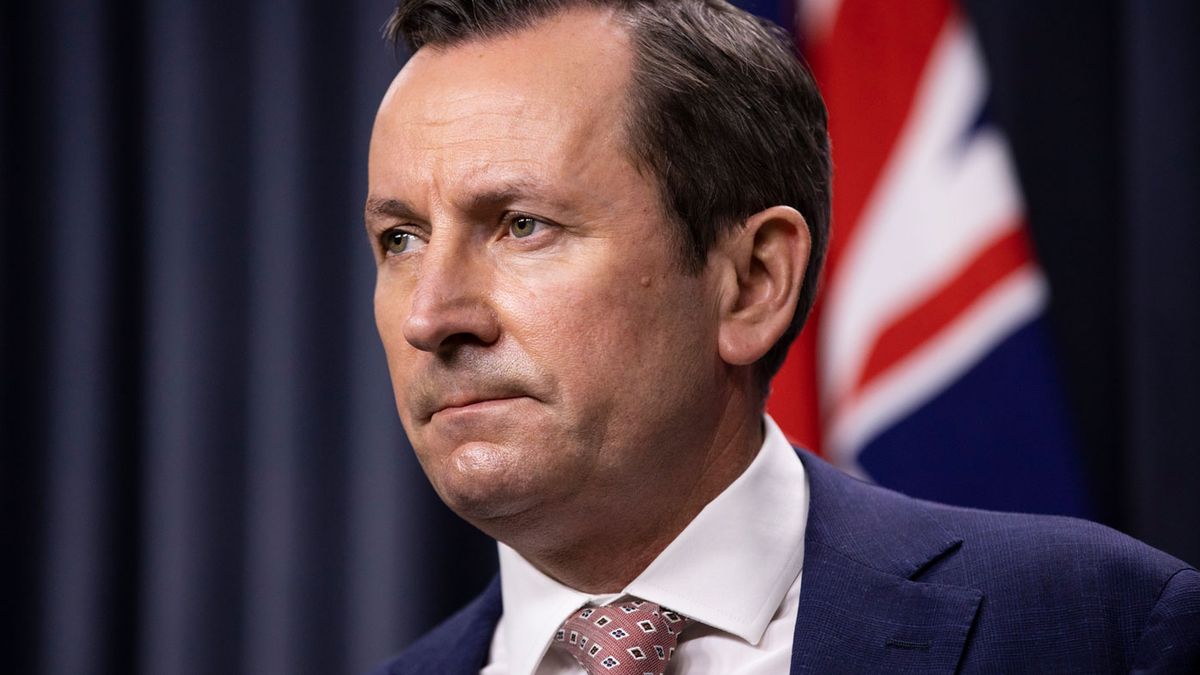
Western Australia has recorded no new COVID-19 cases but the state government is taking an "ultra cautious" approach over the hotel worker infected with the virulent UK virus strain who triggered a five-day lockdown, Premier Mark McGowan said.

A record 16,490 tests were conducted, more than double the number of tests a day after the Northern Beaches outbreak in Sydney.

But Mr McGowan said a historic case has been detected in a man who travelled from Mexico via Sydney.

READ MORE: Everything you need to know about WA's lockdown, plus full list of potential exposure sites
SELF QUARANTINE FOR HOTEL GUESTS

Anybody who has spent time in the hotel where a security guard tested positive to the UK strain in the past week will be placed back into self-quarantine.

"Anyone who has been recently released from this facility going back to the 25th of January is being contacted directly by our health teams to instruct them to remain in self quarantine until they receive a further negative test result," Premier Mark McGowan said.

READ MORE: Reports authorities waited 11 hours to reveal positive WA COVID-19 case
"No further overseas arrivals will be going into this quarantine facility at present."

Genome sequencing has connected the infected security guard to a UK variant carried by two recently returned hotel travellers.

"One of those recent arrivals was accommodated on the same floor as the security guard was working," Mr McGowan said.

"We are advised that the guards did deliver medication to the door of this particular quarantine guest."

READ MORE: Investigations launched into Perth COVID-19 case

EXTENSIVE CONTACT TRACING

Mr McGowan said extensive testing and tracing of the hotel guard's contacts continues.

"In total, 151 close contacts have now been identified. In addition, 68 casual contacts have also been identified. Each of these contacts are being tested and so far 104 have returned negative results."

Mr McGowan said that further genomic testing had revealed that the hotel security guard, who tested positive on Saturday, had the same strain of the UK variant as two travellers in the Sheraton Four Points hotel in Perth, where he was worked on January 25 and January 26.
"One of those recent arrivals was accommodated on the same floor as the security guard was working. We are advised that the guard did deliver medication ot the door of this quarantine guest."

Mr McGowan vowed to take "every extra precaution" in reiterating the lockdown restrictions.

But he announced one loosening of restrictions.

"Last night we adjusted the rules around exercise with family members," he said.

"We understand this caused some confusion for families, and on public health grounds the rules have been amended to allow a maximum two adults from the same household and their children to exercise in the neighbourhood up to a maximum of five people for one hour each day."

He described the change as "common sense".

Health Minister Roger Cook said an extensive investigation into the case of the infected hotel worker was continuing.

"The hotel security guard used the Safe WA app to check in at various places. His data has been incredibly useful. Time is of the essence in these situations. His use of the app allowed the contact tracing team to identify locations and potential close contacts.
"The contact tracing teams were able to reach people quickly, to get them tested and to get them isolated to reduce the risk of transmission in the community. So, even though we are spending more time in our homes, when you do go out for essential supplies, make sure you use the app. It will help everyone."

Mr Cook could not say if the security guard who tested positive to coronavirus was wearing PPE when he interacted with an infected hotel quarantine guest.

"Security guards or any personnel in a hotel quarantine don't need to wear masks at every point of that building and at every point to carry out their duties," he said.

"There are particular circumstances in which they are required to wear PPE."

Guards don't necessarily need to be wearing their masks if they are "simply monitoring that corridor", Mr Cook said.

The guard began feeling unwell on January 28 and went to a GP the next day. He then contacted the security firm at 5.30am on January 30 to inform them he was unwell.

Mr Cook said the guard is cooperating with the contact tracing team.
He said WA's coronavirus containment in hotel quarantine had been "pretty impressive".

"This system has been in operation for almost a year, operating 24/7 and processing over 35,000 guests at those hotels," Mr Cook said.

"Over the weekend, we had one incident which is potentially – to the best of our knowledge is the first."

Mr Cook said the number of registered individuals on the Safe WA app is 1,138,120 with 45,617 registered businesses. The total number of check-ins is now over 27.5 million.

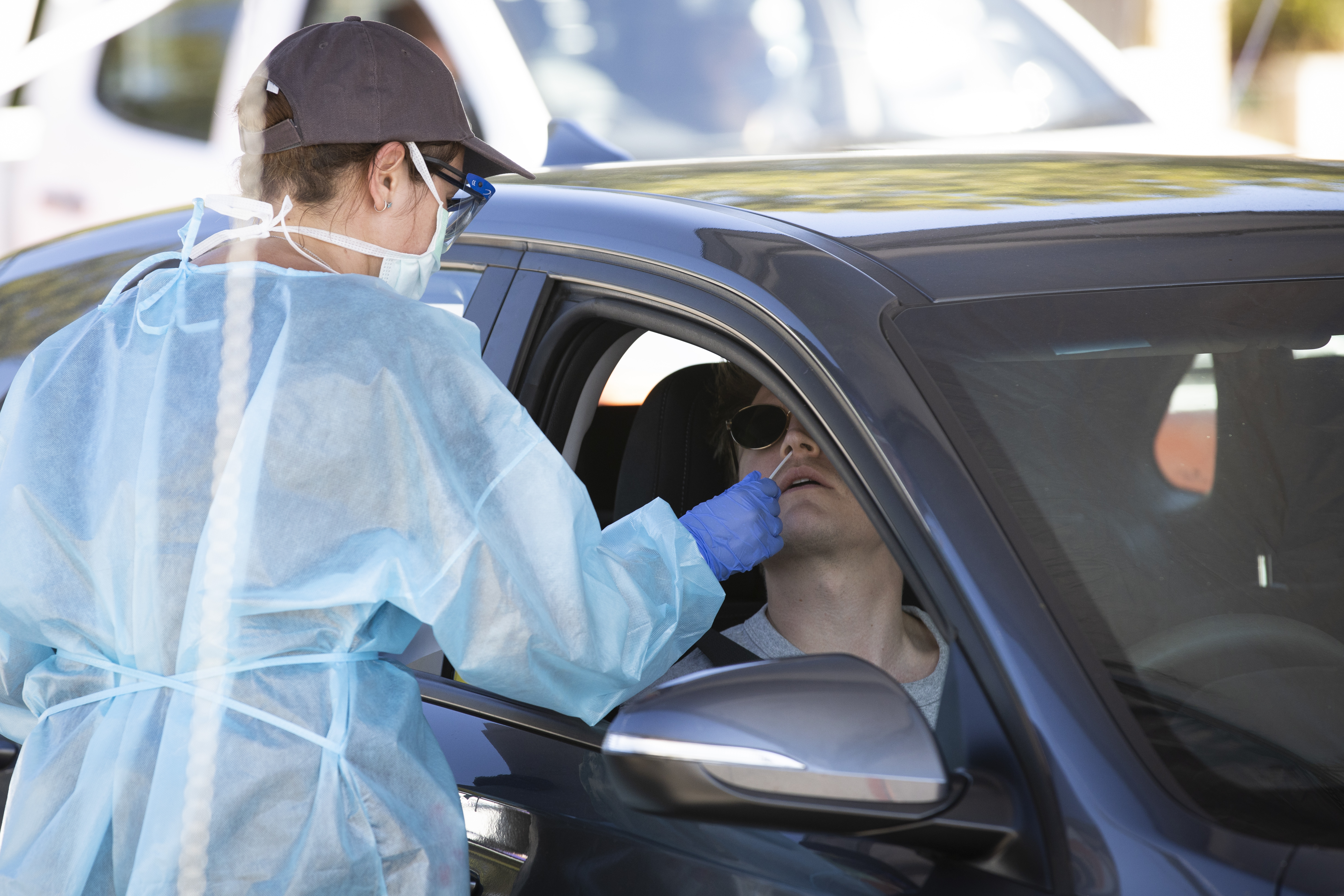
Mr Cook also said testing facilities across Perth were being expanded, including 16 drive-in clinics.

He said priority for testing was being given to older people and those with disabilities.

'FOLLOW THE RULES'

Mr McGowan has implored West Australians to follow the rules of the lockdown.

"Western Australians have responded remarkably well on the advice from WA Police is that systems have worked well," he said.

"These are challenging times, no doubt about that.

"In times like these, Western Australians step up."

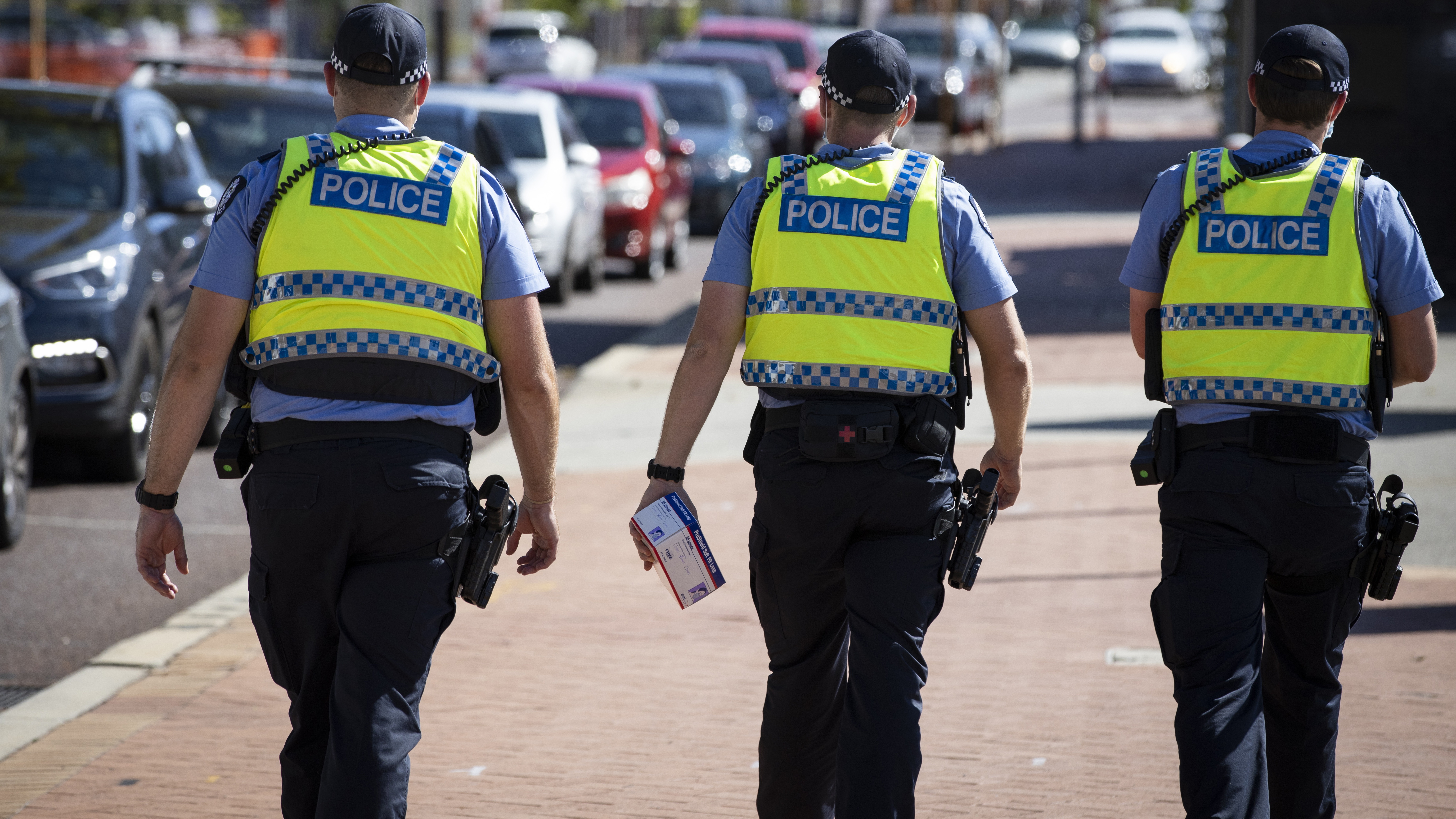
WA Police Commissioner Chris Dawson said a 41-year-old Ellenbrook man was arrested for refusing to wear a mask, even when offered one.
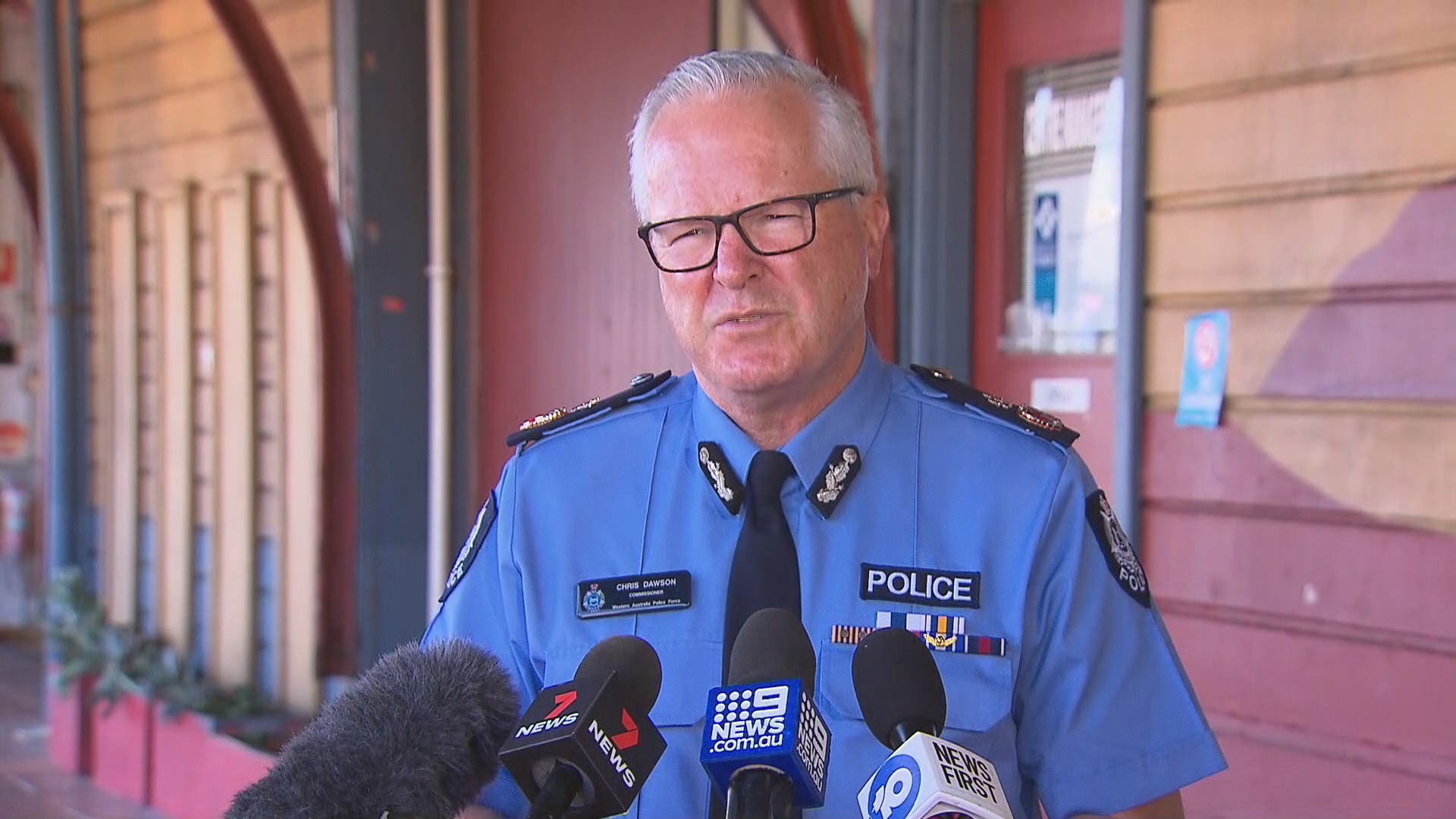
"I have watched the body worn vision of that particular arrest and I commend the officers involved for their patience in dealing with what we are alleging is a belligerent breach of the rules," he said.

"But that is now for the courts to deal with."

Commissioner Dawson said anybody feeling unwell must stay home, isolate and be tested as soon as possible.

'STRICT LOCKDOWN NECESSARY'

Mr McGowan has defended the strict lockdown restrictions in response to just one local case.

"We said we're going to be very harsh and tough if we had a case, and that's what we've done," he said.

"This is very unfortunate, but it's not unusual."

He said he intended on being "very cautious".

"I do not want to be in situation of Britain or the United States or Melbourne," he said.

"If we can crush it and kill it now, we can get back onto a good pathway in the future."

Mr McGowan said he expects the lockdown to go the full five days as planned.

"I just don't want to see a recurrence," he said.

"Britain kept coming out of lockdown too early.

"The more rational solution is you crush it. That allows you with confidence to come out of lockdown."

He said he expects schools to go back next week.

"Again, as we know, this is a very uncertain environment," he said.
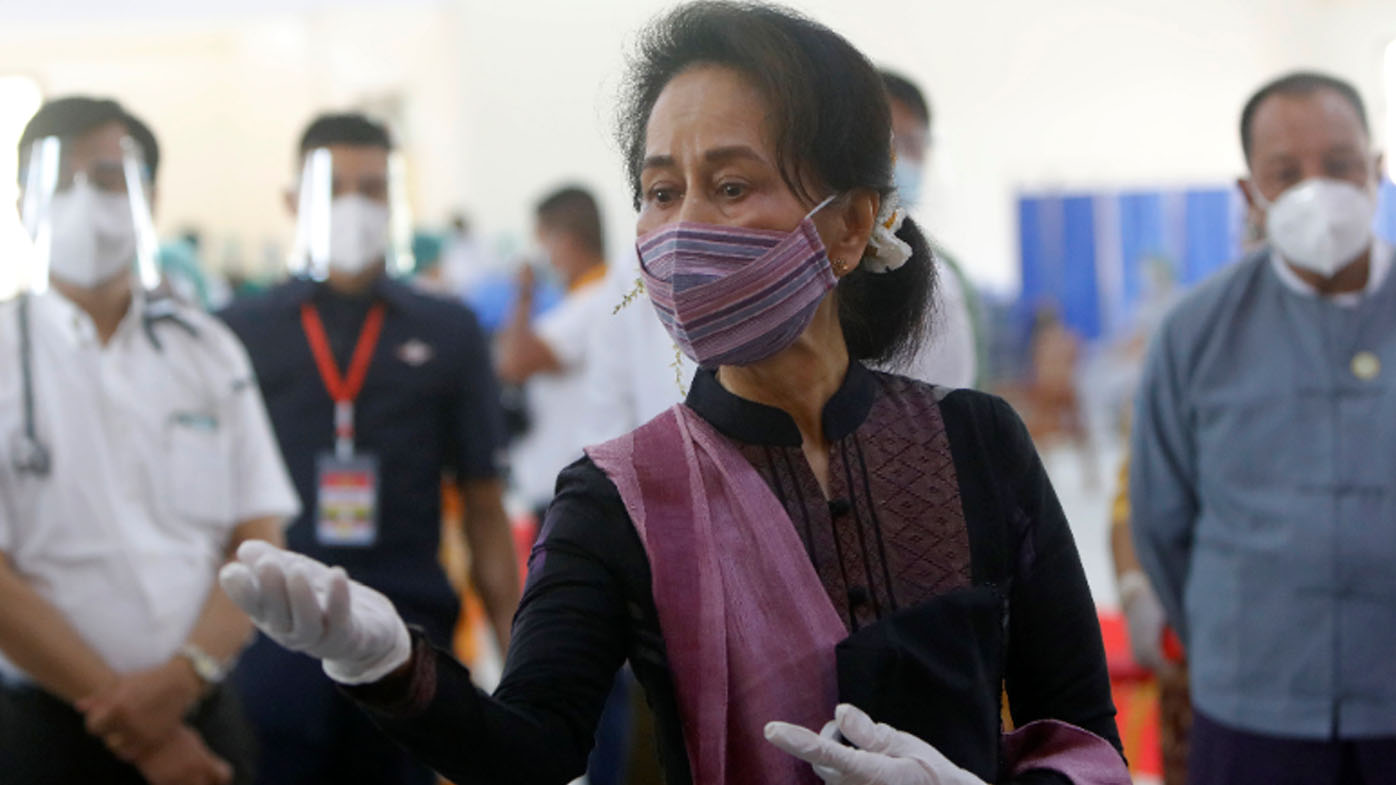
Why did the military stage Myanmar coup?

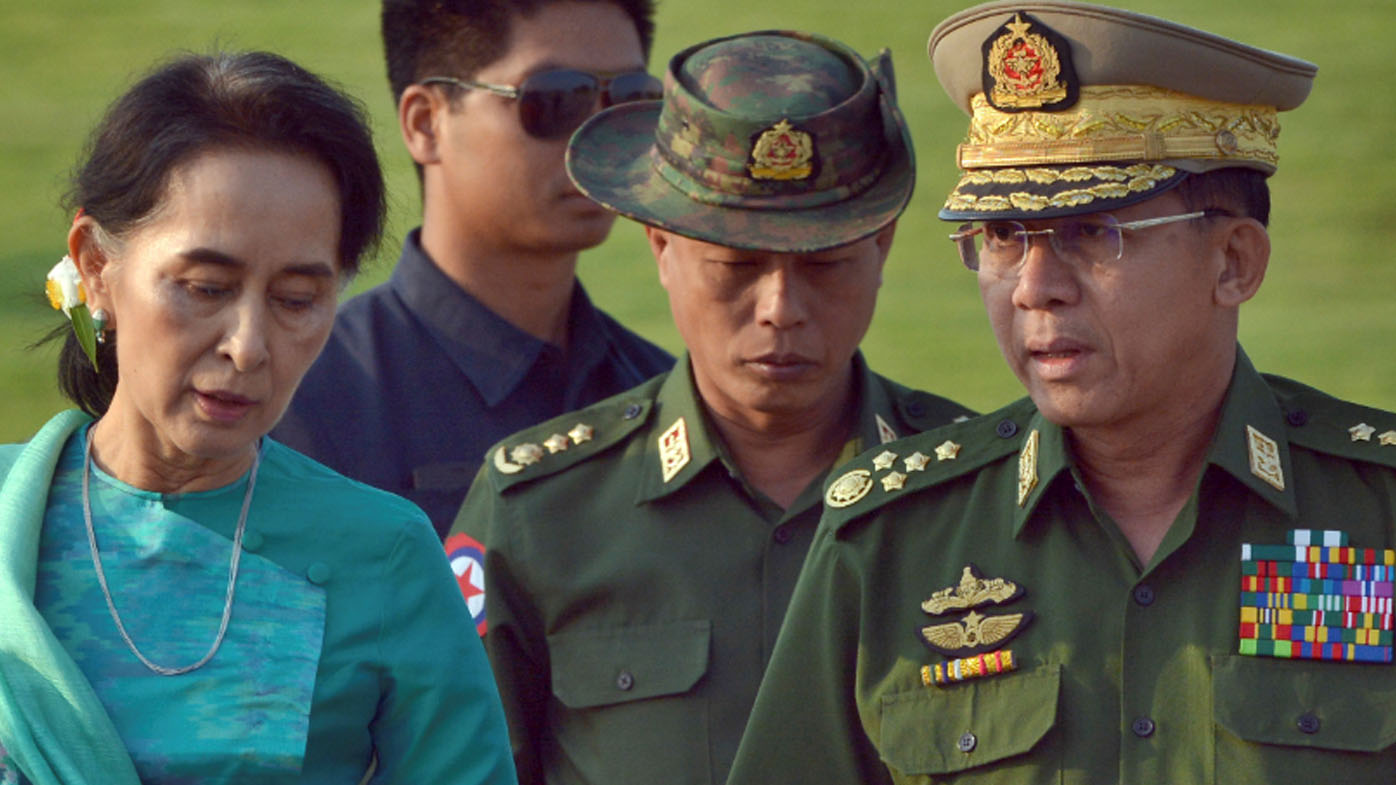
A coup in Myanmar has left the military in control under a one-year state of emergency, while the country's de-facto leader Aung San Suu Kyi and other senior politicians have been detained. Here’s a look at what could be behind the military’s actions.

WHY NOW?

Monday was supposed to be the first day of a new session of Parliament following November elections that Ms Suu Kyi’s party won in a landslide – and that the military-backed party did poorly in. The military has claimed widespread irregularities on voter lists could have led to fraud in that vote, though the election commission said there was no evidence to support those claims.

READ MORE: Military announces takeover in Myanmar

But the announcement on military-owned Myawaddy TV of the takeover cited the government's failure to act on the allegations as part of the reason for the move. It also said the government's failure to postpone the elections despite the coronavirus pandemic was behind it.

The military maintains its actions are legally justified, and the announcement cited an article in the constitution that allows the military to take over in times of emergency, though Ms Suu Kyi's party's spokesman and many outsiders have said it's effectively a coup.

Some experts expressed puzzlement that the military would move to upset the status quo – in which the generals continue to hold tremendous power despite progress toward democracy in recent years.

READ MORE: Biden threatens Myanmar with extra sanctions

But some noted the looming retirement of Senior General Min Aung Hlaing, who has been commander of the armed forces since 2011 and who was put in charge on Monday.

“There’s internal military politics around that, which is very opaque,” said Kim Jolliffe, a researcher on Myanmar civilian and military relations. “This might be reflecting those dynamics and might be somewhat of a coup internally and his way of maintaining power within the military.”

WHAT'S HAPPENING IN MYANMAR?

Television signals were cut across the country, as was phone and internet access in Naypyitaw, the capital, while passenger flights were grounded. Phone service in other parts of the country was also reported down, though people were still able to use the internet in many areas.

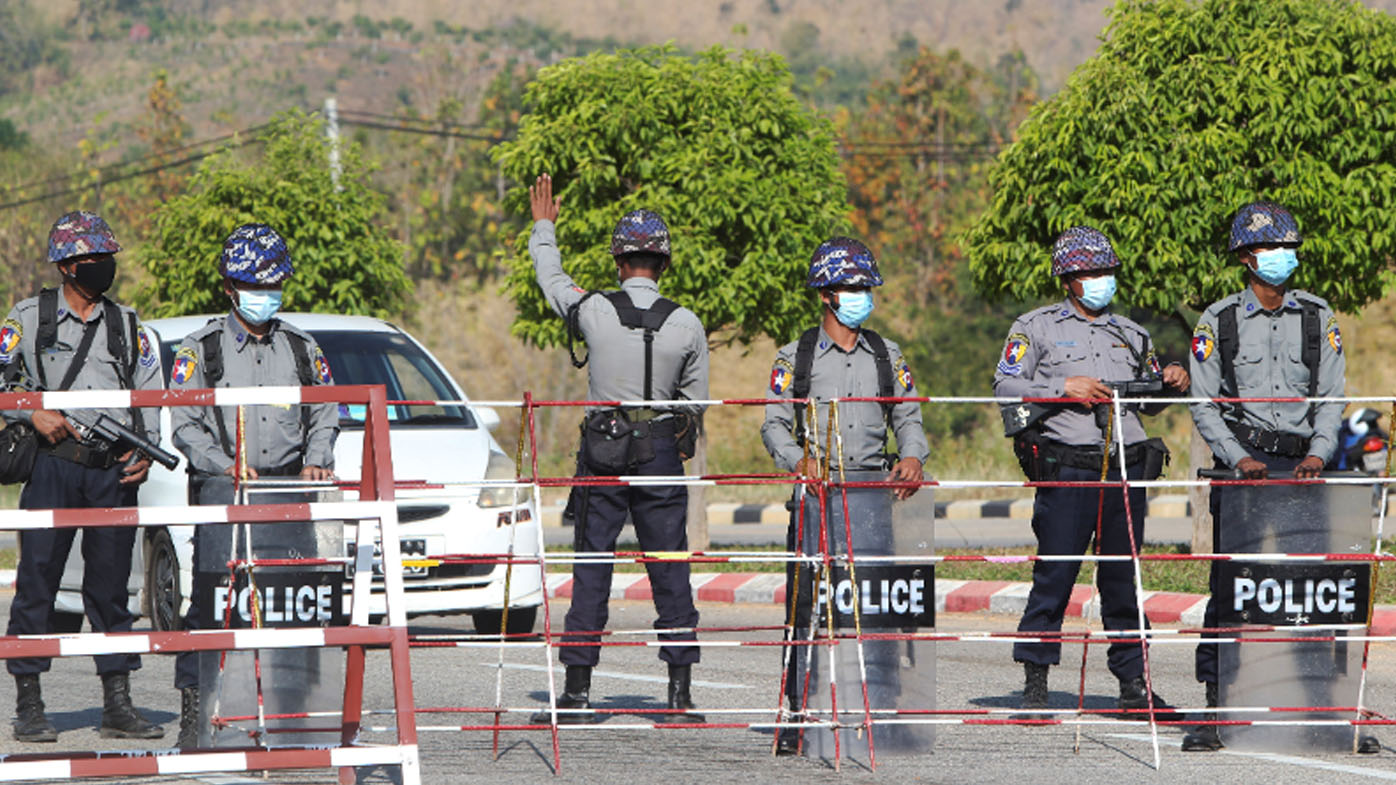
Barbed wire road blocks were set up across Yangon, the largest city, and military units began to appear outside government buildings such as City Hall.

Residents flocked to ATMs and food stalls, while some shops and homes removed the symbols of Ms Suu Kyi’s party, the National League for Democracy, that typically adorn the streets and walls of the city.

WHAT DOES IT MEAN FOR SUU KYI?

Ms Suu Kyi spent years under house arrest and received the Nobel Peace Prize for her efforts to bring democracy to Myanmar. But her reputation outside of the country soured after she went on the international stage to defend a crackdown on Rohingya Muslims – a campaign the US and others have labelled genocide.

Former US diplomat Bill Richardson questioned Ms Suu Kyi’s ability to lead given that defence.

https://twitter.com/GovRichardson/status/1356061365849313285?ref_src=twsrc%5Etfw

“Because of Suu Kyi’s failure to promote democratic values as Myanmar’s de facto leader, she should step aside and let other Myanmar democratic leaders take the reins with international backing and support,” Mr Richardson said in a statement.

WHAT HAPPENS NEXT?

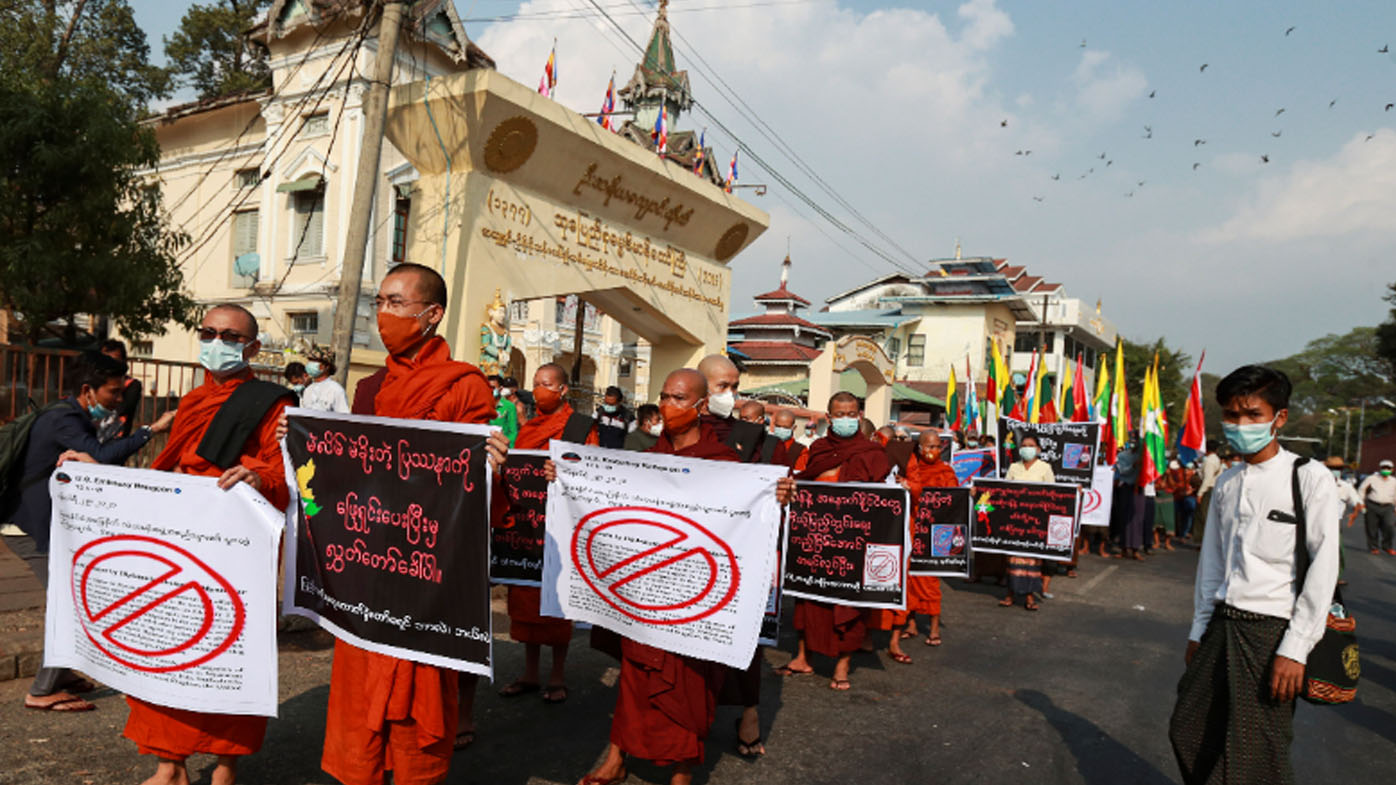
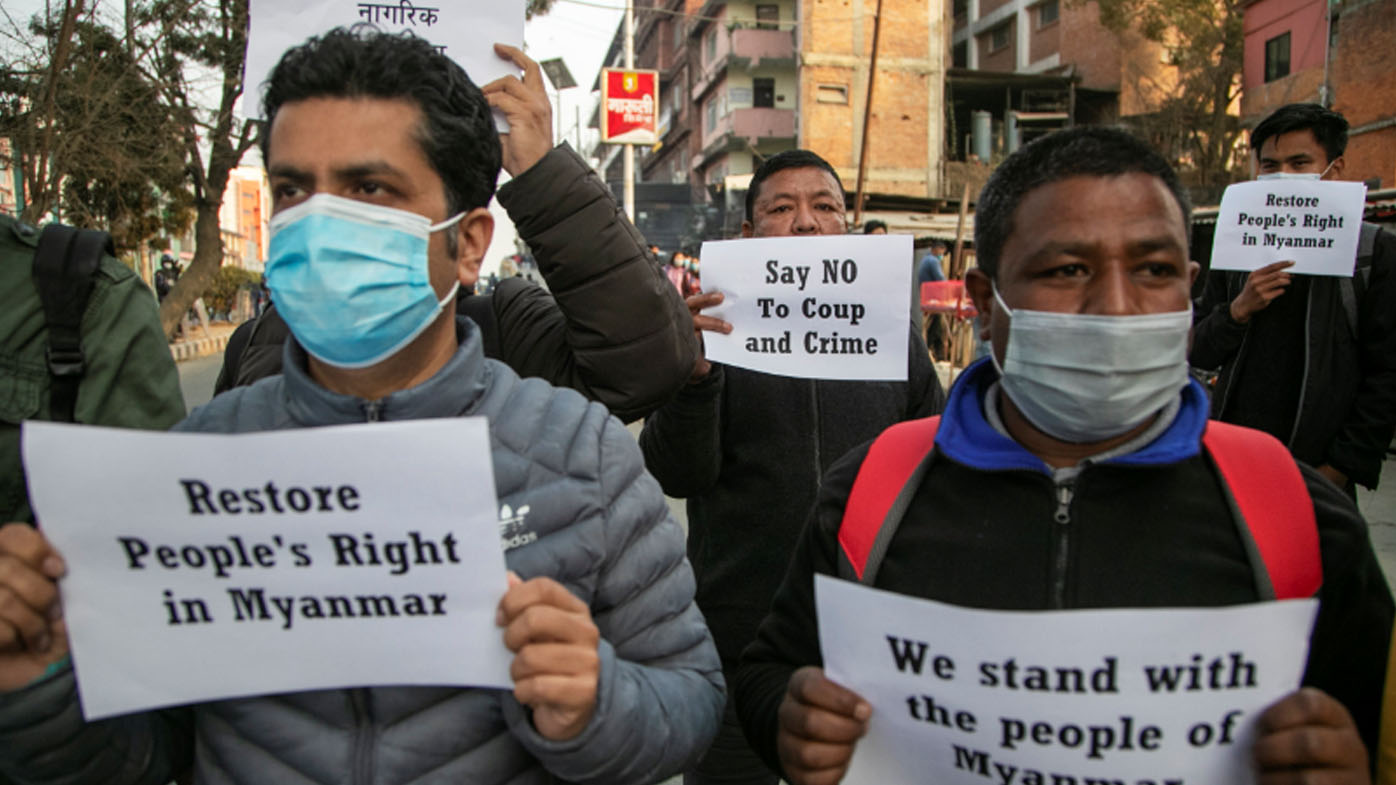
Governments and international organisations condemned the takeover, saying it sets back the limited democratic reforms Myanmar has made.

“This is an extremely crushing blow to efforts to present Myanmar as a democracy,” said Linda Lakhdhir, a legal adviser at Human Rights Watch. "Its creditability on the world stage has taken a massive hit.”

Watchdog groups fear a further crackdown on human rights defenders, journalists, and activists is coming. Even before the current military takeover critics of the military often faced legal action.

The coup will also be a test for the international community, which had isolated Myanmar during the decades it was under strict military rule but then enthusiastically embraced it as it moved toward democracy in recent years.

In a statement condemning the military's actions, US President Joe Biden threatened to impose new sanctions on Myanmar – a possibility others have raised.

Foreign Minister Marise Payne said the Federal Government was concerned about the military's actions and was monitoring the situation.

"Australia is a long-standing supporter of Myanmar and its democratic transition," she said.

"We call on the military to respect the rule of law, to resolve disputes through lawful mechanisms and to release immediately all civilian leaders and others who have been detained unlawfully."

Myanmar’s military leaders “must immediately free the democratic leaders of Myanmar and remove themselves from government,” said Democratic Senator Bob Menendez, the incoming chairman of the Senate Foreign Relations Committee.

“If not, the United States and other countries should impose strict economic sanctions, as well as other measures” against the military and its leaders, he said.

US astronauts finish four-year effort to modernise space station

A pair of spacewalking astronauts completed a four-year effort to modernise the International Space Station's power grid on Monday, installing one last battery.

Over the weekend, flight controllers in Houston used the space station's big robot arm to replace the last pair of old-style batteries with a single better-quality one.

READ MORE: SpaceX launches 143 satellites into space in record-breaking mission

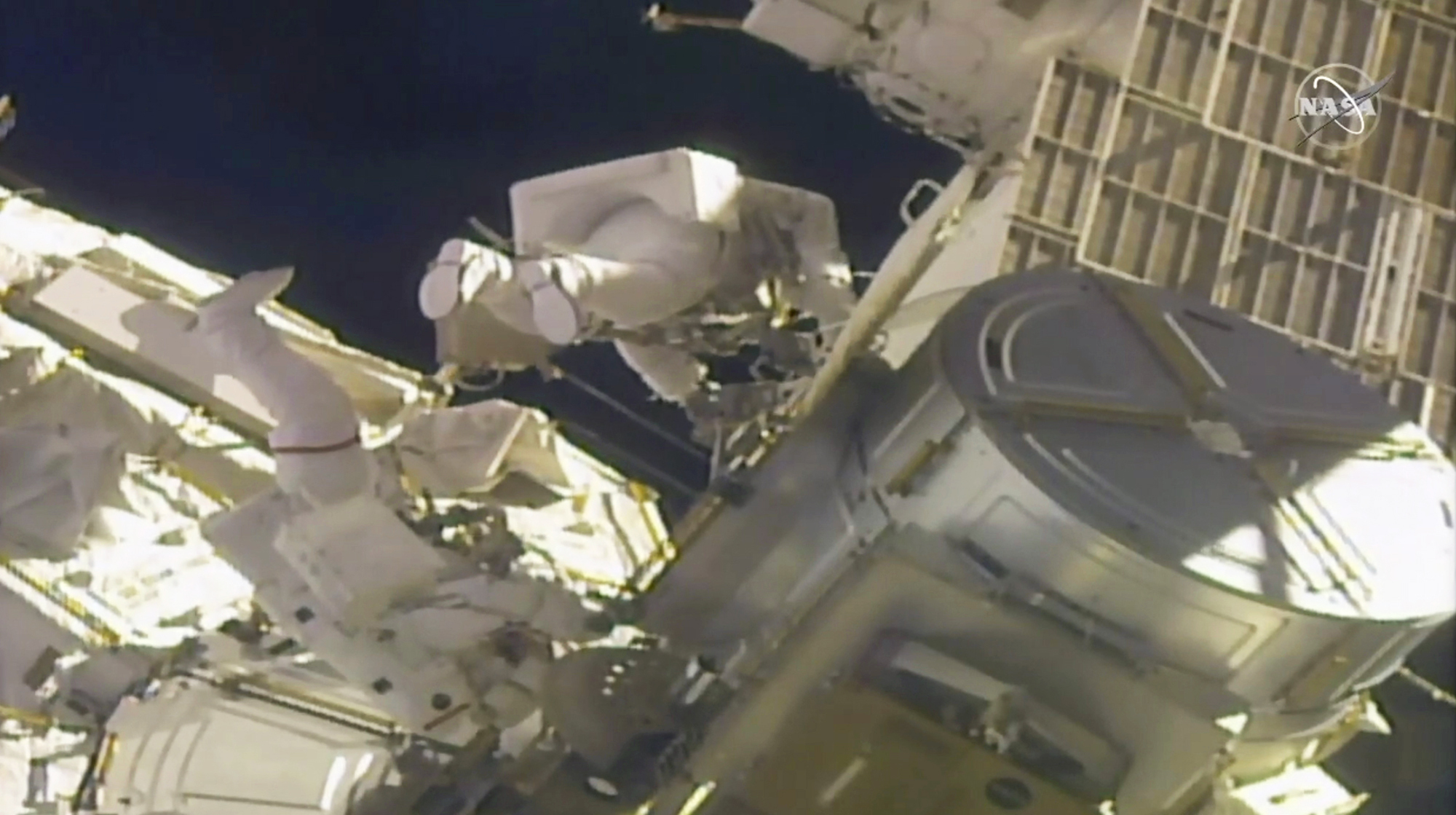
NASA's Mike Hopkins and Victor Glover put the finishing touches on this newest lithium-ion battery to complete a series of spacewalks that began in 2017.

Although the spacewalk got started late, Mr Hopkins and Mr Glover hustled through the battery work in under an hour.

They also made quick work of camera installations and squeezed in some extra chores.

The astronauts gazed down at Earth and soaked in one last sunset before reentering the space station.

"Yeah, enjoy the view. You guys did a great job today. You guys rocked it," Mission Control said as the five-hour spacewalk concluded well ahead of schedule.

READ MORE: Asteroid belt 'megasatellite' could house humans in space

The space station is now equipped with 24 lithium-ion batteries to store power collected by the solar panels.

The big, boxy batteries, surpassing 180 kilograms each, provide electricity for the orbiting lab when it's on the night side of Earth.

They're so powerful that only half as many are needed as the old nickel-hydrogen batteries they replaced.

The upgrade took longer than expected after one of the new batteries failed after it was installed two years ago and had to be replaced.

In all, 14 spacewalks were needed to complete the battery work.

READ MORE: South Australia to launch own satellite into space

NASA expects these batteries to last the rest of the space station's operating life.

Besides battery work, Mr Hopkins and Mr Glover installed a new camera on the US Destiny lab and replaced parts in the camera system outside the station's Japanese lab, named Kibo, or Hope in English.

During a spacewalk last Wednesday, the two astronauts made improvements to the European lab, Columbus.

Two more spacewalks will be conducted in about a month to get ready for additional solar panels set for delivery later this year.

Seven astronauts currently live on the space station: four Americans, two Russians and one Japanese.

Dog stuck under Melbourne tram leads to owner's arrest

A dog rescued after becoming stuck under a tram in Melbourne's CBD overnight has led to his owner's arrest.

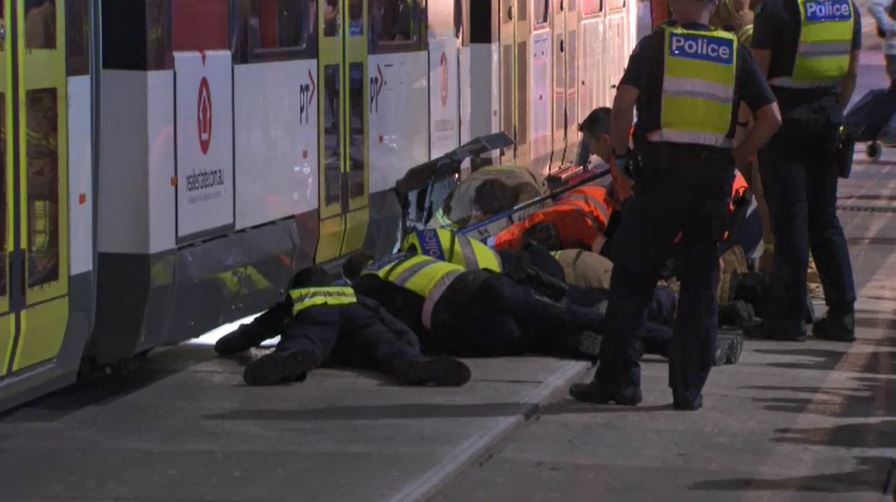
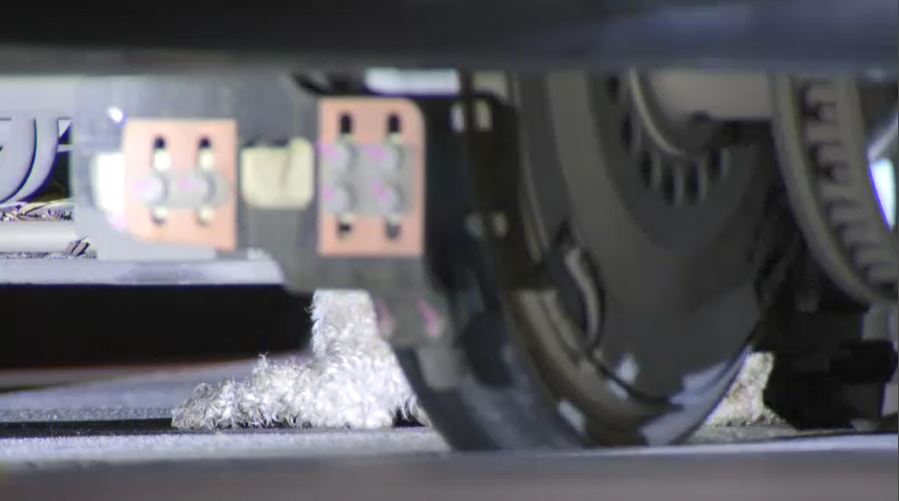
Firefighters, police and tram staff spent more than an hour trying to pull the small white dog out from underneath the tram at the corner of Swanston and Bourke Streets about 8.50pm.

A Fire Rescue Victoria (FRV) spokeswoman said the dog ran under the tram when it pulled up to the intersection.

READ MORE: Dog tumbles out of moving car window

Bystanders cheered when the dog was safely freed and handed into the care of an animal ranger just before 10pm.

"Firefighters worked with Victoria Police and the ranger to coax the dog out from under the tram," the FRV spokeswoman said.

"There were initial concerns the dog was injured, however thankfully it was unharmed."

Police then arrested the dog's owner after realising there was an outstanding warrant for his arrest.

"A man at the scene was arrested in relation to a separate ongoing investigation," Victoria Police said in a statement.