Test your brains with the Herald’s morning quiz. Be sure to check back on nzherald.co.nz at 3pm for the afternoon quiz. To challenge yourself with more quizzes, CLICK HERE.
Tag Archives: oceania
Rare Botticelli portrait sells for a record $120 million
One of the last Sandro Botticelli portraits left in private hands sold at auction for a record US$92.2 million ($120.1m) (after fees) at Sotheby's New York on Thursday morning.
The 15th-century painting "Young Man Holding a Roundel" became the most expensive work by the Renaissance artist ever to appear at auction, and the most valuable Old Masters work ever sold at a Sotheby's, the auction house announced.
Believed to have been produced in the late 1470s or early 1480s, the portrait was purchased by its previous owner in 1982 for just £810,000 (a little over $1.3 million in today's money). It depicts an unidentified young man holding a small circular painting known as a roundel.
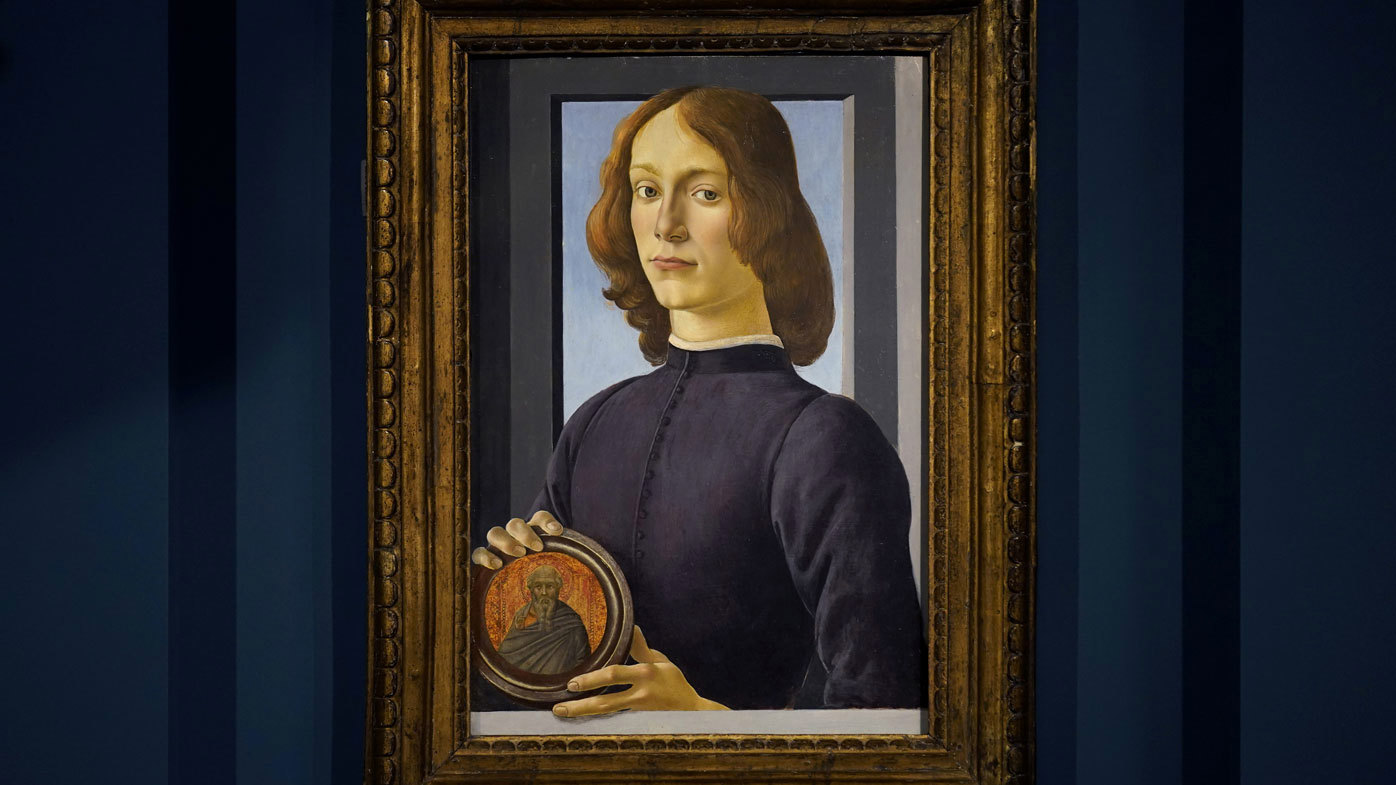
The roundel itself contains a miniature religious portrait by 14th-century Sienese painter, Bartolomeo Bulgarini, that Botticelli incorporated into the work.
"This painting is not just the greatest Botticelli in private hands but is to be considered amongst the finest Renaissance paintings in private ownership," head of Sotheby's Old Master painting department, Christopher Apostle, said in an email prior to the sale.
Having billed the work as "one the most significant portraits of any period ever to appear at auction," Sotheby's initially estimated bids in excess of US$80 million ($104m). But Apostle also predicted that it could "very well be the next painting to surpass the rarified US$100 million ($130m) threshold".
Had it done so, it would have become the first painting to achieve a nine-figure sum at auction since Claude Monet's "Haystacks," which fetched over US$110 million ($160m) in 2019.
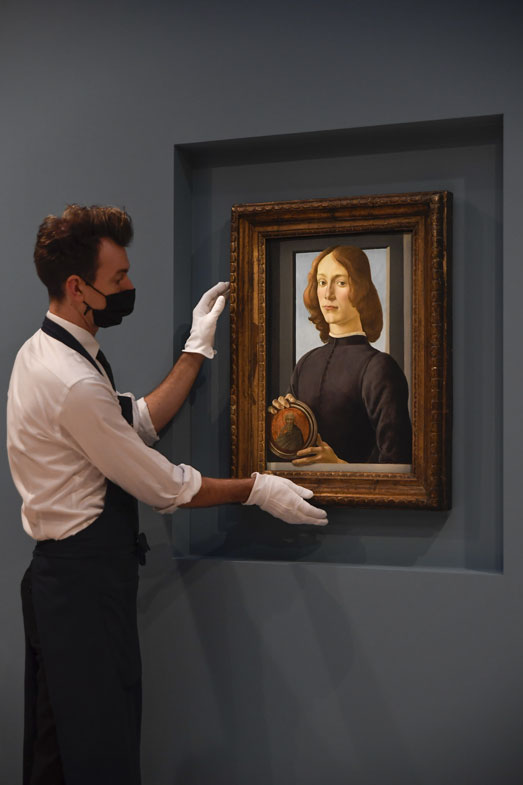
Though not as well-known as Botticelli masterpieces like "The Birth of Venus" and "Primavera," the portrait sold on Thursday "depicts the quintessential Renaissance man," Apostle said. "It has a very modern feel, largely thanks to its astonishing condition and setting," he said.
Market rarity
Although celebrated during his lifetime, Botticelli's legacy faded after his death in 1510. It was only in the late 19th century that interest in his oeuvre was reignited.
Today, however, he is considered a key figure in the Western art tradition. A blockbuster exhibition featuring around 40 of the painter's works, due to open September at the Musée Jacquemart-André in Paris, is among 2021's most anticipated art shows.
Botticelli rarely produced portraits, focusing most of his career on religious scenes and paintings of classical mythology. Only a dozen or so are known to have survived, with almost all now found in museum collections.
Prior to Thursday's sale, the auction record for one of his paintings was the US$10.4 million ($13.55m) paid for "Madonna and Child with Young Saint John the Baptist" — also known as "The Rockefeller Madonna" — at Christie's in New York in 2013.
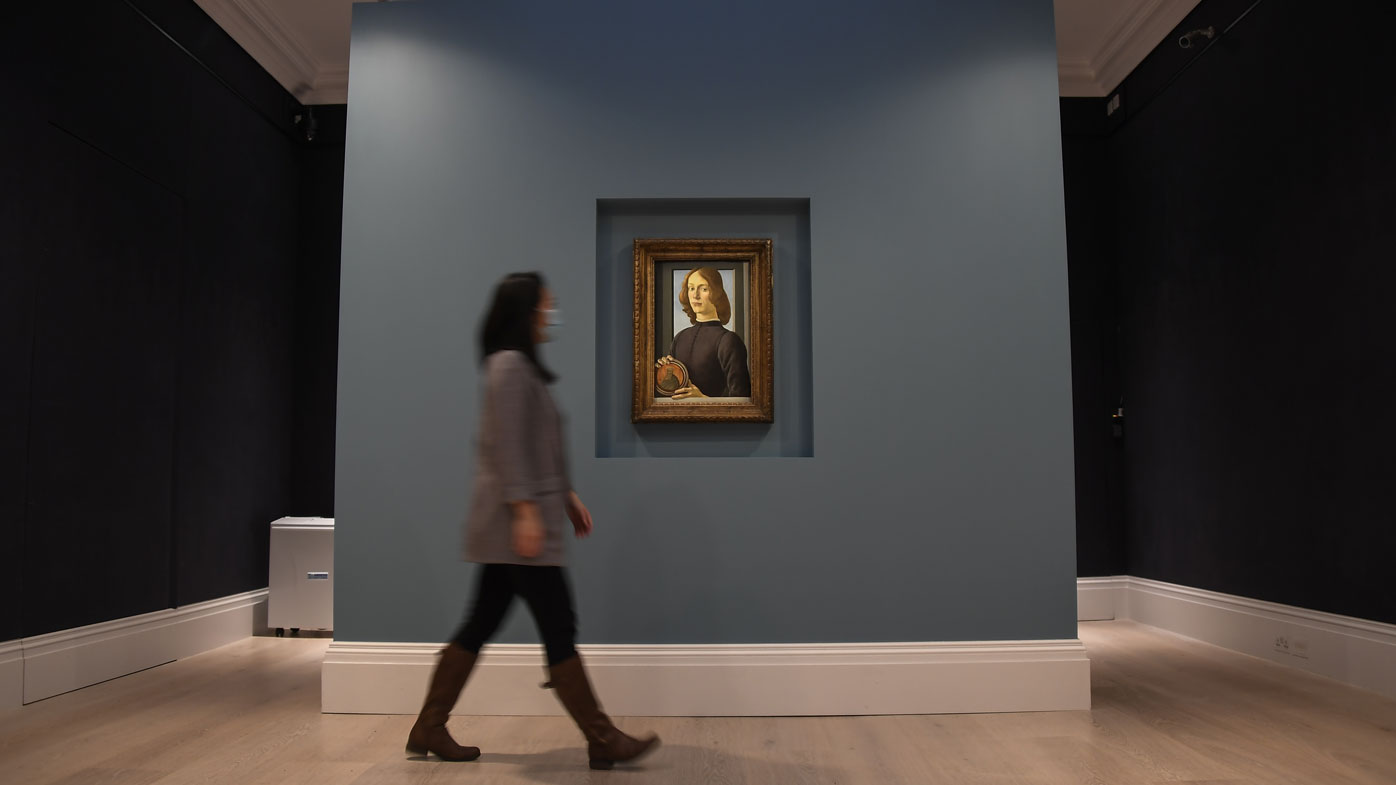
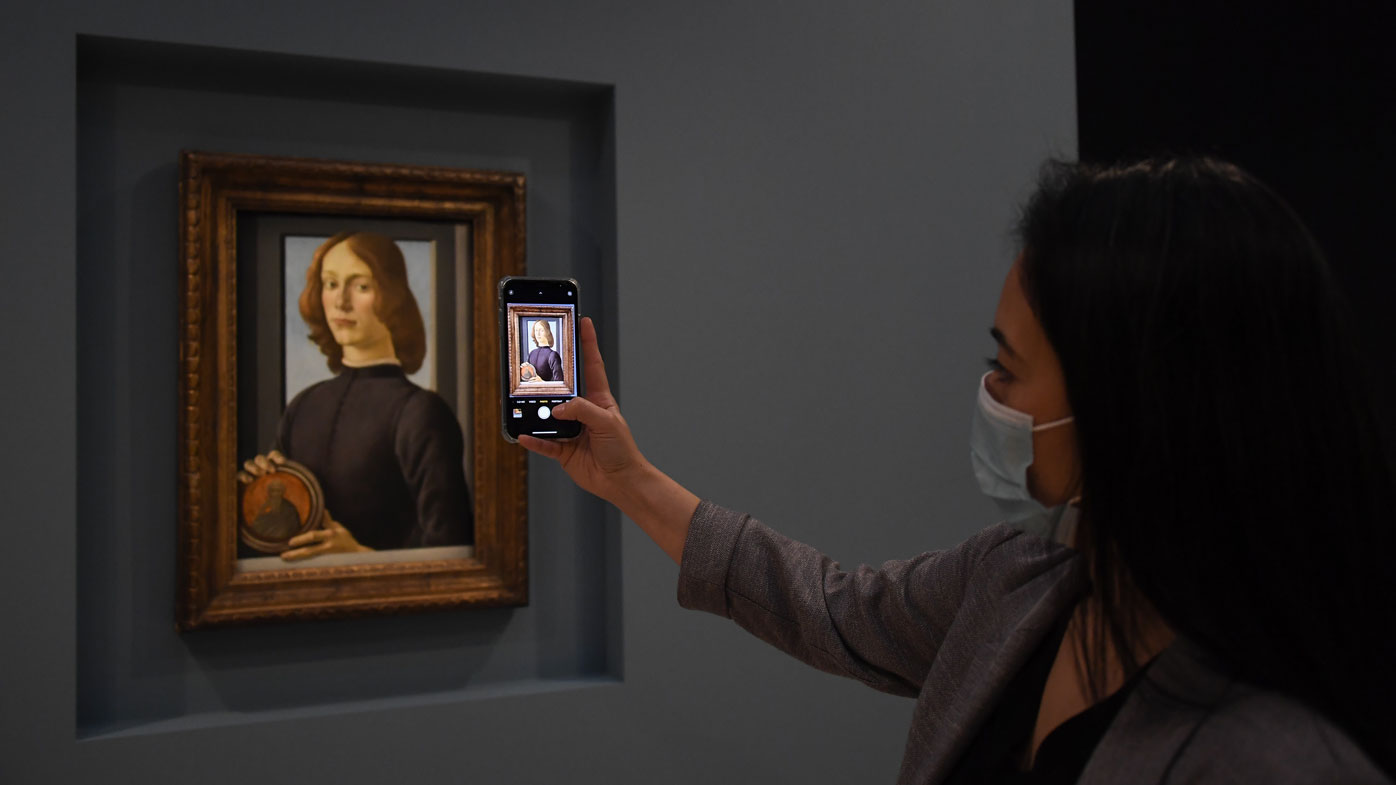
"Young Man Holding a Roundel" was the star of Sotheby's "Master Paintings and Sculpture" sale, which brought together still life paintings and portraits by celebrated European artists.
The other standout lot, a rare biblical scene by Rembrandt titled "Abraham and the Angels," which had not appeared at auction since the 1840s, was one of four works withdrawn just before the sale began.
Other items still to sell as part of the auction house's Masters Week series include a 17th-century sculpture by Pietro and Gian Lorenzo Bernini, estimated to sell for between US$8 million and US$12 million ($10.4m – $15.6m), and a triptych by Flemish painter Pieter Coecke van Aelst that is expected to make up to US$3.5 million ($4.5m).
Alexi Navalny defiant as Russian court rejects his arrest appeal
A Russian court on Thursday rejected opposition leader Alexei Navalny's appeal of his arrest while authorities detained several of his allies and issued warnings to social media companies after tens of thousands swarmed the streets in over 100 Russian cities last weekend demanding his release.
Appearing in court by video link from jail, Navalny denounced criminal proceedings against him as part of the government's efforts to intimidate the opposition.
"You won't succeed in scaring tens of millions of people who have been robbed by that government," he said. "Yes, you have the power now to put me in handcuffs, but it's not going to last forever."
READ MORE: Russia arrests 350 protesters demanding Navalny's release
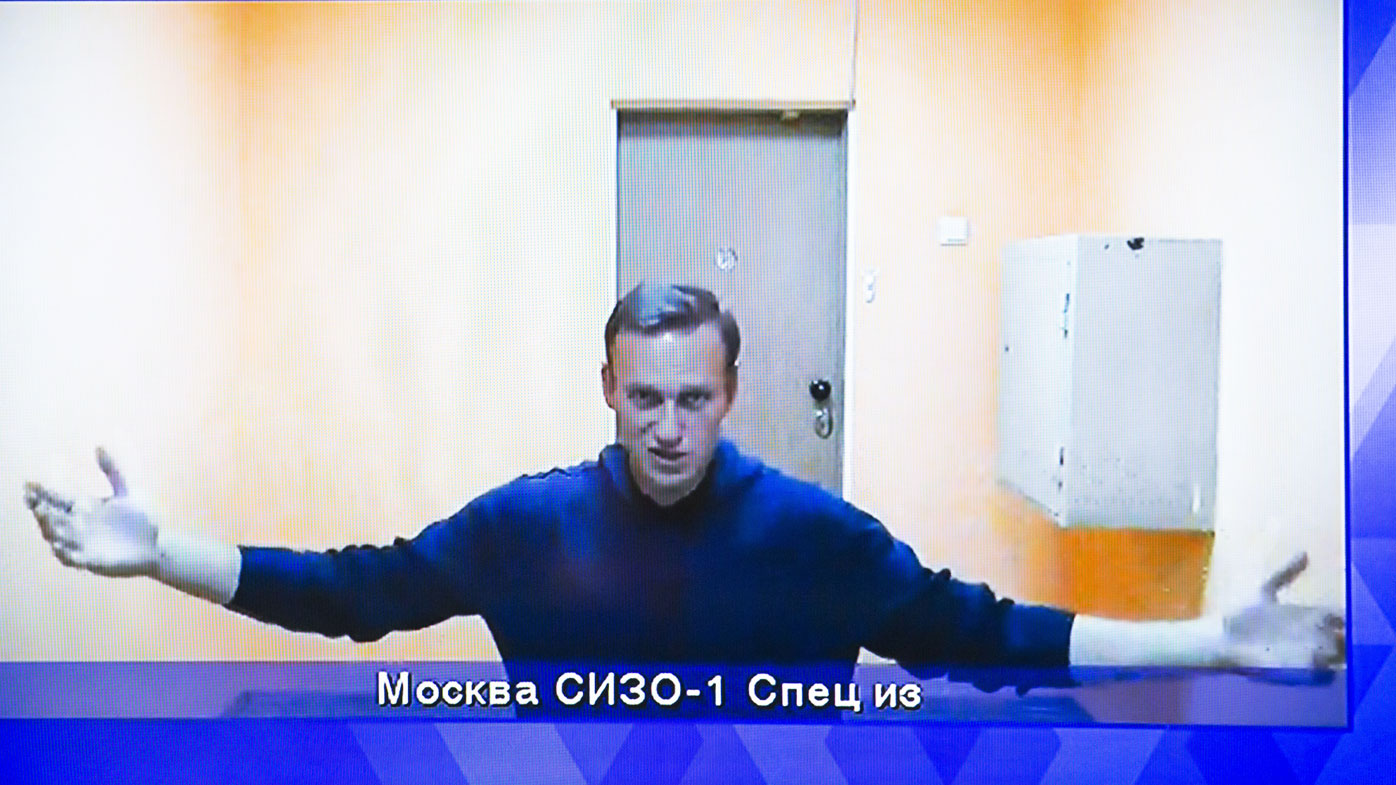
The 44-year-old Navalny, the most well-known critic of President Vladimir Putin's government, was arrested January 17 upon returning from Germany, where he spent five months recovering from nerve-agent poisoning that he blames on the Kremlin. Russian authorities have rejected the accusations.
Navalny was arrested and jailed for 30 days at the request of Russia's penitentiary service, which charged that he had violated the probation terms of his suspended sentence from a 2014 money-laundering conviction that rejected as politically driven. He is also currently facing accusations in two separate criminal probes.
RELATED: Russia's Navalny accuses Putin of being behind poisoning
Before the Moscow Region Court rejected the appeal of his recent arrest, defence lawyers argued that while undergoing rehabilitation in Germany, Navalny could not register with authorities as required by the probation terms. His lawyers also charged that Navalny's due process rights were repeatedly violated during his arrest.
Navalny described his jailing following an earlier court hearing quickly held at a police station as a mockery of justice.
"It was demonstrative lawlessness intended to scare me and all others," he told the Moscow court.
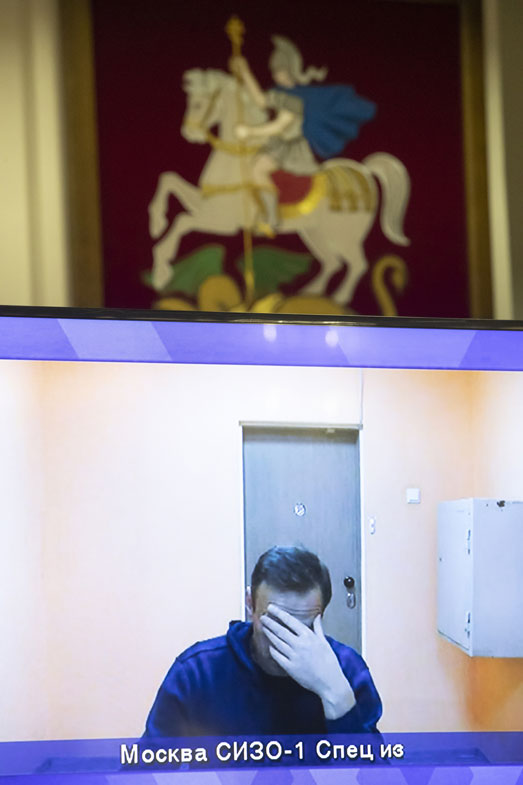
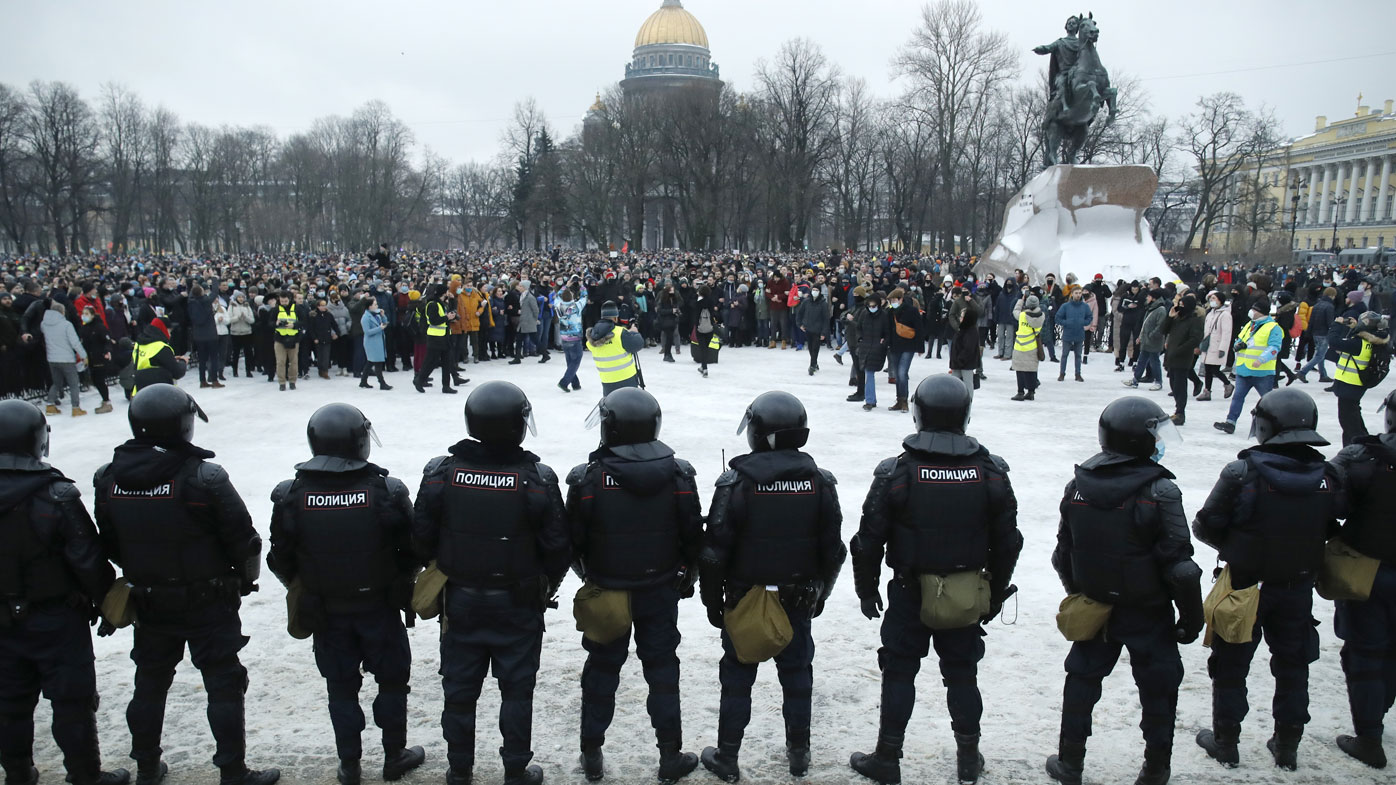
Navalny's supporters are organising another round of rallies for Sunday. Police on Wednesday searched Navalny's apartment, a rented accommodation where his wife, Yulia, has been living and the residences of several of his associates and supporters.
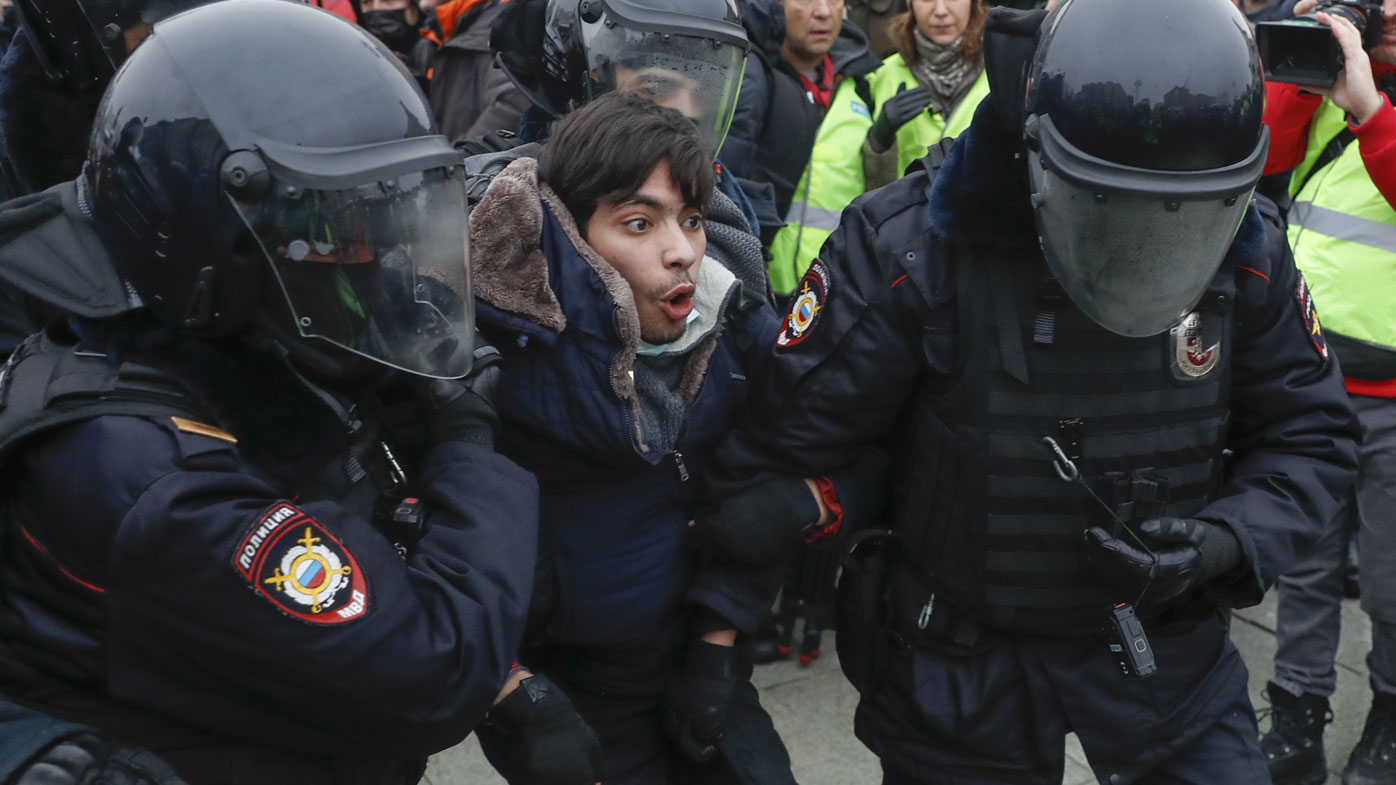
Navalny's brother, Oleg Navalny, his top ally, Lyubov Sobol, Dr. Anastasia Vasilyeva from the Navalny-backed Alliance of Doctors and Maria Alyokhina from the Pussy Riot punk collective were detained for 48 hours as part of a criminal probe into alleged violations of coronavirus regulations during last Saturday's protests.
Putin spokesman Dmitry Peskov said the searches and detentions were a legitimate part of police efforts to investigate the alleged violations during the events.
"Law enforcement agencies are doing their job," Peskov said during a conference call with reporters. "There were numerous violations of Russian laws, and law enforcement agencies are at work."
Moscow police on Thursday issued a notice to the public not to join protests Sunday, warning that officers would act resolutely to disperse unsanctioned rallies and bring participants to justice.
Also Thursday, Russian prosecutors issued warnings to Facebook, Google, Twitter, TikTok and Russian social networks, demanding that they block calls for more protests.
"The state doesn't want the social networks to become a platform for promoting such illegal actions," Peskov said.
Asked if a refusal to remove such content could prompt Russian authorities to block the platforms, Peskov said it would be up to relevant government agencies to consider a response.
"All pros and cons will be weighed and, if necessary, measures envisaged by the law will be taken," he said.
Earlier this week, Russian state communications watchdog Roskomnadzor said it would fine Facebook, Instagram, Twitter, TikTok, YouTube and two Russian social networks for their failure to block calls on minors to join Saturday's protests.
Facebook, Google and TikTok haven't responded to requests for comment about the Russian authorities' action. Twitter refused to comment to The Associated Press on Thursday.
Also Thursday, Russia's Investigative Committee said it opened a criminal probe against Navalny's top strategist, Leonid Volkov, accusing him of encouraging minors to participate in unauthorized rallies. Volkov, who currently stays abroad, rejected the charges.
"The streets must speak now. There is nothing else left," Volkov tweeted after Navalny's appeal was rejected, repeating the call on Russians to turn out in force on Sunday.
In a challenge to Putin two days after Navalny's arrest, his organisation released an extensive video report on a palatial seaside compound allegedly built for the president. It has been viewed over 98 million times, further stoking discontent.
Demonstrations calling for Navalny's release took place in more than 100 cities across the nation last Saturday, a strong show of rising anger toward the Kremlin. Nearly 4,000 people were reported detained at those protests and some were handed fines and jail terms.
Speaking during Thursday's court hearing, Navalny thanked his supporters and said, "They are the last barrier preventing our country from sliding into the degradation."
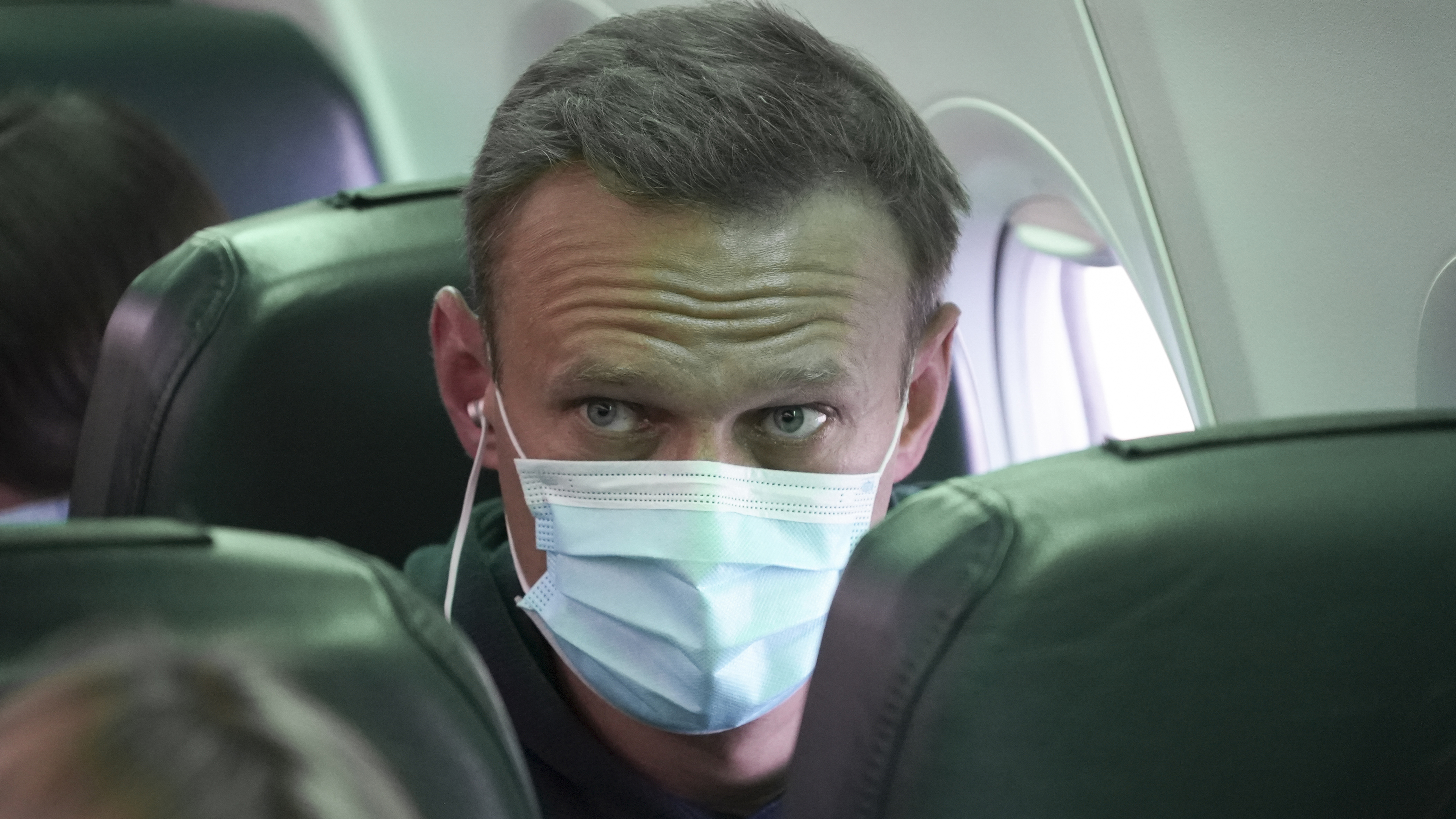
Navalny fell into a coma while aboard a domestic flight from Siberia to Moscow on Aug. 20. He was transferred from a hospital in Siberia to a Berlin hospital two days later. Labs in Germany, France and Sweden, and tests by the Organisation for the Prohibition of Chemical Weapons, established that he was exposed to the Soviet-era Novichok nerve agent.
Russian authorities have refused to open a full-fledged criminal inquiry, citing a lack of evidence that Navalny was poisoned.
Navalny's arrest and the harsh police actions at the protests have brought wide criticism from the West and calls for his release.
Nissan recalls 354,000 Pathfinder SUVs worldwide for brake light problem
Nissan is recalling more than 354,000 Pathfinder SUVs worldwide, some for a second time, because the brake lights can stay on all the time.
The recall covers certain Pathfinders from the 2013 through 2015 model years.
The automaker says a stop lamp relay can get stuck in the on position.
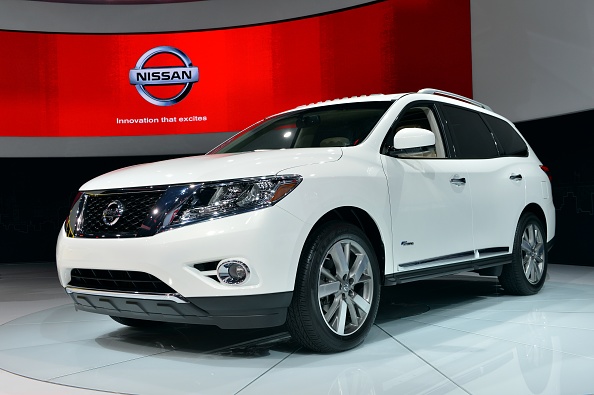
The problem can limit engine power and let drivers shift out of park or start the engine without a foot on the brake pedal.
The 2013 and 2014 models were first recalled in 2016. The latest recall has a new repair and adds the 2015 model year.
Nissan says it's aware of one crash after recall repairs were made, but no injuries.
Dealers will inspect and reposition the switch if necessary starting in March.
They also will replace a brake light relay, according to the US's National Highway Traffic Safety Administration documents posted Thursday.
READ MORE: Last Holden ever made in Australia goes under the hammer

The recall covers more than 267,000 Pathfinders in the US. It's not known what portion of the remaining affected vehicles could be in Australia.
There is currently no recall for the Pathfinders with Product Safety Australia but days ago PSA issued a recall for the Nissan Infiniti Y51 Q70, with models between 2012 to 2015 effected.
"Due to improper material and dimensions, the fatigue strength of the propeller shaft is lower than expected and the propeller shaft may crack and detach," the recall states.
The large Pathfinder SUVs were previously recalled in Australia in 2019, over a faulty oil seal in the antilock braking system (ABS), impacting just over 6000 cars, according to CarAdvice.
WHO team in Wuhan begin coronavirus investigation after clearing quarantine
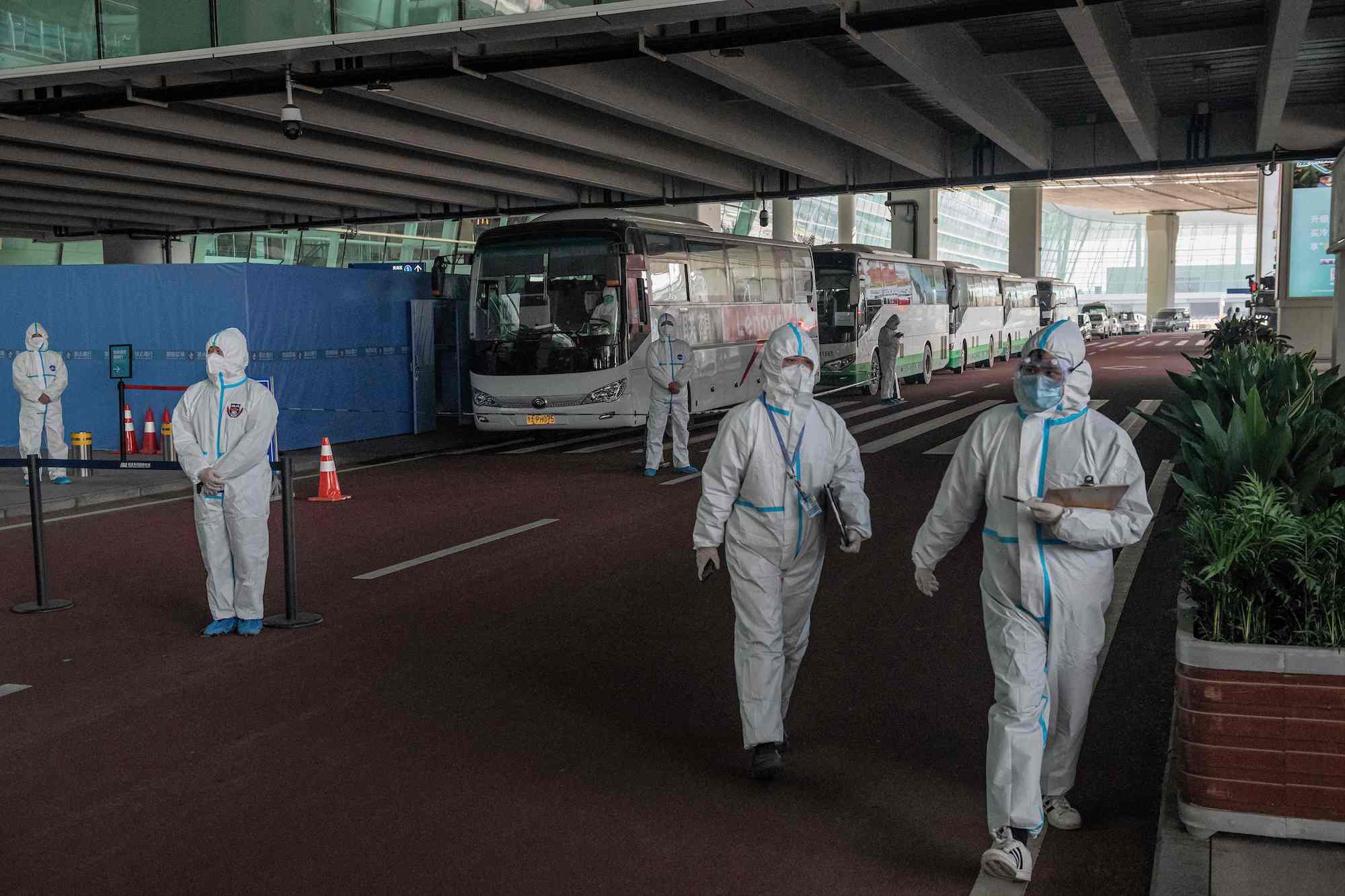
A team of World Health Organisation (WHO) investigators examining the origins of the coronavirus pandemic left their hotel in the Chinese city of Wuhan on Thursday afternoon, after completing a two-week quarantine.
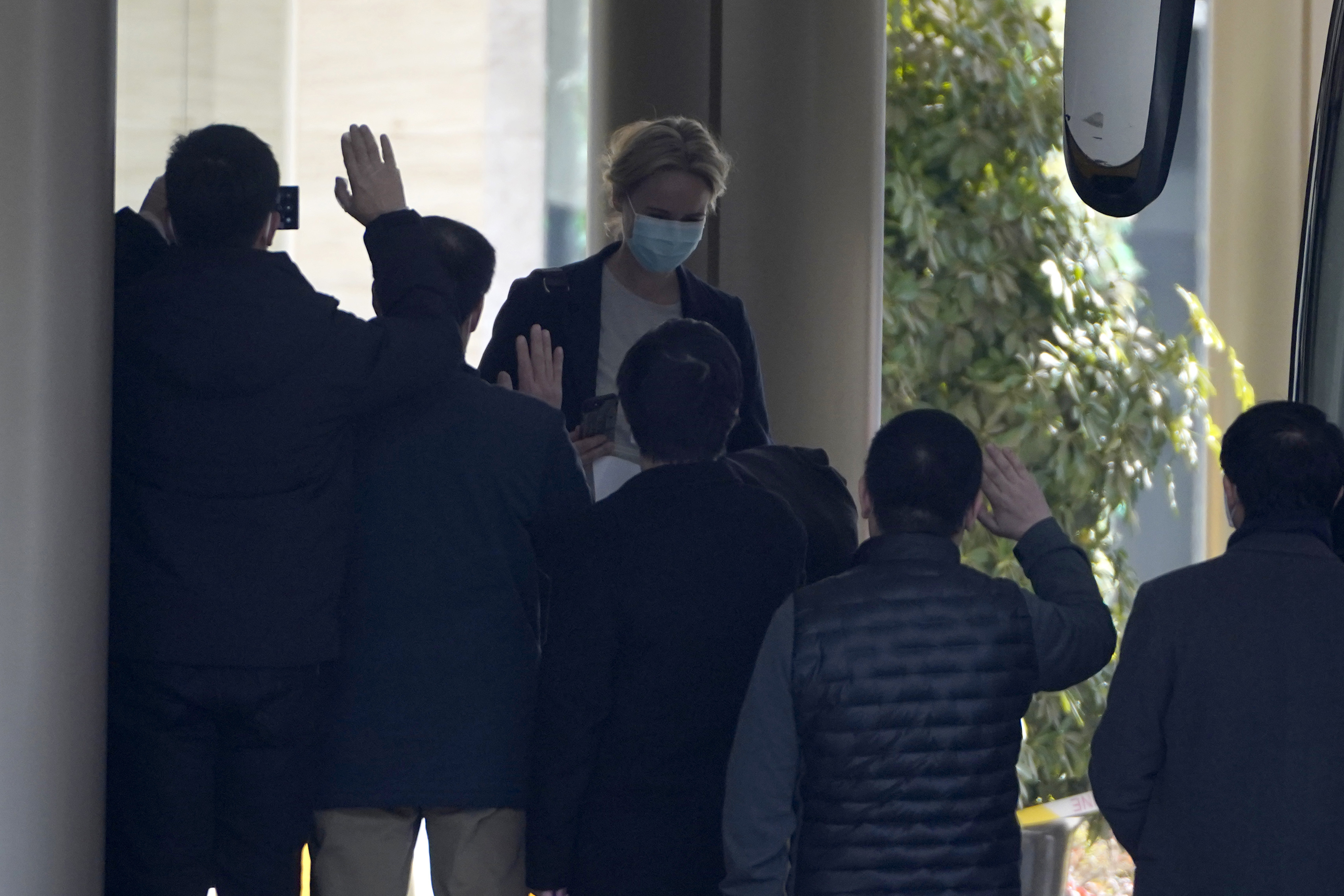
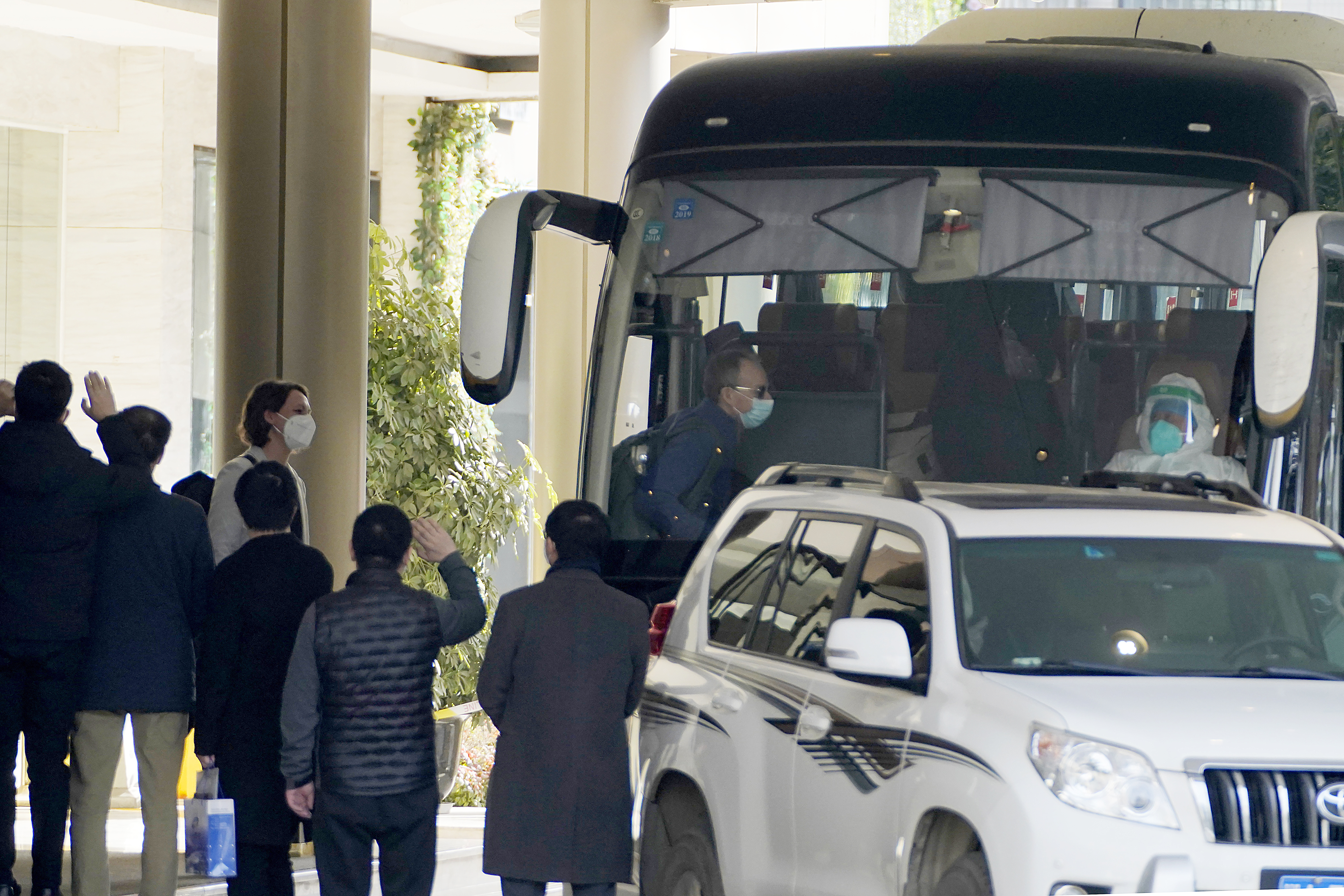
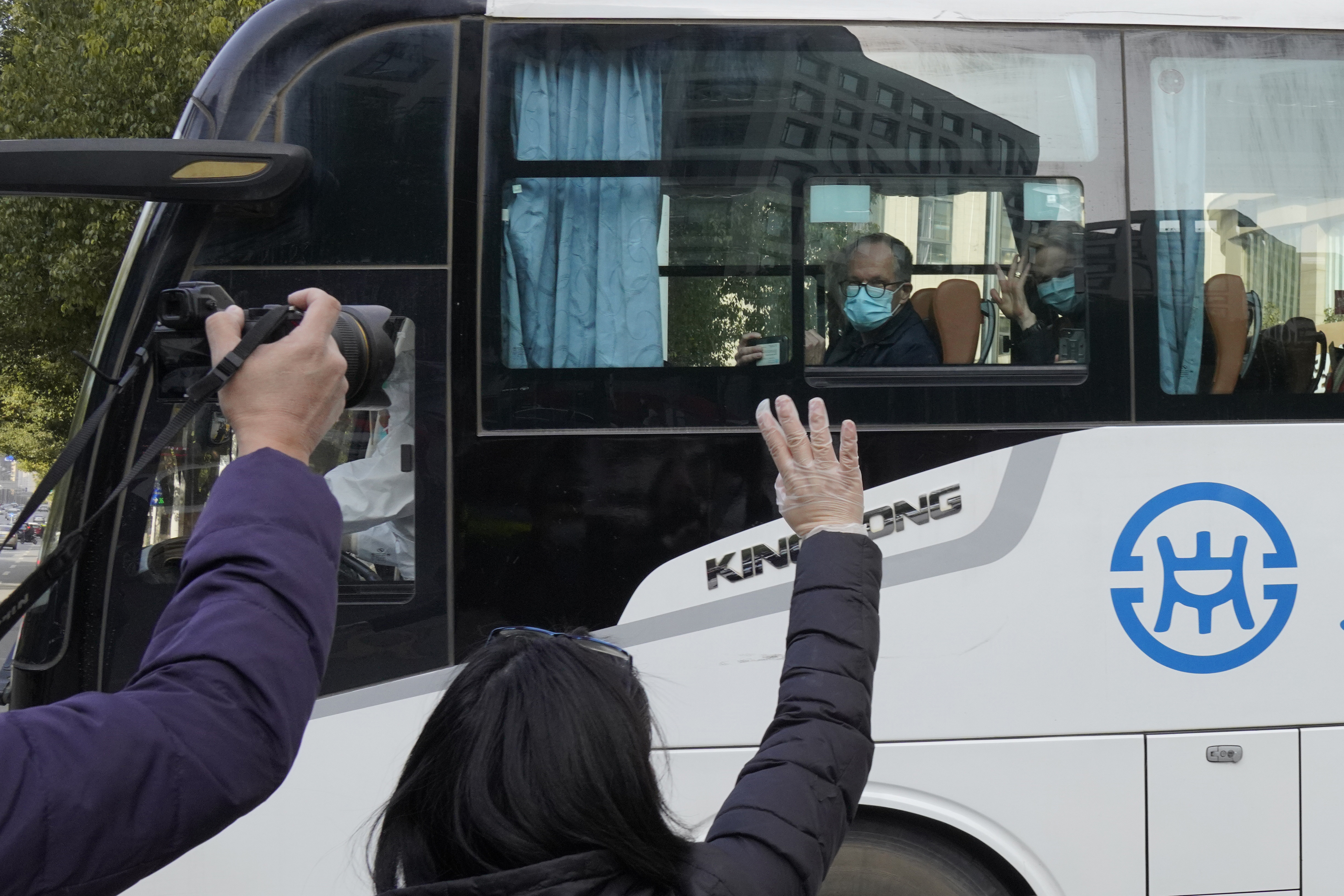
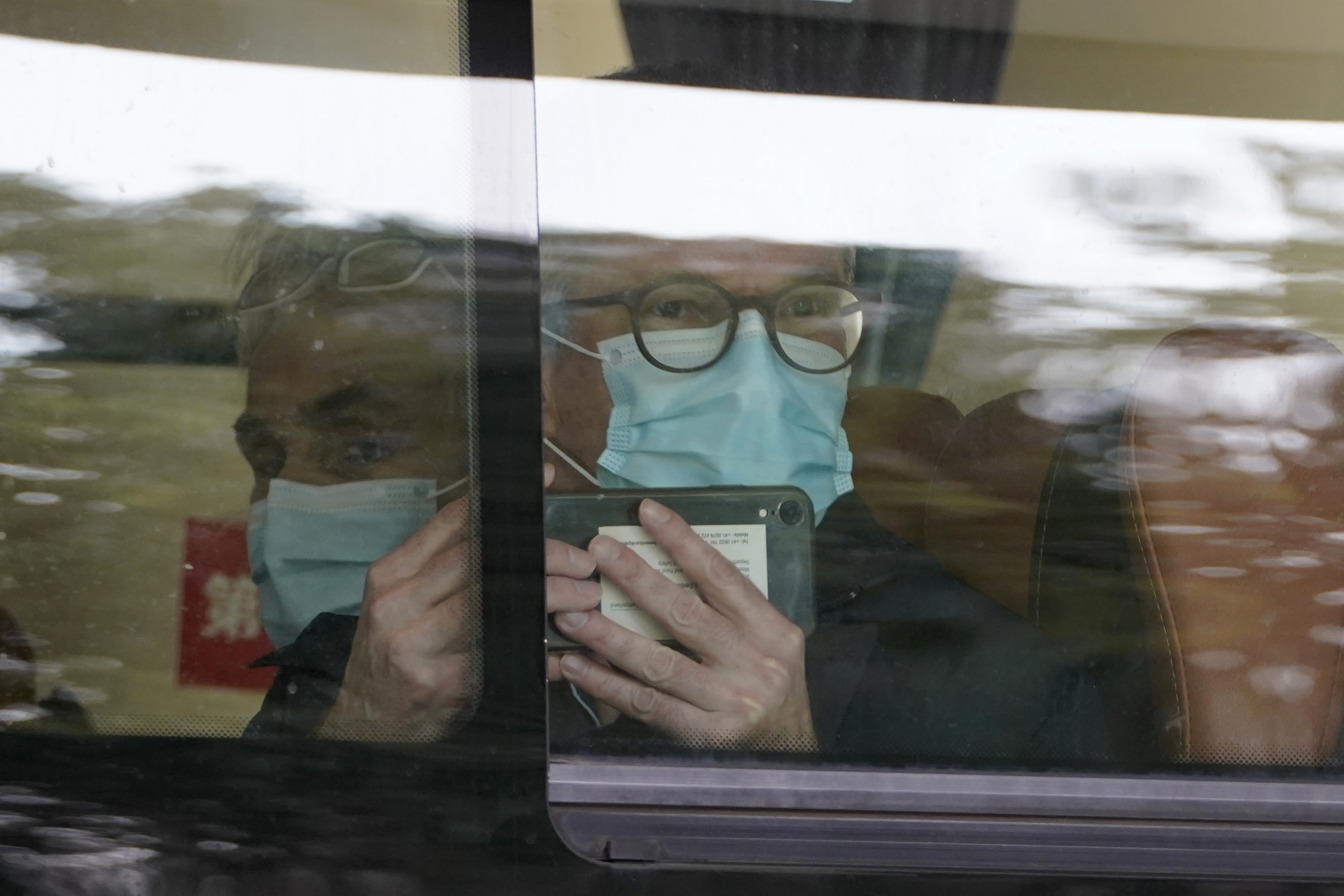
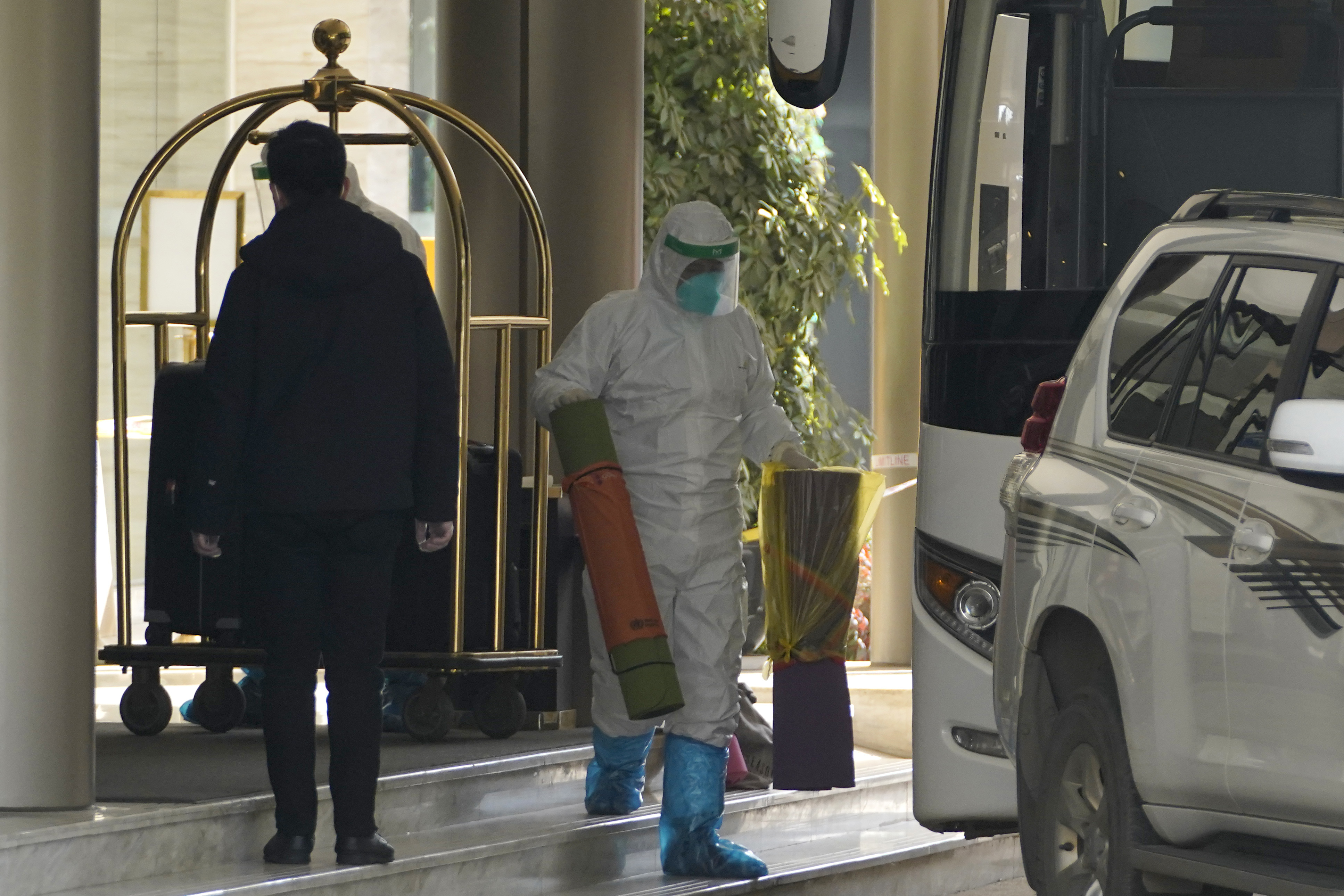
The 13 team members could be seen on a live television feed walking out of the hotel wearing face masks and boarding a white coach, onto which their luggage had been loaded earlier by workers in hazmat suits.
The team was waved on its way by hotel staff and Chinese officials.
READ MORE: Wuhan returns to normal as world still battles pandemic
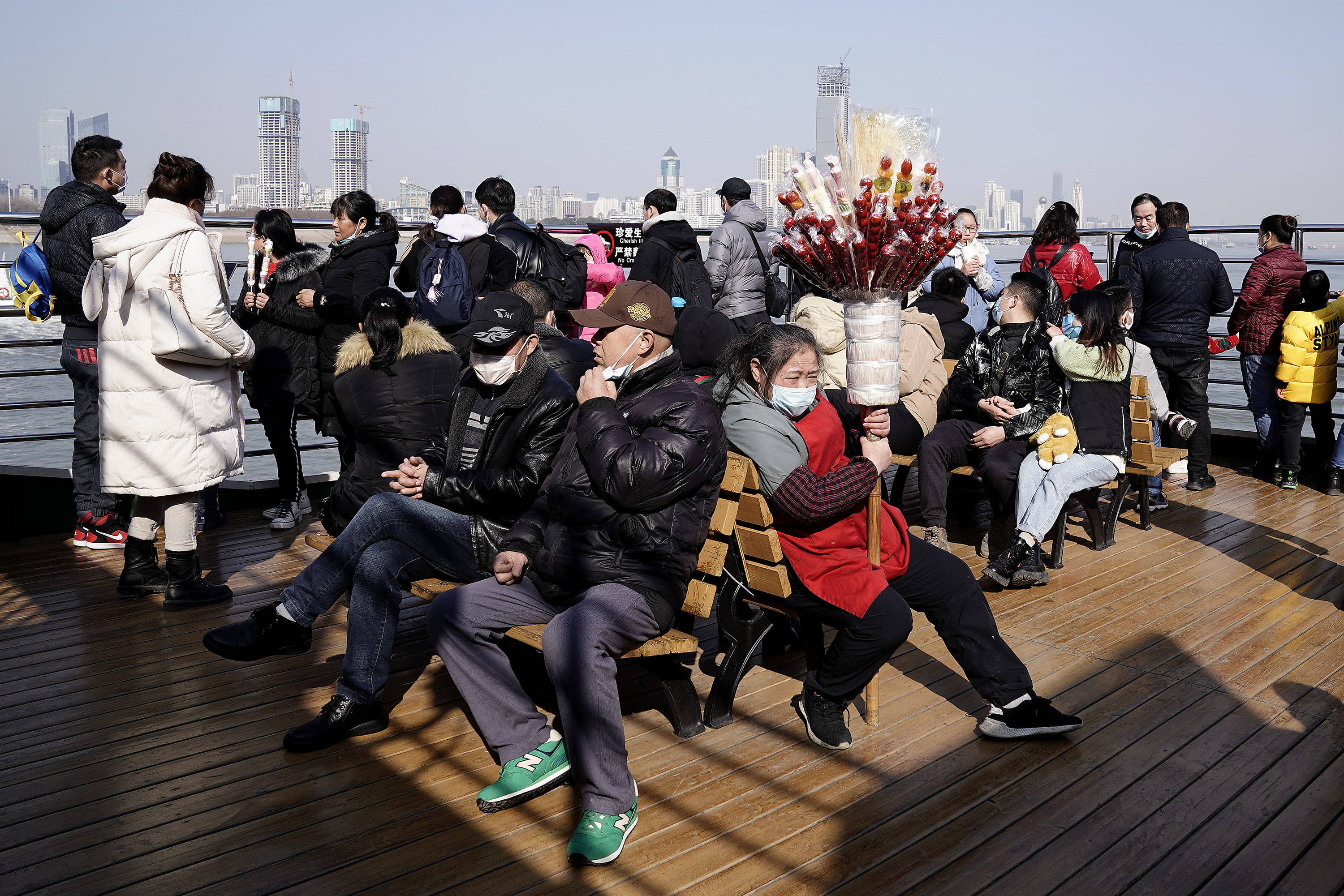
They step out into a city that was once the centre of the global outbreak but is now, a year on, largely returned to normal.
Scrutiny of the team's work will be immense, as they navigate what is likely to be a political minefield in uncovering how the virus that brought much of the world to a halt first emerged.
"The eyes of the world are focused on this, the opinions of the world are focused on this," Dutch virologist and team member Marion Koopmans told CNN on Wednesday morning, as she prepared for a final round of meetings before leaving her quarantine hotel.
"We are aware of it, there is no way around that.
"That's why we really try to keep focused, we are scientists, we are not politicians, we are trying to really look at this from the scientific perspective."
Part of that involves abandoning all preconceived notions about how the virus evolved and spread, to look at what the evidence says, and go from there, Ms Koopmans said.
The team has spent the past two weeks in video calls with each other and Chinese scientists, "discussing what we know, what we don't know."
Demand for answers will be great, especially after the investigation itself was delayed several times, but Ms Koopmans cautioned patience.
"I think we really have to manage expectations, if you look at some of the earlier quests for the origins of outbreaks, they have taken years to complete," she said.
"The early and relatively easy studies have been done, have already been published."
An earlier report by a WHO team in China, published in February 2020, found that "key knowledge gaps remain" about the virus, though it endorsed previous findings that the virus appeared to have originated in animals, with the likely first outbreak at a seafood market in Wuhan.
READ MORE: Wuhan scientists 'had symptoms before first case confirmed'
Political pressure
While the WHO team will be attempting to ignore the political element to their work, doing so may be difficult.
Last week, the Independent Panel for Pandemic Preparedness and Response said both WHO and China could have acted faster and more forcefully to contain the start of the COVID-19 outbreak.
Several countries, most vocally the United States and Australia, have accused Beijing of downplaying the outbreak's severity during its early stages, and preventing an effective response until it was too late.
In particular, officials in Wuhan have been accused of silencing whistle-blowers and concealing evidence of the virus transmitting between humans, in a replay of the 2003 SARS epidemic.
WHO itself also came under immense pressure, with then-US President Donald Trump saying last year that it was a "puppet" of China, and pulling Washington's funding for the organisation.
Soon after his inauguration, President Joe Biden reversed that order.
As China has got the pandemic under control domestically, in stark contrast to the ongoing chaos in the US and much of Europe, Beijing has begun to push back forcefully on any accusations of blame, advancing alternate and unfounded theories about the origin of the pandemic, including conspiracies about a US military germ lab.
In Geneva last week, the head of the US delegation to WHO called on China to allow the team in Wuhan access to "care givers, former patients and lab workers," and to share all scientific studies into animal, human and environmental samples taken from a market in Wuhan, Reuters reported.
"We have a solemn duty to ensure that this critical investigation is credible and is conducted objectively and transparently," US representative Garrett Grigsby said, sparking a rebuke from China's delegation, which accused him of "political pressure."
A difficult job
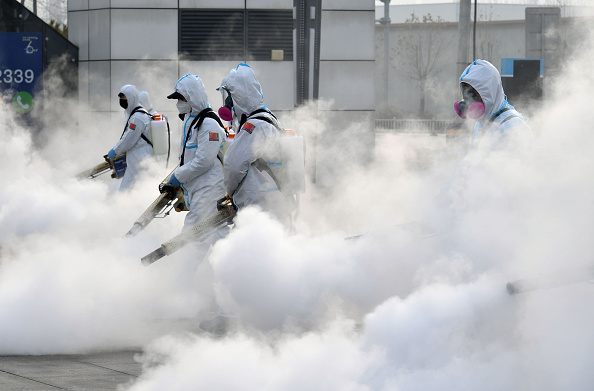
A year on from when Wuhan entered lockdown, after the city has been repeatedly scrubbed and sanitised to wipe out any trace of the virus, there is scepticism over just how much the team of investigators will be able to uncover.
"It's very challenging for anybody to find out the cause of this," Jin Dongyan said, a virology professor at the University of Hong Kong.
"It would be very difficult now to obtain any first line evidence to investigate the origin of the SARS-COV-2 and the index cases of COVID-19.
"It's really challenging and I doubt these international experts can find anything. I'm not very optimistic."
To what extent the Chinese authorities are willing to cooperate is unclear, particularly as even senior health officials have begun to question whether the virus originated in Wuhan, advancing the "multiple origins" theory that was first put out by the country's propaganda organs in an apparent attempt to deflect blame over the initial handling of the pandemic.
Yanzhong Huang, a senior fellow for global health at the Council on Foreign Relations, said that whether the WHO teams' trip would be successful "depends a lot on how much the government is willing to be cooperative and accommodating in terms of sharing the research, allow them to have access to places of interest, talking to people they want to speak with."
"The main problem is that this issue itself has been so politicised, makes it really difficult to conduct independent, transparent, thorough investigation," Mr Huang said.
"The international society should also maybe lower their expectations, have a more realistic understanding of what this trip entails, especially given that they plan to wrap up the study in a few months, really we should not expect something magical."
NSW restrictions ease: What changes come into effect today
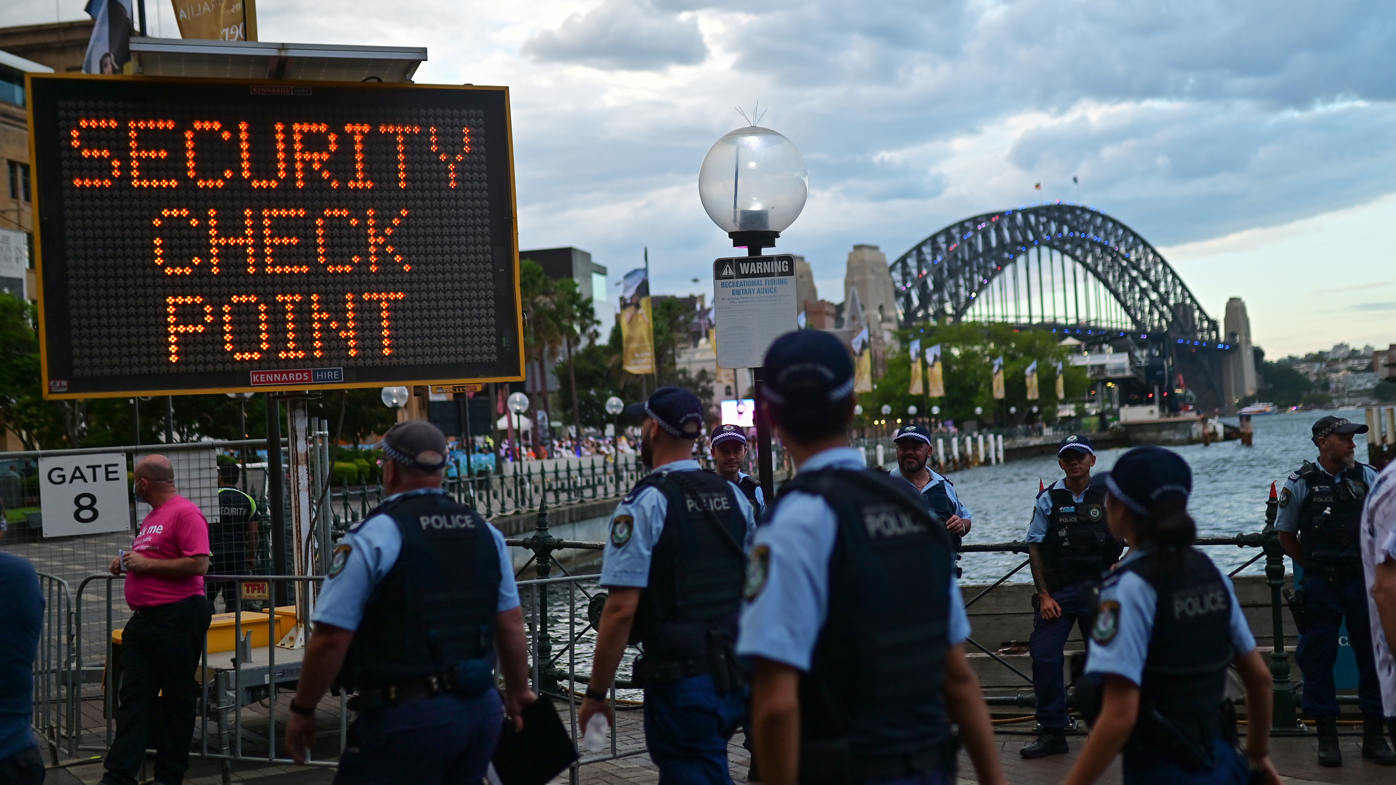
A raft of coronavirus restrictions have eased in NSW as of this morning, as the state continues its streak of zero new community case transmissions
The major rollback of rules comes after the state marked its 10th straight day of no new local cases, with the donut figure expected to continue.
The relaxed restrictions will be welcomed by Greater Sydney residents after two coronavirus clusters — one on the Northern Beaches and another in Berala, in the city's south-west — resulted in limits on gatherings across Christmas, New Year's and Australia Day.
READ MORE: Australia extends Trans-Tasman travel bubble suspension
From 12.01am today, up to 30 people are now allowed in homes, including children, and 50 people can attend outdoor events such as picnics.
As many as 300 people can now attend weddings, subject to the one person per four-square-metre rule.
While there is no cap on the number of people allowed at hospitality venues or places of worship, there is one catch still.
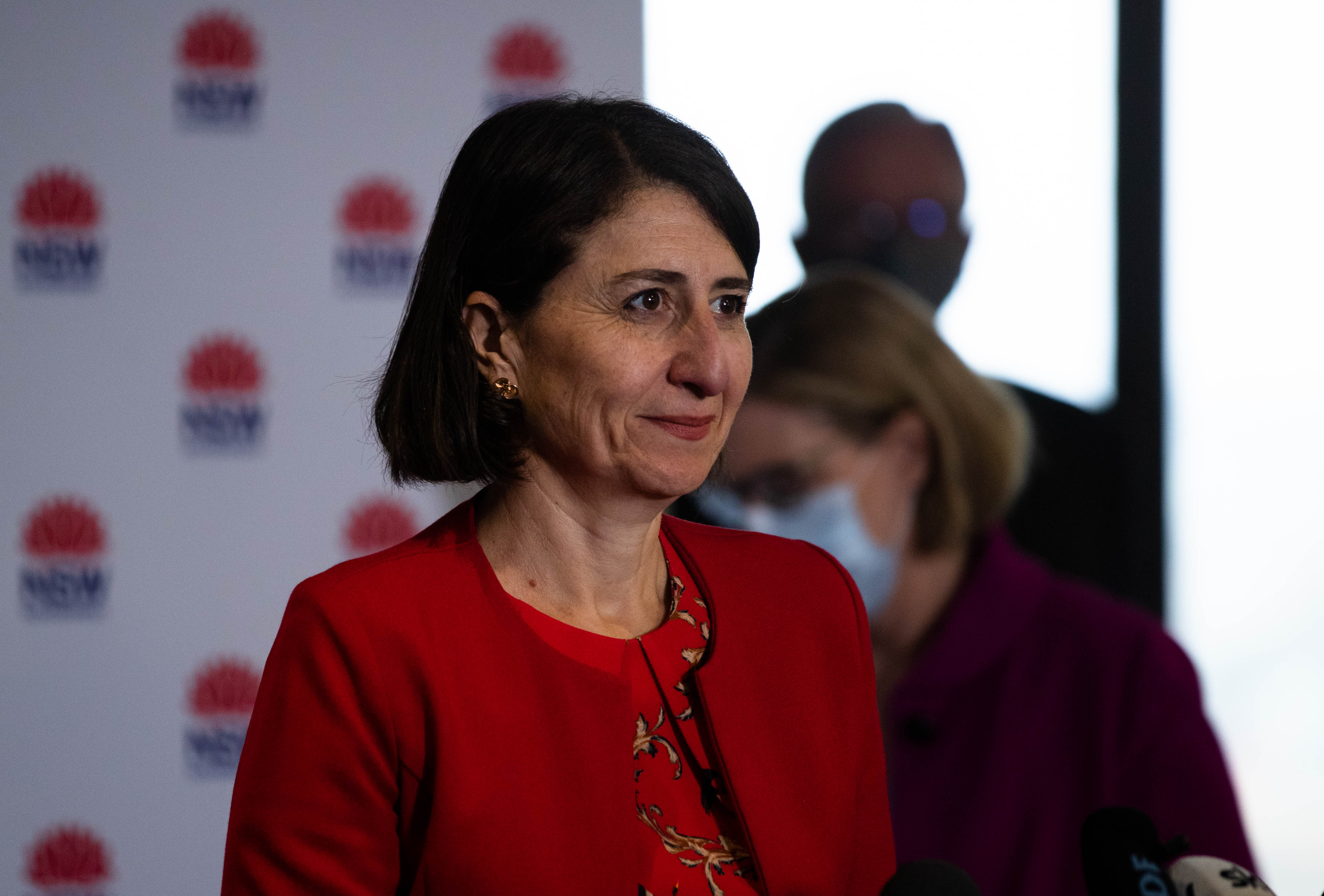
It all remains subject to the four-square-metre rule for at least another fortnight, when the Berala cluster is expected to be knocked out, Ms Berejiklian said when announcing the easing of restrictions on Wednesday.
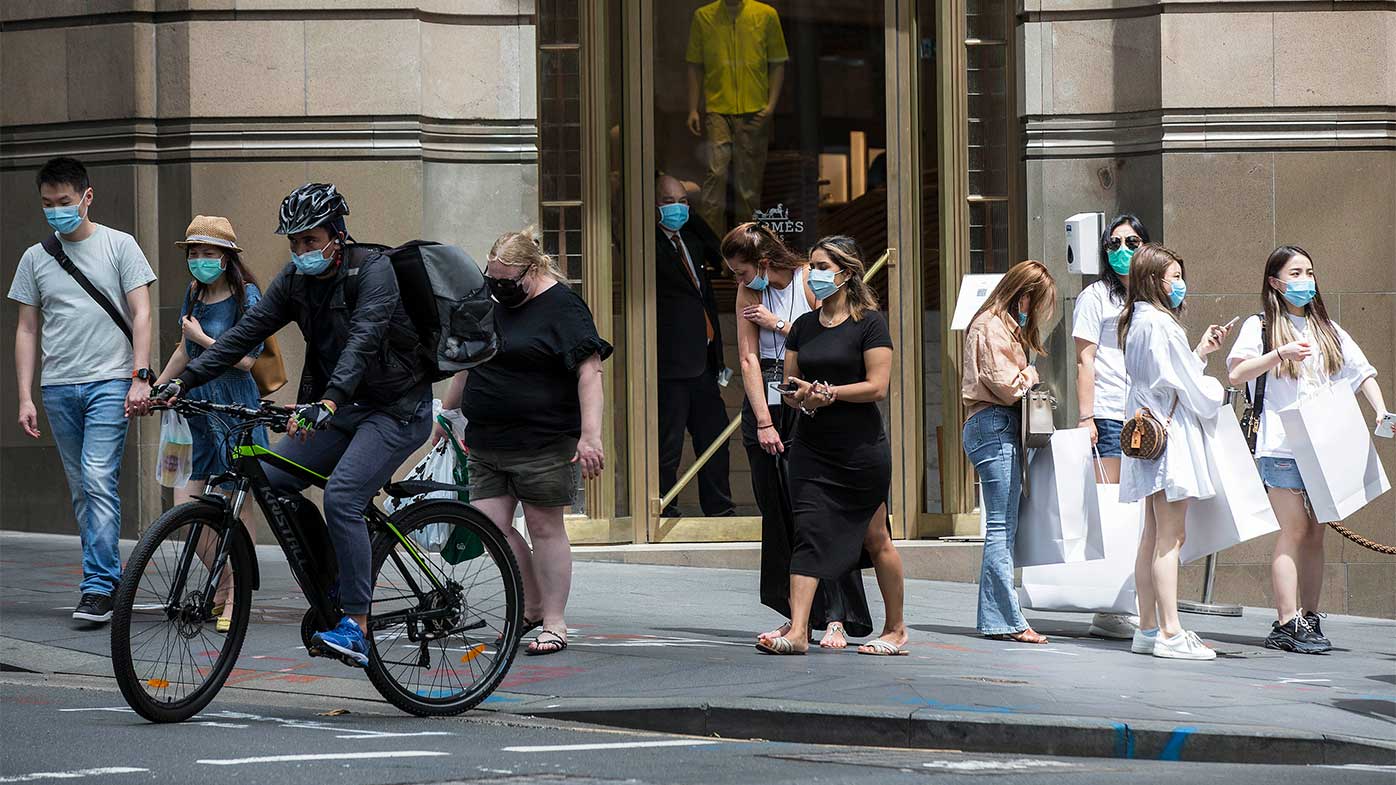
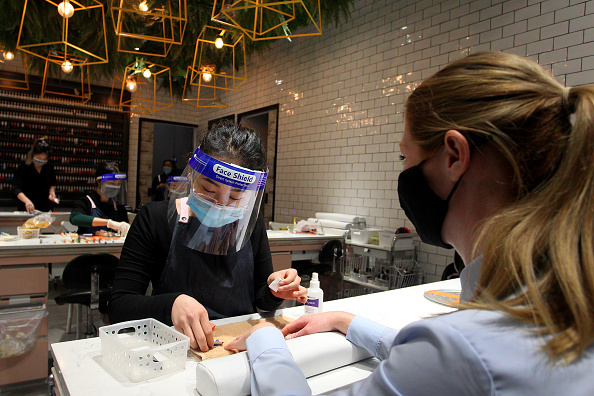
Masks will remain mandatory on public transport, in places of worship and beauty salons and by front of house hospitality staff.
They become optional at supermarkets, and other retail and hospitality venues.
Restrictions are likely to be relaxed further in another fortnight the premier flagged, subject to no or low community transmission of the COVID-19 virus.
This may see the four-square-metre rule changed again to the two-square metre rule for hospitality venues, and at events such as weddings.
READ MORE: NSW Premier blindsided by Queensland border changes, told news while on air
The relaxed restrictions come into effect the day after Queensland Premier Annastacia Palaszczuk announced the state's border with NSW will reopen on February 1.
Victorian Premier Daniel Andrews also flagged the "vast majority" of orange zones in NSW will change to green zones as soon as today, paving the way for travel to resume with almost all of Greater Sydney.
And people from Greater Sydney will be allowed to travel to South Australia without quarantining from Sunday morning.
Mother mourns death of 'baby boy' after four-year-old struck by garbage truck
A Tasmanian mother is mourning the loss of her "baby boy" days after he was struck by a garbage truck while riding his bike.
Bronson Williams, 4, was cycling near his home in the Launceston suburb of Newnham in Tasmania, when the accident occurred on Wednesday.
Tasmania Police said the incident took place at Bishops Drive at 12.15pm.

READ MORE: Four-year-old boy dies after being hit by garbage truck in Tasmania
His mother Belinda Bannister said Bronson was the "greatest gift" in her life in a tribute to her son posted on Facebook.
"To our son Bronson who was sadly taken away from us today, I want to say, of all the special gifts of life, however great or small, to have you as our son, was the greatest gift of all," Ms Bannister said.
"With an aching heart, we whisper low, we miss you Bronson and love you so RIP our baby boy."
Older sister, Jaime Denman described her brother as an "angel boy" who was adored by his family.
"Bronson was very smart and had a bubbly personality and was loved very much by his siblings," Ms Denman said in a Facebook post.
"We had just taken him to school to get his new clothes he had tried them on just 30 minutes before the horrible accident took place.
"He was so excited to start big school with his brother and sister," she added.
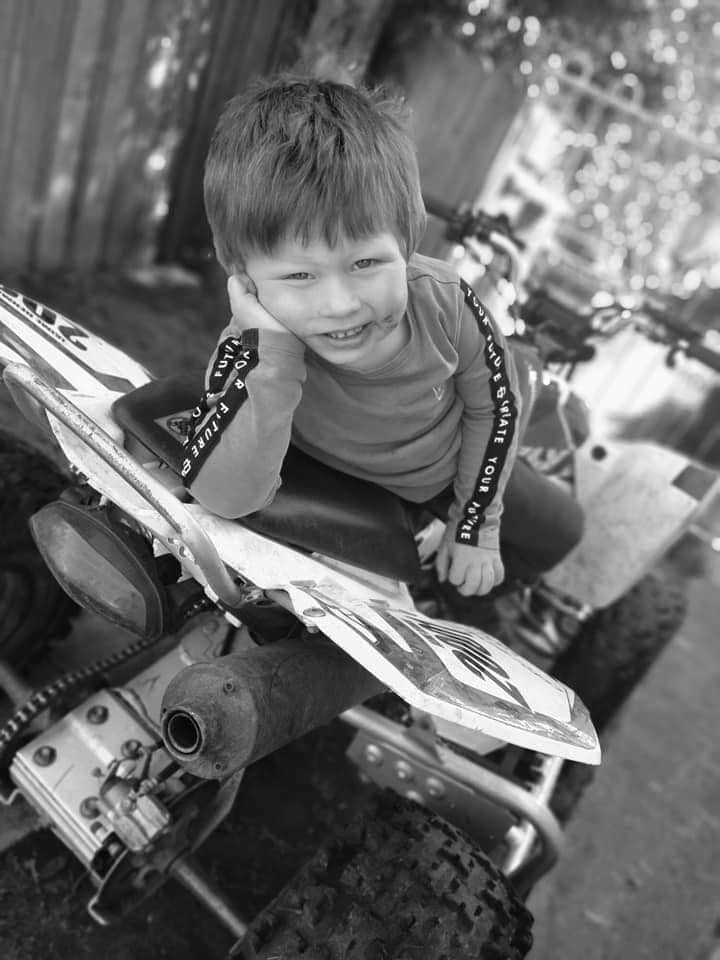
Ms Denman said her post was an attempt to raise funeral donations for a "beautiful send off" for Bronson.
The boy's mother and other family members were home at the time, it is unknown if they were present at the time of the accident.
But investigators from Tasmania Police said investigations are continuing as the circumstances surrounding the incident remain unclear.
"Our thoughts are with the boy's family and loved ones at this tragic time," officers wrote in a statement.
"Investigators are working to establish the exact circumstances of the crash."
https://www.facebook.com/Tas.Police/posts/3796806130399259
Inspector Ruth Orr from Tasmania Police said on Wednesday the truck driver was "exceptionally shaken up" and "in shock" after the accident.
"The four-year-old boy has collided with or been collected by the front of the rubbish truck, and has died at the scene," she said.
"It is is the most confronting (scene) I have attended in 25 years."
No one else was involved in the crash. Witnesses, emergency services and the driver are all being offered counselling and support.
Calls for calm after violent youth gang attack on Perth beach
New footage has merged of the youth gang violence that left two teens in hospital and several others injured in Scarborough, Perth.
An Australia Day beach party turned to bloodshed after a group of teenagers were ambushed by a violent mob at Perth's City Beach.
The group of party-goers were repeatedly hit, kicked and stomped on between 9pm and 10pm on January 26, leaving two hospitalised and five injured, Perth Police said.
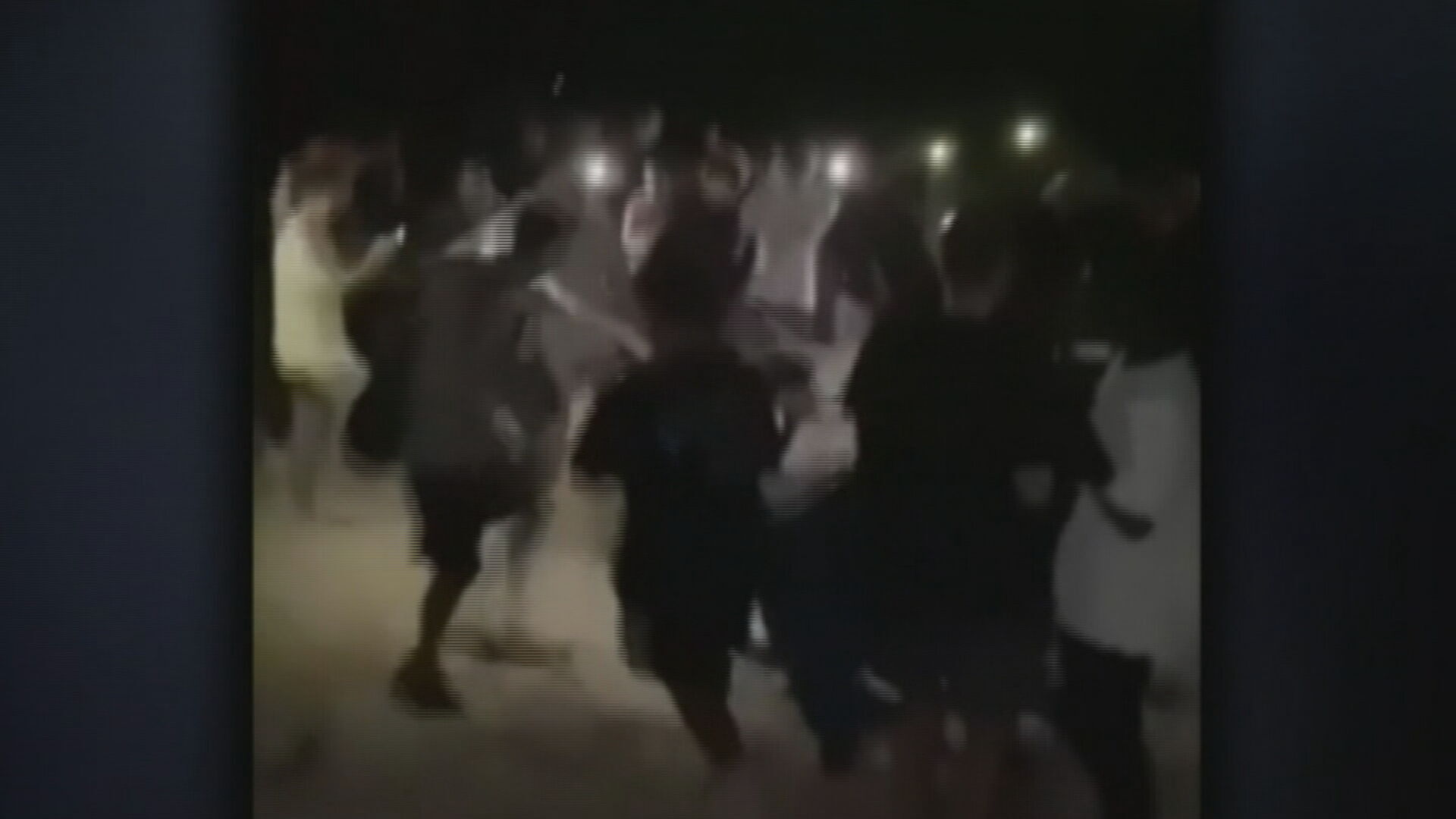
The attackers were heard chanting "BTK", an initialisation of "Born To Kill", which 9News has been told is the call sign of a notorious youth gang in the city.
Premier Mark McGowan called the incident "disgraceful" and "disgusting".
Party-goers said it was the second attack in as many weeks from the group, which is targeting wealthier suburbs for theft.
Perth's African community has called for calm.
"It's heartbreaking. This vision does not represent our community," spokesman Joe Tuazama said.
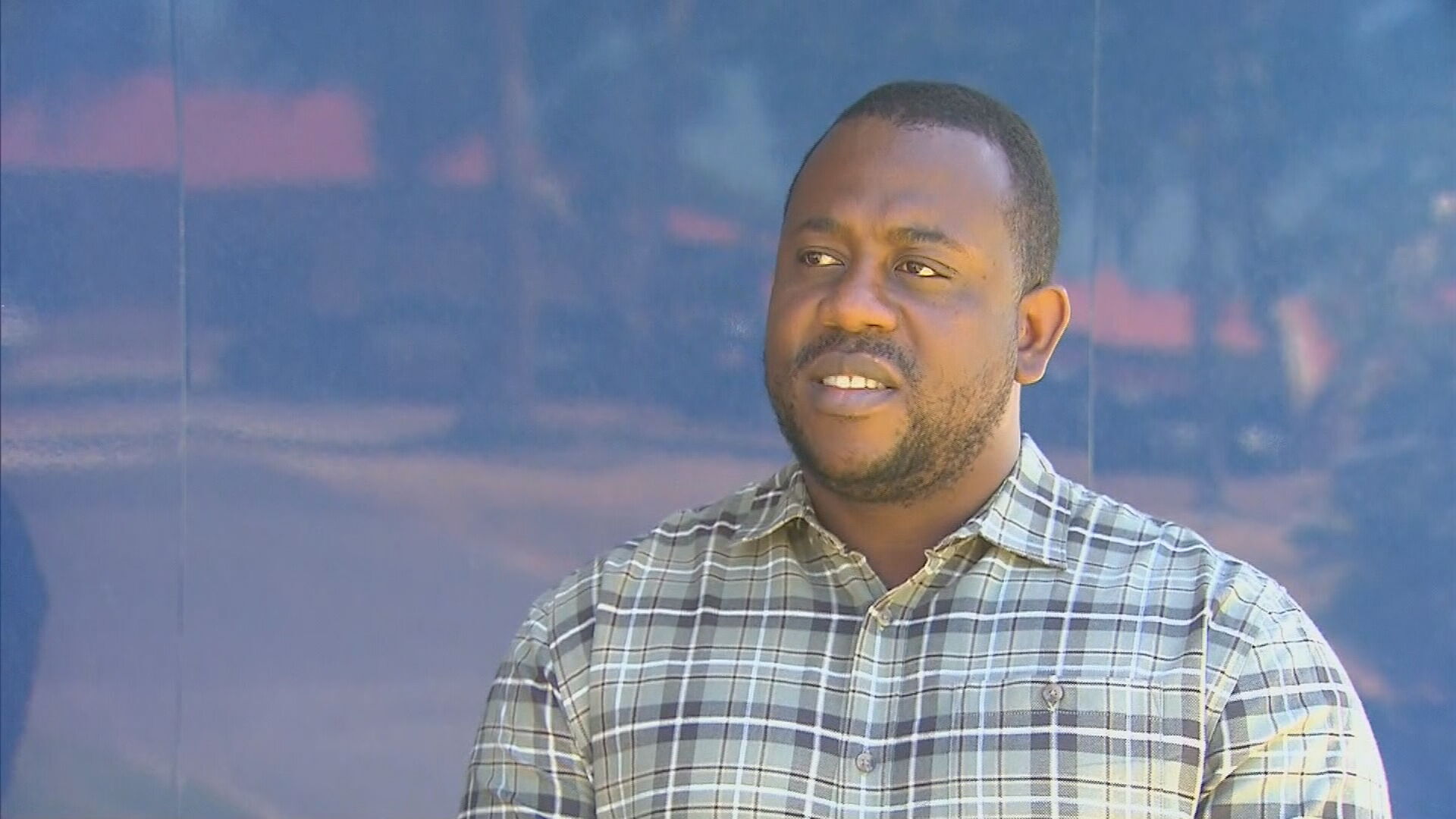
"Some of these young people are going through cultural shock, some of these young people are here all by themselves, some of them are going through peer pressure."
But it wasn't just African teens involved, with alleged attackers from other groups also taking part, including — allegedly — a white Western Suburbs student.
Community leaders say they would like to be out with troubled youths on Friday and Saturday nights, offering them a free ride-home service to reduce violence.
However, they say they can't without government help.
"What you do has implications on the entire African race here, and we are getting tired of it," Mr Tuazama said.
Man charged for murder after body found in wheelie bin in Perth dam
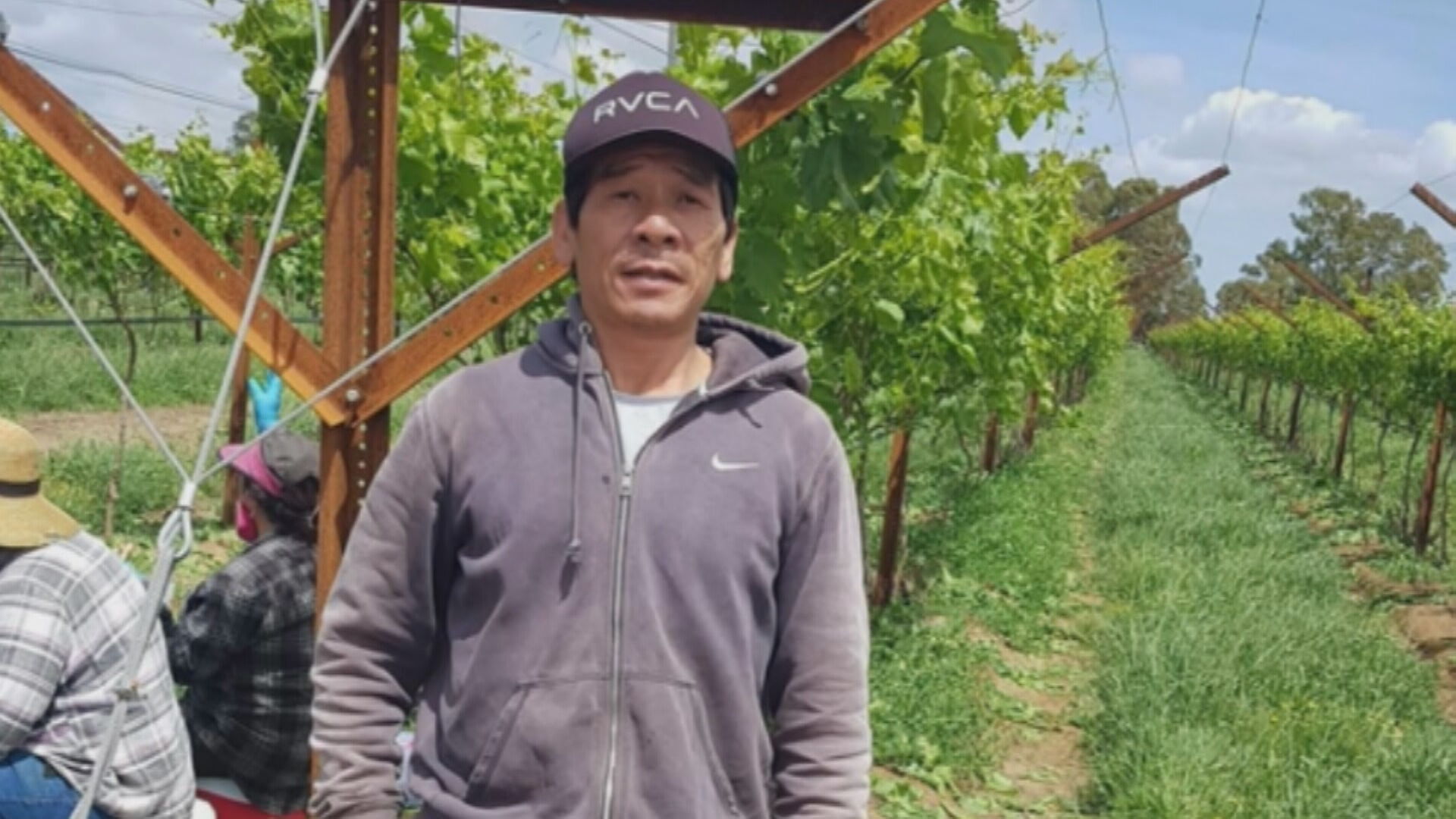
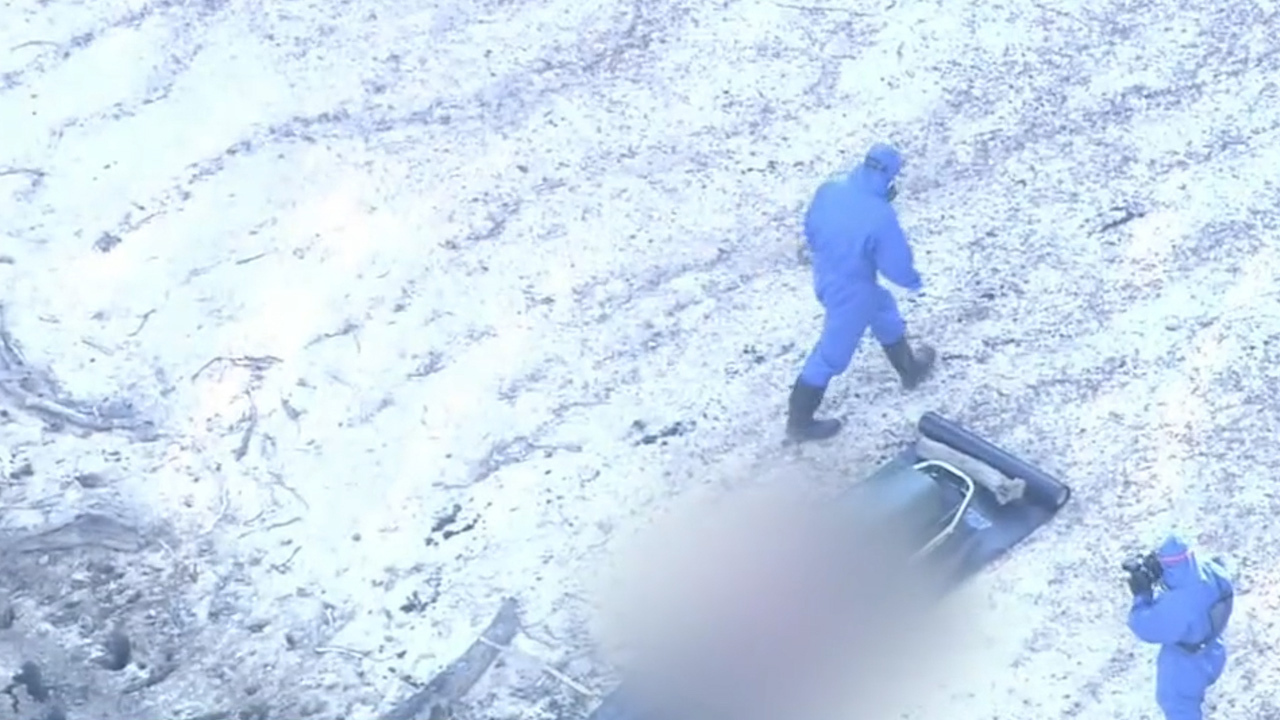
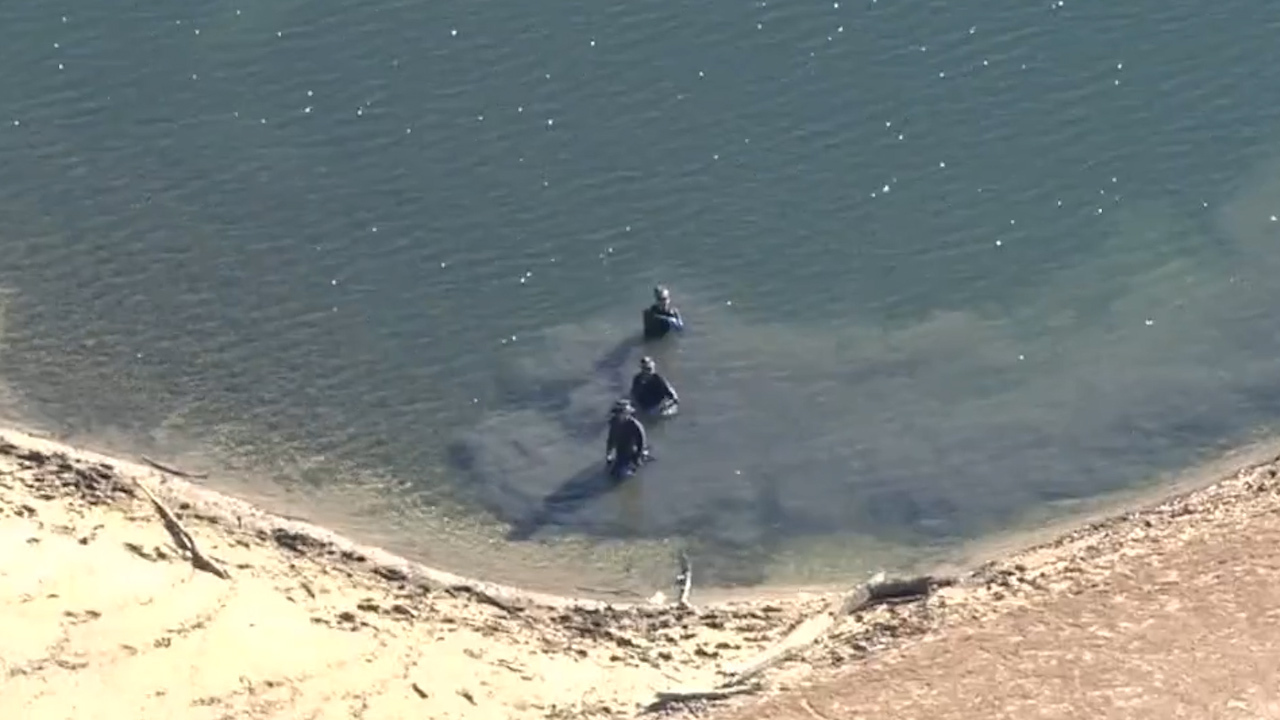
Western Australia police have charged a man with the murder of Dinh Lam Nguyen, whose body was found floating in a wheelie bin in Glen Brook Dam in Perth's east on Tuesday.
The 51-year-old father-of-two was allegedly stabbed to death by his business partner Todd Nathan Kieran, 28, police said.
They were long time business associates in Perth's drug trade, detectives alleging the pair were fighting over money in the hours before the murder.
READ MORE: Body found in a wheelie bin in a dam east of Perth identified
Kieran's alleged victim, Mr Nguyen, had a police history, sentenced to three years prison for drug trafficking in 2017.
Kiernan is now behind bars, after living with his parents at Mahogany Creek for little over two months.
But police found no bloodied rooms as investigations continued today.
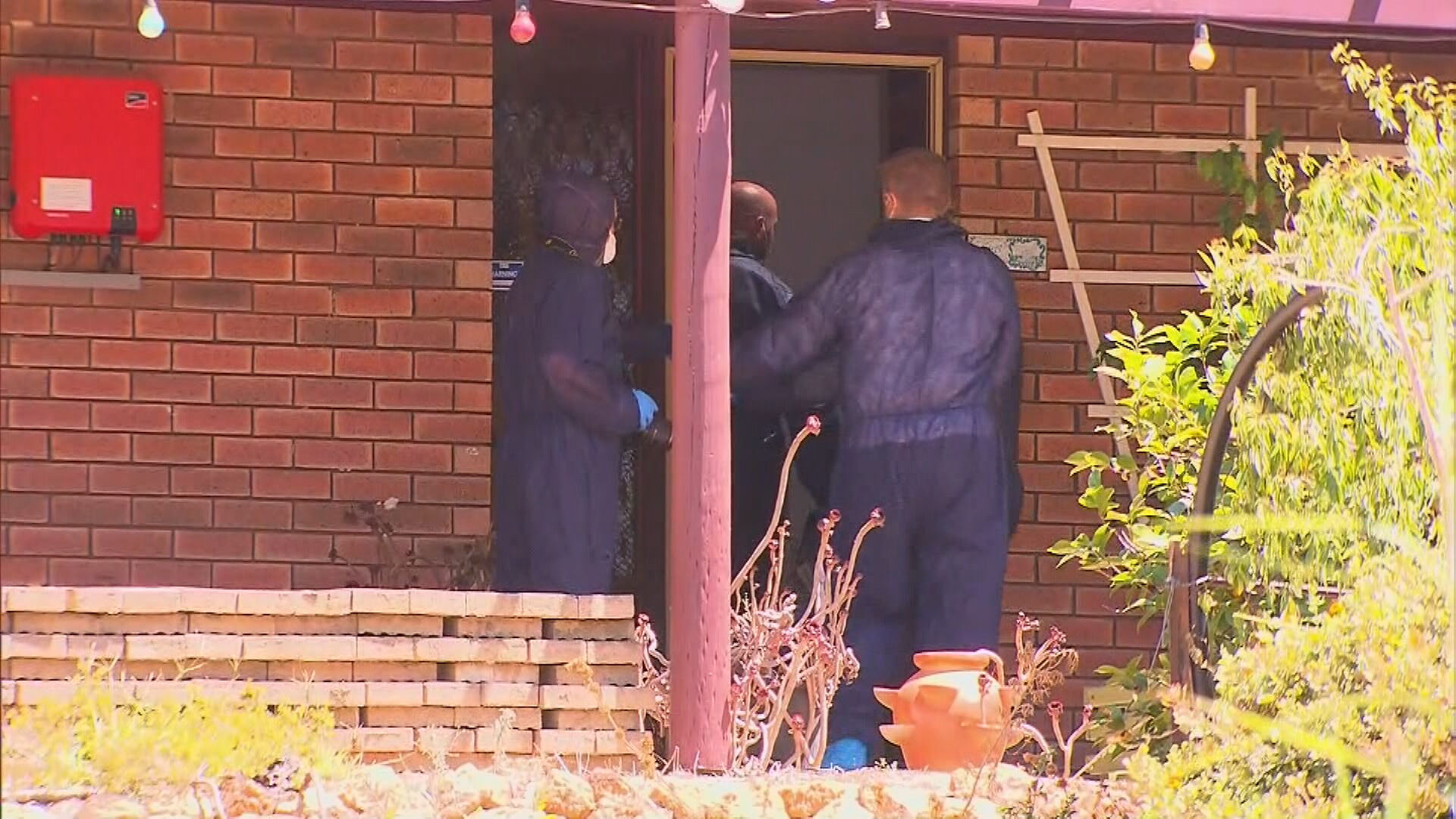
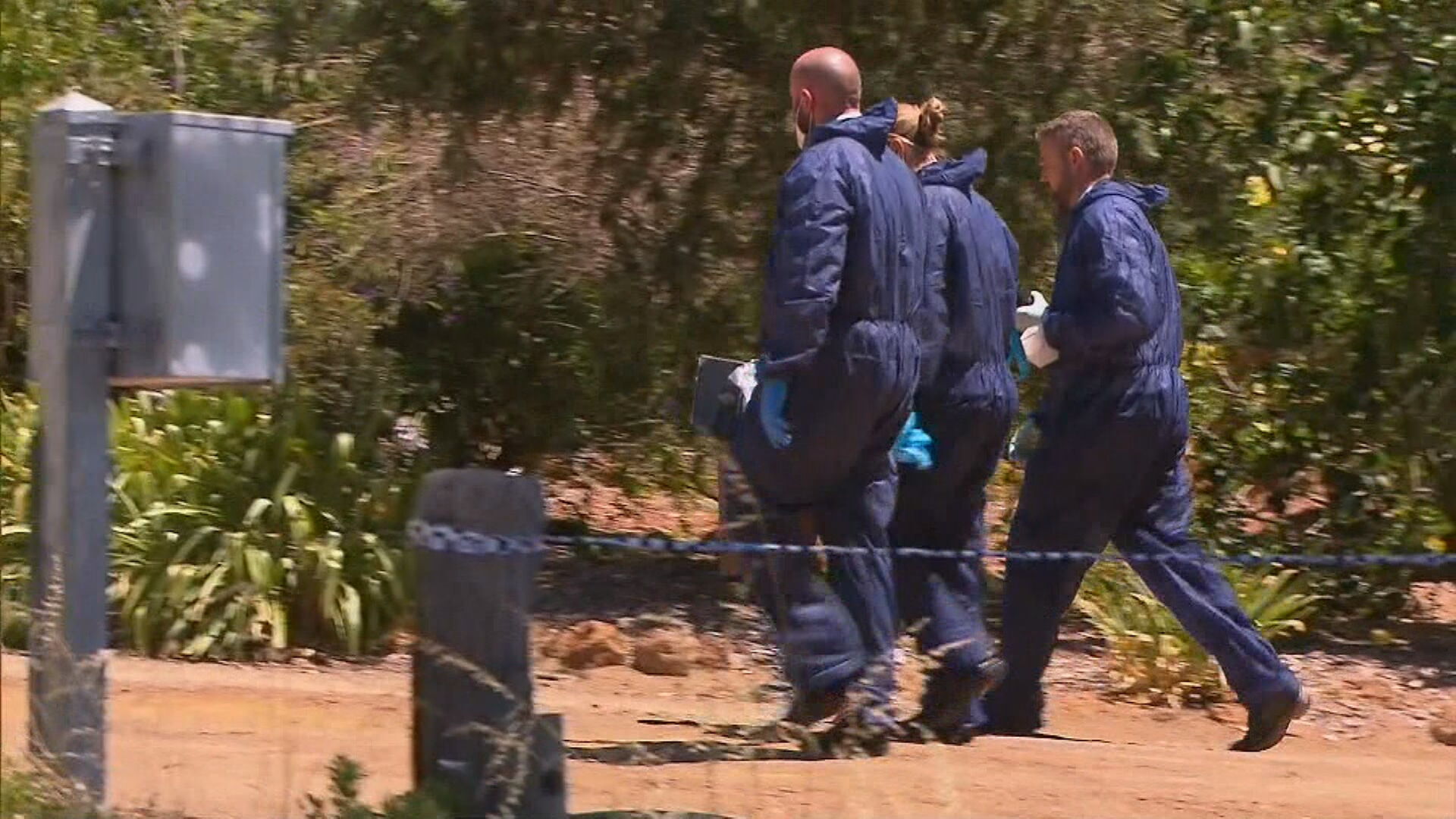
Police say the key piece of evidence is a white ute which officers seized from the property last night.
Detectives are analysing the vehicle for human DNA as they believe it was used to transport the victim's body to Glen Brook Dam.
Investigations come after members of the public discovered Mr Nguyen's remains on Tuesday afternoon when they noticed a bad smell coming from the bin.
Inside the bin they discovered a large object wrapped in pink plastic and upon closer inspection noticed a human body part. They then called police.
Mr Nguyen was last seen leaving his Dallington Crescent home in Balga on Monday — the same day police believe he was killed.
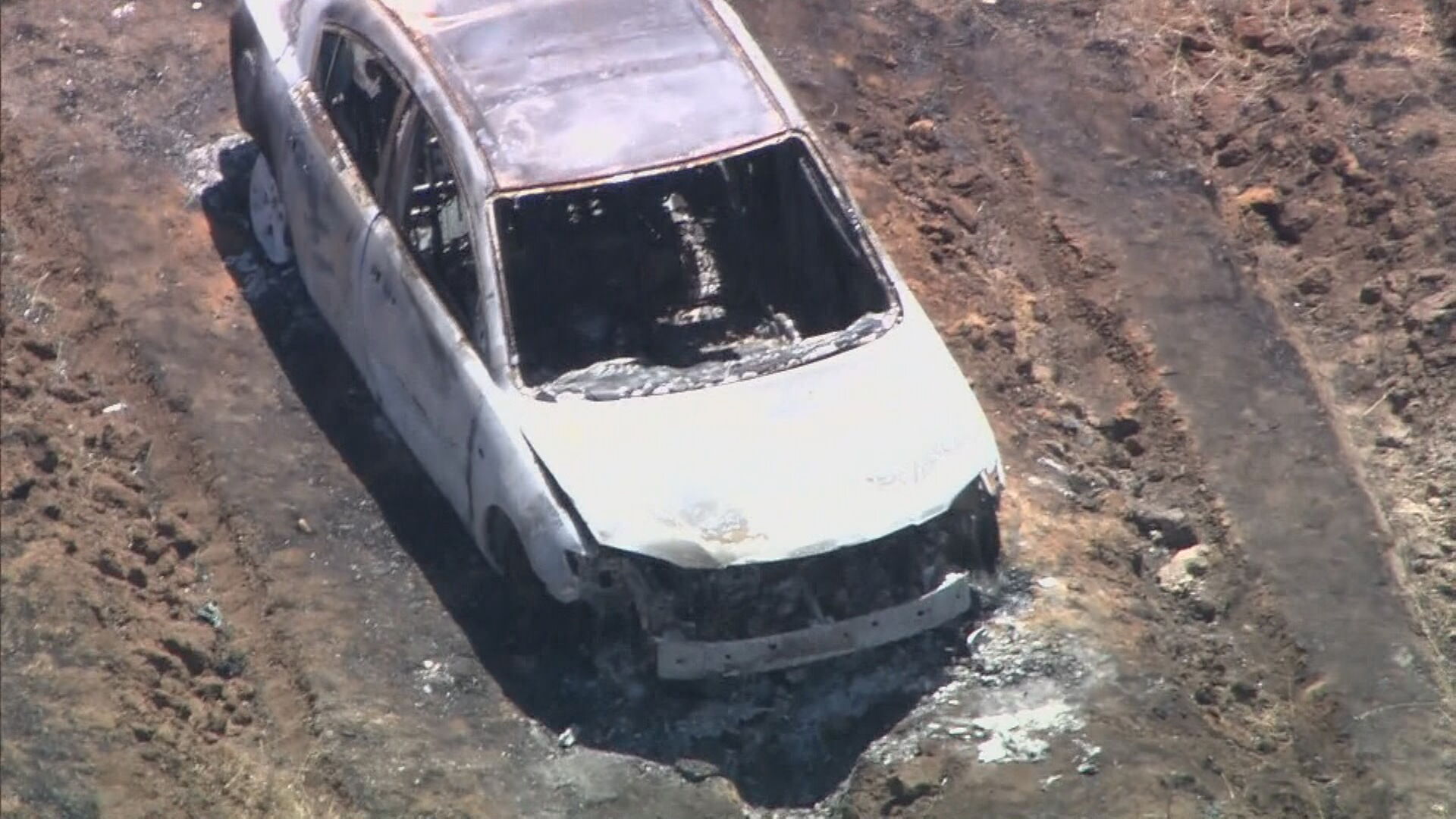
His blue Mazda has been located, found burnt out in Chidlow.
Witnesses can contact Crime Stoppers on 1800 333 000 or report online at www.crimestopperswa.com.au.
Jasmine Blake sentenced for kidnapping two men during Covid 19 lockdown
A woman who kidnapped two men, threatened to kill both of them and forced one to drive from Cambridge to Rotorua before robbing him, has been sentenced.Jasmine Blake, 35, previously pleaded guilty to two charges of kidnapping and…