Tag Archives: oceania

On Day One, Biden to undo Trump policies on climate and coronavirus

In his first hours as president, Joe Biden will aim to strike at the heart of President Donald Trump's policy legacy, signing a series of executive actions that reverse his predecessor's orders on immigration, climate change and handling of the coronavirus pandemic.

Biden on Wednesday will end construction on Trump's US-Mexico border wall, end the ban on travel from some Muslim-majority countries, rejoin the Paris Climate Accord and the World Health Organisation and revoke the approval of the Keystone XL oil pipeline, aides said Tuesday.

The new president will sign the orders almost immediately after taking the oath of office at the Capitol, pivoting quickly from his pared-down inauguration ceremony to enacting his agenda.

READ MORE: Joe Biden's inauguration explained: What time it will be on in Australia and how to watch
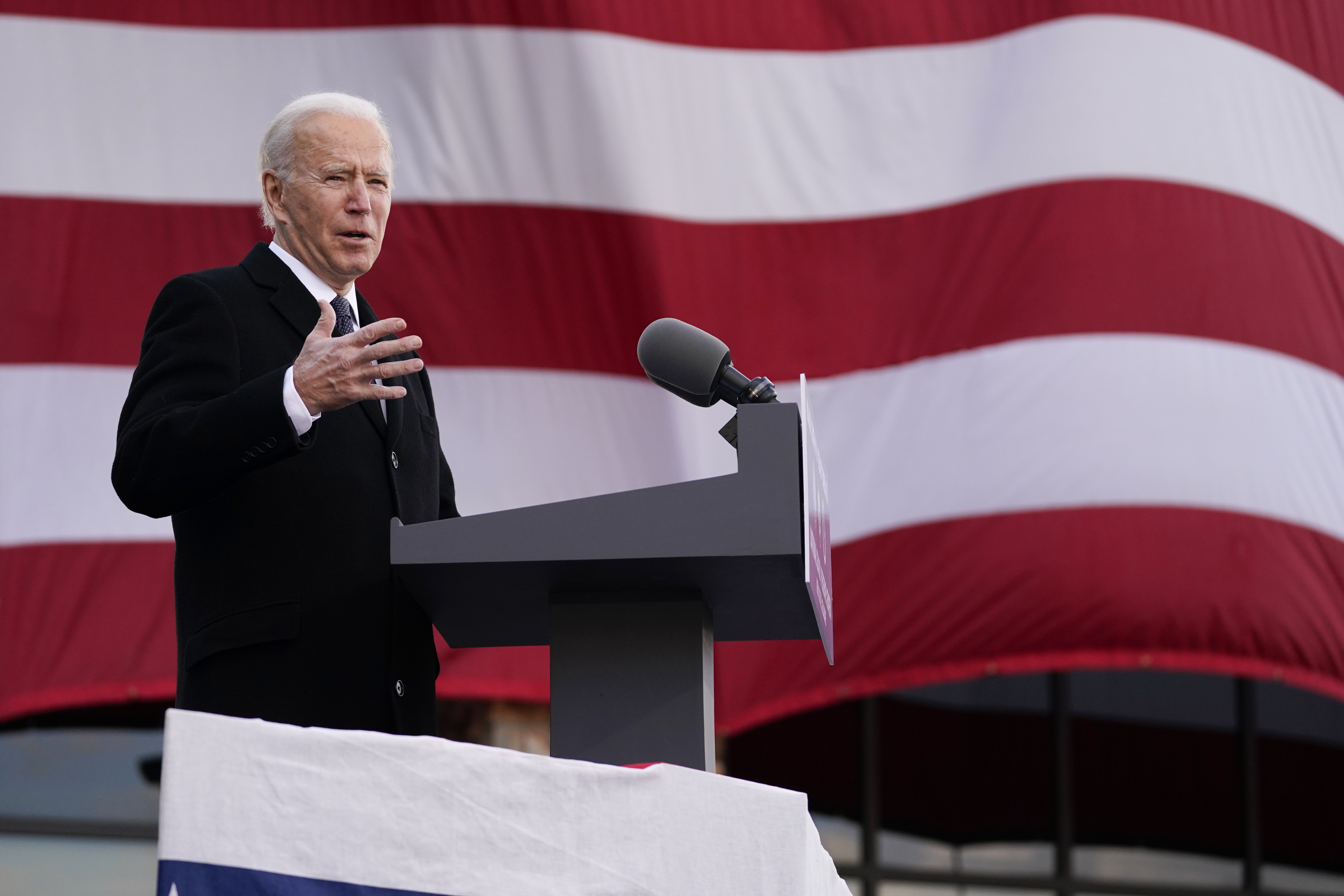
The 15 executive actions are an attempt to essentially rewind the last four years of federal policies with striking speed. Only two recent presidents signed executive actions on their first day in office — and each signed just one. But Biden, facing the debilitating coronavirus pandemic, is intent on demonstrating a sense of urgency and competence that he argues has been missing under his predecessor.

"I think the most important thing to say is that tomorrow starts a new day," said Jeff Zients, Biden's choice to lead a new White House office that will coordinate the federal government's revamped response to the pandemic.

The orders reach well beyond the pandemic. Biden intends to order a review of all Trump regulations and executive actions that are deemed damaging to the environment or public health. He will order federal agencies to prioritise racial equity and review policies that re-enforce systemic racism.

He will revoke a Trump order that sought to exclude non-citizens from the census and will order federal employees to take an ethics pledge that commits them to upholding the independence of the Justice Department.
Susan Rice, Biden's incoming domestic policy adviser, said the new president would also revoke the just-issued report of Trump's "1776 Commission" to promote "patriotic education."

These actions will be followed by dozens more in the next 10 days, aides said, as Biden looks to redirect the country without having to go through a Senate that Democrats control by the narrowest margin.

Notably, the opening actions did not include immediate steps to rejoin the Iran nuclear accord, which Trump abandoned and Biden has pledged to re-implement.

Jen Psaki, the incoming White House press secretary, said that while they were not included in Biden's Day One orders, the new president will in the coming days revoke the Pentagon's ban on military service by transgender Americans as well as the so-called Mexico City policy, which bans US funding for international organisations that perform or refer women for abortion services.

Psaki said the actions to be taken Wednesday were focused on providing "immediate relief" to Americans.
In another effort to signal a return to pre-Trump times, Psaki said she would hold a news briefing late Wednesday in a symbol of the administration's commitment to transparency. Trump's White House had all but abandoned the practice of briefing reporters daily.

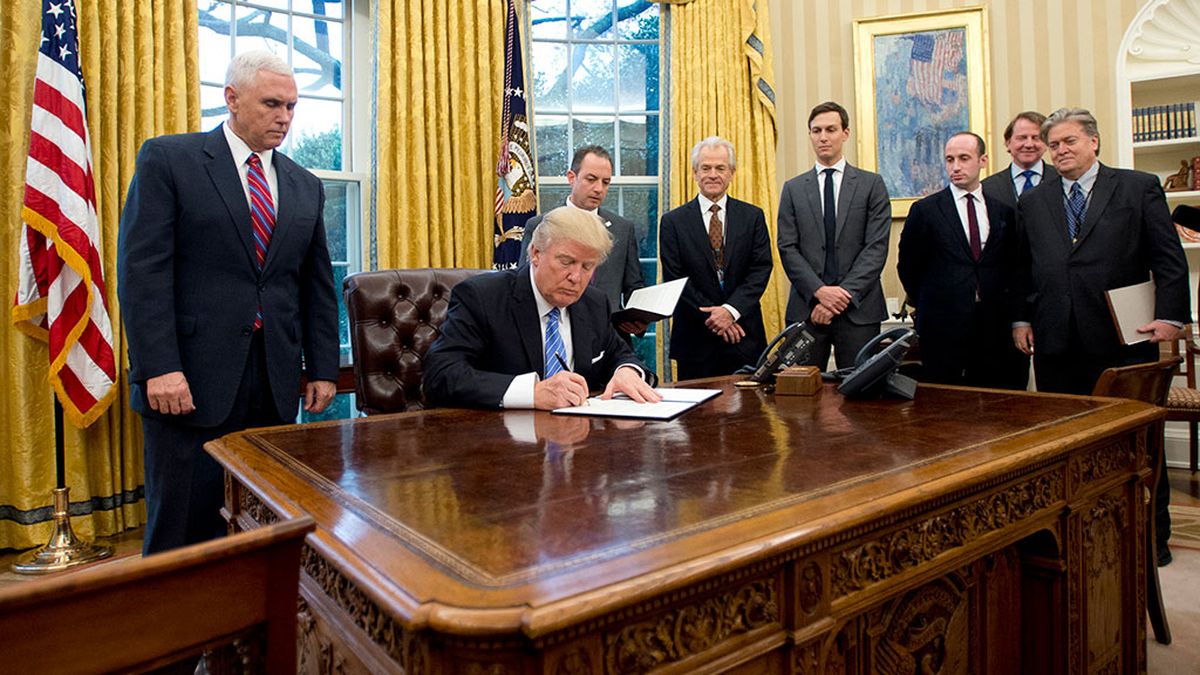
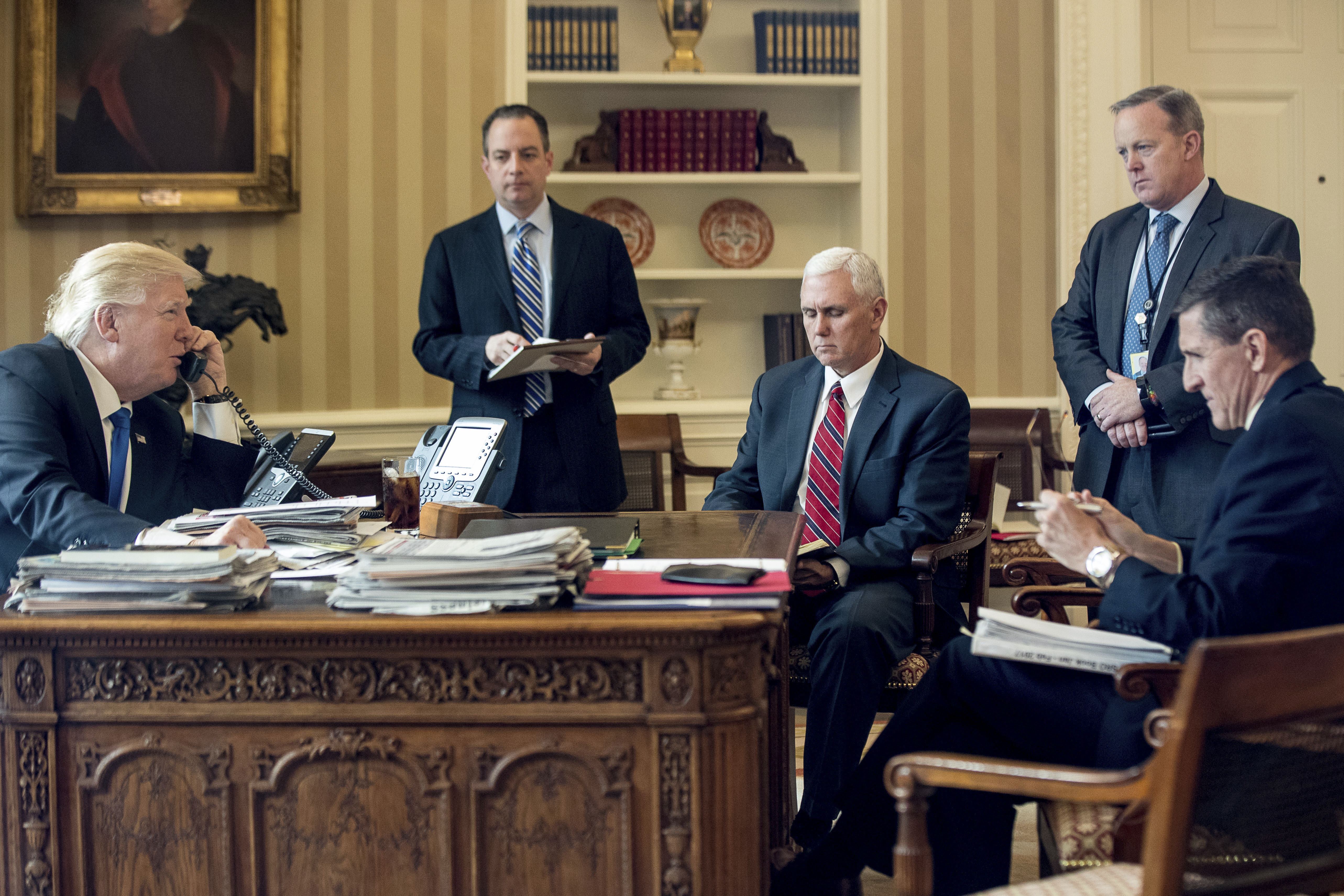
Biden will sign the actions during his first visit to the Oval Office in four years. Since then, presidential order actions were often marked by clumsy announcements and confusion.

In their first days in office, Trump's team was forced to rewrite executive orders by court order and aides took days to figure out how to use the White House intercom to alert press about events. The repeatedly cancelled plans to hype new building programs — dubbed "Infrastructure week" — became a national punchline. Biden aides, by contrast, are aiming to demonstrate they are up for the job right out of the gate.

Biden senior aides, led by deputy chief of staff Bruce Reed and campaign policy chief Stef Feldman, began plotting out the executive action plans in November, just days after Biden won the presidency and drafting began in December. The final documents were reviewed by career staff at the Justice Department's Office of Legal Counsel in recent weeks before Biden's swearing-in to ensure they would pass legal muster.

Biden's team was set begin assuming the reins of power even before the Marine Band finished its rendition of "Hail to the Chief" after the new president takes the oath of office.

Aides were due to begin entering the White House complex at the stroke of noon — when Biden officially assumes the office — to begin overseeing national security roles. The urgency was hasten by concerns about security around the Inauguration after the US Capitol insurrection.

COVID-19 restrictions, along with tight security surrounding the Inauguration were severely curtailing the number of aides in Biden's West Wing. Aides, one official said, were told to pack snacks to eat in their offices because of pandemic protocols.
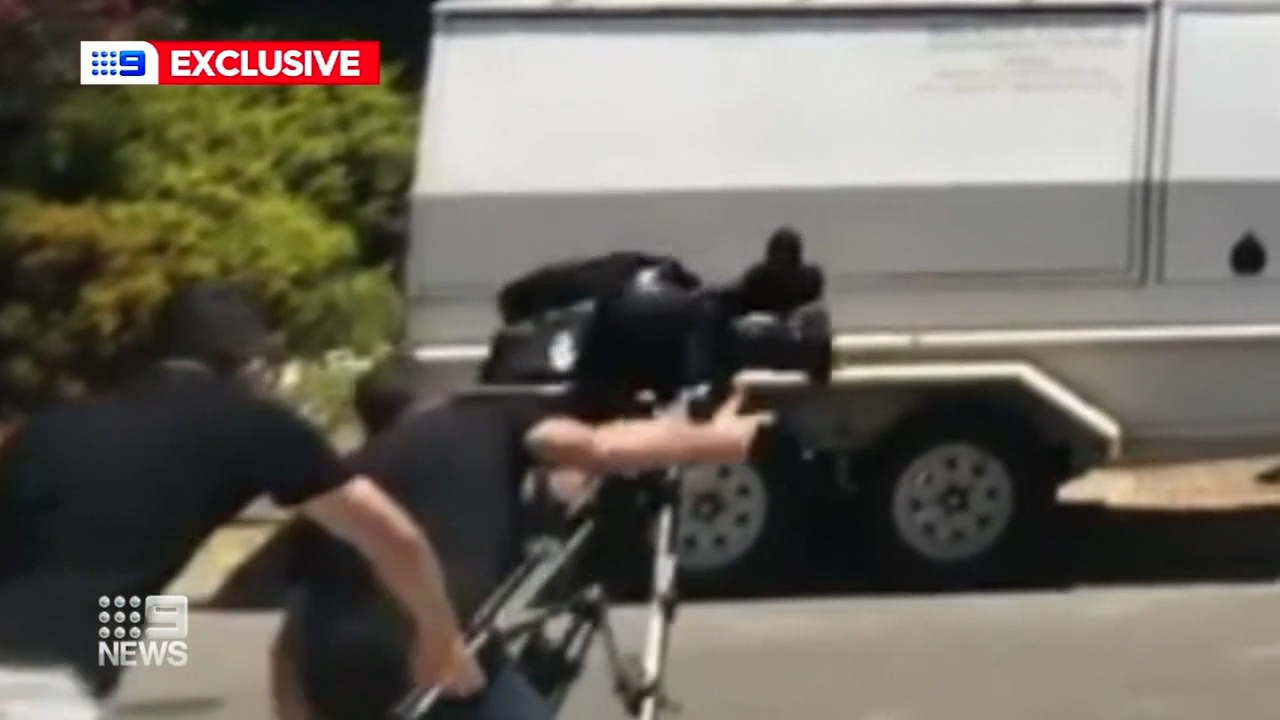
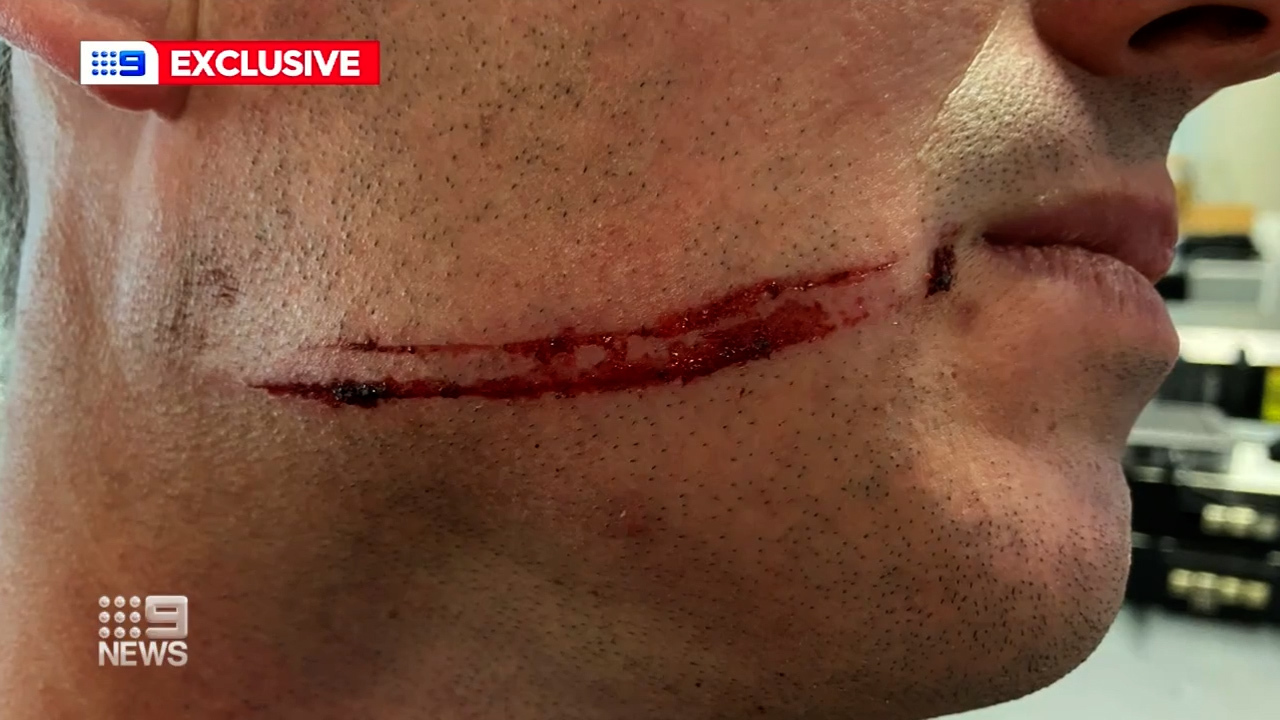
9News cameraman 'bruised and bloody' after alleged assault

A 25-year-old man has been charged with assault after he allegedly pushed and punched a 9News cameraman who was filming a house fire in Adelaide this afternoon.

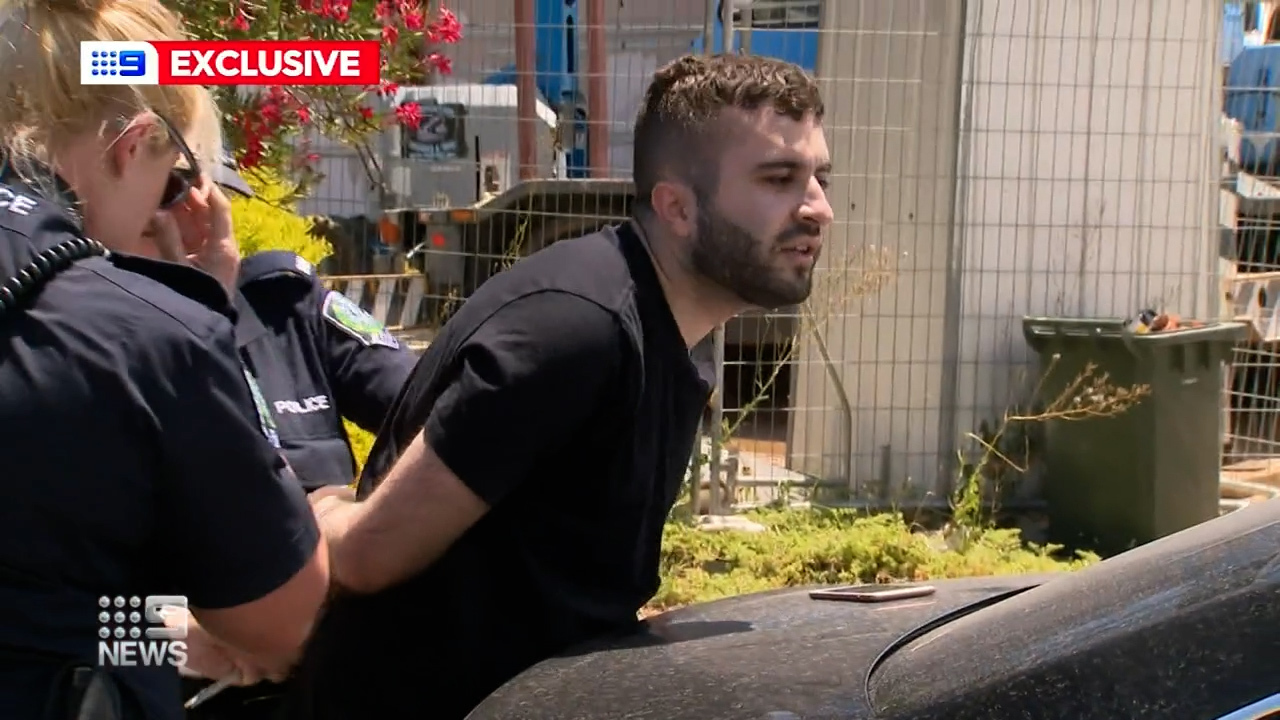
As the cameraman filmed firefighters battling the blaze at West Lakes, Eduard Zefi, one of the home's occupants, allegedly approached from behind and pushed the crew member into the street.

Mr Zefi is accused of punching the cameraman multiple times, leaving him with a bloodied and bruised face and the camera broken.

Moments later, the 25-year-old was arrested by police and charged with aggravated and common assault.

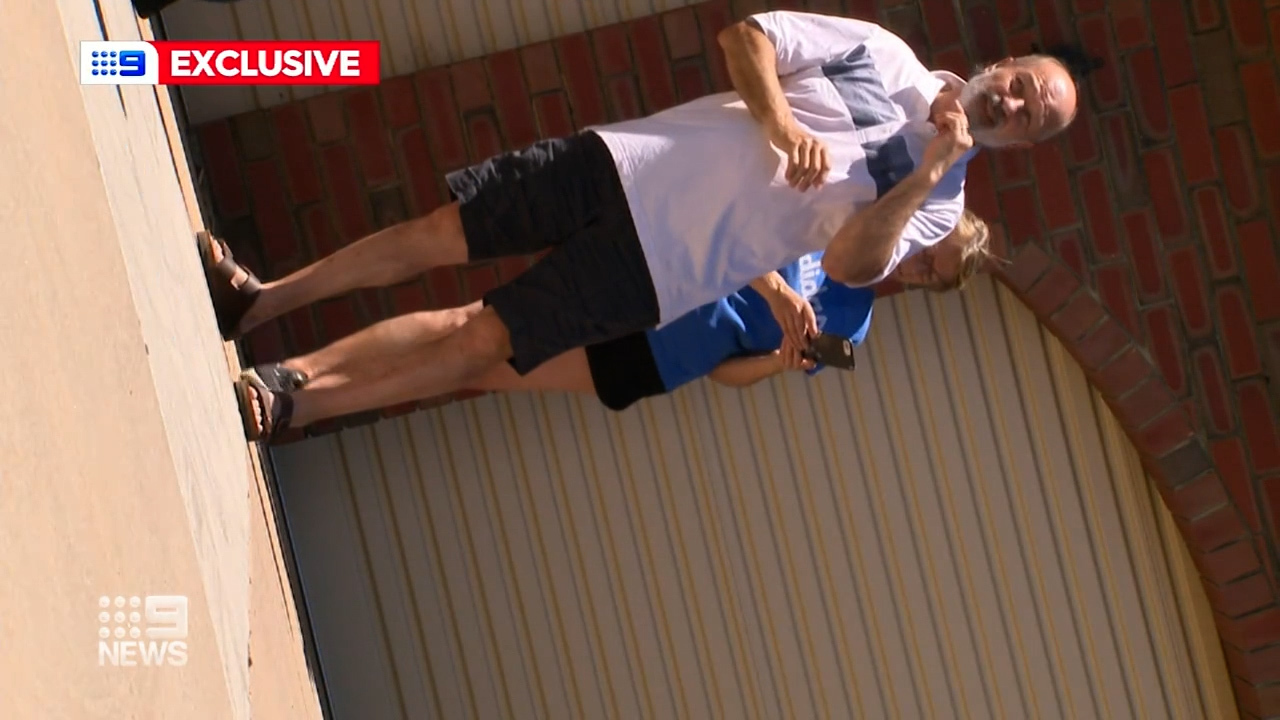
"When the situation is dangerous, dangerous things can happen," Mr Zefi's father said after watching his son being led away by police.

"Tell him (the cameraman) please, we were in a very bad situation and frustrated and if he could accept our apology (that) would be good."

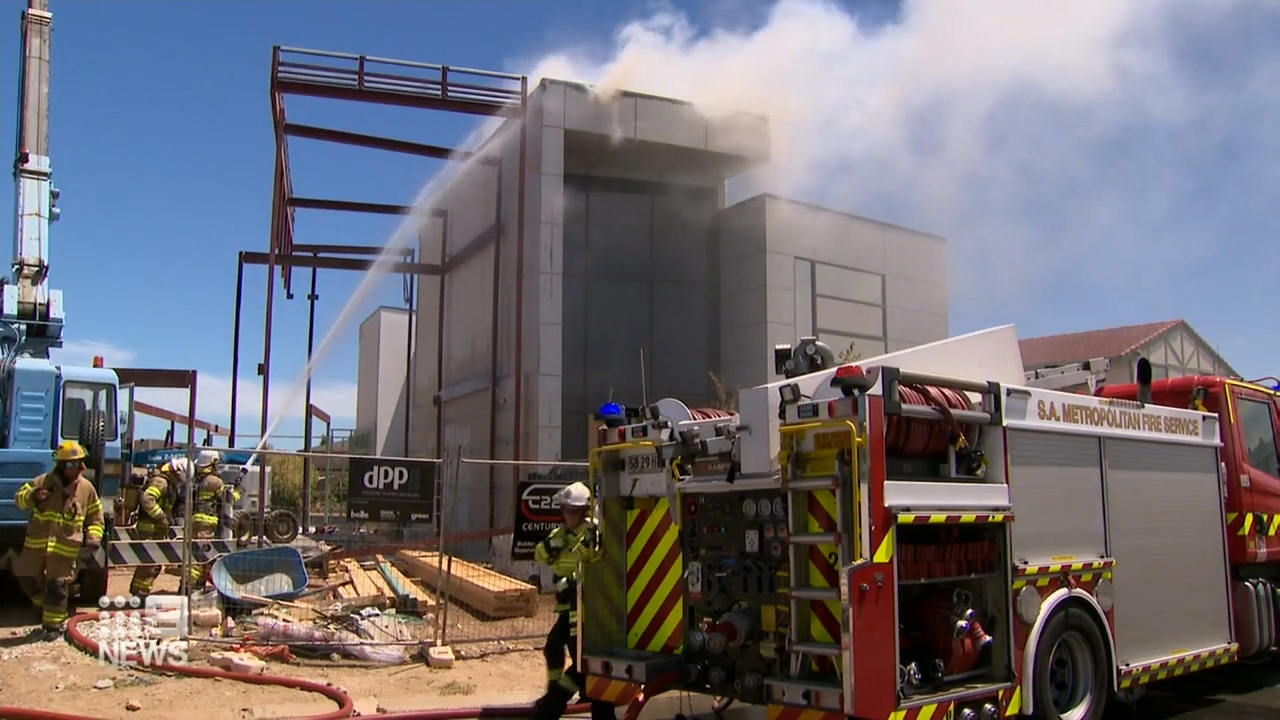
The fire broke out just after midday when flames spread inside a two-storey wall cavity.

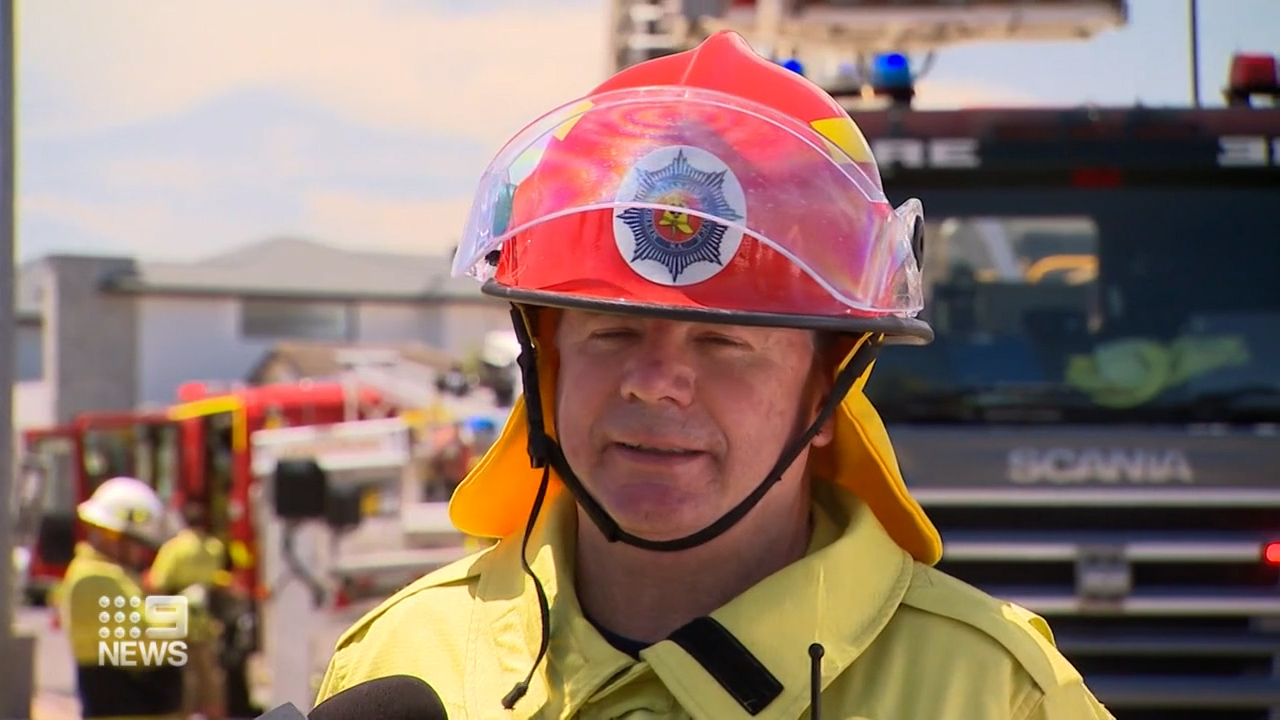
"Which made it quite difficult to access where the fire was and it wasn't until we were able to use aerial appliances to gain that access that we extinguished the fire," a firefighter at the scene said.

Fire investigators believe the blaze was sparked by welding equipment used in the construction of a neighbouring property.

Damage to the new house, which the family only moved into one month ago, is estimated at $100,000.

Mr Zefi has been granted bail and will face court next month.

Aus Open quarantine 'fully funded by Tennis Australia'

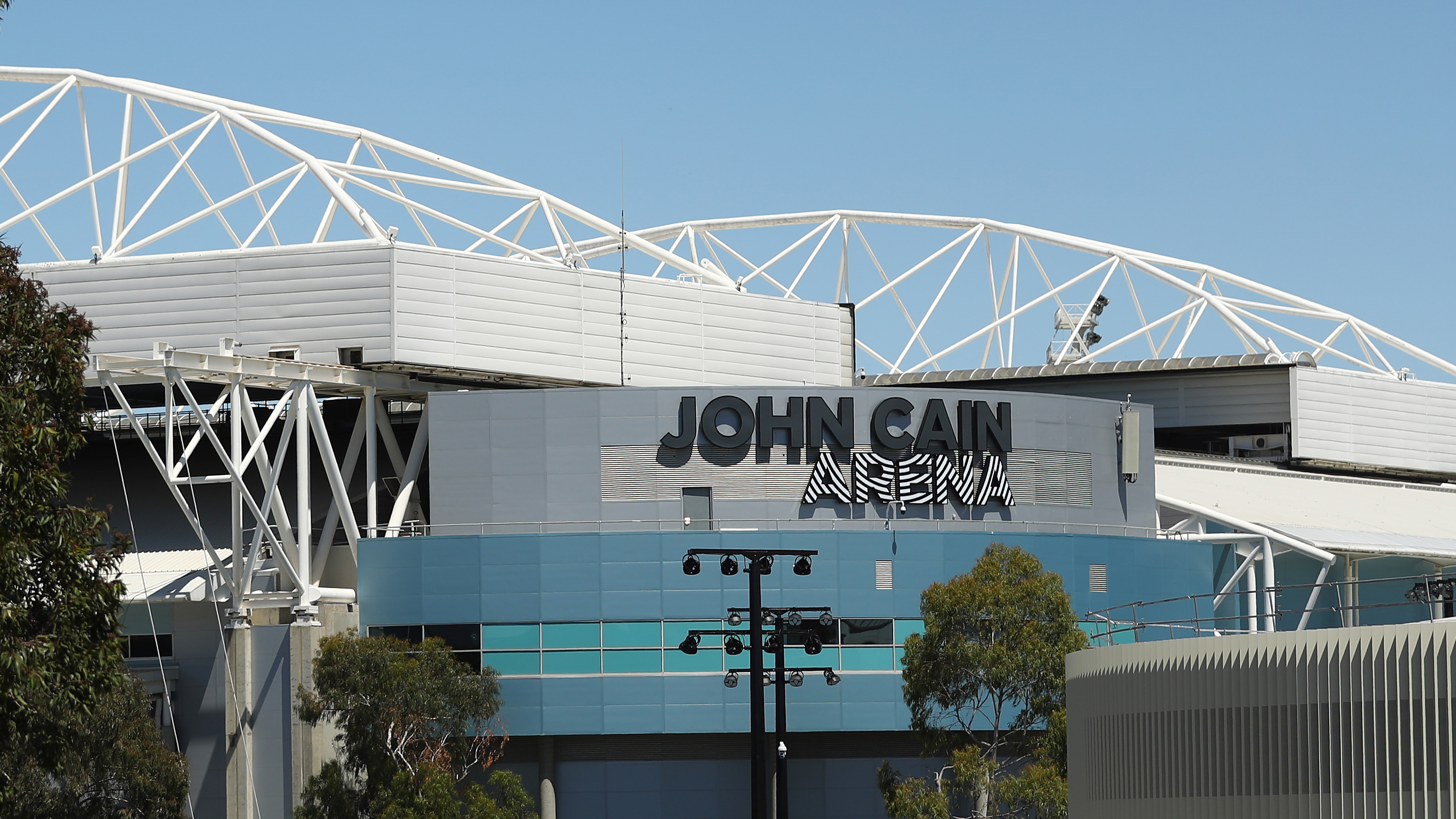
Clarity has finally been provided around the sensitive issue as to who is footing the bill for the Australian Open hotel quarantine program, after a public dispute between Tennis Australia and the Victorian Government.

Craig Tiley, CEO of Tennis Australia, told 3AW this morning the cost would surpass $40 million and the government would "absolutely" be contributing.

But in a statement issued late today, the peak body clarified it was funding the program.

"Tennis Australia is funding the AO quarantine program.

"The Victorian Government support relates to ongoing discussions about funding for an extension to the agreement to host the AO in Melbourne and a range of other assets to help promote the city and the state, domestically and internationally," the statement reads.

Not long after Mr Tiley made the claim on 3AW, emergency services minister Lisa Neville firmly stated the government was not paying for Australian Open hotel quarantine.

"I want to be really clear about this … hotel quarantine is fully funded by Tennis Australia," she said.

"We do support the Australian Open as an event, but that is separate to the Australian Open quarantine program."

READ MORE: Regional Victoria travel vouchers snapped up within 20 minutes

https://twitter.com/andrew_lund/status/1351692064963010561?ref_src=twsrc%5Etfw

Ms Neville said there was no question about who was paying and that Victorian taxpayers would not be contributing to the program.

Mr Tiley said the Australian Open usually brought in about $370 million to the Victorian economy each year and created roughly 12,500 jobs which would be understandably down this year as a result of the coronavirus pandemic.

He also told 3AW that crowd capacity could go to 50 per cent capacity granted no outbreaks occurred near the February 8 start date.

The Australian Open site will be divided into three zones, with contact tracing and COVID safe practices applied throughout the tournament.

Mr Tiley said six cases linked to the Open were currently in medi-hotels after returning positive tests, none of which are players.

Two players were deemed positive cases by the Department of Health and Human Services yesterday, but these are understood to be inactive shedding cases so those people are not in a medi-hotel but remain in a quarantine environment.

All players and support staff are now in Melbourne for the Australian Open, with the first lot of arrivals reaching day six of their hotel quarantine period.

Canberra scientist leaves legacy in ground-breaking cancer research trial

A Canberra father who died less than a year after being diagnosed with a rare cancer will leave behind an enduring legacy with a world-first Australian study supported by his research fund set to begin.

Scientist Matthew Fisher passed away on January 8 this year from a rhabdomyosarcoma – a soft-tissue cancer more common in children.

"He was a kind and gentle person," his wife Naomi told nine.com.au.

"Matt was very reserved but he really loved life and was such a positive person. He had just a nice presence about him.

"He was also so brave and so stoic in the way he battled the cancer."

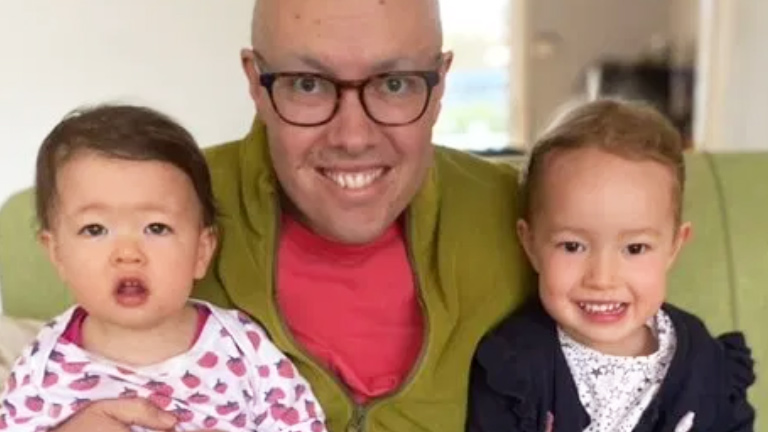
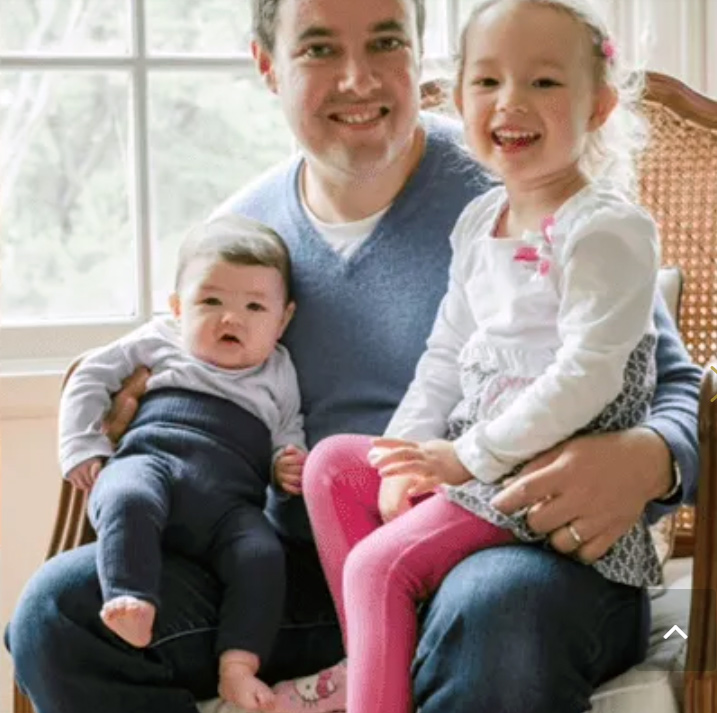
Matthew Fisher, pictured with his two daughters, Vivi and Sylvie.

Mrs Fisher said her husband first noticed something was wrong when he lost the sensation in his left leg in February last year.

"A couple of weeks later he found a lump in the pelvis. He went to the GP and then after a few days he was in quite a bit of pain so he went to emergency," she said.

It was at Canberra Hospital where he was diagnosed with rhabdomyosarcoma.

"It was like the perfect storm when he was diagnosed. March is when all the coronavirus lockdowns started happening. The beginning of his treatment almost coincided to the day of when schools got shut down," Mrs Fisher said.

Mr Fisher worked as a chemical patent examiner and had a PhD in chemistry.

Mrs Fisher said her husband put his knowledge to good use and thoroughly researched his illness, making sure he knew the exact make-up of the chemotherapy drugs he was taking.

She said they joked he would be "micromanaging his drugs until the very end, asking the doctors exactly how many milligrams he was being administered".

World-first study could benefit many

It was Mr Fisher's dying wish to help further research into bone and soft-tissue sarcoma cancers, about which little is known.

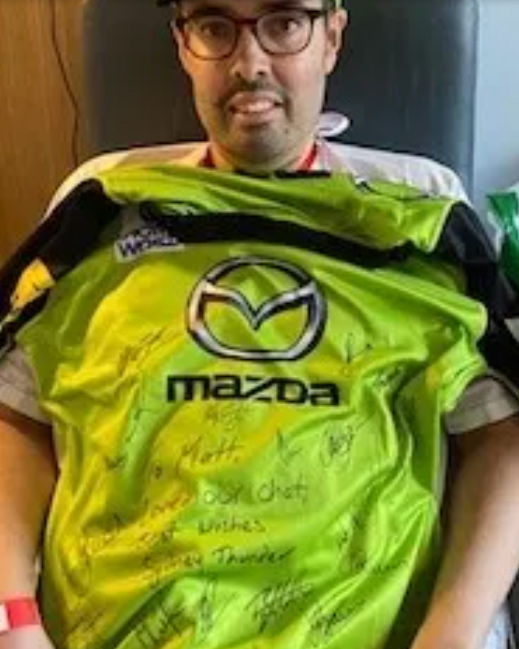
Mr Fisher endured his grueling chemotherapy treatments with grace and stoicism, his friends and family said.

Around 1000-1500 patients in Australia are diagnosed of a sarcoma every year.

It is one of the least common cancers in adults but accounts for about 10 to 15 of all childhood cancers.

"A couple of months before Matt died, when we found more metastases, he told me that he would like to raise money for research," Mrs Fisher said.

"He just wanted to help other families, so that no family would have to go what we would go through."

So far, more than $55,000 has been raised through the Matthew Fisher Sarcoma Research Fund, run by the philanthropic Cooper Rice Brading Foundation.

All of the funds will go towards a ground-breaking sarcoma study at Sydney's Garvan Institute of Medical Research.

The study, due to begin within weeks, will trial a drug commonly used to treat psoriasis on 32 patients with sarcomas over the next 12 to 18 months, Professor David Thomas, an oncologist and Head of the Cancer Theme of the Garvan Institute, said.

The study will build on work previously done by researchers at the Garvan Institute which identified a gene – called interleukin-23 as playing an important role in allowing osteosarcoma, or bone cancer, to develop.

Coincidentally, some drugs already used on the market to treat psoriasis work by blocking the same interleukin-23 gene.

So researchers tested the drug on mice with osteosarcomas.

"When we used drugs that blocked interleukin-23 we were able to slow down the growth and shrink the tumours when these mice were carrying tumours," Professor Thomas said.

"The purpose of the study now is to see whether the drug will work with patients with sarcomas and well as working for patients with psoriasis.

Mr Fisher was diagnosed with a rhabdomyosarcoma in February last year.

"This will be the first study of its kind worldwide, it's opening up new territory. Interleukin-23 may be promising for a wide variety of cancers but nobody has ever treated cancer patients with an interleukin-23 blocking agent before.

"We have got our fingers crossed. If it works it will open up whole new treatments for many cancer patients, including patients with sarcoma."

Professor Thomas said fundraisers such as Mr Fisher's played a crucial role in enabling the pursuit of new areas of cancer research.

"The first investment in any new area is often supported by philanthropic support rather than by government," he said.

"Philanthropy is catalytic in its capacity to take new ideas and get them to the point where governments can take over where there is a hint of promise.

"Studies like ours are enormously dependent on philanthropic support."

Tania Rice-Brading, from the Cooper-Brading Foundation, said she was in awe of what Mr Fisher's research fund had managed to achieve in such a short period of time.

"It really leaves me without words. It's bittersweet. I would have much rathered that the trial was up and running so that Matt could have been a beneficiary. But It's an amazing legacy that he has left behind and it will help so many," she said.

Contact reporter Emily McPherson at em********@******om.au.