Police divers have found the body of a missing teenager in the Waikato River.The 17-year-old, who went swimming in the river, was reported missing just after 5pm yesterday and was found before midday today.He reportedly went…
Tag Archives: oceania
Aussie home loans break record
Australians are borrowing more money for property than ever before, new data released by the Australian Bureau of Statistics showed today.
The total value of new loan commitments for housing reached a record high in November 2020, rising 5.6 per cent to $24 billion.
The value of new owner occupier home loan commitments – not investors but people buying to live – rose 5.5 per cent to $18.3 billion.
READ MORE: 'Driveway to nowhere' going under the hammer in Penrith
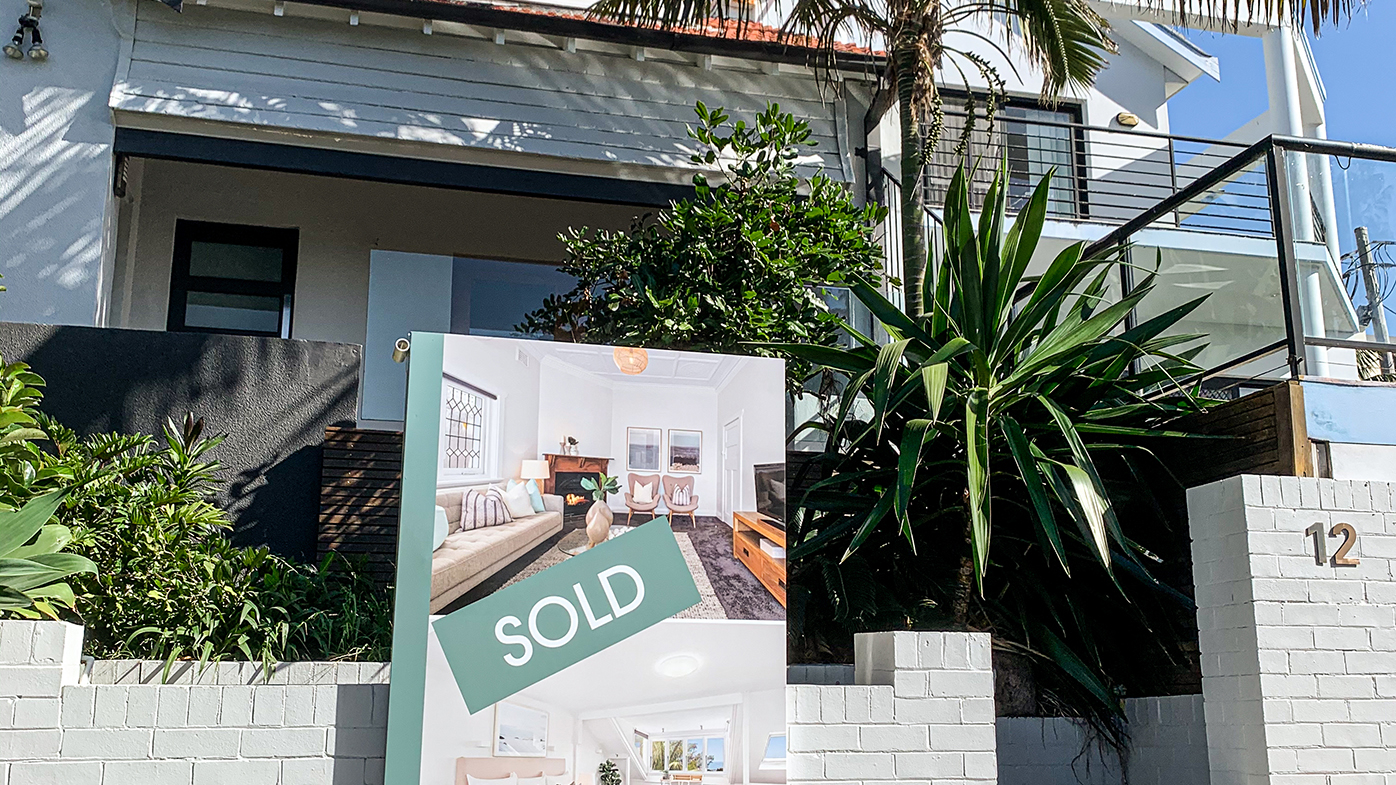
That's almost a third higher than it was in November 2019, prior to the COVID-19 pandemic.
ABS head of finance and wealth, Amanda Seneviratne, said most of the money was coming in for homes that already existed.
"Loan commitments for existing dwellings rose 5.9 per cent and were the largest contributor to the rise in November's owner occupier housing loan commitments," Ms Seneviratne said.
"The value of construction loan commitments grew 5.6 per cent in November, rising 75 per cent since July. This follows the implementation in June of the Government's HomeBuilder grant in response to COVID-19.
"Other federal and state government incentives and ongoing low interest rates also contributed to the continuing growth in new housing loan commitments."
READ MORE: Sydney's 2021 property hotspots predicted
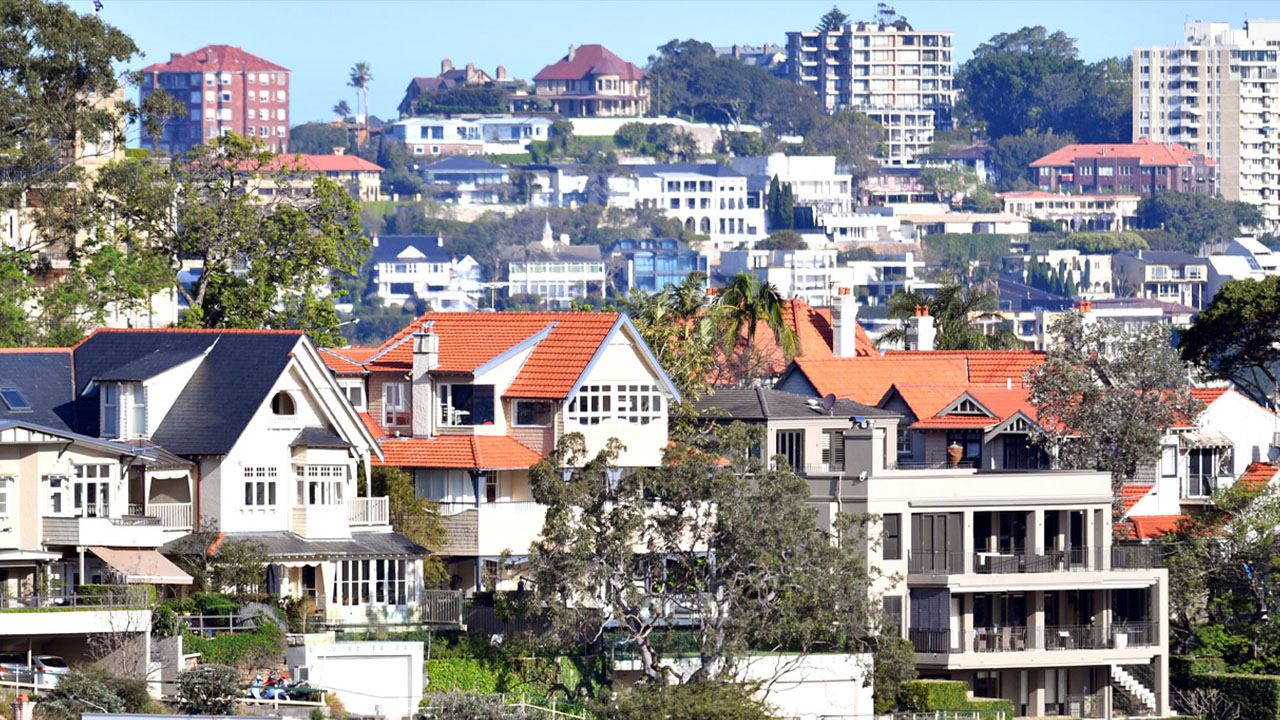
The number of loan commitments for first home buyers rose 3.1 per cent to 13,905, marking a stratospheric rise of 42.5 per cent since the start of the year.
A huge spike in home loans marks a return to form for the Australian property market, which was remarkably resilient throughout the worst of the pandemic.
In fact, it appeared that the lack of availability to view and purchase homes merely paused ordinary trade until vendors, agents and buyers could begin working as normal.
READ MORE: Brisbane house prices at record highs
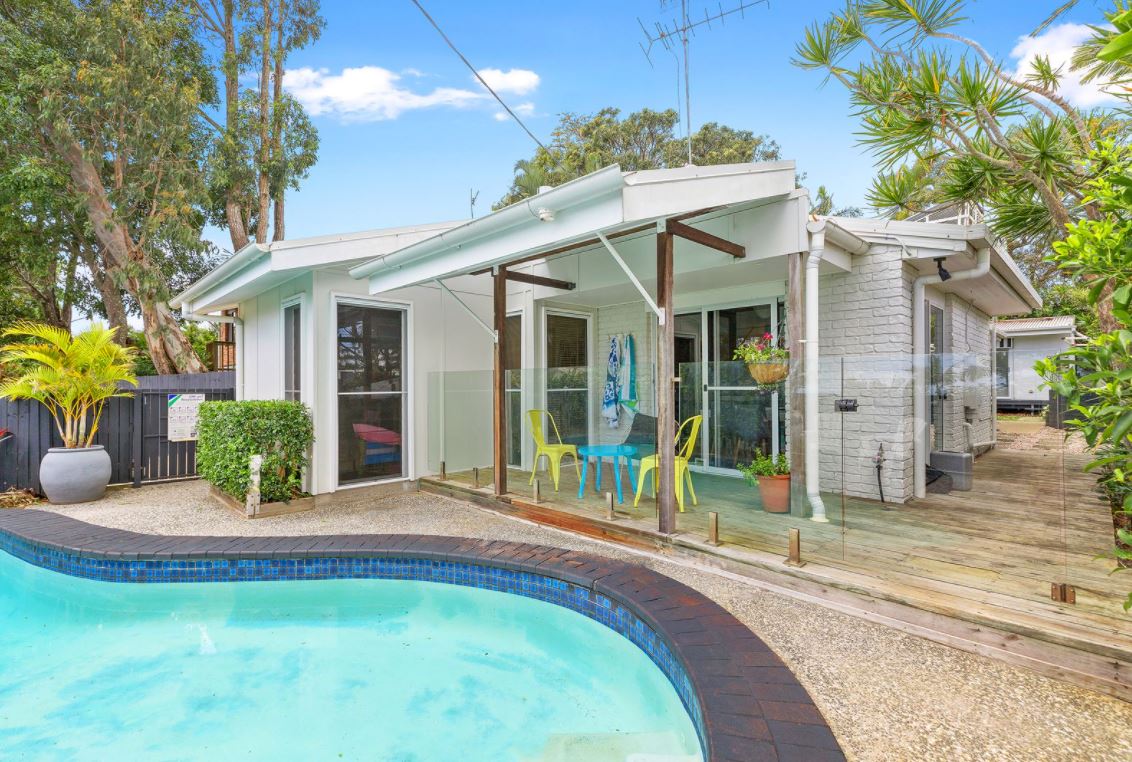
"The number of residential property sales plummeted by 40 per cent through March and April but finished the year with almost 8 per cent more sales relative to a year ago as buyer numbers surged through the second half of the year," Corelogic's research director Tim Lawless said.
"Despite the volatility, housing values showed remarkable resilience, falling by only 2.1 per cent before rebounding with strength throughout the final quarter of 2020."
You can get up-to-date information from the Federal Government's Coronavirus Australia app, available on the App Store, Google Play and the Government's WhatsApp channel.
Beyond Blue's Coronavirus Mental Wellbeing Support Service is a 24/7 service free of charge to all Australians. Visit the site here or call 1800512348
For coronavirus breaking news alerts and livestreams straight to your smartphone sign up to the 9News app and set notifications to on at the App Store or Google Play.
The information provided on this website is general in nature only and does not constitute personal financial advice. The information has been prepared without taking into account your personal objectives, financial situation or needs. Before acting on any information on this website you should consider the appropriateness of the information having regard to your objectives, financial situation and needs.
America's Cup 2021: The Prada Cup – First day of sailing in Auckland
Auckland has turned on a pearler of a day for the first day of sailing in the Prada Cup to determine the challenger for the Auld Mug.A steady stream of families, city workers and lunchtime diners have filled waterfront bars, while…
Nine charged over US water disaster that led to fatal disease outbreak
A new investigation of the Flint water disaster led to charges against nine people.
This includes former Michigan Governor Rick Snyder and key members of his administration, who are accused of various crimes in a calamitous plan that contaminated the community with lead and contributed to a fatal outbreak of Legionnaires' disease, authorities said on Thursday.
LIVE UPDATES: Community shocked after mum and three kids found dead in home
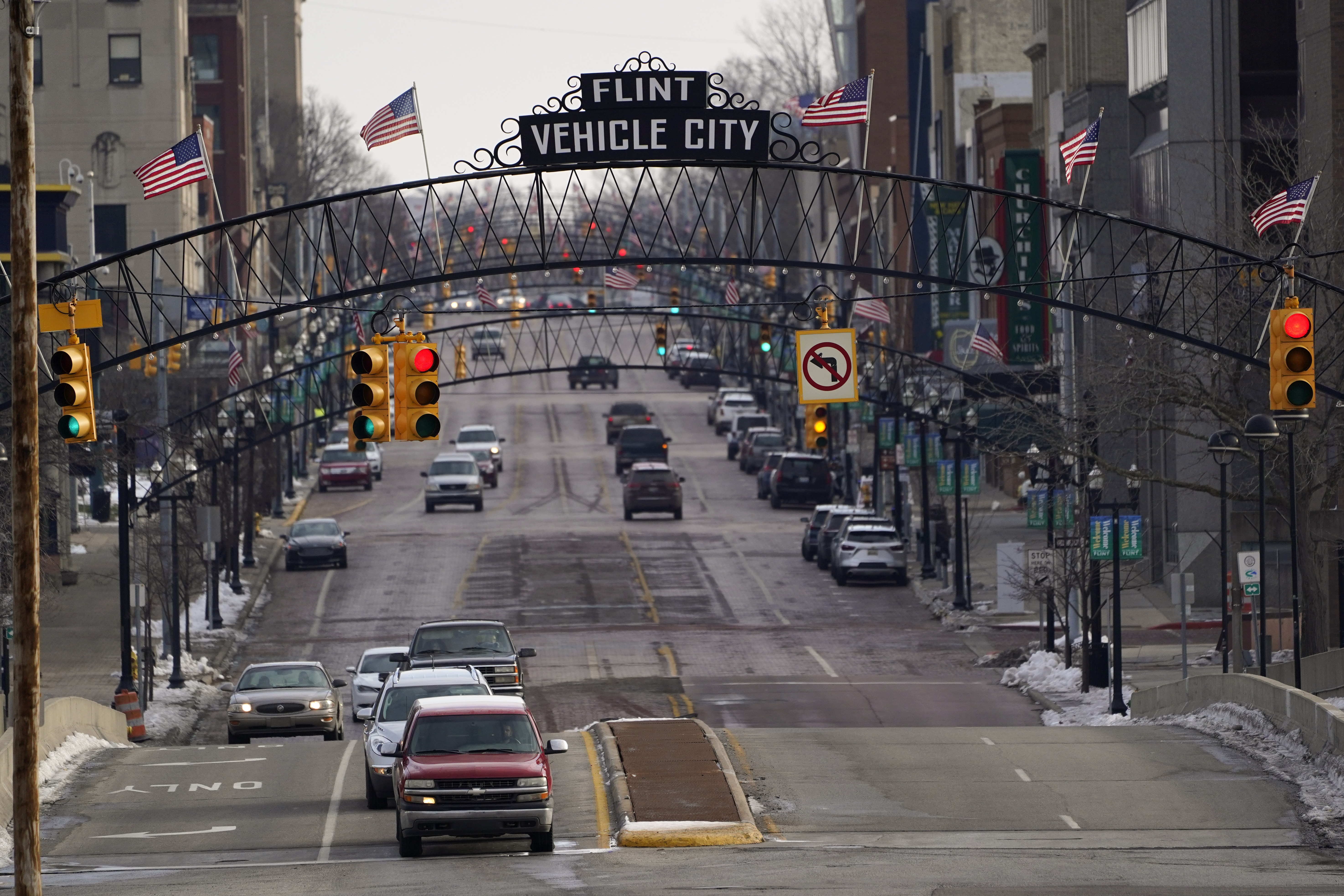
Nearly seven years after the doomed decision to use the Flint River, pipes at more than 9700 Flint homes have been replaced and water quality has greatly improved.
But prosecutors said it was not too late to pursue people responsible for one of the worst human-made environmental disasters in US history.
It's the second time that six of the nine people have faced charges; their previous cases were dropped in 2019 when a new prosecution team took over.
Mr Snyder is the biggest new name in the bunch, though his alleged crimes are not as serious as others: two misdemeanour counts of wilful neglect of duty.
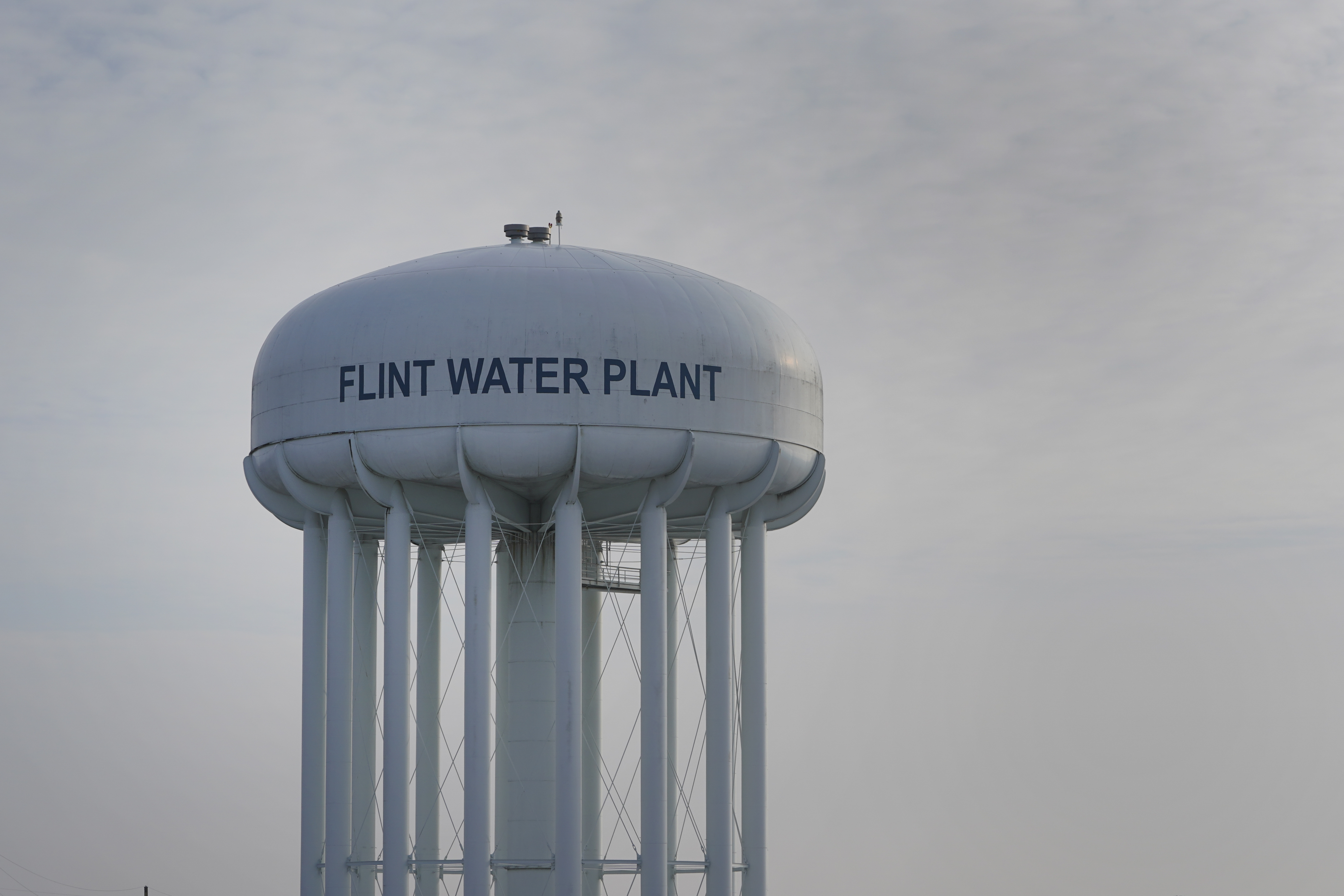
Mr Snyder's former health director, Nick Lyon, and ex-chief medical executive, Dr Eden Wells, were charged with involuntary manslaughter in the 2015 deaths of nine people with Legionnaires'.
Authorities said they failed to alert the public about a regional spike in Legionnaires' when the water system might have lacked enough chlorine to combat bacteria in the river water.
"The Flint water crisis is not some relic of the past," Fadwa Hammoud of the state attorney general's office told reporters.
"At this very moment, the people of Flint continue to suffer from the categorical failure of public officials at all levels of government who trampled upon their trust and evaded accountability for far too long."
The charges stemmed from evidence presented to Judge David Newblatt, who served as a secret one-person grand jury.
All nine defendants pleaded not guilty during a series of brief court appearances.
The indictment alleges that Mr Snyder failed to check the "performance, condition and administration" of his appointees and protect Flint's nearly 100,000 residents when he knew the threat.
The Republican served as governor from 2011 through 2018.
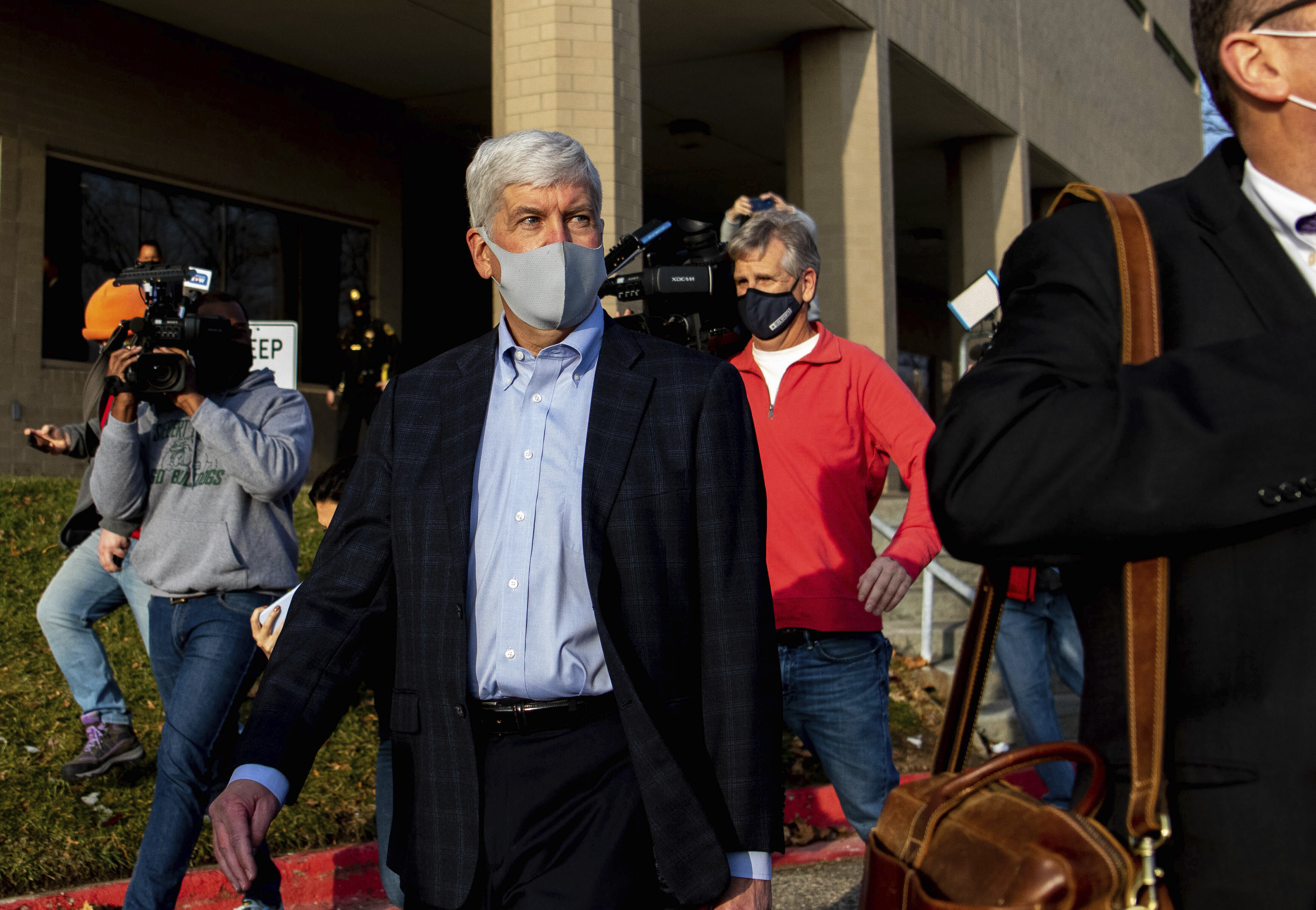
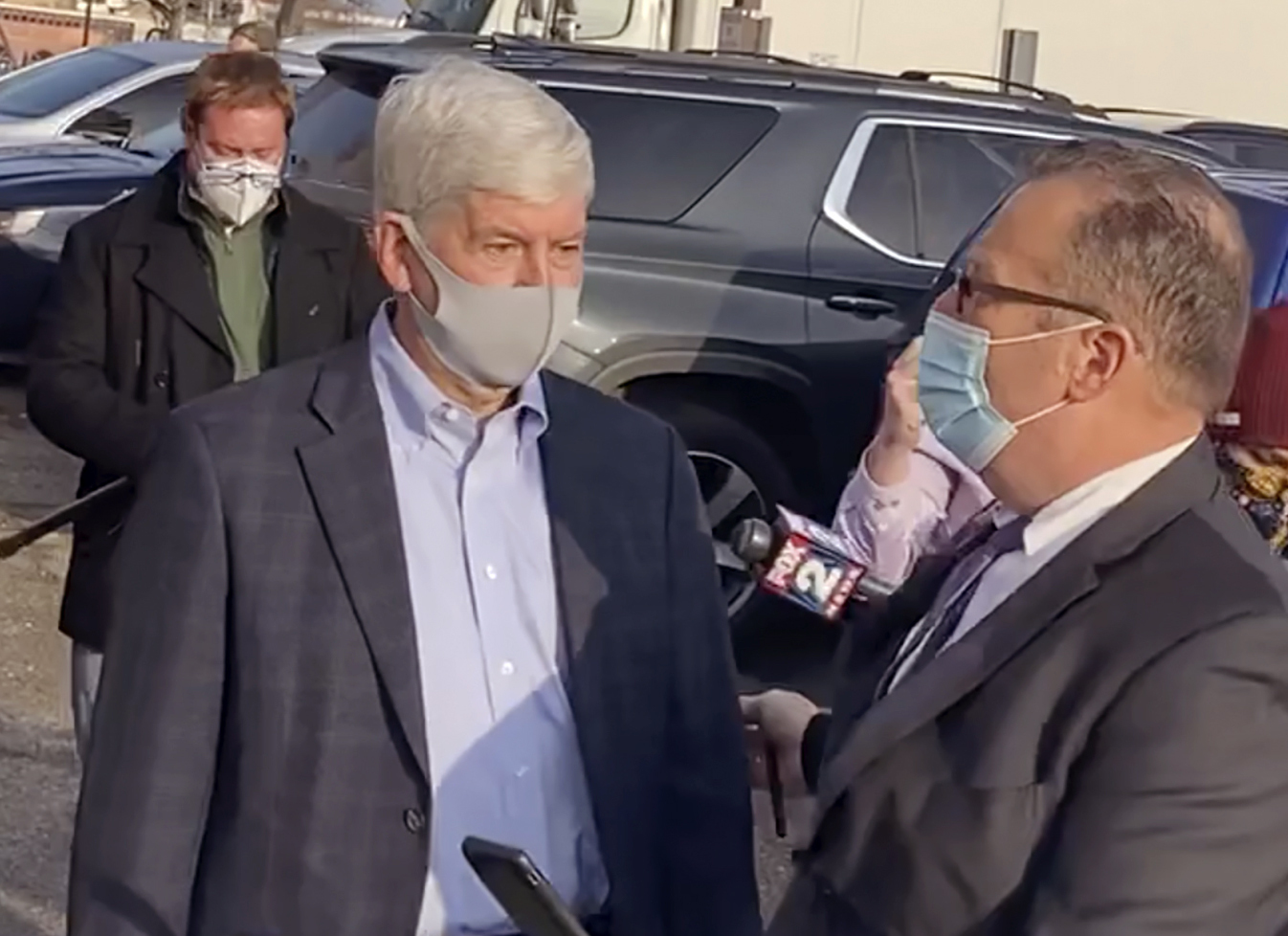
Wearing a mask, Mr Snyder, 62, said little during his hearing, which was conducted by video.
He replied, "Yes, your honour," when asked if he was living in Michigan. A conviction carries up to a year in jail.
Mr Snyder has acknowledged that his administration failed in Flint.
READ ALSO: Signs of 'long-COVID' found in virus patients six months after leaving hospital
READ ALSO: New skin gel 'proven' to heal chronic pain
But his attorney, Brian Lennon, said a criminal case against him was a "travesty."
"These unjustified allegations do nothing to resolve a painful chapter in the history of our state," Mr Lennon said.
"Today's actions merely perpetrate an outrageous political persecution."
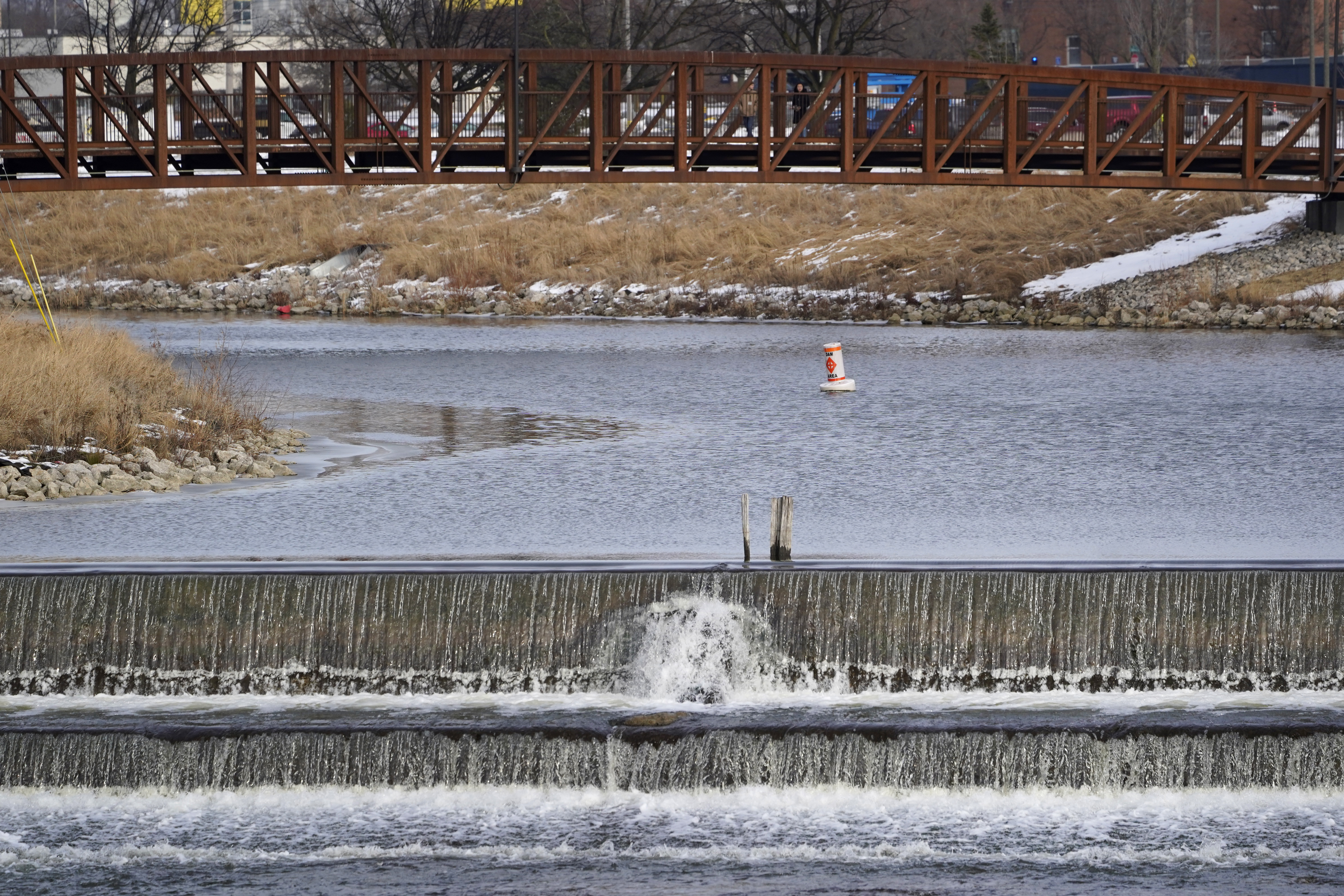
In 2014, a Snyder-appointed emergency manager, Darnell Earley, who was running the financially struggling, majority Black city, carried out a money-saving decision to use the Flint River for water while a pipeline from Lake Huron was under construction.
The corrosive water, however, was not treated properly, a misstep that freed lead from old plumbing and into homes.
Despite desperate pleas from residents holding jugs of discoloured, skunky water, the Snyder administration, especially drinking water regulators, took no significant action until a doctor publicly reported elevated lead levels in children about 18 months later.
Lead can damage the brain and nervous system and cause learning and behaviour problems.
Flint's woes were highlighted as an example of environmental injustice and racism.
READ ALSO: Washington DC locks down one week before Biden's inauguration amid safety concerns
The city resumed getting water from a Detroit regional system in October 2015, though bottled water and filters were distributed for months.
Former Mayor Karen Weaver, who was elected in 2015 after the disaster was recognised, said Snyder deserved more than misdemeanours.
"Snyder got a slap on the wrist and Flint got a slap in the face. … Not only did people lose their lives through Legionnaires', we know women who had stillbirths and miscarriages," Weaver said.
Authorities counted at least 90 cases of Legionnaires' disease in Genesee County during the 2014-15 water switch, including 12 deaths.
Legionella bacteria can trigger a severe form of pneumonia when spread through misting and cooling systems.
Defence attorney Chip Chamberlain said Lyon, the former health director, relied on the advice of experts when following the Legionnaires' spike and forming policy as head of a sprawling agency.
"This is a dangerous day for state employees," Mr Chamberlain said of the charges.
Prosecutors charged Mr Earley and another former Flint manager, Gerald Ambrose, with misconduct.
Rich Baird, a friend and close adviser to Mr Snyder, was charged with extortion, perjury and obstruction of justice.
Jarrod Agen, who was Snyder's chief of staff, was charged with perjury.
Attorney Charles Spies disputed the charge against Mr Agen and said he cooperated "fully and truthfully" with investigators.
The indictment accuses Baird, a Flint native, of making threats during a university-led investigation of the Legionnaires' outbreak.
He's also accused of lying during an interview with Flint water investigators in 2017.
"There are no velvet ropes in our criminal justice system," Ms Hammoud said.
"Nobody — no matter how powerful or well-connected — is above accountability when they commit a crime."
Separately, the state, Flint, a hospital and an engineering firm have agreed to a $641 million settlement with residents.
A judge said she hopes to decide by January 21 whether to grant preliminary approval.
Melodie Ingraham, 61, whose skin was irritated by the tainted water, said the criminal charges don't mean much to her.
"It's awful late in the day. They're worried about the wrong thing," Ms Ingraham said.
"The issue is getting Flint back up and running, being safe again."
Escalating rent prices drive Lower Hutt families into emergency housing
By Harry Lock, of RNZ .A Whānau Ora provider in Lower Hutt says escalating rents are driving families out of their homes and into emergency housing.The number of grants from the Ministry of Social Development has increased…
Trump stands largely silent, alone amid second impeachment
His place in the history books rewritten, President Donald Trump endured his second impeachment largely alone and silent.
For more than four years, Mr Trump has dominated the national discourse like no-one before him. Yet when his legacy was set in stone on Wednesday, he was stunningly left on the sidelines.
The President now stands with no equal, the only leader of the US to be charged twice with a high crime or misdemeanour, a new coda for a term defined by a deepening of the nation's divides, his failures during the worst pandemic in a century and his refusal to accept defeat at the ballot box.
READ MORE: What's next for Trump after historic impeachment vote

Mr Trump kept out of sight in a nearly empty White House as impeachment proceedings played out at the heavily fortified US Capitol. There, the damage from last week's riots provided a visible reminder of the insurrection that the president was accused of inciting.
RELATED: How Donald Trump's impeachment is different this time around
Abandoned by some in his own party, Mr Trump could do nothing but watch history unfold on television. The suspension of his Twitter account deprived Trump of his most potent means to keep Republicans in line, giving a sense that Mr Trump had been de-fanged and, for the first time, his hold on his adopted party was in question.
He was finally heard from hours after the vote, in a subdued video that condemned the insurrection at the Capitol and warned his supporters from engaging in any further violence. It was a message that was largely missing one week earlier, when rioters marching in Mr Trump's name descended on the Capitol to try to prevent Congress from certifying Biden's victory.
"I want to be very clear: I unequivocally condemn the violence that we saw last week," said Mr Trump. He added that "no true supporter" of his "could ever endorse political violence."
But that message, partially motivated to warn off legal exposure for sparking the riot, ran contrary to what Mr Trump has said throughout his term, including when he urged his supporters to "fight" for him last week.
Mr Trump said not a word about his impeachment in the video, though he complained about the ban on his social media. And later Wednesday, he asked allies if he had gone too far with the video, wondering if it might upset some of his supporters.
Four White House officials and Republicans close to the West Wing discussed Mr Trump's private conversations on condition of anonymity because they weren't authorised to do so publicly.

With only a week left in Mr Trump's term, there were no bellicose messages from the White House fighting the proceedings on the other end of Pennsylvania Avenue and no organised legal response.
Some congressional Republicans did defend the president during House debate in impeachment, their words carrying across the same space violated by rioters one week earlier during a siege of the citadel of democracy that left five dead.
In the end, 10 Republicans voted to impeach.
It was a marked change from Mr Trump's first impeachment. That December 2019 vote in the House, which made Mr Trump only the third president ever impeached, played out along partisan lines. The charges then were that he had used the powers of the office to pressure Ukraine to investigate a political foe, Joe Biden, now the president-elect.
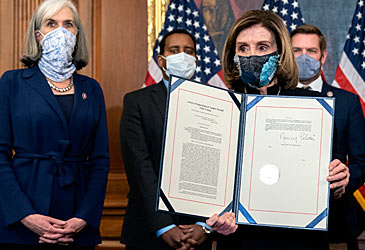
At that time, the White House was criticised for failing to create the kind of robust "war room" that President Bill Clinton mobilised during his own impeachment fight.
Nonetheless, Mr Trump's allies did mount their own push-back campaign. There were lawyers, White House messaging meetings, and a media blitz run by allies on conservative television, radio and websites.
Mr Trump was acquitted in 2020 by the GOP-controlled Senate and his approval ratings were undamaged. But this time, as some members of his own party recoiled and accused him of committing impeachable offences, Mr Trump was isolated and quiet. A presidency centred on the bombastic declaration "I alone can fix it" seemed to be ending with a whimper.
The third-ranking Republican in the House, Rep. Liz Cheney of Wyoming, said there had "never been a greater betrayal" by a president. Senate Majority Leader Mitch McConnell, R-Ky., told colleagues in a letter that he had not decided how he would vote in an impeachment trial.
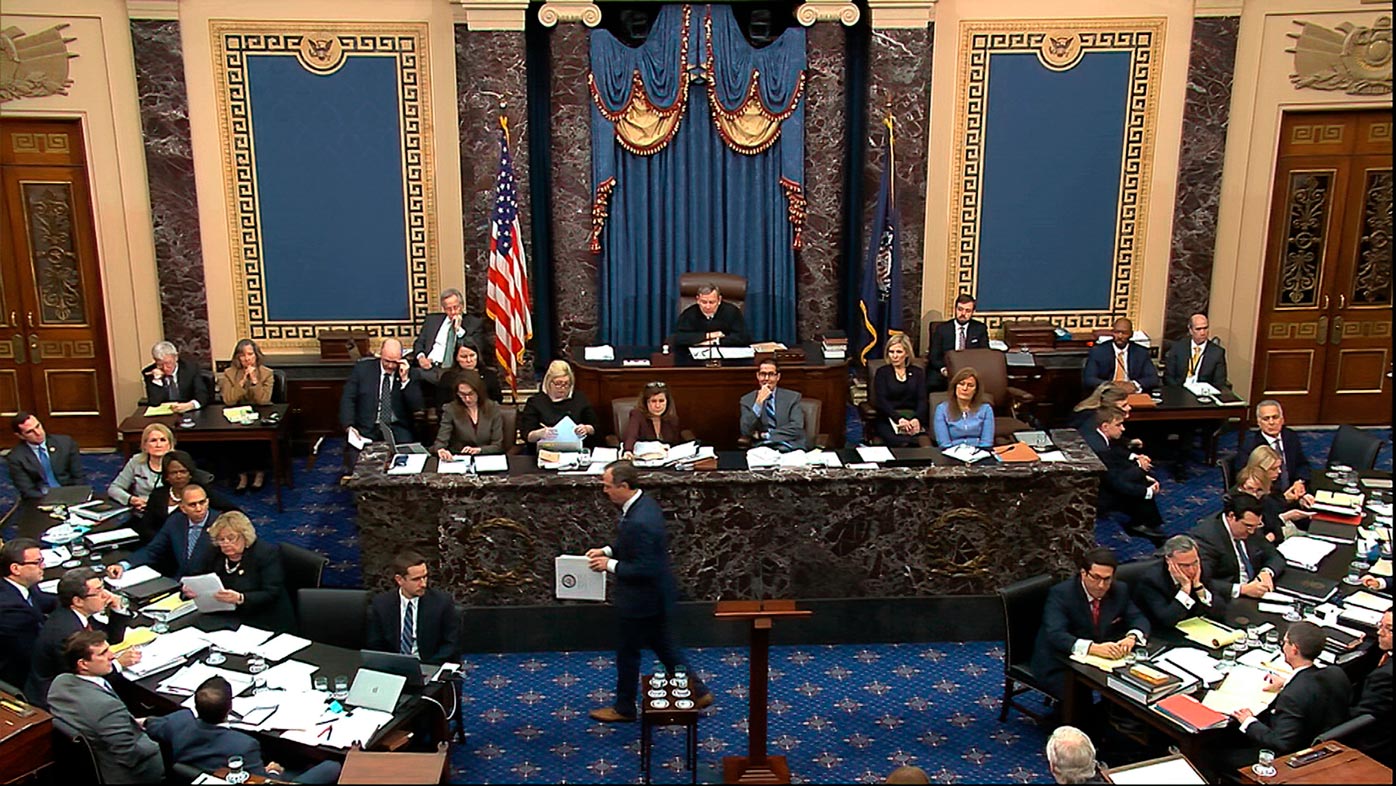
For the first time, Mr Trump's future seemed in doubt, and what was once unthinkable — that enough Republican senators would defy him and vote to remove him from office — seemed at least possible, if unlikely.
But there was no effort from the White House to line up votes in the president's defence.
The team around Mr Trump is hollowed out, with the White House counsel's office not drawing up a legal defence plan and the legislative affairs team largely abandoned.
Mr Trump leaned on Sen. Lindsey Graham, R-S.C., to push Republican senators to oppose removal. Graham's spokesman said the senator was making the calls of his own volition.
Trump and his allies believed that the president's sturdy popularity with the lawmakers' GOP constituents would deter them from voting against him. The president was livid with perceived disloyalty from McConnell and Cheney and has been deeply frustrated that he could not hit back with his Twitter account, which has kept Republicans in line for years.
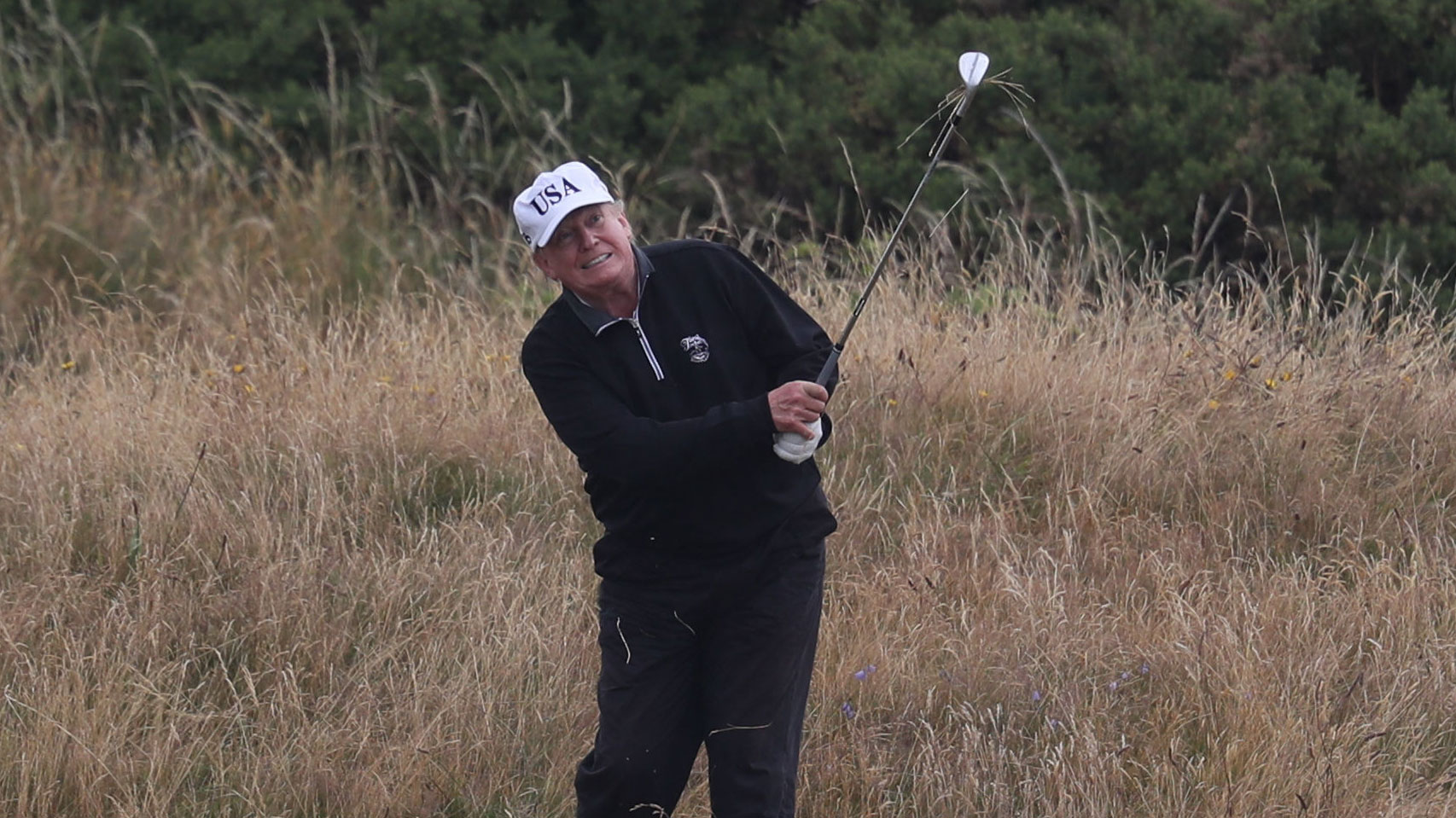
He also has turned on his personal attorney Rudy Giuliani, who touted election conspiracy theories and whom many in the president's orbit believe shoulders some of the blame for both impeachments. Mr Trump had grown irritated at Giuliani's lavish spending, which included a request to be paid $20,000 a day, and told aides to stop paying him.
Trump watched much of the day's proceedings on TV from the White House residence and his private dining area off the Oval Office. A short time before he was impeached, Trump was in the White House East Room presenting the National Medal of Arts to singers Toby Keith and Ricky Skaggs as well as former Associated Press photographer Nick Ut.
His paramount concern, beyond his legacy, was what a second impeachment could do to his immediate political and financial future.
The loss of his Twitter account and fundraising lists could complicate Mr Trump's efforts to remain a GOP kingmaker and potentially run again in 2024.
Moreover, Mr Trump seethed at the blows being dealt to his business, including the withdrawal of a PGA tournament from one of his golf courses and the decision by New York City to cease dealings with his company.
There's the possibility that if the Senate were to convict him, he also could be barred from seeking election again, dashing any hopes of another presidential campaign.
A White House spokesman did not respond to questions about whether anyone in the building was trying to defend Mr Trump, who was now the subject of half of the presidential impeachments in the nation's history.
One campaign adviser, Jason Miller, argued Democrats' efforts will serve to galvanise the Republican base behind Trump and end up harming Biden. He blamed the Democrats' swift pace for the silence, saying there wasn't "time for mounting a traditional response operation." But he pledged that "the real battle will be the Senate where there'll be a more traditional push-back effort."
The reminders of the Capitol siege were everywhere as the House moved toward the impeachment roll call.
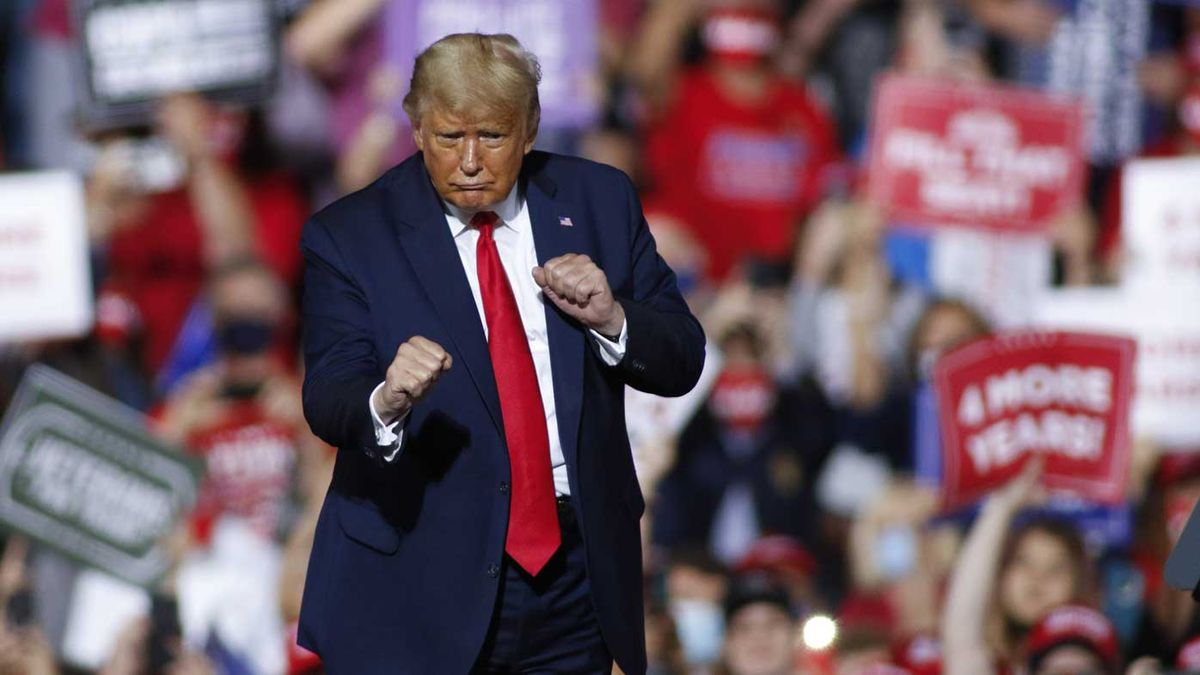
Some of the Capitol's doors were broken and windows were shattered. A barricade had gone up around outside the building and there were new checkpoints. Hundreds of members of the National Guard patrolled the hallways, even sleeping on the marble floors of the same rotunda that once housed Abraham Lincoln's casket.
And now the Capitol is the site of more history, adding to the chapter that features Clinton, impeached 21 years ago for lying under oath about sex with White House intern Monica Lewinsky, and Andrew Johnson, impeached 151 years ago for defying Congress on Reconstruction. Another entry is for Richard Nixon, who avoided impeachment by resigning during the Watergate investigation.
But Mr Trump, the only one impeached twice, will once more be alone.
Teen freed from jail after brutal assault so he can avoid Mongrel Mob
A teenager who viciously beat his girlfriend has been freed from prison in a bid to stop him being recruited by gangs.James Tuwhangai, 19, was jailed for two years when he was sentenced at the Dunedin District Court in September…
Driver critically injured after vehicle rolls on to railway tracks off Waikato Expressway
A driver is in a critical condition after his vehicle crashed on to railway tracks in the Waikato early this morning. Emergency services are at the scene of the incident on the Waikato Expressway, just south of Ōhinewai (Tahuna…
'At 6pm, life stops': France enforces curfew to curb virus spread
As the winter sun sets over France's Champagne region, the countdown clock kicks in.
Labourers stop pruning the vines as the light fades at about 4.30pm, leaving them 90 minutes to come in from the cold, change out of their work clothes, hop in their cars and zoom home before a 6pm coronavirus curfew.
READ MORE: WHO team arrives in Wuhan to investigate pandemic origins
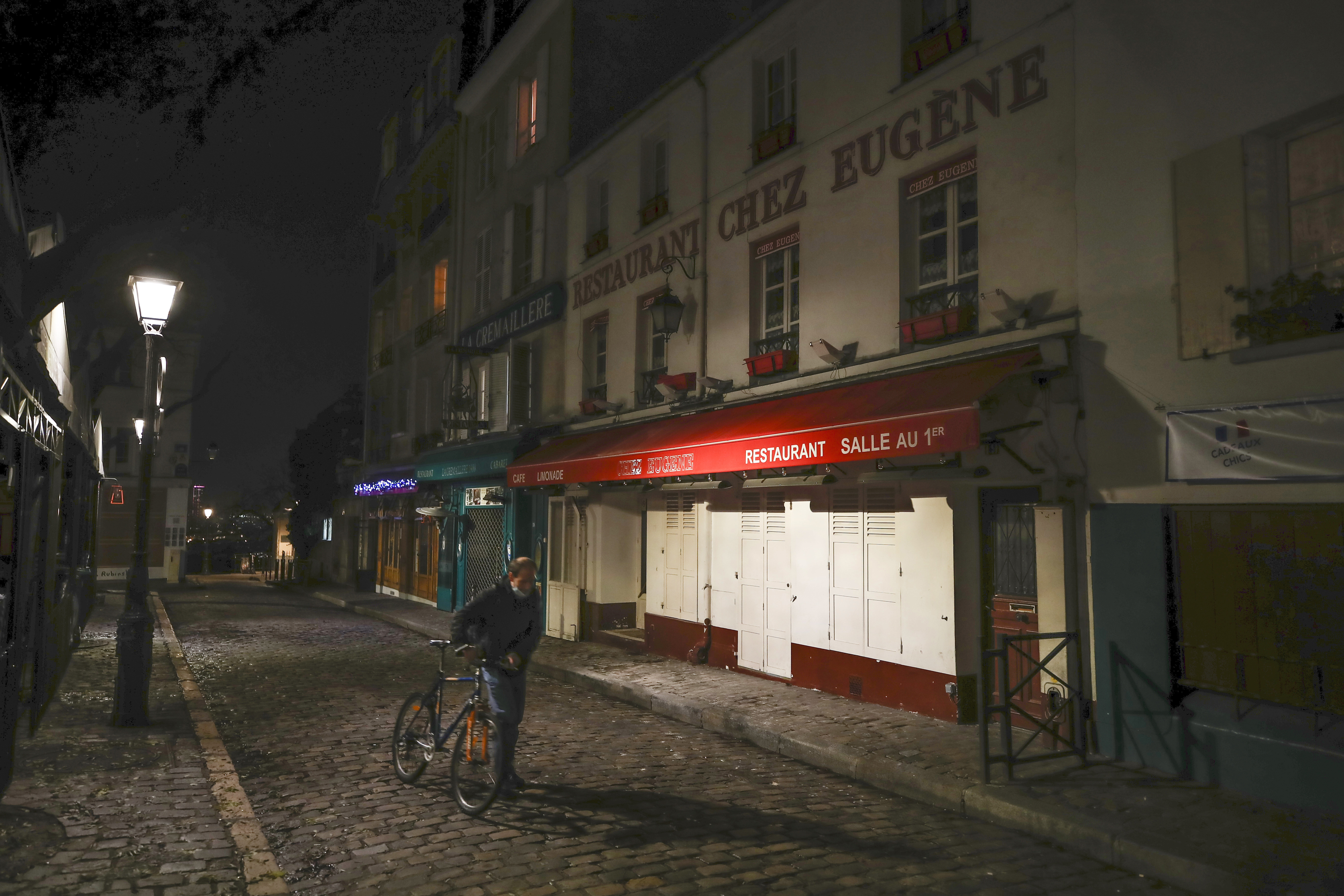
Forget about any after-work socialising with friends, after-school clubs for children or doing any evening shopping beyond quick trips for essentials.
Police on patrol demand valid reasons from people seen out and about.
For those without them, the threat of mounting fines for curfew-breakers is increasingly making life outside of the weekends all work and no play.
"At 6pm, life stops," Champagne producer Alexandre Prat said.
Trying to fend off the need for a third nationwide lockdown that would further dent Europe's second-largest economy and put more jobs in danger, France is instead opting for creeping curfews.
READ MORE: French woman tries to prove she's alive after court rules her dead
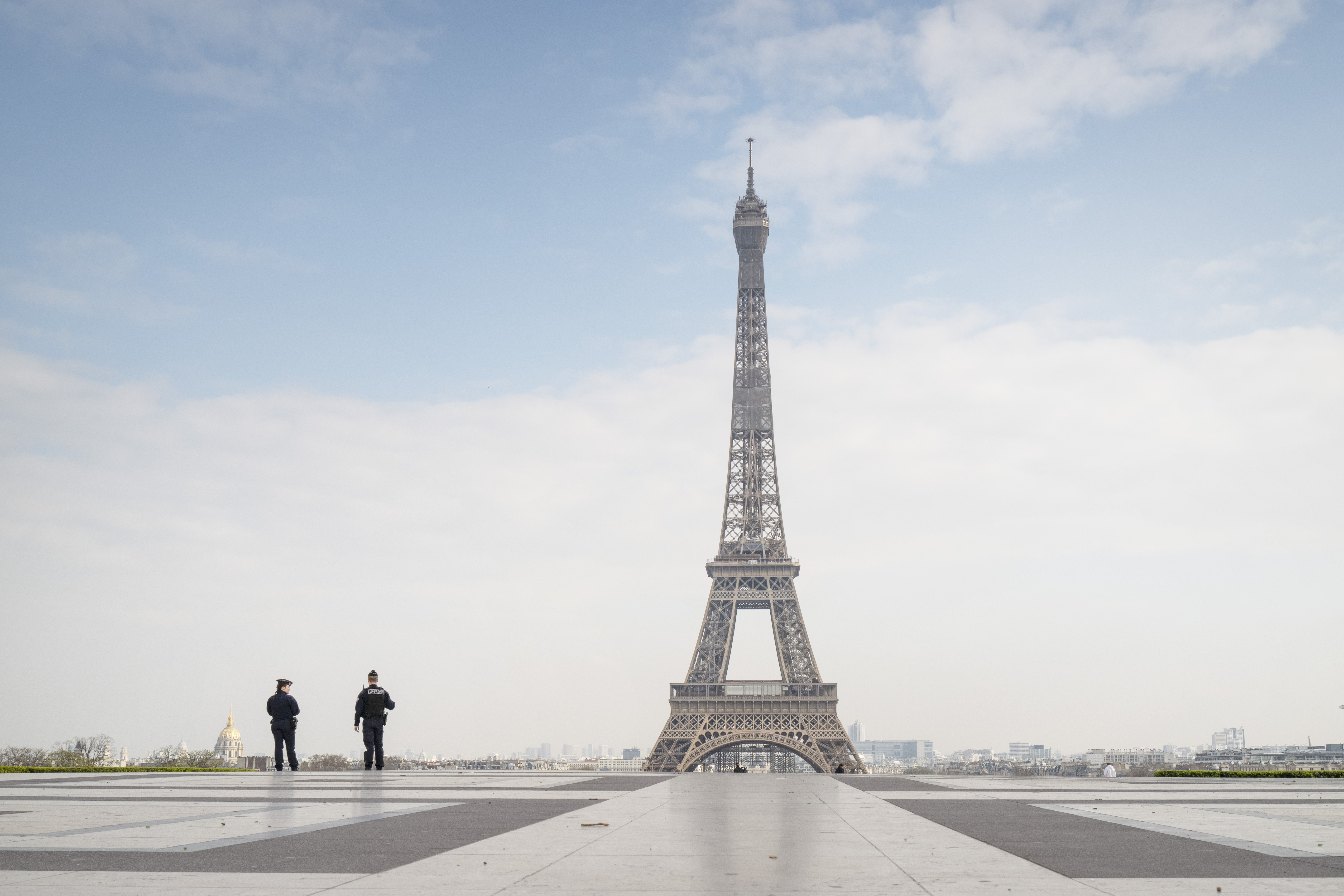
Big chunks of eastern France, including most of its regions that border Belgium, Germany, Switzerland and Italy, face 6pm to 6am restrictions on movement.
The rest of France could quickly follow suit, losing two extra hours of liberty that have been just enough for residents to maintain bare-bones social lives.
Until a couple of weeks ago, the nightly curfew didn't kick in until 8pm in Prat's region, the Marne.
Customers still stopped to buy bottles of his family's bubbly wines on their way home, he said. But when the cut-off time was advanced to 6pm to slow viral infections, the drinkers disappeared.
"Now we have no one," Mr Prat said.
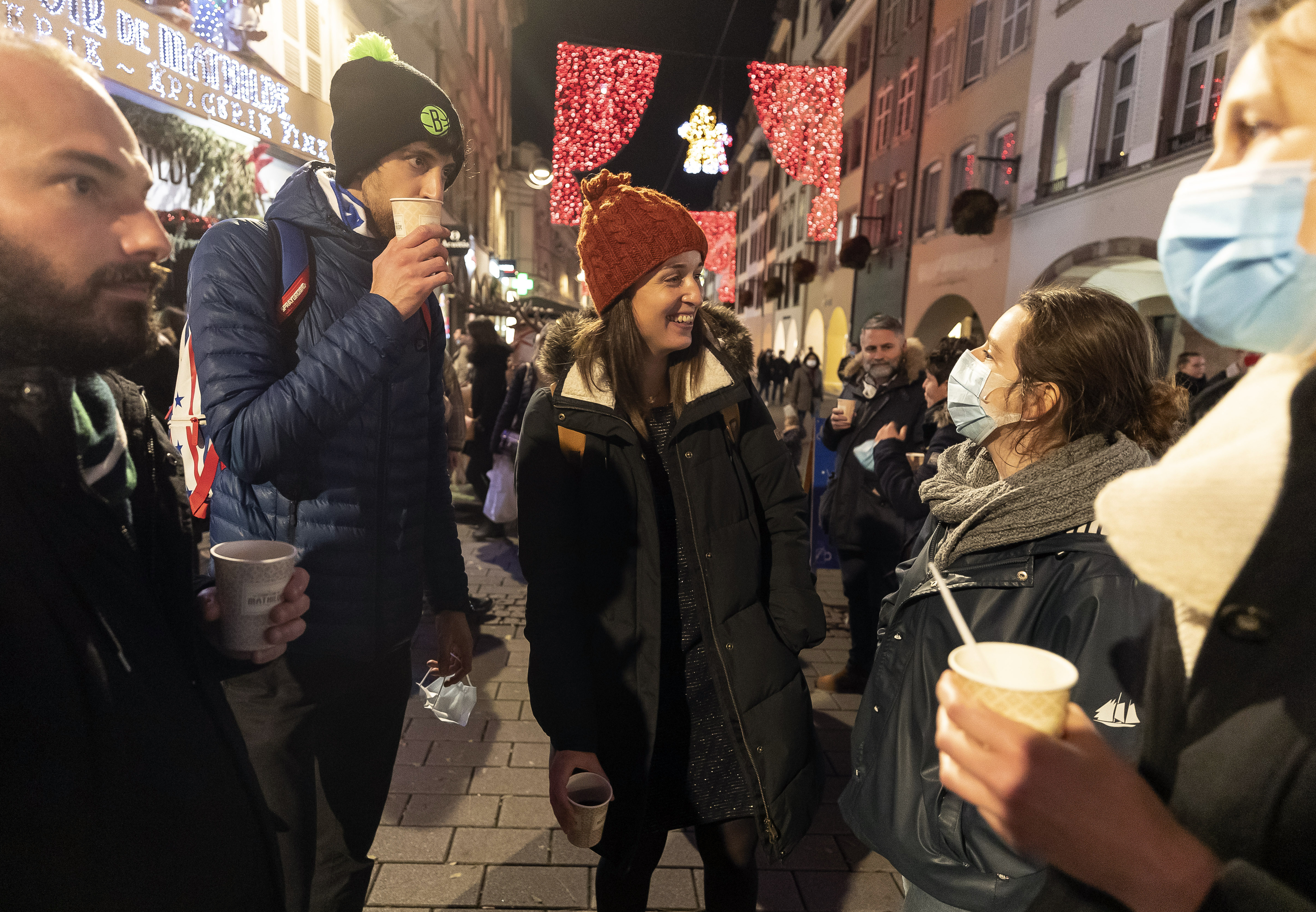
The village where retiree Jerome Brunault lives alone in the Burgundy wine region is also in one of the 6pm curfew zones.
The 67-year-old says his solitude weighs more heavily without the opportunity for early evening drinks, nibbles and chats with friends, the so-called "apero" get-togethers so beloved by the French that were hurried but still feasible when curfew started two hours later.
"With the 6pm curfew, we cannot go to see friends for a drink anymore," Mr Brunault said.
"I now spend my days not talking to anyone except for the baker and some people by phone."
Imposing a 6pm curfew nationwide is among options the French government is considering in response to rising infections and the spread of a particularly contagious virus variant that has swept across Britain, where new infections and virus deaths have soared.
Prime Minister Jean Castex could announce a curfew extension on Thursday evening, as well as other restrictions, to fight the virus in a country that has seen over 69,000 confirmed virus deaths.
An earlier curfew combats virus transmission "precisely because it serves to limit social interactions that people can have at the end of the day, for example in private homes," French government spokesman Gabriel Attal said.
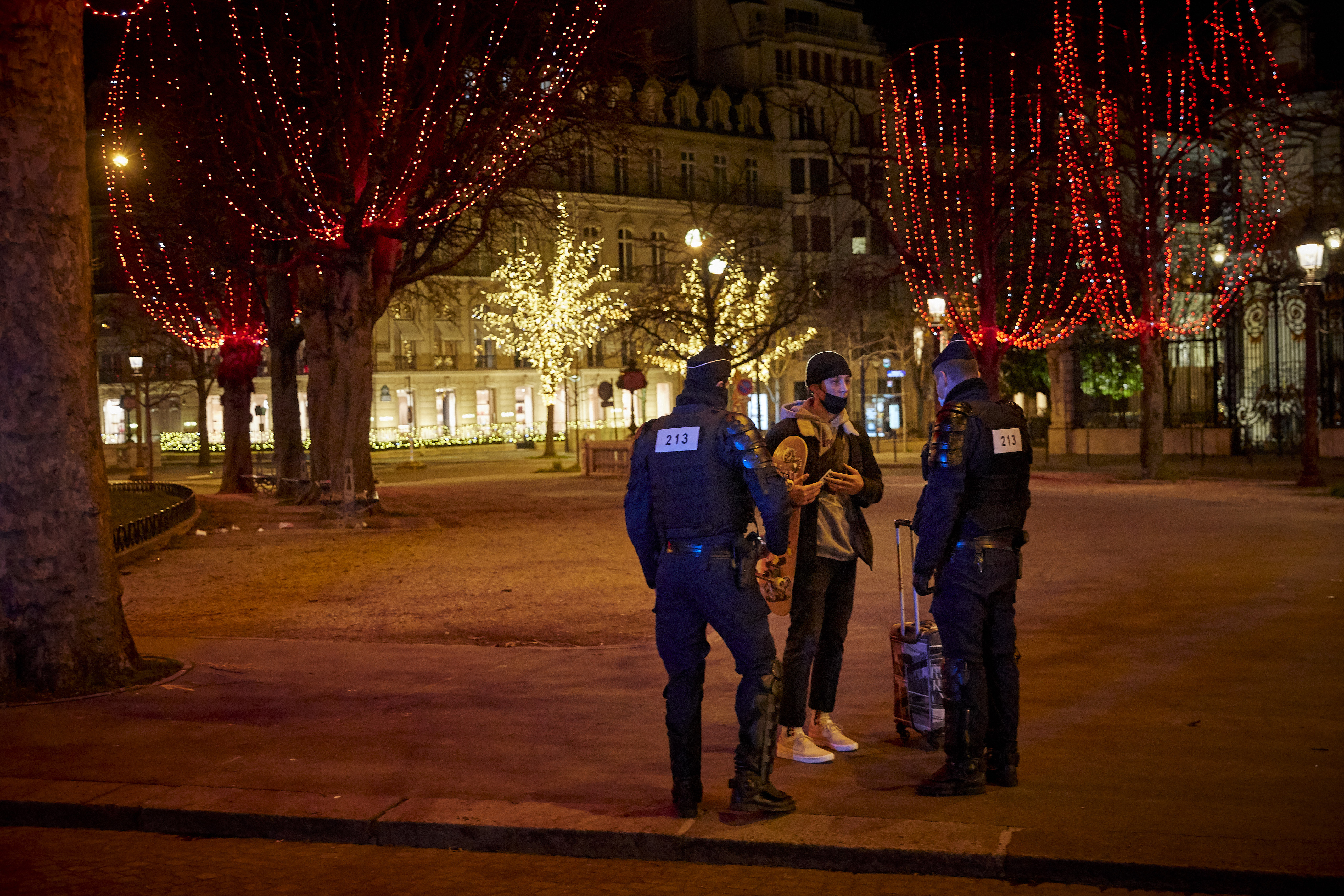
In France, critics of the 6pm curfew say the earlier time actually crams people together more after work, when they pile onto public transportation, clog roads and shop for groceries in a narrow rush-hour window before they must be home.
Women's rugby coach Felicie Guinot says negotiating rush-hour traffic in Marseille has become a nightmare.
The city in southern France is among the places where the more contagious virus variant has started to flare.
"It's a scramble so everyone can be home by 6pm," Ms Guinot said.
In historic Besançon, the fortressed city that was the hometown of "Les Misérables" author Victor Hugo, music store owner Jean-Charles Valley says the 6pm deadline means people no longer drop by after work to play with the guitars and other instruments that he sells.
Instead, they rush home.
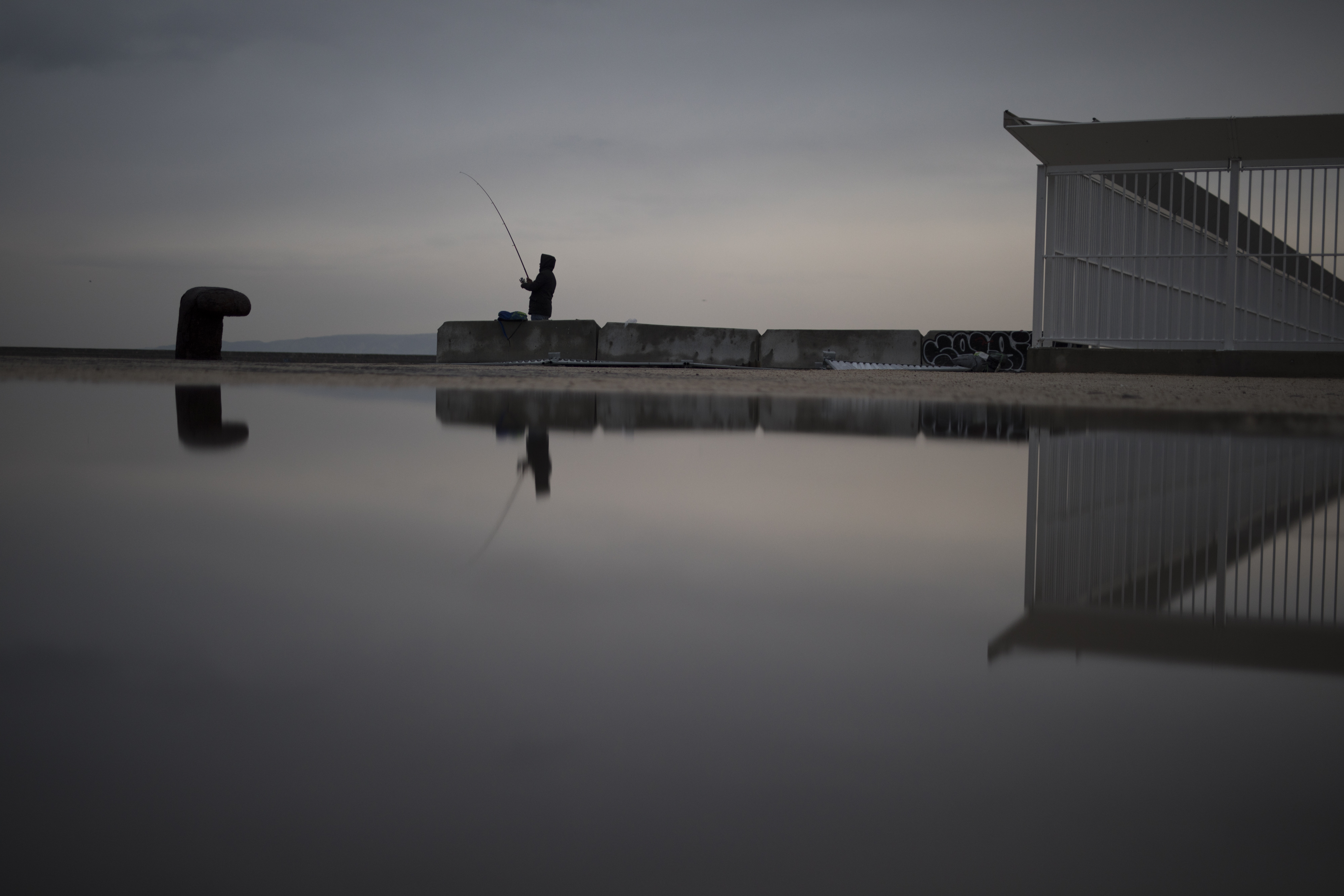
"People are completely demoralised," Mr Valley said.
In Dijon, the French city known for its pungent mustard, working mother of two Celine Bourdin says her life has narrowed to "dropping kids at school and going to work, then going back home, helping kids with homework and preparing dinner."
But even that cycle is better than a repeat of France's lockdown at the start of the pandemic, when schools also closed, Ms Bourdin says.
"If my children don't go to school, it means I cannot work anymore," she said.
"It was terribly difficult to be all stuck almost 24 hours a day in the house."
COVID-19 curfews in the rest of Europe
Overnight curfews have become the norm in swaths of Europe but the 6pm to 6am curfew in 25 regions of eastern France is the most restrictive anywhere in the European Union's 27 nations.
Others countries' curfews all start later and often finish earlier.
The curfew in Italy runs from 10pm to 5am, as does the Friday night to Sunday morning curfew in Latvia.
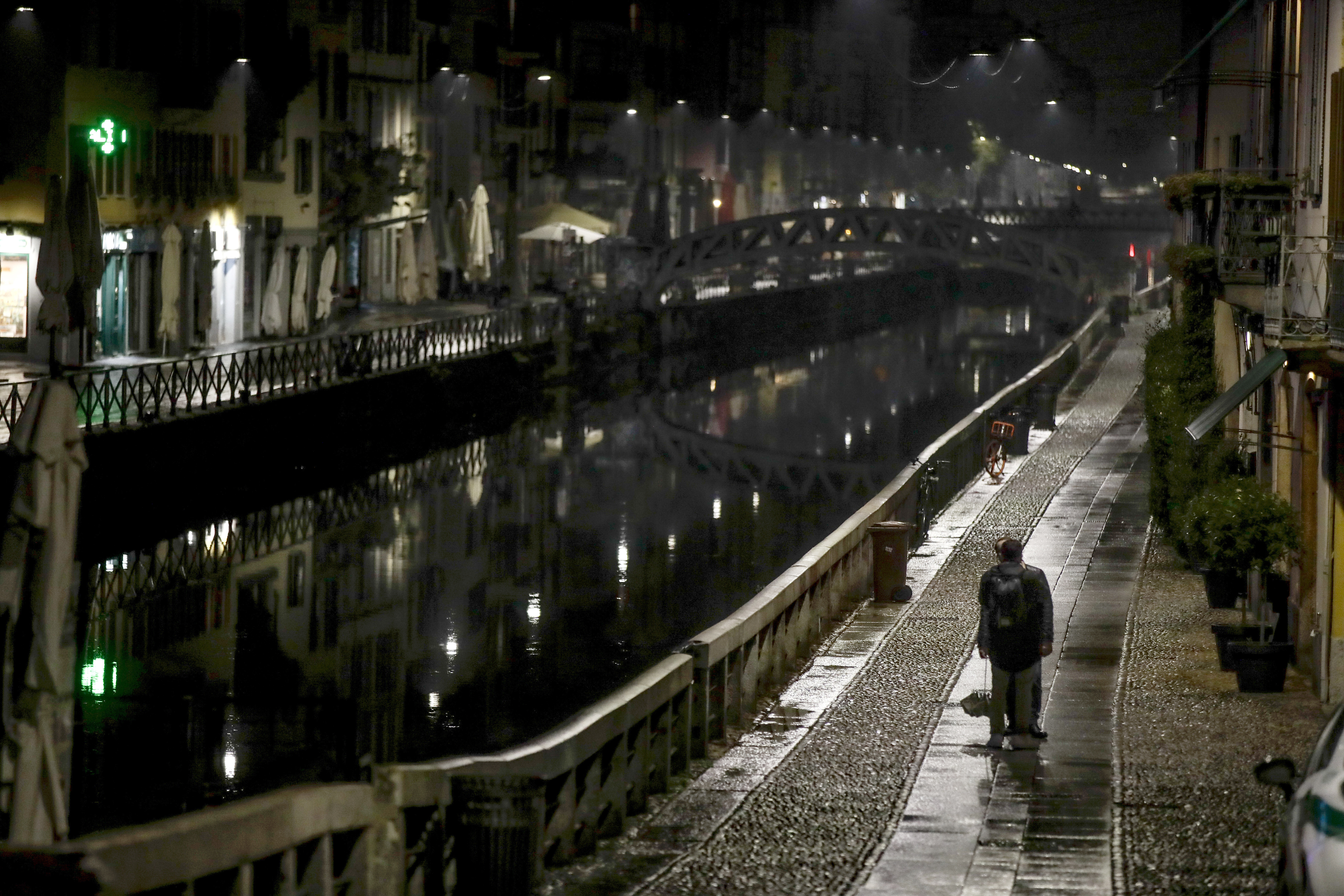
Regions of Belgium that speak French have a 10pm to 6am curfew while in Belgium's Dutch-speaking region, the hours are midnight to 5am.
People out between 8pm and 5am in Hungary must be able to show police written proof from their employers that they are either working or commuting.
There are no curfews in Bulgaria, Croatia, Denmark, Estonia, Finland, Ireland, Lithuania, Malta, Sweden, Poland or the Netherlands, although the Dutch government is thinking about whether imposing a curfew would slow new COVID-19 cases.
UK announces travel bans over coronavirus variant
UK Transport Secretary Grant Shapps has announced a travel ban for in-bound arrivals from South America and Portugal.
The restrictions are being brought in from tomorrow as fears grow over a coronavirus variant first discovered in Brazil.
The ban applies to people who have travelled from, or through, Argentina, Brazil, Bolivia, Cape Verde, Chile, Colombia, Ecuador, French Guiana, Guyana, Panama, Paraguay, Peru, Suriname, Uruguay and Venezuela in the last 10 days.
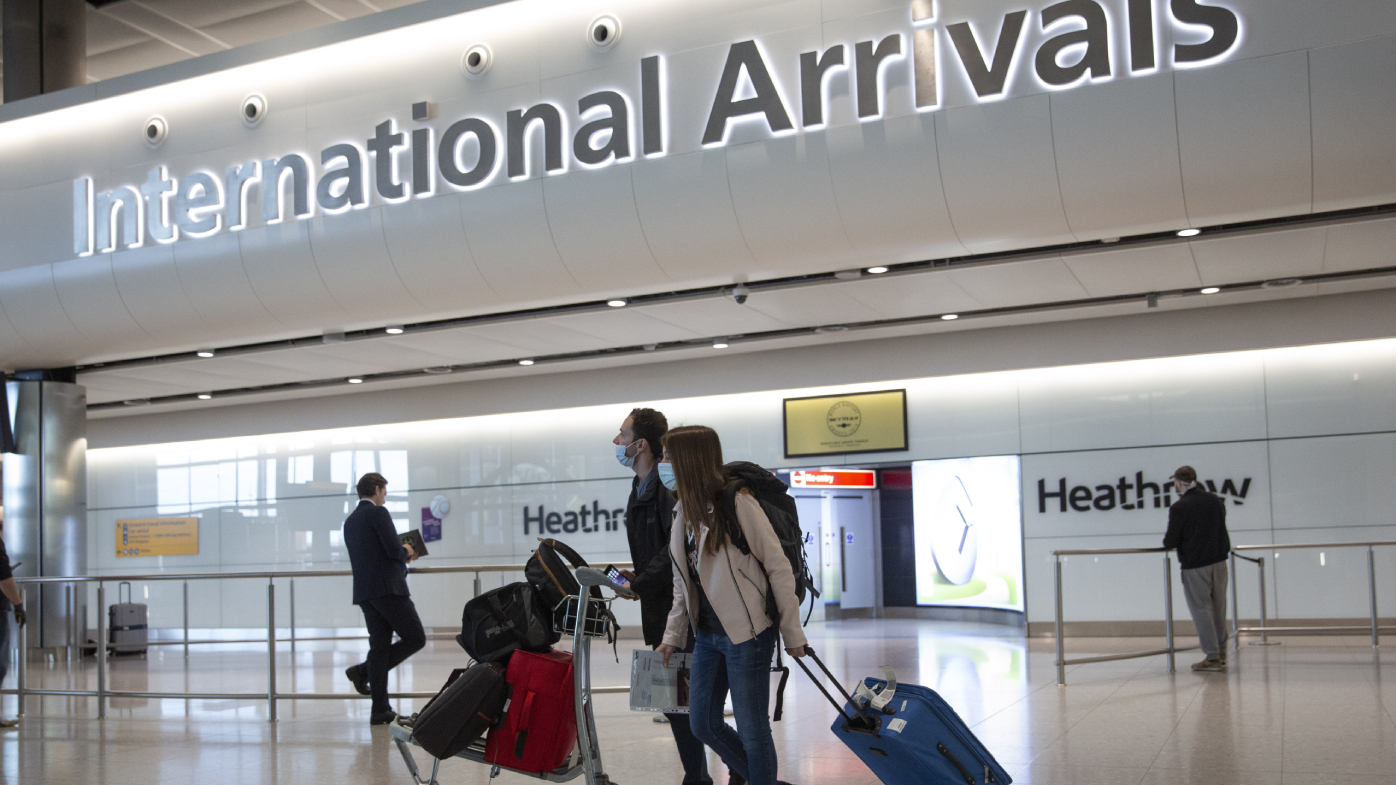
"Travel from Portugal to the UK will also be suspended given its strong travel links with Brazil – acting as another way to reduce the risk of importing infections," Shapps said in the announcement on Twitter.
RELATED: Boris Johnson under fire as Britain again faces onslaught of COVID-19
There will be some exemptions, including hauliers travelling from Portugal to allow the transport of essential goods.
Also, British and Irish citizens as well as foreign nationals with residence rights are still able to travel from these countries but must self-isolate for 10 days, along with their households he said.
Travel bans are already in place for UK-bound passengers from South Africa and Denmark, after new variants of the virus were detected in these countries.
https://twitter.com/grantshapps/status/1349745992099364868?ref_src=twsrc%5Etfwhttps://twitter.com/grantshapps/status/1349745993261211651?ref_src=twsrc%5Etfwhttps://twitter.com/grantshapps/status/1349745994628554754?ref_src=twsrc%5Etfw
Further strict travel restrictions will come into place from Monday, with all travellers required to show proof of a negative COVID-19 test taken no more than 3 days before boarding their flight.
It comes after a week of record figures in the UK.
On Wednesday, the country recorded it's highest number of daily deaths since the start of the pandemic with 1,564 people dying within 28 days of a positive COVID-19 test and another 47,525 daily confirmed coronavirus cases.
While provisional NHS data shows 2,661,850 COVID-19 vaccinations were administered in England between December 8 and January 12.