China has fired a warning shot at the Five Eyes nations that raised concerns about a mass arrest of politicians and activists in Hong Kong.Australia, Canada, the UK and US condemned the largest crackdown yet under Hong Kong’s controversial…
Tag Archives: oceania
Holy grail HSV Maloo ute set to fetch $1 million
This 2017 Holden HSV GTSR W1 Maloo Ute could fetch over $1 million when it goes to auction on January 30.
Australia's UV index peaks as thousands flock to beaches
Australia's UV ratings are peaking around the country, with levels four times what is considered dangerous for our skin.
Despite this, beaches are packed and experts are growing concerned.
As thousands flock to the NSW coastline to enjoy a day in sun, the Bureau of Meteorology's UV index shows levels well into the "extreme" category.
Originally developed in Canada, the UV index is a system designed to tell us how much radiation from the sun is reaching us on earth.
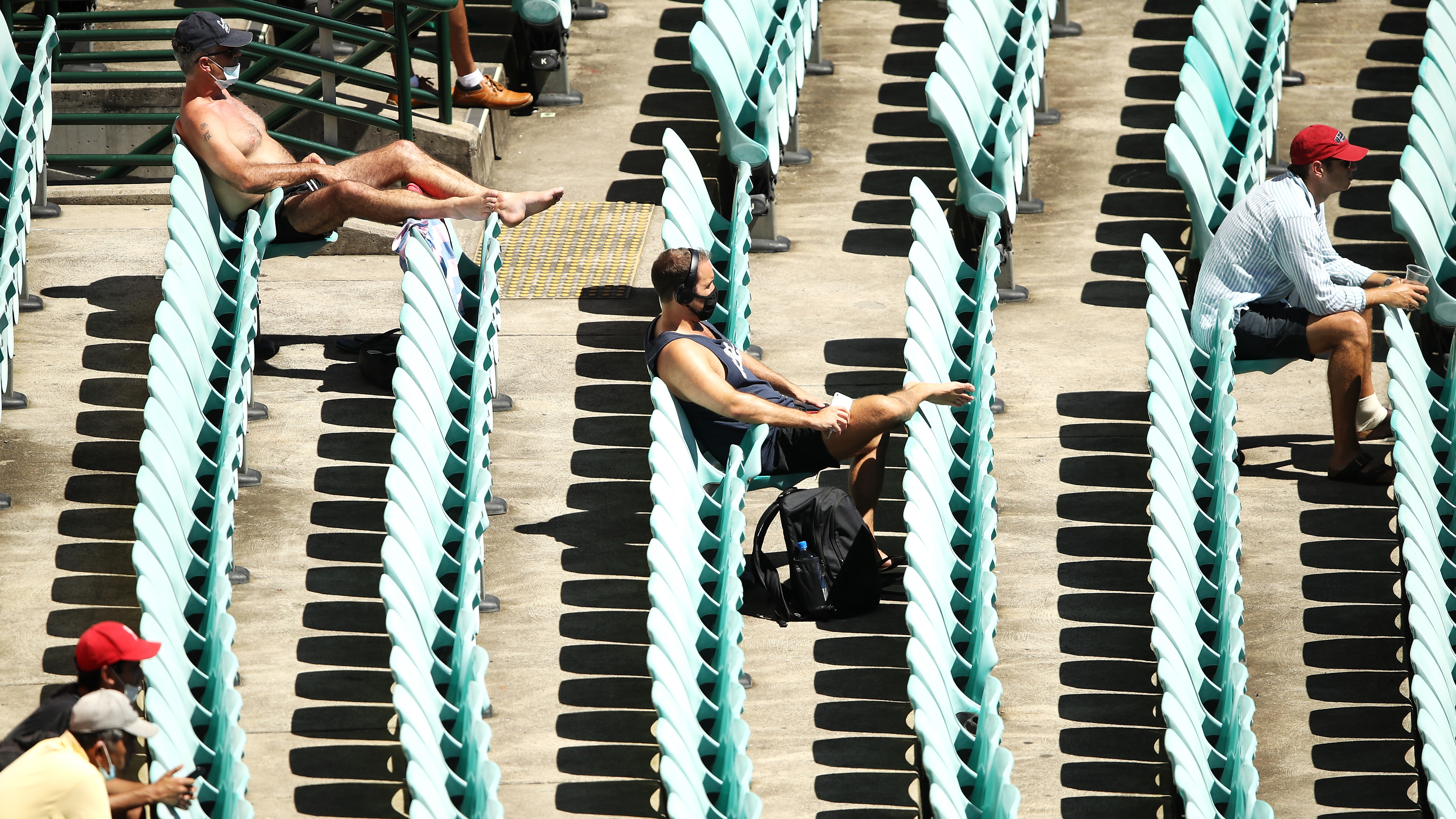
Once the UV index reaches three, people with fair skin are in danger of getting burnt.
Today in Sydney, the UV index rating is 13.
Yesterday, Sydney peaked at 13.7 while Brisbane reached a whopping 15.9.
Dr Stuart Henderson, Assistant Director, Electromagnetic Radiation and Ultraviolet Radiation Exposure Assessment at ARPANSA, said Australia is an outlier when it comes to UV danger.
"Eleven is where it starts to get really extreme – this is very rare in Europe but we often get extreme values in summer which are very much higher than that," he told nine.com.au.
"For fair skin individuals once it exceeds three that's when the World Health Organisation recommends you take precautions to protect your skin."
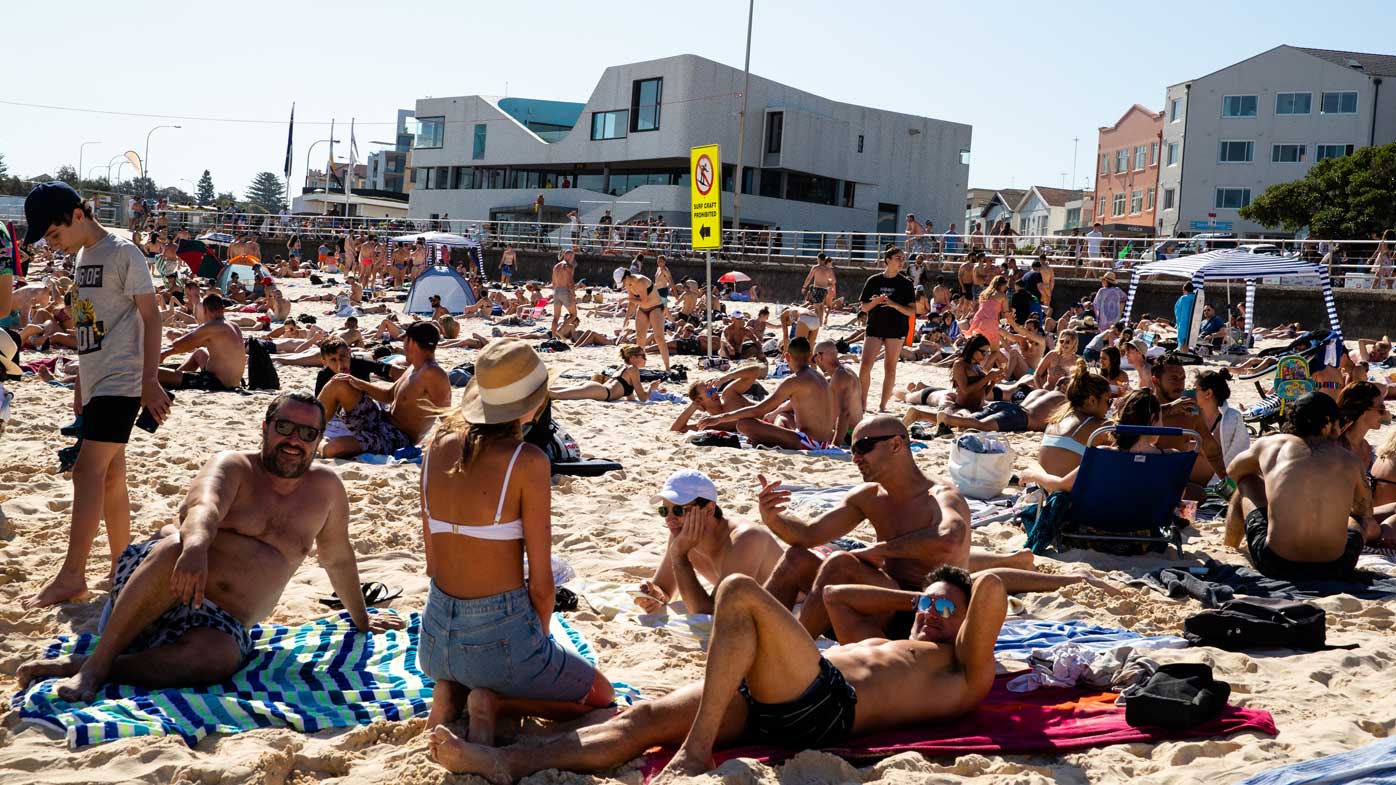
"In Sydney in summer, that's going to be most of the day, every day."
But Dr Henderson said the "slip, slop, slap" approach isn't enough – in fact, we shouldn't be going out at all.
"Sunscreen shouldn't be your first defence – that's sort of your last resort," he said.
"You should avoid going out in extreme UV levels. If you have to be out you should cover as much as skin as you can and sunscreen is that last layer for any areas you can't cover up."
Dr Henderson said long sleeves, hats and sunglasses are essential in stopping severe sunburn on days like today.
Being exposed to UV levels as high as 13 could lead to skin damage in minutes.
"The higher it goes up the quicker it happens," he said.
"When it's extreme you're looking at five to 10 minutes before you get the first indications of being sunburnt."
Unlike a thermal burn, which you get from touching a hot stove or boiling water, sunburn is a radiation burn – the impacts of which may only become visible in the hours and days after your exposure to UV light.
The extent of your burn could take more than 12 hours to fully develop and the impacts could last a lifetime.
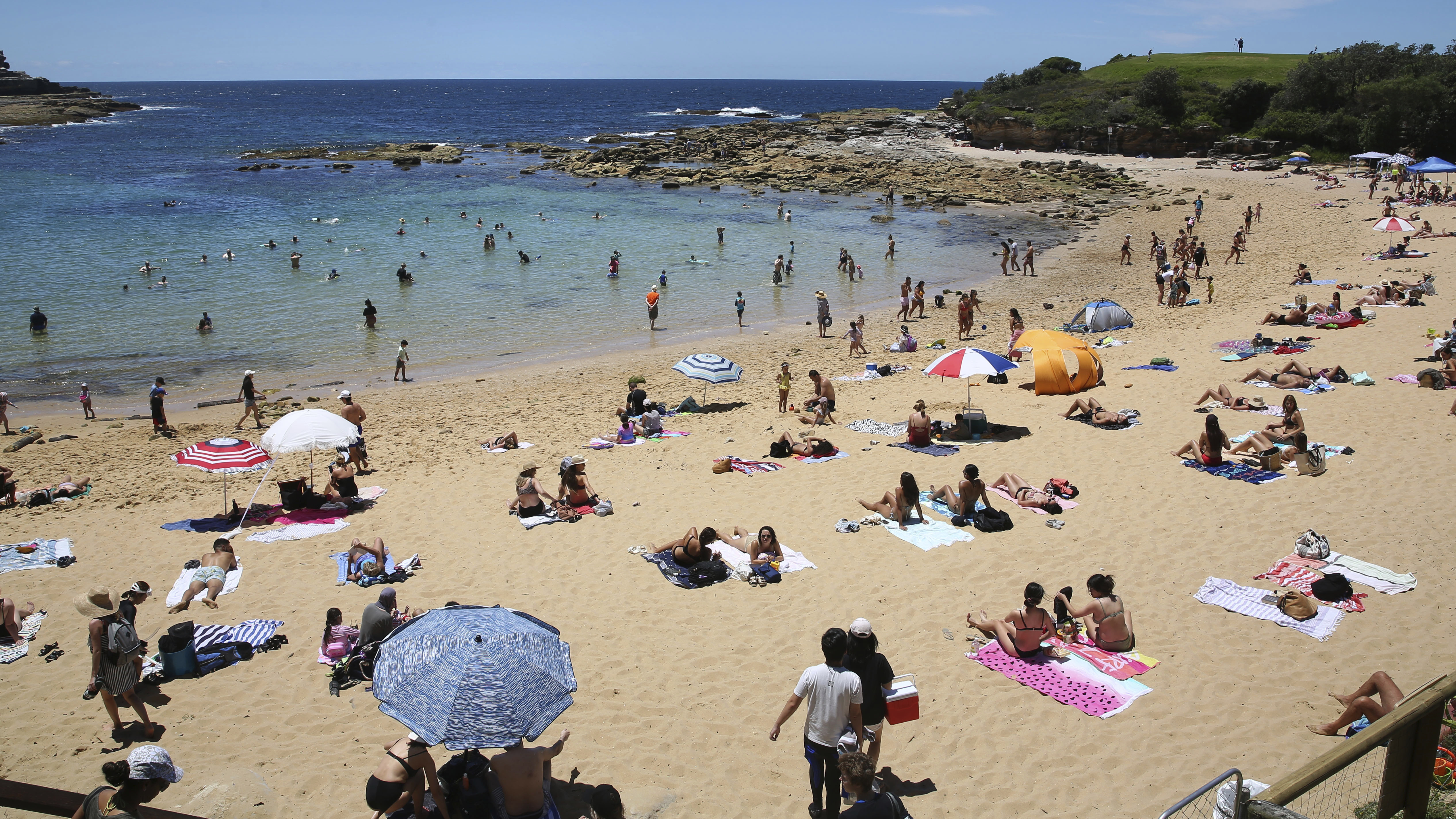
Dr Henderson said parents should be particularly mindful of taking their kids out on days when the UV danger is so high.
"The more sun exposure you have as a child the more chances you have of developing skin cancer later in life," he said.
"It's really important we protect kids as much as we can because they will live with the consequences much longer."
For someone considering lying on the beach for a few hours in the middle of the day in swimmers and with a layer on sunscreen – the damage could be irreparable.
"It would not be a pretty sight … Likely what you would end up with a severe sunburn, blistering and peeling skin, you'll be dehydrated, you run the risk of developing skin cancer and various other conditions that not desirable at all."
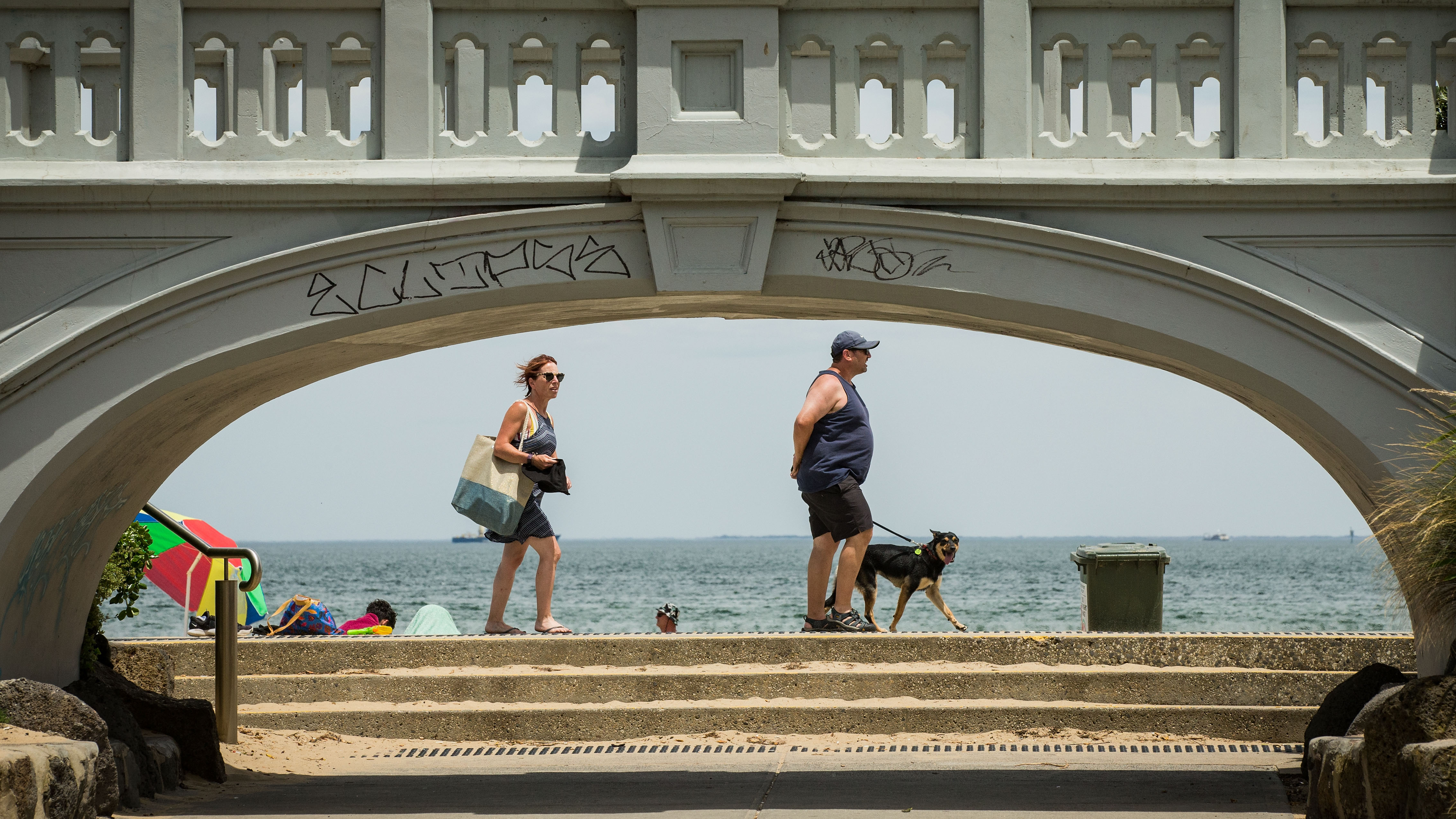
Paige Preston, chair of the Skin Cancer Committee at Australia's Cancer Council, said scenes of Aussie beaches packed with people without proper protection is worrying.
"It very concerning … it's especially concerning given the UV level at the moment and the fall out is we're the skin cancer capital of the world," she said.
"Skin damage is cumulative – it's that continual exposure that increases your risk of skin cancer."
Missing yacht: Skipper contacts police after difficulty in Marlborough Sounds
The skipper of a yacht which hit difficulty in the Marlborough Sounds in the early hours of Monday morning has been found.Tasman Police earlier asked for sightings of the skipper and yacht called Kwela which was last seen leaving…
'It's desperate down there': Franz Josef hangs on for Government help
By Lois Williams, Local Democracy Reporter The West Coast is on the verge of gaining at least one new ghost town unless the Government comes through with promised life support for Franz Josef Glacier.That warning comes today from…
Old grenade found at Christchurch property in Avonhead
A bomb disposal team has been called after an old grenade was found at a Christchurch property.Police were called to the discovery on Bevington St in Avonhead at about 12.20pm today.The New Zealand Defence Force Explosive Ordnance…
Covid 19 coronavirus: Government announces new Covid testing rules
Director-General of Health Dr Ashley Bloomfield now has the power to require travellers from every country in the world to produce a negative Covid-19 test before they leave for New Zealand. And he is expected to use that power…
Trump and Pence speak for first time since Capitol riots
President Donald Trump has spoken to his vice president Mike Pence for the first time since the Capitol riots, with the pair meeting in the White House.
The meeting comes as the clock ticks on Nancy Pelosi's 24-hour deadline for Mr Pence to invoke the 25th amendment to remove Mr Trump from the White House.
Mr Pence could step in to replace the president if he has the support of majority of cabinet members.
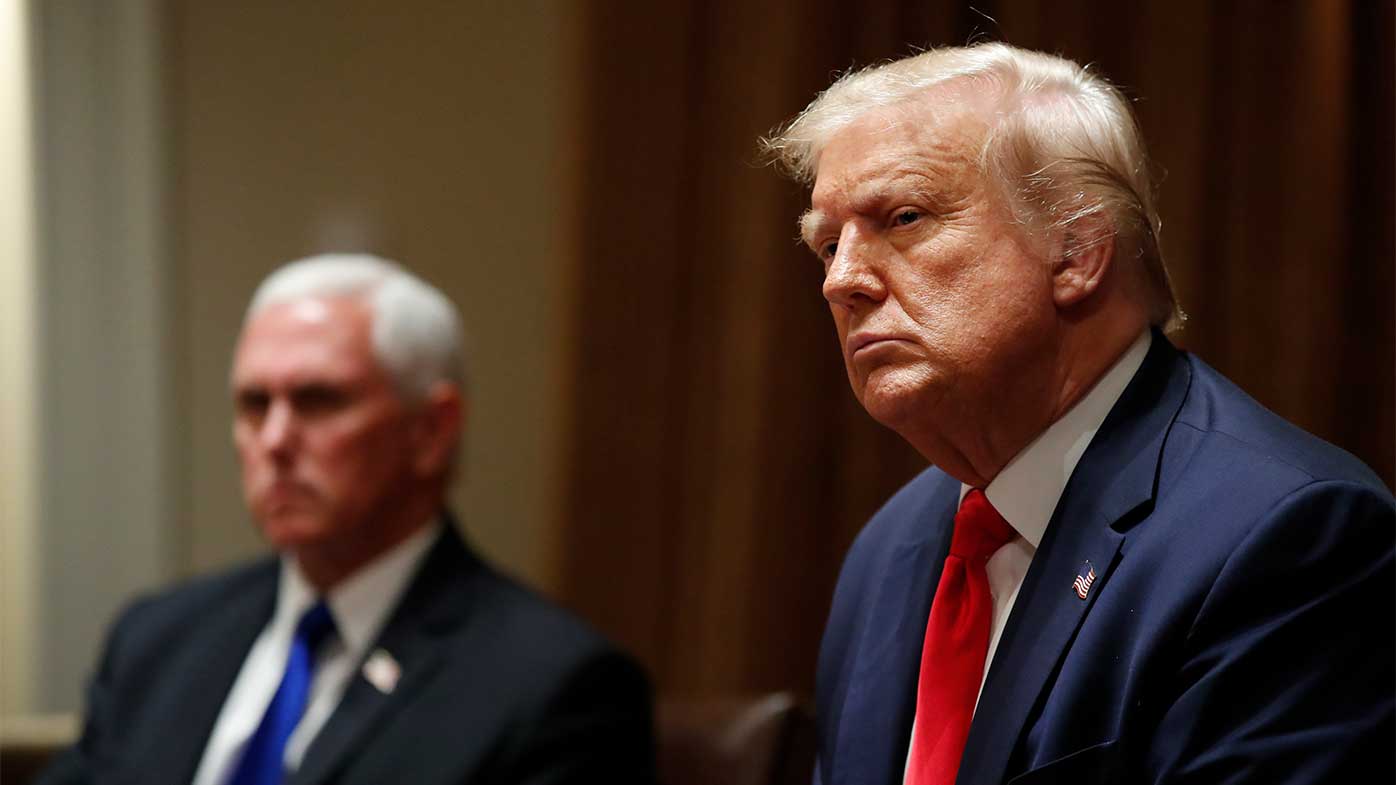
In the past four years, Mr Pence has been a loyal deputy, though there have been contradictory reports the vice president is considering such a move.
Mr Trump took specific aim at Mr Pence at his rally on January 6 which descended into the mob riot at the US Capitol.
"If Mike Pence does the right thing, we win the election," Mr Trump falsely said.
Mr Trump was pressuring Mr Pence to overturn the election results as he presided over a joint session of Congress, something he has absolutely no authority to do.
Instead, Mr Pence allowed the certification of the vote to proceed as constitutionally required.
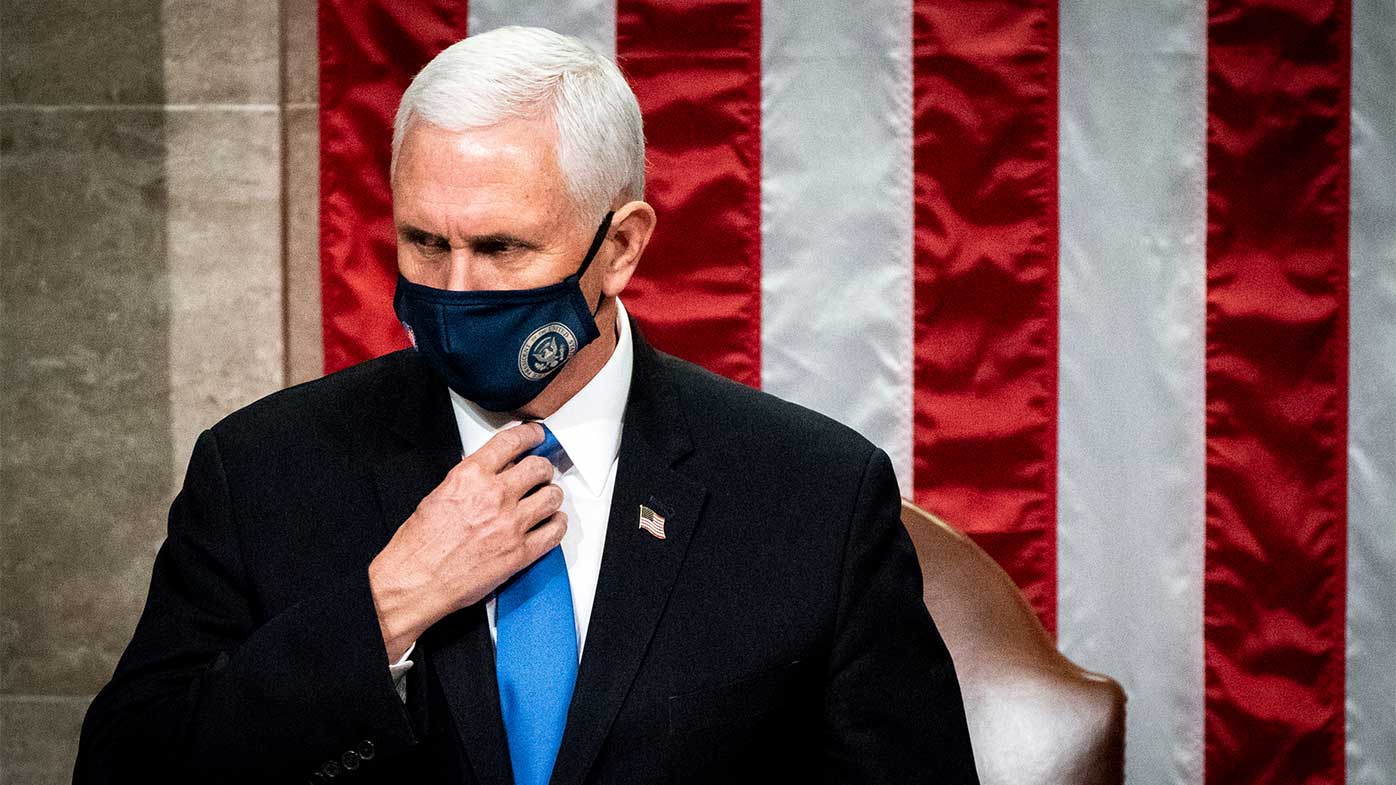
Crowds of rioters chanted "Hang Mike Pence" as they stormed the building.
Mr Pence and his family had to be rushed to a secure location after makeshift gallows were erected outside the building.
READ MORE: Melania Trump breaks silence on Capitol riot, hits back at her critics
READ MORE: 'Has to happen now': House seeks to impeach Trump
It has been widely reported that Mr Trump and Mr Pence did not speak between the Capitol riot and today's meeting.
Associated Press quoted a senior administration official who described it as a "good meeting".
The 25th amendment would be the swiftest way to remove Mr Trump from office.
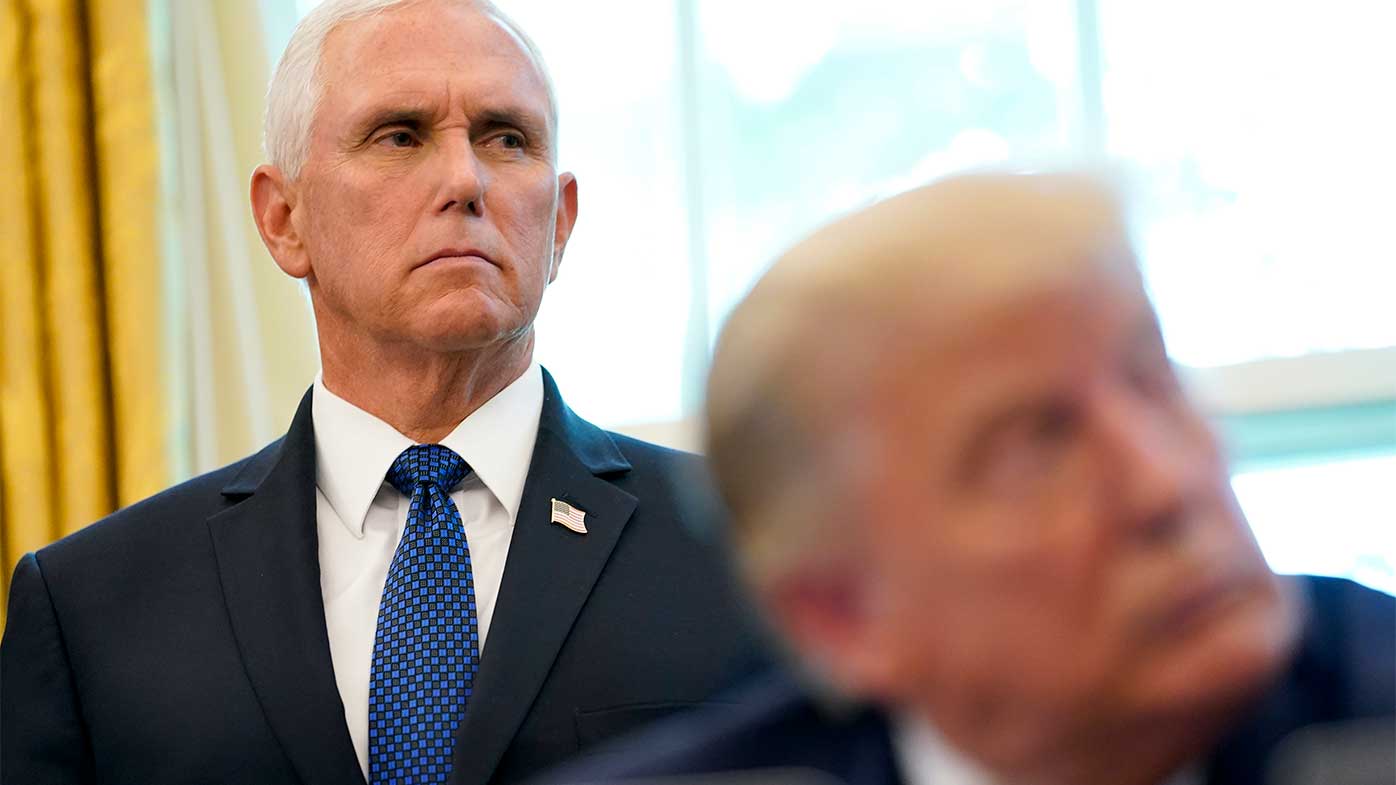
But there is no indication Mr Trump's cabinet would vote to remove him.
Only a handful of Republicans are entertaining the idea of impeachment, and many more are resolutely opposed.
And with the Senate famous for its glacial pace, it's very possible Mr Trump will be out of office before the topic comes to a vote.
READ MORE: Pence has not ruled out 25th Amendment to oust Trump, source says
READ MORE: What is the 25th amendment and how does it work?
It is also why Ms Pelosi is pushing for the cabinet to enact the 25th amendment, which would remove Mr Trump from office immediately.
Mr Trump would retain his post-presidency perks if removed by the 25th amendment, and would be able to run again.
Come next Wednesday, Mr Trump will be out of the White House no matter what.
FBI warns of plans for nationwide armed protests
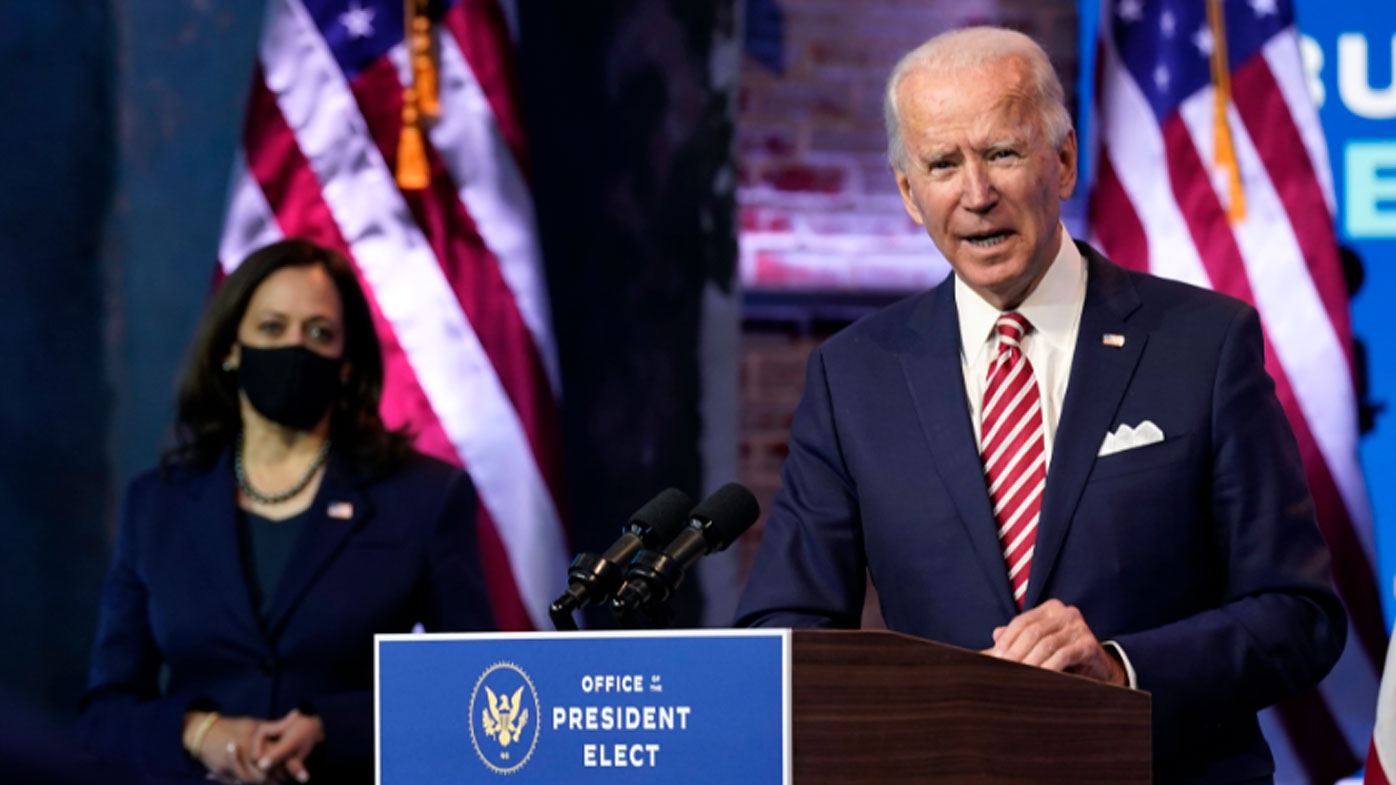
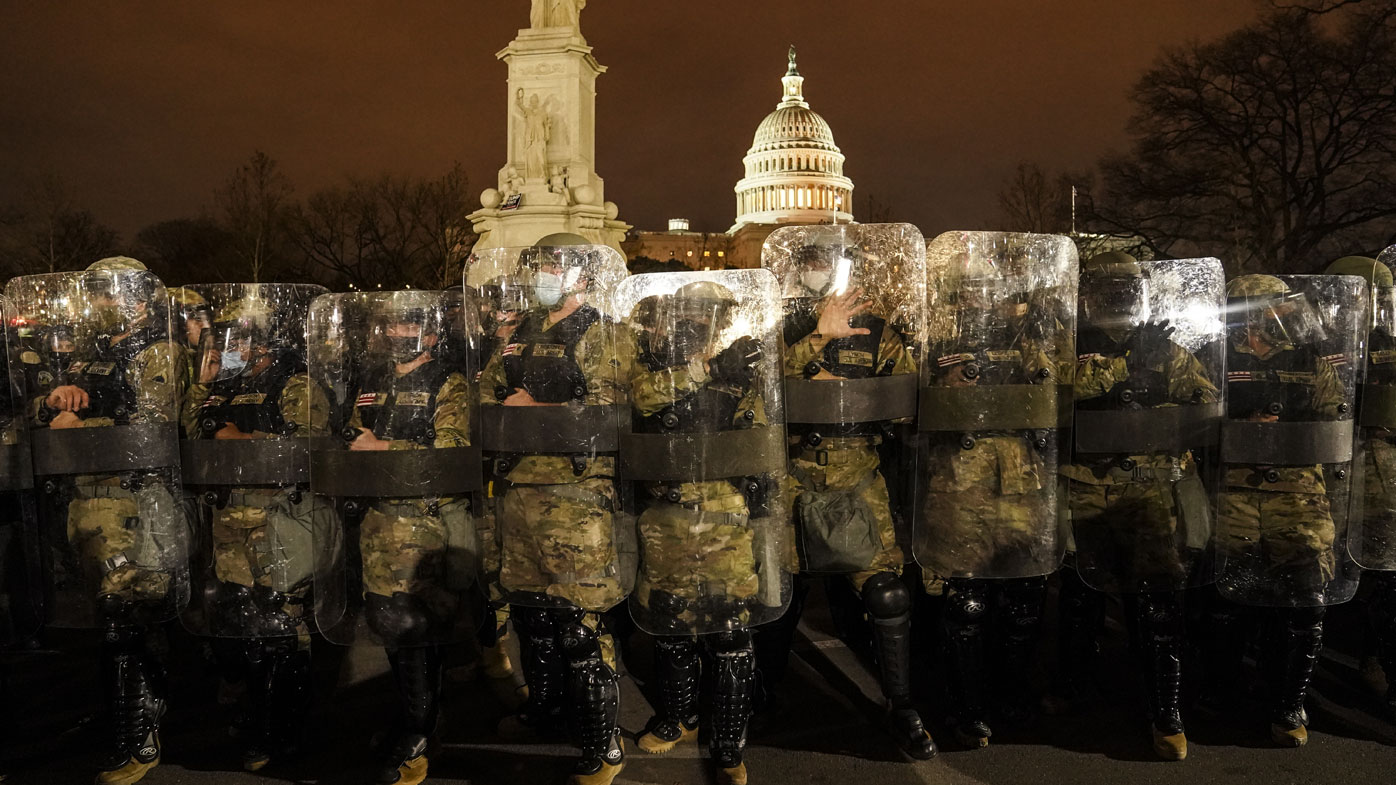
The FBI is warning of plans for armed protests at all 50 state capitals and in Washington in the days leading up to President-elect Joe Biden's inauguration, stoking fears of more bloodshed after last week's deadly siege at the US Capitol.
An internal FBI bulletin warned that, as of Sunday, the nationwide protests may start later this week and extend through Mr Biden’s January 20 inauguration, according to two law enforcement officials who read details of the memo to The Associated Press. Investigators believe some of the people are members of some extremist groups, the officials said. The bulletin was first reported by ABC.
READ MORE: Democrats grapple with potential of Trump impeachment
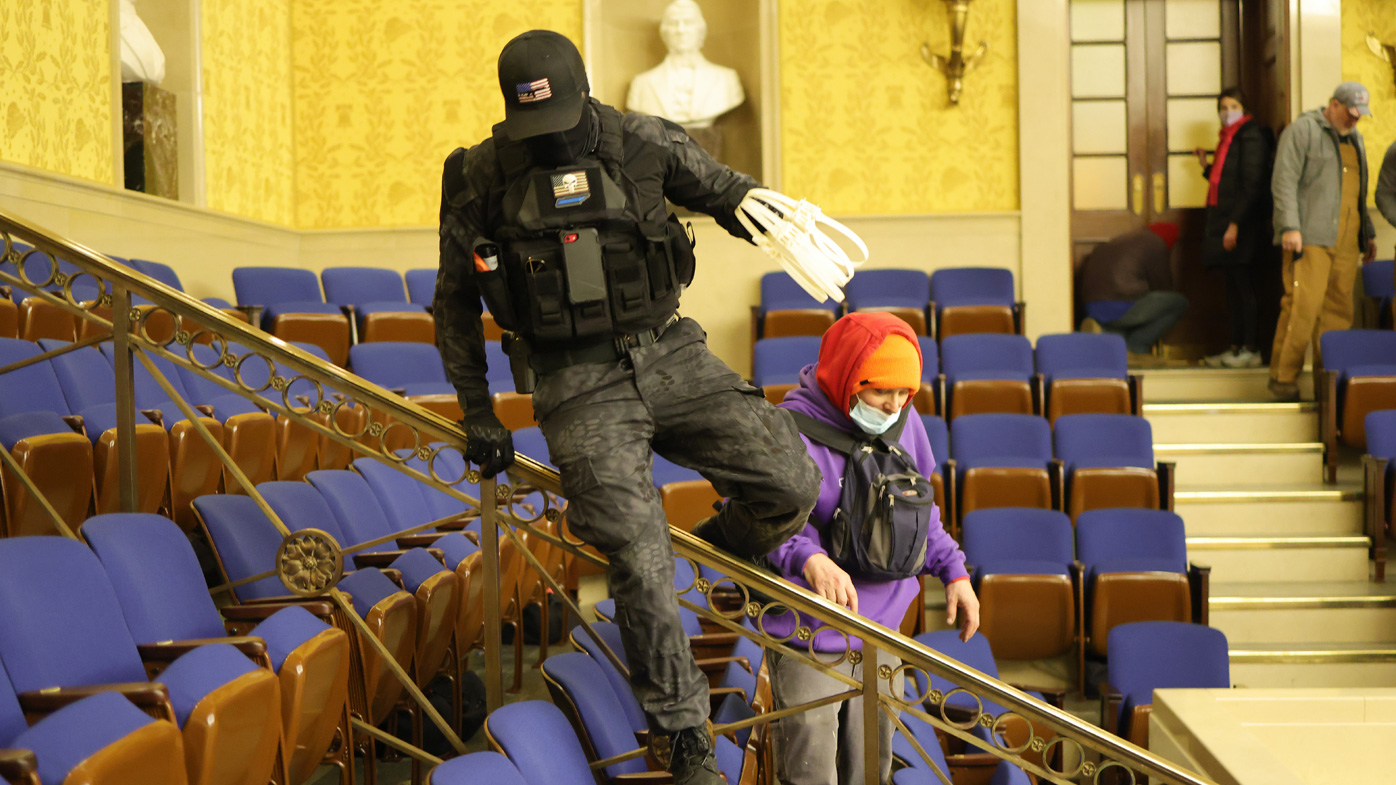
“Armed protests are being planned at all 50 state capitols from 16 January through at least 20 January, and at the US Capitol from 17 January through 20 January,” the bulletin said, according to one official. The officials were not authorised to speak publicly and spoke to the AP on condition of anonymity.
The FBI issued at least one other bulletin — they go out to law enforcement nationwide on the topic — before the riots last week. On December 29, it warned of the potential for armed demonstrators targeting legislatures, the second official said.
Army General Daniel Hokanson, chief of the National Guard Bureau, told reporters on Monday that the Guard is also looking at any issues across the country,
https://twitter.com/USNationalGuard/status/1348713821041471492?ref_src=twsrc%5Etfw
“We’re keeping a look across the entire country to make sure that we’re monitoring, and that our Guards in every state are in close coordination with their local law enforcement agencies to provide any support requested.”
The riots followed weeks of online calls for violence in Washington in the waning days of Donald Trump's presidency.
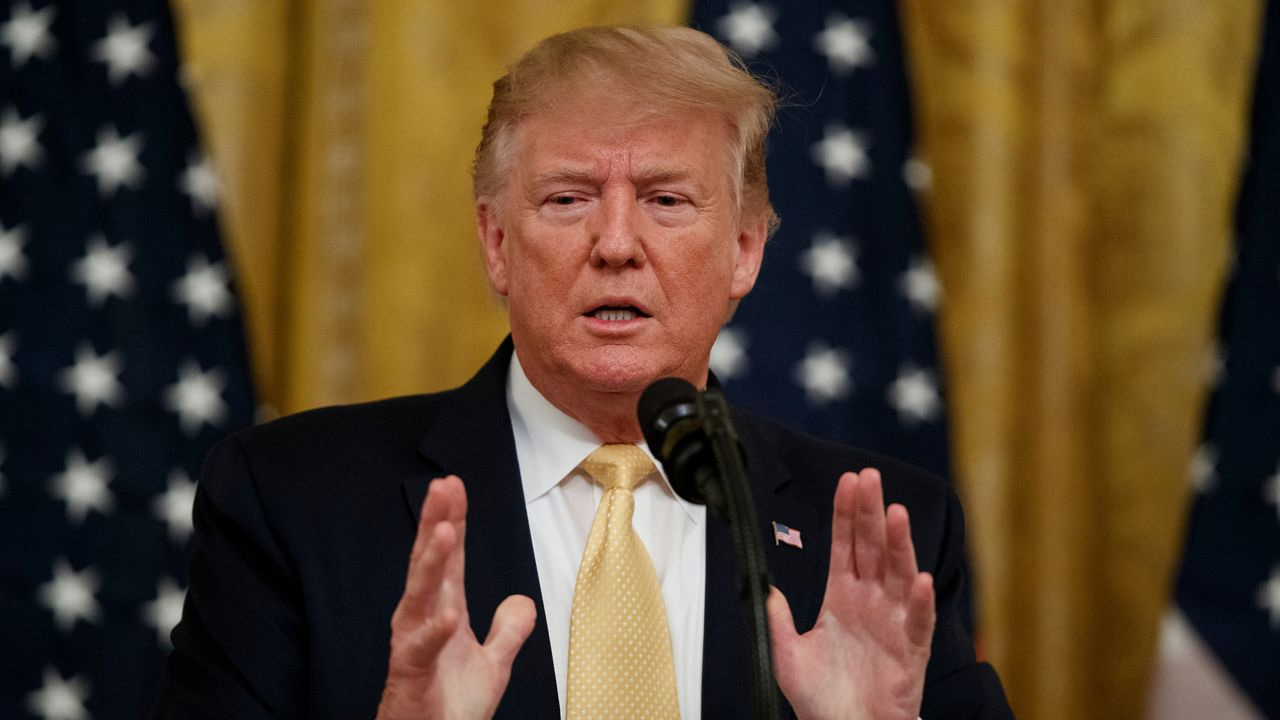
A tweet in which Mr Trump promised that last Wednesday's event “will be wild” fuelled a “month-long frenzy of incitements, strategising, and embrace of violence against lawmakers,” according to a research group that tracks online extremism activity,
In a report issued, the SITE Intelligence Group also warns that the Capitol attack has emboldened Trump-supporting extremists.
“No matter how all this plays out, its only the beginning,” posted a user on TheDonald message board, according to the report.
Boris Johnson slammed over bike ride 11km from home
British Prime Minister Boris Johnson has been criticised for travelling 11 kilometres from his Downing Street home to go cycling amid soaring coronavirus cases in the country.
Mr Johnson was spotted biking in the Olympic Park in East London on Sunday, the Evening Standard reports.
UK Government pandemic advice permits people to exercise outside, but says they should not travel outside their local area.
A spokesman for the prime minister would not confirm if Mr Johnson had been driven to the park or cycled there, the BBC reports.
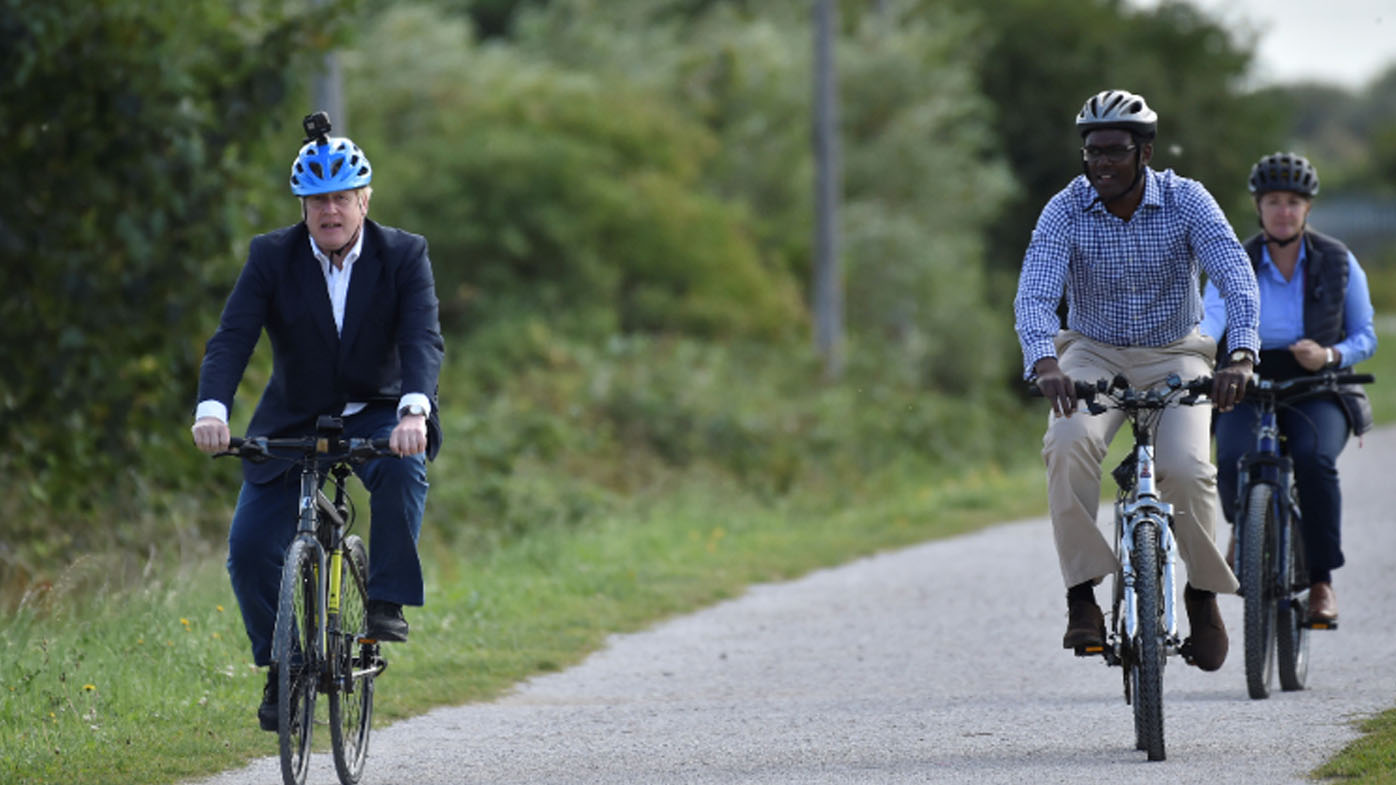
They said Mr Johnson had complied with COVID-19 guidelines.
But Opposition Labour MP Andy Slaughter, who represents the London seat of Hammersmith, criticised Mr Johnson.
"Once again it is do as I say, not as I do, from the prime minister," Mr Slaughter said said.
"London has some of the highest infection rates in the country. Boris Johnson should be leading by example."
UK Health Secretary Matt Hancock was asked at Monday's government press conference whether travelling 11 kilometres for a bike ride was within the rules.
Mr Hancock said: "It is okay, if you went for a long walk and ended up seven miles from home, that is okay, but you should stay local.
"It is okay to go for a long walk or a cycle ride or to exercise, but stay local."
The row over Mr Johnson's bike ride comes amid soaring UK coronavirus cases and warnings of hospitals being overwhelmed.
https://twitter.com/MayorofLondon/status/1348717166351286272?ref_src=twsrc%5Etfw
The United Kingdom is entering its most challenging weeks since the start of the COVID-19 pandemic, a top official said on Monday, as hospitals face being overrun and morgues fill up.
"We're now at the worst point of this epidemic for the UK," England's chief medical officer Professor Chris Whitty told the BBC.
"In the future we will have the vaccine, but the numbers at the moment are higher than they were in the previous peak — by some distance.
https://twitter.com/CMO_England/status/1347493802261549058?s=20
Professor Whitty said he expects the next few weeks to be the "most dangerous time."
The country, which has already suffered more deaths as a result of the disease than any European nation and recently became the fifth nation on earth to reach the grim milestone of three million cases, is on the verge of seeing its hospitals overwhelmed.
Professor Whitty told the BBC on Monday that there were currently more than 30,000 patients in hospital, compared to 18,000 during the first peak of the virus in the UK in April.
"We're now at a situation where in the UK as a whole, around one in 50 people is infected, and in London it's around 1 in 30," he said.
"There is a very high chance that if you meet someone unnecessarily, they will have COVID."
His warning comes with the country barely a week into its third national lockdown.
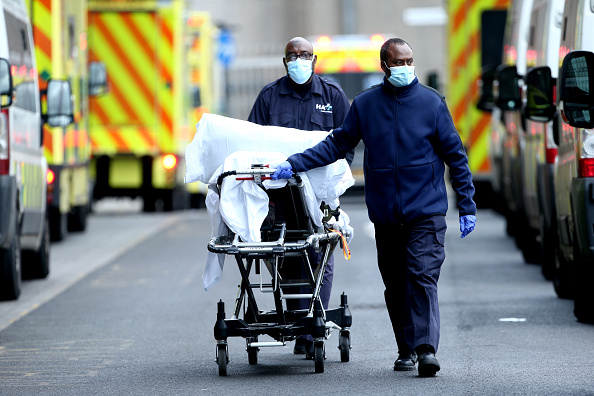
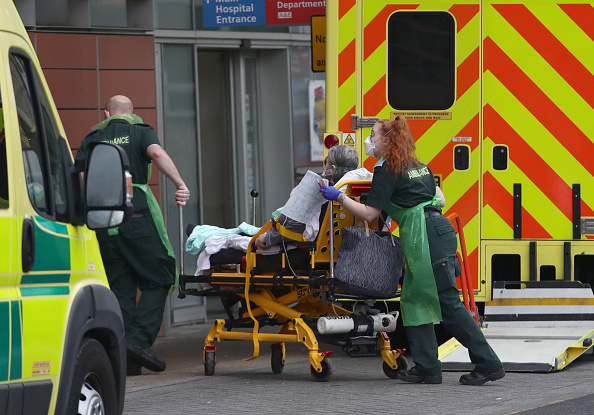
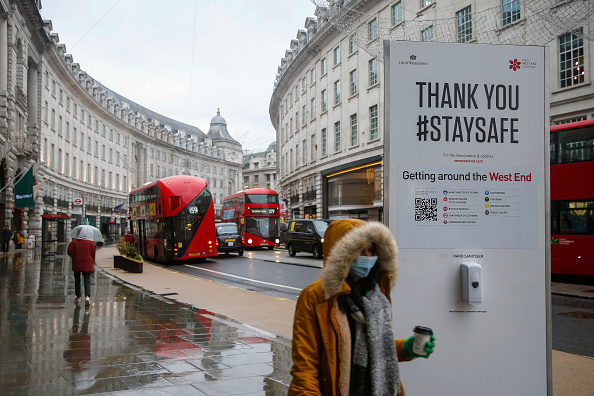
But fears are growing that Britons are increasingly giving up on complying with the rules, as case numbers continue to surge despite the extreme measures.
Professor Whitty stressed that minimising contact with others will stop the situation from getting worse.
"Every single unnecessary contact any of us have is a potential link in a chain of transmission that will lead eventually to a vulnerable person," he told the BBC.
"So, the absolute key is for all of us to think do we really need to have this contact?"
Professor Whitty's intervention comes as the number of daily deaths in the UK remain very high, a point grimly illustrated by the fact that in one county in southern England, bodies are being stored at a temporary facility as morgues there are at capacity.
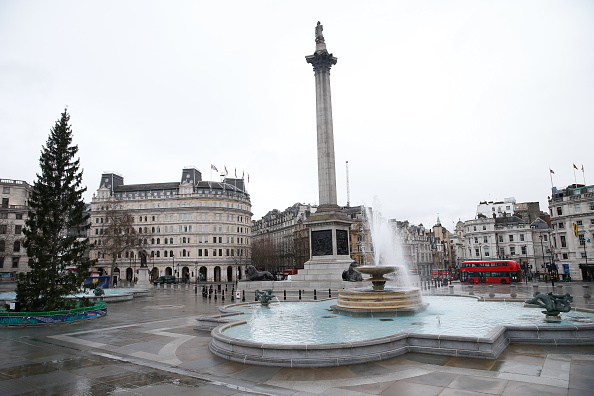
The temporary facility in Surrey, south of London, can hold an extra 800 bodies, on top of the 600 that can be held in morgues.
"T oput some perspective on this, during the first wave, they had 700 bodies go through that (temporary) facility … The first wave lasted approximately 12 weeks from mid-March to mid-May … Since December 21, after just two and a half weeks, they have had 300 bodies go through it," A spokesperson for the Surrey Local Resilience Forum told the UK's PA news agency.
The UK has been ahead of the curve on approving COVID-19 vaccinations and on Monday the government is expected to outline how it will hit its target of vaccinating 13 million people by February 15.
A large part of the program will be handled by vaccination centres around the country – the first of which opens on Monday – and an army of volunteers who have been trained to administer the vaccine.
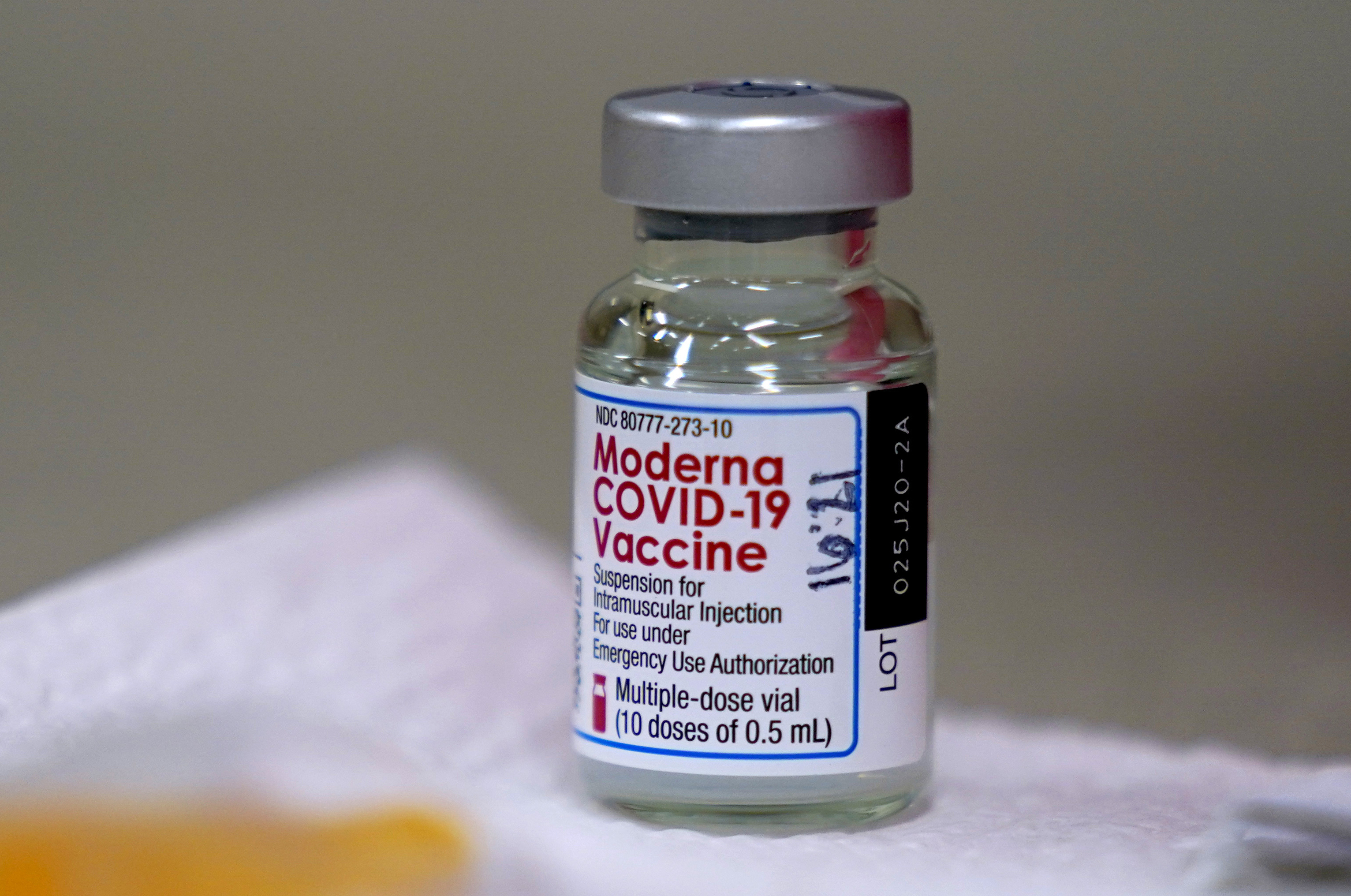
And even the good news that two million people have been vaccinated has been soured by reported shortages of the vaccine in some hospitals.
It is unclear why the shortages are happening – the government has faced criticism for how it plans to prioritise handing out the doses it does have.
If Professor Whitty's worst fears become reality, then the National Health Service will be under enormous strain as it attempts to cope with unprecedented hospital admissions, deal with dead bodies, vaccinate the most vulnerable citizens while also carrying out the normal procedures.
The government will be hoping that Professor Whitty's stark warnings force citizens into complying with the measures to stop the spread of the virus.