Two people have been arrested in relation to a homicide in Christchurch. A man and a woman, both aged 24, have been charged in relation to the death of local man Kane Alan Wayman. DO YOU KNOW MORE? EMAIL US Police have not…
Tag Archives: oceania
Earthquake rattles Wellington this morning
An early-morning 4.2 earthquake rattled Wellington residents this morning.Geonet reported the quake at 4.57am, with a depth of 26km, 5km west of Upper Hutt.Geonet reported it as moderate and 7623 had said via its website that…
Summer Photo Competition: Week of December 28 – January 3
Send us your best holiday pictures and be in to win top prizes.
Herald morning quiz: January 2
Test your brains with the Herald’s morning quiz. Be sure to check back on nzherald.co.nz at 3pm for the afternoon quiz. To challenge yourself with more quizzes, CLICK HERE.
Iraq explosives experts working to defuse mine on oil tanker
Iraqi explosives experts were working to defuse a large mine discovered on an oil tanker in the Persian Gulf and evacuate its crew, authorities said Friday.
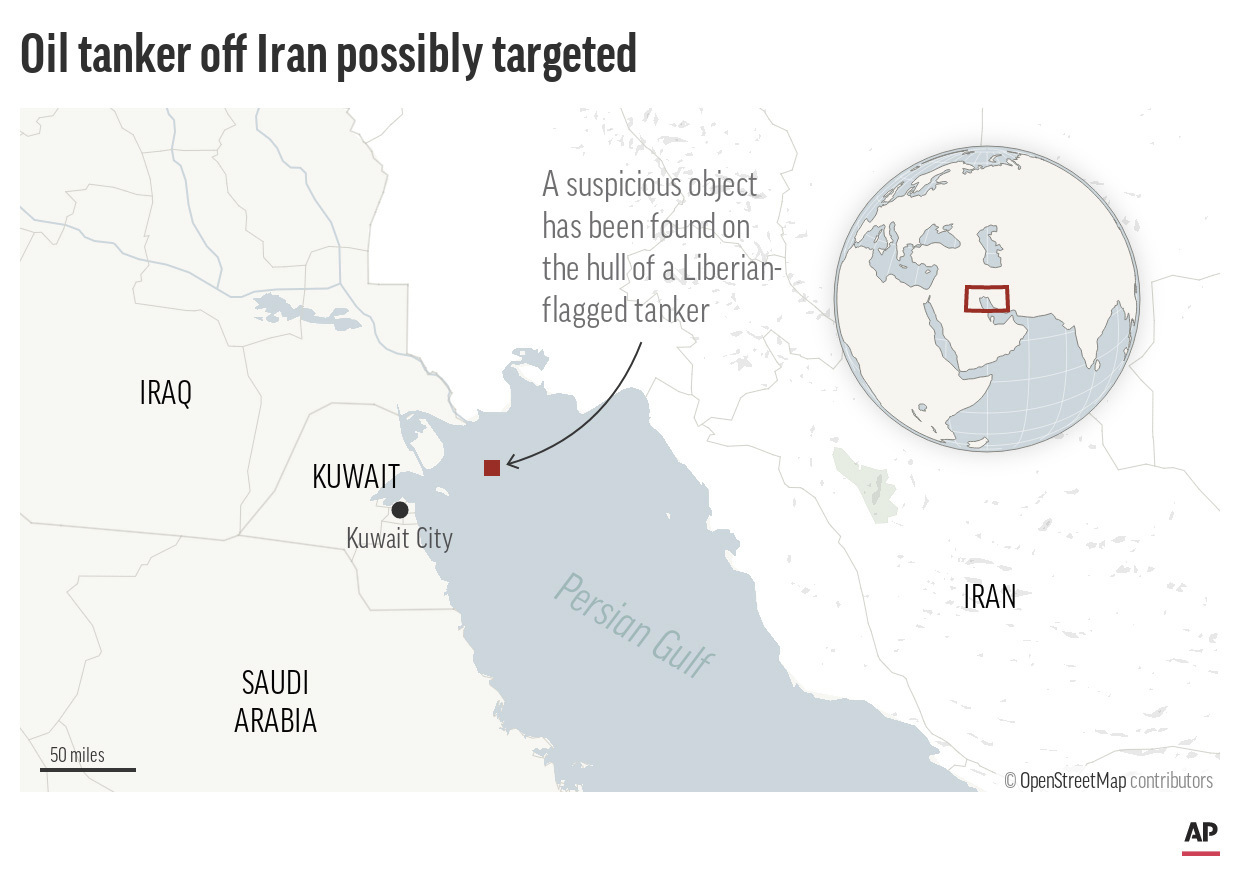
The statement came a day after two private security firms said sailors feared they had found a limpet mine on the MT Pola, a Liberian-flagged tanker in the waters off the Iraqi port of Basra. A limpet mine is a type of naval mine that attaches to the side of a ship, usually by a diver-member of special forces. It later explodes, and can significantly damage a vessel.
The Iraqi statement said the mine had been attached to a tanker rented from Iraq's Oil Marketing Company SOMO that was refuelling another vessel. Iraq's naval forces were making "a great effort to accomplish the mission" safely, said Iraq's Security Media Cell, which is affiliated with the country's security forces.
READ MORE: Rockets fired at US embassy in Baghdad
It was the first official Iraqi confirmation that a mine was discovered on an Iraqi tanker transferring fuel in the Persian Gulf to another vessel. It did not identify either vessels or provide more details.
The discovery came amid heightened tensions between Iran and the U.S. in the waning days of President Donald Trump's administration.
Already, America has conducted B-52 bomber flyovers and sent a nuclear submarine into the Persian Gulf over what Trump officials describe as the possibility of an Iranian attack on the one-year anniversary of the US drones strike in Baghdad that killed a top Iranian general and a top Iraqi militia leader.
Iraq is marking the anniversary with a series of events this week.
On Thursday, the United Kingdom Marine Trade Operations, an organisation under Britain's royal navy, said on its website that an "unknown object" had been attached to a ship's hull in the vicinity of Iraq's Khor Al-Zubair Port, without providing further information.
READ MORE: Crushing heatwave setting records in the Middle East
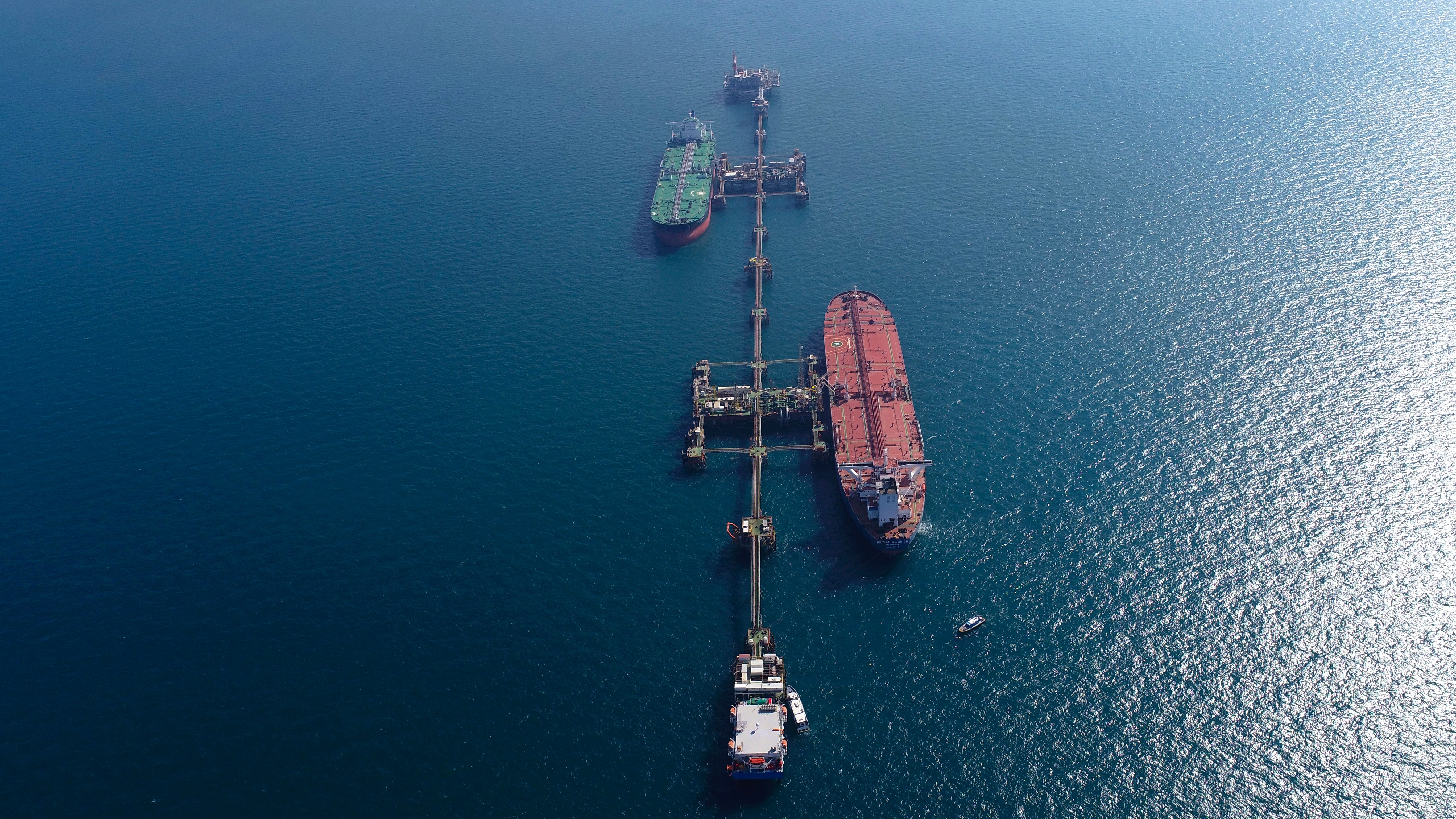
The Pola serves as floating fuel oil storage of Iraq's State Organisation of Marketing of Oil, said Sudharsan Sarathy, a senior oil analyst at the data-analysis firm Refinitiv. Smaller vessels carry the fuel oil to the ship, which then conducts ship-to-ship transfers in the Persian Gulf to clients.
Sarathy said the Pola was conducting a ship-to-ship transfer with the MT Nordic Freedom, a Bermuda-flagged tanker.
Friday's statement said an explosives-handling team from Iraq's Interior Ministry was airlifted to the scene after a "foreign body" was observed attached to one of the ships in the waiting area in Iraq's international waters, 28 nautical miles from Iraqi oil ports.
Despite high waves, the vessel receiving the fuel was evacuated while the Iraqi team was still working on neutralising the mine and evacuating the refuelling ship, it said.
In 2019, the US blamed Iran for a series of limpet mine attacks on oil tankers near the Strait of Hormuz, the narrow mouth of the Persian Gulf through which 20 per cent of all the world's oil passes. Iran denies being involved.
Thousands race to beat border lockout
Thousands of Victorians sat in long queues overnight in a race to cross the NSW border before it closed.
The border shut at midnight as Victoria moves to protect its residents from growing COVID-19 cases across Sydney.
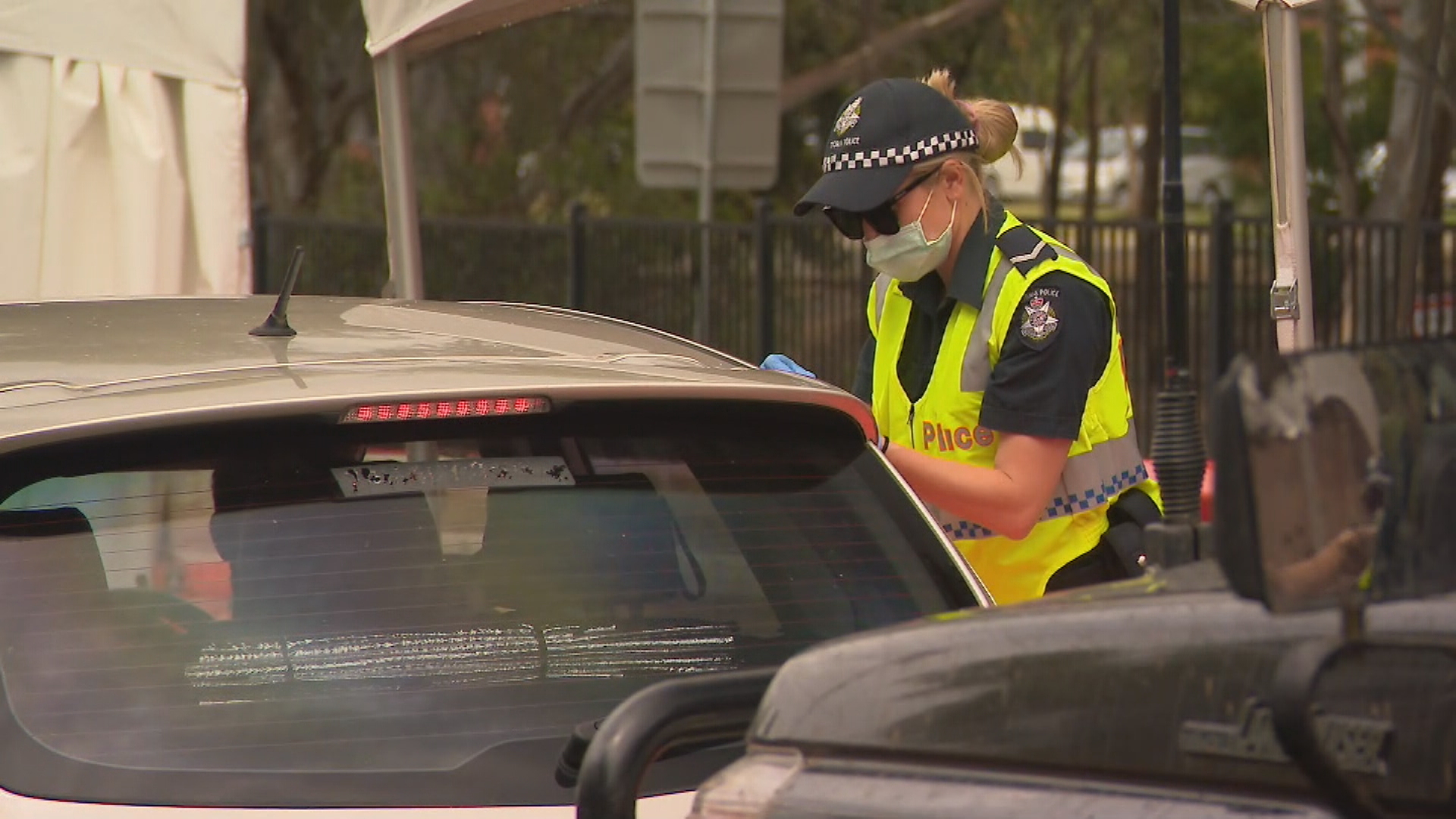
Queues were reportedly dozens of kilometres long at every checkpoint between the states as police worked through documentation to assess whether the returning Victorian residents had been in a NSW COVID-19 "red zone".
READ MORE: Pressure mounts on NSW premier to enforce Sydney lockdown
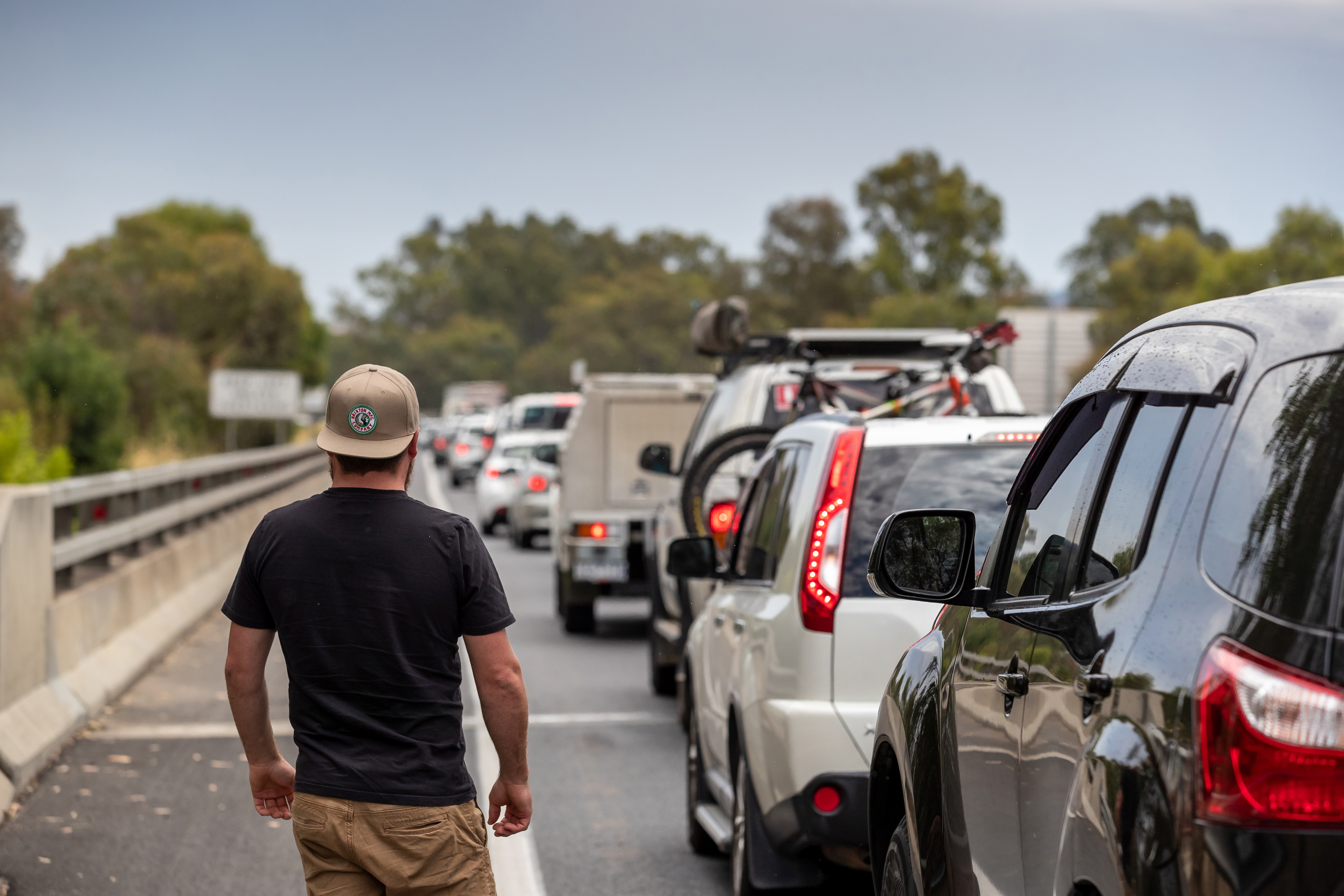
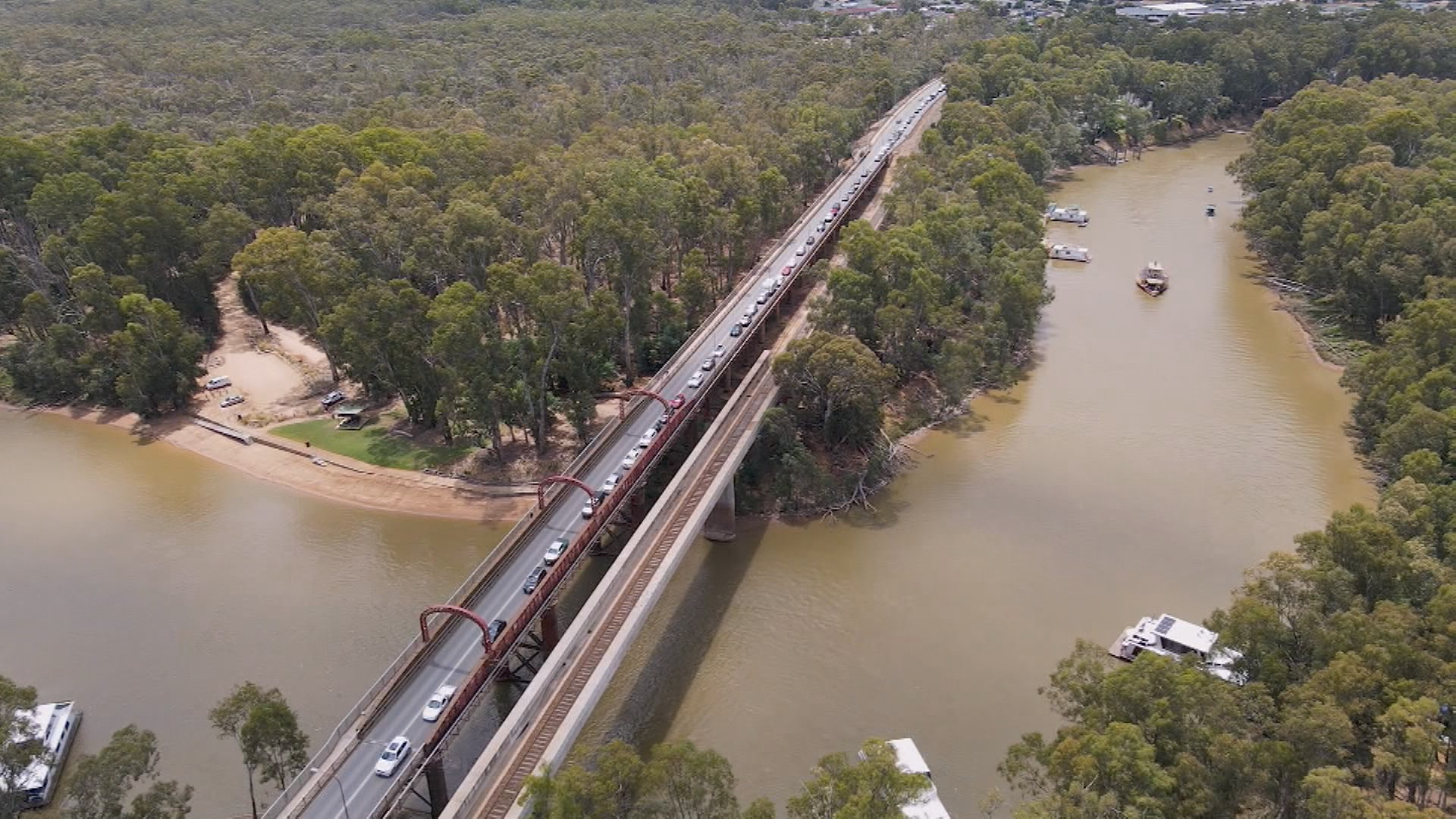
Despite the long queues, Victorian officials said anyone who was in the queue by 11.59pm would have a chance to cross – but the same will not apply to those wishing to do so from today.
"Anybody who is in a queue at the border at 11.59pm will be allowed to go through," Victoria's Testing Commander Jeroen Weimar said.
"But that does not extend to people wandering through at eight o'clock tomorrow morning."
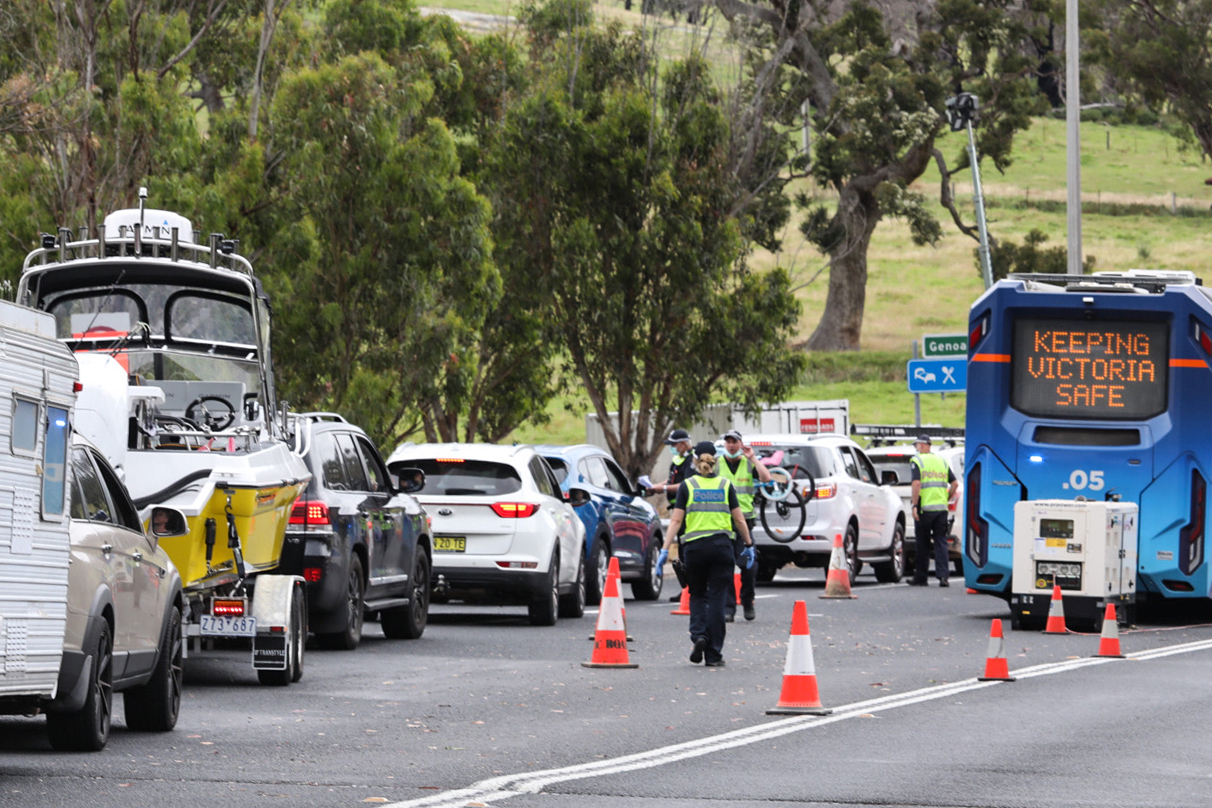
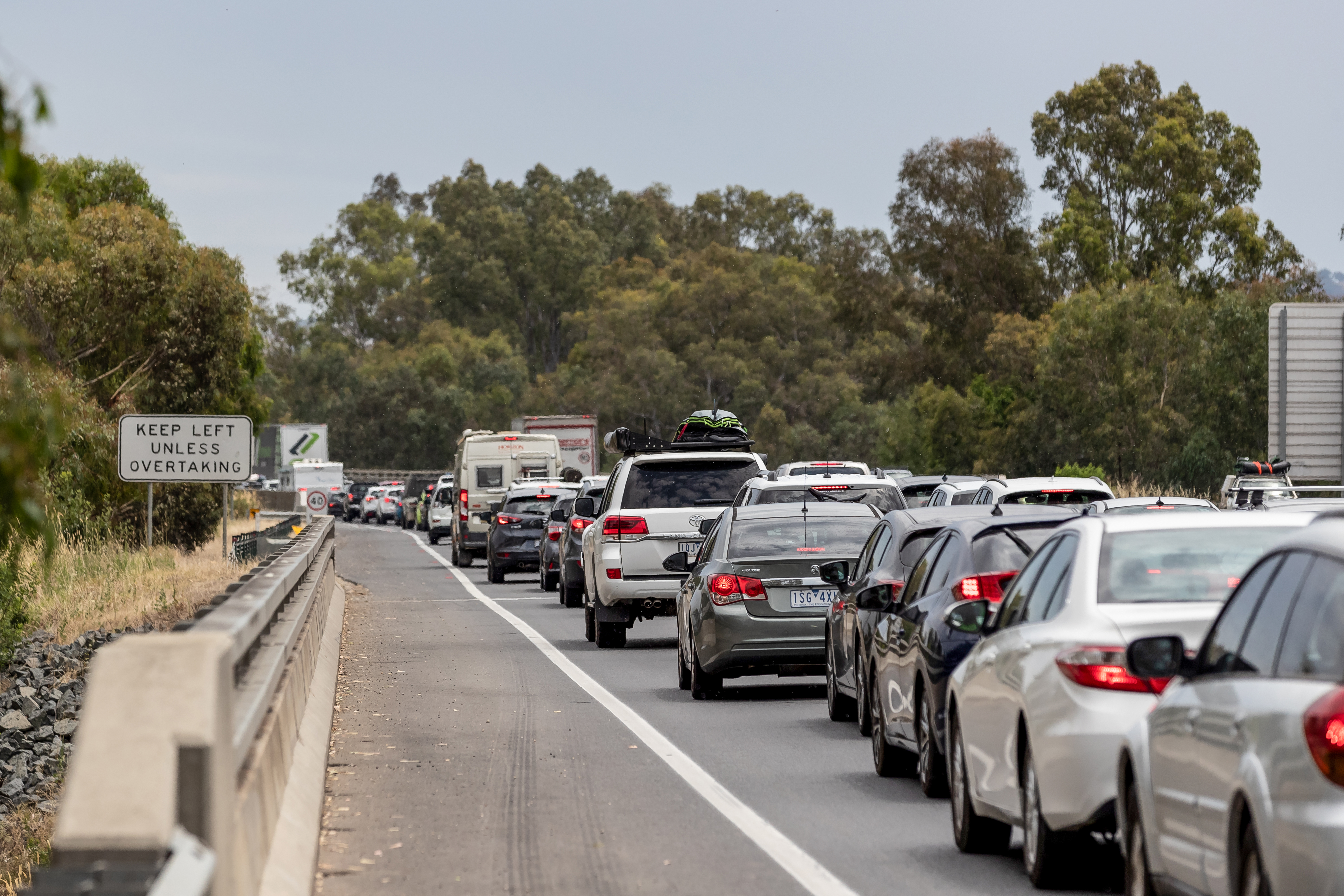
One couple chose to drive through the night from Port Macquarie in NSW to return to their home in Melbourne, more than 1200km away.
Another fled Newcastle to make the border crossing before the closure, with delays reported to be five hours in some places.
"It's been a bit of a stress trying to get across the border but hopefully we can avoid going into quarantine," the man said, when stopped at the checkpoint near Albury-Wodonga.
At the border town of Mulwala, traffic jams on New Year's Eve stretched back more than 3km as drivers waited to cross into Yarrawonga.
Residents returning to Victoria will still have to undergo a COVID-19 test on arrival and quarantine at their home for 14 days.
READ MORE: Australia's domestic border restrictions explained: State-by-state breakdown
It comes after five new local cases of COVID-19, with none of the infections acquired interstate.
Eight new cases were reported on Friday, which include three international cases that are in hotel quarantine.
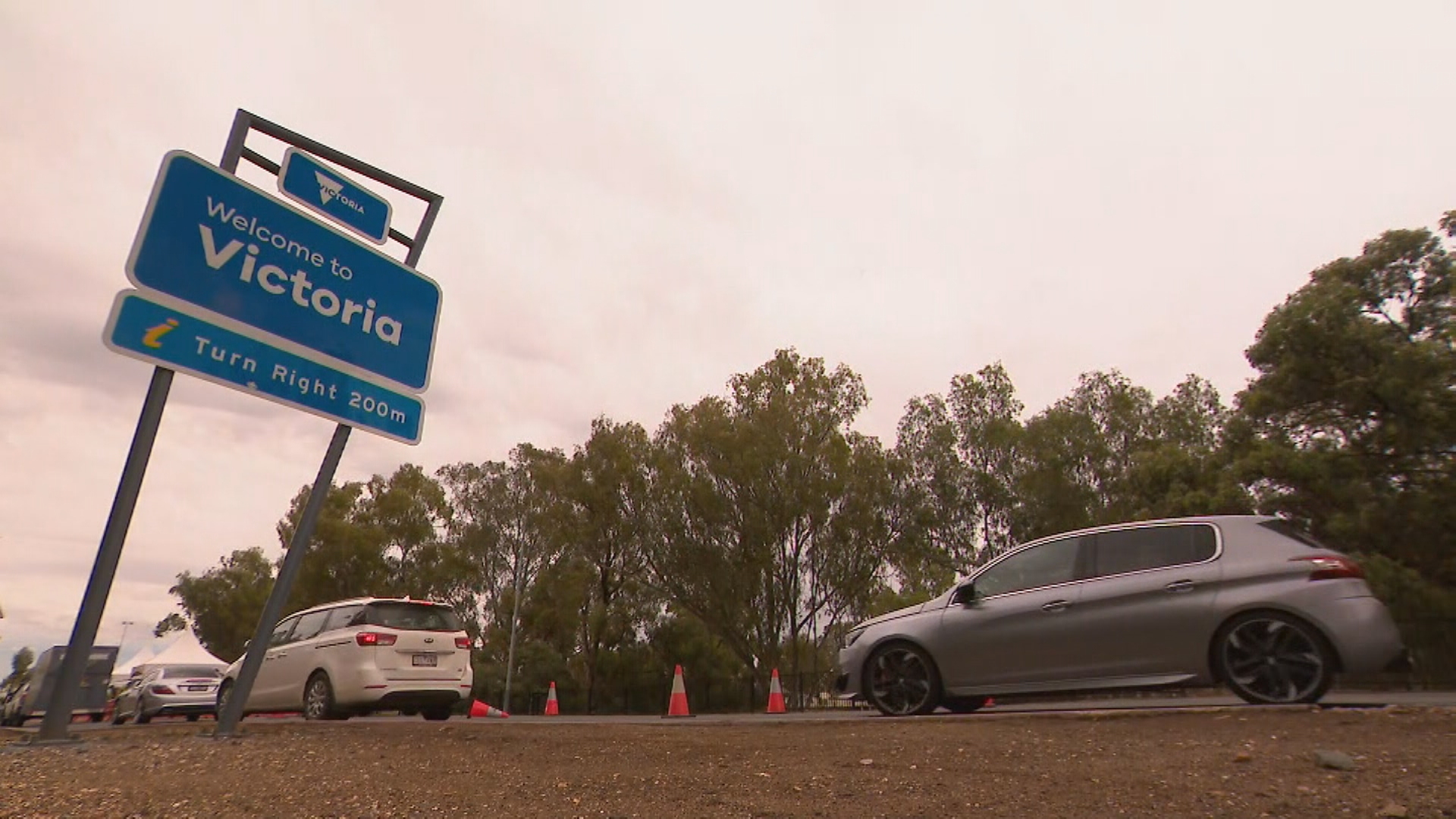
Western Australia has also brought back its hard border with Victoria.
People travelling from Victoria will no longer be able to enter the state unless they have an exemption.
Travellers asked about the abrupt closure described it as "shattering".
"Devastated. Yeah, very, very upset. Going to a hotel for 24 hours and we're on the first flight back to Melbourne. Shame," one told 9News.
"After the year that we've had in Victoria, to then get told this is, yeah, just shattering."
Western Australia's border is currently closed to New South Wales, except for those who have exemptions.
In Queensland, similar scenes are playing out at borders as a fifth checkpoint is due to open to ease traffic congestion.
There is now speculation Queensland may tighten its border restrictions with NSW in the coming days as the state attempts to remain COVID-free.
The additional checkpoint, at Numinbah on the Gold Coast, will operate between the hours of 8am and 4pm only unlike the four others which are 24 hours.
Police in Queensland say they have turned away 374 cars and more than 800 people from suspected COVID-19 hotspots in NSW since the hard border closure came into place on December 18.
A border closure is now in place in South Australia, banning anyone from NSW unless they have an exemption.
UK in 'eye of the storm' amid surging new coronavirus cases
British medics warned Friday that hospitals around the country face a perilous few weeks amid surging new coronavirus infections that have been blamed on a new variant of the virus.
A day after the UK posted a record 55,892 new infections and another 964 coronavirus-related deaths, concerns are mounting about the impact on the overstretched National Health Service. Field hospitals that were constructed in the early days of the pandemic but that were subsequently mothballed are being reactivated.
The Royal College of Nursing's England director, Mike Adams, told Sky News that the UK was in the "eye of the storm" and that it was "infuriating" to see people not following the social distancing guidance or wearing masks.
READ MORE: NSW couple flee officers at Melbourne Airport
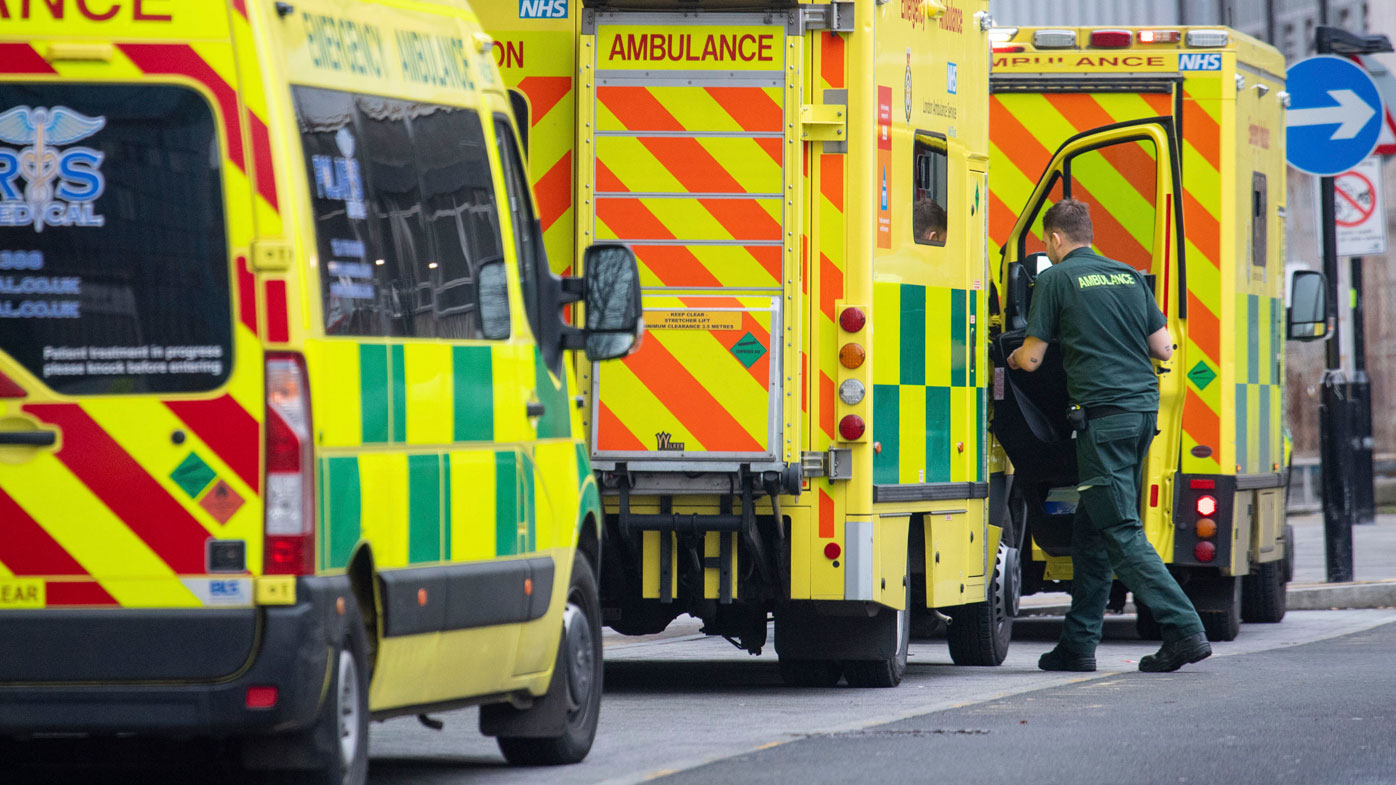
A leading physician also warned of burnout among health workers on the front line of the outbreak in hospitals, while also urging people to follow the rules.
"I am worried," Adrian Boyle, vice president of the Royal College of Emergency Medicine, told the BBC. "We are very much at battle stations."
New infections have more than doubled in recent weeks after a new variant that is said to be around 70 per cent more contagious was found to be behind a big spike in cases around London and the southeast of England.
Given the lags between new cases and hospitalisations and subsequently deaths, there are huge concerns about the path of the pandemic over the coming month or two in a country that has Europe's second-highest virus-related death toll at nearly 74,000.
As a result of the spike, which has spread around the country and seen lockdown restrictions tightened, the strategy around the rollout of vaccines has been changed to get more people an initial jab as soon as possible, with a scheduled second one delayed.
READ MORE: UK approves COVID-19 'vaccine for the world'
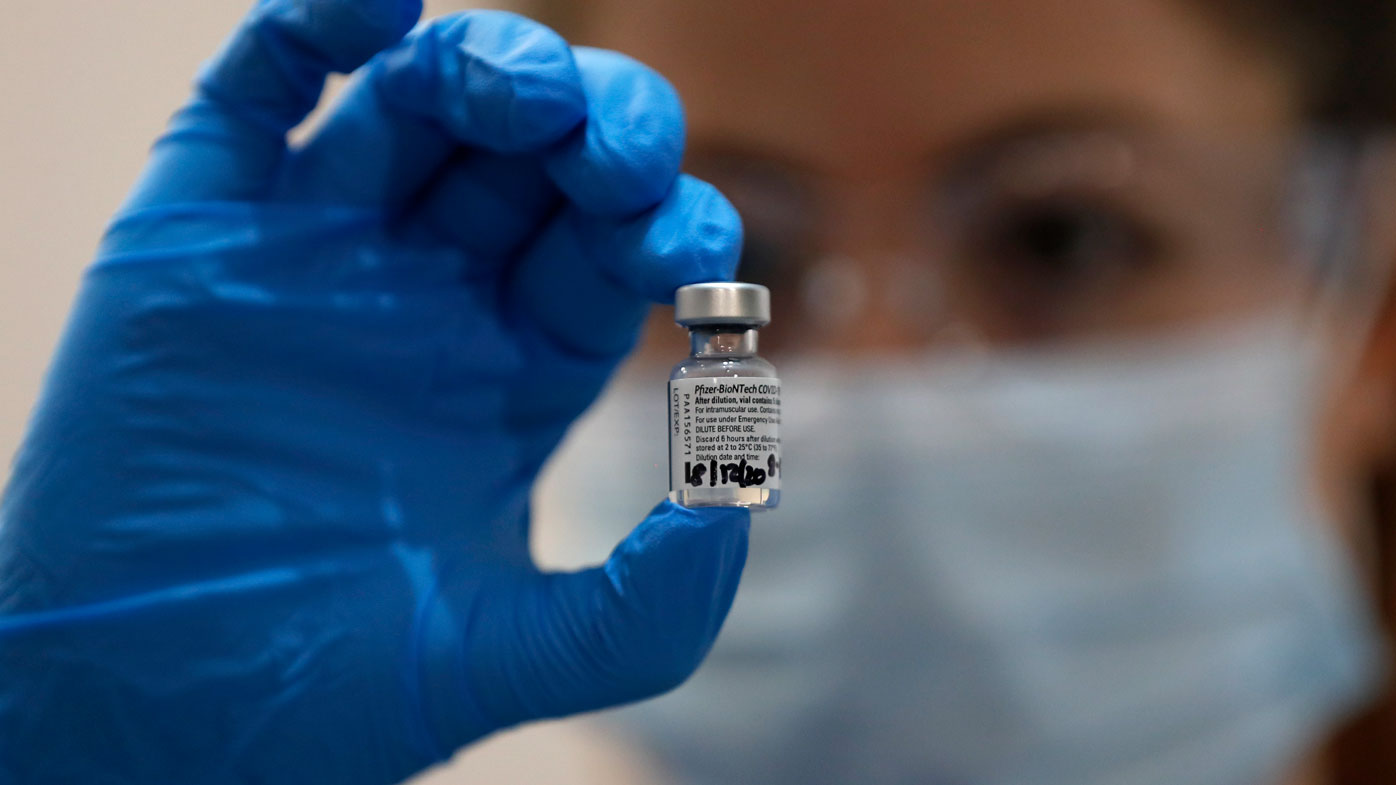
In a joint statement Thursday, the chief medical officers for England, Scotland, Wales and Northern Ireland, said the first vaccine dose offers "substantial" protection.
Currently, two vaccines have been approved for use in the UK.
Just under 1 million people have received the first dose of the vaccine developed by American pharmaceutical firm Pfizer and German biotechnology company BioNTech, with a small minority also getting the second dose as planned after 21 days.
Alongside the approval earlier this week of the vaccine developed by the University of Oxford and British pharmaceutical firm AstraZeneca, a new dosing regimen was outlined, aimed at providing a speedier rollout. This means the second dose of both vaccines will be within 12 weeks of the first.
The four medical officers said they were "confident" the first dose of both vaccines would provide "substantial" protection.
"In the short term, the additional increase of vaccine efficacy from the second dose is likely to be modest; the great majority of the initial protection from clinical disease is after the first dose of vaccine," they said.
The new plan has faced widespread criticism, with the UK's main union for doctors warning that delaying the second dose causes huge problems for thousands of partially vaccinated elderly and vulnerable people.
"It is grossly and patently unfair to tens of thousands of our most at-risk patients to now try to reschedule their appointments," said Richard Vautrey from the British Medical Association.
'Our children die in our hands': Floods ravage South Sudan
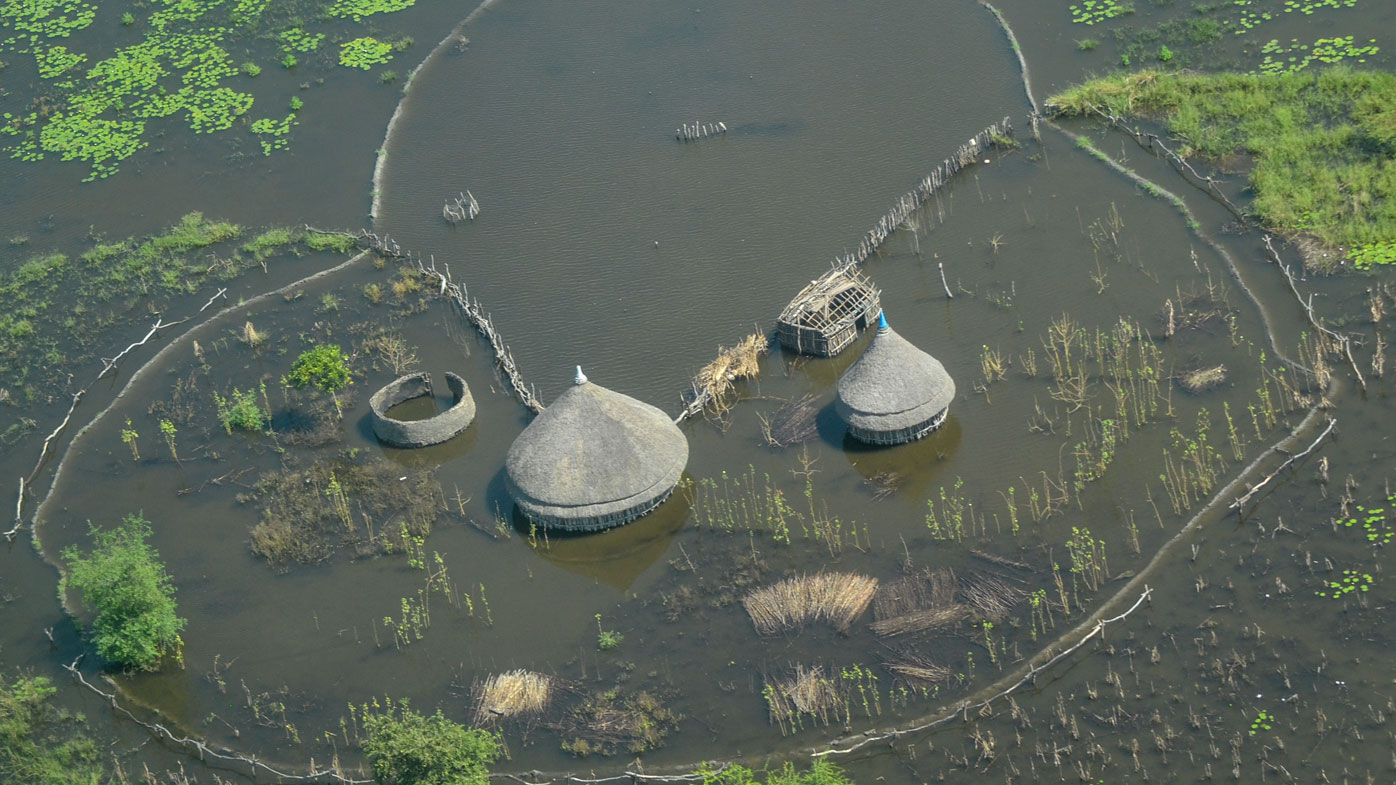
On a scrap of land surrounded by flooding in South Sudan, families drink and bathe from the waters that swept away latrines and continue to rise.
Some 1 million people in the country have been displaced or isolated for months by the worst flooding in memory, with the intense rainy season a sign of climate change. The waters began rising in June, washing away crops, swamping roads and worsening hunger and disease in the young nation struggling to recover from civil war. Now famine is a threat.
On a recent visit by The Associated Press to the Old Fangak area in hard-hit Jonglei state, parents spoke of walking for hours in chest-deep water to find food and health care as malaria and diarrheal diseases spread.
READ MORE: Alcohol sales banned as South Africa battles coronavirus surge
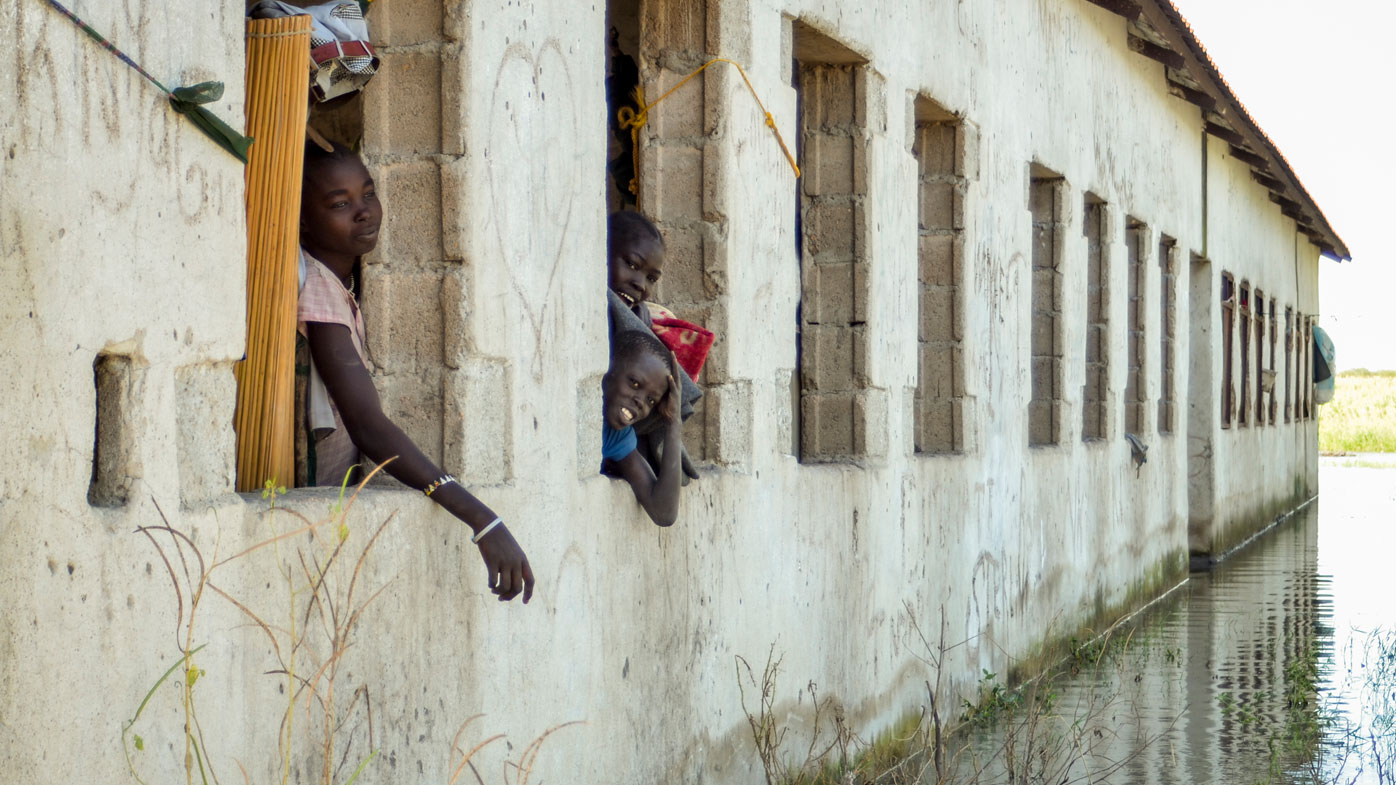
Regina Nyakol Piny, a mother of nine, now lives in a primary school in the village of Wangchot after their home was swamped.
"We don't have food here, we rely only on U.N. humanitarian agencies or by collecting firewood and selling it," she said. "My children get sick because of the floodwaters, and there is no medical service in this place."
She said she eagerly waits for peace to return to the country, with the belief that medical services will follow "that will be even enough for us."
One of her nieces, Nyankun Dhoal, delivered her seventh child into a world of water in November.
"I feel very tired and my body feels really weak," she said. One of her breasts was swollen, and her baby had rashes. She wishes for food, and for plastic sheeting so that she and her family can stay dry.
READ MORE: New virus variant appears to emerge in Nigeria
The mud sucks at people's feet as they engage in the daily struggles to hold back the waters and find something to eat.
Nyaduoth Kun, a mother of five, said the floods destroyed her family's crops and life has been a struggle for months, with people selling their prized cattle to buy food that's never enough.
The family eats just two meals a day and the adults often go to bed on empty stomachs, she said. She has begun collecting water lilies and wild fruits for food.
She said she had little knowledge of the coronavirus pandemic ravaging other parts of the world and spreading largely undetected in poorly resourced South Sudan. "There are many diseases living among us, so we can't figure out if it's coronavirus or not," she said.
Instead, her fear is that the makeshift water dike around their home could collapse at any time, flooding the young children.
READ MORE: Boko Haram claims kidnapping of Nigeria students in north
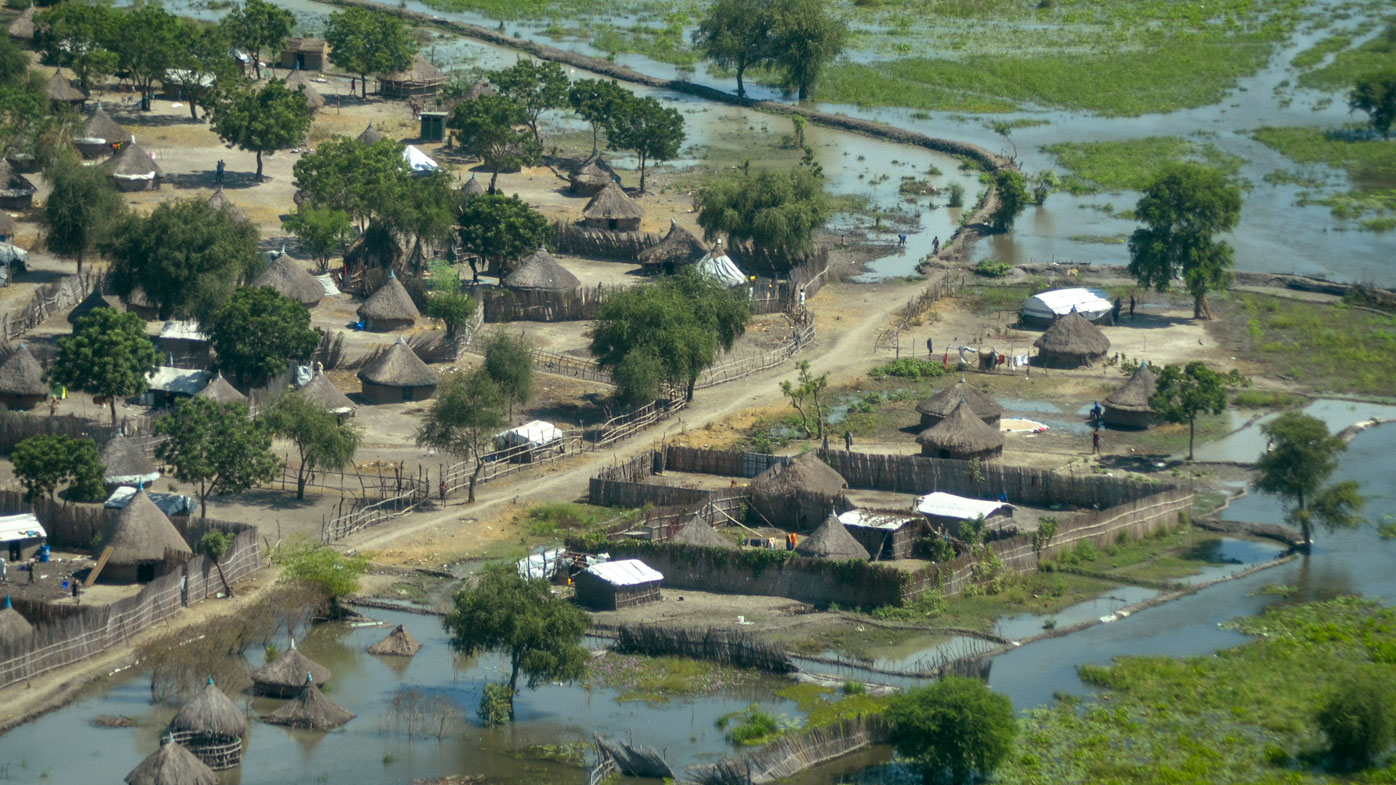
The chief of Wangchot village, James Diang, made the decision early during the flooding to send badly affected children to the town centre after several drowned "and everything was being destroyed rapidly."
Now cattle are dying, he said, and survivors have been transported to drier areas.
Remaining residents are eating tree leaves and sometimes fish to survive, he said. Fevers and joint pain are widespread.
When there is no canoe to transport people during times that waters surge, "our children die in our hands because we are helpless," he said.
He hopes, like everyone, for sustainable peace, and for an improved dike so the community can have enough dry ground for planting.
The people of South Sudan put their trust in President Salva Kiir and former armed opposition leader Riek Machar to lead during this transition period, "but now they are failing us," said the government's acting deputy director in the area, Kueth Gach Monydhot. "We don't have hope, we lost confidence in them."
READ MORE: North Korea's Kim thanks people in rare New Year's cards
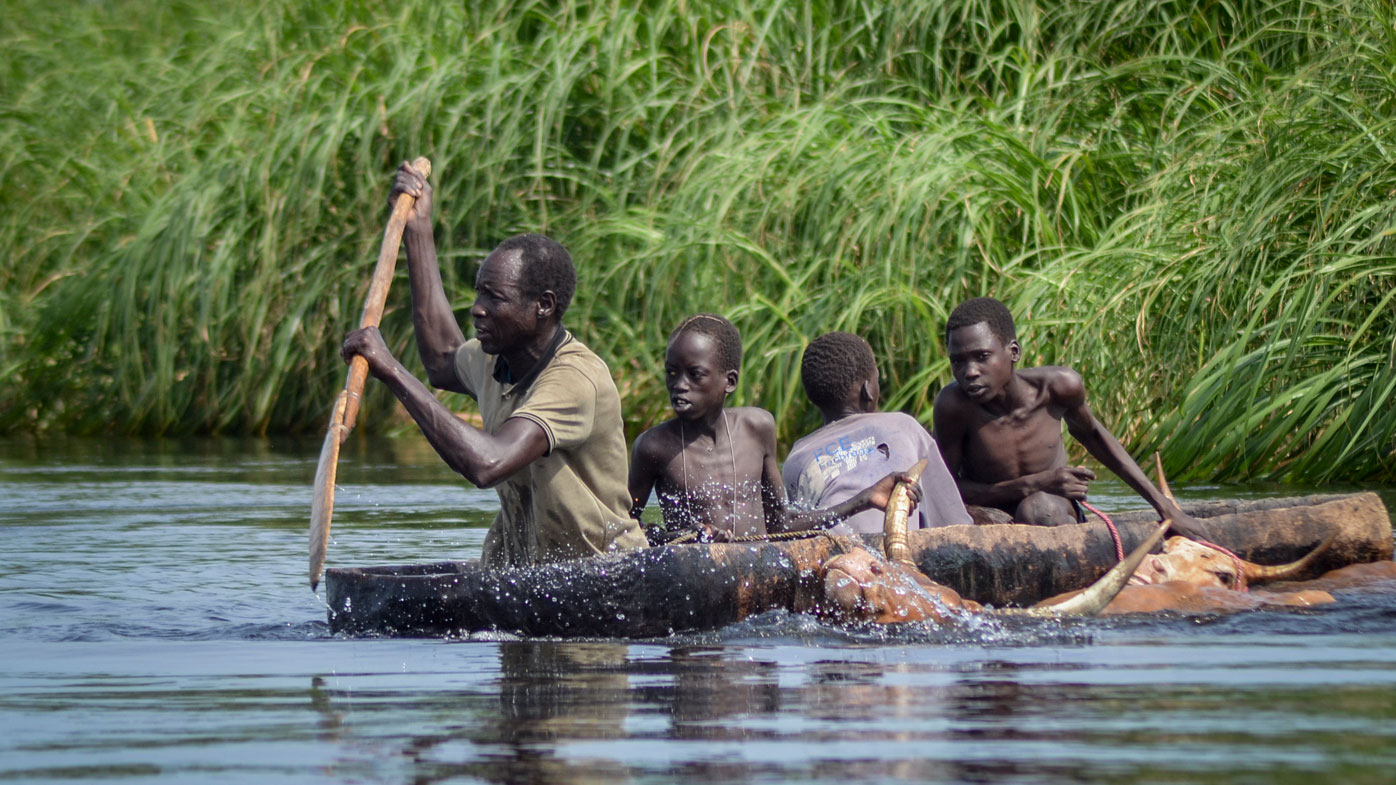
The situation in Fangak county remains volatile, with almost all of its more than 60 villages affected by the flooding and "no response from the government," he said. "Do you think they will plan for other people when they have failed to implement the peace agreement?"
At the clinic in Old Fangak run by the medical charity Doctors Without Borders, Nyalual Chol said the dike she tried to build against the floodwaters collapsed, and her home quickly collapsed, too.
She had been alone at home with her four children. As with many families, her husband was away on duty in another part of the country as a soldier.
She reached the clinic by canoe after an hour of travel, seeking help for her sick child. There, she also received a ration of food.
The Doctors Without Borders project coordinator in Old Fangak, Dorothy I. Esonwune, recalled the sight of newly displaced people sheltering under trees without mats, blankets or mosquito nets.
Meanwhile, the charity's mobile clinics were suspended because of the COVID-19 pandemic, further complicating efforts to reach sick people stranded by the flooding.
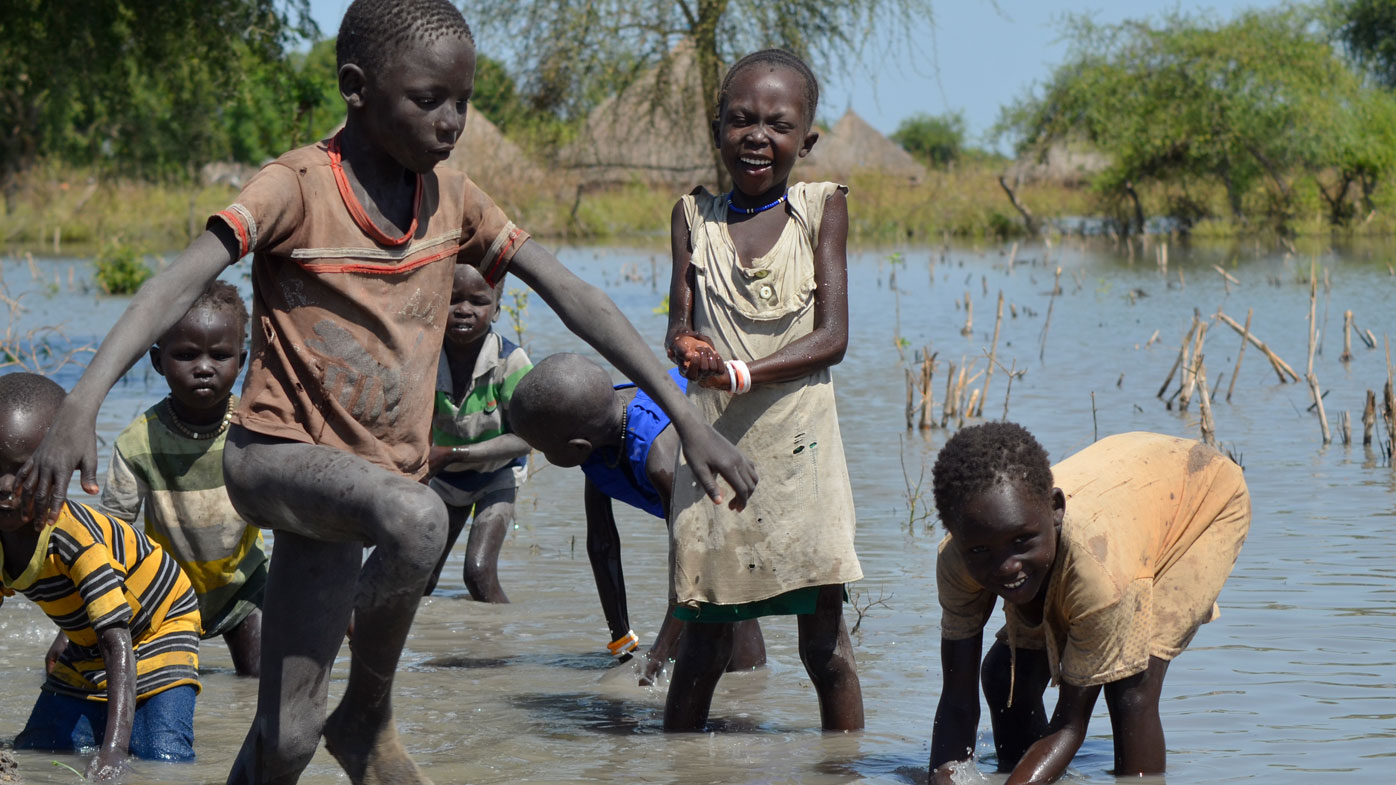
"The water continues to rise and the dikes continue to break and there are people still displaced, yet they don't have the main necessities," she said, describing several people often crammed into a single shelter.
Now the international community has rung the alarm about likely famine in another flood-hit part of Jonglei state.
The UN Food and Agriculture Organization representative in South Sudan, Meshak Malo, has appealed to the parties that signed the country's peace accord to cease violence and ensure safe humanitarian access to prevent the dire situation from turning into a full-blown catastrophe.
The new report of likely famine is an eye-opener and a signal to the government, which has not endorsed its findings, said the chairman of the National Bureau of Statistics, Isaiah Chol Aruai.
"There is no way that the government would ignore or downplay an emergency when it's really found out to be an emergency," he said.
NSW couple flee officers at Melbourne Airport
Victoria Police are searching for a man and woman who fled officers at Melbourne Airport.
The pair disembarked a flight from Canberra just before 11am on New Year's Day.
"They were spoken to by authorised officers and informed they would be required to quarantine for 14 days as per current CHO directions," Victoria Police said in a statement.
READ MORE: Victoria's new coronavirus outbreak grows to 10
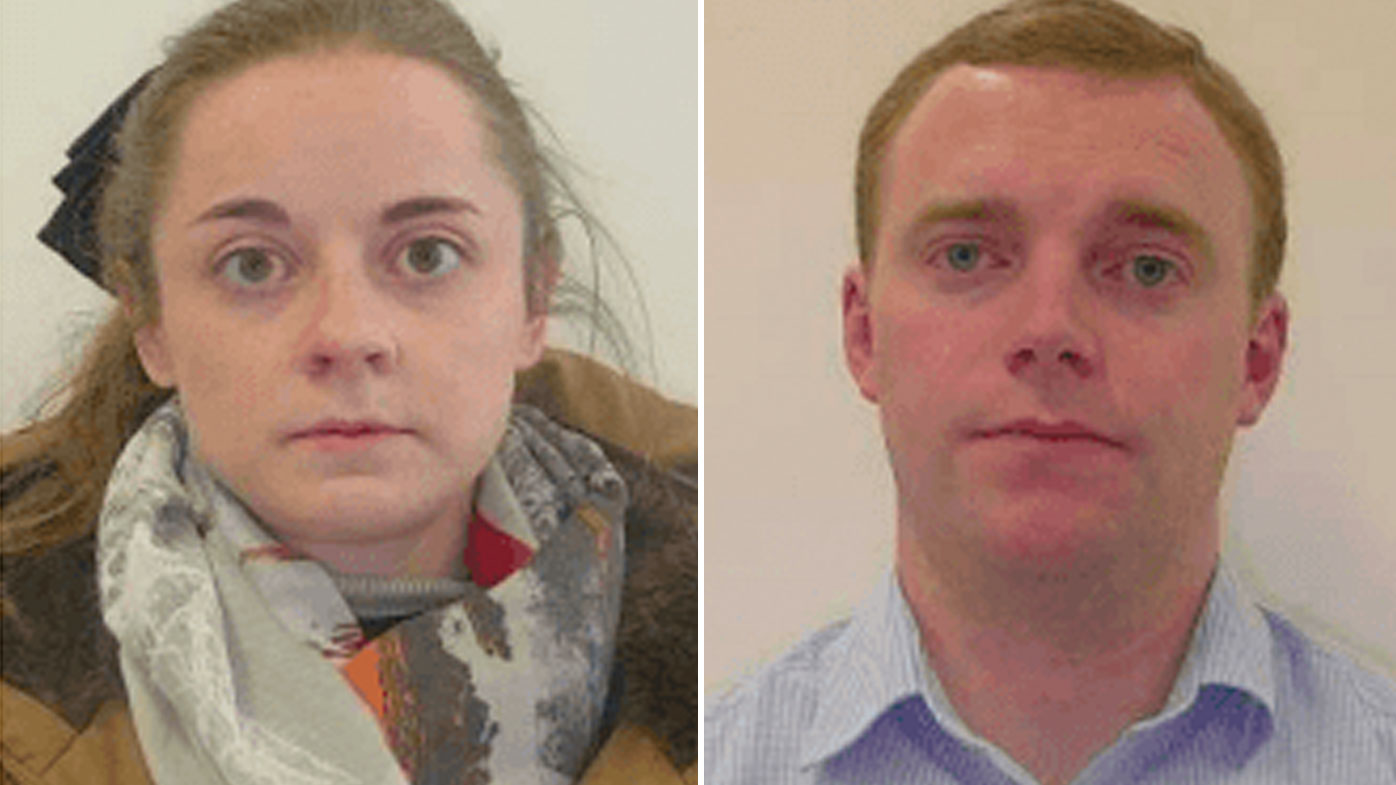
"The pair then ran from the officer, fleeing the airport and were picked up by a vehicle outside."
The 26-year-old man and 24-year-old woman normally reside in NSW are believed to be in the Sunbury area.
Police have released photos of them and an image of a vehicle similar to one they were travelling in.
Anyone with information should contact Crime Stoppers on 1800 333 000.
The Health Department confirmed on Friday night that another two COVID cases had emerged in Victoria with clear links to existing infections that were seeded at the Smiling Buffalo Thai Restaurant earlier in the week.
READ MORE: Thousands race to beat border lockout

The two new positive cases dined at the restaurant on December 21 before travelling into southern NSW where they learned of the outbreak and got tested before returning home.
Because the new infections were identified in NSW they will only be officially added to Victoria's tally on Saturday, bringing it to 10.
Victoria's new coronavirus outbreak grows to 10
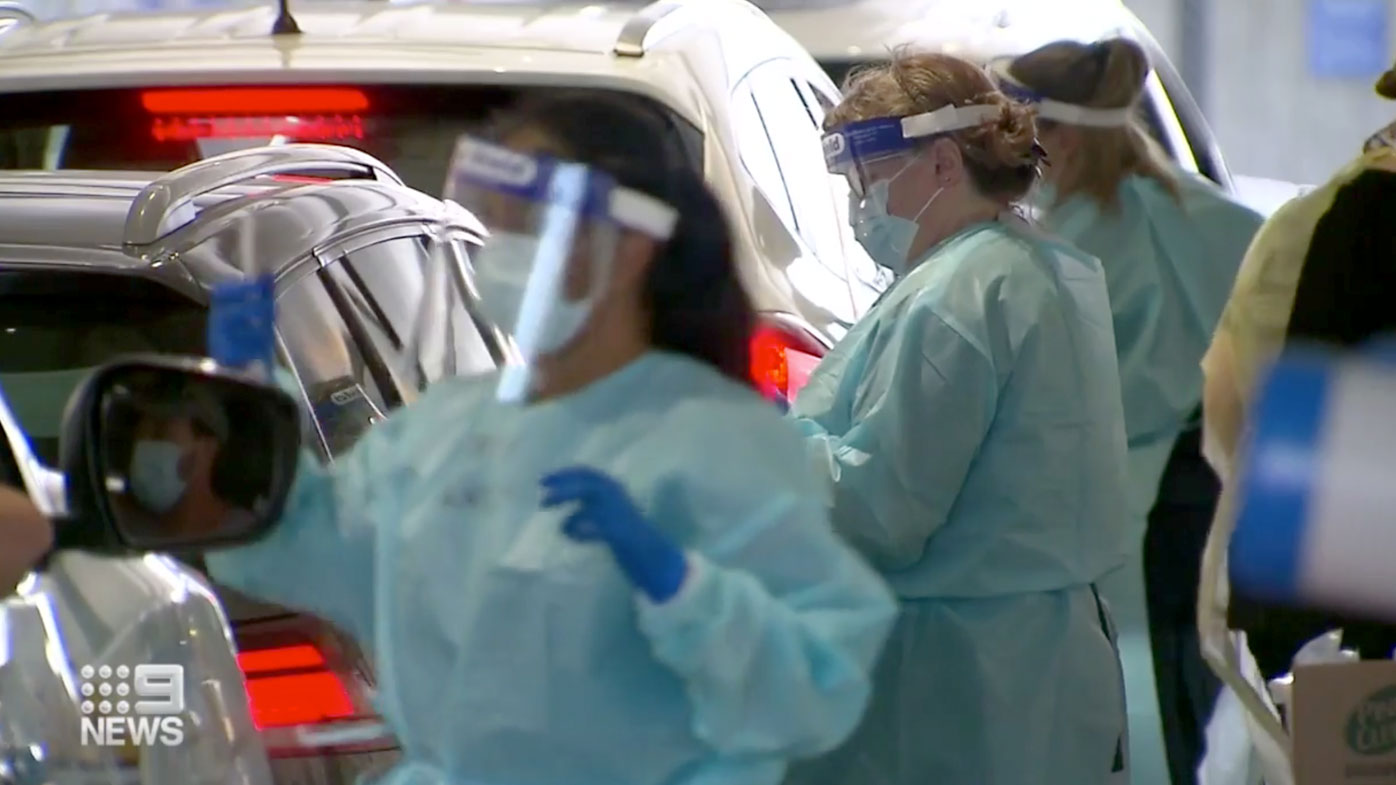
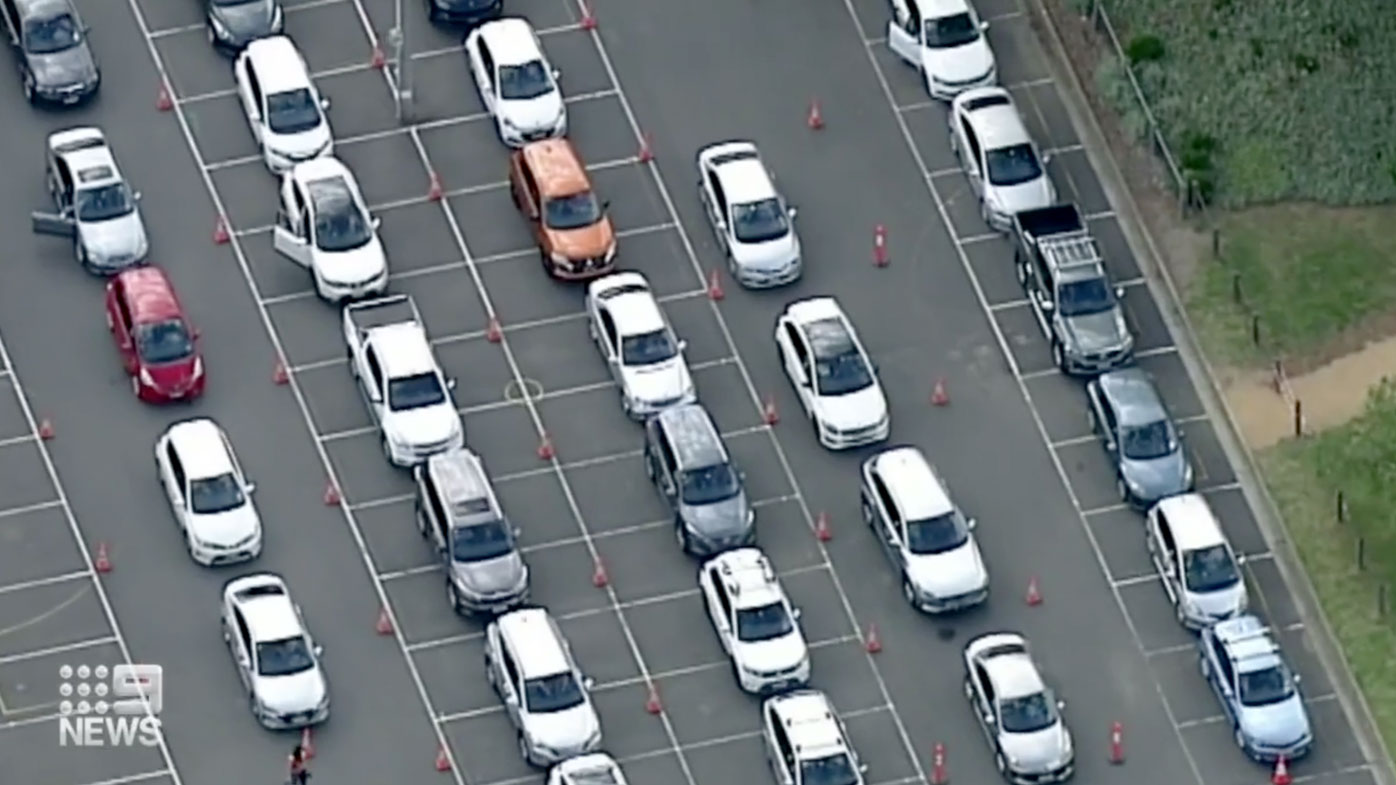
Cars have queued for up to five hours awaiting a coronavirus test in Melbourne today, with no guarantee of reaching the front as the number of cases grew.
Several south eastern testing stations were forced to close early, with dedicated frontline staff simply unable to meet the demand of people urgently seeking a COVID test.
Late today the Health Department confirmed another two COVID cases have emerged in Victoria with clear links to existing infections that were seeded at the Smiling Buffalo Thai Restaurant earlier this week.
READ MORE: Thousands race to return to Victoria as NSW border shuts
The two new positive cases dined at the restaurant on December 21 before travelling into southern NSW where they learned of the outbreak and got tested before returning home.
Because the new infections were identified in NSW they will only be officially added to Victoria's tally on Saturday, bringing it to 10.
Authorities are yet to pin down who started the outbreak.
"Until we identify the absolute index case and its connections to every other case, of course we remain concerned," COVID Testing Commander Jeroen Weimar said.
Health Minister Martin Foley is almost convinced it came from interstate.
READ MORE: More than 70 close contacts are isolating in Melbourne
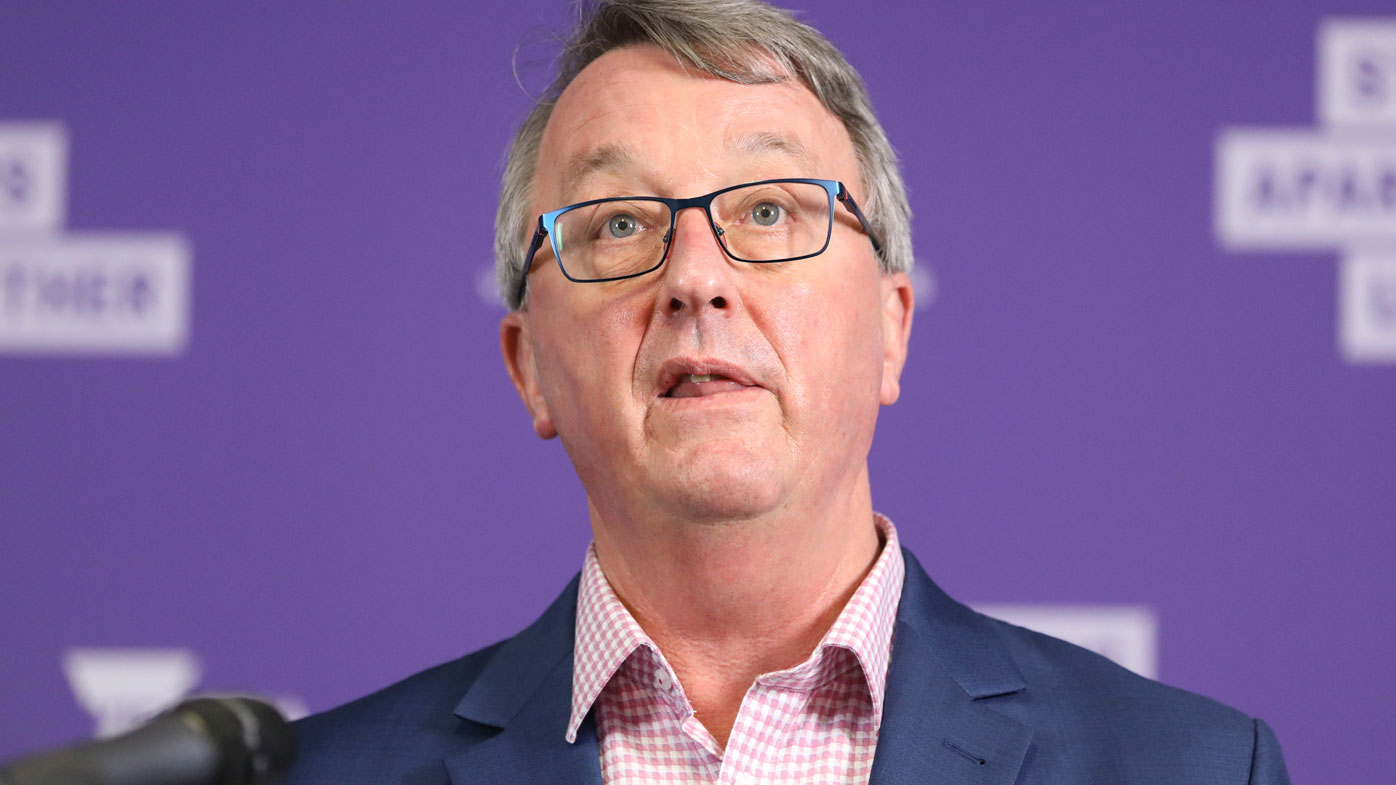
"The NSW link is still our primary line of investigation for this outbreak," he said.
"We expect genomic testing to come through very shortly and to assist us in confirming the lines of enquiry for our investigation."
More than 170 close contacts and positive cases are in self-isolation, spread across several suburbs and beyond Melbourne into Leongatha and Barwon Heads.
"This is not just a Bayside issue, this is a wider Victorian exposure risk," Mr Weimar said.
There were 13,108 test results received yesterday.
Face masks have become compulsory (except in your own home), house guests have been cut from 30 to 15 souring last night's New Year celebrations.
Border shuts
There have been long queues at the border as thousands race home from NSW before they're locked out at midnight. From tomorrow, any returning Victorian will need to be tested and also self-quarantine for 14 days.
"I stood here some time ago and reconsider going to NSW, don't go to Sydney," Mr Foley said.
"Reconsider going to NSW because the border can change quickly on the basis of public health advice and we saw that happen yesterday. Today, I say, if you are returning to Victoria as of today you must get tested and you must isolate for 14 days."
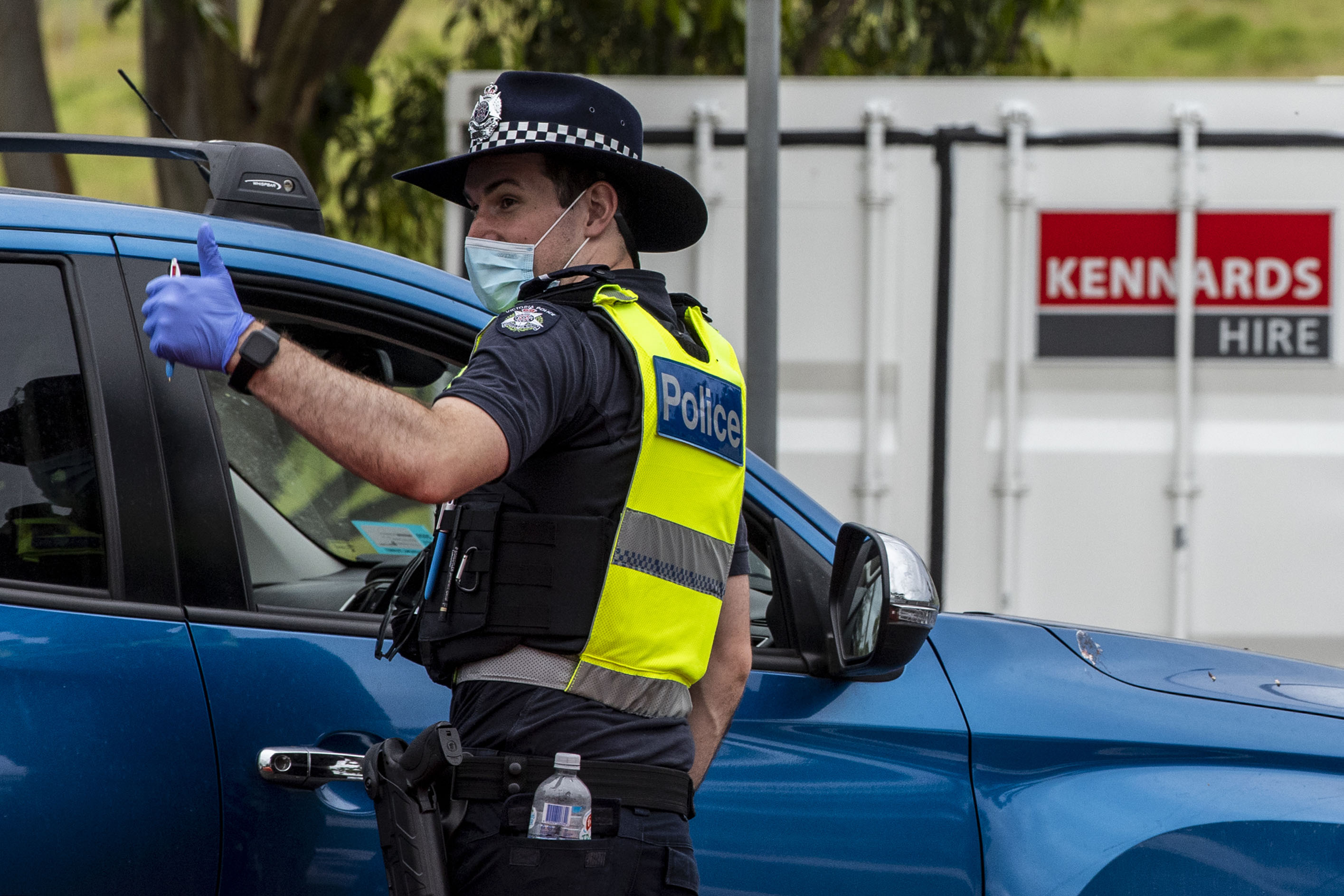
Mr Weimar warned returned travellers about further lengthy queues at the Victorian border.
"The border to NSW will shut at 11.59pm tonight. Anybody who is at queue at the border at 11.59pm will be allowed to go through but that does not extend to people wandering through at 8am tomorrow morning," Mr Weimar told reporters.
"So please, if you are in NSW and you want to be back in Victoria you need to leave now if you haven't left already.
"You need to prepare for a lengthy wait at the border. So please ensure you have fuel, water, food and also whatever you need to isolate safely when you get home."
He said warnings about the risks of getting stranded "on the wrong side of the border" have been issued for days so travellers must decide where they intend to stay.
"If that's NSW that's absolutely fine, if you intend to return to your home in Victoria you need to be getting on the road now," he said.
Victoria's Acting Premier Jacinta Allan said it was a difficult but necessary decision.
"We have to do everything we possibly can to lock in the situation we have here in Victoria, keep ahead of where case numbers might be, especially in light of case numbers coming out of NSW and to protect the precious gains we have achieved over the course of 2020 here in Victoria," she said.
The latest directions in Victoria come as NSW recorded 10 new cases yesterday, with five linked to the Avalon cluster.