Passengers were forced to wait on the tarmac at Nelson Airport for nearly 30 minutes.
Tag Archives: oceania
One injured in four-vehicle crash on Auckland’s Southern Motorway
Police said the crash caused heavy traffic on parts of the motorway network around Epsom.
Scattered thunderstorms set to develop across NSW and QLD
Severe thunderstorms are looming across Queensland and towards the New South Wales border, carrying potentially damaging winds and large hail.
Developing thunderstorms could also reach the Gold Coast this afternoon before hitting the Sunshine Coast in the early evening.
The Sunshine Coast is still set to face temperatures as high as 29 degrees.
Scattered late afternoon showers and thunderstorms are expected to hit the Queensland coastline south-east of the Sunshine Coast.
Moderate humidity levels plus temperatures in the low to mid-30s further inland from the coast are set to create thunderstorms across the Darling Downs regions in the early to mid-afternoon.
These thunderstorms are not a major threat to the major population areas near the coast.
Later in the afternoon, a line of thunderstorms is expected to develop along the New South Wales coast and the inland ranges.
Severe thunderstorms remain a possibility mid-afternoon across NSW's north-east ranges.
READ MORE: Prince Andrew announces he's given up his Duke of York title and honours
The forecast comes as a trough continues to move through the state's south-east Saturday afternoon and evening before moving off the coast by Sunday.
Due to this shift, thunderstorms could hit the state's coastal areas between K'gari and Moreton Bay Island as the conditions move offshore.
As the southerly change hits south-east Queensland, it is expected to face a highly unstable airmass, which is likely to enhance one to two thunderstorms along the change.
This could turn them into a severe thunderstorm with large hail and damaging wind gusts.
Isolated thunderstorms are also expected to potentially affect regions such as Wide Bay-Burnett, Darling Downs and Maranoa's far east.
No weather warnings have been issued, however, people are being urged to remain vigilant and alert to any updated warnings throughout the afternoon and evening.
DOWNLOAD THE 9NEWS APP: Stay across all the latest in breaking news, sport, politics and the weather via our news app and get notifications sent straight to your smartphone. Available on the Apple App Store and Google Play.
Auckland businessman Peter Mazany to pay $9k over old and crowded boarding house
The owner has now been ordered to pay the boarding house’s head tenant more than $9k.
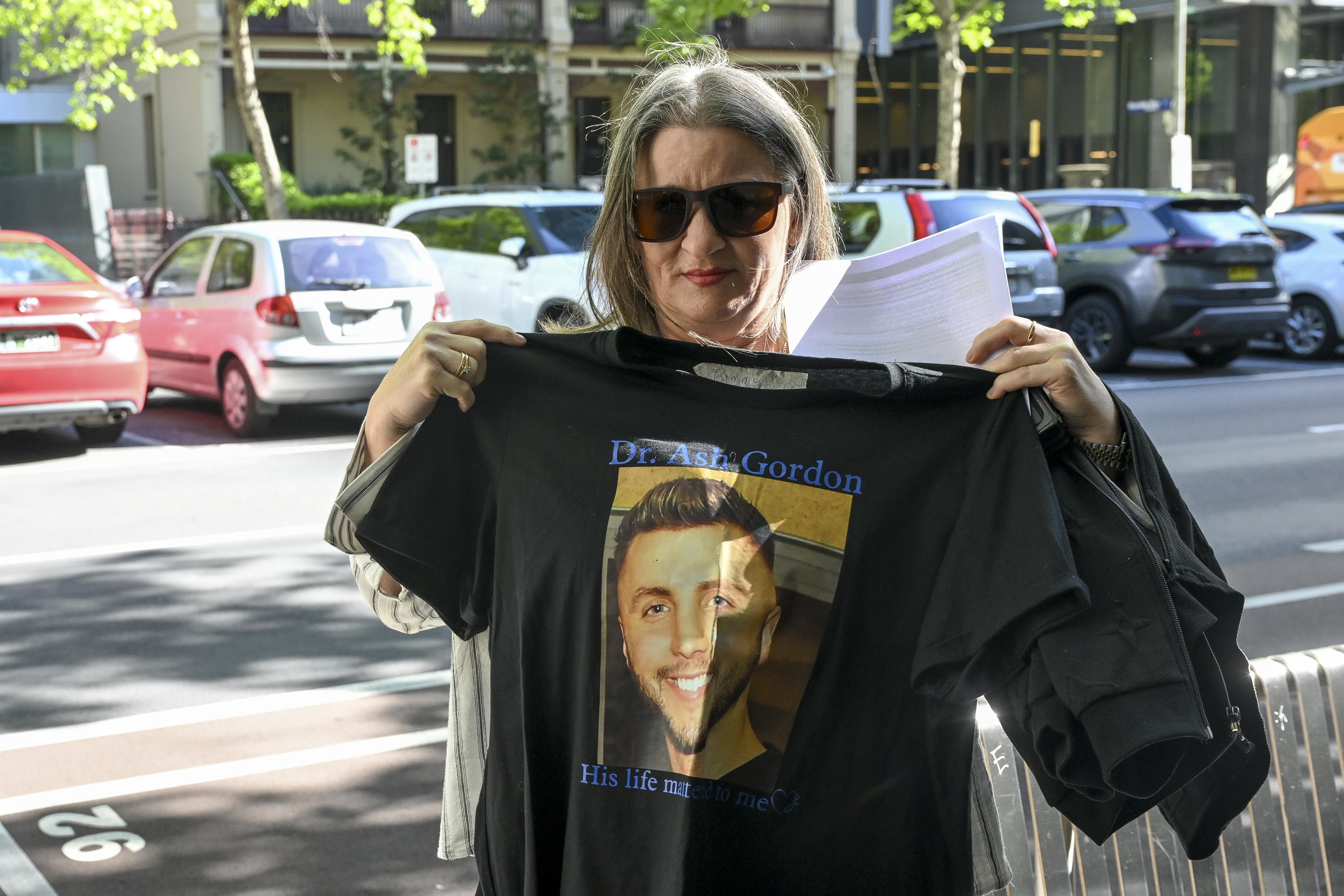
‘She’s still very scared when she’s in public’: Family of Melbourne stabbing victim speak out
The family of the woman who was allegedly stabbed in a random attack in Melbourne's CBD says, despite making a strong physical recovery, she remains fearful of leaving her home alone after the incident.
Wan Lai was on her way to work and was near the intersection of Little Bourke and Spencer streets when she was allegedly stabbed by an unknown woman.
Lai's brother-in-law told ABC that, despite making a physical recovery, she is still suffering.
READ MORE: Missing camper tells of miracle rescue after nine-day ordeal
"She's still very scared when she's in public," he said.
"When she sees a stranger go past her, she'll be like 'oh, I need to stay away from [them]'."
Footage showed the alleged offender stopping in front of Lai before stabbing her and fleeing.
Wan Lai told 9News she felt someone tap her from the back and turned around to be stabbed immediately.
A passerby rushed to her aid before she was taken to hospital suffering a punctured lung.
It has since been learned that her alleged attacker was on bail at the time of the attack.
She is set to apply for bail again at Melbourne Magistrate's Court on Tuesday.
DOWNLOAD THE 9NEWS APP: Stay across all the latest in breaking news, sport, politics and the weather via our news app and get notifications sent straight to your smartphone. Available on the Apple App Store and Google Play.
Sweeping reforms set to hit every school across Australia
The Federal Government has put $10 million towards stamping out bullying at schools, as proposed new national standards will push schools to act on bullying complaints within 48 hours of being reported.
Minister for Education, Jason Clare, announced the Anti-Bullying Rapid Review in February, aiming to examine what responses and prevention are working in the fight against bullying in schools and what needs to be strengthened.
The review came after reports to the eSafety Commissioner found that 53 per cent of young Australians reported experiencing cyberbullying.
READ MORE: Prince Andrew announces he's given up his Duke of York title and honours
A study by Bullying No Way also found that one in four students from year four to year nine reported being bullied every few weeks or more often.
The $10 million investment from the government as part of this review will be split evenly between an awareness campaign and resources for parents, teachers and students.
"We're going to allocate $5 million to provide some tools for teachers. While parents have told us they want action earlier, parents of teachers have told us that they need the tools and the training so that they can do the job," Jason Clare told Today.
"There are programs that are already being used by some schools. We're going to put all of those online in a hub, so that they can go to one place to get the best tools and the best programs to roll out in their schools."
READ MORE: Missing camper tells of miracle rescue after nine-day ordeal
"Parents have told us that they think it's really important that we nip this in the bud, where there's a complaint that bullying has happened, the school needs action within the first 48 hours."
"And that involves talking to the children, but it also involves talking to the mums and dads, the parents of the child that's been bullied and the parents of the child that's been doing the bullying."
One of the main recommendations was the need for quick and clear action when a complaint or incident occurs.
"[Punishments] can involve suspension. It can involve expulsion in the most extreme circumstances.
READ MORE: Aussie jobseeker rejected from Woolies job after AI interviews
"What happens here is that if you act early, you can stop the harm from repeating. You can stop the action from recurring."
The review contained over 1700 submissions from parents, students, teachers and staff recommending that schools should respond to incidents within two school days.
"A lot of parents told us it was taking too long for some schools to act on bullying complaints," said Clare.
The Federal Government's under-16 social media ban is set to come into effect on December 10, which the review expects will also drastically help in reducing cyberbullying.
DOWNLOAD THE 9NEWS APP: Stay across all the latest in breaking news, sport, politics and the weather via our news app and get notifications sent straight to your smartphone. Available on the Apple App Store and Google Play.
Laine died of complications from the measles. Anti-vaxxers turned up at her funeral
Laine Bradley was just 10 months old when she contracted the measles – too young to be vaccinated.
Her mother, Cecily Johnson, had taken her on a trip from Western Australia to Sydney.
"I didn't know there was an outbreak. If I had known I would had have had her immunised early," Johnson said.
READ MORE: Jamie wanted a job at Woolies. He claims he was rejected after two AI interviews
When the pair returned to Western Australia, little Laine broke out in a rash.
As a paediatric nurse, her mother immediately recognised the signs of measles.
After a few grizzly days of being unwell, Laine recovered.
"She was fine and over it. She had no real problems. I never thought any more of it until she was seven," Johnson said.
It was at that age when Johnson began to think something was wrong with her daughter, but it was hard to pinpoint what exactly.
Laine was naturally smart and bright girl, who even taught her brother to read and write before he went to school.
"One day she said to me, 'I can't go to school anymore. I feel dumb'," Johnson said.
"That's when I went, oh my God, there's something wrong here."
Laine began to show signs of confusion.
"I would say, 'Oh, come on, have a shower.' And she would answer, 'Where's the shower?'" Johnson said.
Johnson said she took Laine to multiple doctors and had her seen at the hospital, but everyone told her there was nothing wrong with her daughter.
It was only when Johnson desperately appealed for help from a specialist doctor she knew that she got some answers.
"He said one thing: 'Did she have measles as a baby?'" Johnson said.
Laine was diagnosed with Subacute Sclerosing Panencephalitis (SSPE), a rare and fatal neurological disorder caused by the measles virus she contracted as an infant.
Within two weeks of her diagnosis Laine went blind, and then lost the ability to walk or speak.
Laine hung on for five more years, but for much of that time she was completely bedridden and unable to do anything for herself.
She died when she was 12 in 1995.
During Laine's illness and after her death, Johnson began sharing her story, raising important awareness about SSPE, measles and the importance of immunisation.
"If more people knew that having measles isn't just having a rash getting over it, that kids can die with it, they would make sure their kids were vaccinated," Johnson said.
Speaking out has made Johnson a target of anti-vaxxers who do not care to hear her message.
In an appalling move, a group of anti-vaxxers even showed up at Laine's funeral, Jonhson said, adding police officers were needed to escort them away.
"They were yelling, 'She didn't die of that, it's something else. She's a liar.'"
Johnson has had to put aside her feelings about people who oppose vaccinations when she helps children with SSPE through a support group.
"I've helped anti vaxxers when their kids have gotten ill. I put it all away, and I think of the child," Johnson said.
While anti-vaccination sentiment had waxed and waned over the decades since Laine's death, Johnson said she had noticed a marked uptick since the pandemic.
She has noticed it particularly with her interactions online.
"I just had a guy laugh at Laine's photo, a dead child's photo," she said.
"I have to go past all the comments because they will break my heart."
Johnson is sharing Laine's story again as Australia is experiencing the highest number if measles cases in six years.
So far this year, there have been 137 cases of measles, federal health records show.
The last peak before then was back in 2019, when 284 were recorded for the full year.
On Thursday, Queensland Health issued a measles alert for South East Queensland after several cases were reported, including a school student.
Earlier this month, multiple alerts have been issued across Queensland and Western Australia stemming from infected travellers returning from Bali.
Measles was considered to have been eradicated in Australia in 2014, when The World Health Organisation (WHO) declared Australia free of the disease.
Australia's thorough childhood vaccination program has largely kept any subsequent outbreaks to a minimum over the intervening years.
Measles is one of the most contagious human diseases and WHO recommends at least 95 percent of the total population receive two doses of the measles vaccine in childhood to achieve "herd immunity".
In Australia, doses of the measles vaccine are given at 12 months and 18 months.
Leading up to the pandemic, Australia had its highest level of vaccination rates ever, with 94.85 percent of 1-year-old children fully vaccinated and 92.55 percent of two-year-olds.
However, since the pandemic that number has been steadily declining.
In 2024, there were 92.14 percent of 1-year-old's fully vaccinated and 90.44 percent of 2-year-olds.
Writing in a joint piece for The Conversation last month, University of Sydney's public health associate professor Frank Beard and Katherine Macartney, a professor of Paediatrics and Child Health at the same university, said the trend was concerning.
"In terms of overall herd immunity, the impacts at this stage may be relatively small. But measles immunity gaps are much greater in some parts of Australia, such as the north coast of New South Wales and the Gold Coast in Queensland," the pair wrote.
"Measles immunity is also lower in some adults, because vaccination rates were lower when they were children. A second dose of measles vaccine was not added to the National Immunisation Program until 1992."
Australia is not the only country to see increased rates of measles. In the US, cases of measles are at their highest level since 2000, when the disease was declared eliminated there.
"Amid a global resurgence of measles and more cases in travellers, supporting international efforts to boost immunisation rates in all countries is critical. This will further reduce the chance of outbreaks here," Beard and Macartney said.
Do you have a story? Contact reporter Emily McPherson at EM********@******om.au
The Great Barrier Reef is facing ‘catastrophic’ risks – don’t despair
The world's alarm bells are ringing loudly. What follows is a list of really good reasons to despair – and an excellent argument for why you absolutely should not.
The Great Barrier Reef, the shining jewel of Australia's natural beauty, is under "existential threat" from the climate crisis. The reef and others like it around the world have just blown past one huge climate stop sign and at this rate, the next, presumably fatal, milestone could be reached within 10 years.
All of this and more truly dire phrases — "worst for 400 years", "near-annual bleaching", "reef to rubble" — form part of a new report by dozens of experts warning of a new reality as the planet hits its first climate tipping point.
"Catastrophic conditions and dire reef ecosystem changes are no longer a threat on a distant horizon: It's happening now," James Cook University marine biologist Michael Kingsford is quoted as saying.
Your reaction probably falls into one of two camps: we're doomed or she'll be 'right. But there's a third, much more helpful path.
JCU marine biologist and conservation psychologist Dr Brock Bergseth argues now is the "time for alarm but it's also a time for action".
"The alarm bell is ringing," he tells 9news.com.au.
"You know, coral reefs are kind of the canary in the coal mine. They're singing right now, right? They're singing and they're telling us that there's dire things happening and we really need to wake up.
"So to me, this is a great opportunity to really, kind of try to push that things are looking bad, but it's not, it's not guaranteed."
He says we could be on the verge of reaching a "social tipping point" beyond which individuals, businesses and governments are essentially forced to act.
It's happened before. Several whale species recovered from near extinction after the world decided their survival was more important than their blubber; Chlorofluorocarbons (CFCs) ripped a hole in the ozone layer for decades until the world had enough and banned them; green turtles, hunted to the brink of extinction for soup, eggs and pretty shells, were taken off the endangered list just this week.
"We are kind of on the verge of what many people would consider a change bigger than the industrial revolution," he said.
"You think about how we as humans have already responded to change.
" … So to me, like, when people care and when they're connected with meaningful actions that they can do, we can actually really deliver some significant and scalable conservation wins."
World risking systems collapse
There are even bigger impacts on the horizon to follow the carbon-emissions-driven severe heatwaves, floods, droughts and bushfires we're already seeing.
From the Amazon rainforest and reefs to polar ice sheets and ocean currents, climate change risks tipping earth's essential systems off balance and into collapse.
"We are rapidly approaching multiple Earth system tipping points that could transform our world, with devastating consequences for people and nature," report co-author Professor Tim Lenton said.
The report says warm-water corals such as the Great Barrier Reef and those found in the Caribbean, which are less diverse so less resilient, will be the first systems to go.
Their estimated "tipping point" – 1.2 degrees of warming over pre-industrial levels – is already in the rearview mirror and the authors expect the upper estimate of their resilience – 1.5 degrees – to be passed within 10 years on current emissions trends.
"At the global level, rapid and stringent greenhouse gas mitigation is fundamental to return coral reefs back from the brink," they experts say, while recommending curbing acting on overfishing, curbing agricultural runoff, and regulating coastal development on a local scale.
"Unless we return to global mean surface temperatures of 1.2°C (and eventually to at least 1°C) as fast as possible, we will not retain warm-water reefs on our planet at any meaningful scale."
Great Barrier Reef under threat
The GBR could face "critical impacts", "catastrophic bleaching" and a phenomenon scientists call "reef to rubble", all of which are difficult if not impossible to recover from.
Tourism to the reef alone is worth $9.2 billion a year. In the Coral Triangle fringing a host of countries immediately to Australia's north, it's estimated collapse could cause $115.4 billion in losses for tourism and fisheries alone.
"We have now pushed (coral reefs) beyond what they can cope with," said Mike Barrett, chief scientific advisor at the World Wildlife Fund UK and co-author of the report.
The impacts will have far-reaching consequences. Coral reefs are an essential habitat for marine species, vital for food security, contribute trillions to the global economy and buffer coastal areas from storms.
If you care but don't know what to do, Bergseth has two key pieces of advice: pressure your local MP and vote with your wallet to support businesses actively combating climate change.
"We're in dire straits right now, but not all hope is lost," he says.
"This is what you can do to make a difference today."
'This grim situation must be a wake-up call'
One of the tipping points scientists are most concerned about is the potential collapse of the Atlantic Meridional Overturning Circulation, a crucial network of ocean currents.
It would be catastrophic, pushing parts of the world into a deep freeze, heating up others, disrupting monsoon seasons and raising sea levels.
"There is now a risk that collapse could occur within the lifetime of people born and living on the planet today," Wildlife Fund UK chief scientific advisor and report co-author Mike Barrett said.
For Australia, the report says the collapse could make parts of inland and southern Australia even drier and make summers even wetter in the north.
That could actually boost food production in some areas but the unpredictability would make long-term planning hard.
The authors picked out one other positive, highlighting the "radical global acceleration" of solar power, electric vehicles, batteries and heat pumps, and noting polluting tech is unlikely to return once replaced because the cleaner options are cheaper and better.
Governments gather next month in Brazil for COP30, a particularly important edition of the annual United Nations climate conference because countries are supposed to ramp up their emissions-reduction goals.
"This grim situation must be a wake-up call that unless we act decisively now, we will also lose the Amazon rainforest, the ice sheets and vital ocean currents," Barrett said.
"In that scenario, we would be looking at a truly catastrophic outcome for all humanity."
Prime Minister Anthony Albanese announced last month that the nation would aim to reduce total carbon emissions by 62 per cent to 70 per cent, compared to 2005 levels.
– Reported with CNN
Trump in f-bomb blast as tensions rise between US and Venezuela
US President Donald Trump said that Venezuelan President Nicolas Maduro does not want to "f*** around" with the United States, amid escalating tensions between Washington and Caracas.
Trump's comments followed a Reuters report, citing three sources, that the US military was holding two survivors on a Navy ship after a US strike on their suspected Caribbean drug vessel killed two others.
Thursday's strike was the latest in a campaign declared by Trump against a "narcoterrorist" threat he says is emanating from Venezuela and is linked to Maduro.
READ MORE: Former Trump adviser pleads not guilty in classified documents case
In response to a reporter's question about a report that Maduro had offered "everything," including the OPEC member's natural resources, to secure a deal with the US, Trump said: "He's offered everything. You're right. You know why? Because he doesn't want to f*** around with the United States."
Trump's remarks, during a joint appearance with Ukrainian President Volodymyr Zelenskiy at the White House, came against the backdrop of a U.S. military buildup in the Caribbean that includes guided missile destroyers, F-35 fighter jets, a nuclear submarine and around 6500 troops.
The Venezuelan communication ministry did not immediately respond to a request for comment, but the Venezuelan government has scoffed at media reports of negotiations by high-ranking officials to oust Maduro.
READ MORE: Revealed: What Australians really think of Donald Trump
Venezuelan Vice President Delcy Rodriguez posted a selfie with Maduro to Telegram on Thursday in response to what she said were "liars."
On Wednesday, Trump disclosed he had authorized the Central Intelligence Agency to conduct covert operations inside Venezuela, adding to speculation in Caracas that the United States is attempting to oust Maduro.
Maduro has denied any connection to drug smuggling and denounced the U.S. boat strikes as a pretext for regime change, portraying them as violations of sovereignty and international law.
Trump, who had campaigned unsuccessfully for this year's Nobel Peace Prize, also brought up this year's winner, Venezuelan opposition leader Maria Corina Machado. The 58-year-old industrial engineer was awarded the coveted prize last Friday.
"I didn't get a Nobel Prize. Somebody got it, who's a very nice woman, very nice," Trump said. "I don't know who she is, but she was very generous. So I don't care about all that stuff. I just care about saving lives."
Prince Andrew gives up Duke of York title and honours
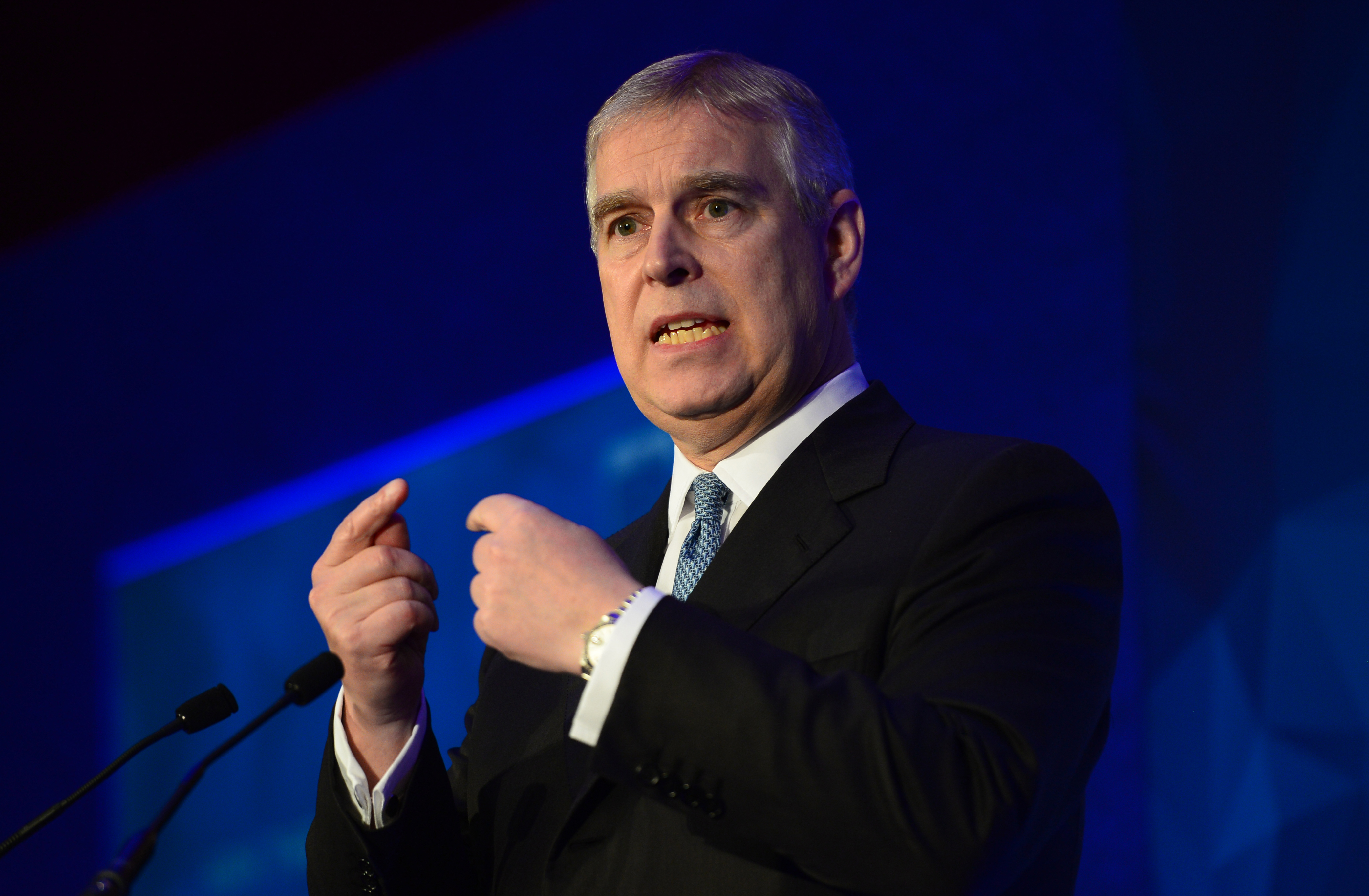
Prince Andrew has announced that after consulting with King Charles he has given up his Duke of York title.
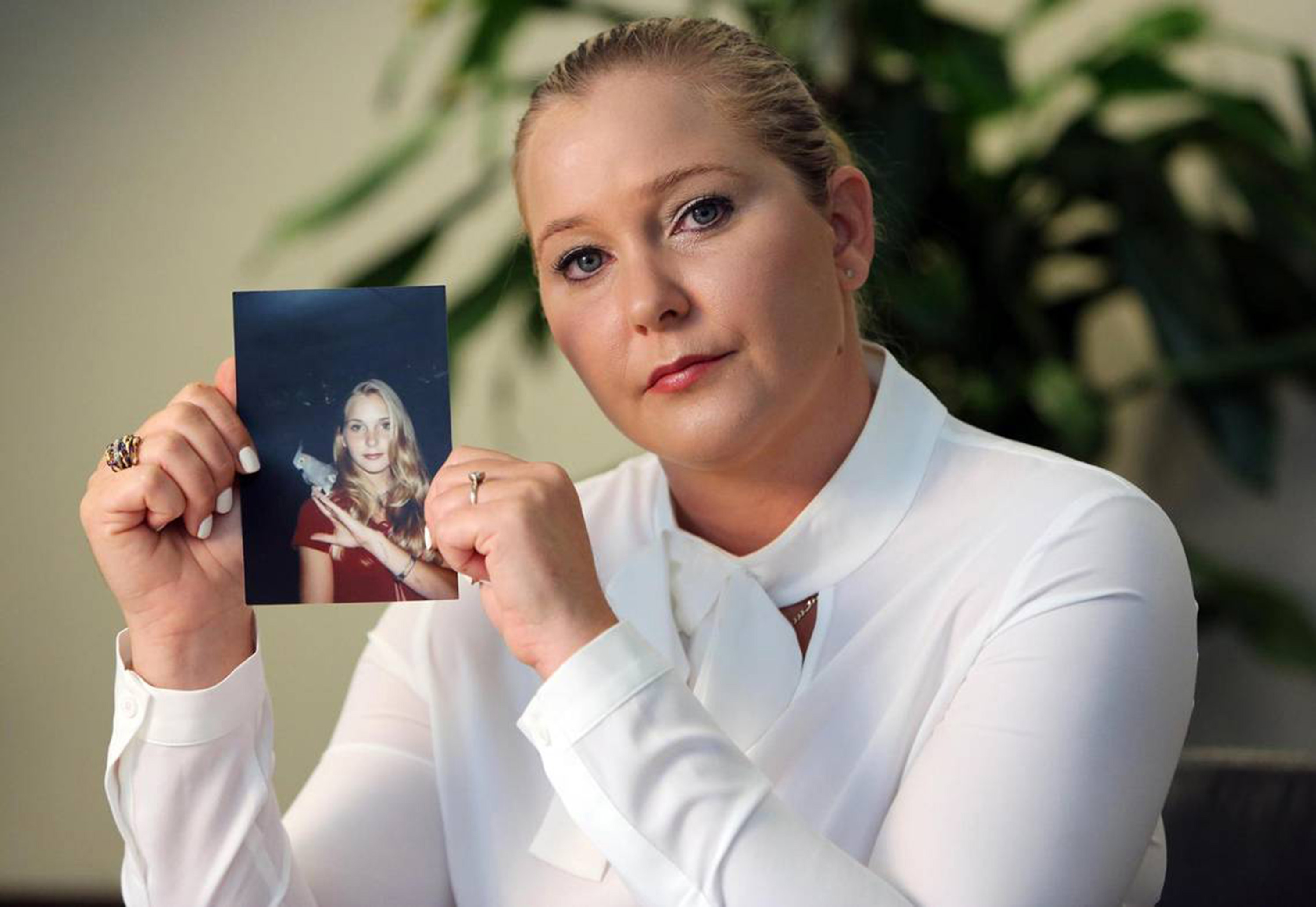
The move comes ahead of the posthumous release of Virginia Giuffre's memoir next week, which is speculated to include more accusations against the royal, all of which he denies.
"In discussion with The King, and my immediate and wider family, we have concluded the continued accusations about me distract from the work of His Majesty and the Royal Family," Andrew said in a statement released by Buckingham Palace on Friday evening (5am Saturday AEST).
READ MORE: 'Arc de Trump': Plans for Presidential arch unveiled
"I have decided, as I always have, to put my duty to my family and country first. I stand by my decision five years ago to stand back from public life.
"With His Majesty's agreement, we feel I must now go a step further. I will therefore no longer use my title or the honours which have been conferred upon me.
"As I have said previously, I vigorously deny the accusations against me."
The decision to stop using his title and honours was made in consultation with not only the King but also the Prince of Wales and members of the wider royal family.
King Charles is believed to be glad about his 65-year-old brother's decision.
Prince Andrew's other titles that have been relinquished include his knighthoods – as a Knight Grand Cross of the Royal Victorian Order (GCVO) and a knight of the Order of the Garter.
It's understood the changes will impact Andrew's ex-wife Sarah, Duchess of York, who will continue to be known in a personal and professional capacity as Sarah Ferguson.
However, it's not expected to have any impact on the couple's daughters Princess Beatrice and Princess Eugenie.
Relinquishing his dukedom won't impact Andrew's living arrangements, with the prince to remain at Royal Lodge in Windsor.
While the royal has given up all of his titles and honours voluntarily, there's one that can't be taken away from him, and that is the title of prince.
Once second in line for the British throne, Andrew was born in 1960 as a son of a monarch and as per the Letters Patent issued in 1917 by George V, was born a prince.
Prince Andrew first stepped back from his royal duties in 2019 following his car crash Newsnight interview about his relationship with convicted sex offender Jeffrey Epstein.
Giuffre was a victim of Epstein's who said she was sex-trafficked by the businessman.
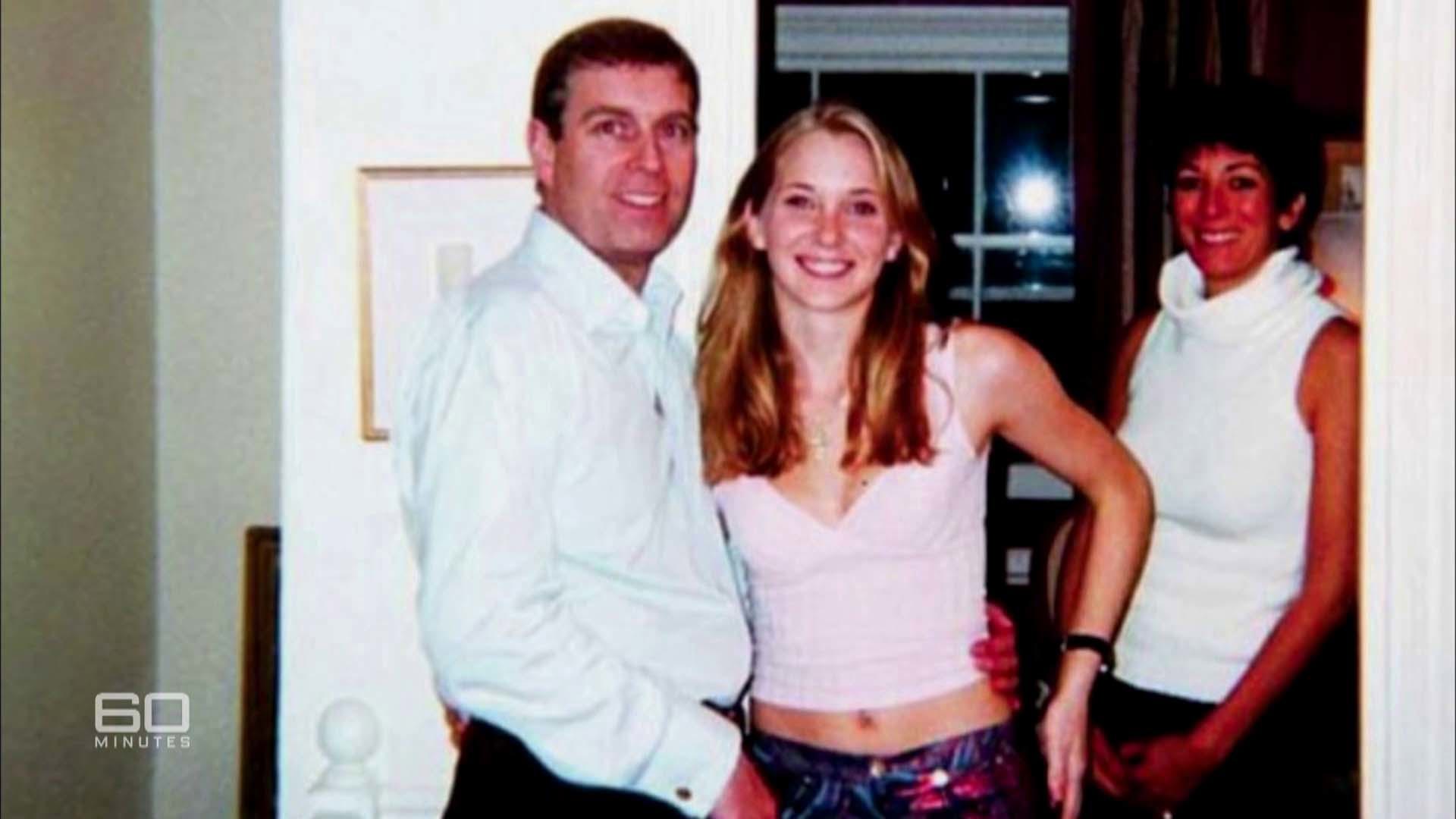
She claims in her book to have had sex with Prince Andrew on three occasions, saying the royal thought it was his "birthright". Prince Andrew has denied all allegations made by Giuffre.
After his Newsnight interview, Andrew was sued by Giuffre. Andrew has always denied Giuffre's allegations about him but settled the matter out of court in February 2022, reportedly for many millions of dollars.
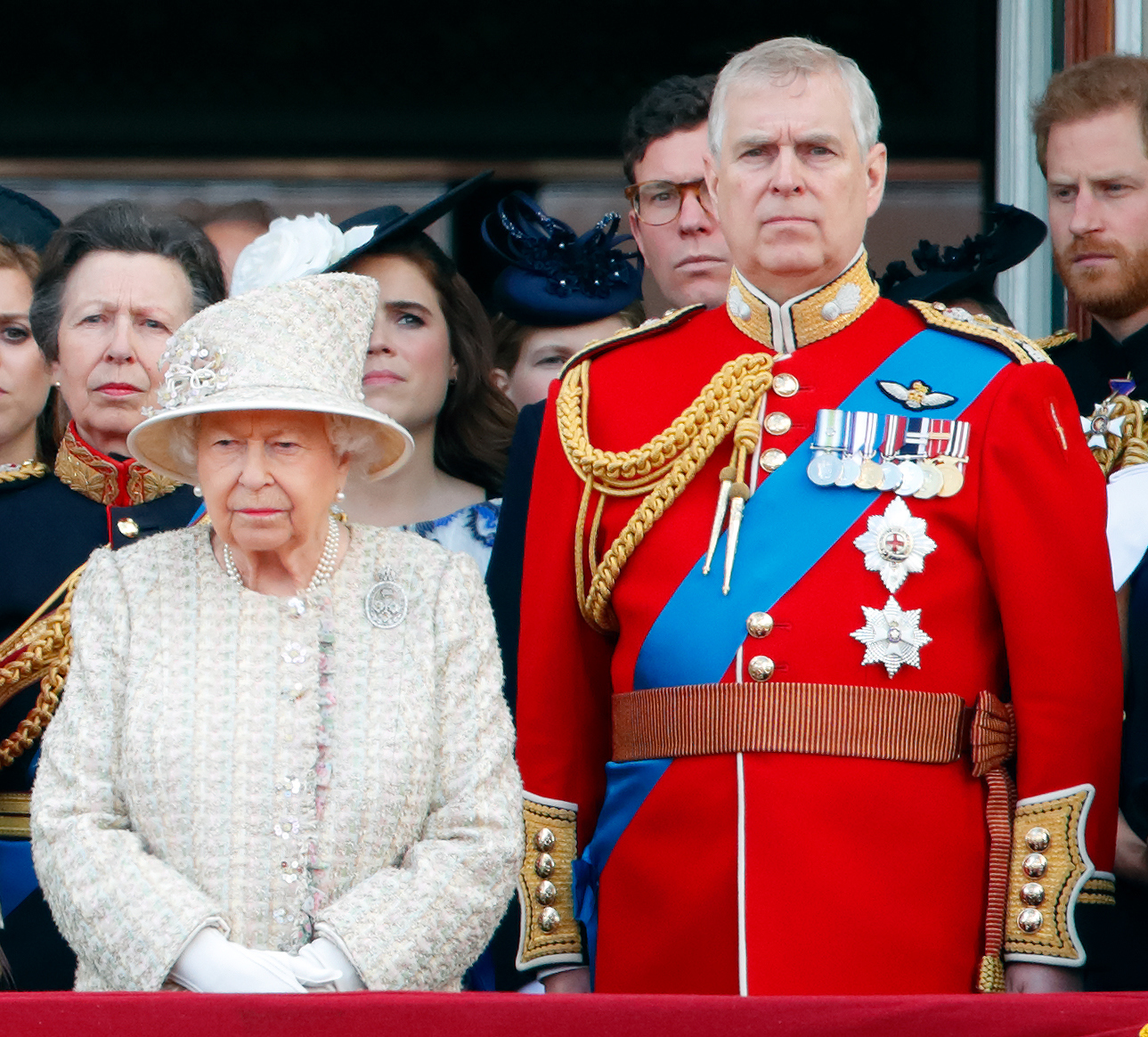
The court case resulted in Andrew being stripped of remaining military titles, charity patronages and the title of His Royal Highness. His mother, Queen Elizabeth II, was the monarch at the time.
Andrew also ceased to be a Counsellor of the State as non-working royals are not included in the group of people who can act on the monarch's behalf in case they are incapacitated.
Giuffre took her own life in April, in Western Australia, where she was living with her husband and three children.
It's understood the announcement today by Buckingham Palace was made not only to get ahead of the release of Giuffre's memoir but also to avoid distracting from King Charles and Queen Camilla's historic visit to The Vatican next week.
Excerpts of Giuffre's Nobody's Girl: A Memoir Of Surviving Abuse And Fighting For Justice have been serialised in newspapers this week ahead of the book's full release and already brought the spotlight back on Prince Andrew's friendship with Epstein.
Support is available from the National Sexual Assault, Domestic and Family Violence Counselling Service at 1800RESPECT (1800 737 732).
DOWNLOAD THE 9NEWS APP: Stay across all the latest in breaking news, sport, politics and the weather via our news app and get notifications sent straight to your smartphone. Available on the Apple App Store and Google Play.