Her reaction to the iconic doll was priceless.
Tag Archives: oceania
Prosecutors to appeal mushroom killer Erin Patterson’s sentence
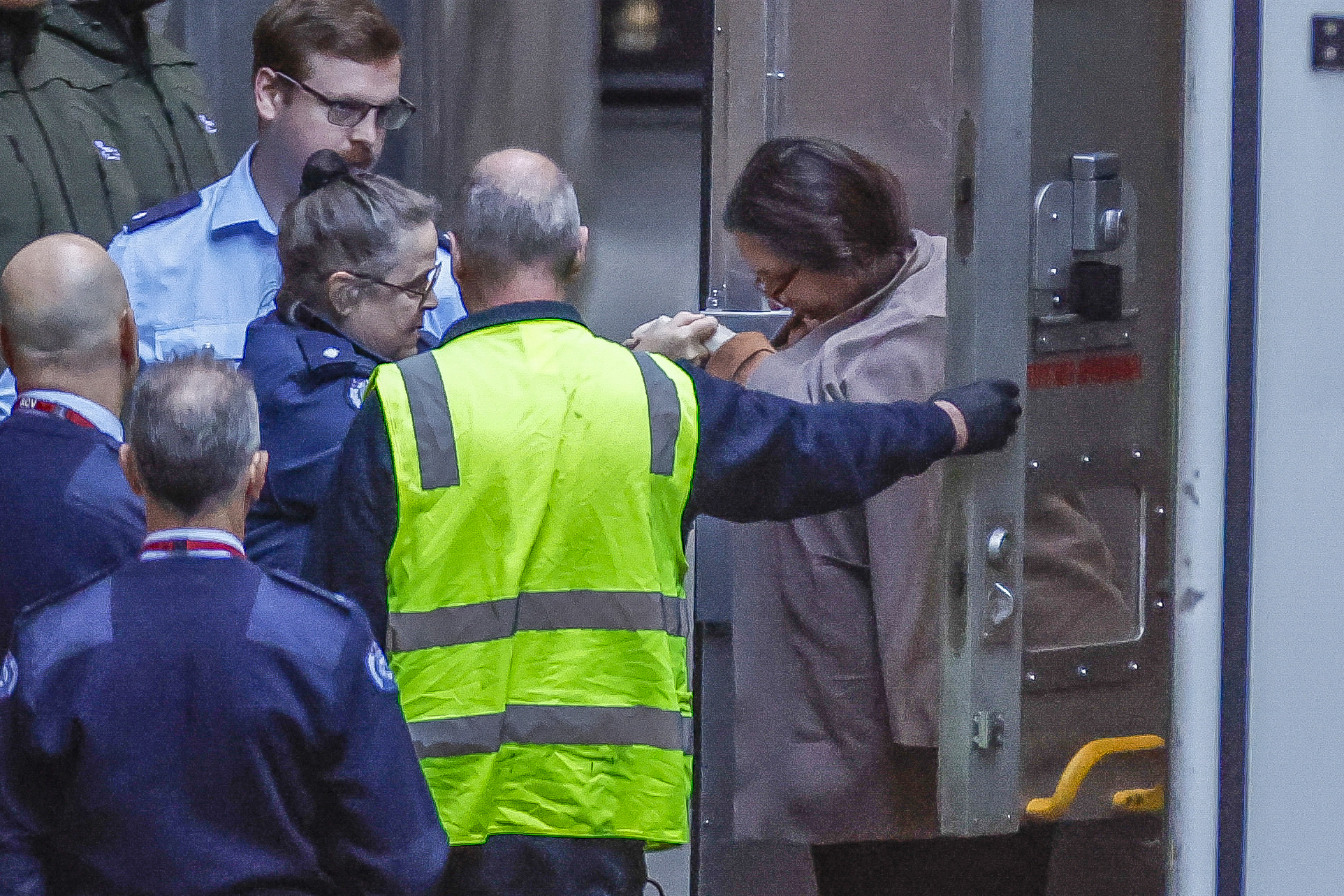
Victoria's Director of Public Prosecutions will appeal mushroom killer Erin Patterson's sentence on the grounds it is "manifestly inadequate".
The Office Of Public Prosecutions Victoria today revealed it had filed an appeal against Patterson's sentence handed down last month.
Patterson was handed three life sentences for the murders of Heather Wilkinson, Don Patterson and Gail Patterson, and 25 years for the attempted murder of Ian Wilkinson, with a 33-year non-parole period.
READ MORE: Australia finally inks landmark alliance with closest neighbour
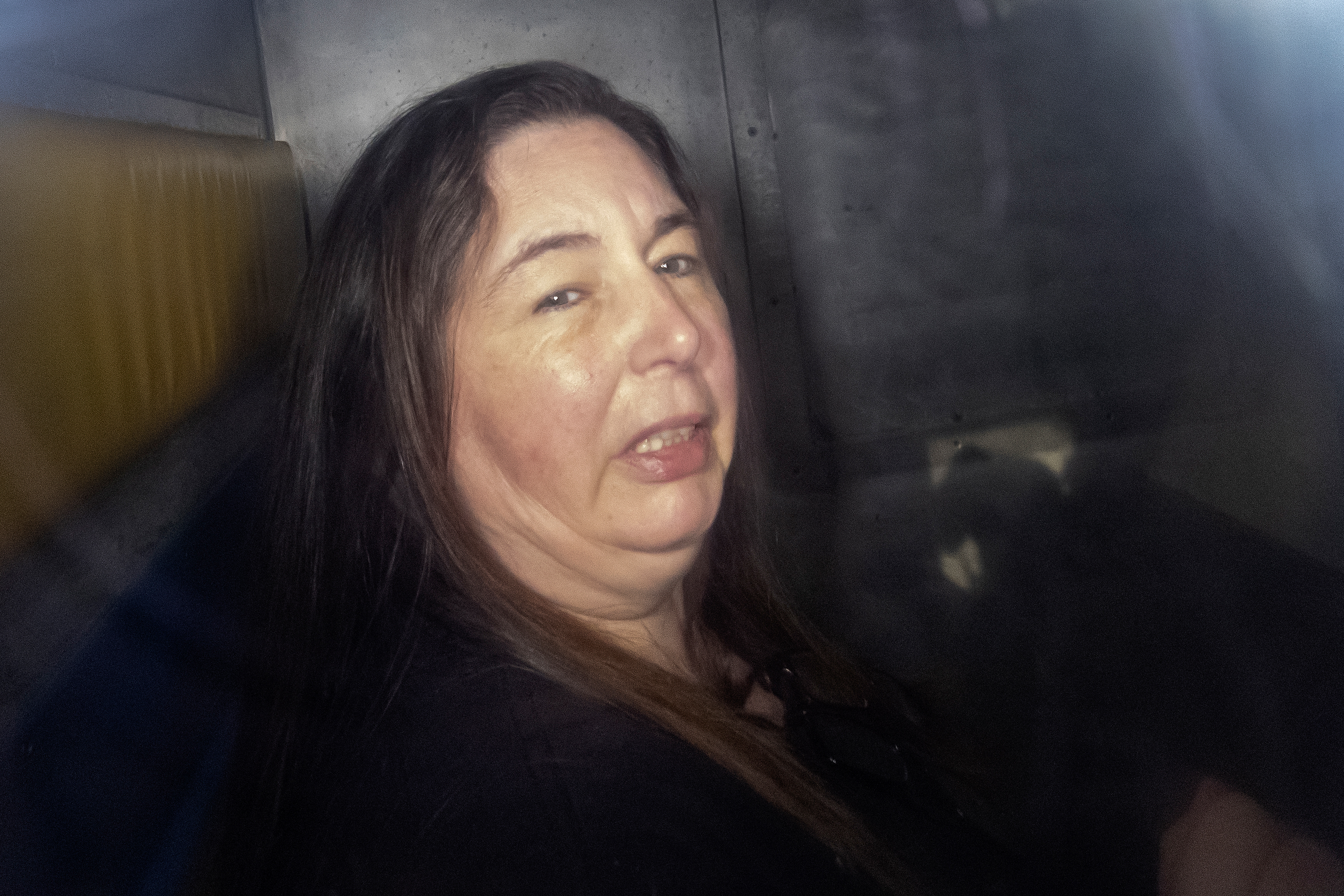
"We confirm that a DPP appeal has been filed on the basis that the sentence handed down to Erin Patterson is manifestly inadequate," a spokesperson said.
Patterson is also expected to appeal her convictions.
The 51-year-old's appeal period was due to expire at 11.59pm today, but during the hearing last Thursday, Justice Christopher Beale cited a new court practice note directing applications for appeal extensions of 28 days or fewer to be granted automatically.
Patterson's defence had not given any indication of an intention to appeal during her sentencing last month.
To appeal her sentence or convictions, Patterson's defence team need to provide specific grounds for the appeal, such as errors of law, an unreasonable verdict, or a miscarriage of justice.
READ MORE: Latham's ex faces court over revenge porn allegations
READ MORE: Father with no criminal links to be charged over Sydney shooting
If the appeal grounds are valid, Patterson's case would be heard by judges in the Court of Appeal.
These judges have the ability to overturn sentences or convictions if they find grounds to.
If an appeal against a sentence is allowed, the Court of Appeal could reduce or increase the sentence.
If the Court of Appeal decides there was no legal error, the appeal will be dismissed and the original sentence will stand.
A breakdown of Patterson's prison sentence
Patterson was last month sentenced to life in prison with a non-parole period of 33 years, meaning she will remain behind bars for at least that long.
Assuming it is not successfully appealed, Patterson's sentence, which includes the 676 days she served in pre-sentence detention, would see her eligible for release on parole in 2056 at the age of 81.
Beale sentenced Patterson to four separate sentences, all to be served concurrently:
- For the attempted murder of Ian Wilkinson, Patterson was sentenced to 25 years in prison.
- For the murder of Heather Wilkinson, she was sentenced to life in prison.
- For the murder of Don Patterson, life in prison.
- For the murder of Gail Patterson, life in prison.
DOWNLOAD THE 9NEWS APP: Stay across all the latest in breaking news, sport, politics and the weather via our news app and get notifications sent straight to your smartphone. Available on the Apple App Store and Google Play.
Homelessness in Auckland CBD: Commuters think city unsafe after survey shows businesses agree
CBD business association finds shopkeepers blame neglect, disorder for lack of customers.
Alleged shooter who ‘indiscriminately’ opened fire at passersby identified as Sydney dad
The father who allegedly randomly fired up to 50 shots from his unit window in Sydney's inner west, injuring 16 people, has been identified as 60-year-old Artemios Mintzas.
Residents were locked down as a major police operation responded to a gunman firing up to 50 shots from a 30-calibre rifle on Georges River Road, near the intersection of Brighton Avenue, in Croydon Park about 7.45pm yesterday.
Acting Superintendent Stephen Parry alleged Mintzas was firing shots "indiscriminately" at passing cars from the window of his unit above a business, injuring more than a dozen people and hitting several cars.
READ MORE: Masked attackers set UK mosque on fire with people inside
There are a number of restaurants, small businesses, a church, and a vet nearby.
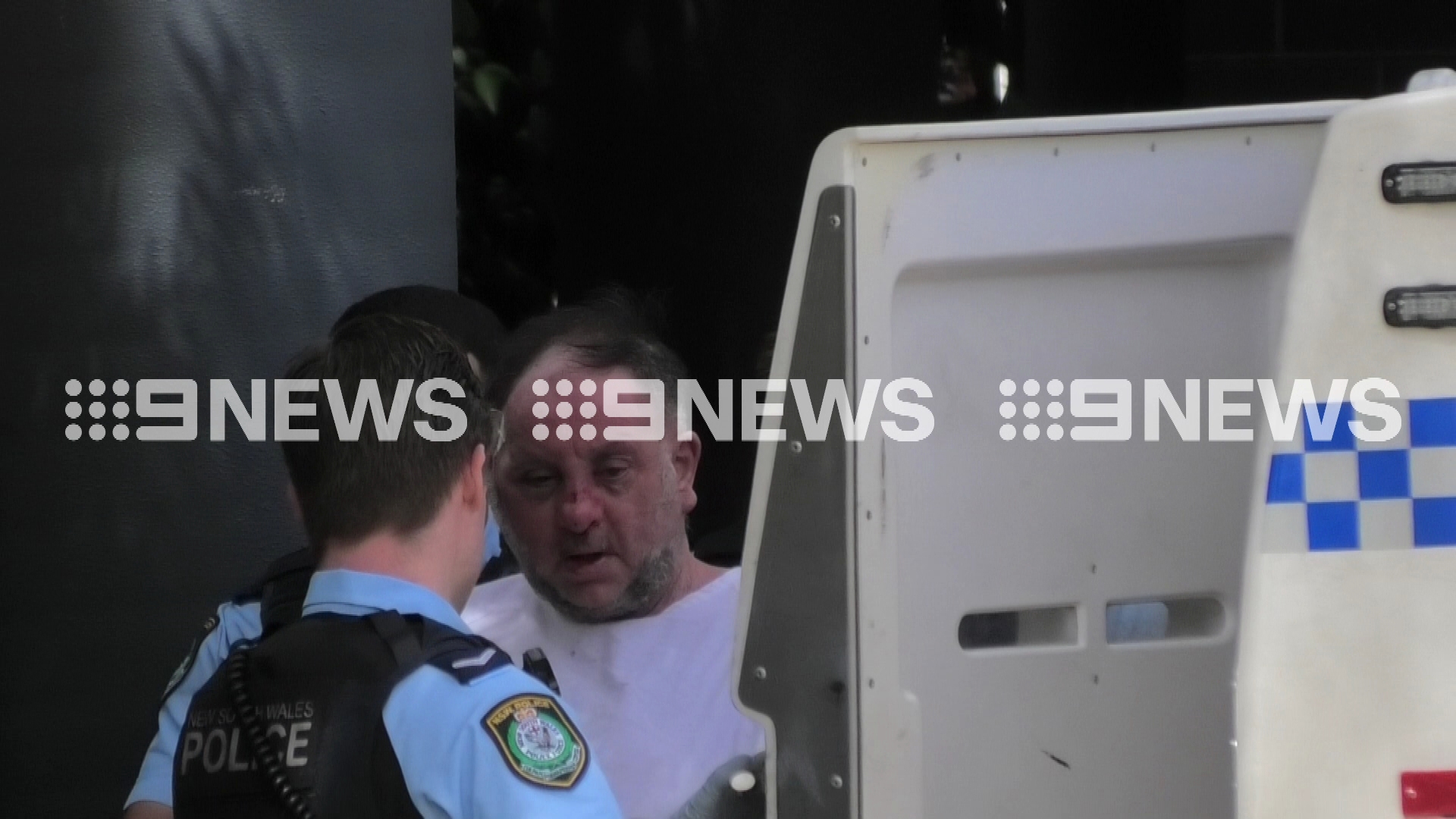
Mintzas allegedly exchanged fire with specialist and tactical police before they narrowed in, arresting him about 9.30pm and seizing a gun.
"Our tactical operations group are highly trained, very skilled at what they do, and they executed the plan extremely well," Parry told reporters this afternoon.
Mintzas was also taken to hospital with minor injuries after glass smashed and shattered around his eye, and has since been released.
He is currently at Burwood Police Station and is expected to be charged with firearm offences later this afternoon.
READ MORE: Dog euthanised after allegedly being attacked by group outside shopping centre
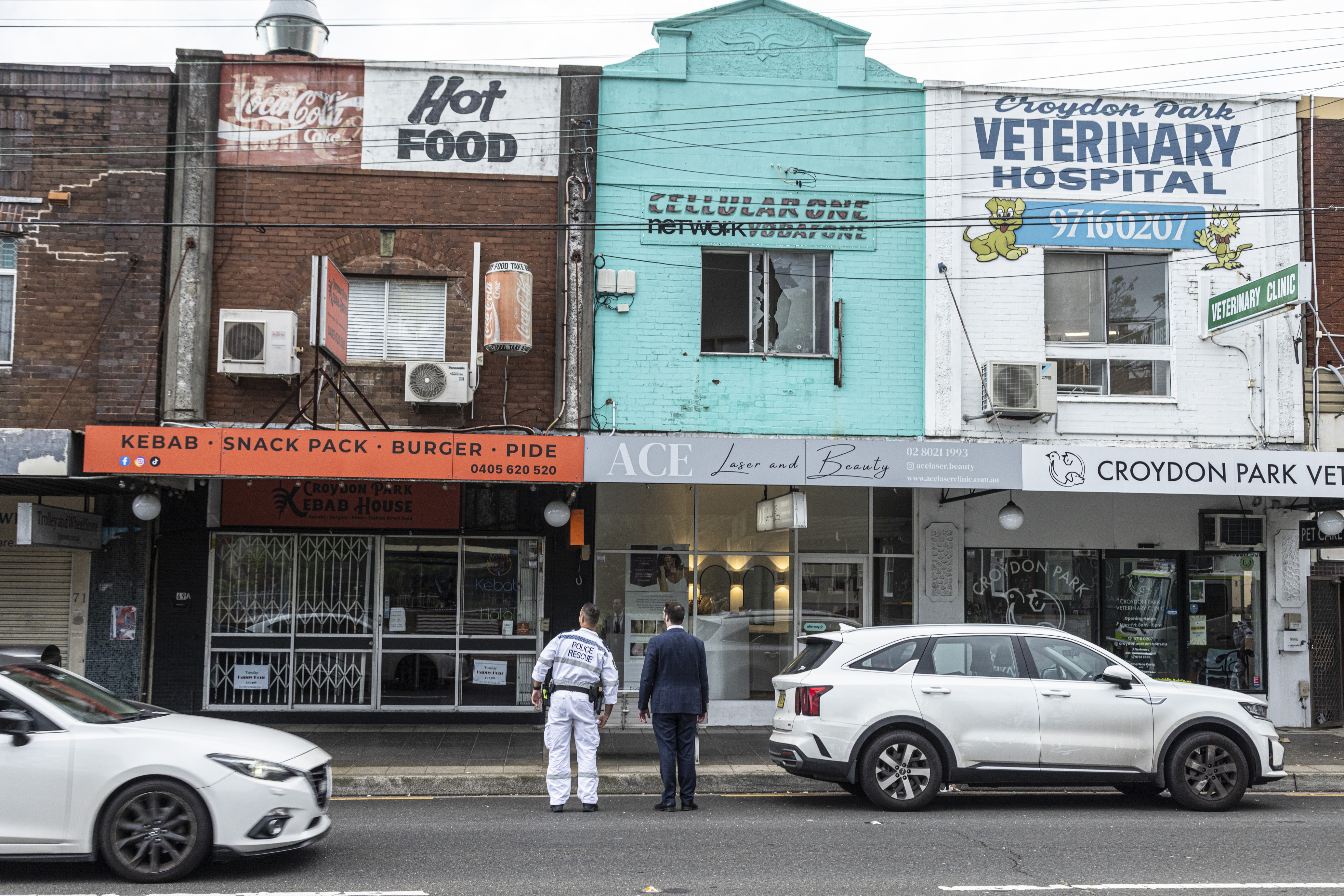
Croydon Park remains an active crime scene today as police scour the site looking for more evidence.
"We have found a number of items at the scene which will lead us to a number of lines in inquiry," Parry said.
Investigations remain ongoing.
The public has been assured that there is no ongoing risk to their safety.
Who is the accused shooter?
Mintzas is a customer service worker for Sydney Trains.
His employment status is now under review pending the outcome of the investigation.
Parry said Mintzas is a father with very little history with police.
He said he does not have a firearms license and does not have any links to terror, organised crime or mental health issues.
"He's a 60-year-old male who does have a couple of children and has very few recorded interactions with the police over the last 20 years," he said.
Mintzas' family has been notified.
Detectives are currently questioning Mintzas to determine his motives and how he allegedly obtained the gun.
Parry said he is speaking "freely" with officers.
"My 35 years in the police, there's been very few instances of this nature where somebody is randomly targeting people in the street driving past in vehicles," he said.
READ MORE: Thieves swipe Pokémon cards worth over $20,000 from vending machine


At least 16 people injured
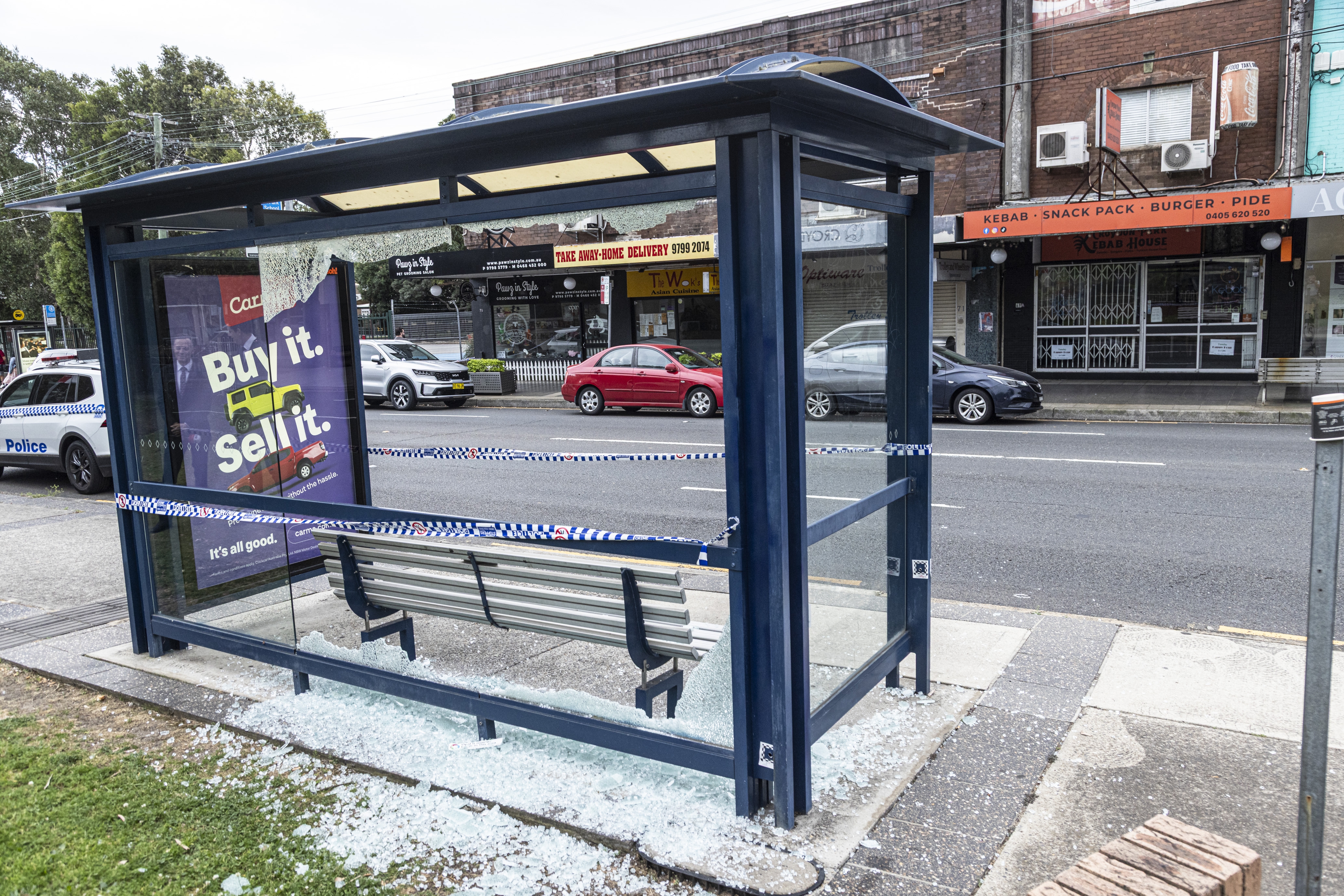
A total of 13 cars, including two police vehicles, and a nearby bus shelter were shot at with bullets shattering through the glass.
At least 16 people suffered minor injuries.
Three people were taken to hospital, including a man who was shot in the neck while he was in the backseat of a car with his family.
His family drove him to hospital, and he has since undergone surgery.
"My understanding is that the injuries are not life-threatening and he is expected to survive thankfully," Parry said.
Two other people who were hospitalised have since been released.
No police officers were injured.
Parry said that it was "incredible" that no one was killed and, if not for the response by police, the situation could have been "a whole lot worse".
READ MORE: 'Laying down the law': Telco bosses summoned after major triple zero outages
'Bang, bang, bang': Residents and police duck for cover
Local police who were first on the scene were forced to duck for cover and call in specialist and tactical police as shots rang out on Georges River Road.
Parry said last night's operation was "highly dangerous" as police put themselves at serious risk of death or injury.
"One shot was fired through the window of one of the police cars," he said.
"If the police vehicle was occupied at the time, that police officer would have sustained fatal injuries."
Police Commissioner Mal Lanyon told 2GB earlier this morning that body-worn footage showed police officers forced to take cover as they tried to help members of the public.
One of those officers had only graduated from the academy five weeks ago, he said.
READ MORE: Miss this looming deadline and face up to $1650 in fines
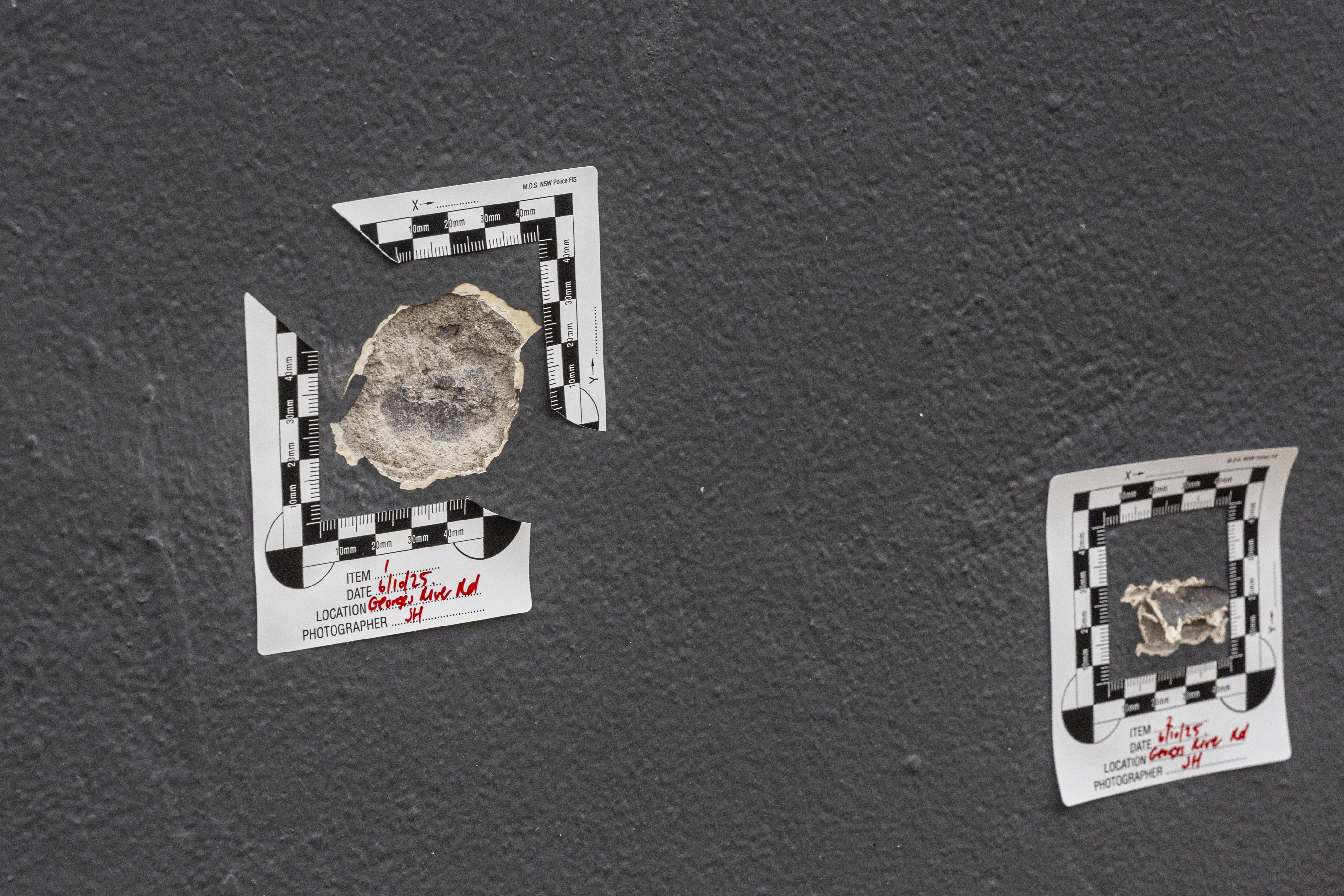
A taxi driver who came under fire spoke to Today, saying he'd been driving when he heard a "bang, bang, bang".
"And then I looked next to me, and I saw a couple of holes through the window. How he missed me, I don't know, I'm just shocked," he said.
"It feels like it's a movie, you know what I mean? Like, I was just going home to watch the grand final, you know?"
Michele told 9News she was close to being shot.
"I came around here and then boom. I see the bullets had hit here, and the cement had actually sprayed out," she said.
READ MORE: Australia finally inks landmark alliance with closest neighbour
Premier says 'no place for this sort of violence' in NSW
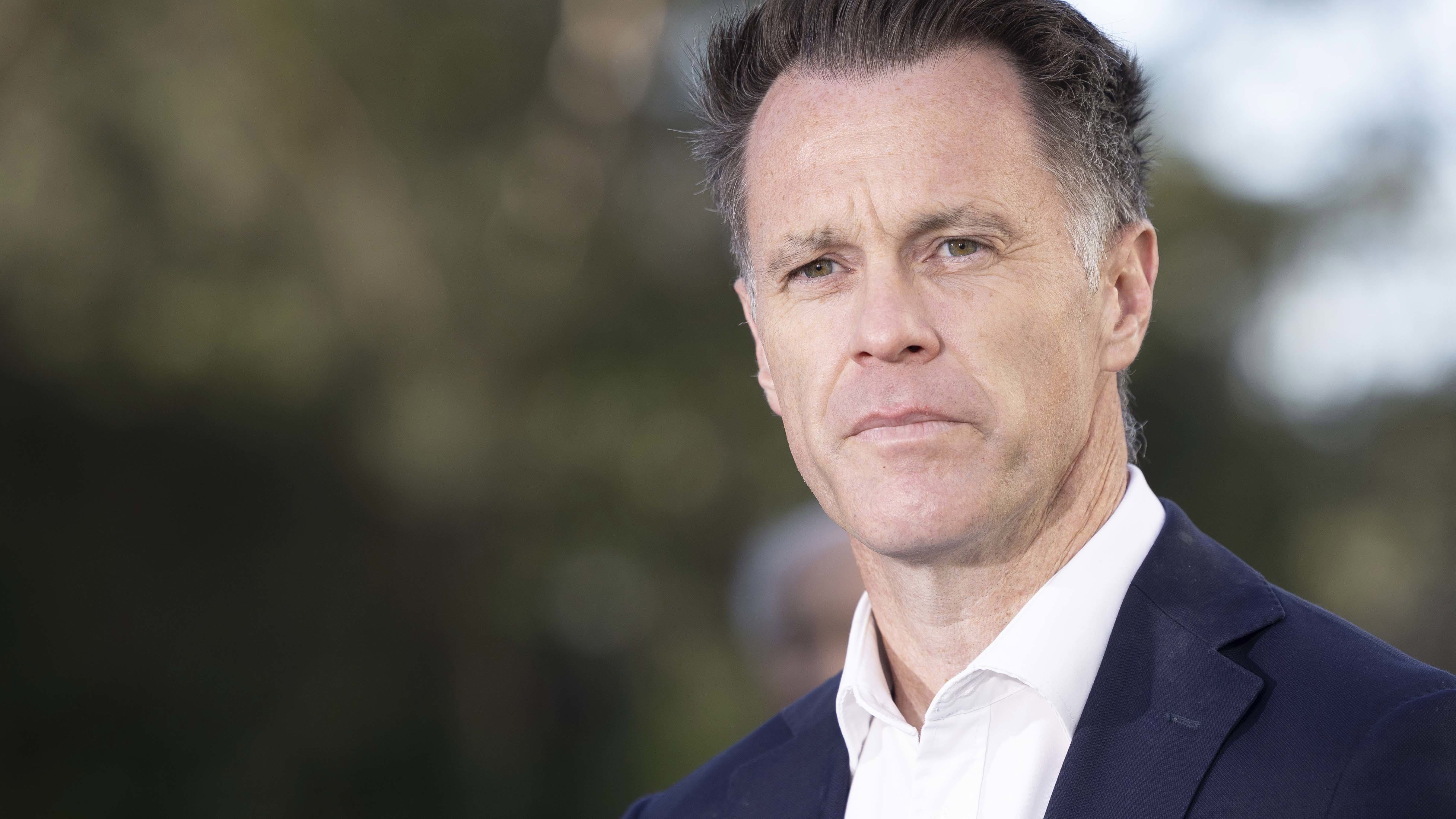
Premier Chris Minns condemned last night's shooting, saying it has no place in NSW.
"There is no place for this sort of violence in our state," he said in a statement.
"A man has now been arrested on and remains under police guard in hospital, and I have full confidence in the NSW Police as they continue their investigation."
Minns praised the "incredible bravery" of police in what he described as a "confronting and dangerous" situation.
"I saw firsthand the composure, professionalism and courage of the officers who responded to this life-threatening incident," he said.
"Their actions under pressure reflect the very best of the NSW Police Force who put themselves in harm's way every single day to keep us all safe."
DOWNLOAD THE 9NEWS APP: Stay across all the latest in breaking news, sport, politics and the weather via our news app and get notifications sent straight to your smartphone. Available on the Apple App Store and Google Play.
Council declares water safe for swimming after fish kill
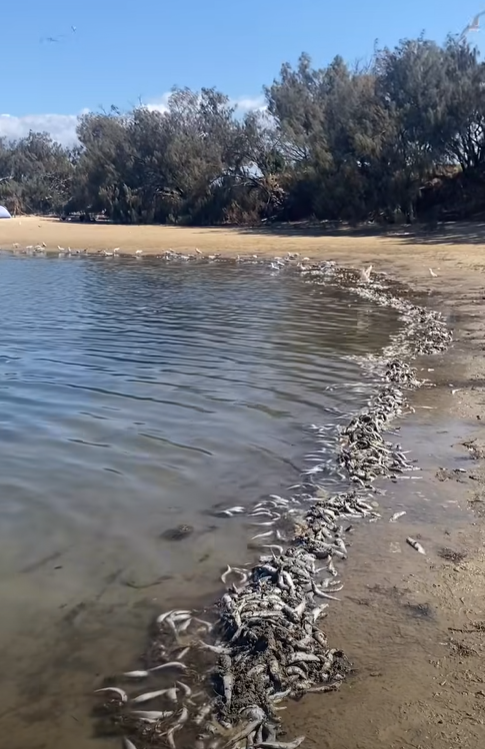
Thousands of dead fish that washed up on a Gold Coast beach last week are yet to be removed, but council has confirmed the water remains safe for swimming.
Images of scores of baitfish on the shore were posted to Facebook on Saturday by the Save Our Southern Gold Coast community group.
Department of Environment officers were tasked to inspect the area on Wednesday and found dead baitfish but "no obvious source of pollution".
READ MORE: Father with no criminal links to be charged over Sydney shooting
"On-site water quality monitoring indicated high water temperature and low dissolved oxygen in the area, which can cause fish deaths," a spokesperson said in a statement.
In a video posted to Facebook, Kath Down from Save Our Southern Gold Coast expressed her concern that the fish could be a biohazard.
The City of Gold Coast Council has conducted water quality testing and confirmed the water is safe for swimming.
The Gold Coast Waterways Authority is responsible for the clean-up.
DOWNLOAD THE 9NEWS APP: Stay across all the latest in breaking news, sport, politics and the weather via our news app and get notifications sent straight to your smartphone. Available on the Apple App Store and Google Play.
Australian women’s footwear retailer to shut down after 25 years
Australian affordable shoe retailer Famous Footwear has announced it will shut up shop permanently in the coming months.
The women's footwear brand, which has been operating for 25 years, confirmed to customers it will cease online orders by December 31.
It will then close its physical stores in NSW, Queensland and Victoria by early 2026.
READ MORE: Australia finally inks landmark alliance with closest neighbour
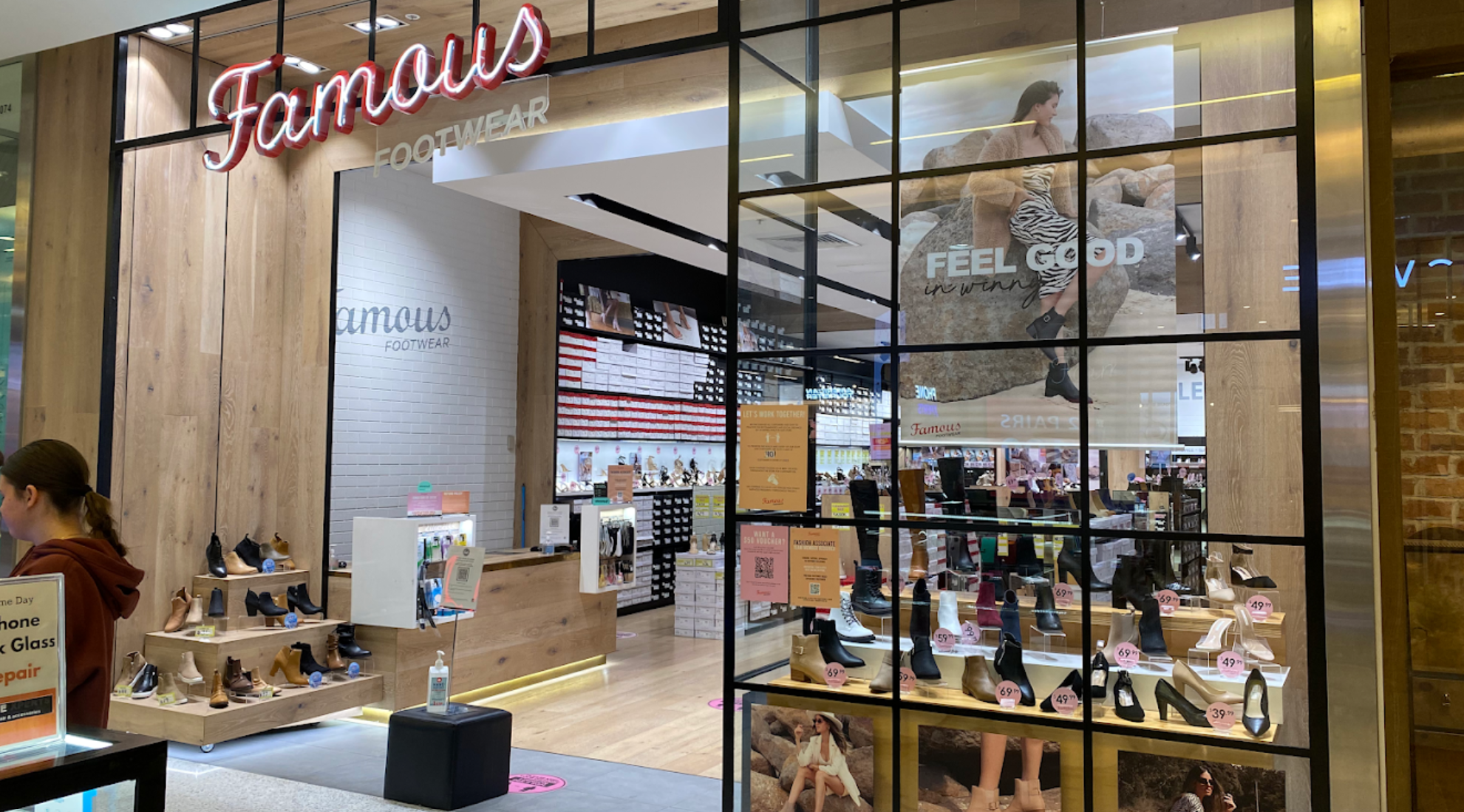
According to the brand's LinkedIn page, Famous Footwear employs over 200 people.
"It's with sadness we announce the end of our journey," the company said in a post on social media.
"Famous Footwear will be closing permanently, with our online store open until 31st December 2025.
"We've loved helping you find your famous fit for more than 25 years. We're truly grateful for the loyalty and support from our community over the years."
The brand said customers can still place orders until midnight on New Year's Eve this year.
READ MORE: Father with no criminal links to be charged over Sydney shooting

READ MORE: Latham's ex faces court over revenge porn allegations
The remaining brick-and-mortar stores will be closed by early 2026.
Famous Footwear has 17 stores across Australia and is owned by parent company Asco International, which is based in Molendinar, Queensland.
The stores stock brands including Pied a Terre, Naughty Monkey, London Rebel and Venice Beach Shoes.
No reason was given for Famous Footwear's closure.
It comes after fellow Australian shoe brand Wittner collapsed into administration in April.
DOWNLOAD THE 9NEWS APP: Stay across all the latest in breaking news, sport, politics and the weather via our news app and get notifications sent straight to your smartphone. Available on the Apple App Store and Google Play.
Hamilton woman with cerebral palsy lives in campervan with three dogs
Rebecca Smith has lived in a campervan with her cousin and three dogs since March.
Whakaari-White Island inquest: Heartbreaking moment of volcanic eruption shared in court
Today is the second day of the first phase of the inquest.
Heavy rain, strong wind and road snow warnings as front sweeps across country
Wind gusts of up to 120km/h are expected to batter the Canterbury High Country.
‘Laying down the law’: Telco bosses summoned after major triple zero outages
Communications Minister Anika Wells is set for face-to-face meetings with the heads of the three big Aussie telcos after major triple zero outages in the last month.
Optus suffered a serious outage in their emergency network system across four states, which led to the deaths of three people, whilst Telstra also suffered smaller outages.
On Sunday, Wells asked the CEO of Optus Stephen Rue, Telstra CEO Vicki Brady and TPG Telecom – the owner of Vodafone – CEO Inaki Berroeta for a meeting when parliament convenes tomorrow in Canberra for assurances the crucial emergency system will not let down Australians ahead of the bushfire and cyclone seasons.
READ MORE: Alleged gunman 'fired indiscriminately' in Sydney shooting spree
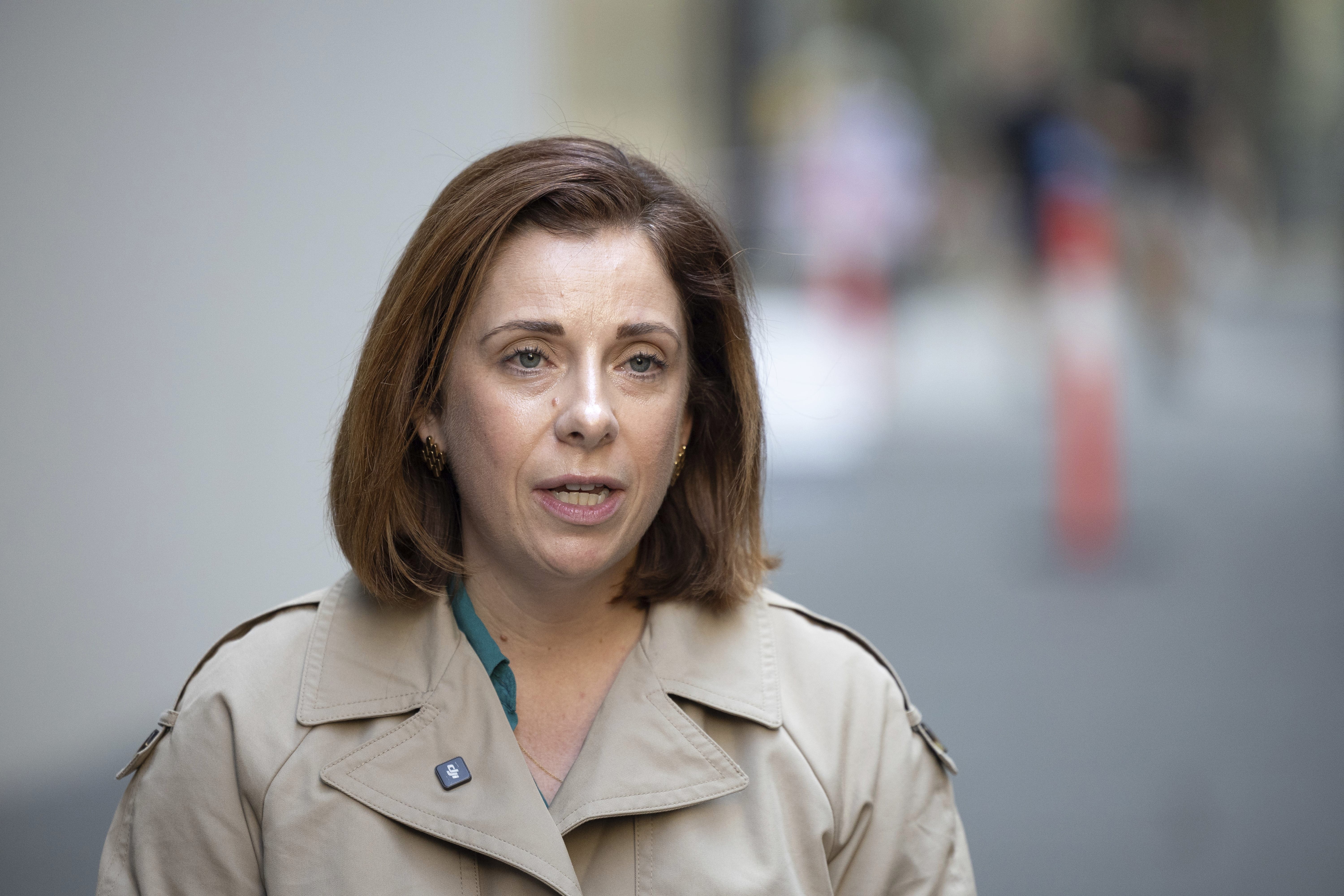
Wells said she was seeking accountability from the providers and to ensure their responsibilities and expectations are clear.
"Literally, I will be laying down the law", Wells said in an interview with ABC.
"Australians must be able to rely on our triple zero system, and Telcos must do better to give confidence back to Australians after the catastrophic failure on the part of Optus several weeks ago.
"It is a good time for everybody to get together and make sure our expectations are clear and to prepare for natural disaster season ahead."
Wells has already met with Optus executives last week to discuss the network's catastrophic triple zero outage.
The Australian Financial Review said letters to each of the company chiefs asserted the telcos needed to do more to prevent significant outages and failures.
READ MORE: 'Breathtaking abuse of the law': Trump sends troops in
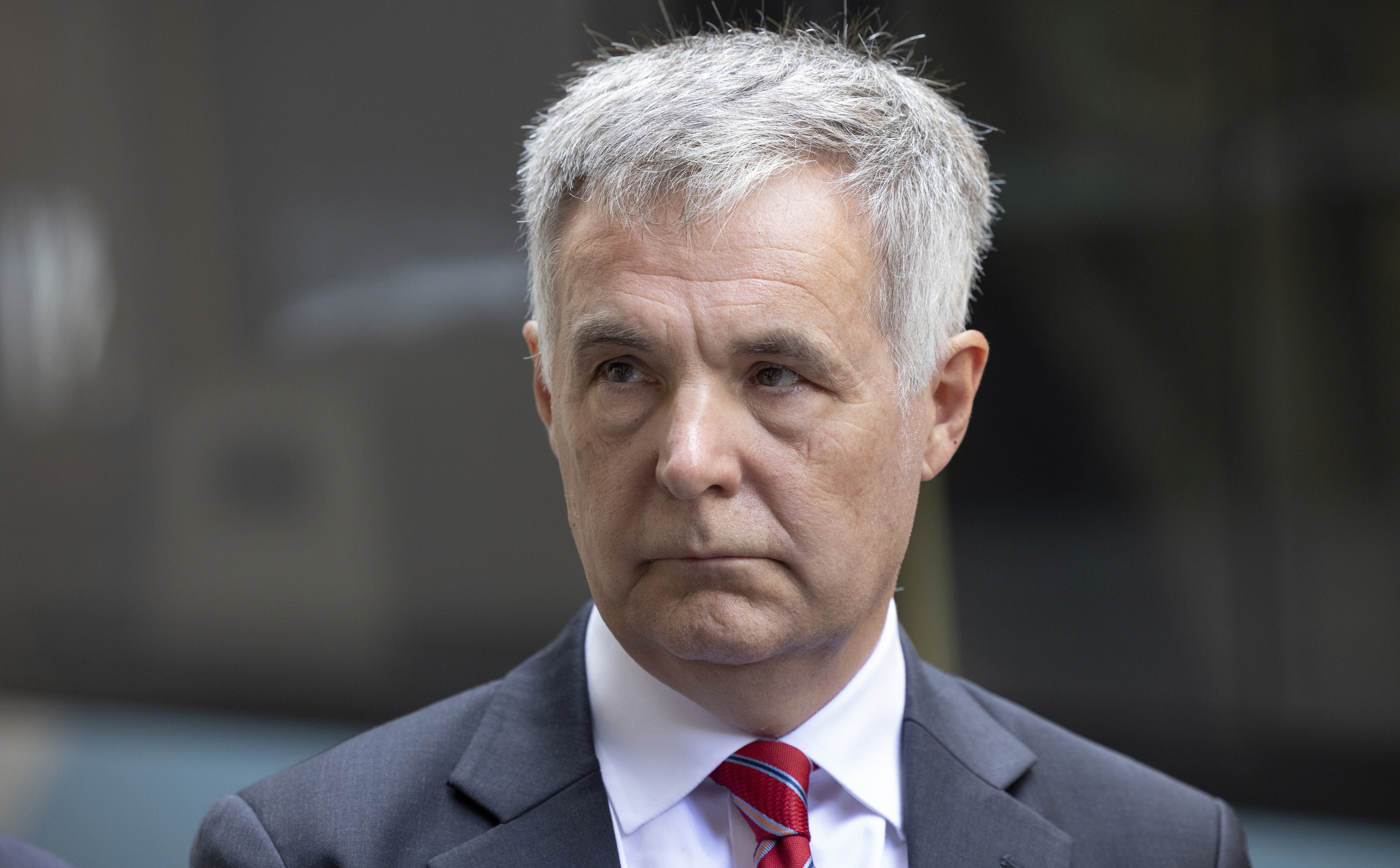
"On November 1, new rules mean carriers must share real-time network information detailing outages with relevant emergency services organisations and other appropriate entities including the Australian Communications and Media Authority," Wells wrote.
Wells, who only assumed her position as Communications Minister after the recent Federal election, insisted faster implementation of previous recommendations was not a significant factor in the critical outage, claiming the blame has to lie at the door of Optus.
"This is a catastrophic failure on the part of Optus," she said.
"They have spoken themselves to some of the things they have identified about what went wrong in their organisation a couple of weeks ago and it is my job to hold them to account to make sure they face serious consequences on the part of Australian taxpayers."
Wells is also set to announce a new triple zero watchdog in parliament this week, which will increase government oversight of the emergency system around the country.
The Australian Financial Review said letters to each of the company chiefs outlined the powers this new custodian would have.
"On November 1, new rules mean carriers must share real-time network information detailing outages with relevant emergency services organisations and other appropriate entities including the Australian Communications and Media Authority," Wells wrote.
Shadow Communications Minister Melissa McIntosh has criticised Wells for not making the meeting a public one, claiming it is in the public's interest given the serious nature of the recent triple zero outages.
"The contents of tomorrow's meetings should be made available to the public," she said. "It is up to the Minister to explain to Australians what she is doing to make sure confidence is restored in our triple zero network."
"At the very least, the Minister should front the Australian public afterwards and explain what actions she is making the telcos take to ensure the community has a fully functioning triple zero system."
Wells' office has been contacted for comment.
DOWNLOAD THE 9NEWS APP: Stay across all the latest in breaking news, sport, politics and the weather via our news app and get notifications sent straight to your smartphone. Available on the Apple App Store and Google Play.