More than half of businesses say weak demand is among their biggest concerns.
Tag Archives: oceania
Telstra says no triple-zero calls failed to connect during 12-hour outage
Telstra says it is unaware of any failed triple-zero calls during an outage in Western Australia's South West region earlier today.
Telstra confirmed a power outage at a mobile site at Abbey Beach Resort impacted services in Broadwater, a coastal suburb about 230km south of Perth, since it was first reported at 12am (2am AEST).
Power was restored shortly after, but the site took some time to fully recover, leaving customers with call issues.
READ MORE: Thousands hit with another Optus outage on weekend
WA Police alerted the public about 8.45am (10.45am AEST) that the issue was also affecting emergency calls from Telstra services.
Affected customers were advised to make arrangements with neighbours or loved ones to have access to a working phone in the event of an emergency.
"If you have a vulnerable family member, friend, neighbour or co-worker, you may consider offering them support until the outage has been resolved," WA Police said.
Telstra said customers in the area should have been able to reach triple-zero through other providers.
"Telstra mobile customers in the area should still be able to reach Triple Zero through coverage from other providers, as well as via landlines," a spokesperson said.
The issue was resolved at 11.30am, almost 12 hours later.
Telstra said it was unaware of any failed attempts to reach triple-zero during the outage.
"We're sorry for any concern this created," a spokesperson said.
READ MORE: Police to search dams for four-year-old boy missing from remote homestead

Telstra is the nominated telco for emergency services, whose operators answer triple-zero calls and transfer them to the required organisation.
It comes after Communications Minister Anika Wells admitted Australia's confidence in the triple-zero network must have "no doubt been shaken" after an Optus outage affected more than 600 calls to triple zero and was linked to three deaths, including one in Western Australia, on September 18.
Today, Optus announced about 4500 people were affected by yet another outage that affected calls, including nine to triple zero, yesterday.
DOWNLOAD THE 9NEWS APP: Stay across all the latest in breaking news, sport, politics and the weather via our news app and get notifications sent straight to your smartphone. Available on the Apple App Store and Google Play.
Measles: Northland case hospitalised, at least 50 people get vaccine in one day
Only about 60% of Northlanders are vaccinated, well below the 95% target.
Escaped bull rams Napier home with mum and kids inside, inspires children’s book
A freaky ordeal involving a bull smashing into a Puketapu home has inspired a kids’ book.
Severe weather warning for Victoria as winds of over 100km/h, rain expected
Winds of over 100km/h could impact parts of Victoria, whilst Tasmania may be hit by up to 80mm of rain in the next few days.
A severe weather warning has been issued by the Bureau of Meteorology (BoM) for the Victorian ranges and northern Gippsland, as well as north-east parts of the state.
The most damaging winds will be seen early tomorrow morning and will last into the afternoon.
READ MORE: Optus triple zero outage 'unacceptable', premier says
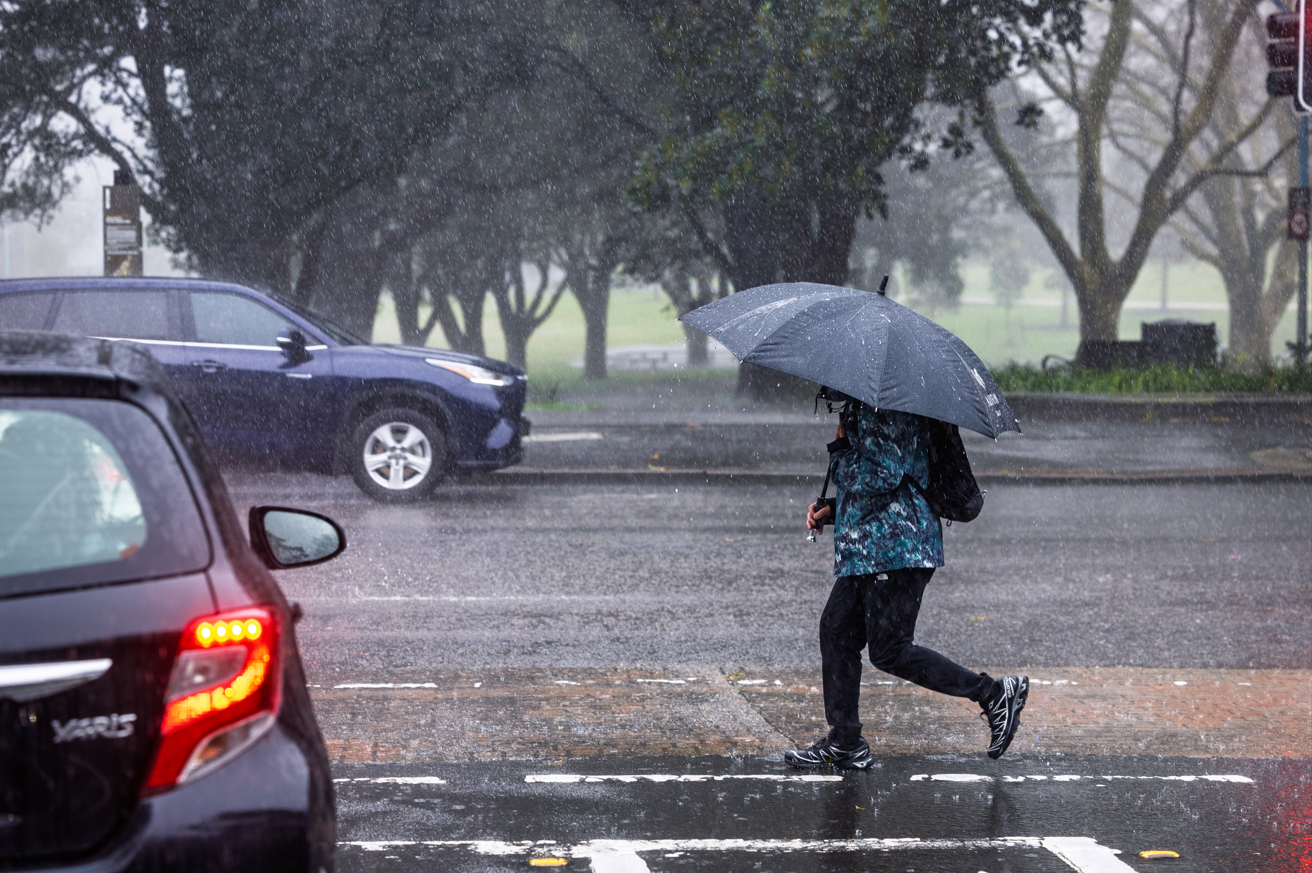
"We could see wind gusts up to about 10km/h, which could bring down some trees, maybe cause a bit of damage to property, make it difficult to drive over those higher Alpine passes, and potentially could cause a bit of disruption to the power network," BoM senior meteorologist Angus Hines said.
Parts of Victoria, South Australia and Tasmania will also be hit by rain as a cold front moves eastward over the next couple of days.
The heaviest rain will be seen in Tasmania, where between 50-80mm of rain could dall in the next few days.
READ MORE: Federal government's first home buyer scheme to start on Wednesday
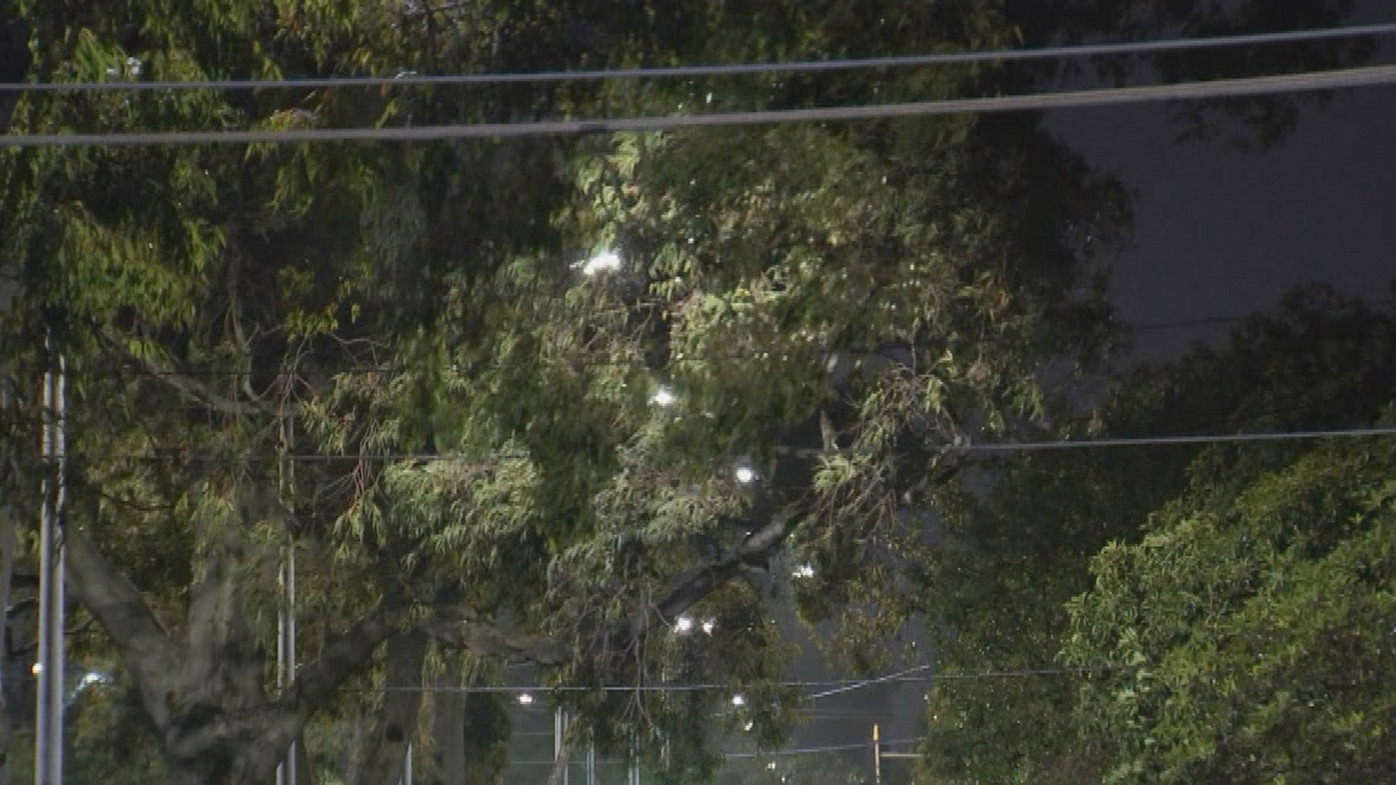
Given that area has already experienced a lot of rainfall recently, it brings higher risk of floods, especially in the northern part of the state.
Victoria and South Australia will not see as much rain, with both set to have less than 50mm of rain during this cold front.
Melbourne will see winds of up to 40km/h tomorrow, easing as the day goes on, and could see up to five mm of rain with the chance of a thunderstorm.
Temperatures in the city will reach a high of 21 degrees tomorrow, but will drop to around 16 degrees by Thursday.
DOWNLOAD THE 9NEWS APP: Stay across all the latest in breaking news, sport, politics and the weather via our news app and get notifications sent straight to your smartphone. Available on the Apple App Store and Google Play.
Labour commits to ‘very quickly’ recognising Palestine state if party wins election
Foreign Minister Winston Peters announced New Zealand wouldn’t recognise Palestine now.
Auckland puppies rescued after alleged abuse, man faces charges
The 44-year-old man was arrested in Parnell and faces animal welfare charges.
Police scale back manhunt for accused cop killer Dezi Freeman
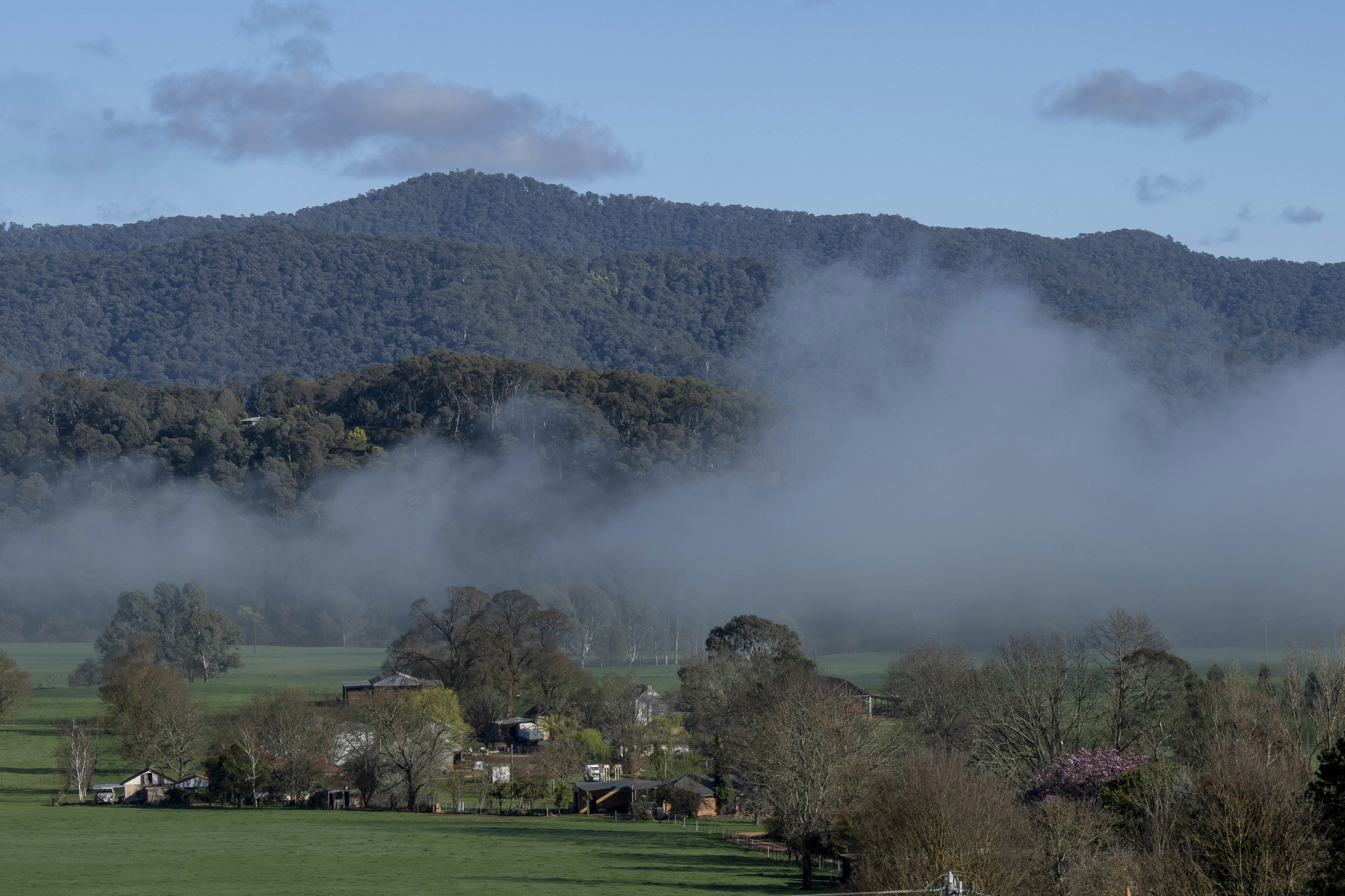
The number of police on the ground in Porepunkah looking for alleged cop killer Dezi Freeman has been scaled back significantly since the shooting over a month ago.
There has been no official sighting of Freeman after he allegedly killed officers Neal Thompson, 59, and Vadim De Waart-Hottart, 34, at a semi-rural property in Victoria's High Country on August 26.
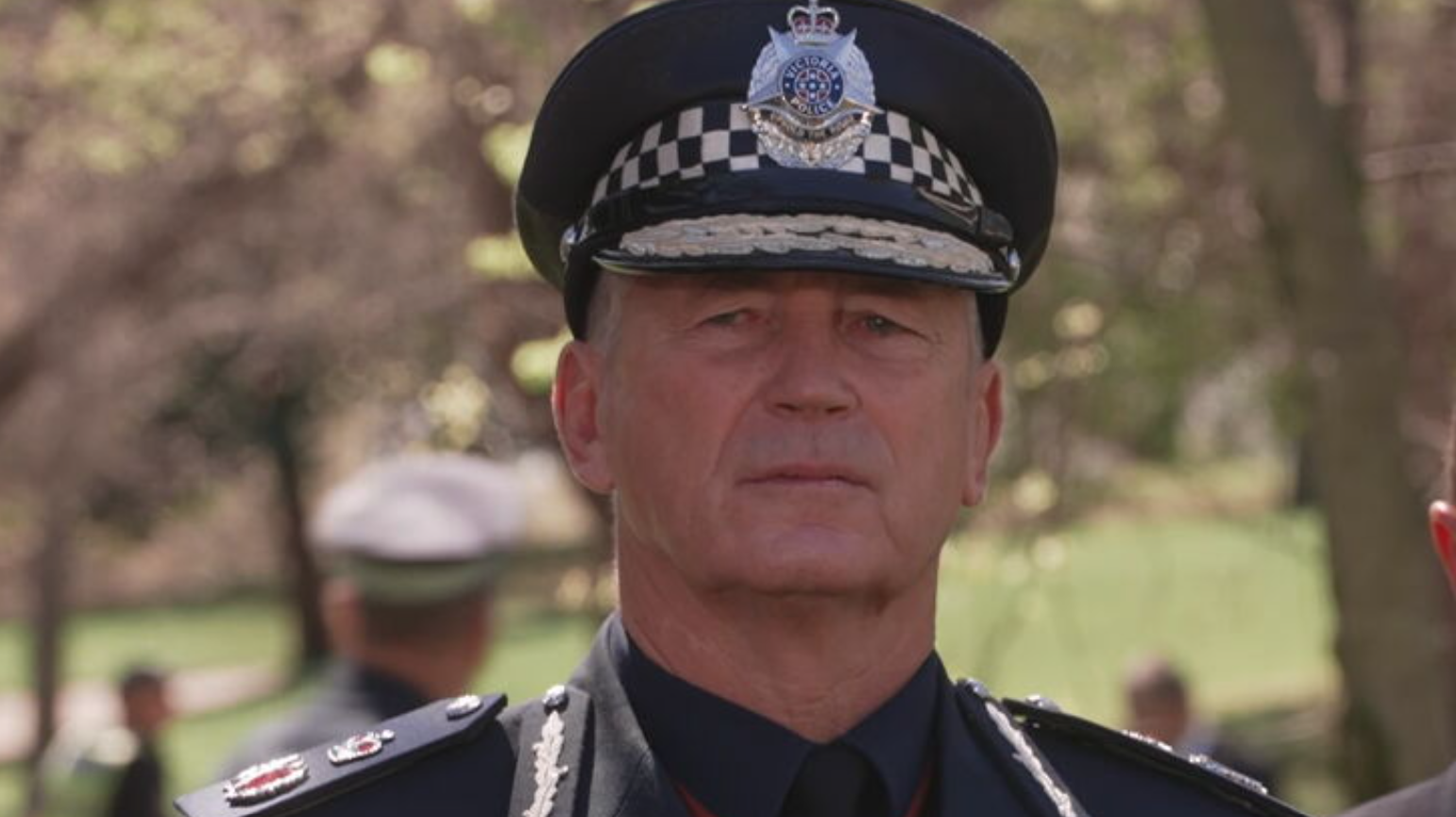
Victoria Police Chief Commissioner Mike Bush today said the number of officers still in Porepunkah remained at over 200, marking less than half the amount of authorities that were combing the area for Freeman weeks ago.
READ MORE: Daughters hit rock bottom after botched case against dad's murderer
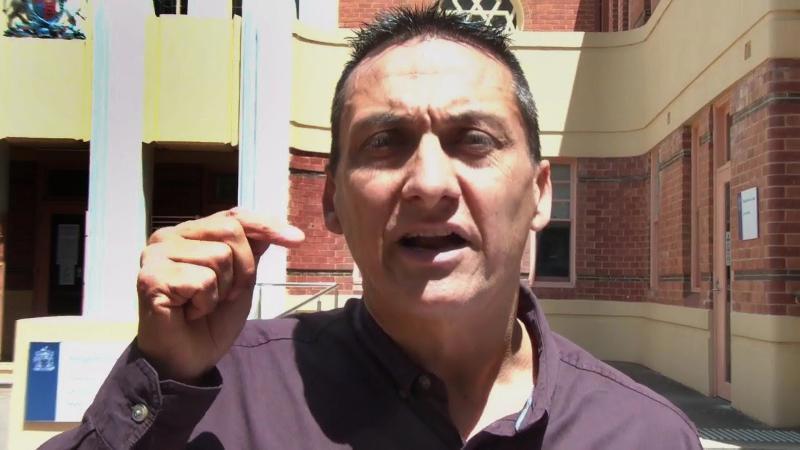
Bush provided an update on the man hunt during a memorial for fallen officers in Melbourne today, where he said police officers around the country are still "hurting".
"At the height we had nearly 500 officers up there conducting the search, investigating and providing reassurance to the community," Bush said.
"At the moment, we have in excess of 200 officers there.
"We will continue to rotate police officers through there, a) conducting searches, b) continuing the investigation and c) providing reassurance to the community who needs it."
READ MORE: Men who vanished on missing catamaran found off NSW coast
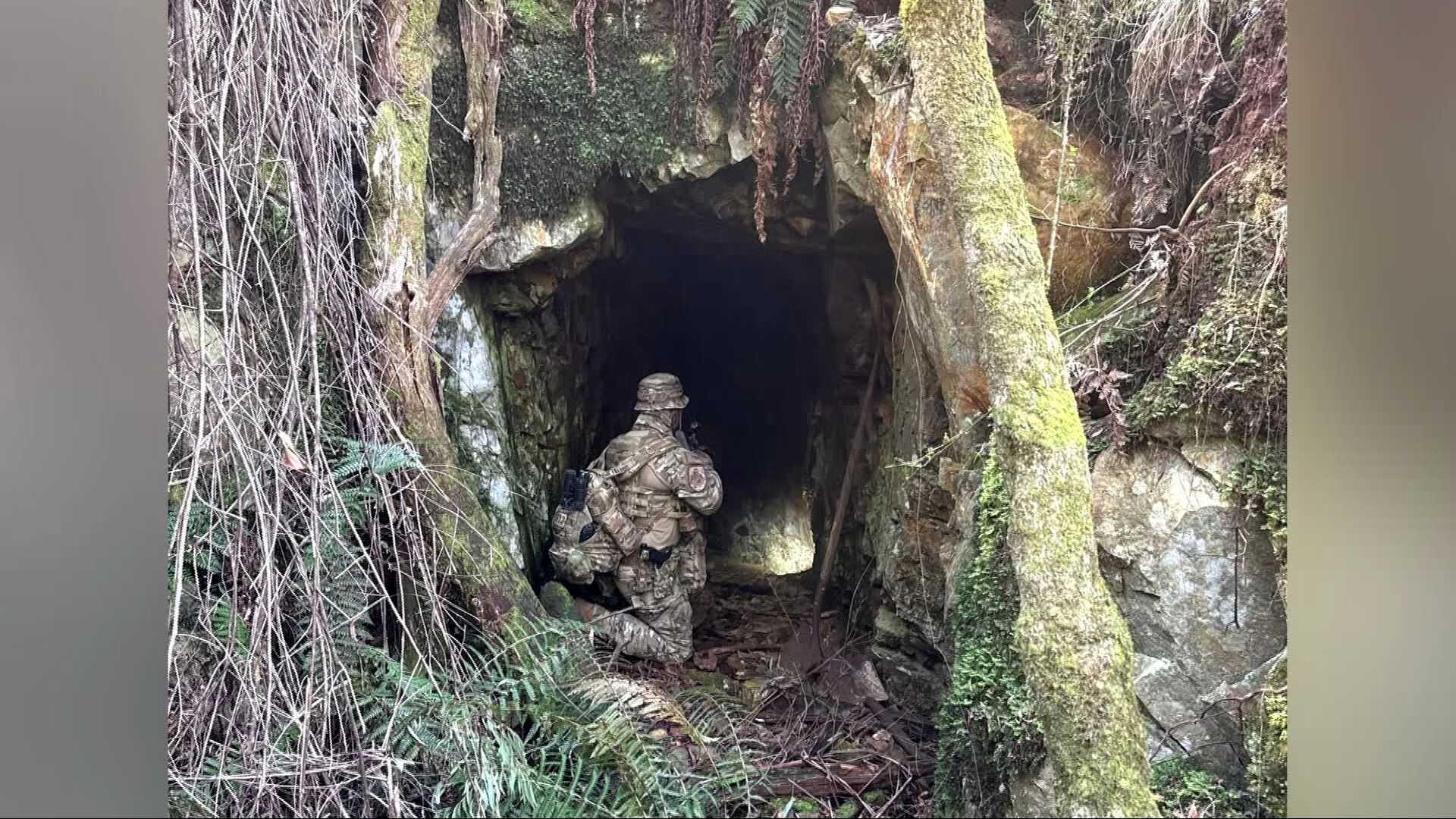
Bush said police have so far searched 40-square-kilometre area by foot and air to find Freeman.
The month-long search has involved mineshafts, caves, huts and properties in Porepunkah and surrounding regions.
"It's extremely challenging. We have to often revisit things we've already searched to make sure we haven't missed anything," Bush added.
"And we will not give up until we find that person."
READ MORE: Multiple people shot at Mormon church in US
He said other state police forces, as well as New Zealand, have offered support in the continued search for Freeman.
Bush said crews on the ground will continue to utilise their resources.
After offering a reward of $1 million for any information which leads to the arrest and conviction of the person responsible, there has been an uptick in tips from the public.
About 1400 pieces of information have been given by members of the public.
"None of them have lead to any positive leads, but we explore them," Bush said.
Police are still pursuing a number of theories regarding Freeman's whereabouts.
Bush told reporters police still can't rule out anything.
"We will pursue all of those likelihoods," he said.
DOWNLOAD THE 9NEWS APP: Stay across all the latest in breaking news, sport, politics and the weather via our news app and get notifications sent straight to your smartphone. Available on the Apple App Store and Google Play.
Man’s body found on yacht in Sydney Harbour
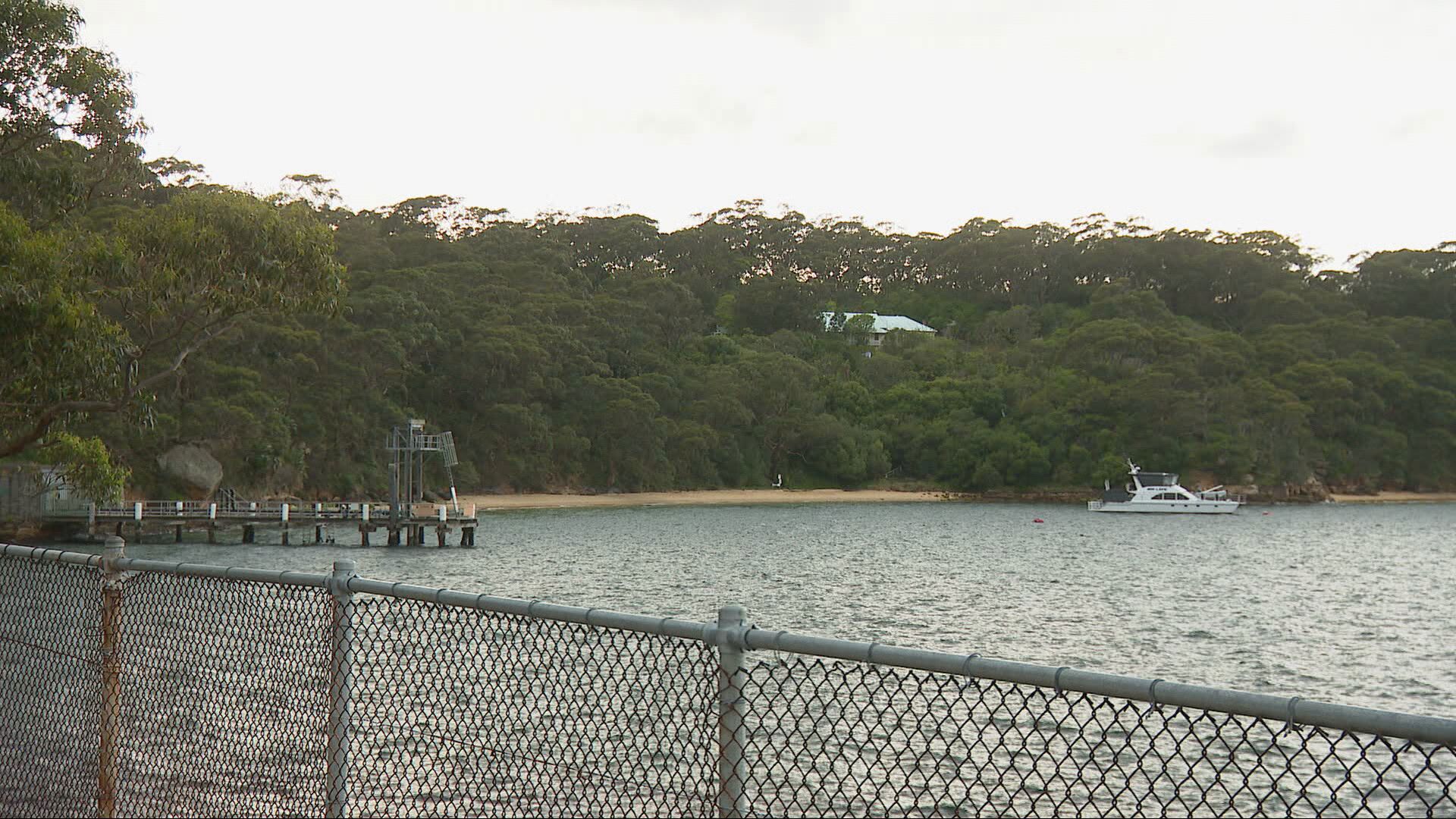
Police are investigating after a man's body was found on a boat on Sydney's Lower North Shore yesterday.
Officers from Sydney Water Police responded to a concern for welfare report regarding a person on board a yacht at Little Serious Point in Cremorne Point about 5.45pm.
The body of a man, believed to be in his 60s, was found on the boat.
READ MORE: Thousands hit with another Optus outage
READ MORE: Multiple people shot at Mormon church in US
An investigation into the man's death is now underway.
A report will be prepared for the coroner.
DOWNLOAD THE 9NEWS APP: Stay across all the latest in breaking news, sport, politics and the weather via our news app and get notifications sent straight to your smartphone. Available on the Apple App Store and Google Play.
Did Trump really just push the ‘MedBed’ conspiracy? Here’s what we know
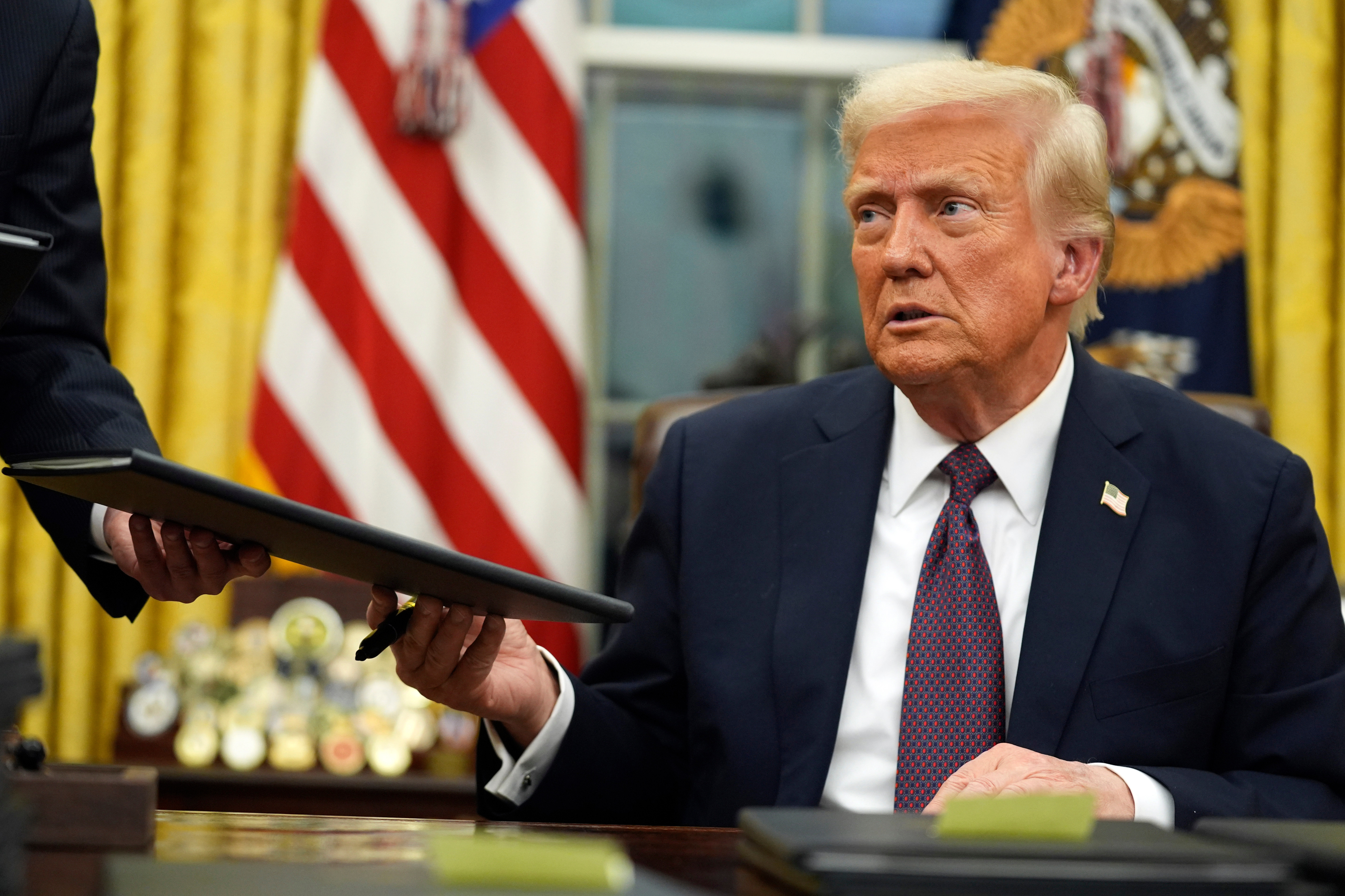
US President Donald Trump has seemingly endorsed MedBeds, a fringe medical conspiracy theory, by posting (then deleting) an AI-generated video of himself promising to bring them to the American public.
The only problem is that MedBeds don't exist.
Here's everything you need to know about the bizarre conspiracy theory and what Trump has actually said about it.
READ MORE: Daughters hit rock bottom after botched case against dad's murderer
What has Trump said about MedBeds?
Over the weekend, Trump posted a video which appeared to show him promoting medbeds to his 10.8 million followers on Truth Social.
But the video was AI-generated, as proven by the poor quality and Trump's uncanny, robotic voice.
The clip was staged like a Fox News segment and began with an AI version of Lara Trump, the president's daughter-in-law, claiming he had announced "the nation's first medbed hospitals".
It then cut to AI version of Trump claiming every American would soon receive a "MedBed card".
READ MORE: Men who vanished on missing catamaran found off NSW coast

"With it, you'll have guaranteed access to our new hospitals led by the top doctors in the nation, equipped with the most advanced technology in the world," AI-Trump said.
The AI version of the president claimed MedBed facilities were "safe, modern and designed to restore every citizen to full health and strength".
He touted it as "the beginning of a new era in American healthcare".
But the real Trump removed the video about 12 hours after posting it to Truth Social.
It is unclear where the video originated, why the president posted it, or if it accurately reflects his belief in the MedBed conspiracy theory.
Trump and the White House have not commented on the video or its removal.
What is a MedBed?
MedBeds – 'medical beds' or 'meditation beds', depending on who you talk to – are the subject of an alternative medicine/pseudoscience conspiracy theory.
The conspiracy has become popular among far-right communities in the US, including the likes of QAnon, a far-right American political conspiracy theory and movement.
READ MORE: Thousands hit with another Optus outage
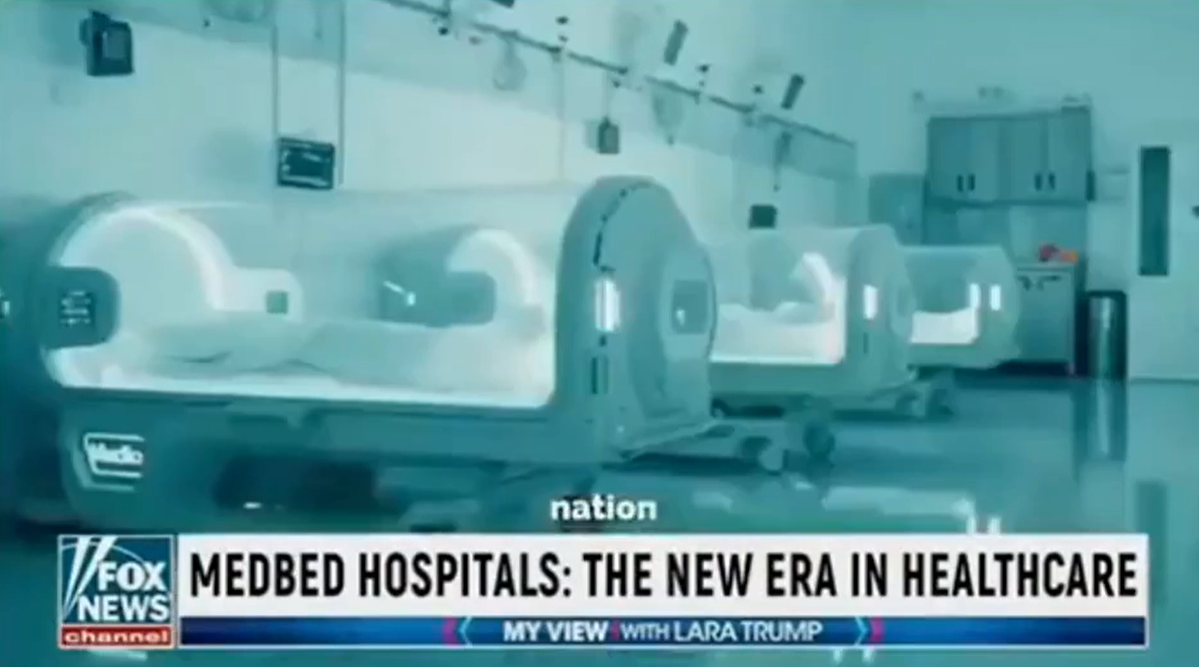
According to believers, MedBeds are capable of curing any condition, regenerating missing body parts, and even reversing ageing.
Many believe MedBeds already exist and are being hidden from the general public in secret military tunnels, where they are used by members of a deep state.
This technology does not actually exist.
But that has not stopped some believers from taking to platforms like Telegram and Truth Social asking about the benefits of MedBeds or how to get a MedBed themself.
Where did the MedBed conspiracy come from?
According to CNN, the MedBed conspiracy is rooted in longstanding beliefs about secret, advanced healing technologies the US government is supposedly hiding from the general public.
These beliefs first emerged during the post-WWII UFO-spotting craze, when theories emerged that the government had found alien spacecraft and used it to reverse-engineer new healing technology.
It was believed that these technologies were used by billionaires, elites and sometimes even public figures who had already died.
READ MORE: Multiple people shot at Mormon church in US
These theories continued to develop over time, until 2017 when they were adopted by QAnon.
Some members believe Trump is already aware of MedBeds and plans to make them available to the public during his tenure as president.
The AI video he posted over the weekend only solidified this belief among some conspiracy theorists.
DOWNLOAD THE 9NEWS APP: Stay across all the latest in breaking news, sport, politics and the weather via our news app and get notifications sent straight to your smartphone. Available on the Apple App Store and Google Play.