Nash says he will wait for the party to decide whether to select him as an MP.
Tag Archives: oceania
Police say $1m bounty is ‘just another avenue’ in the capture of Dezi Freeman
Victoria Police have said the historic $1 million dollar reward in the hunt for alleged cop killer Desmond Freeman is for information that leads to his apprehension, not his conviction.
The reward is the largest ever offered in the state.
Detective Inspector Dean Thomas said that he remains open to all possibilities in regards to the whereabouts of Freeman, seeing this bounty as "just another avenue" in the hunt.
READ MORE: Teen girl fighting for life after being attacked by friend's dog identified
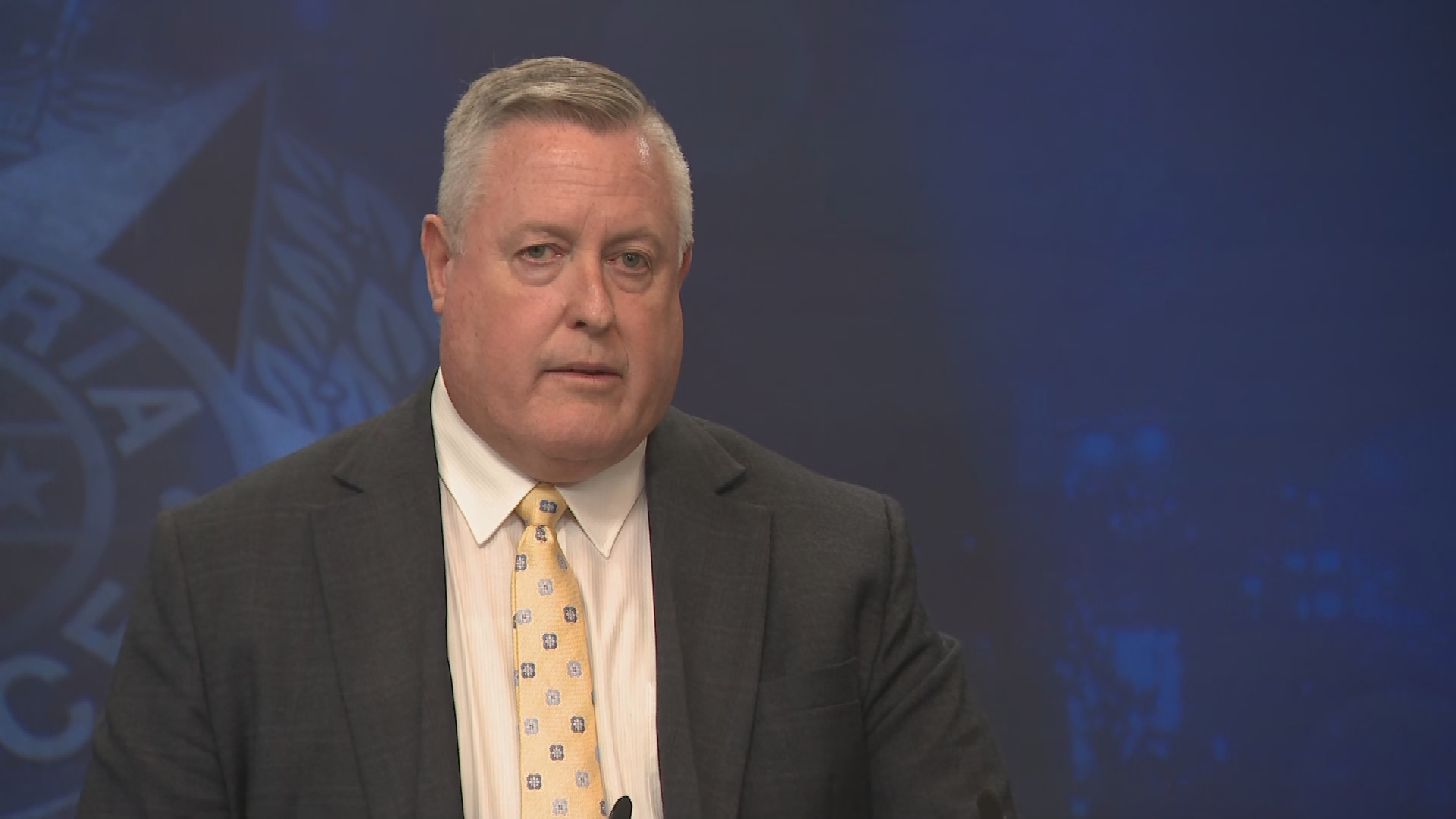
Thomas described the reward as a "life-changing amount of money for anyone".
"While the offering of a reward for a murder investigation is not unusual in itself, what sets this apart is that this reward is for arrest and not conviction – and it is the largest reward ever offered for an arrest in Victoria," he said.
"This figure recognises the seriousness of this violent offending and our commitment to locating Freeman as soon as possible so that he is no longer a risk to the broader community.
"Our aim in offering this reward is that it will lead someone out there, who may not have been willing to come forward until this time, to contact police."
READ MORE: Proposed Elon Musk pay package could make him the world's first trillionaire
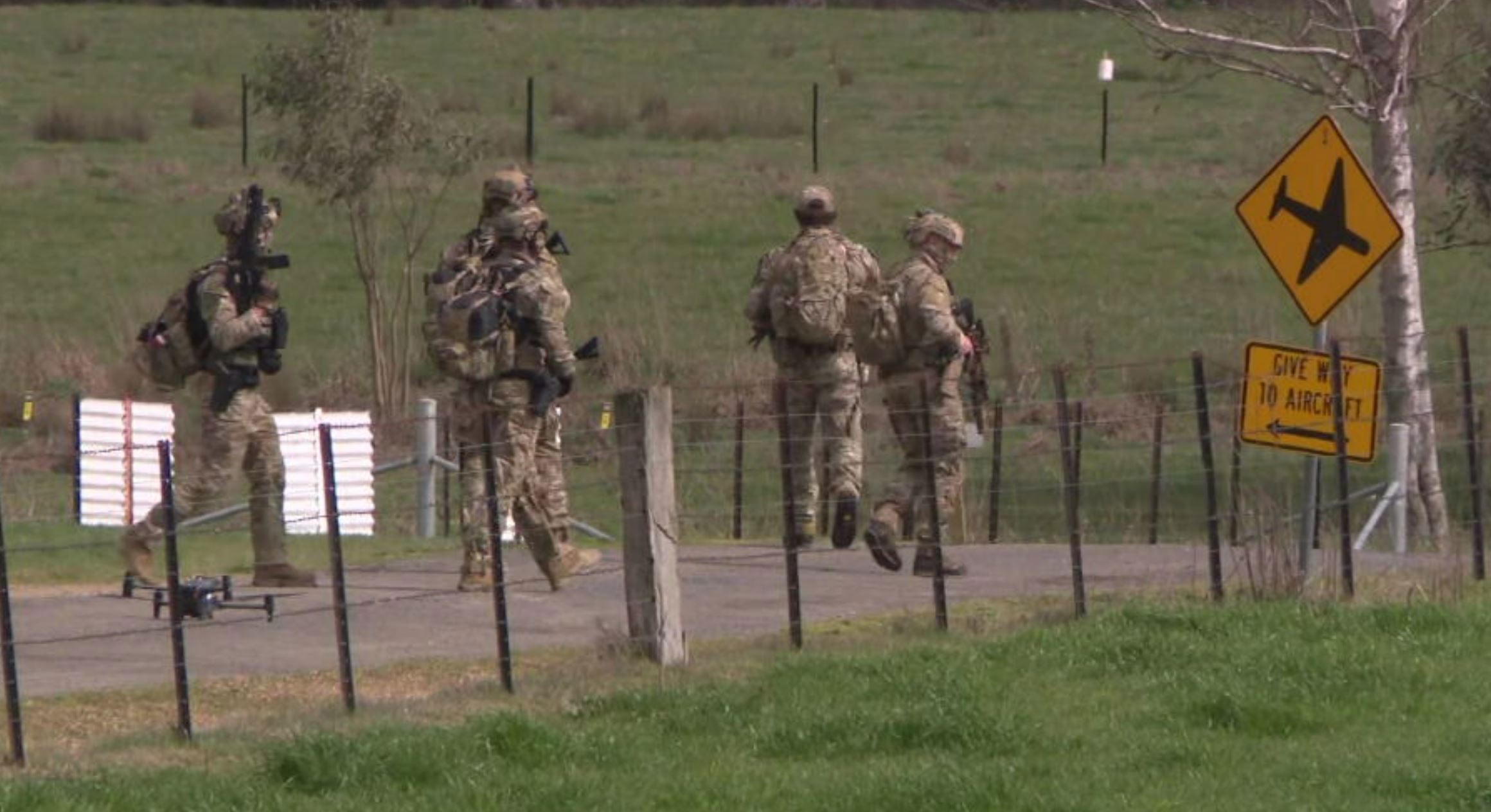
The record bounty comes as police enter their day 12 in their search for the alleged killer.
Despite hundreds of tip-offs, there have been no confirmed sightings.
Freeman is believed to be heavily armed as police continue to search over 100 properties and acres of bushland.
Police have previously stated that they believe some people might know his whereabouts or are potentially harbouring the alleged killer.
READ MORE: Surfer killed by a shark at popular Sydney beach
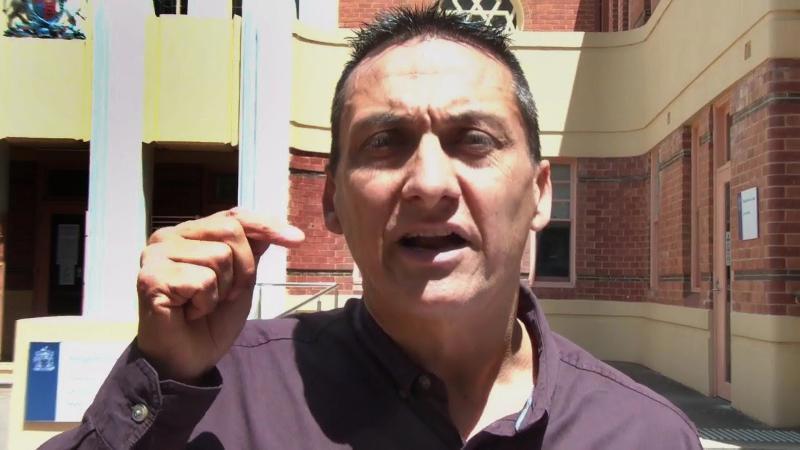
"This could be sightings of Freeman, information you're hearing in your local communities, even suspicious activity on your property – whatever it is, we want you to tell us," Thomas said.
"I would also like to stress to members of the public that if you see Freeman, then we need you to call triple zero immediately because this will give police the very best chance of apprehending him.
"Freeman has killed two people and injured a third, and it's immensely important that we can bring him into custody safely as soon as possible – hopefully this reward helps do just that."
Authorities remain open to the possibility that Freeman is still alive or could potentially be dead as a result of self-harm.
They hope this reward for information leading to his arrest will be an incentive.
More than 450 officers are dedicated to the search each day with "no talk" of reducing those numbers, Victoria Police said.
READ MORE: Body found in search for missing Central Coast 18-year-old
DOWNLOAD THE 9NEWS APP: Stay across all the latest in breaking news, sport, politics and the weather via our news app and get notifications sent straight to your smartphone. Available on the Apple App Store and Google Play.
Fire destroys heritage wedding venue in Sydney’s north-west
A fire has destroyed a historic wedding venue in Sydney's north-west overnight.
Emergency services were called to the property, The Loxley on Bellbird Hill in Kurrajong Hills, at about 7pm last night after a fire was spotted in the main reception building.
Fire services worked to extinguish the blaze; however, the main building was destroyed, with nearby buildings also damaged.
READ MORE: Victoria Police announce $1m bounty for capture of Dezi Freeman
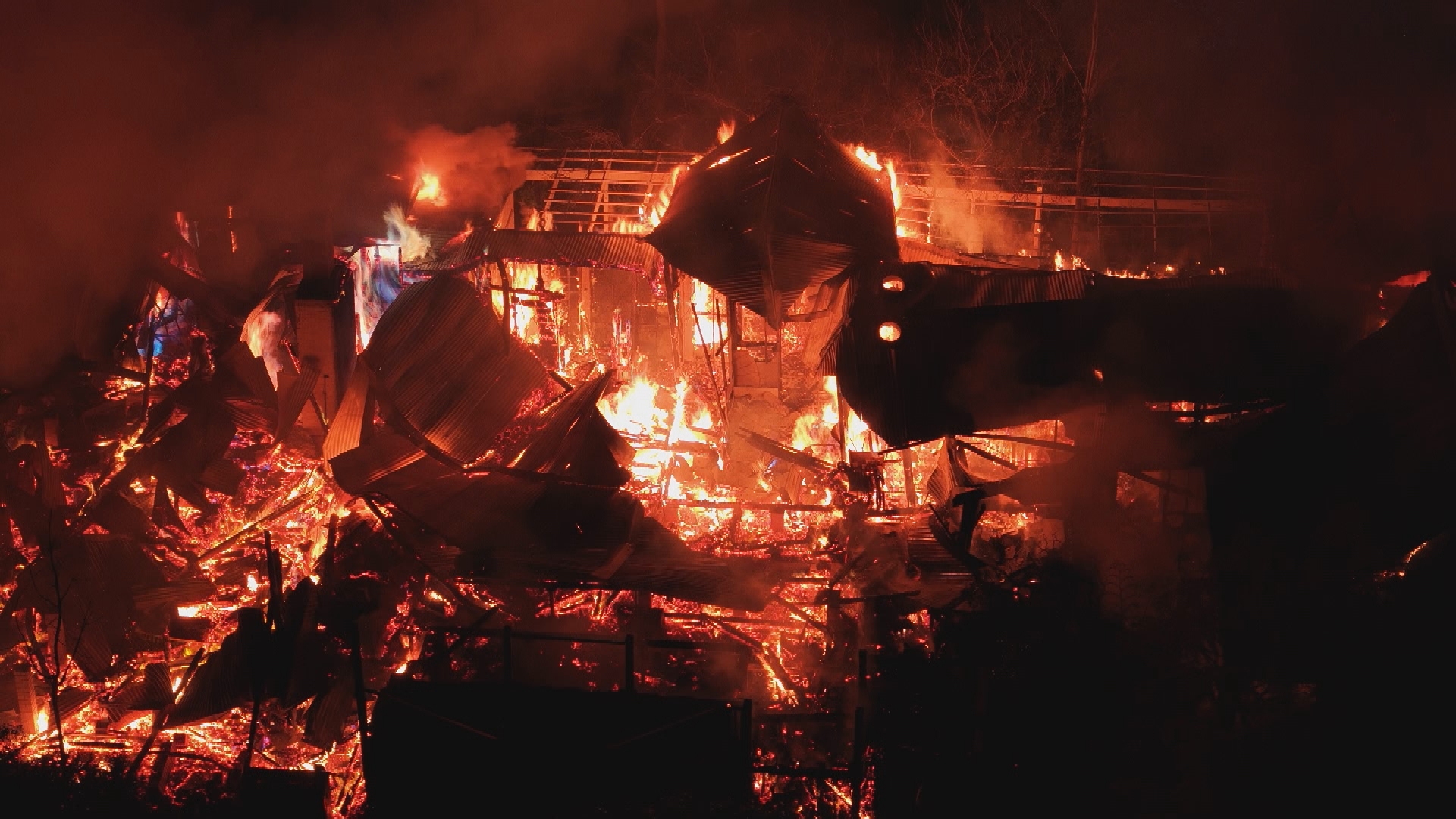
Firefighters had the fire under control by 10.30pm but remained on scene into the morning to control spot fires in the debris.
"The main building, because of the structure, it's old, it's wooden … no matter what we did, there was no way we were going to save it," said Deputy Captain Phillip Hurst, who was one of the first responders on scene.
Police are still investigating the cause, although it is not currently being treated as suspicious.
A 40-year-old man is currently in hospital after suffering burns to his face while attempting to extinguish the fire.
The Loxley on Bellbird Hill in Kurrajong has been the place where countless couples have tied the knot for decades.
The fire leaves the wedding plans of future couples hoping to wed at the venue up in the air.
DOWNLOAD THE 9NEWS APP: Stay across all the latest in breaking news, sport, politics and the weather via our news app and get notifications sent straight to your smartphone. Available on the Apple App Store and Google Play.
Two men charged after allegedly spraying unknown substance on Anzac Memorial
Two men have been charged following the alleged malicious damage to Sydney's Anzac Memorial earlier this week.
At around midday on Thursday, the two men were seen allegedly spraying an unknown oil-based substance onto the walls and steps of Hyde Park's Anzac Memorial.
The two 61-year-old men have been charged with wilfully damaging or defacing any protected place and destroying or damaging property more than $2000 and less than or equal to $5000.
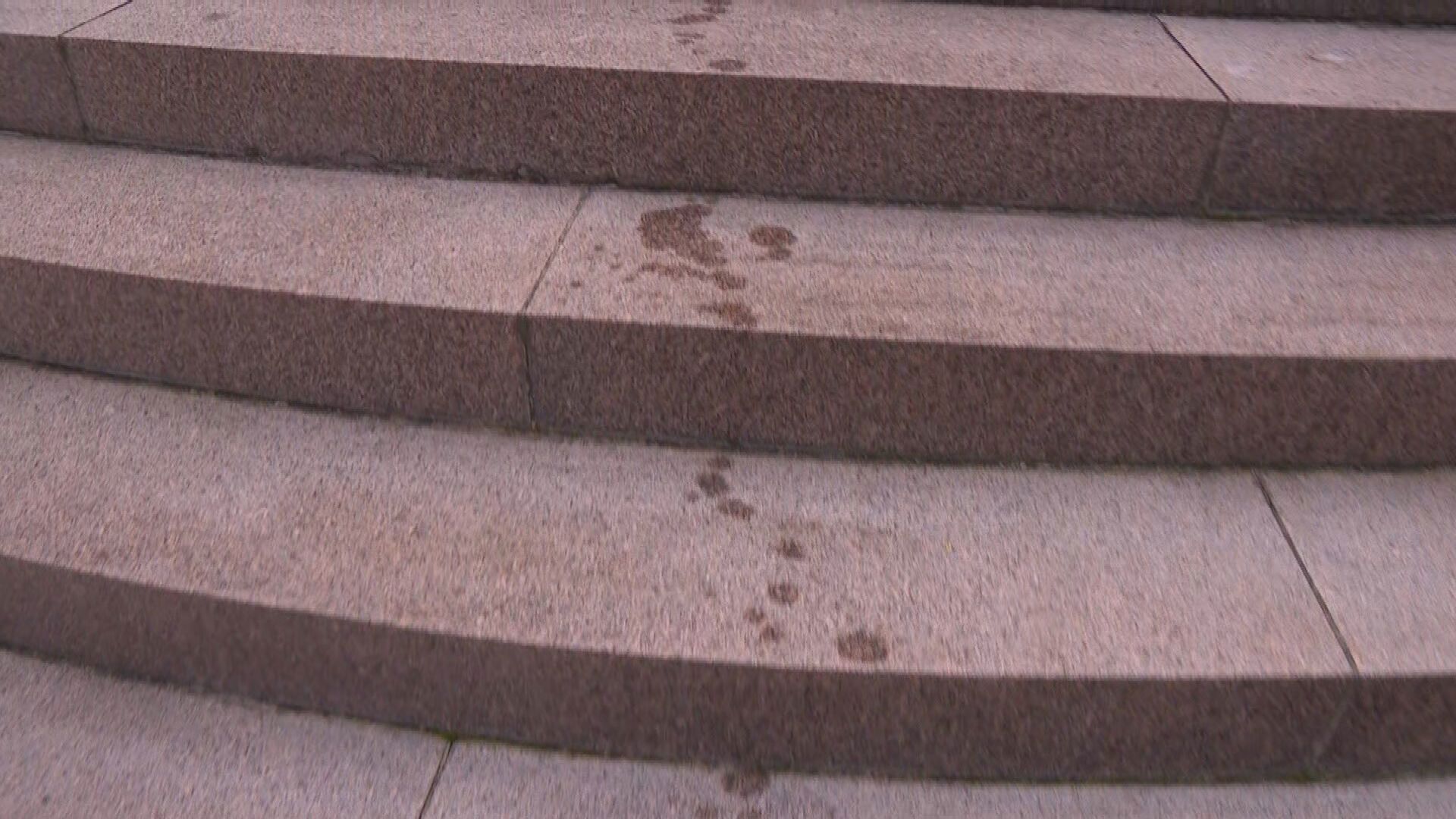
One man was allegedly spotted spraying substance onto the eastern walls and northern steps of the Memorial.
The other allegedly sprayed a substance on the southern steps
The two left together shortly after.
At about 5.45pm yesterday, the men attended Auburn Police Station, where they were arrested.
Both men were denied bail and will face court today.
DOWNLOAD THE 9NEWS APP: Stay across all the latest in breaking news, sport, politics and the weather via our news app and get notifications sent straight to your smartphone. Available on the Apple App Store and Google Play.
Putin says foreign troops deployed to Ukraine would be legitimate targets
Russian President Vladimir Putin has said that any foreign troops deployed to Ukraine, particularly while its invasion was still ongoing, would be considered “legitimate targets” by Moscow's forces.
Putin's comments came hours after European leaders repledged their commitment to a potential peacekeeping force, a prospect that Moscow has repeatedly described as “unacceptable.”
“If any troops appear there, especially now while fighting is ongoing, we assume that they will be legitimate targets,” he said during a panel at the Eastern Economic Forum in the far eastern Russian city of Vladivostok.
READ MORE: Dictator's staff scrub room clean after meeting with Putin
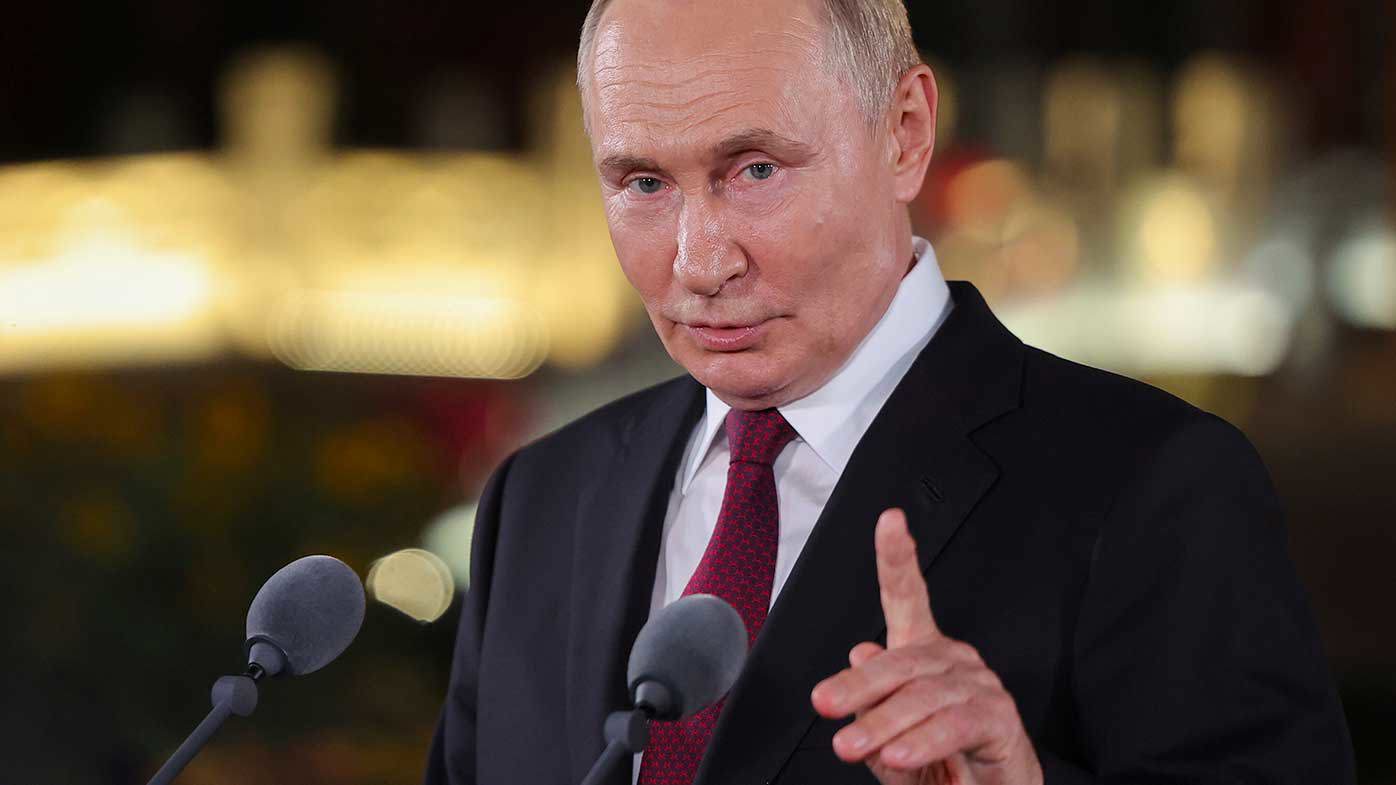
Putin also dismissed the idea of peacekeeping forces in Ukraine after a final peace deal, saying “no one should doubt” that Moscow would comply with a treaty to halt its 3½-year full-scale invasion of its neighbour.
He said that security guarantees would be needed for both Russia and Ukraine.
Kremlin spokesperson Dmitry Peskov later said Moscow would need “legally binding documents” to outline such agreements. “Of course, you can't just take anybody's word for something,” he told Russian news outlet Argumenty i Fakty.
European leaders pledge peacekeeping force in Ukraine
Putin's comments follow remarks from French President Emmanuel Macron on Thursday that 26 of Ukraine’s allies have pledged to deploy troops as a “reassurance force” for Ukraine once fighting ends.
Macron spoke after a meeting in Paris of the so-called coalition of the willing, a group of 35 countries that support Ukraine. He said that 26 of the countries had committed to deploying troops to Ukraine — or to maintaining a presence on land, at sea or in the air — to help guarantee the country’s security the day after any ceasefire or peace is achieved.
Addressing the participants of the international economic conference the Ambrosetti Forum on Friday, Ukrainian President Volodymyr Zelenskyy said it was important that security guarantees “start working now, during the war, and not only after it ends.”
He said he could not disclose more details as they are “sensitive and relate to the military sphere.”
READ MORE: 'Security interests': Surprise chat as Trump calls Albanese
Drone strikes continue
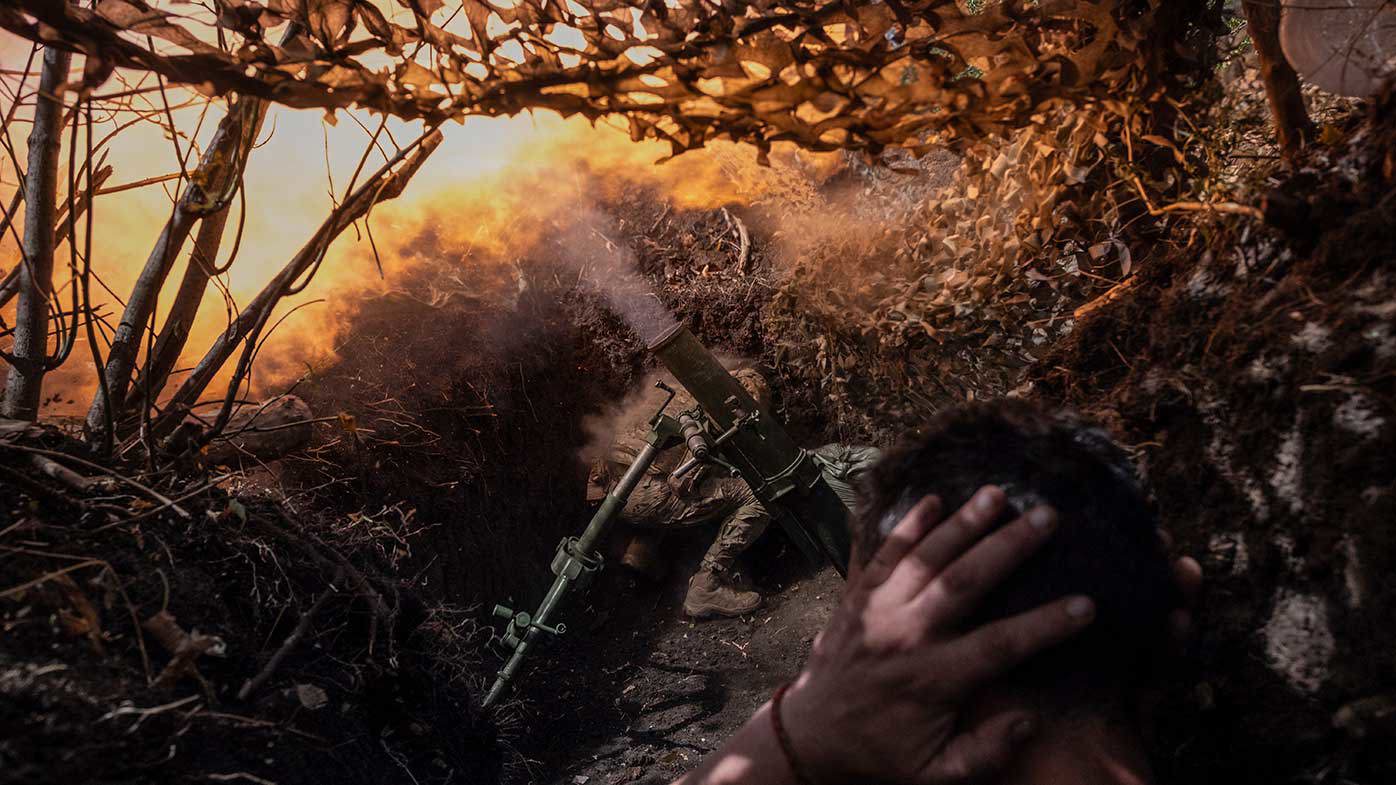
Russian troops attacked Ukraine overnight with 157 strike and decoy drones, as well as seven missiles of various types, Ukraine's air force reported Friday. Air defenses shot down or jammed 121 of the drones, it said.
One attack damaged multiple residential buildings in Dnipro in central Ukraine, regional administration head Serhii Lysak wrote on social media. The regional administration also said that an unspecified “facility” had been set alight in the strike, but did not give further details.
Lysak shared photos of residential buildings with damaged roofs, glass shards lying on the ground and people carrying wooden boards to cover broken windows. “Private homes were damaged. Windows in apartment buildings were shattered,” he wrote.
Meanwhile, in Ukraine's Chernihiv region north of Kyiv, Russian drones attacked infrastructure in the Novhorod-Siversk district, leaving at least 15 settlements without electricity, local authorities reported.
Elsewhere, Russian troops destroyed 92 Ukrainian drones overnight, Russia’s Defense Ministry said Friday. Local social media channels in the city of Ryazan, approximately 200 kilometres southeast of Moscow, reported that the city's Rosneft oil refinery had been targeted. They shared videos that appeared to show a fire against the night sky.
Ryazan regional Gov. Pavel Malkov said that drone debris had fallen on an “industrial enterprise” but did not give further details, instead warning residents not to post images of air defenses on social media.
Ukraine has stepped up attacks on Russian oil infrastructure that it says fuels Moscow’s war effort in recent weeks. Gas stations have run dry in some regions of Russia in recent weeks, with motorists waiting in long lines and officials resorting to rationing or cutting off sales altogether.
Zelenskyy holds rare talks with Russia-friendly Slovak PM
The drone strikes were a key topic of rare high-level talks Friday between Zelenskyy and Slovak Prime Minister Robert Fico, a tense encounter given Fico’s repeated calls for “normalising” relations with Russia.
Following the meeting in Uzhhorod, a Ukrainian city near the border with Slovakia, Zelenskyy said Ukraine would continue to “respond” to years of Russian attacks on Ukrainian energy facilities, despite criticisms from Slovakia and neighboring Hungary.
Both Bratislava and Budapest continue to import Russian oil and gas, even as most EU countries cut ties following Moscow’s all-out invasion of Ukraine. Recent Ukrainian strikes have disrupted shipments from Russia to Slovakia along the Druzhba pipeline, prompting Bratislava to protest.
Zelenskyy told reporters that Kyiv was ready to supply its neighbour with oil and gas that didn’t come from Russia.
“Russian oil, like Russian gas, has no future” in Europe, Zelenskyy maintained, an apparent reference to comments made the day before by U.S. President Donald Trump.
Joining a call with European leaders after the “coalition of the willing” met in Paris, Trump said that countries in the continent must stop buying Russian oil, as these purchases help Moscow fund its war against Ukraine, according to a White House official. The official was not authorised to comment publicly about the private talks and spoke on the condition of anonymity.
Fico told reporters on Friday that both Slovakia and Ukraine “have the right to defend our own national interests and we must respect each other in this regard.”
He also sounded a conciliatory note as he voiced his support for Kyiv’s bid to join the EU, offering to share Slovakia’s experience.
DOWNLOAD THE 9NEWS APP: Stay across all the latest in breaking news, sport, politics and the weather via our news app and get notifications sent straight to your smartphone. Available on the Apple App Store and Google Play.
Sharyce looks perfectly healthy but hasn’t been able to work in years
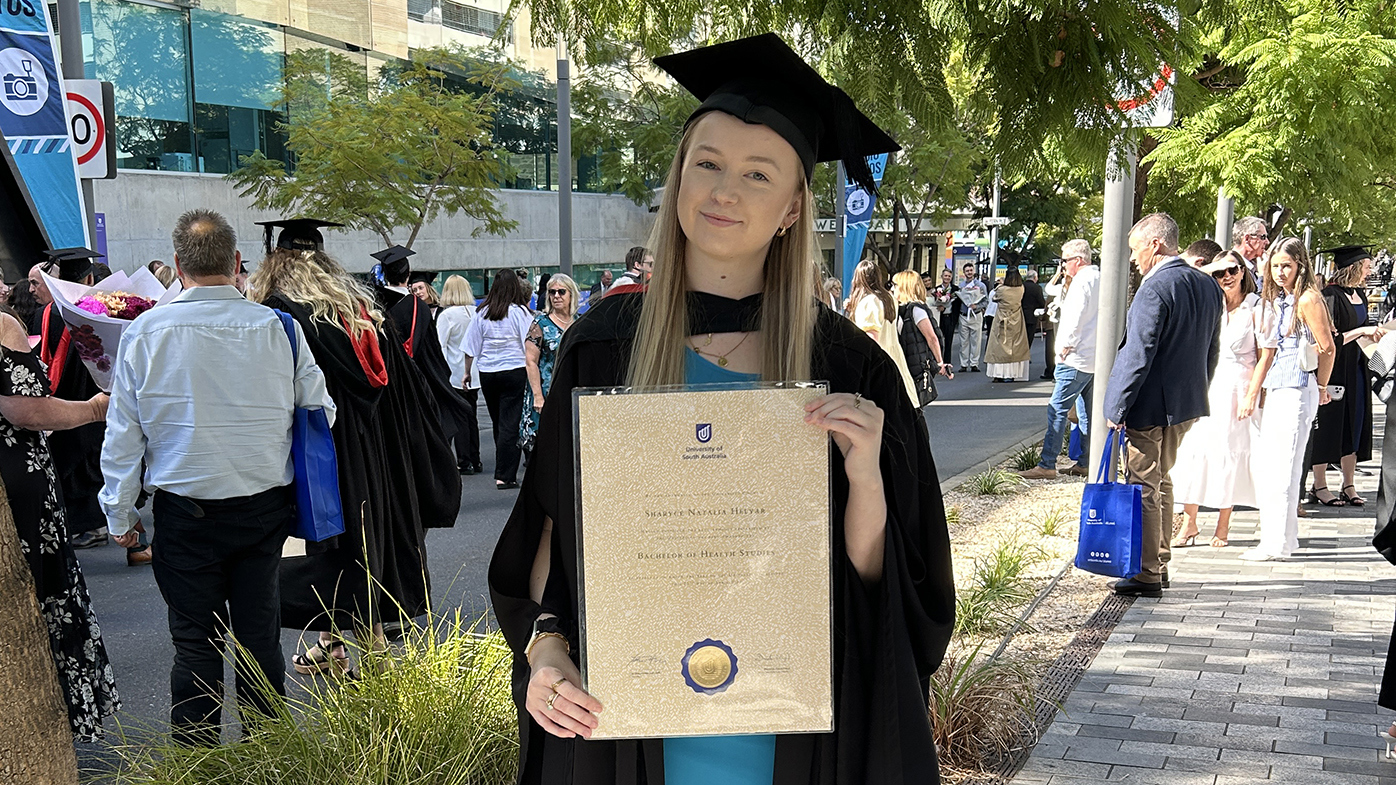
Sharyce Helyar looks perfectly healthy but she hasn't been able to work in years.
The 27-year-old from Adelaide lives with arthritis, which is the second most common cause for time taken off work in Australia (after traumatic injury).
It's also the second most common cause of early retirement due to ill-health.
By 2030, the loss of personal income due to arthritis is projected to hit $2.6 billion.
But many Australians still mistakenly believe someone Helyar's age couldn't have arthritis, despite the fact she's been living with it for more than 20 years.
Almost 65 per cent of Australians mistakenly believe arthritis mainly affects people over 65, according to new YouGov polling commissioned by Arthritis Australia.
But two-thirds of the 4.11 million cases in Australia are in working-age adults, young people and children.
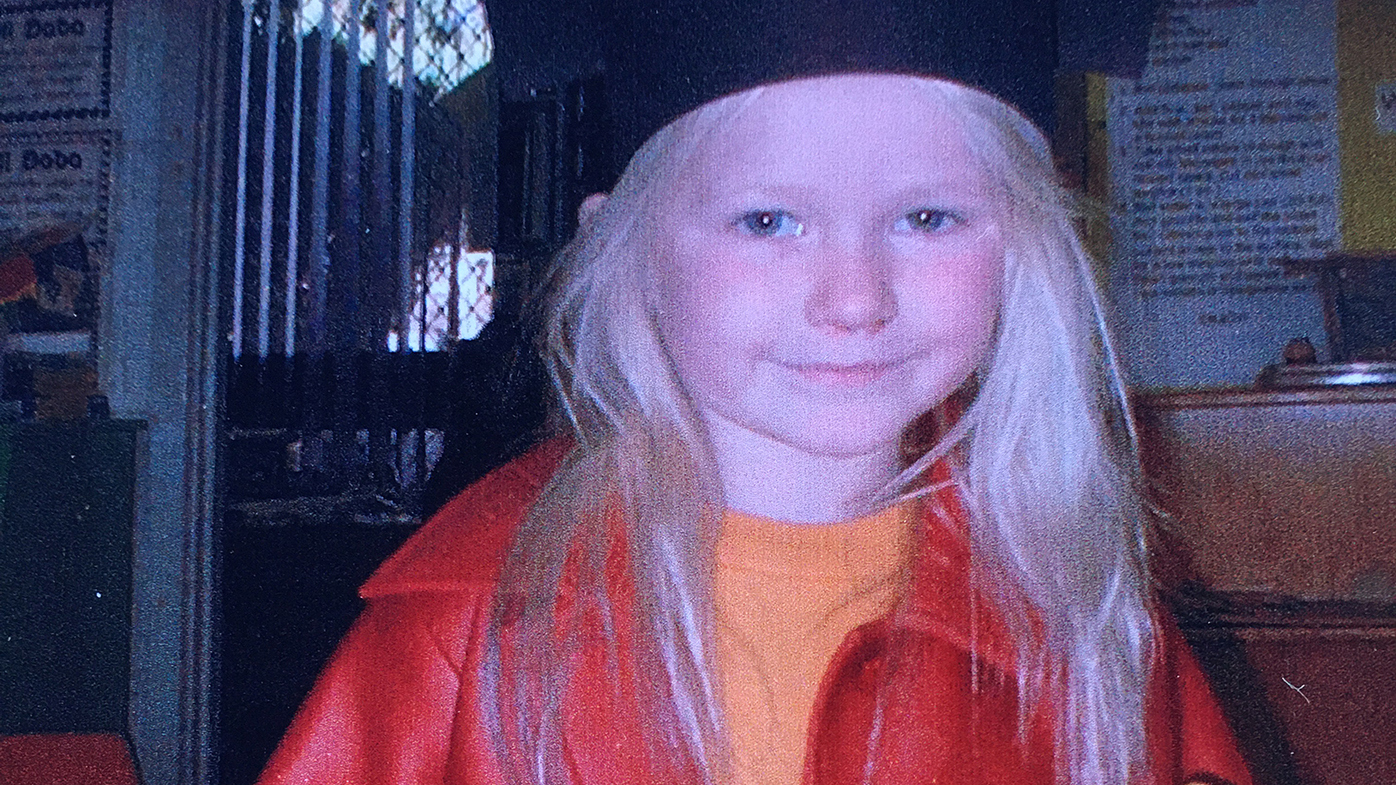
In fact, Helyar was just four when she was diagnosed with juvenile idiopathic arthritis.
She was later diagnosed with psoriatic arthritis as well and has been been managing joint pain, swelling, stiffness, and fatigue ever since.
It held her back at school and though she tried to power through at university, it eventually forced her to abandon a degree in medical radiation science.
"I think there was a lot of pressure I put on myself because I wanted to be a normal young adult, and I wanted to have the uni experience," Helyar told 9news.com.au.
"I didn't want my arthritis, my disability to stop me from doing that."
More than 70 per cent of Aussies underestimate the burden of arthritis and fail to recognise that it and other musculoskeletal conditions a leading cause of time taken off work.
For almost four years of study, Helyar underestimated it too.
She thought she was managing her pain and fatigue well at uni, only to land in the emergency department in her fourth year.
Her body could no longer keep up with the physical demands of her degree placements.
Ultimately, Helyar had to give up on her dream of a career in medical radiology.
"My body just wasn't able to do what I physically wanted it to do," she said.
"I had to reassess everything in my life, which was really confronting and scary, and a lot of grief went with it, because I had my life mapped out out and now it all had to change."
READ MORE: Joe Biden undergoes surgery to remove skin cancer on forehead
The university worked with Helyar to help her graduate with a different degree but her arthritis has made it impossible for her to enter her chosen industry.
She's also been unable to return to part-time or gig work she did while studying.
After 22 years with arthritis, permanent damage has been done to her joints and the pain and stiffness she experiences has become harder to manage.
The fatigue has become so severe Helyar can usually only leave the house twice a week before her body gives out.
"I'm unable to work until I find a solution," she said.
"And there might not be a solution for my pain, and my fatigue might not get better."
Arthritis is incurable, so Helyar's chances of entering the workforce are limited by her treatment options.
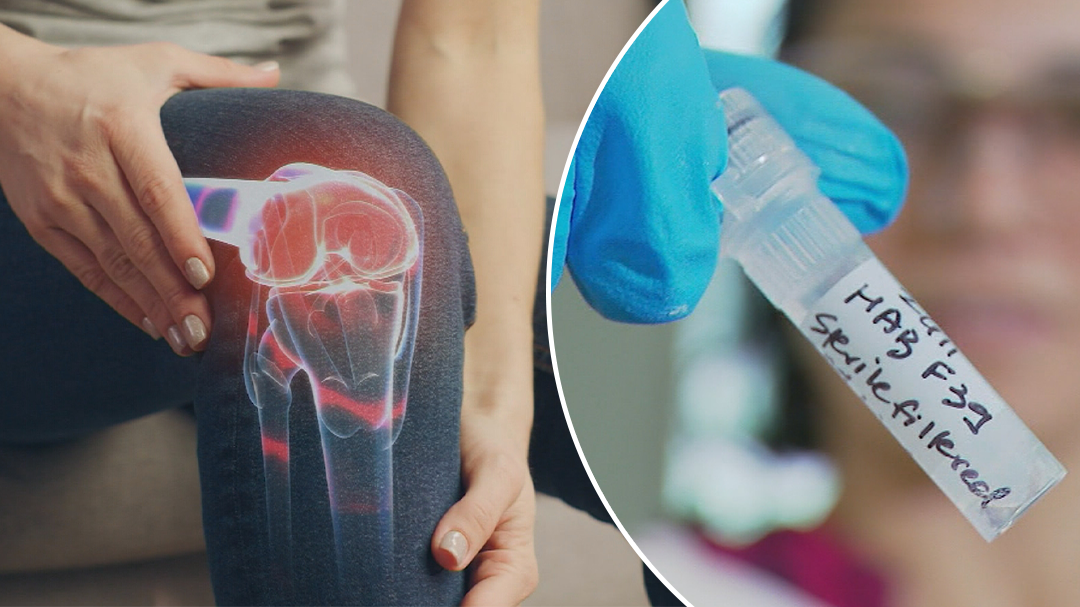
But funding for arthritis research is limited and not being able to earn a living in a cost of living crisis is a scary prospect.
Helyar is just one of the 2.8 million working-age Australians living with arthritis who face uncertain futures.
By 2030, the loss of personal income due to arthritis is projected to hit $2.6 billion, costing the government more than $1.1 billion a year in extra welfare payments and lost taxation revenue.
Lost GDP from arthritis-related early retirement is expected to reach $9.4 billion a year by 2030 as well.
Even if Helyar was able to work, there's no guarantee that employers would be undersanding of her health needs.
In the past, Helyar chose not to disclose her condition to employers out of fear they would make assumptions about her ability to do a job.
READ MORE: Officer killed in Porepunkah shooting farewelled at Victoria Police Academy
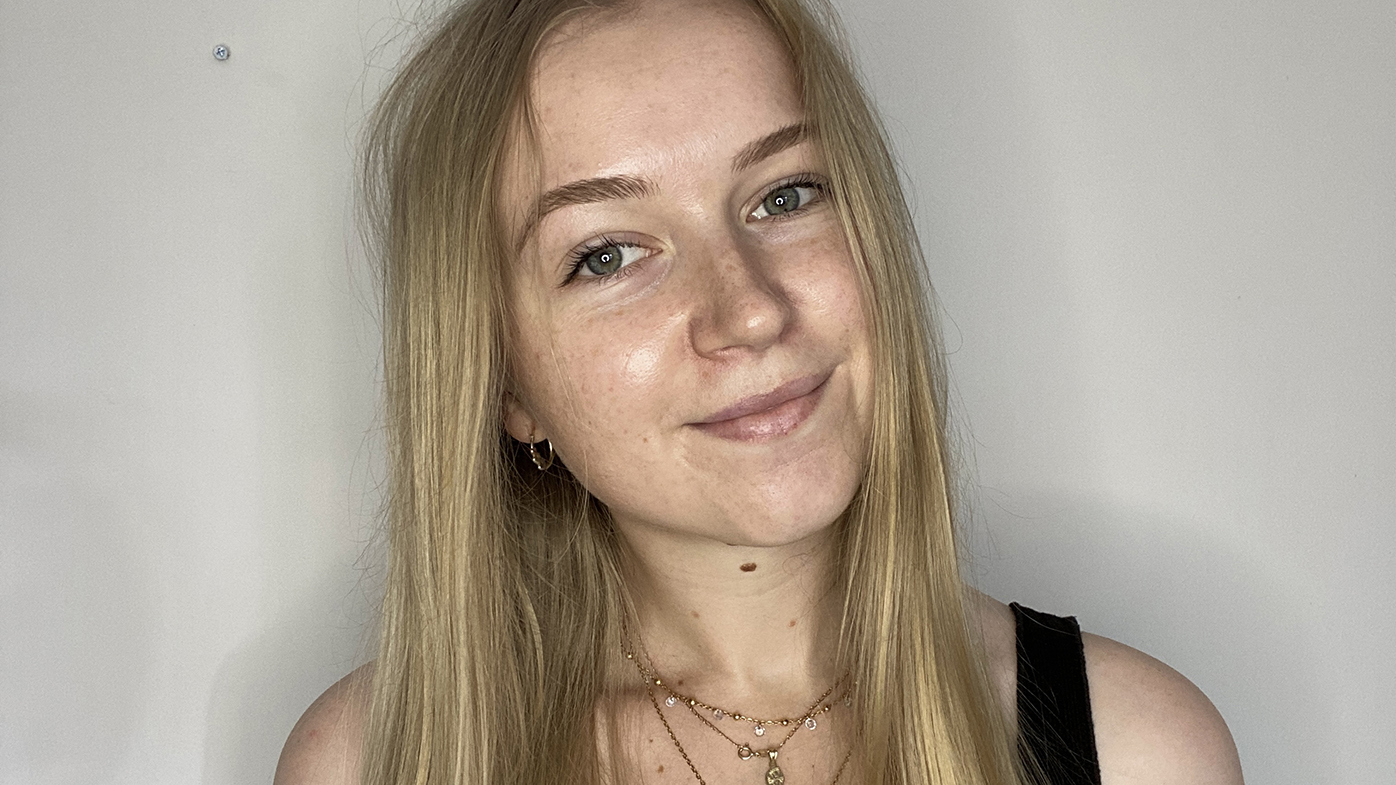
"People make the assumptions and you can see that they're thinking something, even if they don't actually say it," she said.
"There's definitely a lot of misconceptions about arthritis being an 'older person' condition, people just aren't aware that it affects people of all ages and in a variety of ways."
Those misconceptions go beyond the workplace as well.
Some people assume that because she's young, her arthritis must be less painful or more manageable.
Others judge her when they see her using mobility aids like a wheelchair when her symptoms make it hard to walk.
But arthritis can be just as debilitating for a 20-something as it can be for someone in their 80s.
Since her health declined at uni, Helyar has had to move back home and currently relies on her family for support with everyday tasks like cleaning, shopping and laundry.
It's a far cry from the radiology career she had envisioned for herself, but she's found new purpose through advocacy.
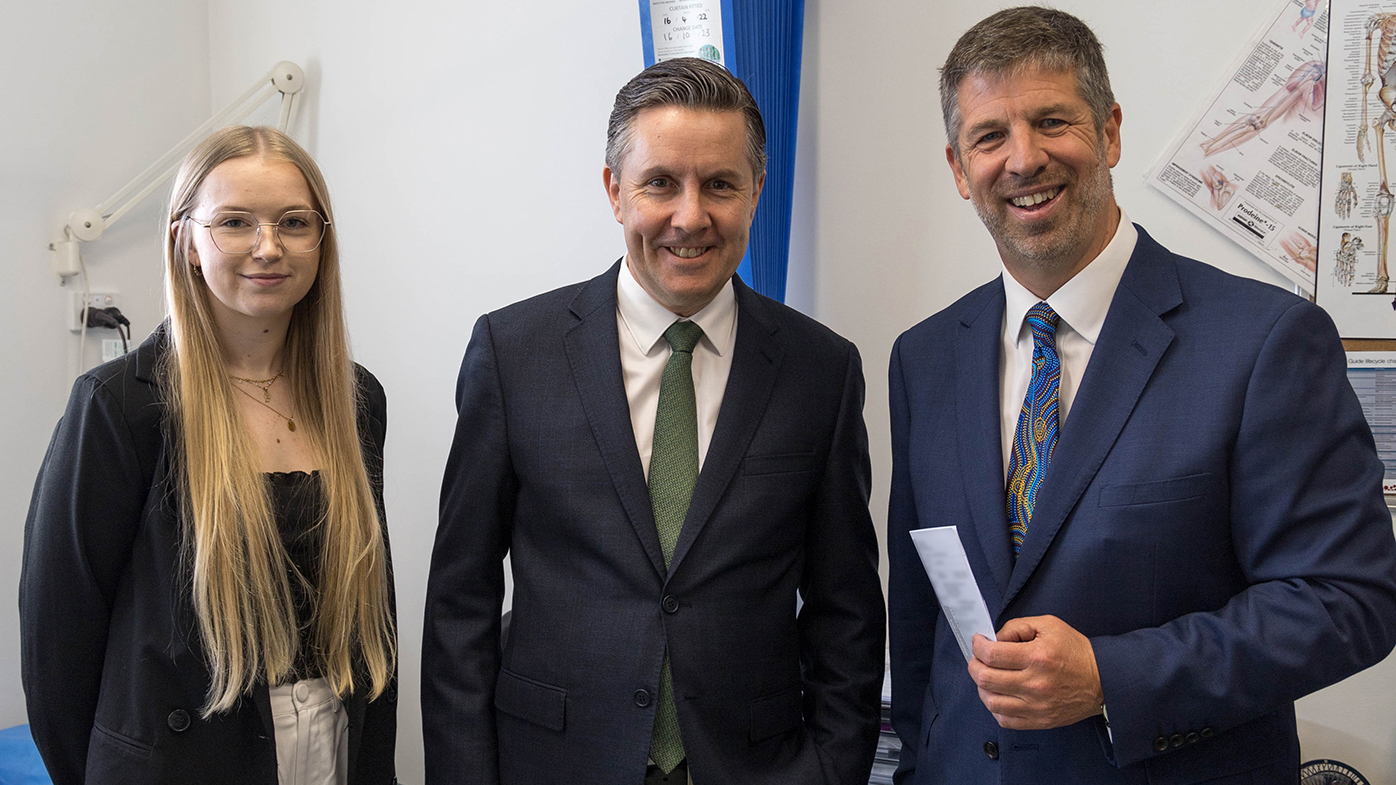
This week she even attended a parliamentary event alongside Prime Minister Anthony Albanese to raise awareness of the impact arthritis has on Aussies of all ages in recognition of Arthritis Australia's 75th anniversary.
"We need more awareness that it does affect people of all ages, and it is a disability, it's not just a small condition that doesn't impact life in a big way," Helyar said.
"The more people talk about it and are open about their experiences with it, the more people will learn."
Have you got a story? Contact reporter Maddison Leach at Google Play.
Body found in search for missing Central Coast 18-year-old
A body has been found following a search for a missing 18-year-old in the NSW Central Coast yesterday.
While it is yet to be confirmed, the body is believed to be that of the missing teen.
At about 12pm yesterday police found the body of a man during a search of bushland in Wondabyne.
READ MORE: Dictator's staff scrub room clean after meeting with Putin
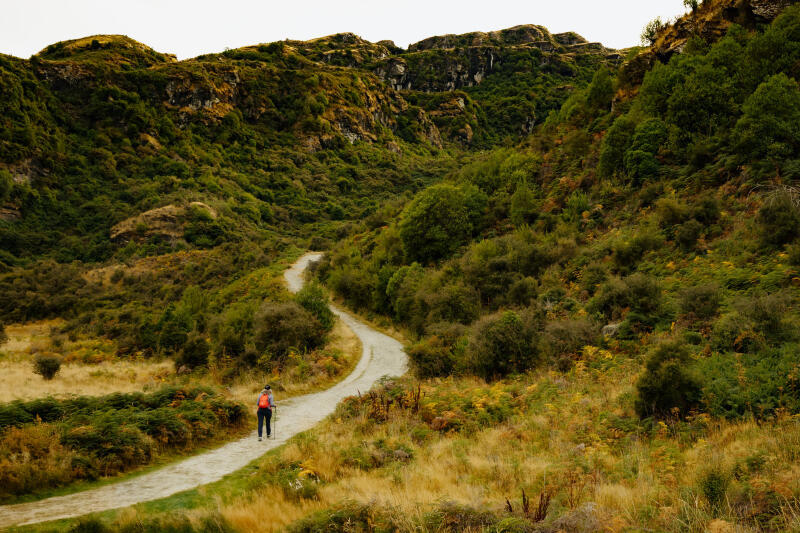
The 18-year-old was last seen at Strand Avenue, Narrara at about 9pm on Thursday.
Brisbane Water Police were notified after the young man couldn't be located or contacted, and an investigation began.
DOWNLOAD THE 9NEWS APP: Stay across all the latest in breaking news, sport, politics and the weather via our news app and get notifications sent straight to your smartphone. Available on the Apple App Store and Google Play.
Tesla proposes Elon Musk pay package that could make him the world’s first trillionaire
Elon Musk, already the world's richest person, could become the first trillionaire after the Tesla board unveiled a massive new pay package for its CEO to keep his focus on the troubled EV maker.
The package would grant him additional shares of Tesla stock if the company is able to grow far beyond its current value, with a market capitalisation far greater than any company has ever approached. Musk's previous pay package, which added significantly to his massive wealth, also laid out ambitious growth plans that once appeared to be a reach – but which Tesla proved able to reach easily.
The new pay package could grant Musk 423.7 million additional shares of Tesla stock. Those shares would be worth $US143.5 billion ($218.6 billion) at today's stock value.
READ MORE: Years after quitting Qantas, Alan Joyce gets one last bumper payout
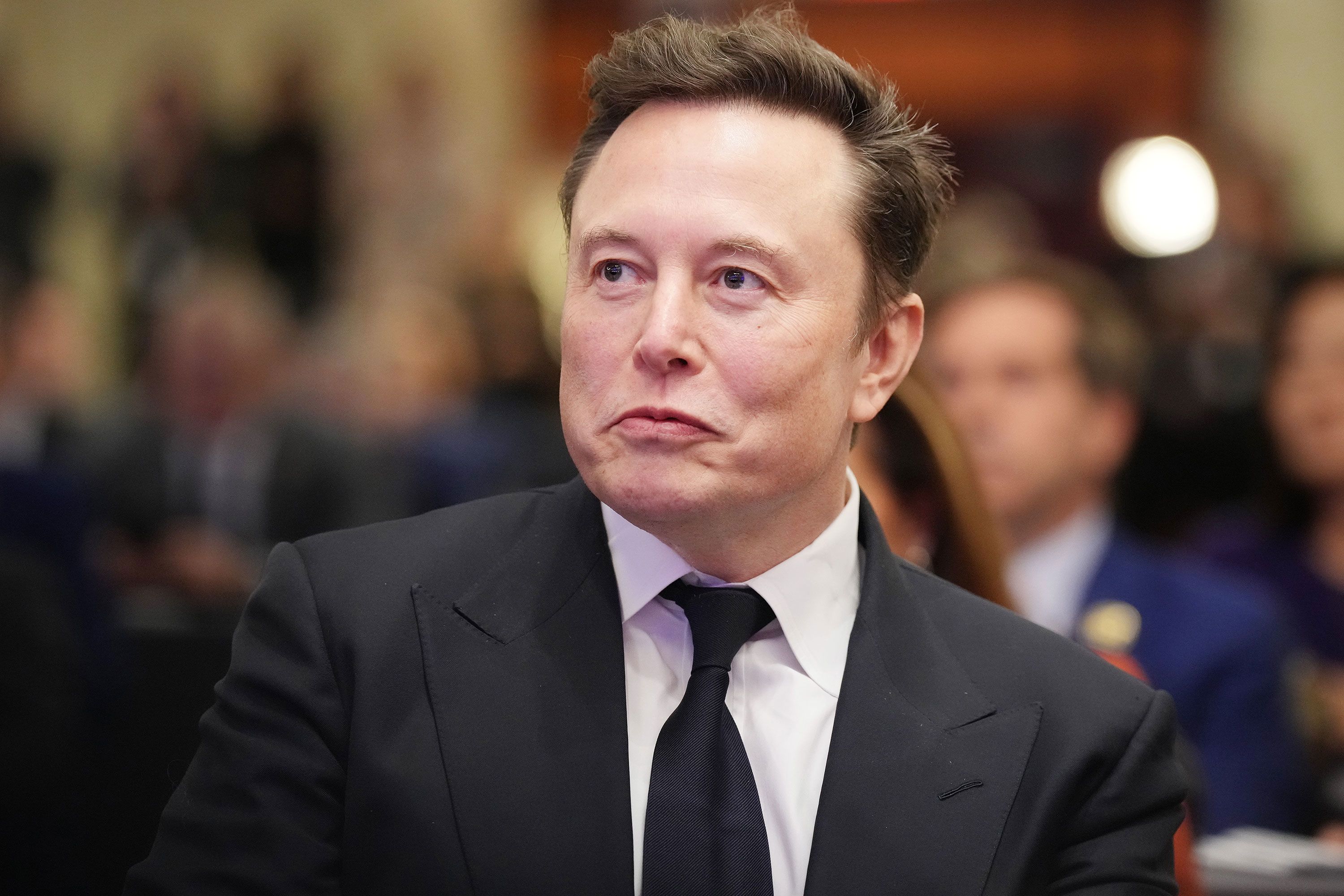
But Musk would get those shares only if the value of Tesla stock increases significantly in coming years. The company stock would need to reach an overall value of $US8.5 trillion ($12.95 trillion) for Musk to get all the shares, significantly above the current market capitalisation of $US1.1 trillion ($1.68 trillion).
Those 423.7 million new shares that Musk would get under this package would be worth close to $US1 trillion ($1.52 trillion) should the company hit the increased valuation targets spelled out in Friday's proxy statement.
If Tesla shares are able to reach the $US8.5 billion market capitalisation value, it could become the most valuable company ever. It would be worth roughly double the current market value of Nvidia (NVDA), the current most-valuable company on the market. Tesla is already the most valuable automaker by a large margin, even though legacy automakers, like second-most valuable automaker Toyota, sell far more vehicles and now make more profits.
Proposal for Tesla in invest in xAI
The company's proxy statement that laid out Musk's payment plan also included a shareholder proposal that Tesla take a stake in privately-held xAI, the artificial intelligence company that Musk also owns. That could help Elon Musk further consolidate his growing business empire.
XAI recently purchased X, the social media platform formerly known as Twitter, which Musk bought for $US44 billion of his own money in 2022. The company did not take a position for or against that shareholder proposal, which does not give any details of how large a stake Tesla should take in xAI, and what price.
But any such investment could further enrich Tesla since Musk is the primary owner of xAI.
READ MORE: Fears accused killer Dezi Freeman could be down a mine shaft
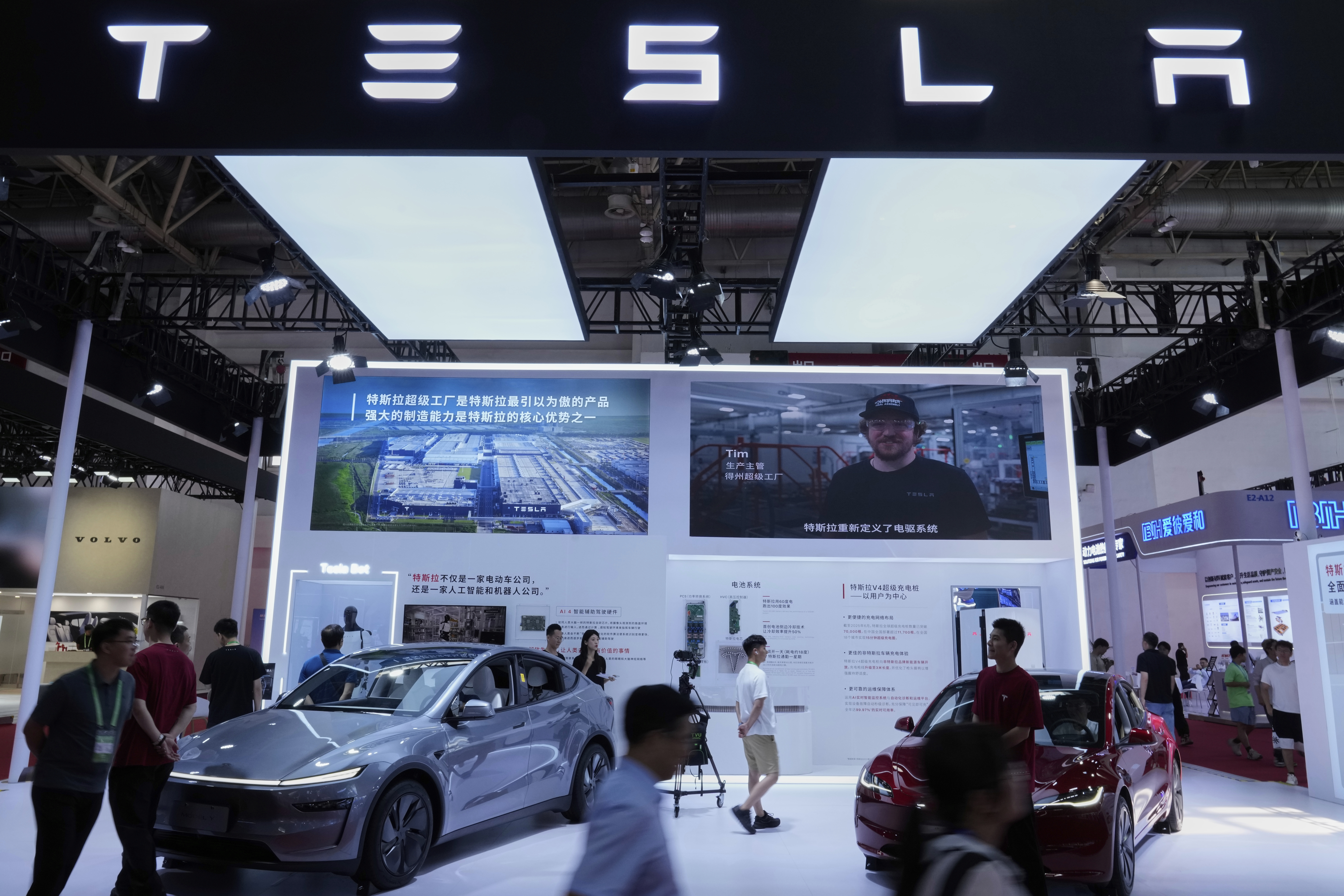
Musk currently owns 410 million shares of Tesla shares, worth $US139 billion at Thursday's closing price. That stake, along with his stakes in xAI, rocket company SpaceX, and several other companies he has started and runs, have made him the richest person on the planet, worth $US378 billion according to Bloomberg's billionaire tracker.
He currently has options to buy an additional 304 million shares of Tesla, but a judge in Delaware has twice struck down that 2018 pay package that granted him those options as illegal. Those rulings came despite overwhelming approval by Tesla shareholders – twice. The company again has tried to grant those options to Musk this year, and adding in those options, he now owns 18 per cent of the company's shares.
Tesla shares nearly doubled in value to a record-high price for its shares between election day and mid-December 2024, as investors bet that his close ties to US President Donald Trump would be a boon for Tesla. But as Tesla faced protests and dropping sales and falling profits in backlash to those ties (before he had a falling out with Trump), all those things resulted in Telsa's stock losing those gains. The shares have recovered some of those losses, but they are still down 26 per cent from the December peak.
Still, Musk and his fans on Wall Street have insisted the company is well positioned to grow even larger and more successful in the future. He has continued to predict that his plans for self-driving cars – including a robotaxi service – will create massive profits and value for shareholders. The robotaxis would provide rides to passengers and also allow Tesla owners to rent out their cars for driverless rides when not in use.
READ MORE: Police release video of men who 'permanently' damaged Anzac Memorial
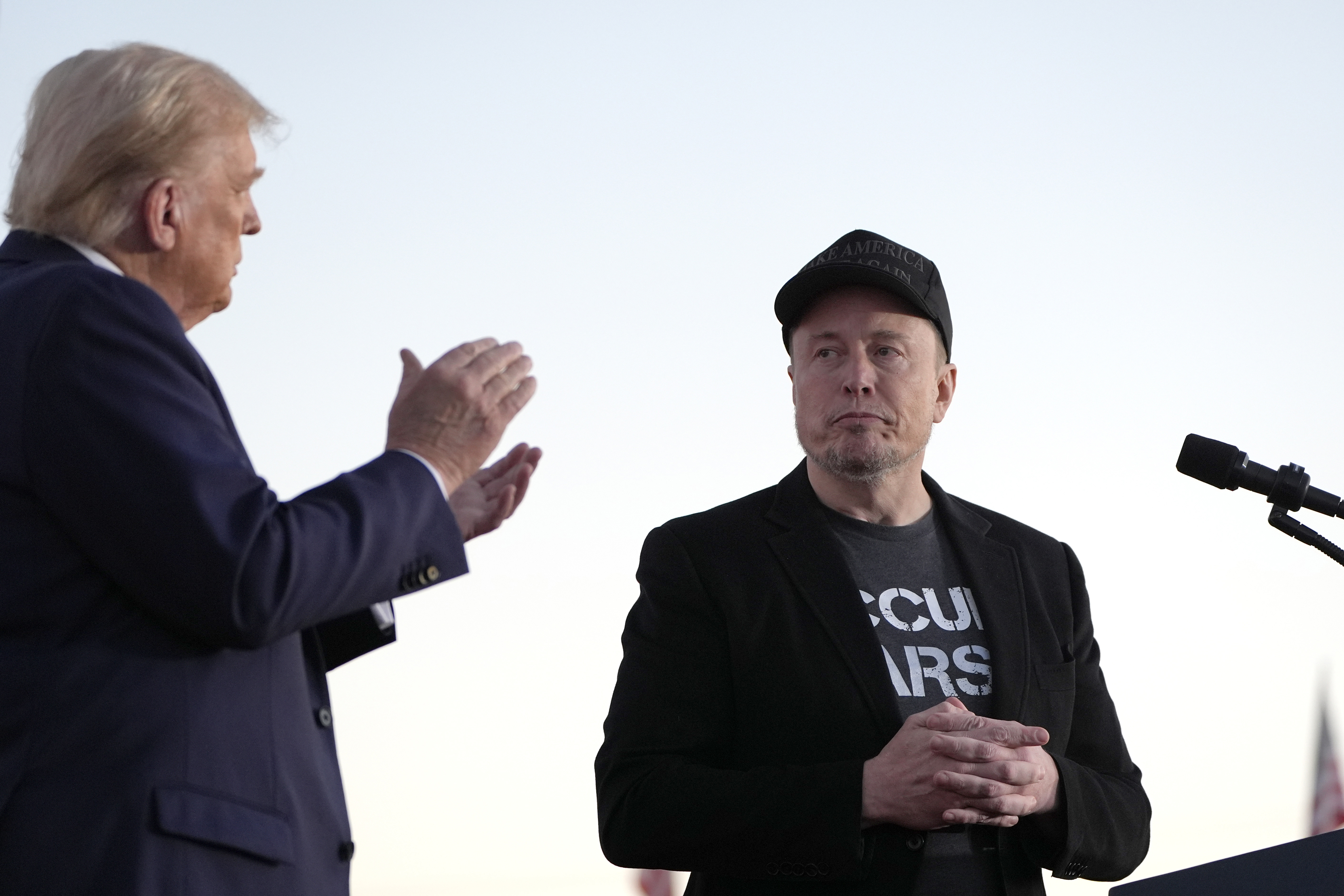
Musk has also promised a line of humanoid robots that could bring in even more sales than Tesla's car business.
Keeping Musk focused on Tesla
"It's a big pay package but Tesla needs to keep its biggest asset in Musk as CEO," Wedbush Securities analyst Dan Ives told CNN on Friday. Ives is one of the bigger Tesla bulls on Wall Street.
"In this AI era Musk now will drive its next leg of growth," Ives added. "The Board had a $1 trillion decision and made the right one."
The board's proxy statement spoke of the importance of keeping Musk focused on Tesla going forward. In addition to his many business interests, he remains active in politics, despite his falling out with Trump. He has announced plans to form a third political party.
Tesla, in its proxy statement, warned that it needed to incentivise Musk to focus his attention on growing the company. It said that during the negotiations on the pay package, "Musk also raised the possibility that he may pursue other interests that may afford him greater influence if he did not receive such assurances."
The board said it "believes that Mr Musk singularly possesses the leadership characteristics necessary to transform Tesla and realise its long-term mission at an unparalleled level".
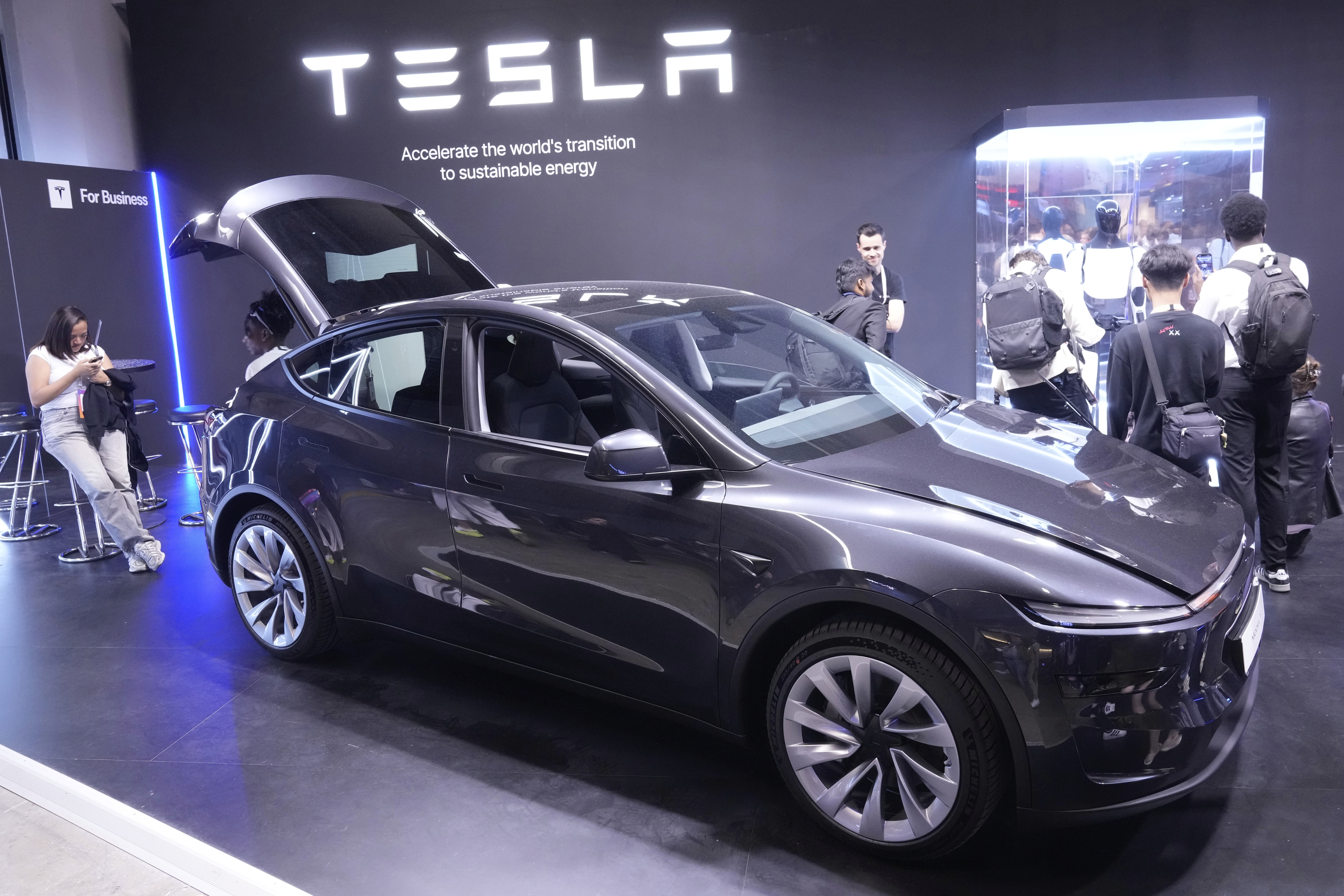
But the company said it is also making plans for life after Musk, saying it is already working on succession plans. And it said that one of the terms of the employment package that Musk must meet to receive the final 70 million shares of stock is that he needs to have "developed a framework for Chief Executive Officer succession".
"The board regularly discusses management succession planning and leadership development," said the proxy statement. It said those succession plans are "for both sudden, unanticipated events, in addition to longer-term planned succession for its executives". It said it "believes that management has developed a robust pipeline of seasoned leadership talent within Tesla," and that is also looking at possible external talent.
Musk does not receive a cash salary from Tesla. All of his compensation comes from Tesla shares and options he has been granted in the past. Since there is still an ongoing court fight over the 304 million options, Musk has not received any compensation for nearly a decade, since a 2012 pay package made its last disbursement of options to him in 2017.
But not all tech billionaires receive additional stock options or grants as compensation, instead benefiting from the increased valuations of their existing stakes in their companies. That includes Amazon founder Jeff Bezos and Mark Zuckerberg, who co-founded Facebook. Both took large stakes in their companies as founders, but neither has received stock grants or options since those companies had initial public offerings in 1997 and 2012, respectively.
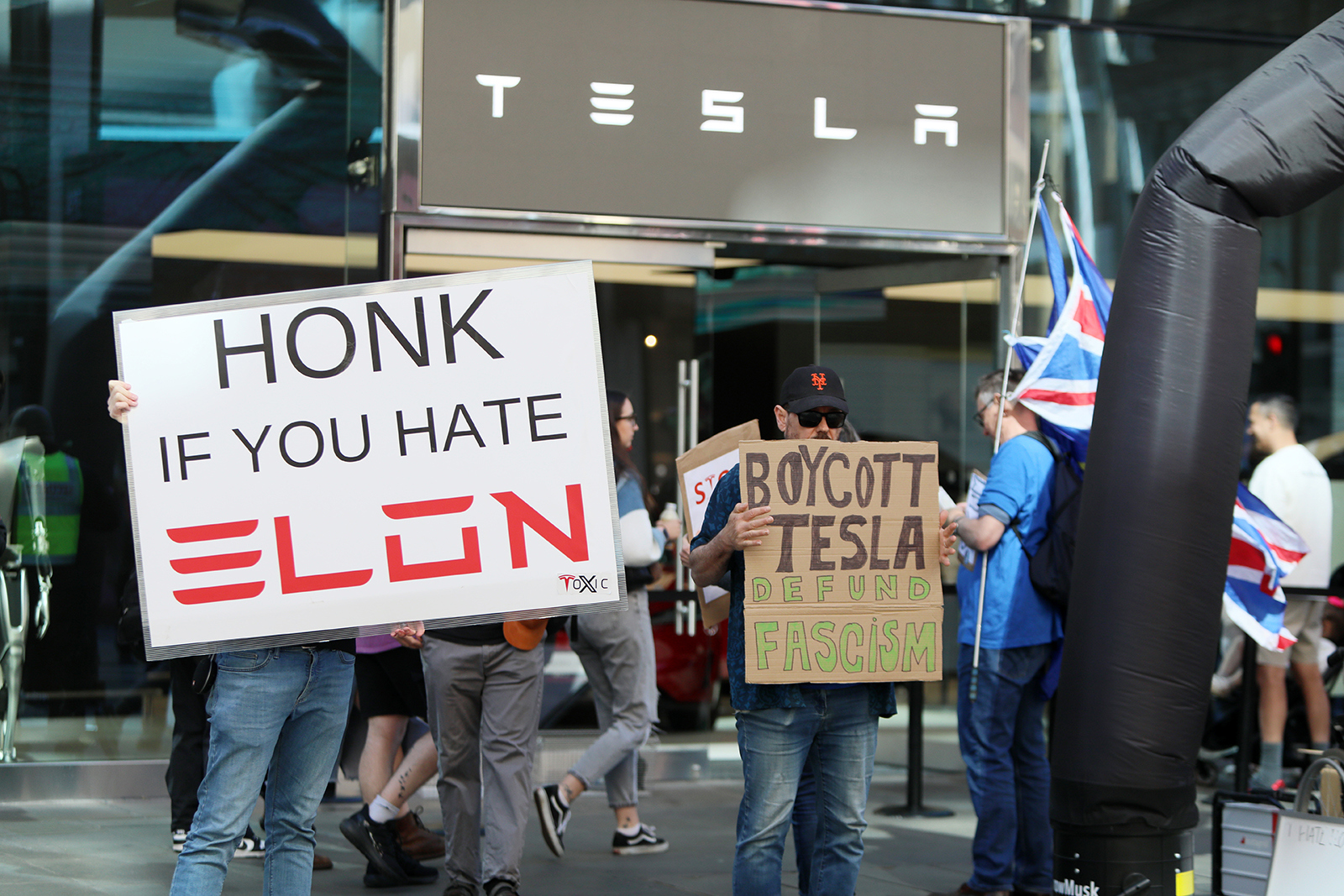
If Musk and his fans are right, Musk would become far wealthier even without any additional shares of Tesla stock. His current holdings of 410 million Tesla shares, even without the disputed 304 million options, would be worth nearly $US1 trillion more than today's valuation, should Tesla's market cap rise to $US8.5 billion.
Despite promises, Tesla faces problems
But to achieve that target, it would have to start doing the things Musk is promising in terms of self-driving vehicles and its robotaxi. And that would mean meeting grand claims from a man and company that have often fallen short of their promises.
Tesla critics say that the stock has become grossly overvalued because of Wall Street's willingness to buy into Musk's vision of the future in terms of AI, self-driving vehicles and robots, despite its failures to deliver on past promises along those lines.
"Elon Musk has been saying since 2014 'we will have a fully autonomous car next year'. It hasn't happened, but that promise has been valued in the billions by Wall Street," said analyst Gordon Johnson, one of the harsher critics of Tesla. "Elon Musk is a master manipulator. He's been able to keep the stock elevated. The reason the board is paying him is he's willing to say things that other CEOs aren't willing to say or get away with."
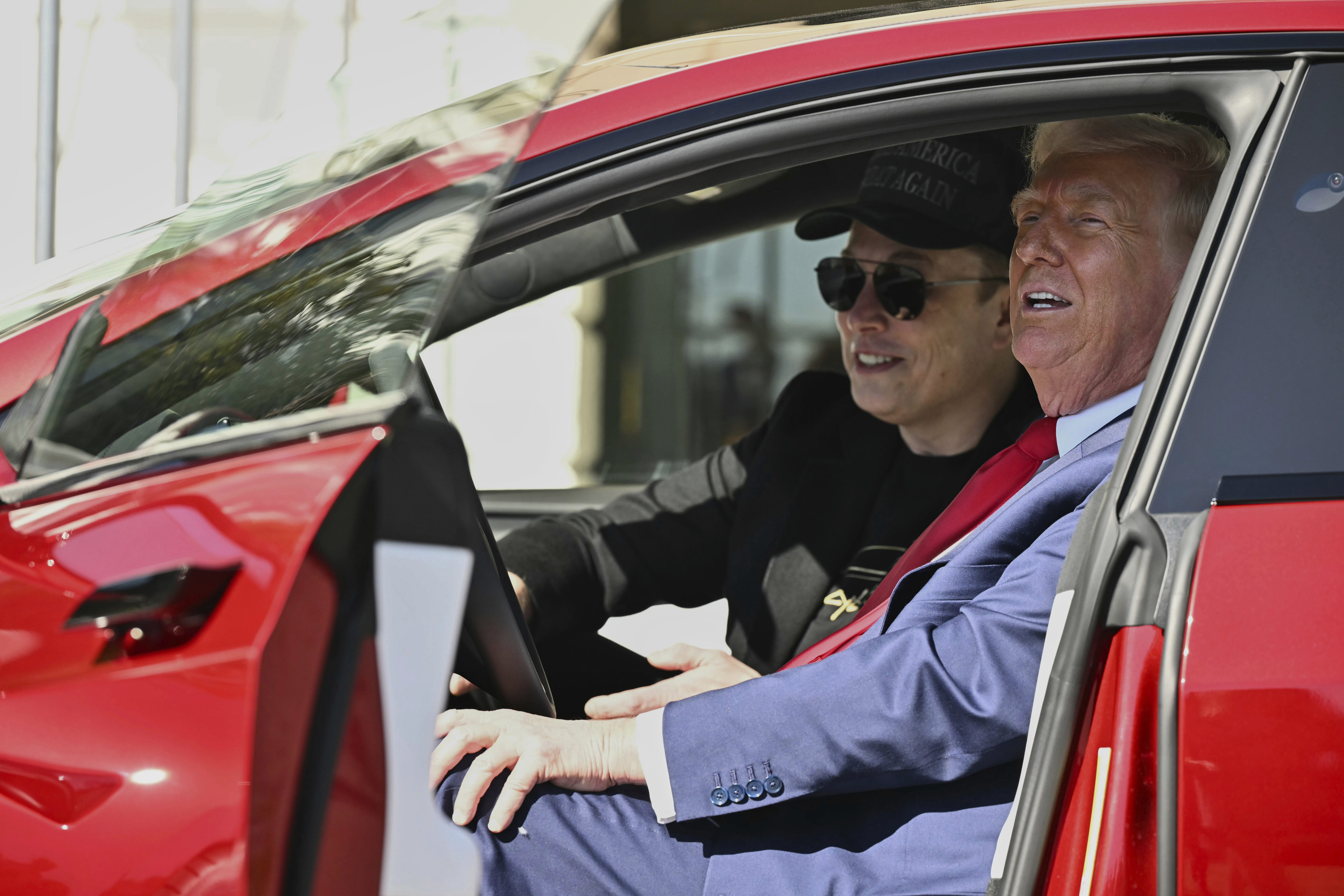
Tesla is facing growing competition from Chinese EV makers. BYD, one of those Chinese automakers, is poised to pass Tesla for the most EV sales worldwide, even though it is not available for sale in the United States.
Tesla also faces competition from other companies that are ahead of it in providing robotaxi services, including Waymo, the autonomous vehicle unit of Google parent Alphabet, which has its own service and has partnered with Uber in some cities.
And a change in US law is about to remove a $7500 tax credit for buyers of most electric vehicles, which could cause prices and sales of those vehicles to fall sharply.
US law also recently removed the billions of dollars in penalties that traditional automakers have had to pay if their gas-powered vehicles exceed emissions rules. The way that they avoided those payments in the past was by buying regulatory credits from an EV maker like Tesla. But the payments that brought billions in revenue to Tesla will now vanish.
Johnson said that Tesla's stock price is therefore unlikely to hit the ambitious targets laid out in this Musk pay package.
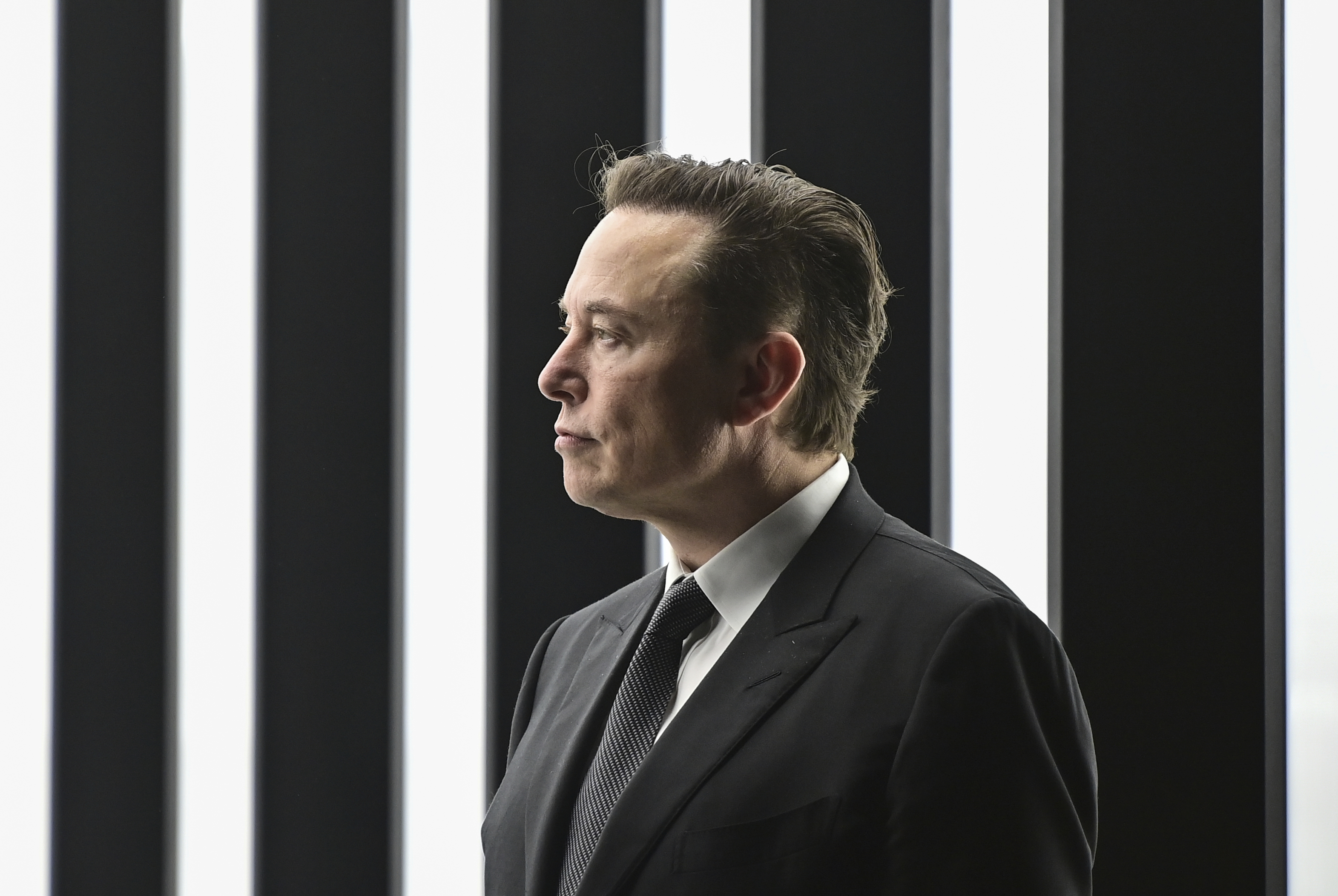
"Things are going to get worse for them, not better," said Johnson. "Is Tesla going to go to $8 trillion? Abso-f—ing-lutely not."
Shares of Tesla (TSLA) were up about 5 per cent in early trading on the news.
DOWNLOAD THE 9NEWS APP: Stay across all the latest in breaking news, sport, politics and the weather via our news app and get notifications sent straight to your smartphone. Available on the Apple App Store and Google Play.
‘My very own superhero’: Family farewell constable killed Porepunkah shooting
The brother of Senior Constable Vadim de Waart-Hottart, who was killed in the line of duty, has remembered him as his own "superhero".
More than 3000 people, including Prime Minister Anthony Albanese and Victorian Premier Jacinta Allan, gathered today to attend the funeral at the Victoria Police Academy in Glen Waverley.
The 34-year-old Belgian national was one of two police officers shot in cold blood at a Porepunkah property on August 26 whilst they were serving a warrant.
READ MORE: Teen girl fighting for life after being attacked by friend's dog identified
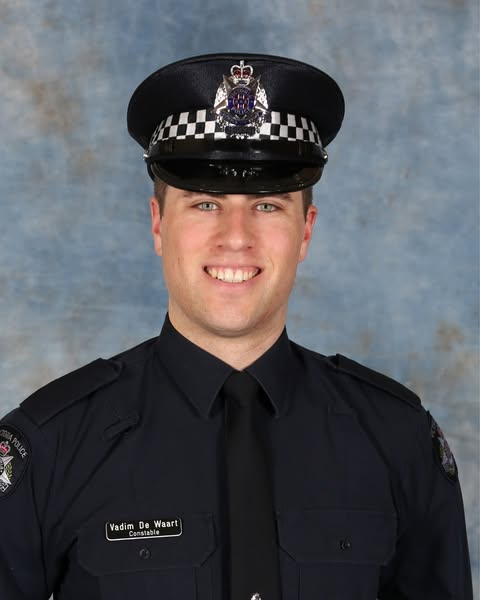
De Waart-Hottart's parents made the 22-hour journey from Belgium, and his younger brother Sasha travelled from Switzerland to attend the funeral.
Sasha spoke during the service, remembering his brother as "my very own superhero".
"He was my Batman," he said.
"I could spend hours speaking about my brother, about the wonderful person he is, about all the amazing times we had together.
"But I'm going to keep this short because I'm not sure I would be able to get through it without breaking down."
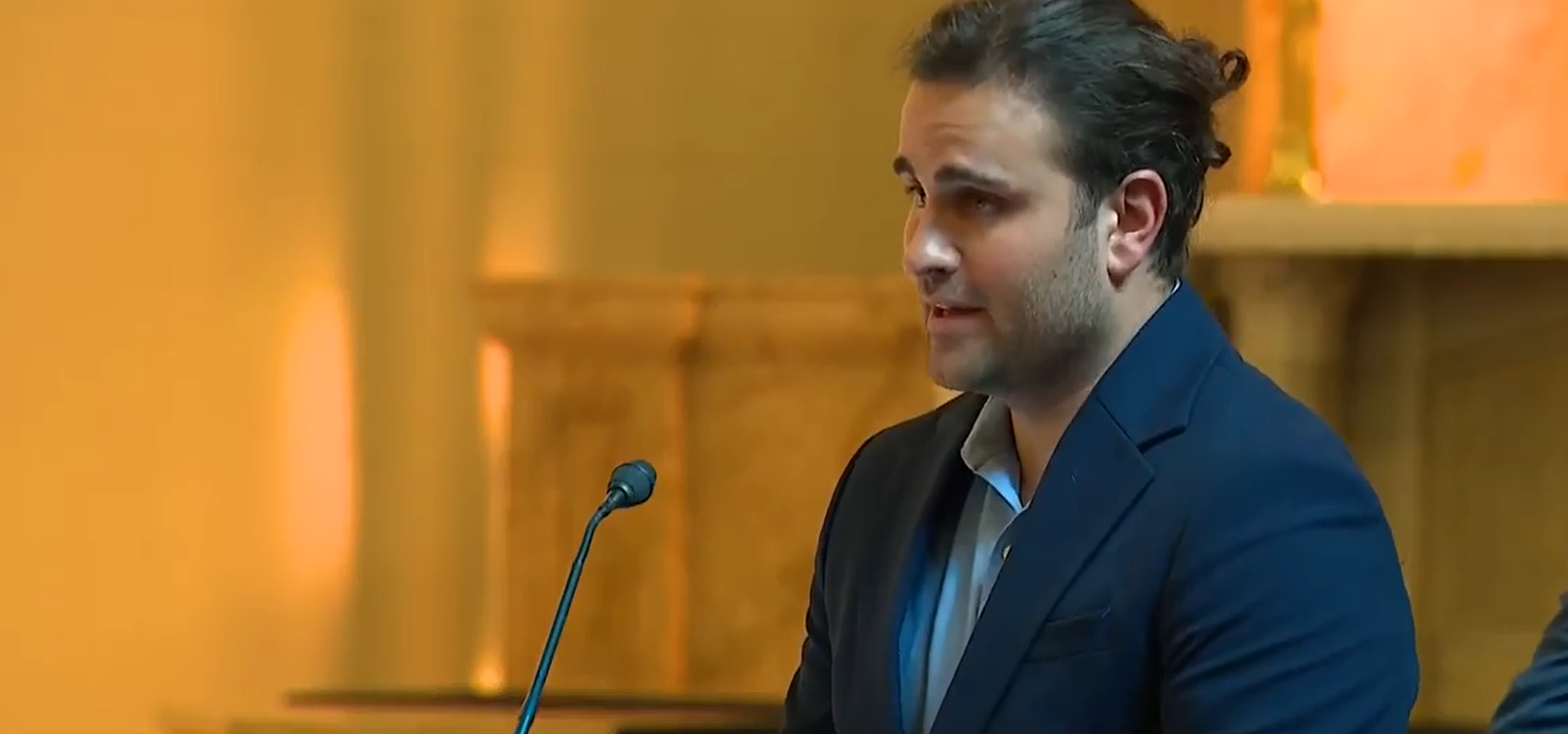
De Waart-Hottart graduated and entered the force in 2019 and was stationed in Maryborough and St Kilda before joining the Public Order Response Unit.
He was known to be a dedicated officer with an unshakeable nature, calm confidence and a drive to help others.
Today, he was commemorated with a statue and commendations for his six years of service and the years he would have given.
"He was taken too soon, and you can be assured we will remember you," Victoria Police Commissioner Mike Bush said.
"Vale Senior Constable Vadim."
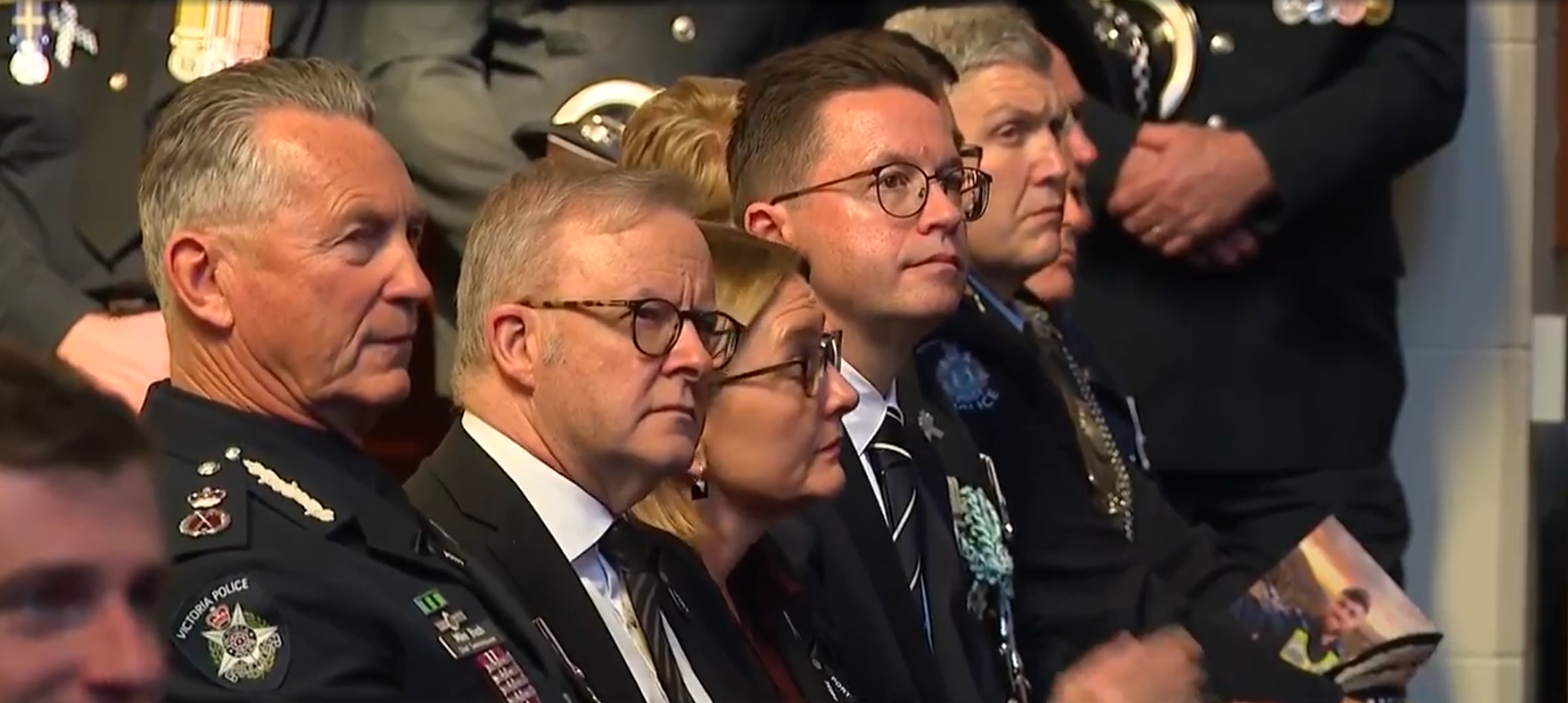
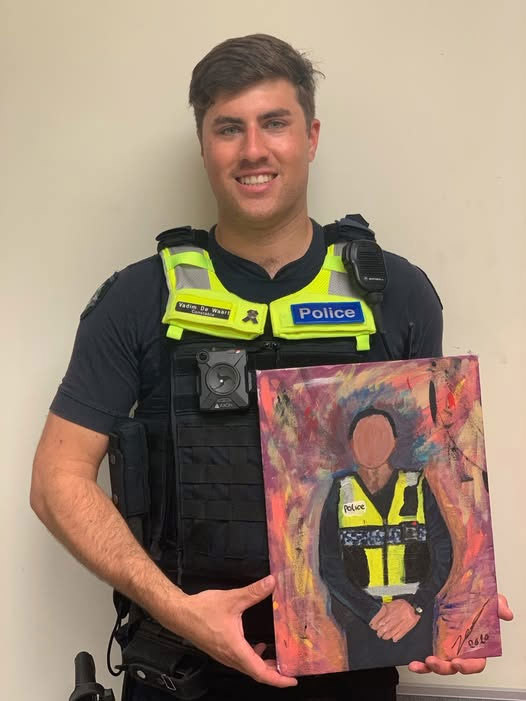
In a poignant Facebook post earlier this morning, Victoria Police shared a photograph of de Waart-Hottart with an artwork that had been sent to him as a gift of appreciation from a community member some years ago.
De Waart-Hottart had attended a mental health incident with a colleague and provided support to that community member when they were in crisis, Victoria Police said.
"As a thank you, that person painted portraits of both officers," the post read.
"It's a small but powerful reminder of the quiet, positive impact our members have in the community every day – often without recognition or expectation. It's through gestures like these that we remember Vadim as someone who devoted his career to helping others."
Police Association Victoria secretary Wayne Gatt released a statement honouring de Waart-Hottart ahead of the funeral.
"Six years in a job you love is too short. A life that gave more than it took, to have been ended in such a way, is an indescribable injustice and a tragedy," Gatt said.
"Senior Constable Vadim de Waart-Hottart, you wore the uniform with honour and you represented it with kindness, compassion and a just heart.
"To your loving family both here and abroad, we want you to know that your loss is shared by the policing family, colleagues and friends of Vadim and an eternally grateful Victorian community.
"Today we farewell Senior Constable Vadim de Waart-Hottart, but we will never forget him."

De Waart-Hottart was killed alongside his colleague Detective Leading Senior Constable Neal Thompson, 59, while attending the Porepunkah property last week.
The hunt for accused double murderer Dezi Freeman is continuing in Victoria's high country, with 450 police officers dedicated to the search.
Detective Neal Thompson's funeral will be held on Monday.
DOWNLOAD THE 9NEWS APP: Stay across all the latest in breaking news, sport, politics and the weather via our news app and get notifications sent straight to your smartphone. Available on the Apple App Store and Google Play.
Epsom MP David Seymour leads Parnell meeting against high-rise zoning plan
Seymour warned infrastructure can’t handle the proposed intensification.