The event will remain free and ticketed, boosting capacity for more people.
Tag Archives: oceania
Ulaiasi ‘Rocky’ Pulete funeral: Major traffic expected on Onehunga roads
Police will monitor the event and are advising drivers to use alternative travel routes.
Police recruit wrongfully accused of groping takes case to Employment Relations Authority
The recruit was relegated to traffic camera duties while he was investigated.
‘Lawyer’s probably shaking his head’: Adrian Portelli’s outburst as unlawful lottery trial begins
High-profile businessman Adrian Portelli says he has proof his company was "fed misinformation", as his trial on unlawful lottery charges begins.
Portelli, 35, of Melbourne, is facing a two-day trial in Adelaide Magistrates Court charged with nine counts of conducting or assisting in the conduct of an unlawful lottery in SA.
His business Xclusive Tech Pty Ltd, which trades under the name LMCT+, is charged with 10 counts of the same offence.
READ MORE: Ben Roberts-Smith to fork out lump sum for legal bills
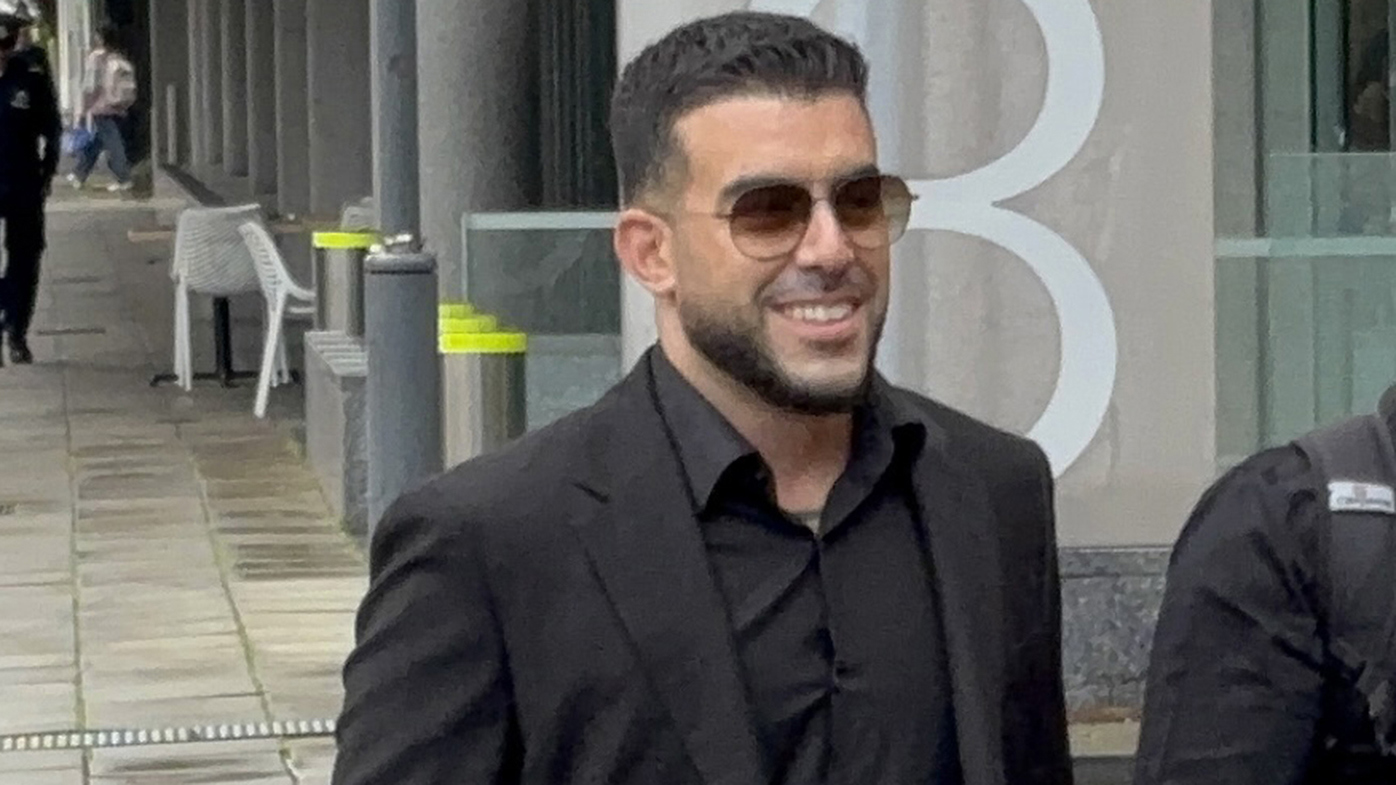
The charges, instigated by SA's Consumer and Business Services, allege Portelli's business did not hold a licence to conduct 10 separate lotteries between January 29, 2023 and May 16, 2024.
Portelli's company offers members subscriptions to a "rewards club" that includes entries to win cars and properties.
Under SA law, any trade promotion lotteries with prizes exceeding $5000 need a licence to operate and entries must be free of charge.
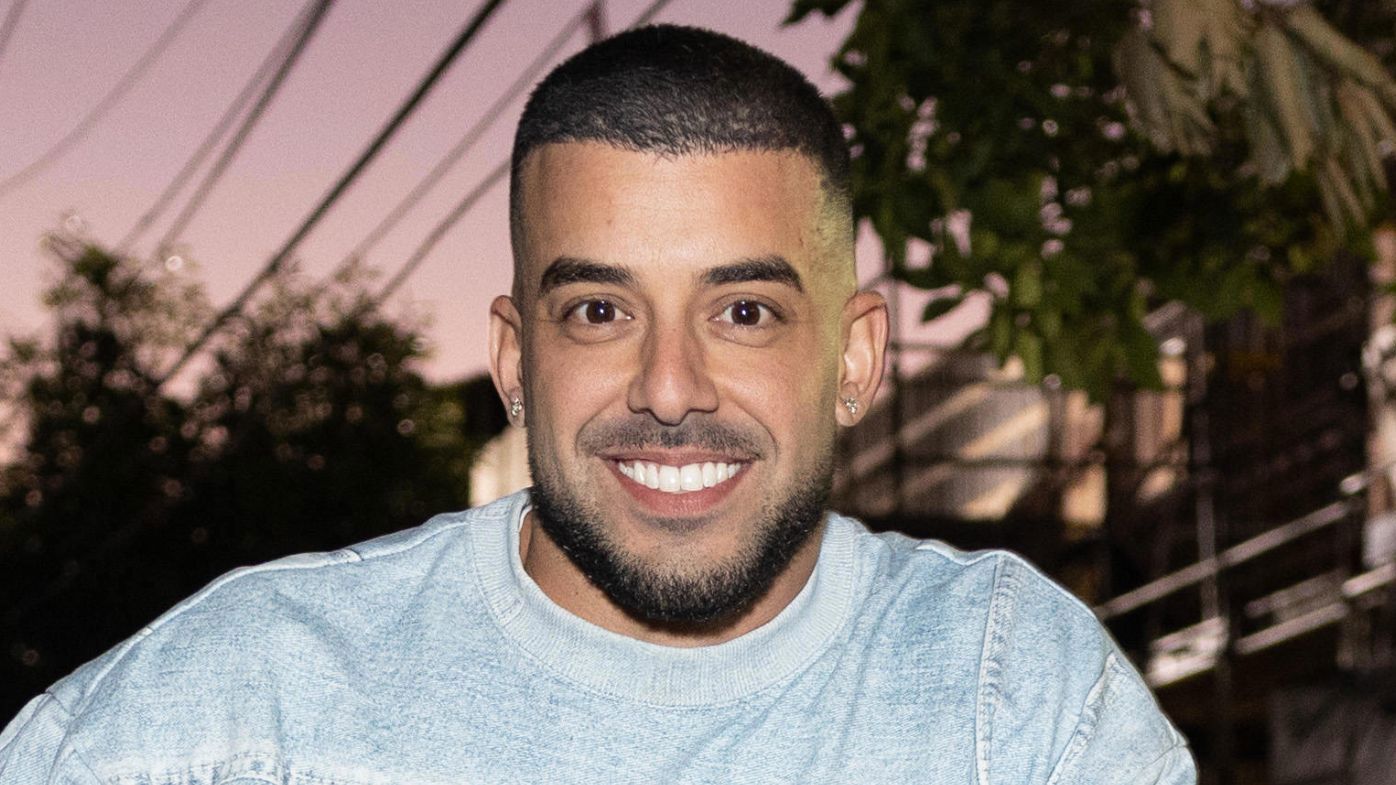
Portelli gained fame as "the Lambo Guy" in 2022, after arriving at a house auction for The Block in a yellow Lamborghini.
In the 2024 series of the reality show, he spent $15.03 million to acquire all five homes on offer.
The Block airs on Channel 9, which is owned by Nine, the publisher of this website.
READ MORE: Skier dies after crashing at popular NSW ski resort
Portelli laughed and smiled broadly as the court was shown videos published online of him conducting lottery draws and contacting winners.
The first three videos shown to the court today included first prizes of a house featured on the TV series The Block or $3 million, a Devil Yellow HSV car and a $250,000 cash prize.
Consumer and Business Services senior investigator Jeff Betts told the court that no licences had been granted by CBS for the lotteries.
Outside court, Portelli said the morning's proceedings had been "a trip down memory lane".
"I'm enjoying it, I'm watching videos I haven't seen in years," he said.
https://www.instagram.com/p/DNZFfZtSTNz/
Asked what his defence would be, Portelli said: "I can't say anything at the moment".
"It's a big miscommunication between both parties," he said.
"We've complied with every state in Australia bar SA.
"We had a good relationship with them but someone woke up on the wrong side of the bed."
Asked if he thought the prosecution was a waste of taxpayers' money, he said: "Yeah, I think it is. I'm not going to sit down and let them walk all over me, I'm going to fight it."
He said his company had not been refunded tens of thousands of dollars after being refused any more lottery permits in SA.
"We've got a bunch of correspondence between both parties. They don't even know what's going on," he told reporters.
"They've given us wrong information.
"This is why we kept operating the way we were, because we were fed misinformation from their end and we've got proof of that.
"My lawyer's probably shaking his head at me because I'm talking all this but really I don't give a f—."
Portelli and his company faces a maximum penalty of $190,000.
He has previously said on social media if he were convicted, he would "round it up to $200,000".
The trial, before magistrate Melanie Burton, continues.
ACC review finds ‘gossipy’ culture and ‘very high-risk’ hiring practices
ACC’s hiring practices were rated as risky due to appointments being non-contestable.
Thousands of Aussies hit with $11 billion warning by tax office
The Australian Taxation Office (ATO) has issued a warning to the 22,000 people who owe it a collective $11 billion as it chases down billions more in unpaid tax.
In a speech to the Tax Institute today, ATO commissioner Rob Heferen said his organisation is currently owed some $50 billion in collectible debt.
"This debt is not disputed, most of it has been self-reported, and a significant portion is made up of amounts that have been withheld from employees' wages, or collected from consumers as GST – but not passed on to government," he said.
READ MORE: Former AFL coach Mick Malthouse assaulted while fighting off home invaders
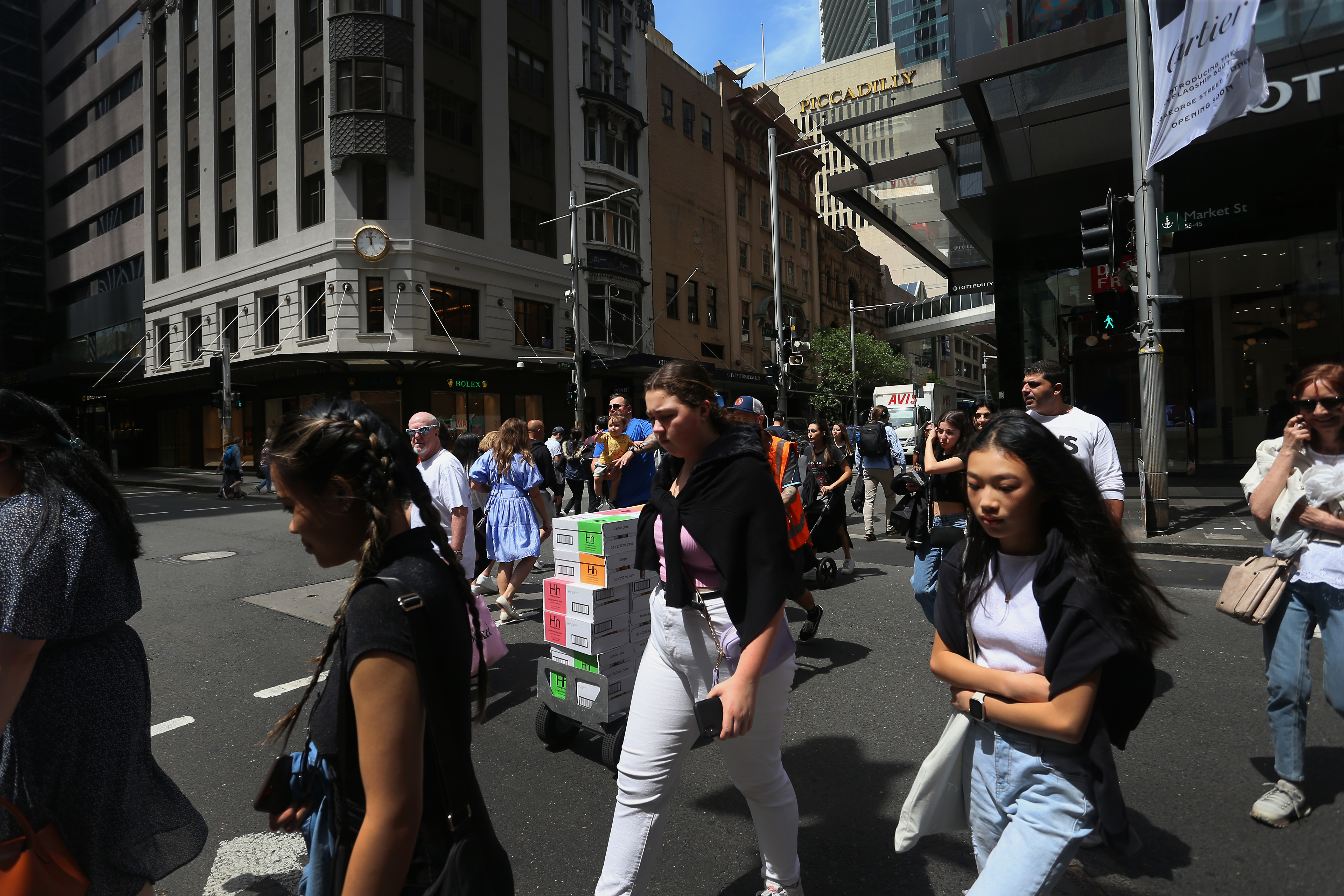
"While the majority of tax is paid on time – about 90 per cent – in dollar terms, there is a significant amount that isn't."
Heferen said collecting the $50 billion is a major focus for the ATO, and revealed there are 22,000 Australians in particular who can expect to hear from the tax office soon.
While they comprise just 1 per cent of the taxpayers who are in debt to the ATO, they owe a collective $11 billion – around 20 per cent of all outstanding funds owed to the ATO, and about $500,000 each.
"It's a significant priority for us," Heferen said.
READ MORE: Major bank predicts no interest rate cut from RBA this month
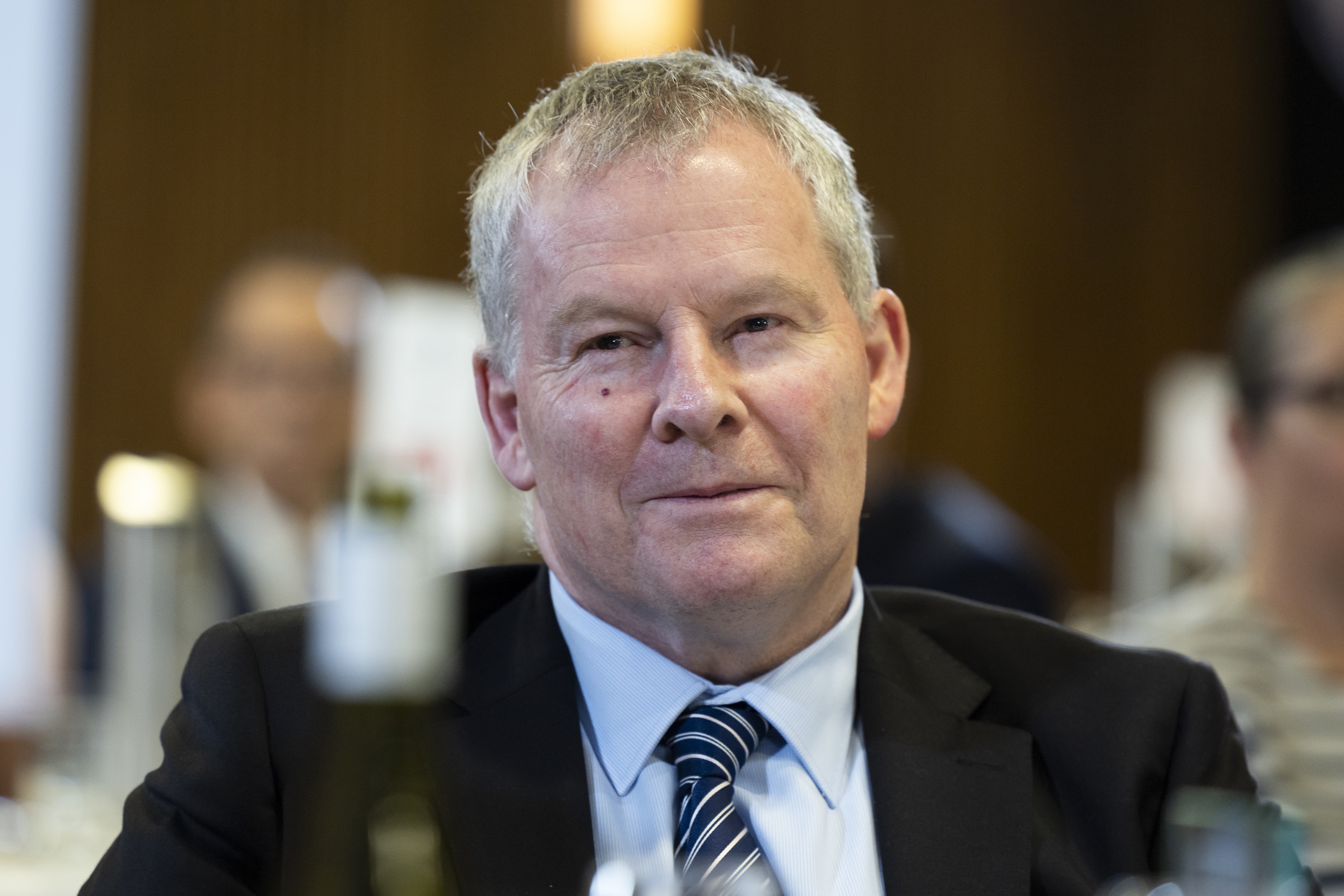
"We're using every tool available to recover what's owed from those 22,000 – using statutory demands for payment, wind-up processes, director penalty notices, garnishee notices, and departure prohibition orders."
The $50 billion in outstanding debt is almost enough to cover Australia's entire defence budget for a year, while the $11 billion is more than the federal government put towards its key election policies of boosting bulk billing under Medicare and extending energy bill rebates for six months combined.
Earlier in his speech, Heferen gave an update on tax returns for the 2024-25 financial year.
With about two months to go until the October 31 deadline, about a quarter of taxpayers had lodged their returns, and had been given a significant average refund.
"As of 24 August, we've had over 6.1 million tax returns lodged and have issued over 4.5 million refunds, totalling $12 billion – with an average refund of $2639," he said.
DOWNLOAD THE 9NEWS APP: Stay across all the latest in breaking news, sport, politics and the weather via our news app and get notifications sent straight to your smartphone. Available on the Apple App Store and Google Play.
First burst of spring in store for major cities, but it may be brief
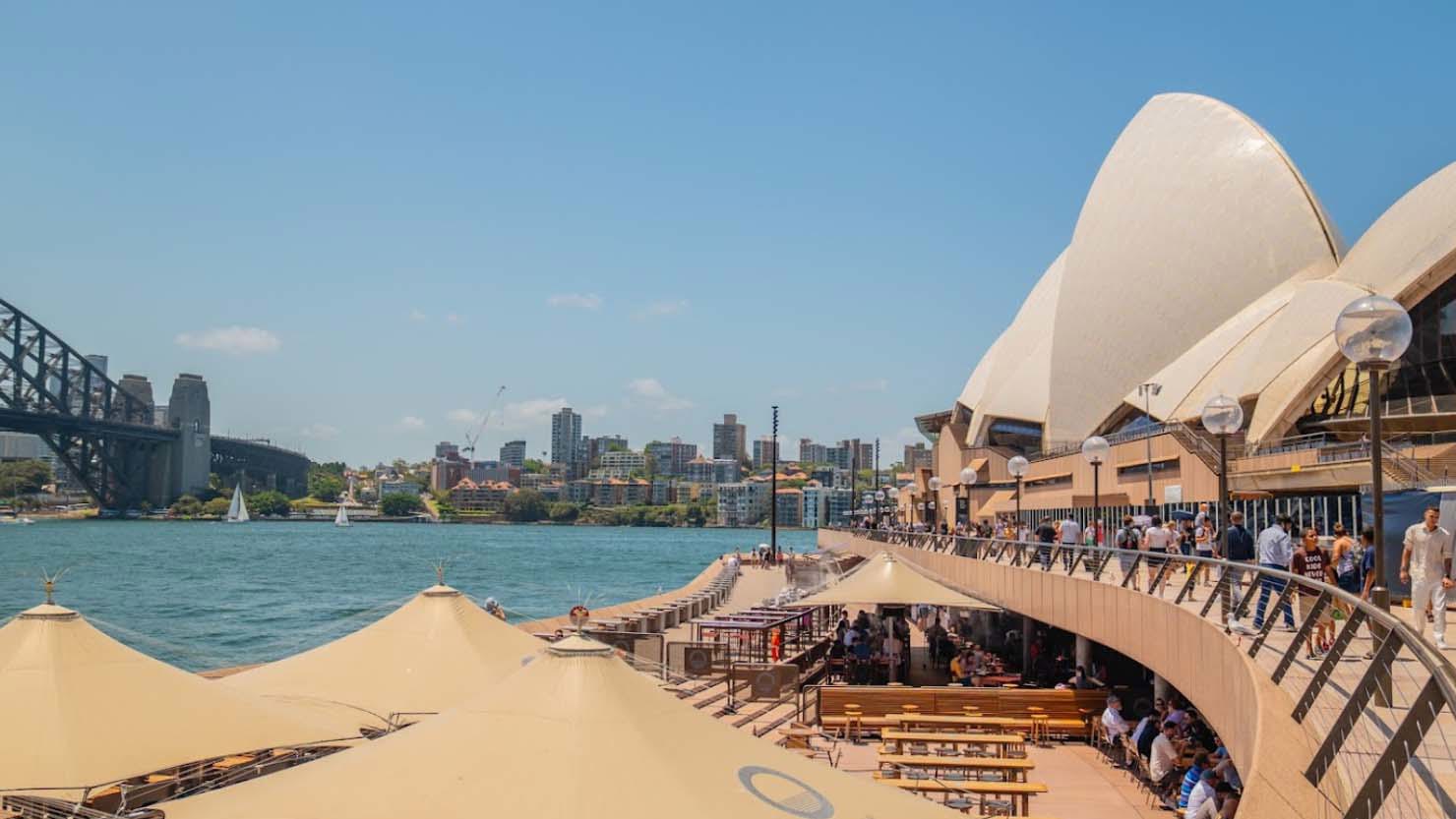
Major cities in south-east Australia will briefly experience warmer temperatures this weekend.
Sydney will hit 21 degrees on Sunday and 27 degrees by Monday, whilst Melbourne, Adelaide, Hobart and Canberra will also experience temperatures in the early-mid twenties over the next few days according to Weatherzone.
The warmer weather is due to northerly winds pushing warmer wind from the interior of the country southwards, giving Aussies in the south-east some sunshine and warmth after a wet August.
READ MORE: Robodebt victims to receive $475 million in compensation over 'illegal and immoral' scheme
It is the warmest weather in this part of the country since early May.
However, the warmer weather won't last in some parts of the country, with a polar air mass expected to hit the mainland early next week.
That cold front is already hitting parts of Tasmania, where places with higher elevation are seeing snow.
READ MORE: Hot mic captures Xi and Putin discussing immortality, organ transplants
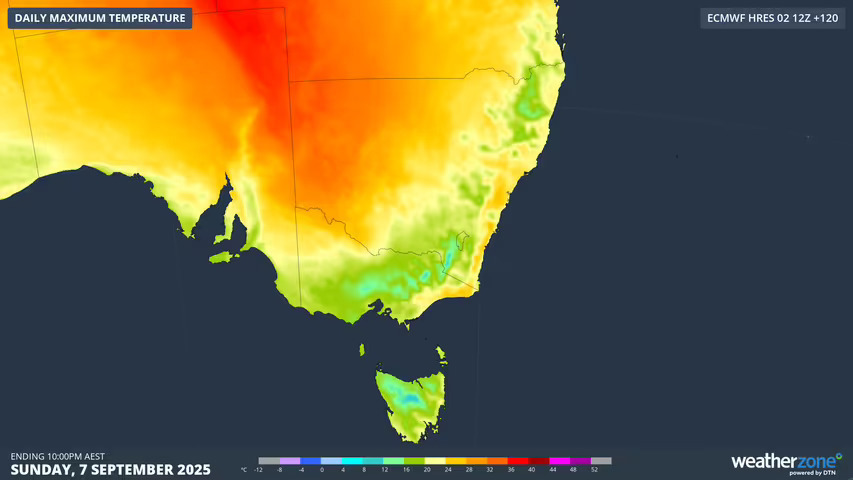
It means Melbourne's top daytime temperatures will fall from 21 degrees on Sunday to just 13 degrees on Wednesday, with up to 20mm of rain also expected to hit the city.
The maximum temperatures in Sydney will drop nine degrees in two days, falling to 18 degrees on Wednesday, with rain returning on Tuesday and Wednesday as well.
This does match with the weather trends expected for spring, which experts warn will be wetter and warmer than usual.
The east coast and central Australia will cop the worst of the wetter weather, with increased flood risks in east NSW and south east Queensland during periods of heavy rain.
DOWNLOAD THE 9NEWS APP: Stay across all the latest in breaking news, sport, politics and the weather via our news app and get notifications sent straight to your smartphone. Available on the Apple App Store and Google Play.
The office cubicle once reigned supreme. Could it make a comeback?
Imagine having your own space at work. For most Australians working in corporate offices, it's a far-off dream.
More than 2.2 million Aussies aged 15 to 24 were employed in July 2025, most of whom have only ever known the chatter and distraction of open-plan offices.
But there was a time – one older members of the workforce still recall – when the cubicle reigned supreme in offices all over the country.
READ MORE: Multiple dead, dozens injured after funicular crash in Portugal
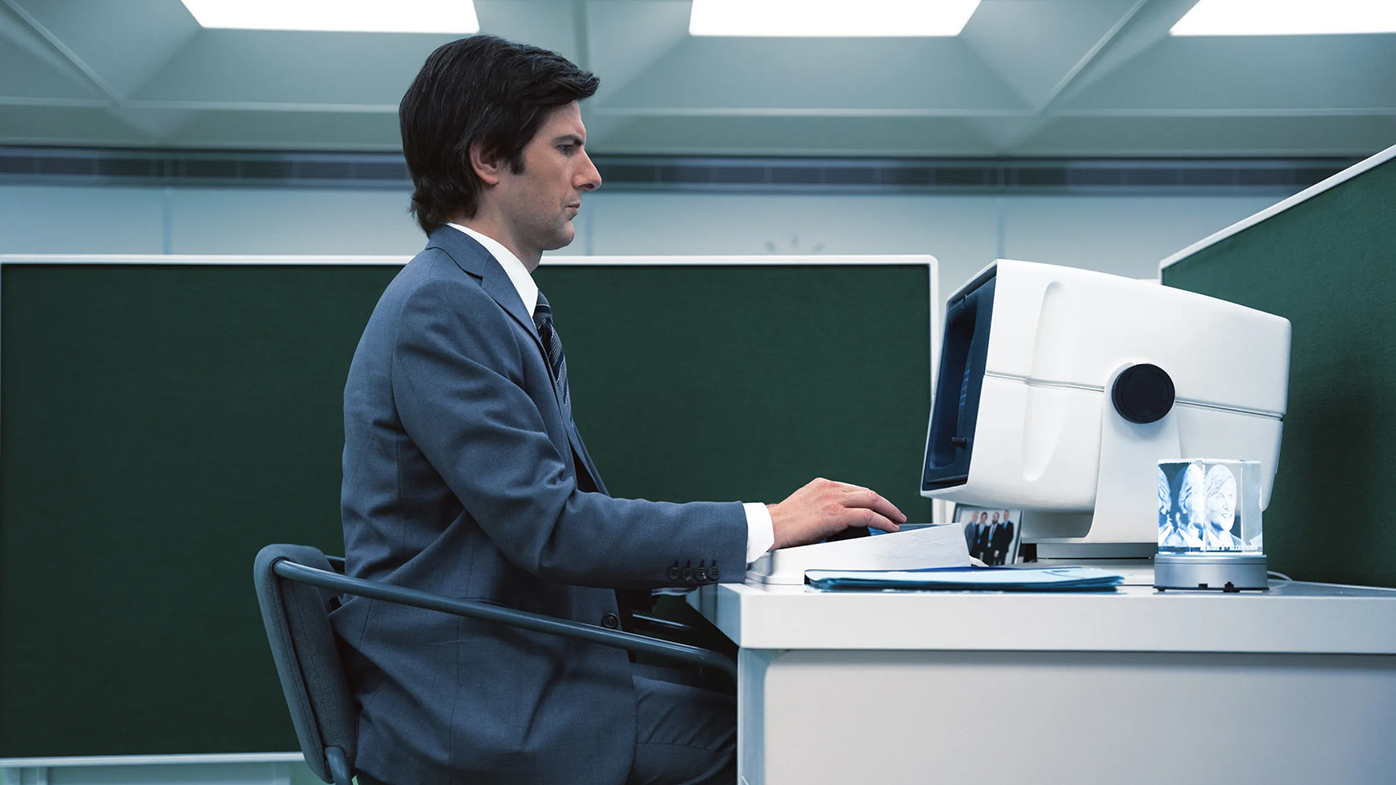
A time before hotdesking and being exposed to every sight, sound and smell in the office was the norm, despite how detrimental it can be to our ability to actually work.
But as businesses try to coax employees back into offices after years of work-from-home (WFH) arrangements, could 2025 be the year Australia finally resurrects the cubicle?
One expert says it's not entirely out of the question.
The death of the office cubicle
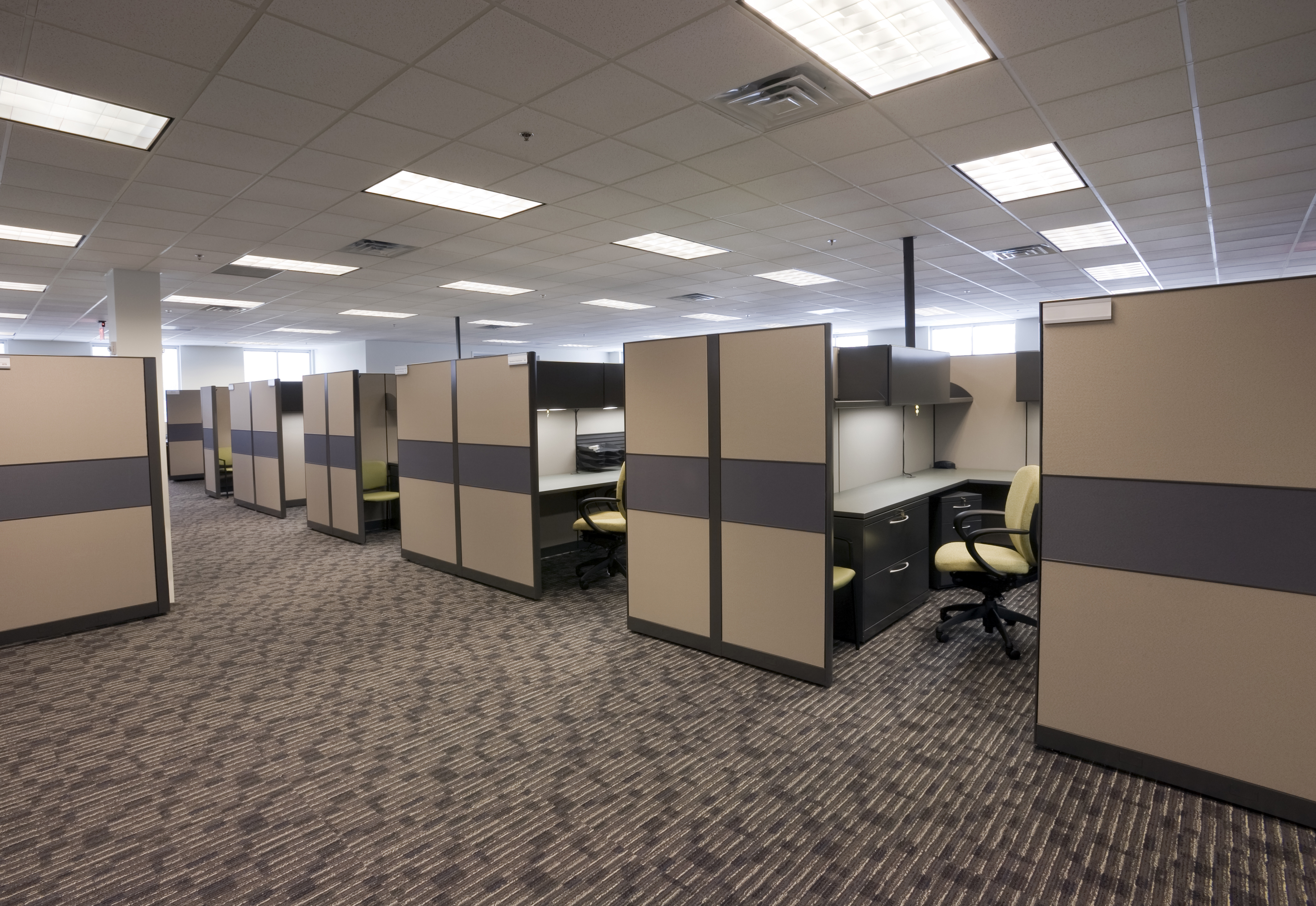
Once an Aussie office staple, cubicles were largely phased out by the 2000s.
They were meant to be an affordable alternative to private offices that still gave employees a sense of space and privacy.
But over time, some employees and employers came to view "cubicle farms" as oppressive and isolating.
Many adopted open-plan layouts instead.
Popularised by architect Frank Lloyd Wright, egalitarian open-plan offices would encourage workers to communicate, collaborate, solve problems and generate ideas.
Or so the theory went.
"Unfortunately, it hasn't actually worked out that way," MBA director and Associate Professor of Organisational Behaviour at Bond University, Dr Libby Sander told 9news.com.au.
"If we look at a big body of research over the last 15 years, what it shows conclusively is that just putting people together in one room doesn't make them do all those things.
"In fact, it can often do the opposite."
The open-plan problem
To work in an open-plan office is to be distracted.
Aussie workers report the constant noise makes it significantly harder to get work done, with some saying they can be distracted 80 times in a single morning.
It doesn't even need to be a direct distraction, like being asked a question or roped into a conversation, either.
READ MORE: Danielle was given just months to live. Then came a glimmer of hope
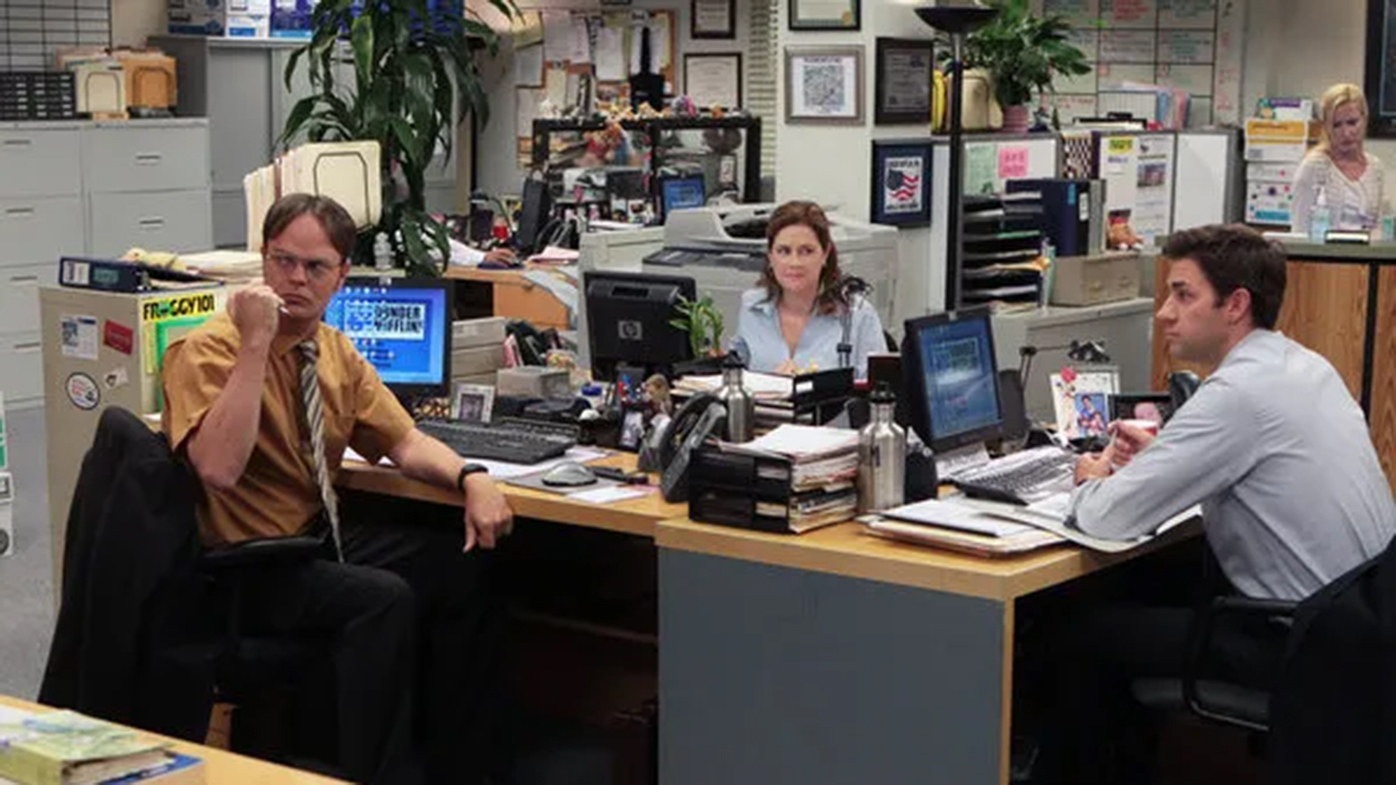
A study Sander ran found that workers exposed to standard open-plan office noise, even over a short period of time, experienced a 34 per cent spike in physiological stress and a 25 per cent increase in negative mood.
"When you couple that with the interruptions and distractions of people actually coming up and talking to you, or having a meeting next to your desk … it's very, very difficult for people to do focused and concentrated work," Sander said.
"They become more withdrawn, even hostile in some cases … because they get very, very frustrated that they just can't concentrate."
Research also shows it can take up to 20 minutes to get back on task after being distracted – and that's bad for business.
It's part of why so many Aussies have latched onto WFH arrangements and refuse to let go, even years post-pandemic.
The rise of hotdesking and "activity-based working" hasn't helped either.
While it can work for some industries and roles, even Sander agreed "a lot of people are very unhappy with" having to share desks with colleagues that don't always clean up after themselves – if they can find a desk at all.
Resurrecting the cubicle – or something like it
With many businesses still trying to coax workers back into the office, now seems like the perfect time to address the layout issues that make staff reluctant to return.
"Companies are starting to realise the impact that noise, distraction and interruption actually has on their employee, which is their biggest expense," Sander said.
"And that the savings you make in real estate by not giving everyone their own space, or cramming everyone into an open plan space, doesn't actually pay off in the long term."
READ MORE: Nukes, lasers and 'robot wolves' on show as China flexes military might
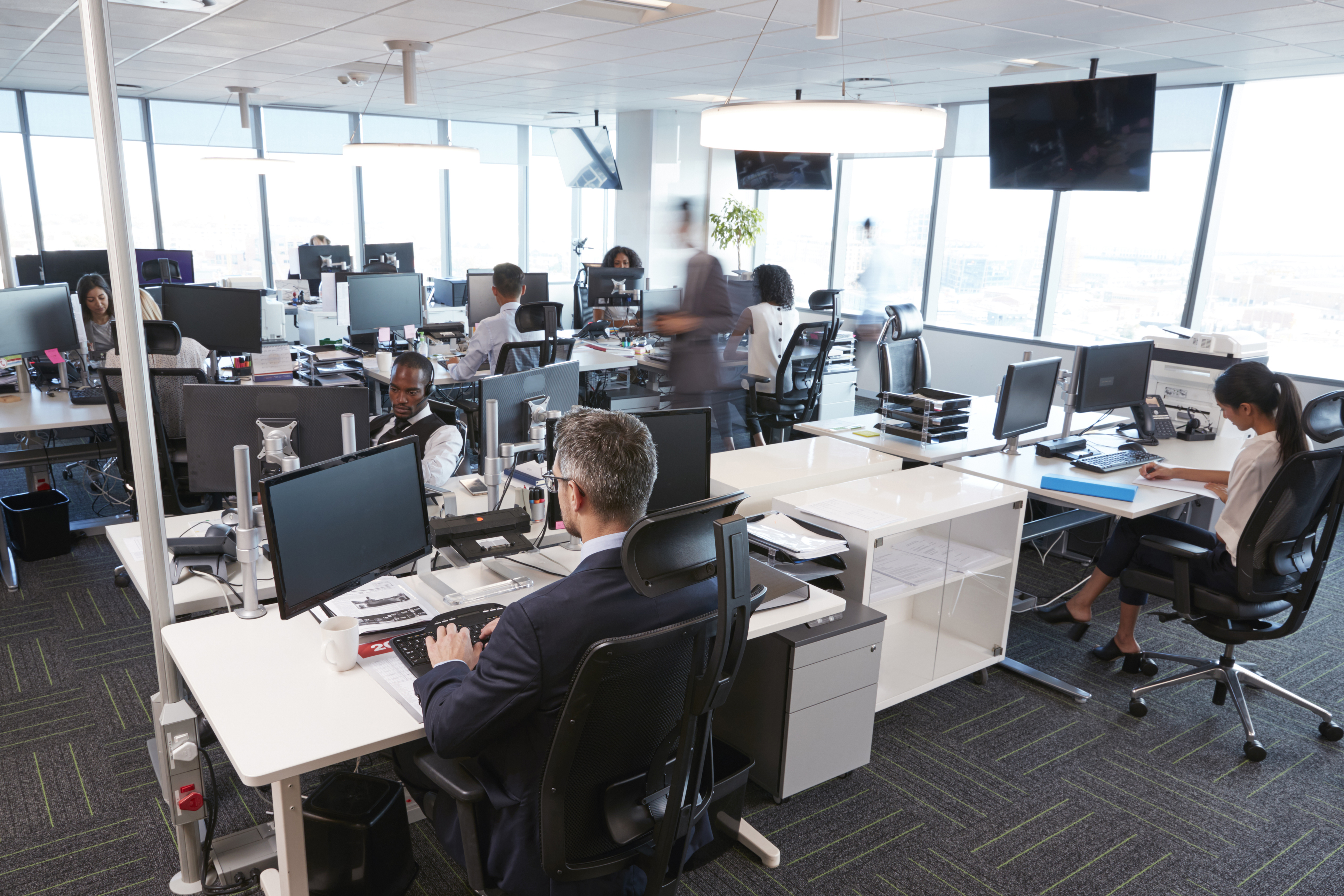
But the solution isn't as simple as resurrecting cubicles in every office.
Instead, Sander recommended businesses design office layouts specific to the work employees need to get done.
That could mean cubicles, private offices, or a well-designed open-plan layout with private spaces available.
Some companies have already invested in small, free-standing office "booths" where staff can work without distraction.
It may also mean allowing long-term WFH arrangements; whatever works best for staff just trying to get the job done.
"There isn't a one-size-fits-all answer," Sander said.
"Because ultimately, you need to have a variety of options for people who have a variety of needs."
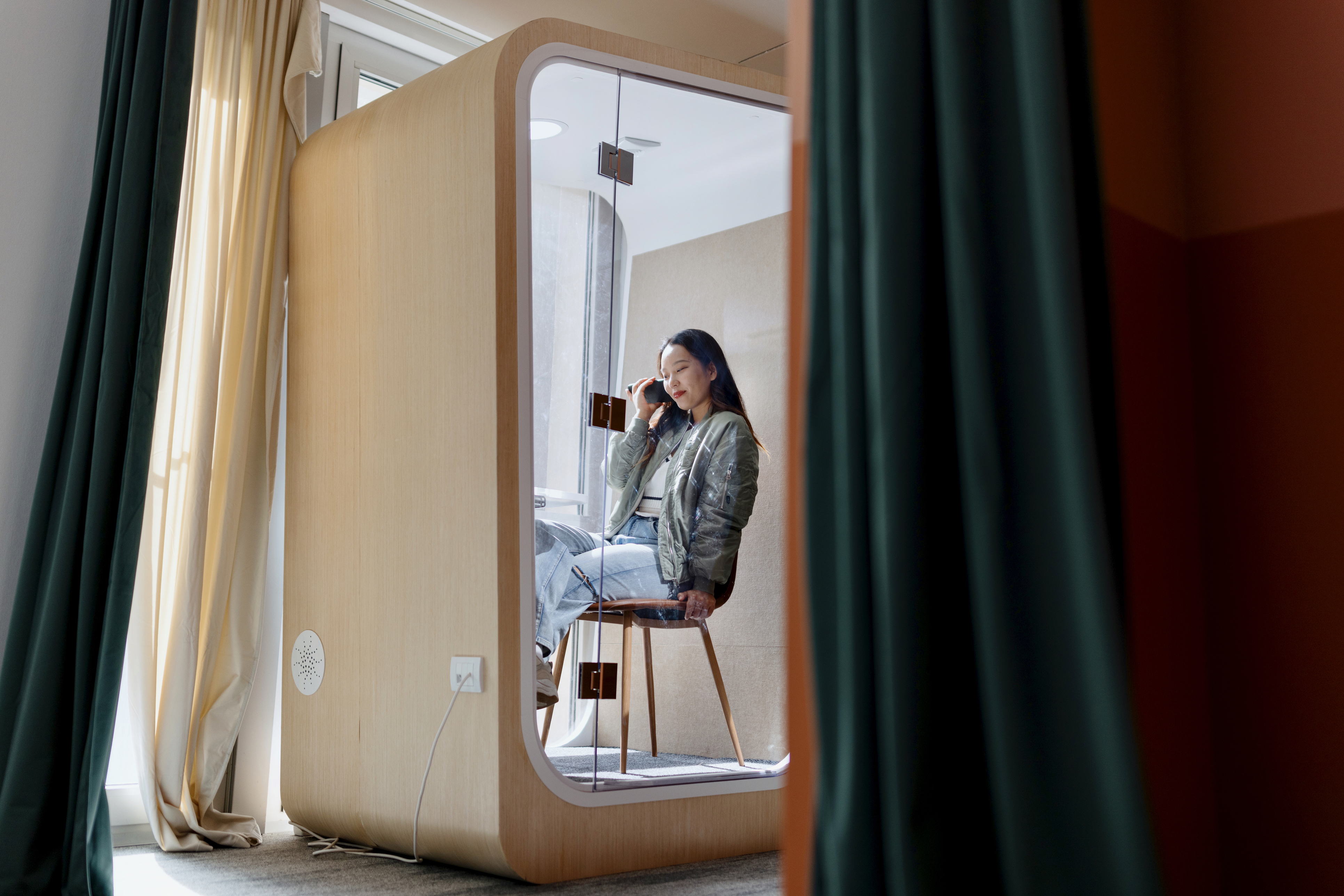
And with a looming talent shortage, aging populations and declining birth rates, businesses that don't try to meet staff needs risk falling behind those that do.
"As we understand more and more the impact of noise and distraction, we are going to see better-designed offices with better acoustics, more dividers, less open-plan space, so people can actually concentrate and get their work done," Sander said.
"If you're not doing that, your competitors are already doing it or going to do it, and you're going to get left behind."
Have you got a story? Contact reporter Maddison Leach at Google Play.
Fast fashion giant wipes listing that used accused killer’s likeness
Fast fashion giant Shein said that it was conducting an investigation after a product on its website featured what appeared to be an edited image of Luigi Mangione, the man accused of killing UnitedHealthcare's CEO last year.
Mangione is facing the death penalty in federal court after allegedly gunning down UnitedHealthcare CEO Brian Thompson in Manhattan in December.
He has been indicted for murder and other charges related to the death, but he has pleaded not guilty to all federal and state charges against him.
READ MORE: 'Lisbon is in mourning': At least 15 killed in Portugal streetcar crash
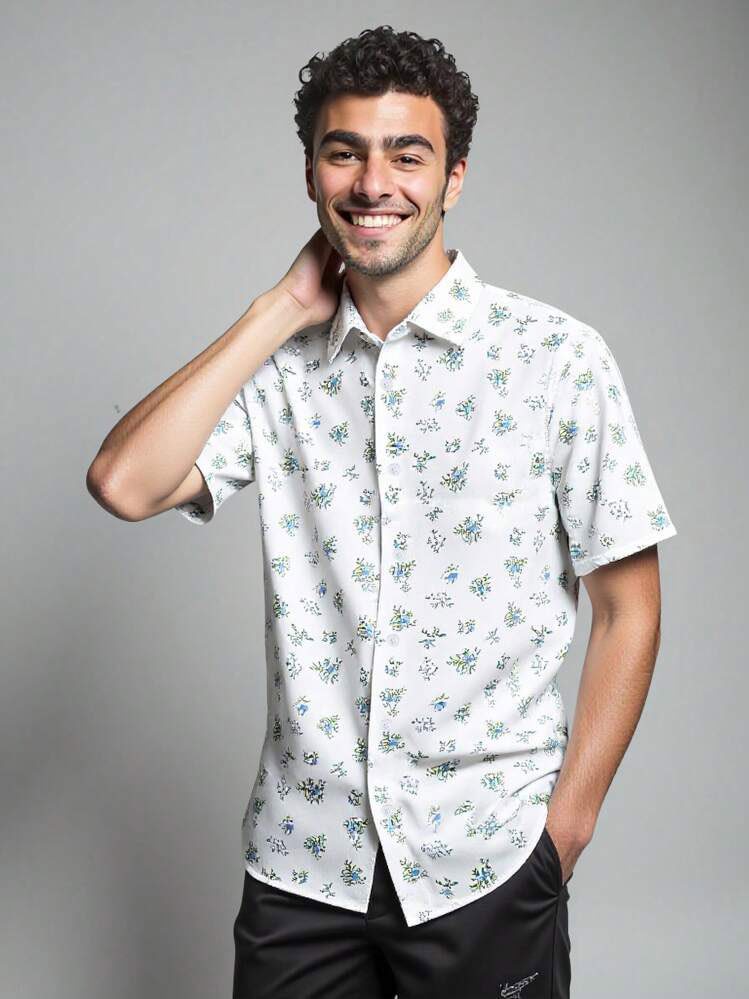
Shein said in a statement to CNN that the image was provided by a third-party vendor and has been removed.
In the photo, the Mangione figure models a short-sleeved button-down shirt with floral patterns.
It cost US$11.69 ($17.87) and was sold out in multiple sizes, according to a screengrab from the Wayback Machine, a digital archive of the internet.
It's unclear if artificial intelligence was used to manipulate the image.
READ MORE: Disaster strikes luxury yacht minutes into maiden voyage
"We have stringent standards for all listings on our platform," a Shein spokesperson said in the statement.
"We are conducting a thorough investigation, strengthening our monitoring processes, and will take appropriate action against the vendor in line with our policies."
The image quickly began circulating on social media, including on popular pop culture accounts like Pop Crave.
Mangione has amassed a cult following, mostly fuelled by the American public's frustration with the health care system and insurance industry.
READ MORE: Victoria is the country's car crime capital as theft claims jump

At protests, people have held 'Free Luigi' signs in support of him, and the UPenn graduate has received hundreds of letters from around the world.
For some, he's even emerged as a sort of anti-hero heartthrob.
Prosecutors earlier this year raised concerns over heart-shaped notes hidden in his socks.
Officials, meanwhile, have described the killing as a "frightening, well-planned, targeted" and "cold-blooded" murder.
DOWNLOAD THE 9NEWS APP: Stay across all the latest in breaking news, sport, politics and the weather via our news app and get notifications sent straight to your smartphone. Available on the Apple App Store and Google Play.
Disaster strikes luxury yacht minutes into maiden voyage
A luxury yacht's disastrous maiden voyage has been caught on camera, with the crew forced to leap overboard as it began to capsize.
The $1.5 million vessel was in the water off the coast of Turkey for just minutes before it began to slowly tip over.
Media reports identified the yacht as the Dolce Vento.
READ MORE: 'Lisbon is in mourning': At least 15 killed in Portugal streetcar crash
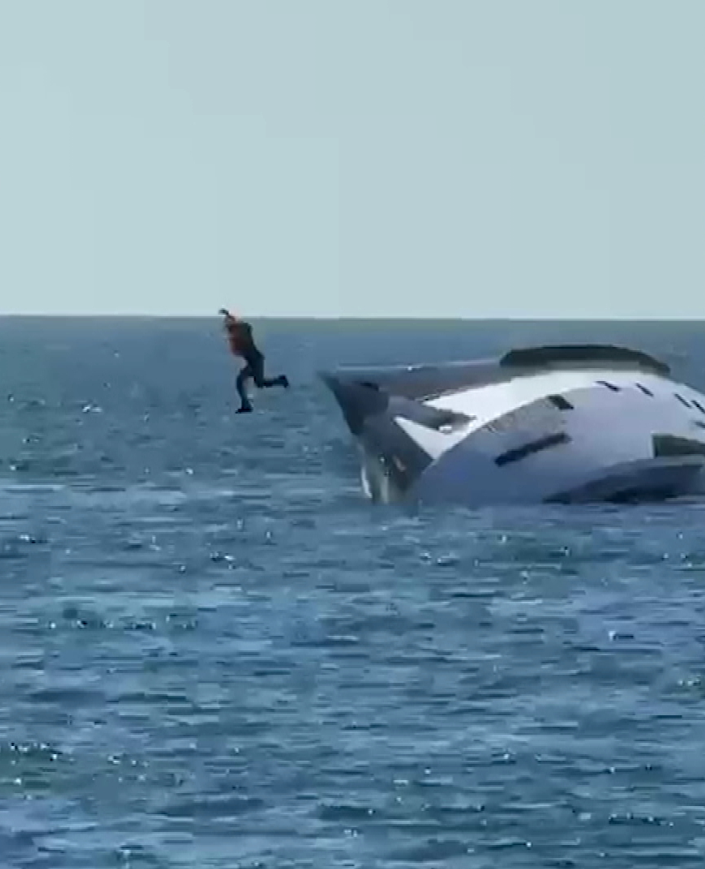
Several people were seen jumping off the vessel as it capsized, with Boat International reporting the owner, captain, and two crew members were able to escape without injury.
The accident has been attributed to a stabilising issue.
An investigation into the incident is reportedly underway.
DOWNLOAD THE 9NEWS APP: Stay across all the latest in breaking news, sport, politics and the weather via our news app and get notifications sent straight to your smartphone. Available on the Apple App Store and Google Play.