Health workers offer condolences to grieving family as evidence exposes gaps in care.
Tag Archives: oceania
Perth doctor pleads guilty over drunken high-speed crash that killed young woman
A doctor who killed a young woman in a high-speed crash while almost four times over the legal alcohol limit has pleaded guilty.
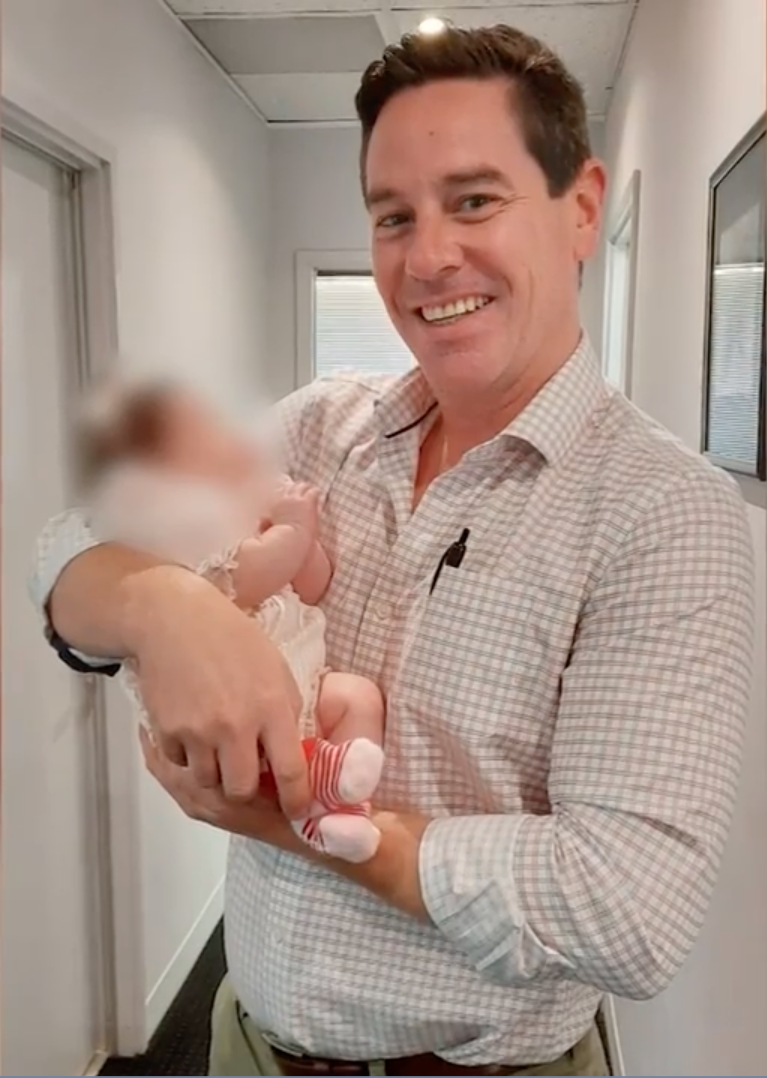
Perth obstetrician Rhys Henry Stone Bellinge, 45, today admitted the manslaughter of Elizabeth Pearce on February 15.
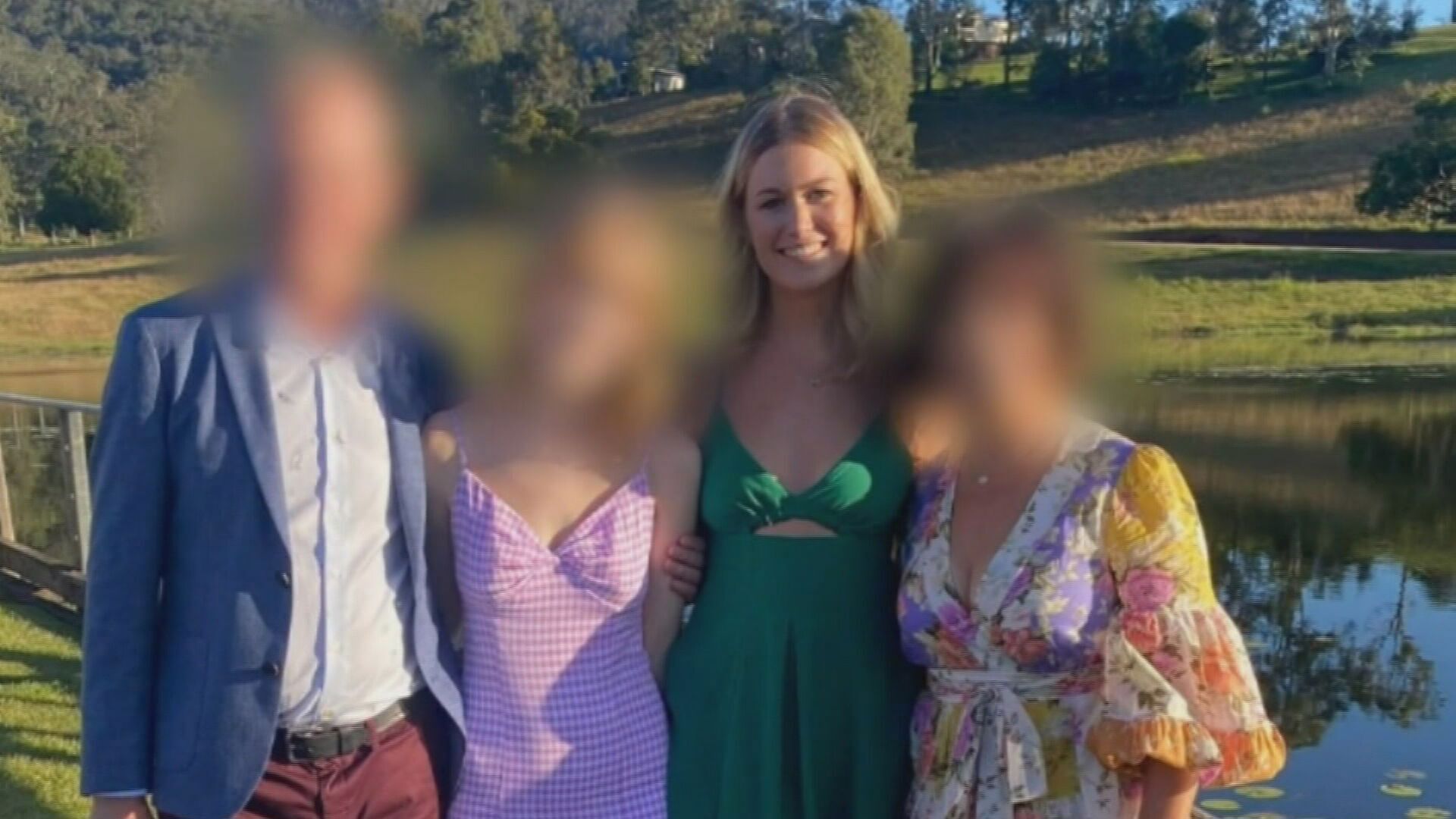
The 24-year-old was an Uber passenger in a Honda Jazz hatchback struck by Bellinge's blue Jaguar sedan in Perth's leafy riverside suburb of Dalkeith.
READ MORE: New Zealand soldier admits to espionage charge in historic case
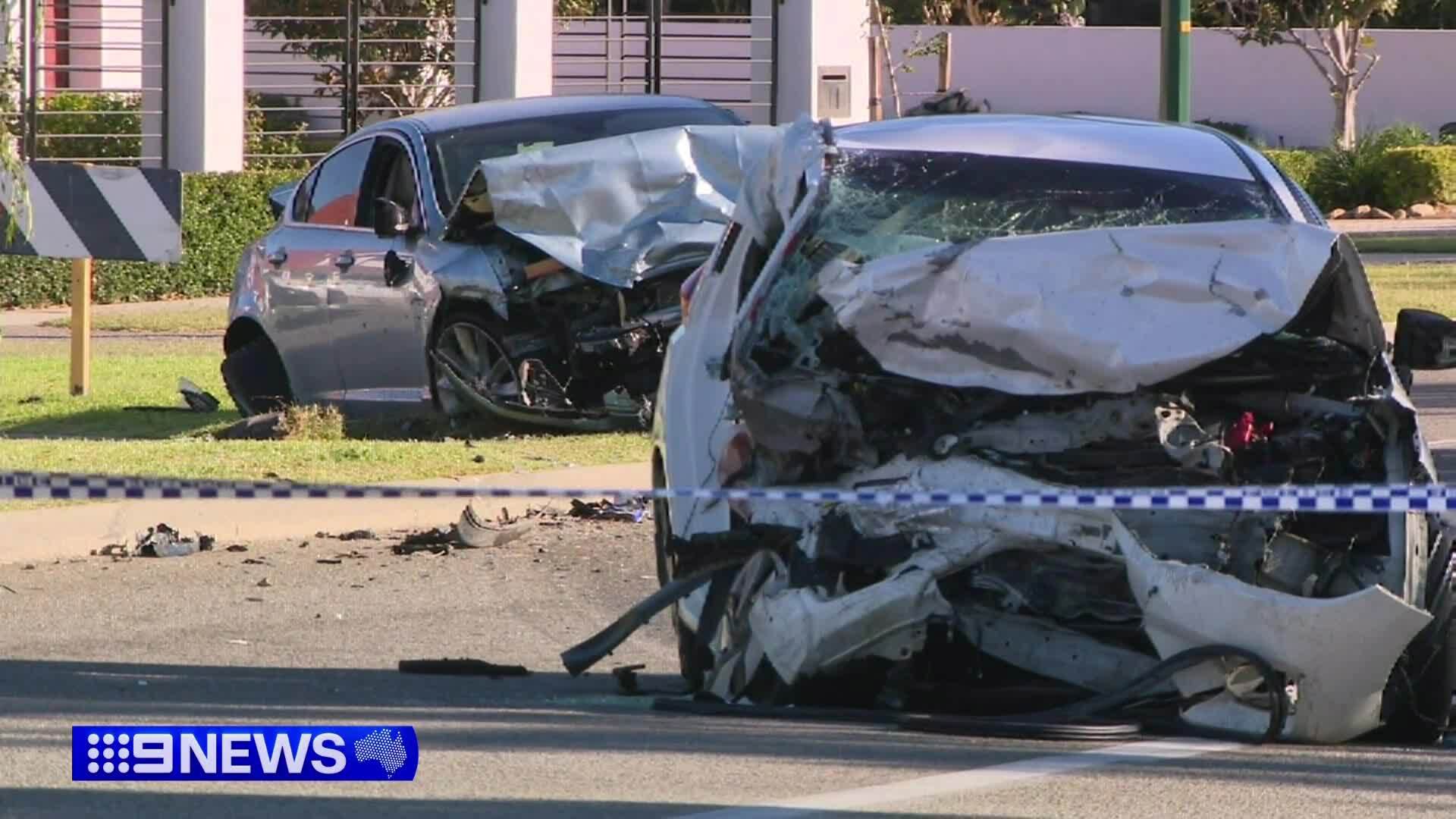
The father of two also pleaded guilty to dangerous driving causing grievous bodily harm while under the influence of alcohol over the injuries to Muhammad Usman.
The 25-year-old Uber driver suffered two broken legs and arm injuries in the collision.
Bellinge, who has reportedly struggled in custody while on remand, appeared via video-link from Casuarina maximum-security prison.
Wearing a prison-issued green tracksuit, Bellinge was sullen as he confirmed he understood the charges before entering a guilty plea to each charge in Stirling Gardens Magistrates Court.
A charge of driving under the influence of alcohol was discontinued by the court at the prosecution's request.
Bellinge's wealthy father Bruce Bellinge was in the court to hear his son's pleas.
READ MORE: Reserve Bank budget for head office renovation blows out to $1.2bn
The court was previously told Bellinge had been drinking while watching football on television at his father's home before he climbed into his high-powered car and attempted to drive home about 10pm.
Dashcam footage showed Bellinge's car reached a speed of about 130km/h before the driver lost control, crossed to the wrong side of the road and collided with the Honda.
Pearce later died in hospital from her injuries.
Bellinge allegedly had a blood alcohol reading of 0.183 and was recorded apologising after the crash at the scene.
He suffered spinal injuries in the incident and had been experiencing "mental upset" following his recent marriage breakdown.
READ MORE: Premier's secret lover granted bail an hour after 10-month conviction
Other dashcam footage previously played to the court showed Bellinge driving at speeds above 100km/h in a 40km/h zone days before the crash that killed Pearce.
Bellinge also allegedly recorded yelling vitriolic profanities about his estranged wife on the night of the crash and in another recording.
He was denied bail during a hospital bed court hearing in the weeks after Pearce was killed, and could be heard crying and sobbing over an audio link.
Bellinge will return to Perth Magistrates Court tomorrow for three counts of reckless driving while exceeding the speed limit by 45km/h and one count of dangerous driving related to his conduct in the days leading up to the crash that killed Pearce.
He will return to Stirling Gardens Magistrates Court on February 24 for a committal mention ahead of sentencing for the manslaughter and dangerous driving causing grievous bodily harm charges.
DOWNLOAD THE 9NEWS APP: Stay across all the latest in breaking news, sport, politics and the weather via our news app and get notifications sent straight to your smartphone. Available on the Apple App Store and Google Play.
Bay of Plenty Steamers face Southland Stags in Rotorua after Canterbury loss
The Bay of Plenty Steamers have two wins and one loss so far this season.
Six people charged after causing $1000 of damage during Christchurch protest
The accused, aged between 28 and 66, are due to appear in Christchurch District Court.
Man charged with murder of Cobram woman
A man has been charged with murder after a woman believed to be his ex-partner was found dead in a home in northern Victoria yesterday.
A 45-year-old Dandenong man was charged this afternoon and is expected to face Shepparton Magistrates' Court shortly.
The charge relates to the death of a 32-year-old Cobram woman, who was found deceased in a property about 5am yesterday.
READ MORE: Sydney toddler's painful shopping centre eye injury sparks call for change
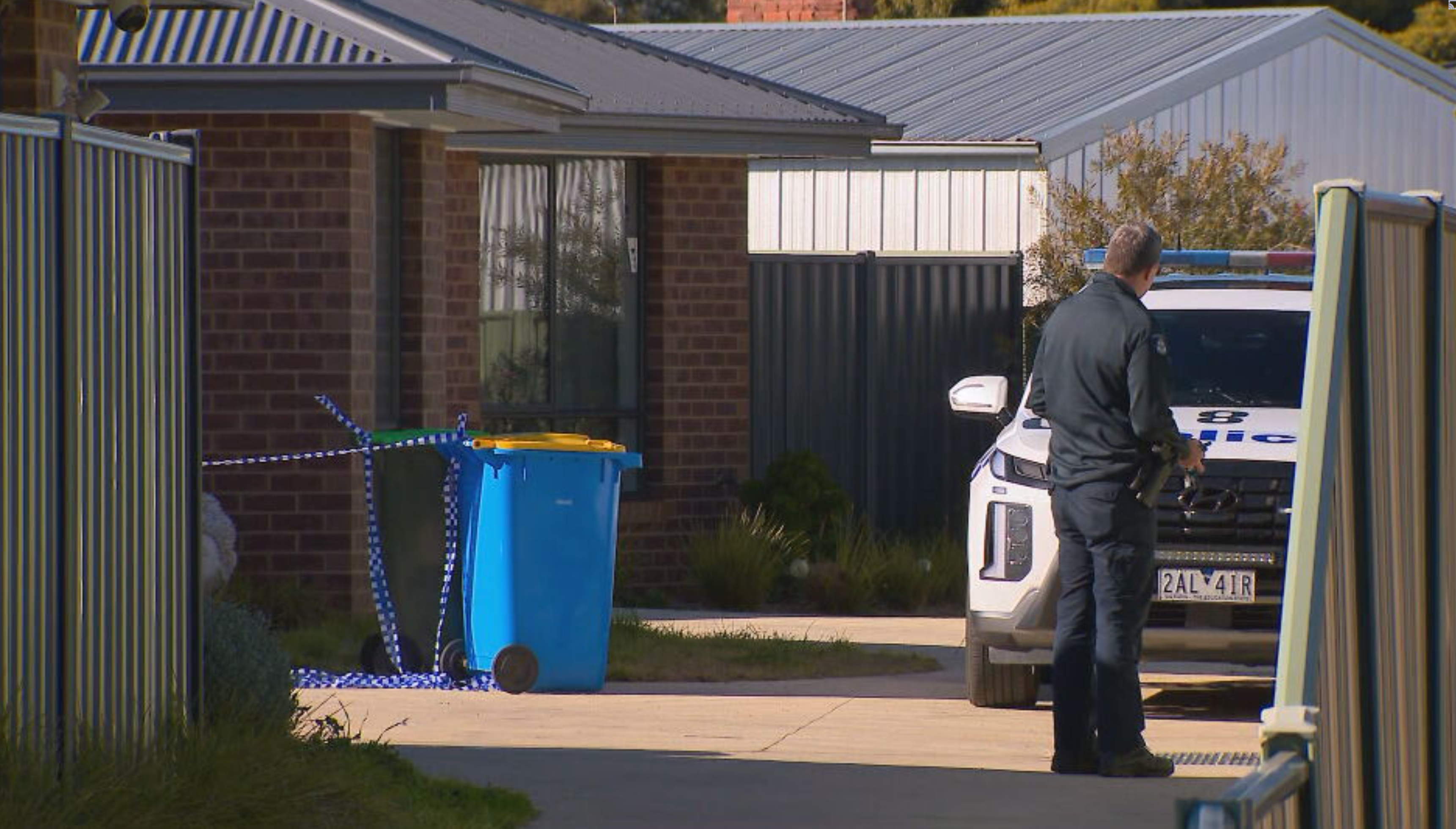
Two young children were inside the home at the time, but were not physically injured.
"Their wellbeing is number one, and making sure they're OK and they're being looked after and provided support that they need," Victoria Police Detective Inspector Dean Thomas said yesterday.
"He is known to police and there is a link between that male and our deceased female."
It is understood an altercation broke out between the victim and the 45-year-old man.
READ MORE: Tributes flow to Finland MP found dead in parliament building
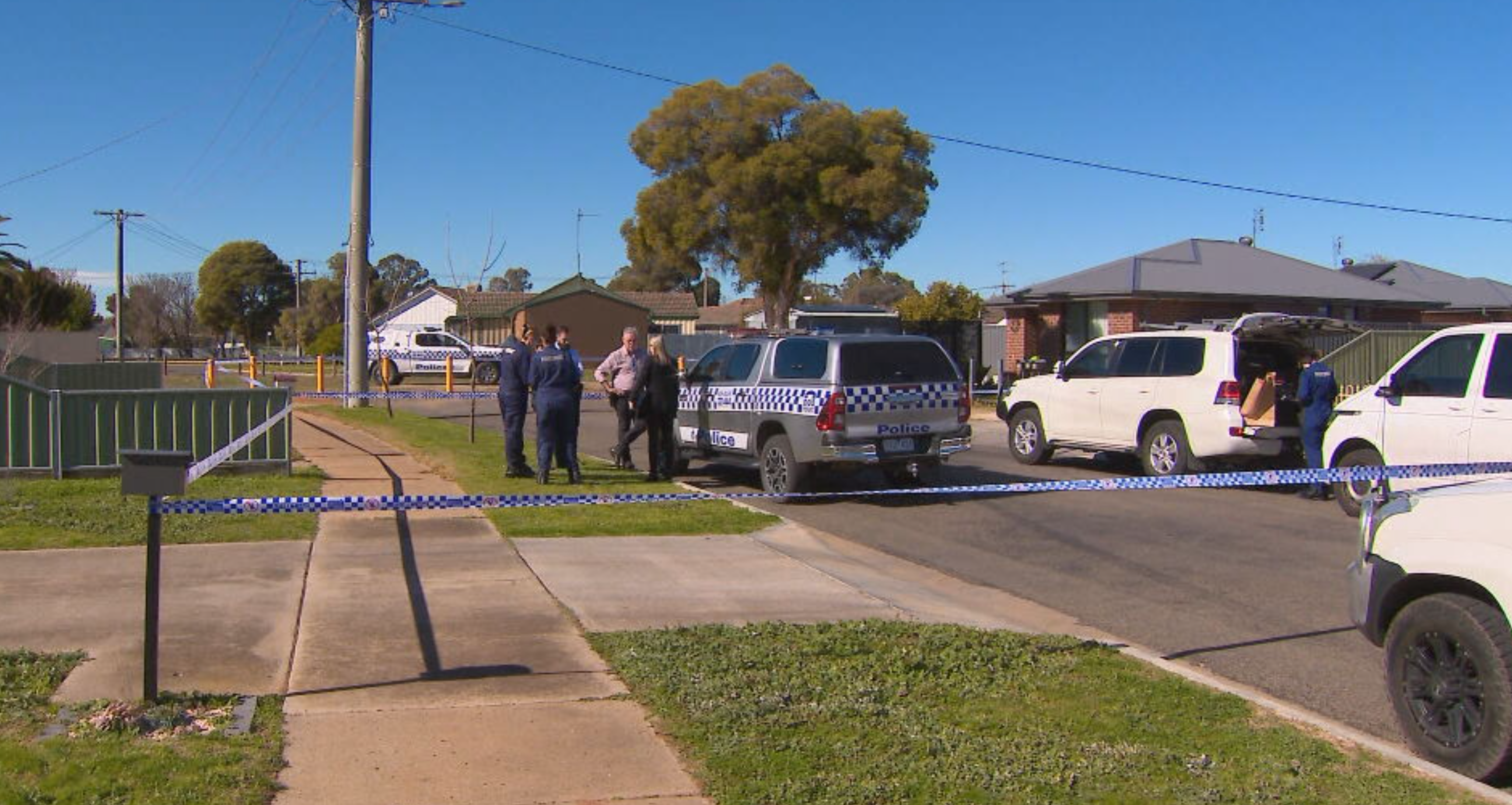
The tight-knit border community has been rocked by the incident.
Neighbours remembered the woman as a private person
Cobram is located on the Murray River, on the border between NSW and Victoria, and is about 260 kilometres north of Melbourne.
National Sexual Assault, Domestic Family Violence Counselling Service 1800RESPECT (1800 737 732).
New Zealand soldier admits to espionage charge in historic case
A New Zealand soldier who tried to spy for a foreign power has admitted to attempted espionage in a military court.
The conviction was the first for spying in New Zealand’s history. The soldier's name was suppressed, as was what country he sought to pass secrets to.
Military court documents said the man believed he was engaged with a foreign agent in 2019 when he tried to communicate military information, including base telephone directories and maps, assessments of security weaknesses, his own identity card and log-in details for a military network.
READ MORE: Sydney toddler's painful shopping centre eye injury sparks call for change
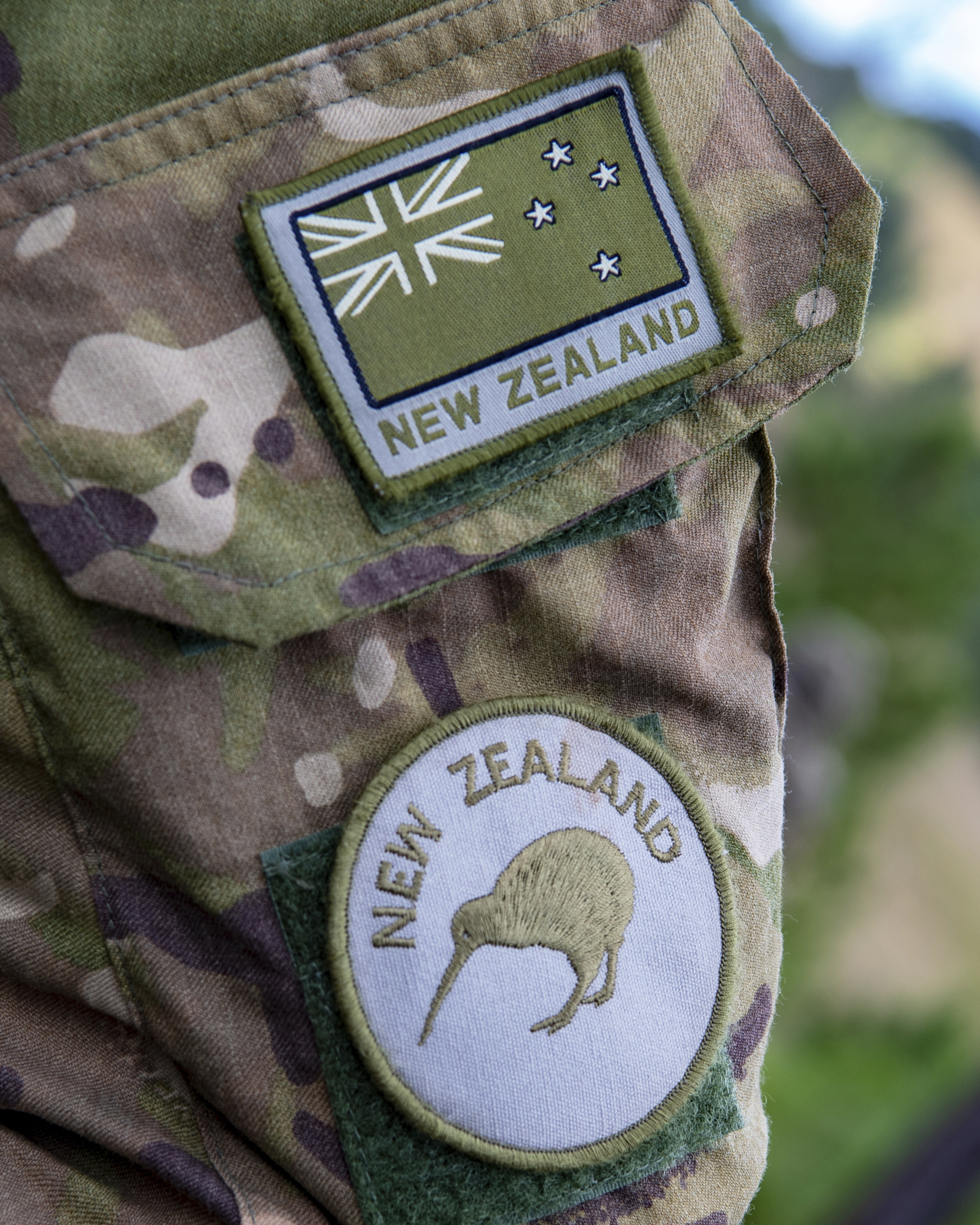
The wording of the charge said his actions were “likely to prejudice the security or defence of New Zealand".
He wasn’t speaking to a foreign agent, but an undercover New Zealand police officer collecting intelligence on alleged right-wing extremist groups, documents supplied by the military court showed.
The soldier came to law enforcement attention as part of an operation that was established after a March 2019 terrorist attack on two mosques in the city of Christchurch, when an Australian white supremacist opened fire on Muslim worshipers, killing 51.
Officers spoke to the man twice about his involvement in a group, court documents showed, and after the government became aware he had expressed a desire to defect, he was contacted by the undercover officer.
When the soldier’s hard drive was searched, investigators found a copy of the Christchurch gunman’s livestreamed video of his massacre and a manifesto document he published online before the killings.
Possession of either without permission is a criminal offence in New Zealand and the soldier, who admitted that charge too, joins several others convicted in New Zealand of having or sharing the terrorist’s banned material.
In a statement read to the court by his lawyer, the man said the two nationalist groups with which he was involved were “no more than groups of friends with similar points of view to my own,” according to Radio New Zealand.
READ MORE: Tributes flow to Finland MP found dead in parliament building
The lawyer, Steve Winter, added that his client denied supporting the Christchurch shooter’s ideology, RNZ reported.
The soldier — who was based at Linton Military Camp near the city of Palmerston North — also pleaded guilty to accessing a military computer system for dishonest purposes.
The amended suite of three charges replaced 17 counts levelled against him earlier in the proceedings.
Each of the three charges he admitted carries a maximum prison term of either seven or 10 years in New Zealand. His sentence was expected to be delivered by a military panel within days after the conviction.
The man had been due to stand trial by court-martial on the charges before he admitted the offences.
His was the first charge in a New Zealand military court for espionage or attempted spying; the last time such a case reached the civilian courts before was in 1975, when a public servant was acquitted on charges alleging he had passed information to Russian agents.
A spokesperson for New Zealand’s military said they would not comment until the proceedings against the soldier finished.
DOWNLOAD THE 9NEWS APP: Stay across all the latest in breaking news, sport, politics and the weather via our news app and get notifications sent straight to your smartphone. Available on the Apple App Store and Google Play.
YWCA Y25 2025: Waikato Pacific community and environmental advocate Mary Ieremia-Allan recognised
‘Thinking critically about the world was something my parents encouraged.’
Have you seen Trey? Police search for missing 16-year-old from Hamilton
Appeal made after teenager was last seen on July 8.
Nelson man Storm Constable-Carter guilty of creating and sharing extreme child abuse content
Family and supporters in the court gallery wept during the 22-year-old’s brief appearance.
BHP called to foot the bill after fire ant outbreak in Queensland
Mining giant BHP should foot the bill for a major fire ant outbreak in Queensland, an advocacy group says.
It comes after odour detection dog teams found the presence of fire ants at several mine sites in the Central Highlands and Isaac Council regions, including at the BHP Broadmeadow Mine west of Mackay.
Fire ants are considered invasive and feed on Australian flora and fauna, as well as displacing or eliminating native species.
READ MORE: Tributes flow to Finland MP found dead in parliament building

In light of the latest detection, Reece Pianta believes BHP should be the ones to pay for the treatment required across their sites that were impacted by the fire ant infestation.
"When a mining company moves contaminated material and sparks an outbreak, taxpayers shouldn't be left footing the bill – the companies responsible must pay to have their mess cleaned up, no different from an oil spill," he said.
"This is a catastrophic breach – shipments from just one infested site have triggered a major regional outbreak.
"But every dollar and every drone we have should be focused on wiping out fire ants at the frontlines near Brisbane, not cleaning up after corporate carelessness."
READ MORE: Sydney toddler's painful shopping centre eye injury sparks call for change

Pianta insists it is not a matter of punishing companies such as BHP in this instance, rather than forcing public funds to be used would undermine efforts to deal with the fire ants issue.
Much of the country is at high risk of infestation, according to data from the National Fire Ant Eradication Program.
"This isn't about companies footing the bill for everything. But if governments allow outbreaks like this to suck resources away from where they're needed most, we risk undermining the eradication effort across the whole country," he said.
"BHP did the right thing reporting and supporting fire ant surveillance work, now they are uniquely well placed to support the response."
BHP has been contacted for comment.
DOWNLOAD THE 9NEWS APP: Stay across all the latest in breaking news, sport, politics and the weather via our news app and get notifications sent straight to your smartphone. Available on the Apple App Store and Google Play.