The infant’s mother claims doctors ignored alternative causes for the broken ribs.
Tag Archives: oceania
What could happen to your reward points soon
Reward point spending is under the microscope following fears a series of landmark Reserve Bank proposals could strip back frequent flyer perks.
Millions of Australians accumulate reward points with dollars spent on their credit cards, but the number of points needed for "free" flights or products is slowly climbing.
So what does the future hold for the tumultuous point economy?
READ MORE: 'Do the deal': Trump hosts historic White House war summit

Qantas and Virgin dominate the point industry with Frequent Flyer and Velocity, respectively.
Virgin recently announced it is again shaking up the industry with its 1 Point Rewards store, which will allow members to purchase expensive items with just a single velocity point in a one-time event.
Across three capital cities, members will be able to buy an $849 Dyson Airwrap or a pair of $549 Bose headphones with just one point.
Velocity Frequent Flyer chief executive Nick Rohrlach told 9news.com.au Virgin is taking a second bite of the cherry after hosting a similar store in 2023 due to customer demand for more "achievable" point spending.
"We are try to make it much easier to get to that reward rather than saving up for years for something you may or may get," Rohrlach said.
"Our research says that 90 per cent of Aussies are members of a loyalty program.
"And rather than tying people up with points whispers and all the complexity, we're just trying to make it much simpler and easier to use and that you know that you can get rewards really fast."
Bunnings is following suit with a program allowing Flybuys members to turn their points into dollars spent at the hardware giant.
It will let customers use as little as $10 in Flybuys points to buy Bunnings products.

Payment Services managing director Brad Kelly is a point guru.
He doesn't think the future of frequent programs is shaping up to be so peachy.
"The devaluation is already beginning," Kelly explained to 9news.com.au.
"There's a lot of people sitting on a lot of points post-COVID and they want them to burn those.
"That's how they dilute the offers."
Virgin last year lowered the amount of points needed for a one-way economy seat to 5900 velocity points.
But Velocity credit card customers had the number of points earned per dollar dropped in April this year, decreasing from five to four points.
Meanwhile, earlier this year, Qantas hiked up the points needed to redeem fares.
It was the first time Qantas marked up its classic reward pricing since 2019 and the second time since 2004.
"A lot has changed in the last six years," Qantas loyalty chief executive Andrew Glance said at the time.
"These adjustments will ensure we can continue to invest in enhancing the program for the long-term and continue to grow the levels of classic and classic plus reward seat availability for members year on year."
Kelly said it is going to become even harder for point collectors to nab their dream flight on points alone.
"If you're a bronze member, you're going to see these Classic Plus seats everywhere and the occasional classic, but you're not going to be able to redeem as much as you want or as easily," he said.
He estimated valuable point earning is a game "for the top 20 per cent".
"Your average Qantas member only spends about $30,000 a year on their credit card," Kelly added.
"That's going to get you 30,000 points if you're lucky, probably more like 20,000 to 25,000. You are going to have a lot of difficulty getting anywhere for 25,000 points.
And even then, do you really want to go to Ballina on a Tuesday afternoon in August? That's the reality. You're not going to be able to say, 'Oh, I'd like to fly business class to Bali'.
"That's just not going to happen."

Rohrlach said Velocity is looking at finding ways to accelerate non-credit card point earning.
He doesn't want point whisperers to be the only ones who can find the best deals.
"There's lots of different ways to earn points and it's always nice when people find new ways to do that. But also, it's not hard," Rohrlach added.
"It's not just about the points hacking."
Qantas Loyalty chief executive Andrew Glance told 9news.com.au that the number of points earned through retailers has doubled in the past five years.
"We anticipate it will double again by 2030, as we expand our footprint across a growing range of retail categories," he said.
Kelly's prediction for the industry is the slow erosion of needing to sign up for a credit card to accumulate points.
He also said point earning may soon be largely attributed to spend instead of credit.
"What I mean by that is that a customer will sign up directly with a merchant or a bunch of merchants, and as they spend, those merchants will buy points directly from Qantas [or Virgin] and give them to the customer," Kelly added.
DOWNLOAD THE 9NEWS APP: Stay across all the latest in breaking news, sport, politics and the weather via our news app and get notifications sent straight to your smartphone. Available on the Apple App Store and Google Play.
New vaccine could protect Australia’s $80 billion livestock industry
Scientists say they have developed a vaccine that could protect Australia's valuable livestock industry from a serious disease.
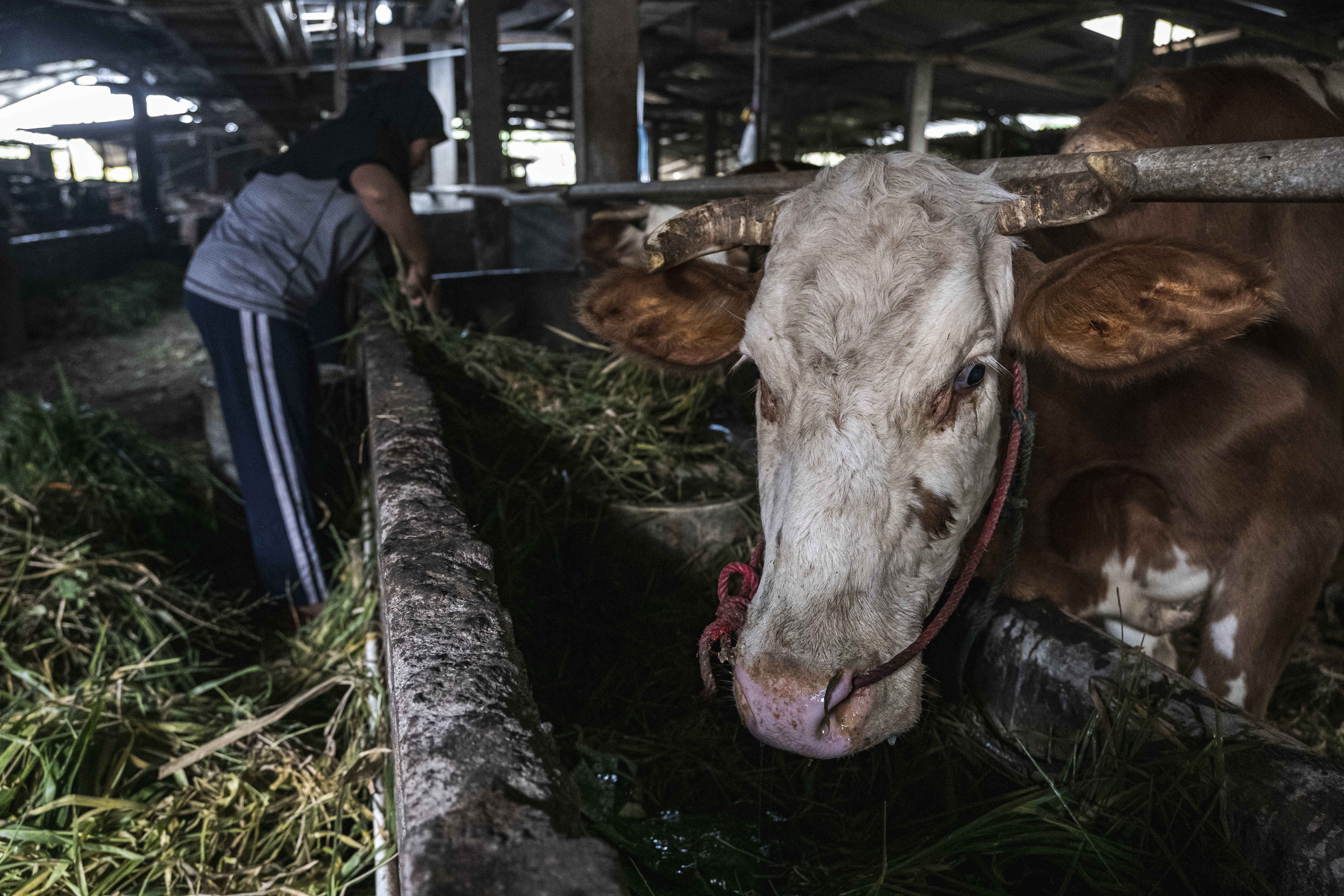
Foot and mouth disease (FMD) is a serious disease affecting cattle, sheep and pigs, and could devastate Australia's $80 billion livestock industry if it entered the country.
This is because the disease is highly infectious, and the only way to stop the spread is to cull or slaughter millions of animals.
READ MORE: 'Do the deal': Trump hosts historic White House war summit
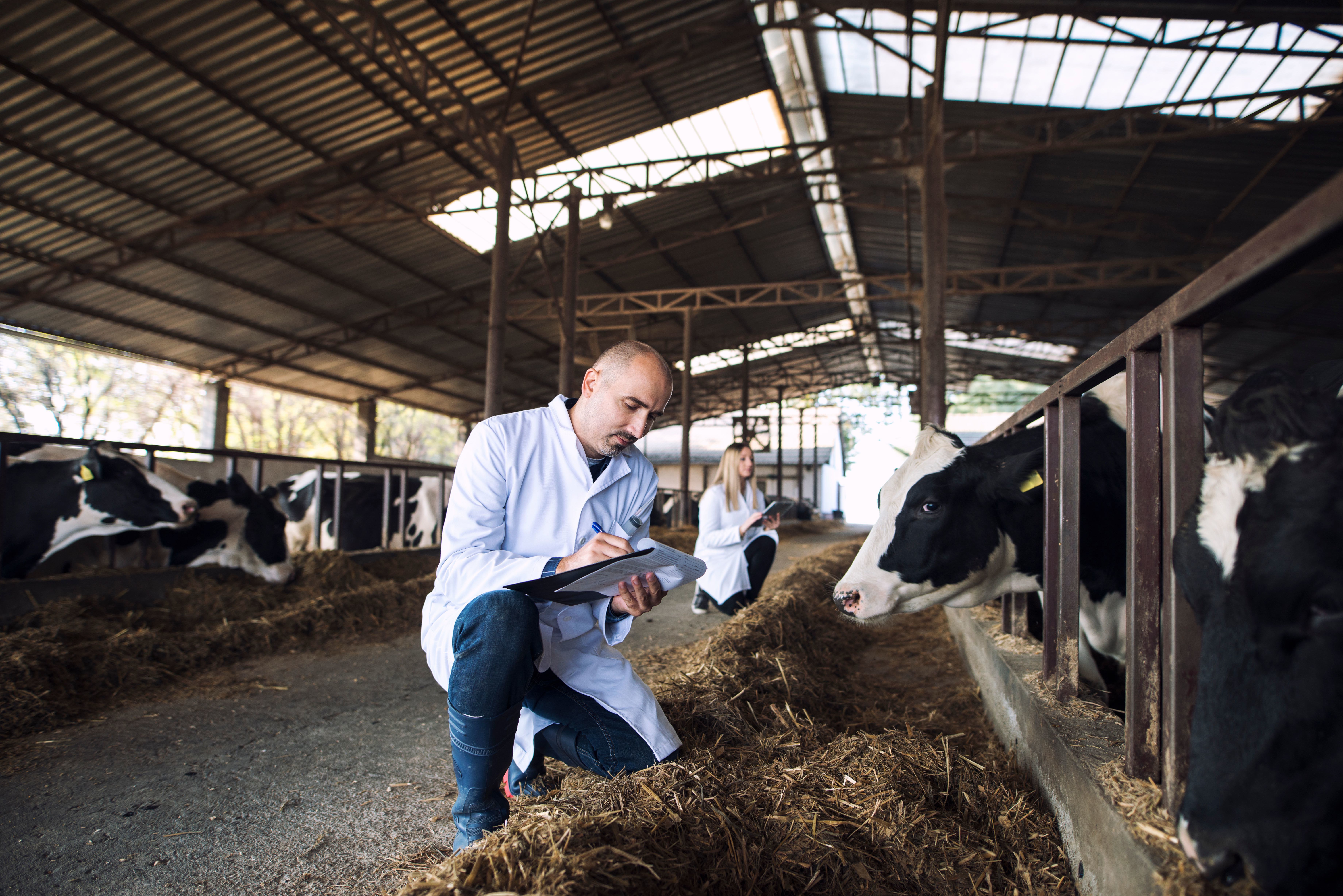
However, Professor Pall Thordarson and his colleagues at the University of New South Wales (UNSW) say they have developed an mRNA vaccine that is less risky and would be useful to quickly stop an outbreak.
Traditional vaccines are made with weakened strains of the virus, which can sometimes lead to outbreaks of the very disease they are trying to prevent if control measures aren't used.
However, an mRNA vaccine is man-made, eliminating this risk and also allowing it to better target the virus.
"The mRNA code for a fragment of a protein on the surface of the virus sends instructions to the animal's immune system, which will then recognise and stop the virus when it gets challenged by it," Thordarson said.
Referencing a trial in Germany, he said healthy and vaccinated cattle were not infected with FMD.
"The team was able to show that the mRNA vaccine seems to work for them," he said.
Thordarson said the vaccine now needs to be mass-produced in larger numbers, warning of the consequences facing Australia if this isn't made possible.
READ MORE: Call for 'death tax' to help Australia raise $70 billion
"Our main role is to scale up the vaccine and accelerate its journey from the lab to a local mass scale production," he said.
"Because with an outbreak, you need 100,000 or even a million doses, not just a few dozen.
"But it's not just about stopping disease. This is also about protecting livelihoods and keeping our own supermarket shelves stocked."
Australia is currently protected from FMD due to strict biosecurity laws and Thordarson said this is a reason why the livestock industry remains so valuable.
Indonesia and the United Kingdom have infamously had outbreaks of the disease that crippled their livestock industries.
"The main reason why we have these markets is that other countries don't want to buy beef from countries that have disease, because they are trying to keep their own herds immune," Thordarson said.
"It took them [The UK] a while to stop it. And they had to stop it, essentially, by slaughtering millions of cows."
DOWNLOAD THE 9NEWS APP: Stay across all the latest in breaking news, sport, politics and the weather via our news app and get notifications sent straight to your smartphone. Available on the Apple App Store and Google Play.
Tributes for ‘loving father’ killed in pub shooting as getaway car found
Detectives have found the suspected getaway car in the shooting at a pub in Sydney's Inner West as tributes flow for the "devoted husband" and "loving father" killed.
Maradona Yalda, 31, and Gilbert Admon Shino, 39, were walking to their car after watching the UFC at the Harold Park Hotel in Forest Lodge on Sunday evening when they were peppered by bullets.
Witnesses reported hearing between six to 12 gunshots.
READ MORE: 'I'm mad': Frustration as street library hit by thieves four times in one year

Shino was shot and died near the car on Wigram Road, while Yalda was hit in the neck, chest and abdomen while running back to the pub and was found slumped over a garbage bin on Alfred Street.
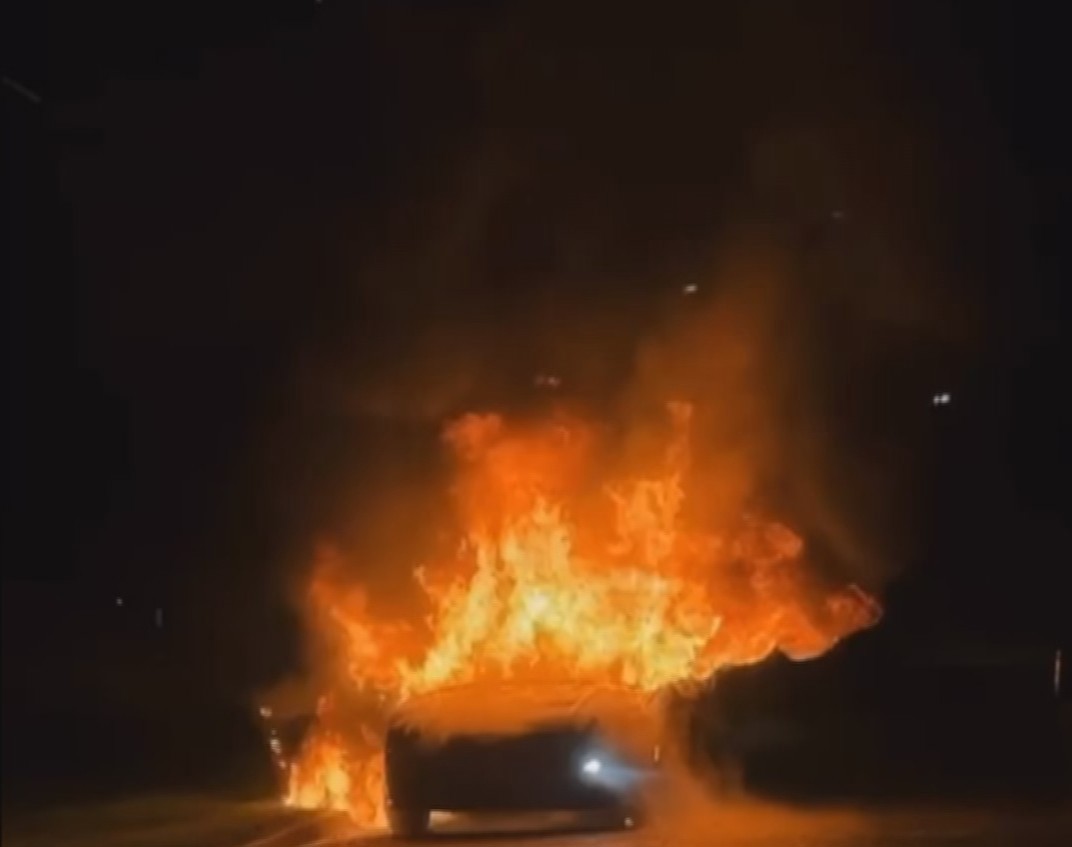
The shooter is believed to have fled in a dark blue Ford Mustang seen driving away from the shooting.
A car matching that description was found burnt out at Primrose Avenue in Rydalmere about 10pm yesterday.
A crime scene has been established as police investigate whether it is linked to Sunday's shooting.
READ MORE: Infant found inside stormwater drain in Perth was two weeks old
A passing doctor and medical students at the pub had tried to help the two friends.
Shino died at the scene, while Yalda was rushed to Royal Prince Alfred Hospital.
Yalda underwent two surgeries and remains in stable condition at the hospital under police guard.
He has links to underworld gangs and has a price on his head.
Yalda is believed to be the intended target of the shooting, with Shino only known to police for low-level offending.
Shino's wife, Natasha Avakian, has shared a brief but heartfelt statement today.
"How am I going to live without you? You were my life," she said on social media.
READ MORE: Dandenong stabbing a 'targeted' attack, police believe
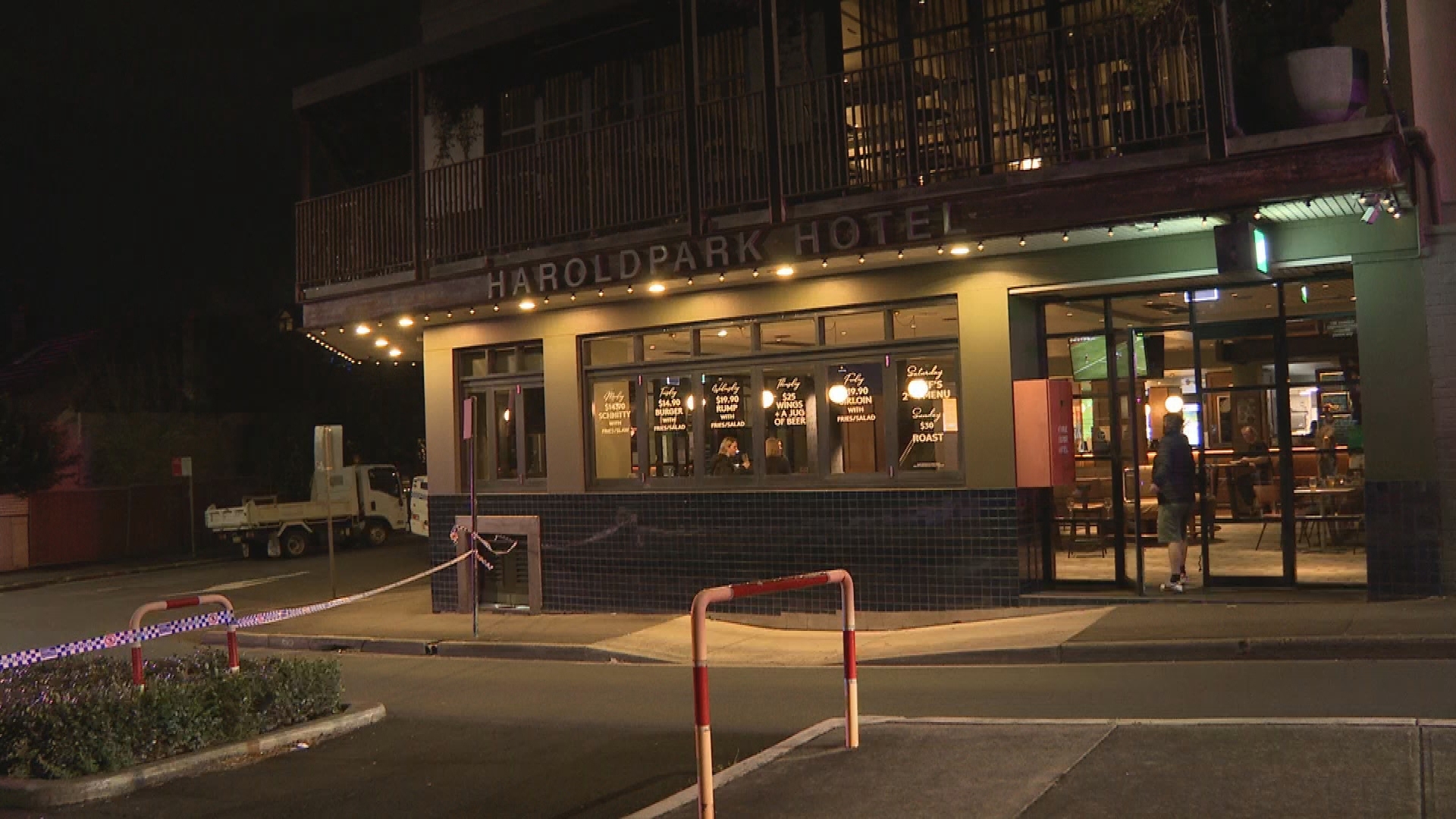
Tributes have begun to flow for Shino, who is being remembered as a "devoted husband and a loving father" to two girls.
"His family was his everything, and he would have moved mountains to make sure they were cared for and loved," a post on crowdfunding page GoFundMe read.
"To his friends and family, he was more than just someone we loved—he was the life of the party, always smiling, always lifting others up, and always there when you needed him.
"His warmth, kindness, and joy touched every person who had the blessing of knowing him.
"He truly was an amazing human being, and his absence leaves a hole in all of our hearts."
READ MORE: Health issues force senator to resign just months after election
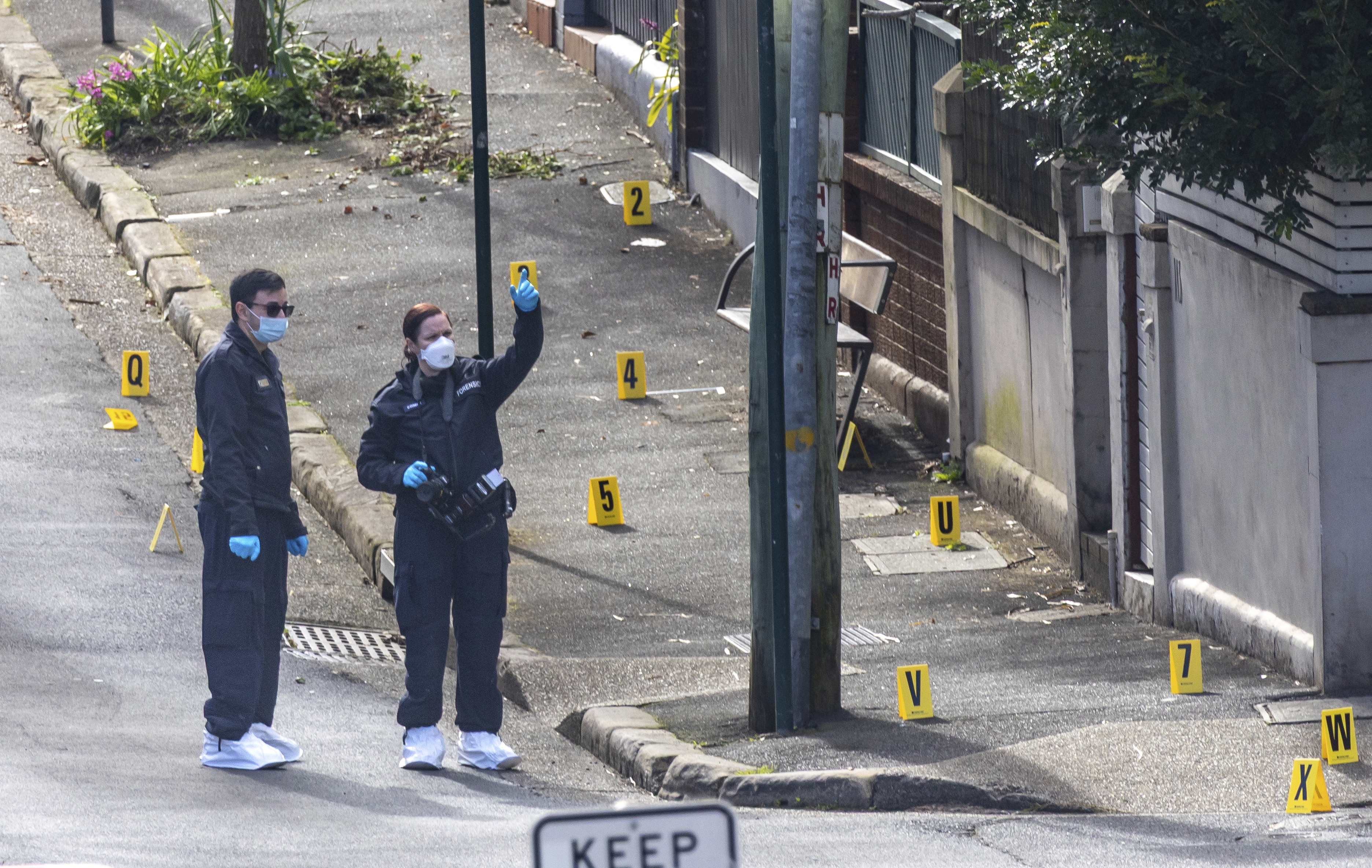
The gunman remains on the run today.
Detectives are not ruling out whether there was an accomplice.
Anybody with dashcam footage of the area between 2pm and 7pm on Sunday is urged to come forward.
DOWNLOAD THE 9NEWS APP: Stay across all the latest in breaking news, sport, politics and the weather via our news app and get notifications sent straight to your smartphone. Available on the Apple App Store and Google Play.
Man who killed his wife with sledgehammer in ‘uncontrolled rage’ loses appeal
A man who murdered his wife in a "cowardly rage" by striking her from behind with a 1.8kg sledgehammer has failed to overturn his conviction on appeal.
Shaun Robert Sturgess, then aged 54, had pleaded guilty to the manslaughter of his wife of 17 years Jacqueline at the start of his Queensland Supreme Court trial in February 2024.
In April 2020 police found his wife face down in a pool of blood in the house the separated couple had formerly shared at Narangba, north of Brisbane.
READ MORE: One Nation senator resigns just months after election
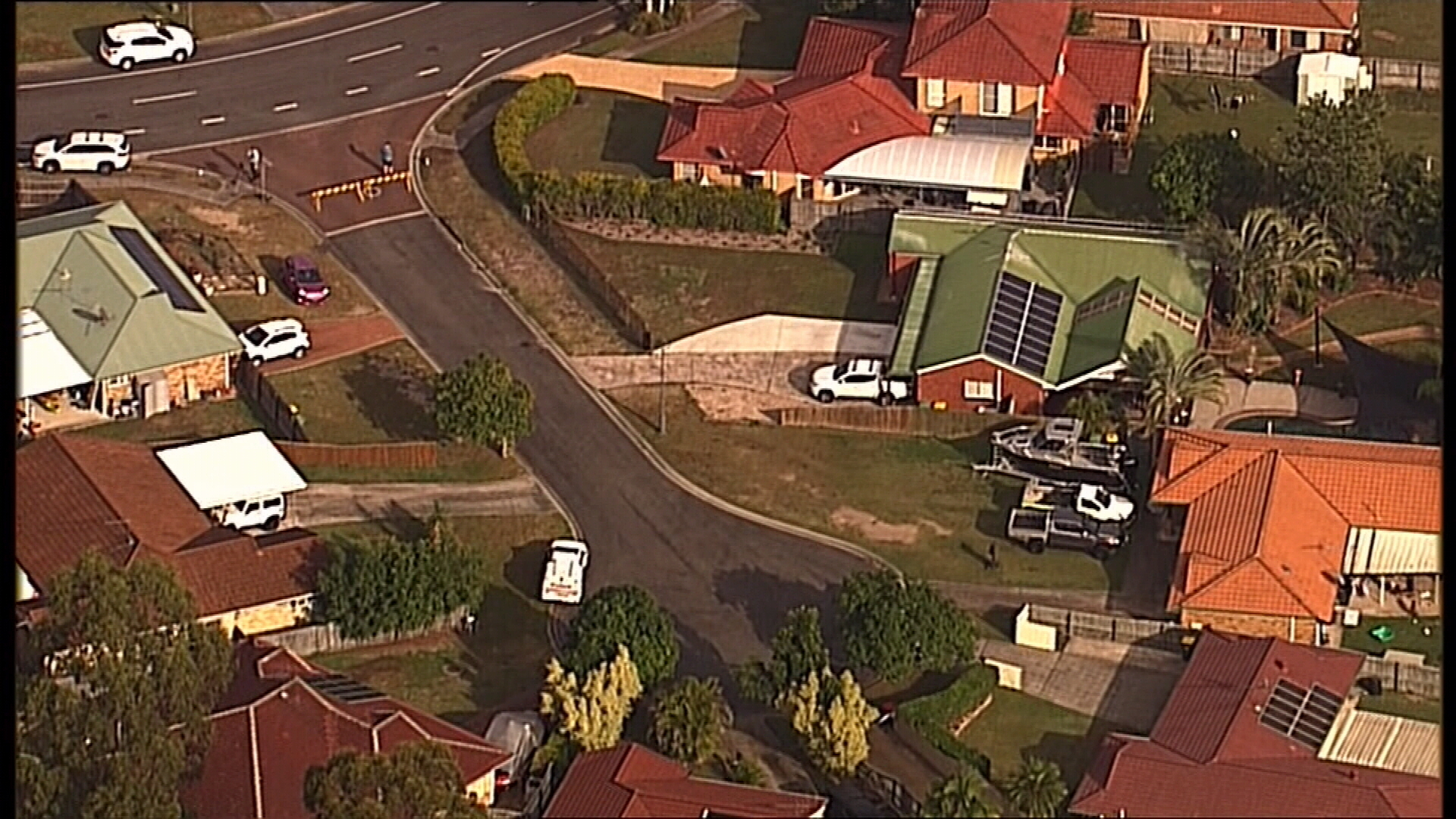
Prosecutor Chris Cook refused to accept that plea and the charge of either murder or manslaughter was put before a jury, which later returned a guilty verdict for murder.
Three judges in the Queensland Court of Appeal today handed down their unanimous judgment to dismiss Sturgess' appeal against conviction.
Defence barrister Saul Holt had told the judges at a hearing in April that Sturgess had three grounds for appeal, including that the jury being told of an earlier episode of violence in the relationship had caused a miscarriage of justice.
Holt also submitted that the jury were not properly warned by the trial judge against relying on hearsay evidence and not properly instructed on the element of intent that the prosecution had to prove.
The prosecution had not argued at trial that Sturgess committed premeditated murder but rather had struck his wife with a single blow of severe force and in that moment he had the intention to kill or at least do her grievous bodily harm
Holt said Sturgess had struck his wife in an "uncontrolled rage", either devoid of any thought process at all, or at least without a murderous intent.
Justice Soraya Ryan found Sturgess' prior violent incidents were "relevant background" in the case and there was no miscarriage of justice.
"And even if I am wrong about that … any such wrong decision could not realistically have affected the reasoning of the jury to their verdict of guilty of murder," she said.
READ MORE: Infant found inside stormwater drain in Perth was two weeks old
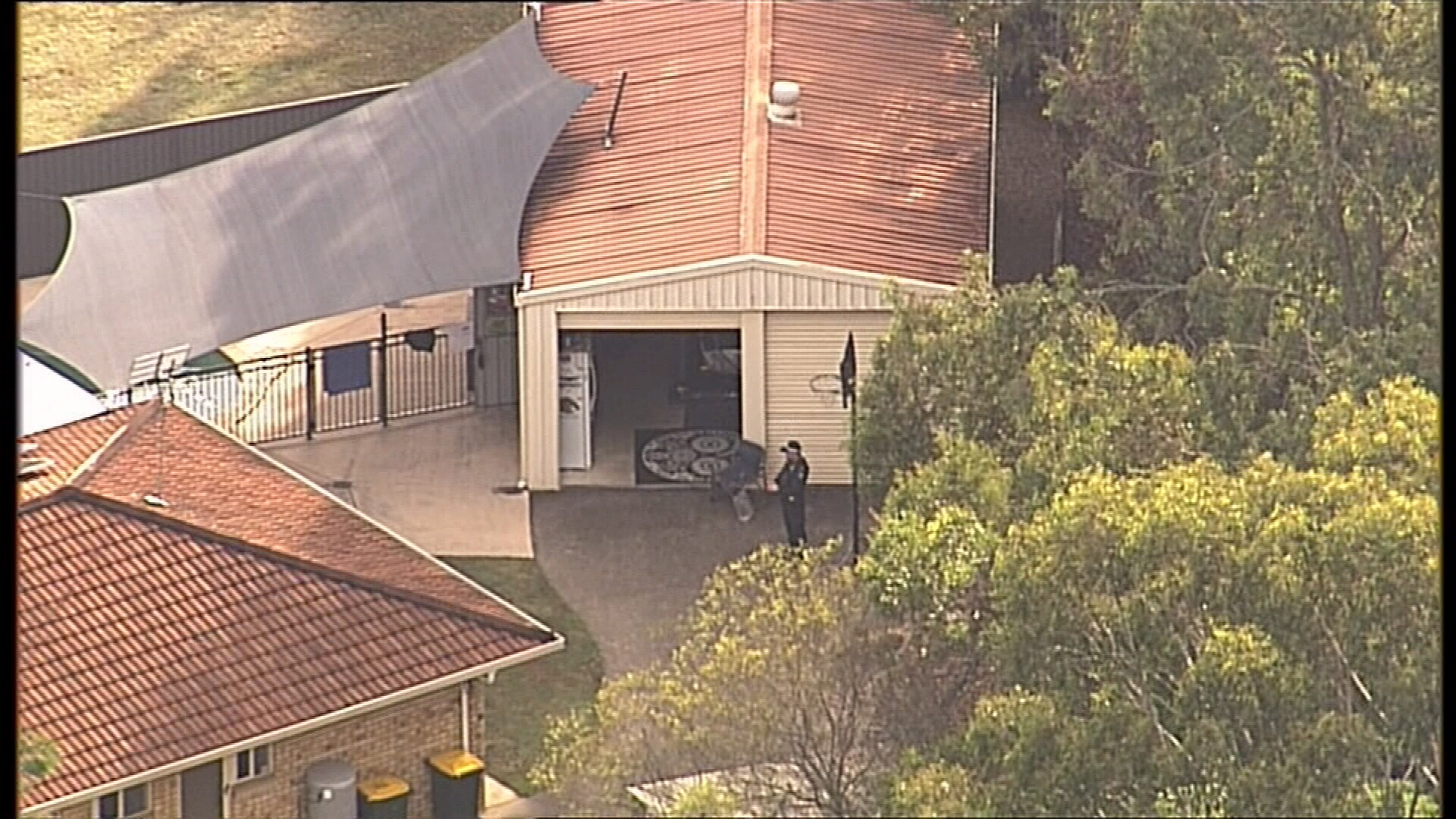
The appeal justices listed the numerous statements Sturgess made to police and in letters after his wife's death that were shown to the jury to prove intent.
"She's probably driven me to it. But she didn't deserve that," Sturgess told police in an interview.
Sturgess was sentenced to life imprisonment in February 2024 with a mandatory 20 years without parole, reduced to 16 years and two months due to time already served.
Cook said Sturgess had struck his wife with significant force out of a sense of "cowardly rage" as part of a horrible domestic violence incident.
In sentencing, Justice Tom Sullivan said Sturgess had left the scene to buy and drink alcohol without checking his wife's vital signs.
"In your police interview there is a sense of regret, a lot in respect of yourself, some of it wallowing in self-pity," Justice Sullivan said.
READ MORE: At least 280,000 Aussies exposed in major cyberattack
Readers seeking support can contact Lifeline on 13 11 14 or beyond blue on 1300 22 4636.
Suicide Call Back Service 1300 659 467.
National Domestic Violence Service: 1800 RESPECT (1800 737 732). If you are in immediate danger call triple zero (000).
Sign up here to receive our daily newsletters and breaking news alerts, sent straight to your inbox.
Woman ‘intentionally hit man with her car’ after verbal stoush, police say
A woman has been charged after police say she intentionally hit a man with her car following an argument in Noosa on Queensland's Sunshine Coast.
Investigators say the 34-year-old woman from Maroochydore had a verbal stoush with a group inside a venue on Noosa Drive at 8.45pm on Friday.
The group left the venue on foot shortly afterwards.
READ MORE: 'Ketamine Queen' enters plea over Matthew Perry's death
Police say the woman then drove towards them on Edgar Bennett Avenue in a white Mazda CX-3 and hit a 29-year-old man before driving away.
The man was taken to hospital with non-life-threatening injuries.
Police later found the woman and the Mazda at a property on Quamby Place in Noosa Heads.
She was arrested and charged with dangerous operation of a vehicle, adversely affected by an intoxicating substance and failing to stop.
She is due to appear in Noosa Magistrates Court next month.
Anyone who witnessed the crash or has information is urged to come forward.
DOWNLOAD THE 9NEWS APP: Stay across all the latest in breaking news, sport, politics and the weather via our news app and get notifications sent straight to your smartphone. Available on the Apple App Store and Google Play.
Back in the Oval Office, Zelensky wears a suit and Trump doesn’t shout
It was only a few months ago that US President Donald Trump and Ukrainian President Volodymyr Zelensky last met in the Oval Office, but today's face-to-face between the two leaders looked markedly different.
For much of their February exchange, during which Trump and Vice President JD Vance blasted Zelensky as “disrespectful” and warned about future American support for his country, Zelensky crossed his arms and looked warily at the US leaders.
The presidents often spoke over each other, also gesturing disagreement. A conservative reporter, Brian Glenn, even asked Zelensky why he wasn't wearing a suit.
READ MORE: 'Do the deal': Trump hosts historic White House war summit

Today's meeting was rounded out with more smiles and pleasantries between Trump and Zelensky, as well as agreement on some points regarding Russia's ongoing war against Ukraine.
Both men largely sat with their hands clasped in their laps, affably fielding questions from reporters.
Glenn, when called upon by the Republican U.S. president to speak, complimented Zelensky, saying, “You look fabulous in that suit.”
READ MORE: Call for 'death tax' to help Australia raise $70 billion

Trump chimed in right after: “I said the same thing!”
"I apologise to you. You look wonderful," Glenn said, and as he tried to segue to an actual question.
Zelensky, a comedian before he became president, quipped to Glenn, "You are in the same suit. I changed, you did not."
Afterwards, Trump claimed the meeting with Zelensky was a "very good meeting".
– With CNN, AP
DOWNLOAD THE 9NEWS APP: Stay across all the latest in breaking news, sport, politics and the weather via our news app and get notifications sent straight to your smartphone. Available on the Apple App Store and Google Play.
Josh moved to a tiny house to save money. Now he’s facing a $25,000 legal battle
Josh Heins and his partner moved into a tiny house to save money.
Now it could cost them a small fortune in legal fees as they fight council eviction orders.
The NSW couple were ordered to remove or demolish their home by Bega Valley Shire Council, which deemed it an 'unauthorised structure'.
READ MORE: 'Do the deal': Trump hosts historic White House war summit
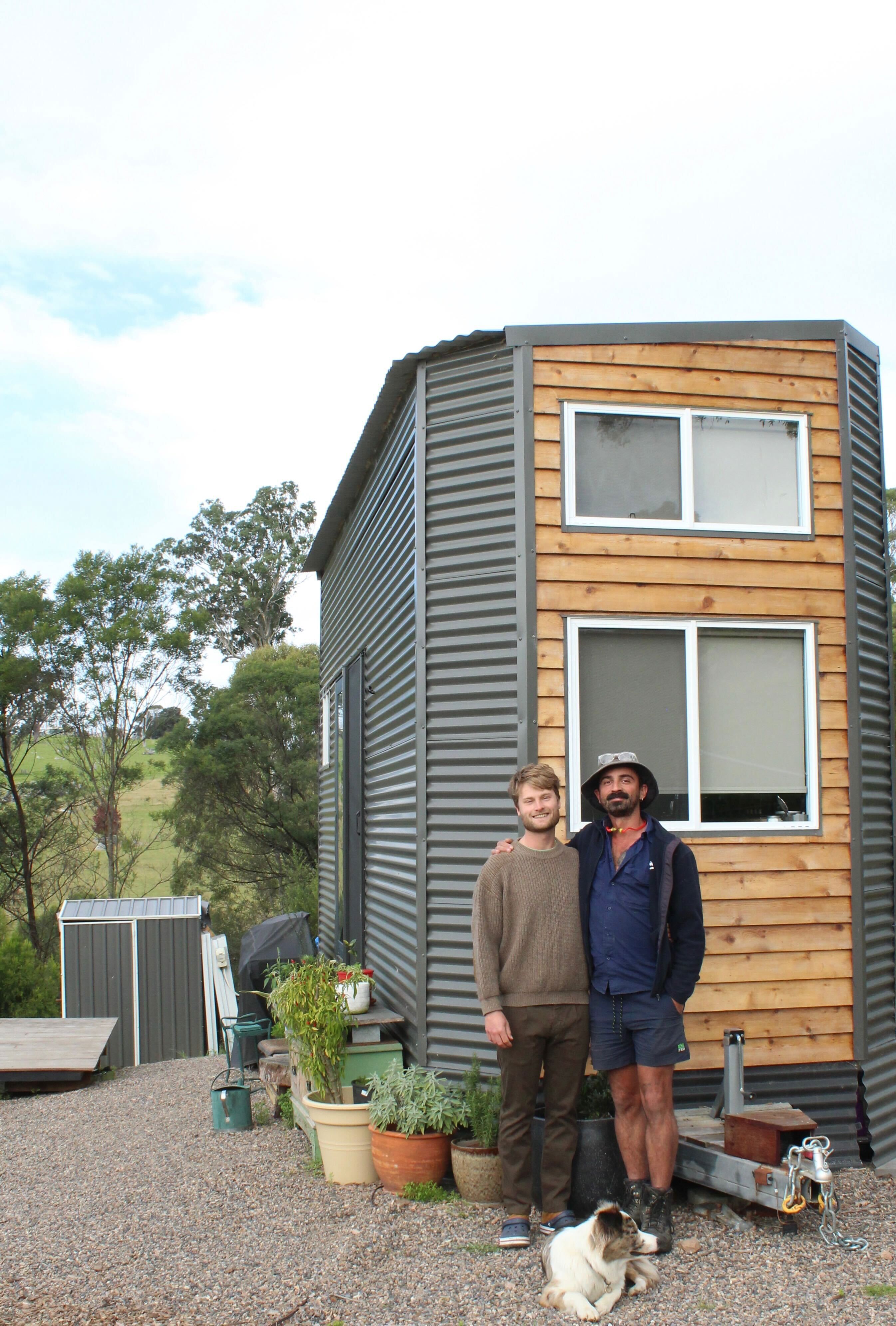
Failure to do so could cost them up to $1 million in fines.
But Heins argues their tiny house on wheels (THOW) falls under vehicle regulations, not building rules.
Now the matter has been escalated to the Land and Environment Court of NSW, where Heins has been told even "simple" case can cost up to $25,000 to resolve.
"We've had to divert all of our energy to this thing that just honestly feels like a waste of time," Heins told 9news.com.au.
"To be completely honest, it's a shit show."
And with no clear rules around how tiny houses fit into the Australia's national, state or local regulations, he fears other vulnerable Aussies could be left homeless.
Have you got a story? Contact reporter Maddison Leach at Google Play.
Woolworths delivers fresh blow against Coles in ongoing price war
Woolworths has announced it is discounting 100 extra products in August, delivering a fresh blow against supermarket rival Coles in the industry's ongoing price war.
The grocery giant said it will slash the prices on essential items including pasta sauce, rice, olive oil, cereal and muesli bars as part of its "lower shelf prices".
Woolworths claimed the total savings could slash up to $110 on a customer's grocery bill for a basket of all 100 newly-discounted products.
READ MORE: 'Do the deal': Trump hosts historic White House war summit
Comparing against original shelf prices, Woolworths said the total savings by the end of August would be $50 million since May.
The supermarket has added 700 products to to its lower shelf prices catalogue so far.
"This is not about temporary specials, but about long-term shelf price certainty on the products that matter most for families," Woolworths Group chief executive Amanda Bardwell said.
"Since launch we have seen the lower shelf prices resonate with our customers and we're seeing families embrace the savings on key staples such as bread, yoghurt, cheese and baby wipes."
READ MORE: Call for 'death tax' to help Australia raise $70 billion

Some of the discounted prices are $3.50 for a jar of Sacla Pasta Sauce and $12.50 or a 1.1kg of National Confectionery Co. lollies.
All the products available on the lower shelf price will be shared online from tomorrow.
Both Woolworths and Coles have moved to slash prices over the past few months as the supermarket giants scramble to attract budget shoppers following a damning report from the Australian Competition and Consumer Commission (ACCC).
In a 400-plus-page report, the ACCC called for action on shrinkflation, price transparency and confusing promotions.
In May, Woolworths pledged to lower the on-shelf prices for almost 400 items by an average of 10 per cent.
READ MORE: 'Ketamine Queen' enters plea over Matthew Perry's death
READ MORE: iiNet cyberattack exposes details of 280,000 customers
The lower prices will continue until "at least 2026", Woolworths said at the time.
That same month, Coles announced plans to cut the price of 500 items following the competition watchdog backlash.
Coles also introduced a loyalty bonus program in June to give shoppers 10 times the number of points on 800 products.
Both supermarkets are scheduled to report their full-year results next week.
DOWNLOAD THE 9NEWS APP: Stay across all the latest in breaking news, sport, politics and the weather via our news app and get notifications sent straight to your smartphone. Available on the Apple App Store and Google Play.
‘I’m mad’: Frustration as street library hit by thieves four times in one year
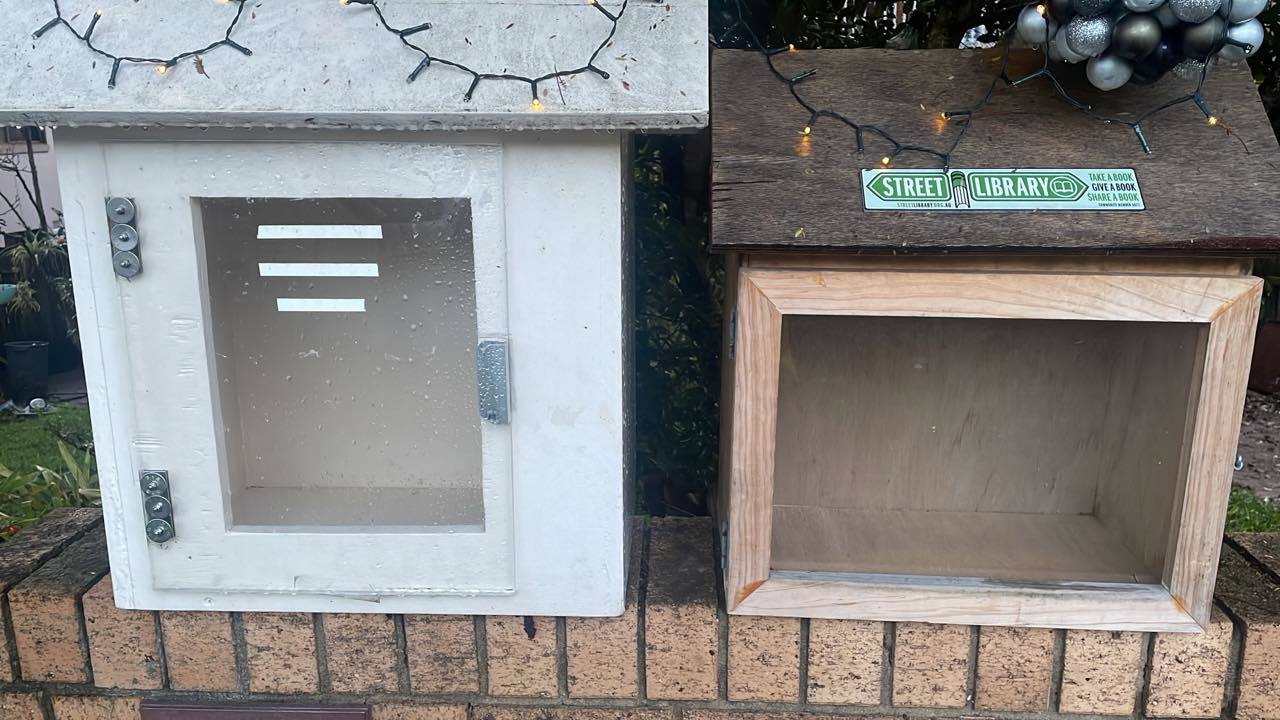
Mark Lim has been forced to temporarily close the street library outside his home after being robbed four times in one year.
The 48-year-old Sydney man is an avid street bounty and recyclables collector, often going through bins to hunt for items to save from the landfill.
He began noticing that dozens of books were being thrown out.
READ MORE: Push to overhaul tax concessions 'hurting ordinary Aussies'
"I go out, I see all these lovely books, so I rescue them," he said.
Lim would take those books and put them into a street library he opened outside his home in Enfield.
But late last week, he found that someone had completely cleared out the library in the span of a few hours.
"I'm mad. Why do they want to take so many books for?" he said.
"I try to give back to the community."
This was not the first time this had happened to Lim.
He said his street library has been cleared out three other times in the past year.
"I thought someone has an issue with me. I thought they were targeting me," he said.
The latest incident has been disappointing, forcing him to leave his street library empty.
"What's the point? I'll leave it empty for a while and see how it goes," he said.
READ MORE: Capital set for soaking as another cold front sweeps in
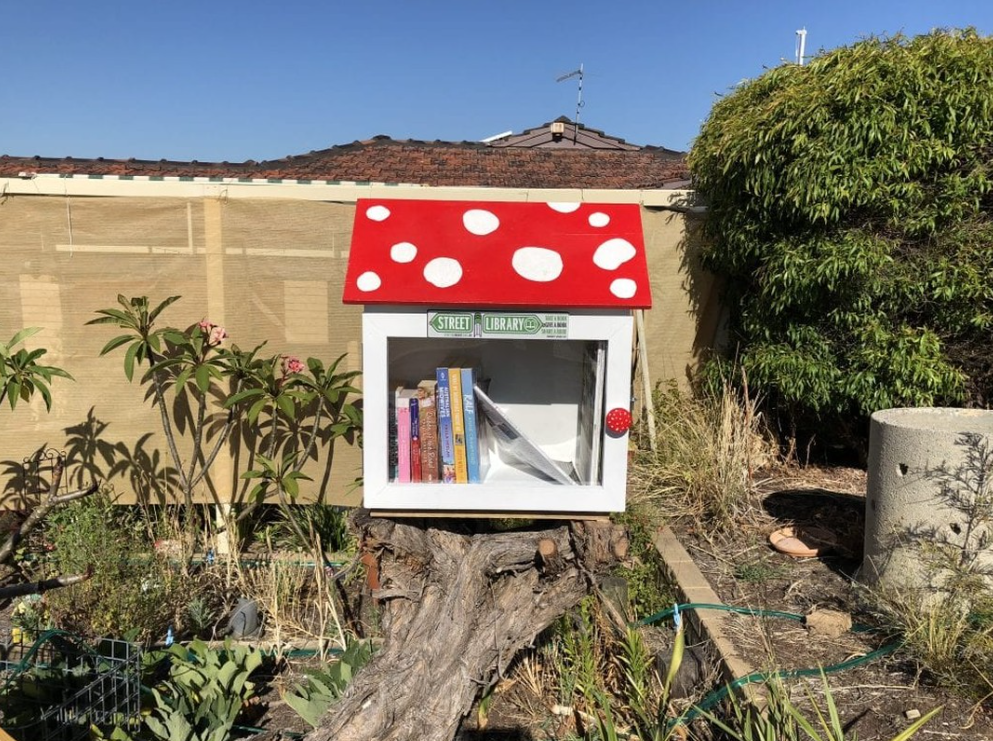
Street Library general manager Mel Lake confirmed there have been a few thefts across some of the nearly 6000 street libraries across Australia, but said Lim's situation seemed "really extreme".
"Certainly nothing particular to any area, but we do get some reports of street libraries being cleared out," she said.
"We don't want people who are abusing the system, and it really is a minority.
"We don't want them to wreck it for everyone."
Burwood Council does not regulate or manage the street libraries, and has not received any reports of thefts.
But a council spokesperson said the community may "reasonably" assume the books are free to take.
Lake advises street librarians to let their neighbours know of any thefts, install solar lighting, place bells on the library door and write a sign explaining the purpose of the library.
"If no one has street libraries, then that's a really beautiful community initiative that's lost, and the people who are abusing the privilege of having them in their community win," she said.
"That's not what you want. You just want to figure out how to deter them from doing it."
DOWNLOAD THE 9NEWS APP: Stay across all the latest in breaking news, sport, politics and the weather via our news app and get notifications sent straight to your smartphone. Available on the Apple App Store and Google Play.