New intelligence reviewed by US and Western officials suggests Russian President Vladimir Putin may have shifted his immediate focus in the Ukraine war toward the shorter-term objectives of solidifying his hold on territory his forces have seized and boosting his country's struggling economy, multiple people familiar with the matter told CNN.
This represents an evolution from recent US and Western intelligence assessments suggesting that Putin felt the state of the war was to his advantage, that he had the momentum as well as the manpower to sustain a longer fight against a faltering Ukraine and seize the entire country.
The perception Putin may have shifted his thinking has played into US President Donald Trump and his negotiators' belief that the Russian president may be more willing to consider a potential peace deal than in the past, two US sources familiar with the matter told CNN.
READ MORE: US and Ukraine sign rare-minerals deal sought by Trump

However, senior US officials remain skeptical of Putin and his repeated assertions in ongoing talks that he wants a peace deal, even though what is being proposed by the US is incredibly generous to Russia, handing them most of the territory they've taken. There is also a widespread belief that even if Russia agrees to a version of the agreement on the table it may look to resume the war and try to seize more of Ukraine in the long-term.
"I think that he may be thinking – I don't want to say thinking smaller – but thinking about what a reasonable nearer-term objective is," said a senior western intelligence official.
The pressure exerted by an increasingly angry Trump administration, threatening more sanctions and a struggling Russian economy, have Putin in a potentially difficult position. There has also been strong emphasis in talks on the potential for investments between the US and Russia if the war ends, opportunities the US has called "historic."
"All of this really depends on what is the US willing to put on the table so that he could not just claim victory domestically," the official continued, "but really feel that he has achieved something that is worth a significant pause and then maybe retake up the fight at some point later."
The official pointed to Putin's repeated references to where the Russian people have historically come from and said he maintains "a long-term objective," to seize more of Ukraine, "at least those portions that are the cradle of Russian civilisation" in Putin's eyes.
LIVE UPDATES: Albanese, Dutton try to convince voters in final day of campaigning
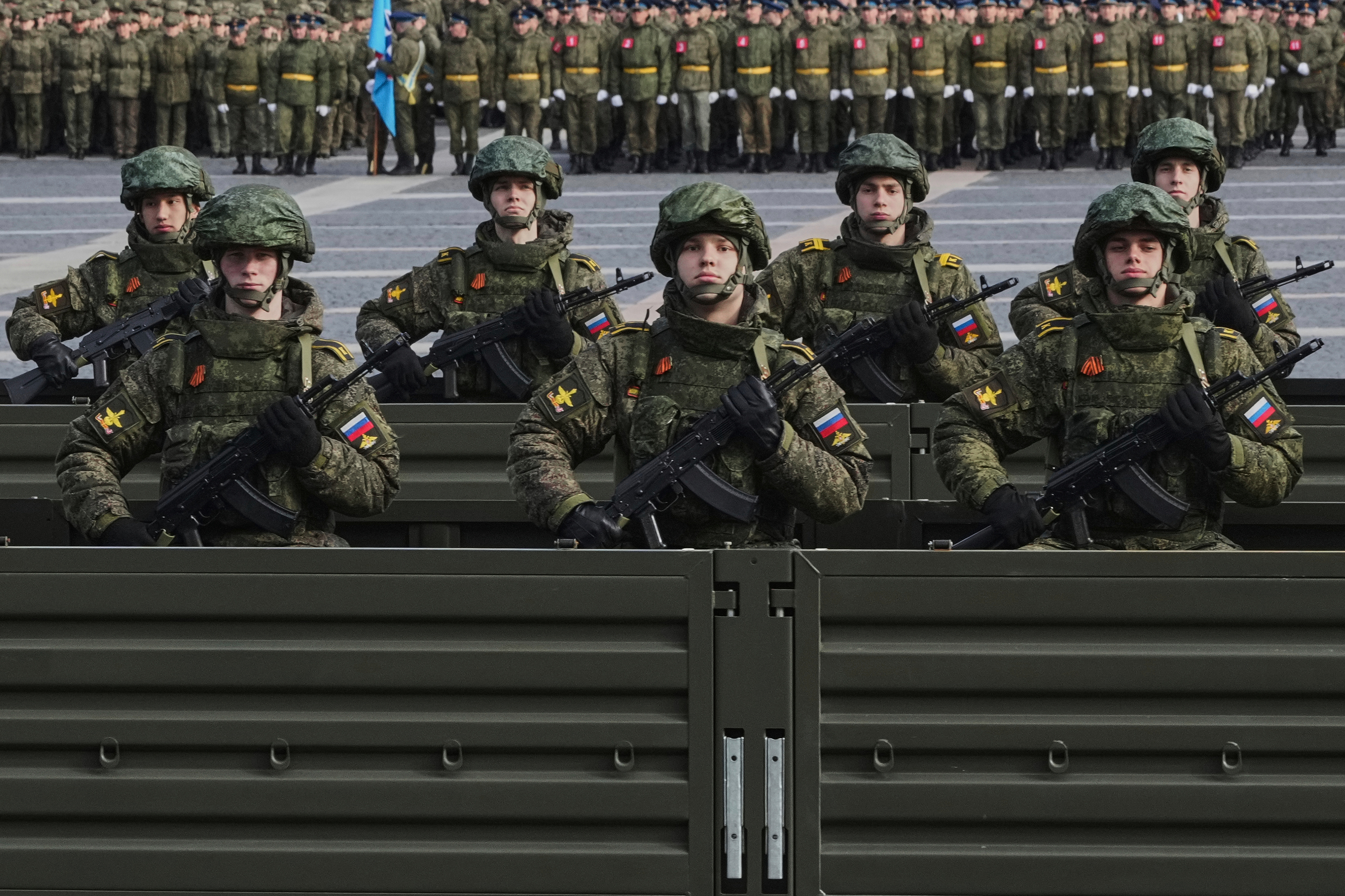
Moscow is willing to "play along" with the US and restrict its immediate objectives to improve its relationship with Washington, a senior European official agreed, but "clearly hasn't given up on their maximalist war ends."
The Kremlin hopes that a better relationship "draws the attention away after a tactical pause and that they can then use the mix of military, economic, informational and political tools to achieve Putin's full objectives in Ukraine and beyond," the official said.
Earlier this year, US intelligence officials cautioned now-senior Trump advisers that controlling Ukraine remained Putin's top priority next to regime survival and warned he was eager to exploit any perceived rush to negotiations by the new administration, according to a source familiar with those conversations.
"Putin's thinking has evolved because he thinks he has a sympathetic US president who doesn't know what he's doing and is more interested in short-term wins," said Democratic Congressman Jason Crow, who sits on the House intelligence committee. Putin, he added, "thinks there can be a settlement, and it simply won't be enforced."
READ MORE: Trump national security adviser Waltz out following Signal chat blunder in major staff shakeup
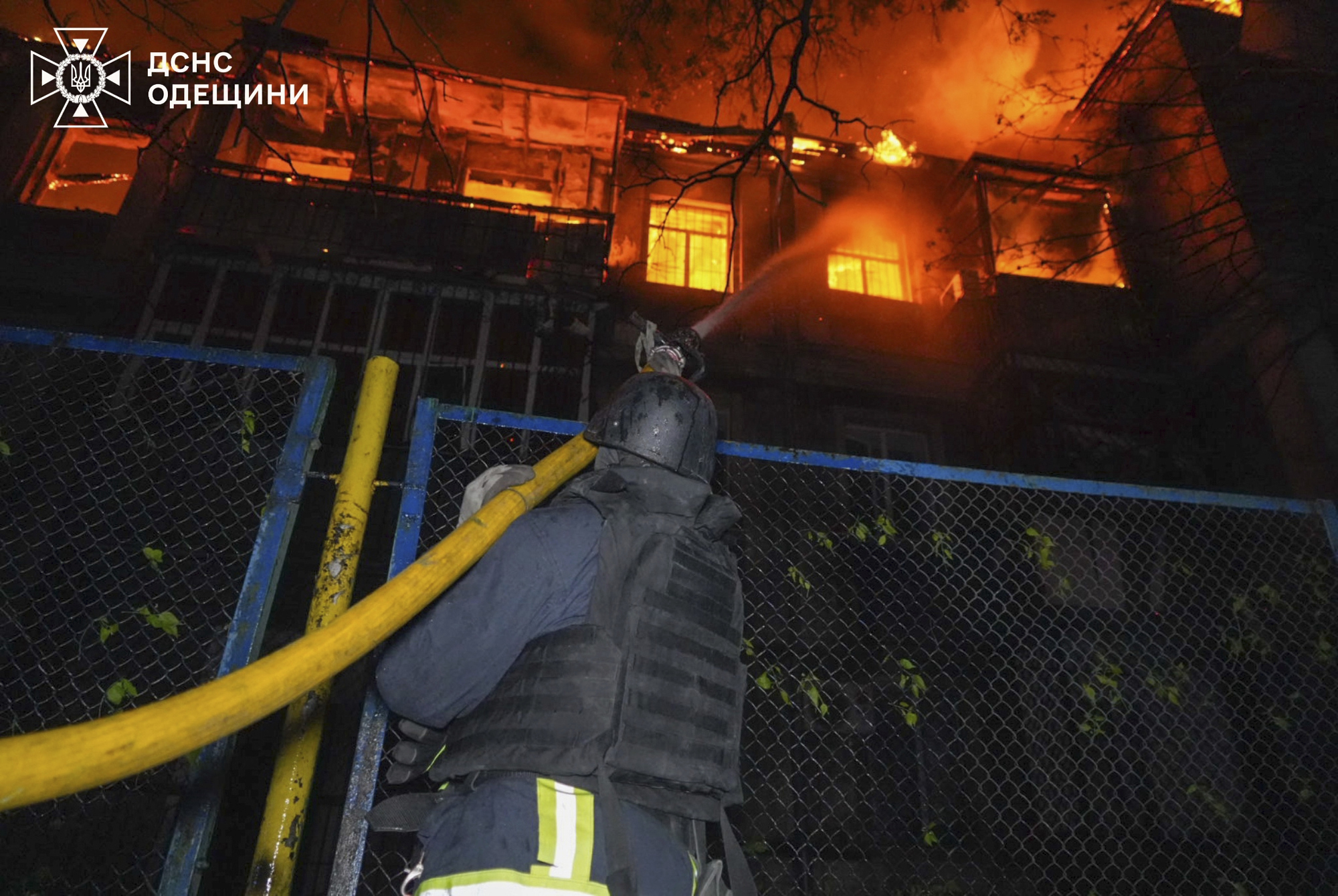
Ukraine is pleading for security assistance
During negotiations that started under Trump, Ukraine's leaders have repeatedly pleaded that the US and Europe provide security assistance and guarantees as part of a potential pact so that even if Ukraine does cede some land, Russia would be deterred from resuming the war to seize more of the country.
"The Russian objective is to get as much territory recognized as possible and have as weak of a Ukraine as possible," said a senior US official who argued there's "zero indication" Putin could actually conquer the rest of Ukraine when his forces have been unable to dramatically move the front lines in a long time.
So any shift in Putin's thinking comes from that realisation and the Trump administration's efforts to get the two sides to negotiate an end to the conflict, said the official.
"The calculation of what more Putin could achieve at this given stage has probably changed, in part because there's a desire to end the war," the official said.
"The calculus on the US side has changed (since the Biden administration), which contributes to the changing calculus of the Russians presumably."
Discussions about where territorial lines could be drawn have focused on the five territories where Russia has the strongest foothold, including Crimea which Putin seized in 2014.
Trump has said Ukraine will not get back most of the land it has lost to Russia.
READ MORE: Eta Aquarids meteor shower set to reach its peak early next week
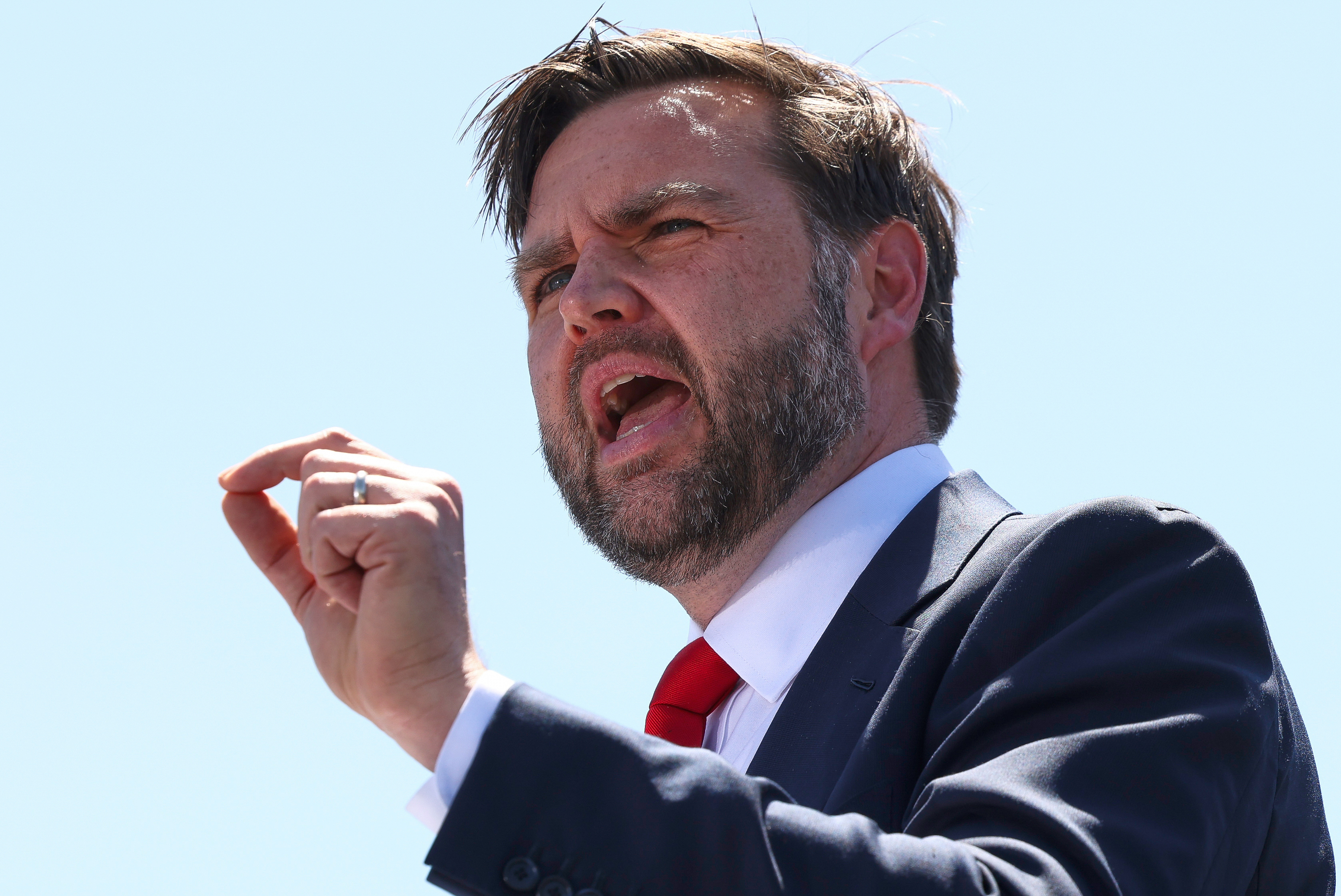
Last week, Vice President JD Vance indicated the US envisions an eventual truce "somewhere close" to where the current front lines are with "some territorial swaps."
"This peace deal is about these so-called five territories. But there's so much more to it," he told Fox News.
"I think we might be on the verge of something that would be very important for the world at large."
CNN has reported that some European allies are highly alarmed by the framework being proposed as the US could recognise territory illegally seized by Russia.
Trump has said the US is ready to recognise Russian sovereignty in Crimea, while Russian Foreign Minister Sergey Lavrov said this week that Moscow wants international recognition of all five Ukrainian territories Russia fully or partially holds, something Kyiv has said it would refuse to do.
Another senior US official, Ukraine envoy Keith Kellogg, said on Tuesday that the administration is just waiting on Russia to agree to a ceasefire.
"We've got one side (Ukraine), now you need to come up with the other side, and I think we're close," he told Fox News. "This is the last 100 yards to an objective. In the military, it's the toughest 100 yards."
Doubts Putin is negotiating in good faith
But there has long been doubt among political and intelligence officials that Putin and the circle around him are negotiating in good faith, instead trying to stretch the talks out and continue their military campaign.
Senator Roger Wicker, the Republican chairman of the Senate Armed Services Committee, echoed that scepticism this week, telling reporters it is "time to treat Putin like the deceptive war criminal he is" and reminding Trump that the Russian leader "cannot be allowed to drag the United States along."
Trump has consistently insisted that he believes Putin wants peace and expressed optimism about a potential deal, but on Saturday appeared to question the Russian leader's aims.
"Maybe he doesn't want to stop the war, he's just tapping me along, and has to be dealt with differently, through 'Banking' or 'Secondary Sanctions?' Trump wrote in a post on Truth Social following a meeting with Ukrainian President Volodymyr Zelenskyy at the Vatican.
"We understand that Washington is willing to achieve a quick success in this process," Putin spokesman Dmitry Peskov responded on Wednesday.
"But at the same time, we hope for an understanding that the settlement in the Ukrainian crisis is too complicated to be done overnight. There are lots of details and lots of tiny things to be tackled before a settlement."
Trump had referenced recent Russian strikes on Kyiv and elsewhere that the senior western intelligence official said are in line with the argument that Putin is not engaging in truce talks with an intention of ending the war.
"But if something gets put on the table that is too good to pass up, I think that they could change the way they're thinking a little bit on that," said the official.