‘This is not how I wanted to spend my last six months alive,’ the victim wrote.
Tag Archives: oceania
Tariffs will make sneakers, jeans and almost everything Americans wear cost more
Sending children back to school in new sneakers, jeans and T-shirts is likely to cost US families significantly more this fall if the bespoke tariffs President Donald Trump put on leading exporters take effect as planned, American industry groups warn.
About 97 per cent of the clothes and shoes purchased in the US are imported, predominantly from Asia, the American Apparel & Footwear Association said, citing its most recent data.
Walmart, Gap Inc., Lululemon and Nike are a few of the companies that have a majority of their clothing made in Asian countries.
READ MORE: Shoppers rush to buy pricey items before Trump's tariffs kick in
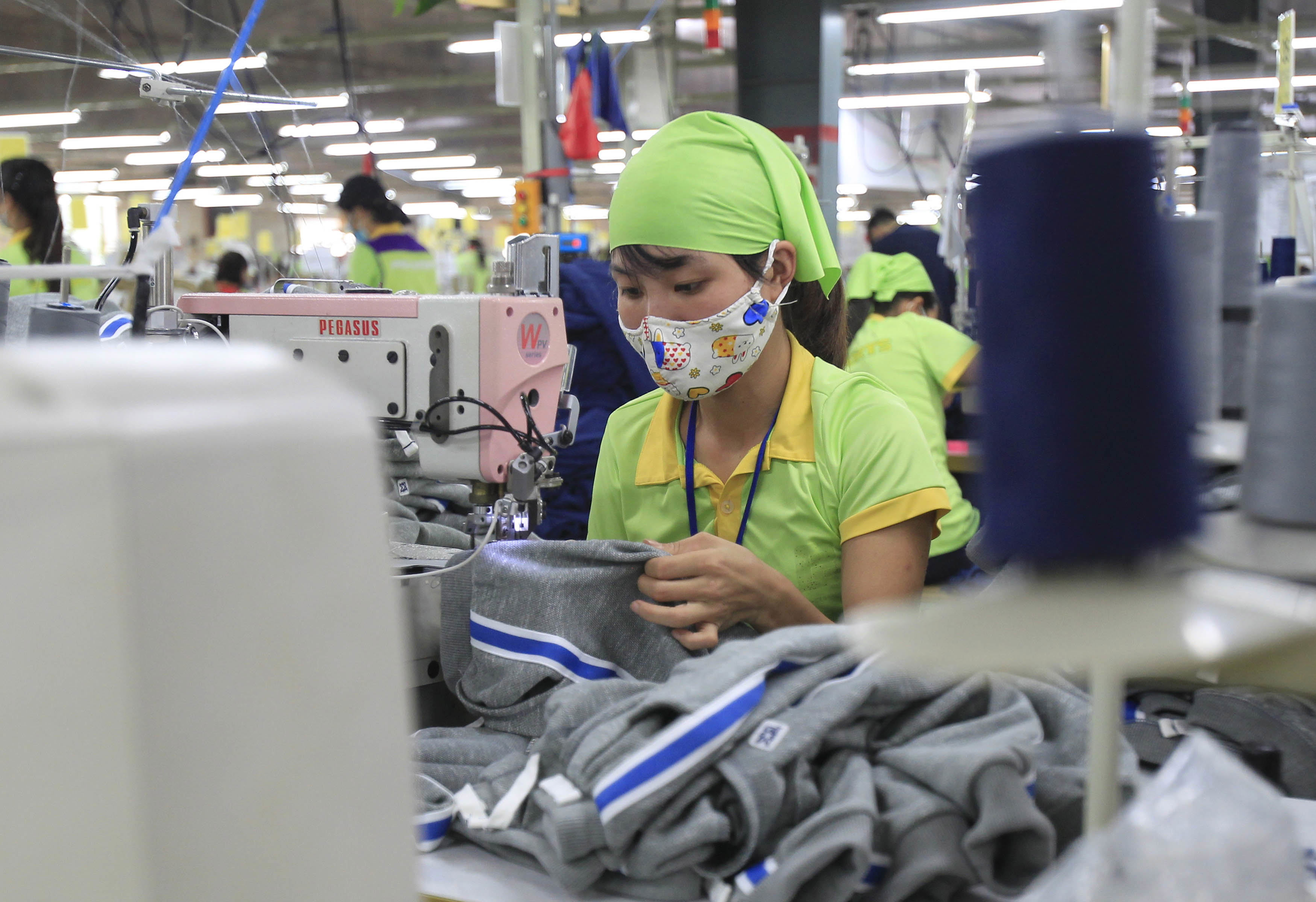
Those same garment-making hubs took a big hit under the president's plan to punish individual countries for trade imbalances.
For all Chinese goods, that meant tariffs of at least 54 per cent.
He set the import tax rates for Vietnam and neighbouring Cambodia at 46 per cent and 49 per cent, and products from Bangladesh and Indonesia at 37 per cent and 32 per cent .
Working with foreign factories has kept labour costs down for US companies in the fashion trade, but neither they nor their overseas suppliers are likely to absorb new costs that high.
India, Indonesia, Pakistan and Sri Lanka also got slapped with high tariffs so aren't immediate sourcing alternatives.
“If these tariffs are allowed to persist, ultimately it’s going to make its way to the consumer,” said Steve Lamar, president and CEO of the American Apparel & Footwear Association.
Another trade group, Footwear Distributors and Retailers of America, provided estimates of the price increases that could be in store for shoes, noting 99 per cent of the pairs sold in the US are imports.
Work boots made in China that now retail for $127 (US$77) would go up to $90, while customers would pay $364 for running shoes made in Vietnam currently priced at $256, the group said.
READ MORE: Inside Trump's defiant response to the markets' tariff meltdown
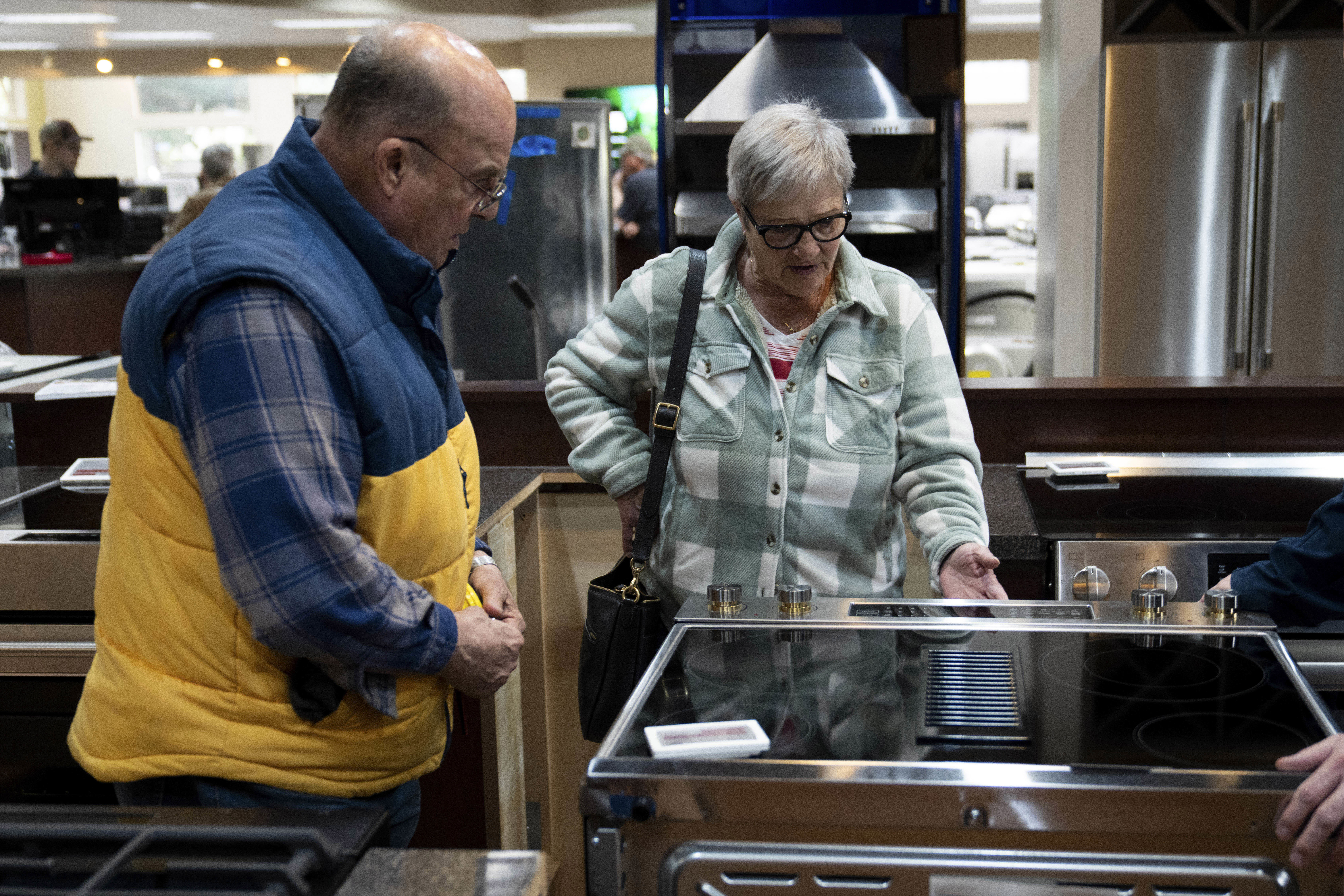
FDRA President Matt Priest predicted lower-income families and the places they shop would feel the impact most.
He said a pair of Chinese-made children’s shoes that cost $43 today will likely carry a $67 price tag by the back-to-school shopping season, according to his group’s calculations.
Preparing for a moving target
The tariffs on the top producers of not only finished fashion but many of the materials used to make footwear and apparel shocked US retailers and brands.
Before Trump's first term, US companies had started to diversify away from China in response to trade tensions as well as human rights and environmental concerns.
They accelerated the pace when he ordered tariffs on Chinese goods in 2018, shifting more production to other countries in Asia.
Lululemon said in its latest annual filing that 40 per cent of its sportswear last year was manufactured in Vietnam, 17 per cent in Cambodia, 11 per cent in Sri Lanka, 11 per cent in Indonesia and seven per cent in Bangladesh.
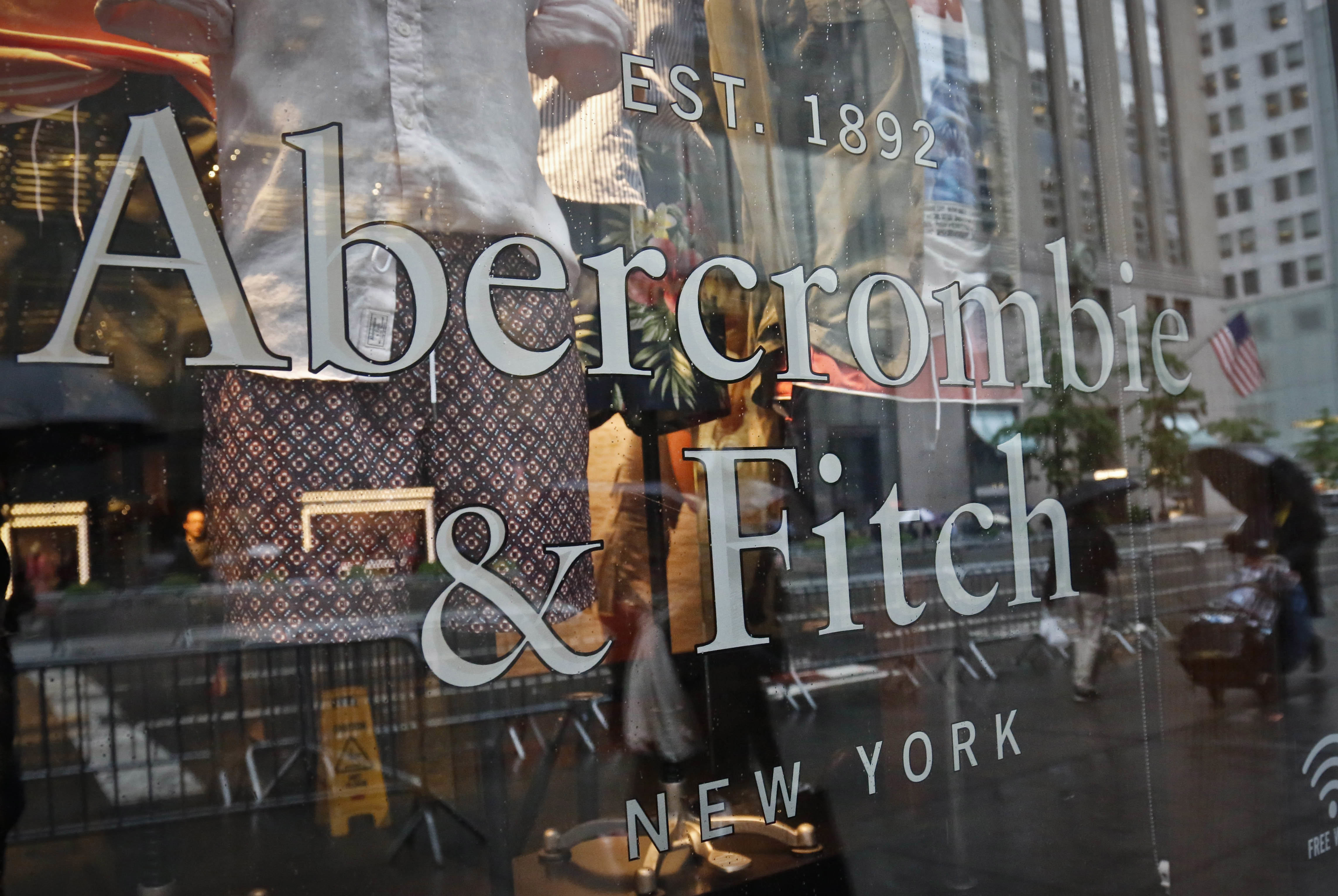
Nike, Levi-Strauss, Ralph Lauren, Gap. Inc., Abercrombie & Fitch and VF Corporation, which owns Vans, The North Face and Timberland, also reported a greatly reduced reliance on garment-makers and suppliers in China.
READ MORE: Inside Trump's defiant response to the markets' tariff meltdown
Shoe brand Steve Madden said in November it would reduce imports from China by as much as 45 per cent this year due to Trump's campaign pledge to impose a 60 per cent tariff on all Chinese products.
The brand said it already had spent several years developing a factory network in Cambodia, Vietnam, Mexico and Brazil.
Industry experts say reviving the American garment industry would be hugely expensive and take years if it were feasible.
The number of people working in apparel manufacturing in January 2015 stood at 139,000 and had dwindled to 85,000 by January of this year, according to the Bureau of Labor Statistics. Sri Lanka employs four times as many despite having a population less than one-seventh the size of the US.
READ MORE: Russian strike on Zelenskyy's home city kills 19 including 'officers of foreign countries'
Along with lacking a skilled and willing workforce, the US does not have domestic sources for the more than 70 materials that go into making a typical shoe, the Footwear Distributors & Retailers of America said in written comments to Trump's trade representative.
Shoe companies would need to find or set up factories to make cotton laces, eyelets, textile uppers and other components to make finished footwear in the U.S. on a large scale, the group wrote.
“These materials simply do not exist here, and many of these materials have never existed in the US,” the organization said.
Price increases may come as a shock
The expected barrage of apparel price increases would follow three decades of stability. Clothes cost US consumers essentially the same in 2024 as they did in 1994, according to US Bureau of Labor Statistics data.
Economists and industry analysts have attributed the trend to free trade agreements, offshoring to foreign countries where workers are paid much less and heated competition for shoppers among discount retailers and fast-fashion brands like H&M, Zara and Forever 21.
But customers unaccustomed to inflation in the apparel sector and coming off several years of steep rise in the costs of groceries and housing may be extra sensitive to any big jumps in clothing prices.
Priest, of the Footwear Distributors and Retailers of America, said he has observed shoppers pulling back on buying shoes since Trump's return to the White House.
“They’re nervous,” he said. "They’ve obviously been playing the long game as it relates to inflation for a number of years now. And they just don’t have the endurance to absorb higher prices, particularly as they’re inflicted by the US government.”
Winners and losers in a garment trade war
According to a report by British bank Barclays published on Friday, the winners in the tariff wars are retailers that have at least one of these attributes: big negotiating power with their suppliers, a strong brand name and limited sourcing in Asia.
In clothing and footwear, that includes off-price retailers Burlington, Ross Stores Inc. and TJX Companies, which operates TJ Maxx and Marshalls, as well as Ralph Lauren and Dick’s Sporting Goods, according to the report.
The companies in for a tougher time are those with limited negotiating power, limited pricing power and high product exposure in Asia, a list including Gap Inc., Urban Outfitters and American Eagle Outfitters, according to the report.
Secondhand clothing resale site ThredUp cheered a related action Trump took with his latest round of tariffs: eliminating a widely used tax exemption that has allowed millions of low-cost goods — most of them originating in China — to enter the U. every day duty-free.
READ MORE: Ukrainians told to leave the US in Homeland Security email blunder
“This policy change will increase the cost of cheaply produced, disposable clothing imported from China, directly impacting the business model that fuels overproduction and environmental degradation,” ThredUp said.
Several industry analysts and economists said they think tariffs will end up being a consumer sales tax that widens the yawning gap between America's wealthiest residents and those in the middle and lower end of the income spectrum.
“So where will the US be buying its apparel now that the tariff rates on Bangladesh, Vietnam and China are astronomical?” Mary E. Lovely, a senior fellow at the Peterson Institute for International Economics, said of the schedule set to take effect on Wednesday.
“Will the new ‘Golden Age’ involve knitting our own knickers as well as snapping together our cellphones?”
How to save money: 10 things experts say you might be wasting cash on
Most people spend money on things they think they probably shouldn’t.
Weather: Heavy rain, 100km/h wind gusts, possible hail predicted for west of North Island
Civil Defence advises people to stay inside and secure loose furniture items.
Young women leading change in workplace culture, expert says
Young women are leading changes to systemic issues plaguing workplace culture while young men are skewing more conservative, an expert says.
According to the Workplace Gender Equality Agency (WGEA), there is a 21.8 per cent gender pay gap in Australia, which means women earn 78 cents for every dollar men earn.
It equates to women earning an average of $28,425 less each year.
READ MORE: What do Australians buy from the US, and what do we sell to them?
It says many factors are to blame, including discrimination and bias in hiring and pay decisions, women's disproportionate share of unpaid caring and domestic work and female-dominated industries and jobs attracting lower wages.
But there's been a shift over the past few years.
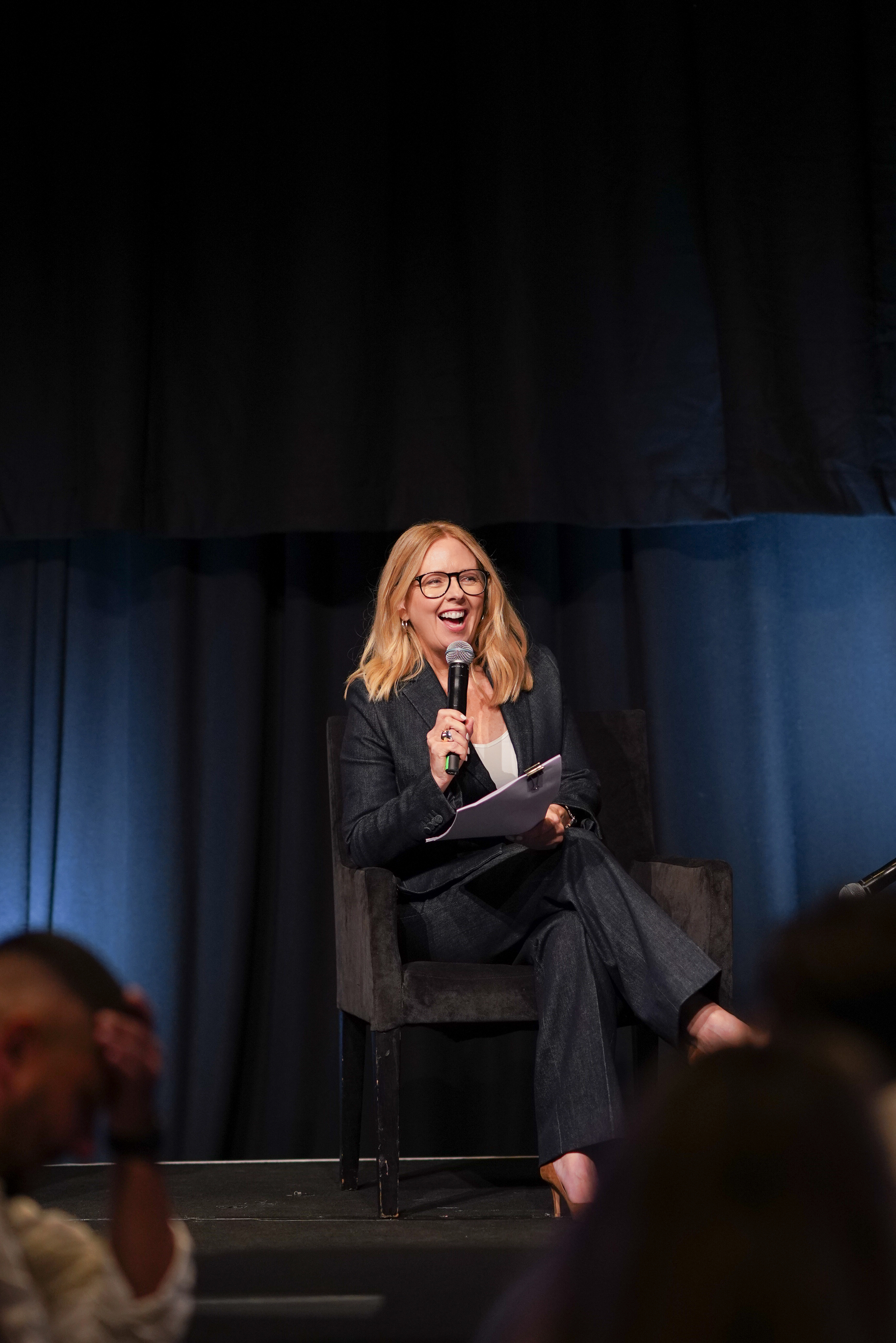
Future Women founder Helen McCabe attributes this to a growing number of young women entering the workplace and refusing to tolerate forms of inequality.
"Younger women are definitely driving reform in organisations because they won't put up with what older generations of women put up with," she said.
"Older generations of women are kind of thinking 'it wasn't like that in my day and it's not all that, you should just get over it and move on, he's not that bad, he didn't really mean anything by it'.
"It's a really interesting time that we're having and the conversation is quite fascinating."
READ MORE: Australian super funds targeted by criminals in new cyberattack
WGEA, however, has reported that progress to end the gender pay gap is happening after 56 per cent of employers improved their disparity in the 12 months to March.
And, as changes are made, young male workers are no longer guaranteed the privileges they have been accustomed to seeing older men receive, McCabe said.
"The structural underpinnings of society have always been the boys get the job, get more pay, marry a woman who has children and do the stay-at-home work. That they are more likely to get the promotion and more likely to run the company and more likely to run the country," she said.
"That has shifted and it's not automatic anymore. If you add quotas or targets to the mix, and you're a talented young man in a law firm, you're up against talented young women in a law firm right now."
READ MORE: Australian shares take $35 billion hit as Trump tariffs spook markets
Future Women hopes to change that and help men and women navigate workplaces.
"I think one of the things that we do at Future Women is really embrace the opportunity to bring men into the conversation and help them be better leaders of men and women, and that improves the work the workplace for everybody," McCabe said.
Future Women has launched a diamond membership that provides members the opportunity to hear from guest speakers, share and plug their upcoming projects, form connections across different sectors and receive unlimited access to online professional development resources.
Inside a room at one of the organisation's events are women from the public and private sectors across industries like finance, business and politics.
"I find when we're in the room, that combination is really powerful," McCabe said.
So far, she said the response has been "amazing".
"They're hungry for more content. They've got more opportunities to connect," McCabe said.
Future Women is part-owned by Nine, the publisher of this website.
DOWNLOAD THE 9NEWS APP: Stay across all the latest in breaking news, sport, politics and the weather via our news app and get notifications sent straight to your smartphone. Available on the Apple App Store and Google Play.
No jail for Australian ‘money mule’ Motasar Angasyo in $150,000 Auckland fraud case
The reluctant NZ resident wants to make up for the fraud – with volunteer work, not cash.
Football fans clash at Auckland FC match with Western Sydney Wanderers, two people arrested
Fans from both sides were throwing cans at each other.
How AI is helping Jetstar stop flight delays
Jetstar is applauding ground breaking Artificial Intelligence (AI) technology for a reduction in flight delays and cancellations.
The airline is leveraging real-time data to predict and prevent maintenance issues before they occur.
Jetstar's newest plane, an A321neo was put through its paces in Toulouse, France.
READ MORE: Bailed underworld figure Tony Mokbel attends church on third day of freedom
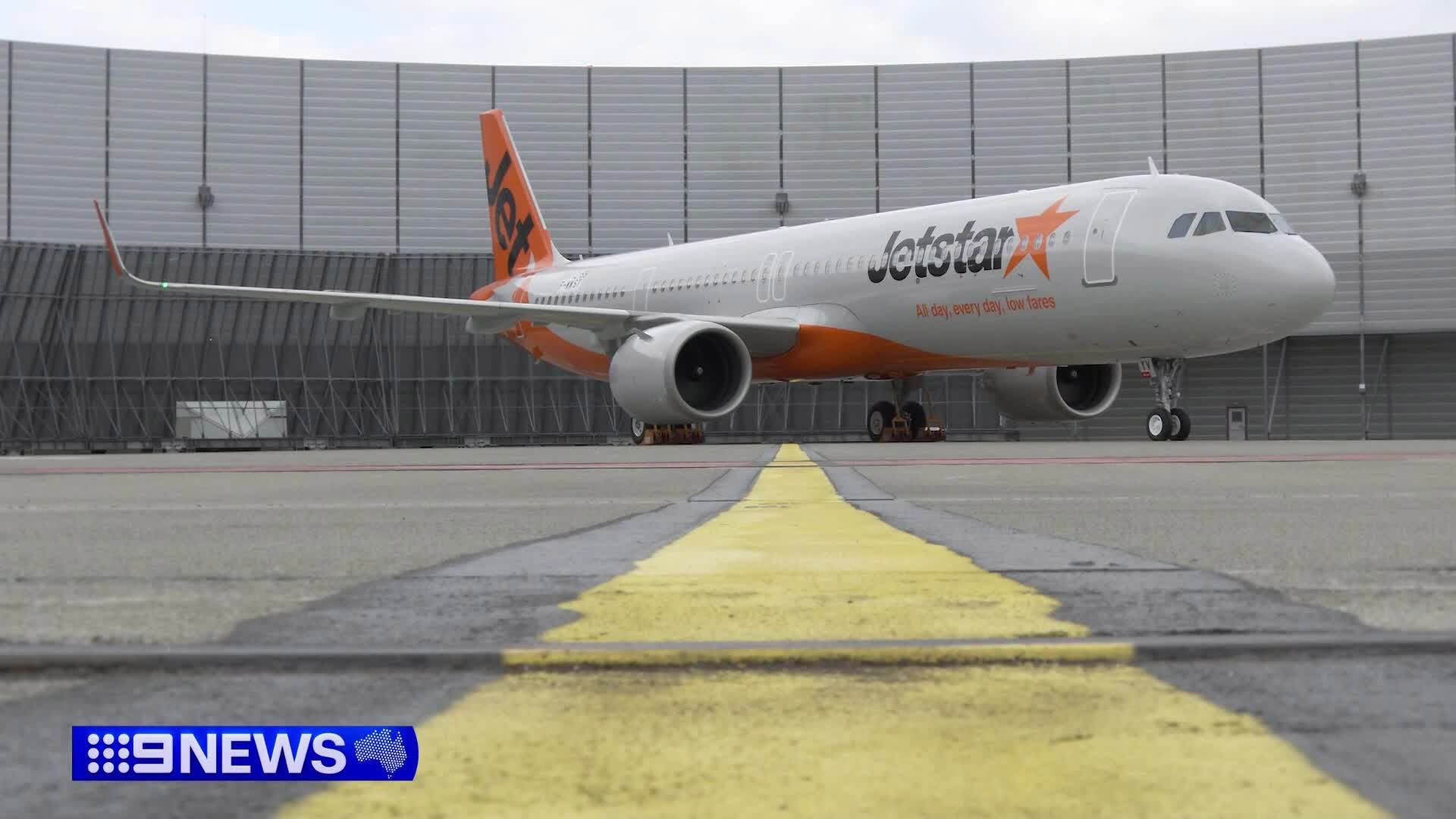
It's a milestone for the airline as it also harnesses AI technology.
Jetstar has partnered with Airbus' SKYWISE platform that monitors real time data from the planes to help predict maintenance issues before they happen.
The technology has been used internationally since 2017.
Jordan Beecroft, Senior Fleet Engineering Manager said it was "giving insights into the aircraft that we have never had before".
"We will schedule the aircraft in overnight when there is no flying plan," he said.
"We'll have the right part there, the people there to get it done, the aircraft will go back into service and nobody will know that there was ever an issue with it really."
READ MORE: Four rescued from rubble after mine collapse in Sydney's south
Last year the new technology prevented more than 40 cancelled Jetstar flights, contributing to a 93 per cent reduction in engineering-related cancellations.
After the success of predictive maintenance Jetstar is also looking at other ways AI and technology can help more flights get away on time.
"The new technology, the new models, generative AI, will even bring more value in the new future. So we are quite excited," Head of Digital Solutions Marketing Airbus David Marty said.
9News flew to France courtesy of the Qantas Group.
Labor makes $2.3bn household battery pledge
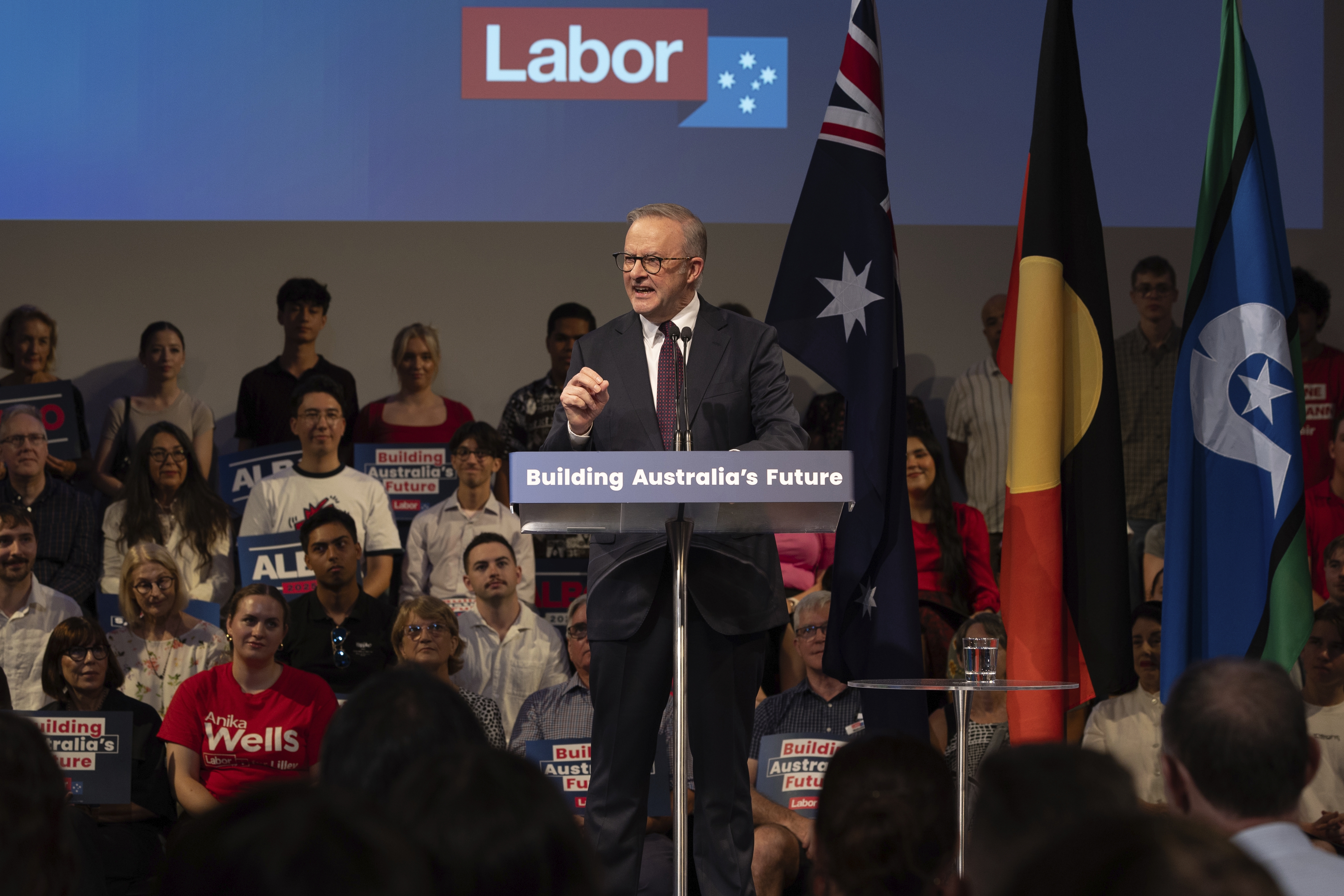
Anthony Albanese has announced a $2.3 billion investment that would slash the cost of household batteries by 30 per cent as part of a combined cost of living and climate change action pitch to voters.
At a press conference in Brisbane today, the prime minister said the move would save households around $4000 on installing a home battery.
"We're taking the next step on roof top solar," Albanese said.
READ MORE: Trump goes all in with bet that the heavy price of tariffs will pay off for Americans
"Rooftop solar is a great Australia success story.
"Every solar panel in the world contains Australian ideas and Australian innovation."
According to Albanese, one in three households have solar panels but only one in 40 homes has a battery.
"Batteries change the equation," he said.
"Every household that installs a battery, drives down energy prices for everyone else because it drives down peak demand."
Albanese is spruiking the incentive as action on cost of living and climate change, as more uptake in solar batteries will take pressure off the power grid.
The discount will be available from July 1 with Labor expecting to see at least one million new batteries installed by 2030.
DOWNLOAD THE 9NEWS APP: Stay across all the latest in breaking news, sport, politics and the weather via our news app and get notifications sent straight to your smartphone. Available on the Apple App Store and Google Play.
Glider crashes on to Hawkes Bay Golf Club in Hastings, one person dies
It is understood a number of golfers saw the incident unfold.