The teen says she needs medication to sleep due to nightmares and anxiety.
Tag Archives: oceania
The cheapskate’s guide to Singapore: Make the most of Singapore without blowing the budget
How to be a Crazy Rich Asian… on a budget.
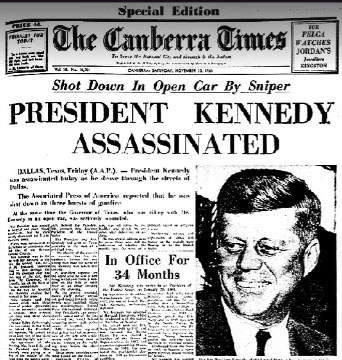
Australia’s link to JFK assassination revealed in declassified files
Australia's former spy boss had asked his counterpart in the United States to keep a probe into anonymous phone calls secret, according to released and unredacted files related to the 1963 assassination of President John F. Kennedy.
More than 1100 files consisting of over 31,000 pages were posted on the website of the US National Archives and Records Administration.
The vast majority of the National Archives' collection of over six million pages of records, photographs, motion pictures, sound recordings and artifacts related to the assassination had previously been released.
READ MORE: Prince Harry's immigration records to be made public amid claims about drug use
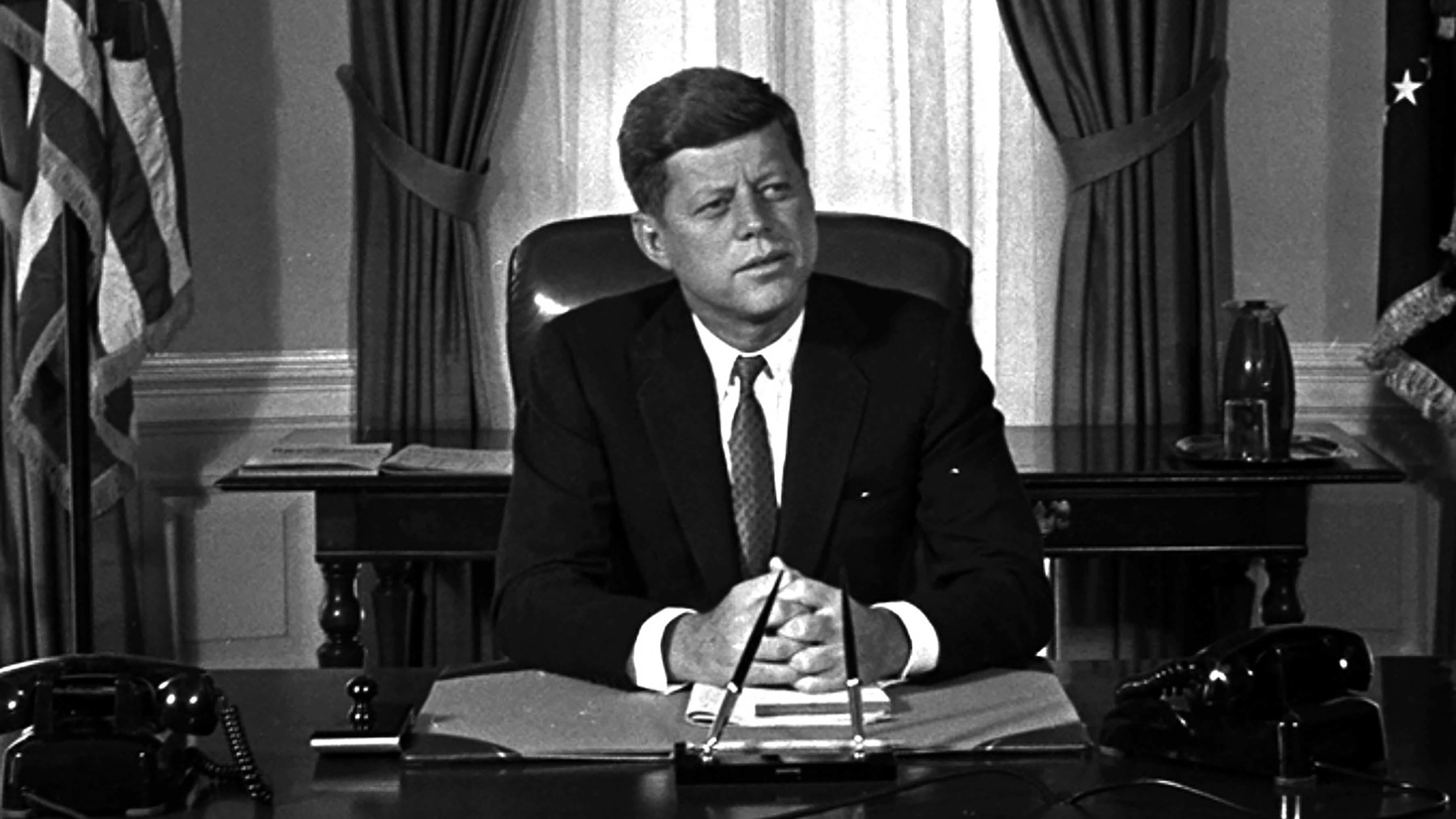
A file revealed that Australia's then-ASIO director-general Sir Charles Spry had written to CIA director Richard Helms in October 1968 asking that he not publicly release or declassify "CD-971 and its attachment".
His reasons were it could raise questions into the investigation of anonymous phone calls to the US embassy in Canberra before and after the time of Kennedy's assassination.
"Questions could be raised as to the investigation by the ASIO of the anonymous telephone calls, the validity of its quoted inclusion and the result of its further enquiries," Spry wrote.
Spry also added that it was never officially stated that there were CIA agents in Australia, which could enrage existing allegations that "CIA is interfering in Australian domestic affairs".
"It has never been officially stated that there is a 'CIA Canberra Station' or that there are CIA officers in Australia. This has been avoided as a point of policy," he wrote.
"Publication of these facts would invoke a spate of questions by the press and in the parliament, which would be contrary to the national security interest, for example: 'Who approved the establishment of the 'CIA Canberra Station'?"
READ MORE: More travellers can now avoid the dreaded incoming passenger card
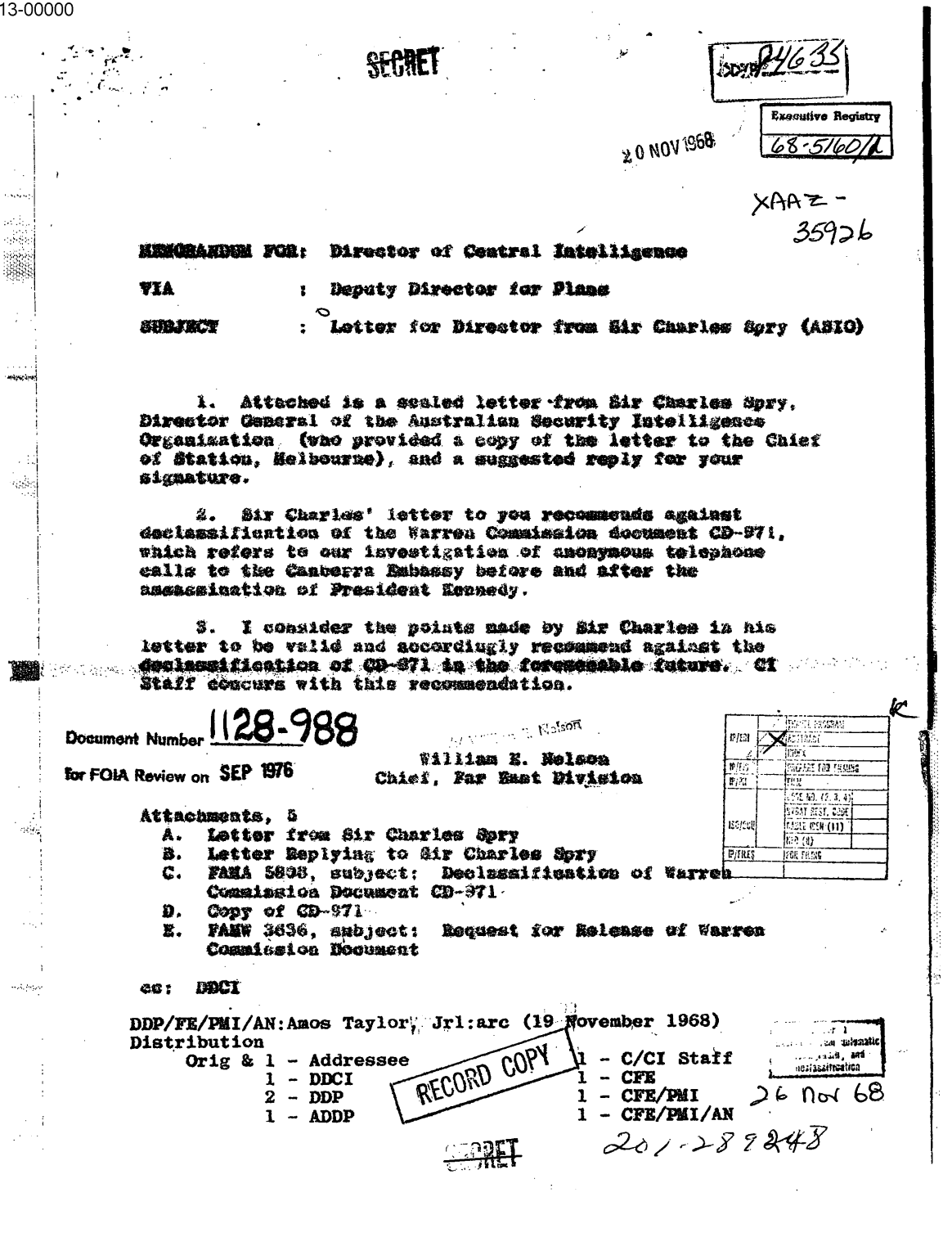
Another file showed a memo, penned by CIA Far East Division chief William Nelson, agreeing with Spry's recommendation.
"Sir Charles' letter to you recommends against declassification of the Warren Commission document CD-971, which refers to our investigation of anonymous telephone calls to the Canberra embassy before and after the assassination of President Kennedy," Nelson wrote.
"I consider the points made by Sir Charles in his letter to be valid and accordingly recommend against the declassification of CD-971 in the foreseeable future."
The Warren Commission is former president Lyndon Johnson's commission into the assassination of Kennedy.
In a responding letter, Helms said there was no intention to release the information and if, in the future, that intention arose, Spry's letter provided "every reason to keep the document out of the public domain".
"Thank you for your letter of 15 October recommending against the declassification of Warren Commission document CD-971," Helms wrote back to Spry.
"I might mention that our inquiry to you in August (1968) was in anticipation of further pressure for the release of Warren Commission papers, a pressure which has not materialised.
"Accordingly, there is not, at the present time, any intention to release CD-971.
"Should the question be raised at some future time, the points made by you in your letter provide every reason to keep the document out of the public domain."
READ MORE: Coalition wants migrants to be tested on antisemitism in citizenship test
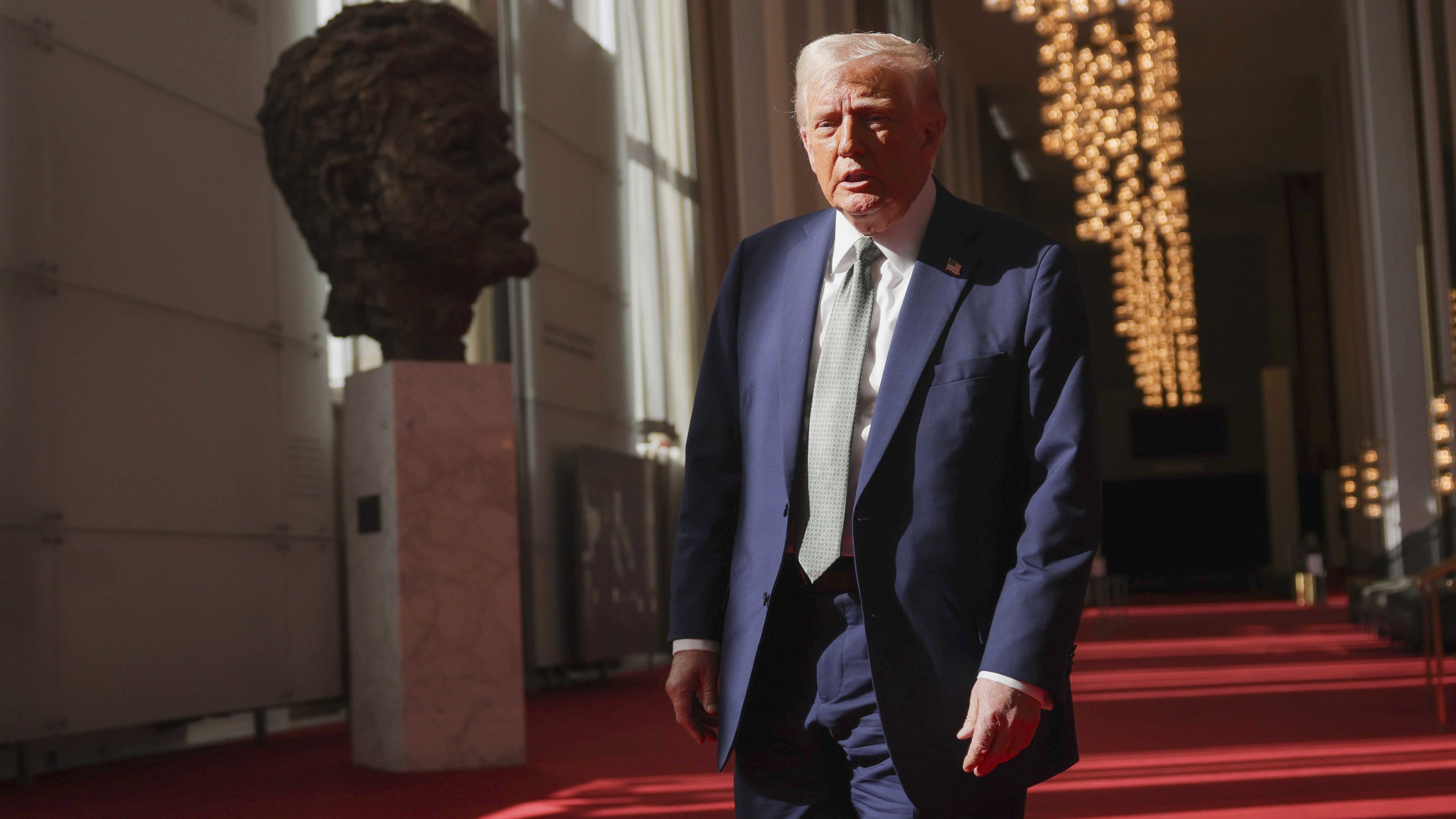
President Donald Trump told reporters on Monday that the release was coming, though he estimated it at about 80,000 pages.
"We have a tremendous amount of paper. You've got a lot of reading," Trump said while visiting the John F. Kennedy Center for the Performing Arts in Washington.
There is an intense interest in details related to the assassination, which has spawned countless conspiracy theories.
Here are some things to know.
Trump's order
Shortly after he was sworn into office, Trump ordered the release of the remaining classified files related to the assassination
He directed the national intelligence director and attorney general to develop a plan to release the records.
The order also aimed to declassify the remaining federal records related to the 1968 assassinations of Senator Robert F. Kennedy and the Reverend Martin Luther King Junior.
After signing the order, Trump handed the pen to an aide and directed that it be given to Robert F. Kennedy Junior, the Trump administration's top health official.
He's the nephew of John F. Kennedy and son of Robert F. Kennedy.
The younger Kennedy, whose anti-vaccine activism has alienated him from much of his family, has said he isn't convinced that a lone gunman was solely responsible for his uncle's assassination.
READ MORE: Former federal politician undergoes significant surgery
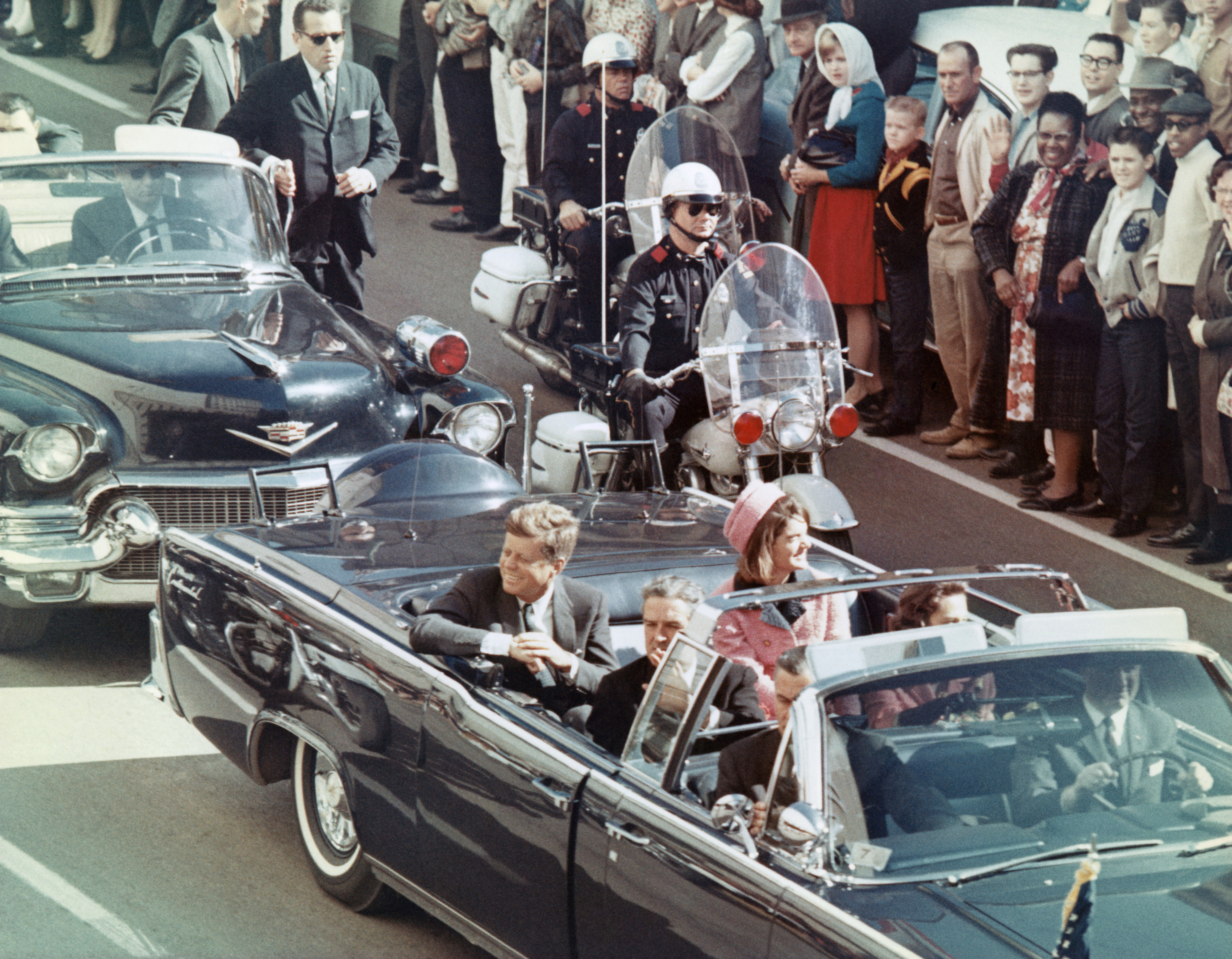
November 22, 1963
When Air Force One carrying JFK and first lady Jacqueline Kennedy touched down in Dallas, they were greeted by a clear sky and enthusiastic crowds.
With a re-election campaign on the horizon the next year, they went to Texas for a political fence-mending trip.
But as the motorcade was finishing its parade route downtown, shots rang out from the Texas School Book Depository building.
Police arrested 24-year-old Lee Harvey Oswald, who had positioned himself from a sniper's perch on the sixth floor.
Two days later, nightclub owner Jack Ruby fatally shot Oswald during a jail transfer.
A year after the assassination, the Warren Commission, which President Lyndon B. Johnson established to investigate, concluded that Oswald acted alone and that there was no evidence of a conspiracy.
But that didn't quell a web of alternative theories over the decades.
READ MORE: Nurse wants alleged Israeli threat video tossed out

The JFK files
In the early 1990s, the federal government mandated that all assassination-related documents be housed in a single collection in the National Archives and Records Administration.
The collection was required to be opened by 2017, barring any exemptions designated by the president.
Trump, who took office for his first term in 2017, had said that he would allow the release of all of the remaining records but ended up holding some back because of what he called the potential harm to national security.
And while files continued to be released during President Joe Biden's administration, some remain unseen.
The National Archives says that the vast majority of its collection of over six million pages of records, photographs, motion pictures, sound recordings and artifacts related to the assassination have already been released.
Researchers have estimated that 3000 files or so haven't been released, either in whole or in part.
And last month, the FBI said that it had discovered about 2400 new records related to the assassination.
The agency said then that it was working to transfer the records to the National Archives to be included in the declassification process.
Around 500 documents, including tax returns, were not subject to the 2017 disclosure requirement.
READ MORE: Stranded astronauts taste first fresh air in nine months
What's been learned from the JFK files
Some of the documents from previous releases have offered details on the way intelligence services operated at the time, including CIA cables and memos discussing visits by Oswald to the Soviet and Cuban embassies during a trip to Mexico City just weeks before the assassination.
The former Marine had previously defected to the Soviet Union before returning home to Texas.
One CIA memo describes how Oswald phoned the Soviet Embassy while in Mexico City to ask for a visa to visit the Soviet Union.
He also visited the Cuban Embassy, apparently interested in a travel visa that would permit him to visit Cuba and wait there for a Soviet visa.
On October 3, more than a month before the assassination, he drove back into the United States through a crossing point at the Texas border.
Another memo, dated the day after Kennedy's assassination, says that according to an intercepted phone call in Mexico City, Oswald communicated with a KGB officer while at the Soviet Embassy that September.
The releases have also contributed to the understanding of that time period during the Cold War, researchers said.
DOWNLOAD THE 9NEWS APP: Stay across all the latest in breaking news, sport, politics and the weather via our news app and get notifications sent straight to your smartphone. Available on the Apple App Store and Google Play.
Tarawera sewerage scheme hearing: Judge to prioritise decision
A decision on works would be made in weeks rather than months.
Christchurch teachers attacked by student with scissors
The assault occurred just before 2pm and was witnessed by a number of staff and students.
Weather: Auckland rush-hour crash, break down on rail network amid wet weather and thunderstorm risk
More bad news has hit Auckland commuters.
Crips murder trial: Ex-partner of Ethan Jessop, who shot 75yo Peter Rasmussen at Auckland home, gives evidence
‘Yum’, the witness responded when prosecutors showed her a photo of the defendant.
Former Warriors player Wairangi Koopu named as TV celebrity facing drug possession charges
A trial has been set down for 10 weeks beginning June 21, 2027.
Queensland town ups salary offer to $680,000 in second bid to find a GP
A small, outback Queensland town is on the hunt for a GP once again, two years after its campaign to recruit a doctor went viral.
The farming and mining town of Julia Creek, 600 kilometres from Townsville, made headlines in October 2022 when it offered up a lucrative salary of $500,000, plus a rent-free home, for a GP to take up residence there.
The campaign was a hit, and succeeded in attracting a GP to fill the role.
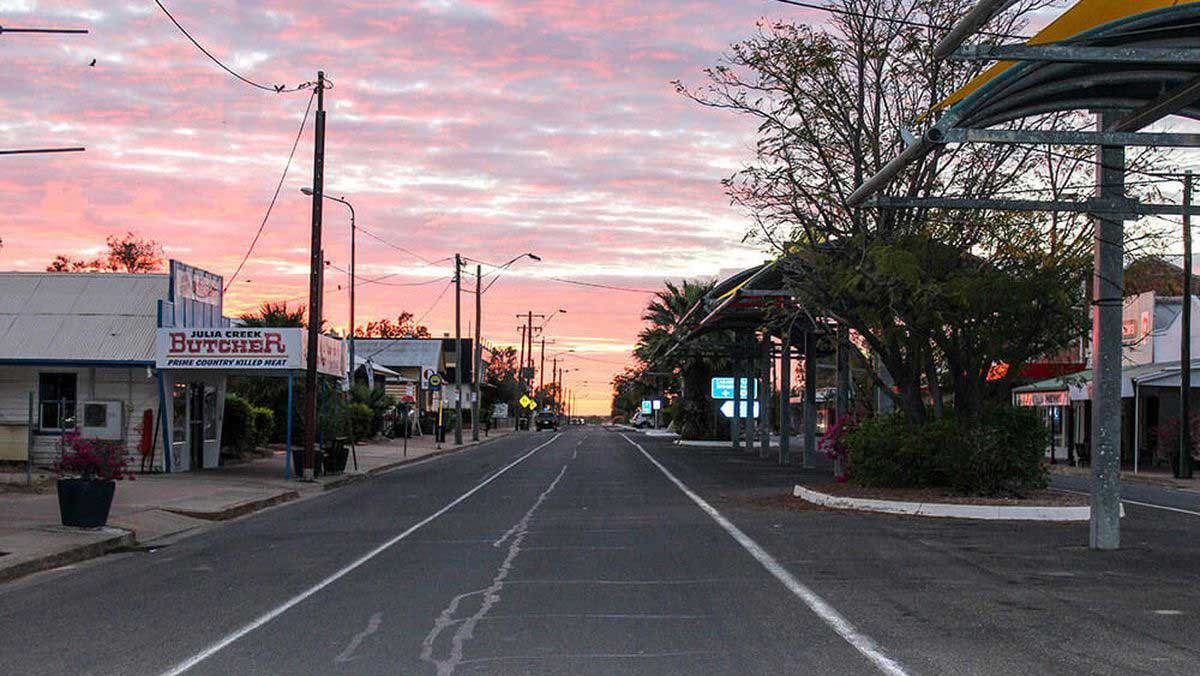
However, two years on, the doctor is moving on and Julia Creek is on the hunt for a doctor again.
This time, the town is upping its offer, putting together an eye-watering base salary package of up to $680,000, including allowances for a house and car.
The remuneration package on offer is more than double the average annual salary for GP jobs in Brisbane, which range from $260,000 to $280,000, according to employment website Seek.
Julia Creek, which describes itself as "a small town with a huge heart", is home to roughly 500 residents, with double that number living in the greater McKinlay shire.
As well as the attractive salary, the job offers lifestyle benefits too, the advertisement for the senior medical officer states.
"No traffic jams or long commute here – simply black soil plains, blue sky and burnt orange sunsets," the ad extols.
The town has a small, six-bed day hospital staffed by registered nurses and health workers, which can provide low-level care, as well as temporary care for patients needing to be transferred in an emergency.
Without a doctor in town, residents would need to travel 147km to Richmond.
Former Christchurch nurse Peter Ogden, who had sexual relationship with patient sentenced to home detention
Peter Ogden was sentenced to 12 months’ home detention.