Despite urgent treatment, the 39-year-old died at the scene.
Tag Archives: oceania
Teenager accused of sexually assaulting, touching elderly women
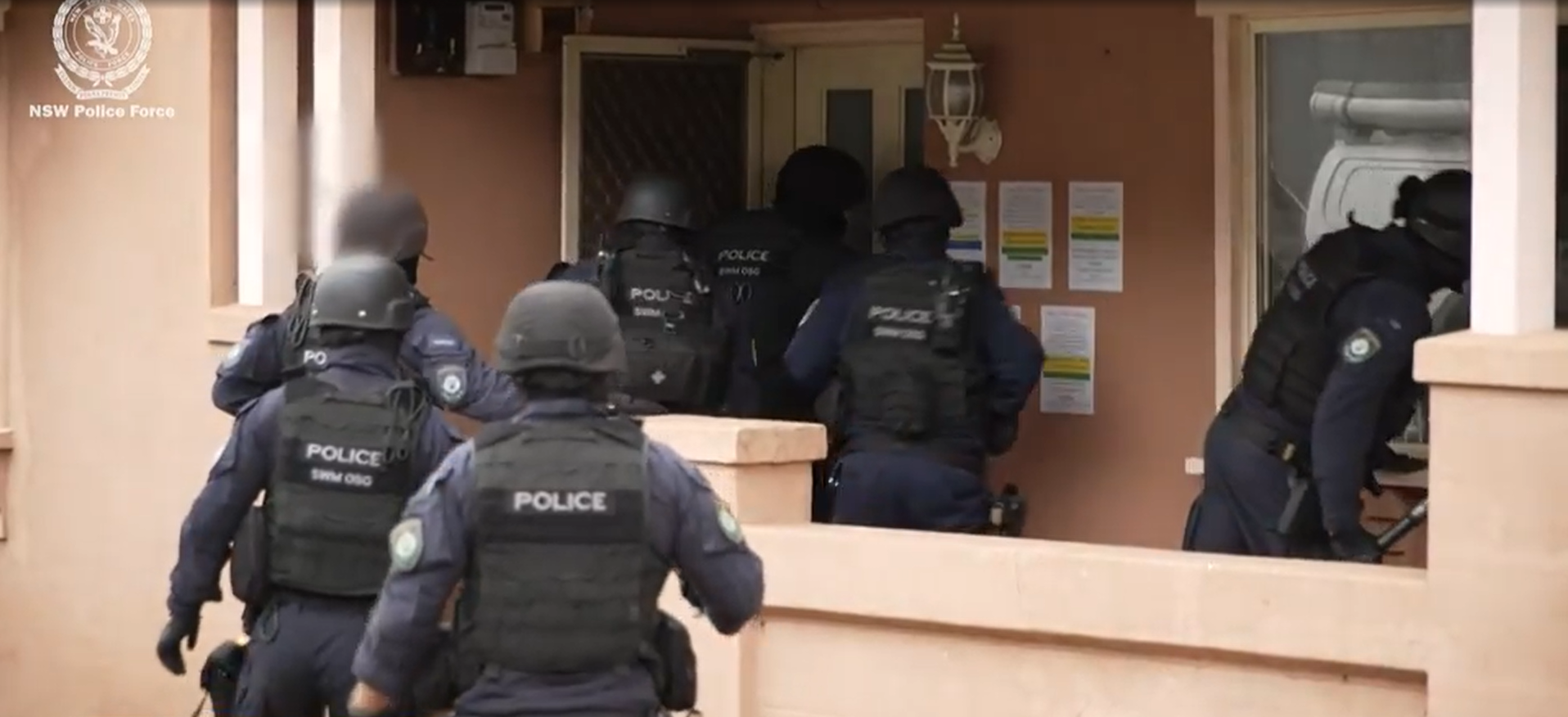
A teenager has been charged today with allegedly assaulting two elderly women during a string of home invasions in south-western Sydney last week.
The 18-year-old boy was arrested yesterday when police raided a home at Merrylands and seized items linked to their investigation.
He's accused of breaking into five homes in Merrylands between 4am and 6am last Thursday.
READ MORE: Witness recounts panic after surfer mauled by shark while partner watches from WA beach
In two of the separate home invasions, women in their 80s were allegedly sexually assaulted and touched.
At one of the homes, the man is accused of holding a knife while attempting to sexually assault a woman. In another home, he allegedly sexually touched a second woman.
Crime scenes were established at each home, and an investigation into the attacks by detectives from Strike Force Beigy began.
The man was arrested at Dee Why police station on the Northern Beaches and faces 16 charges, including armed, aggravated sex assault, break and enter, and sexually touching without consent.
He was refused bail and is scheduled to appear in court later today.
Support is available from the National Sexual Assault, Domestic and Family Violence Counselling Service at 1800RESPECT (1800 737 732).
Aggravated East Auckland robbery: Chinese immigrant punched, chased with baseball bat days after moving to NZ
The man was punched in the face and chased with a baseball bat in the late-night attack.
50th Birthday Party killing: Witness says bullet grazed her hand before man was killed
The woman described the final moments before the victim was shot and fell to the ground.
‘No excuse’: Warning after woman charged for driving in floodwaters
A stern warning has been issued to motorists after a woman was charged for driving through floodwaters caused by ex-Tropical Cyclone Alfred in south-east Queensland.
Police were called to rescue a woman trapped in her car on Newmarket Road in Brisbane about 6am yesterday but arrived to find it empty.
The woman, a 58-year-old from Enoggera, had allegedly driven through the floodwaters when her car became submerged and began to float.
READ MORE: Hospitals adjust planned surgery approach after state falls short of target
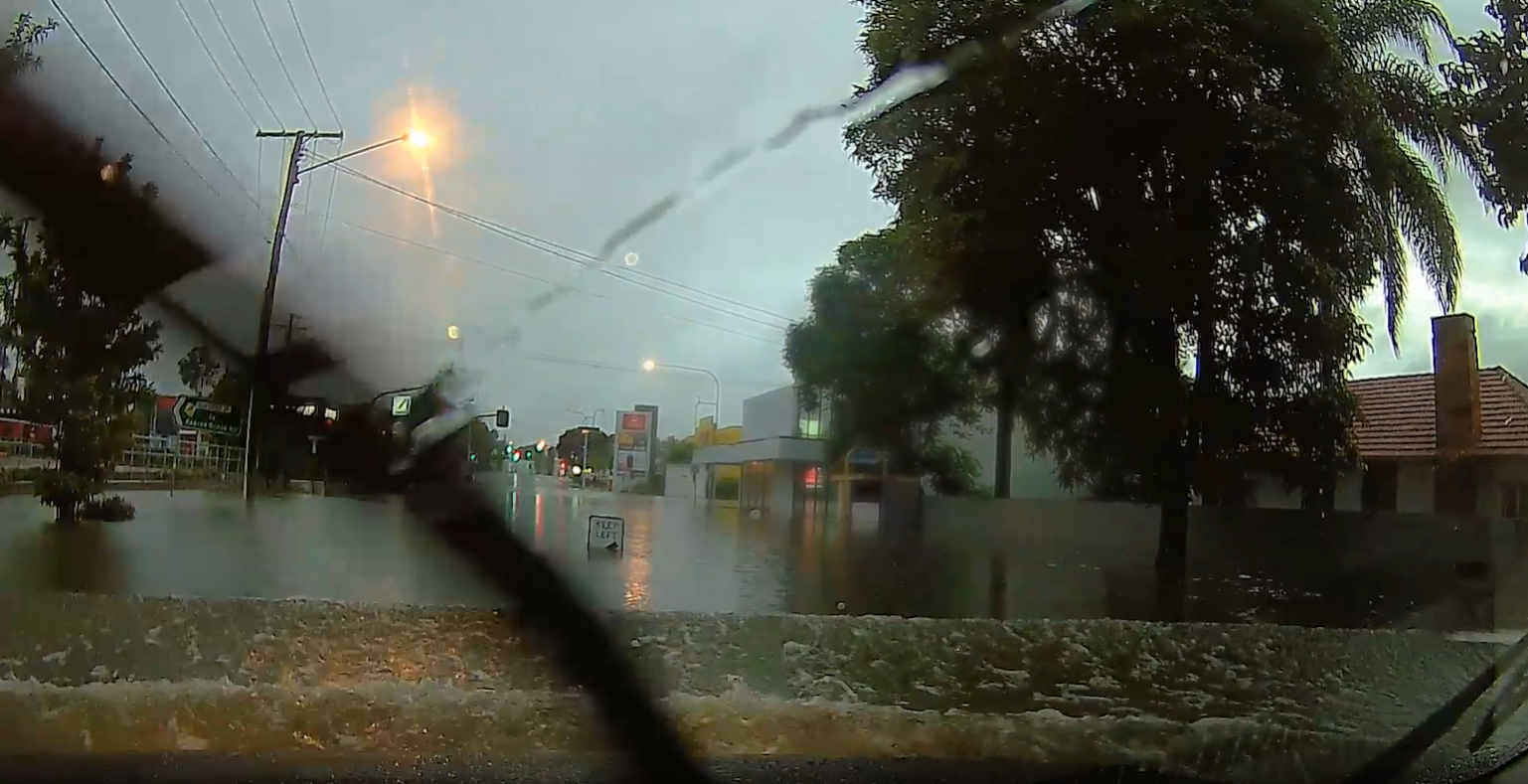
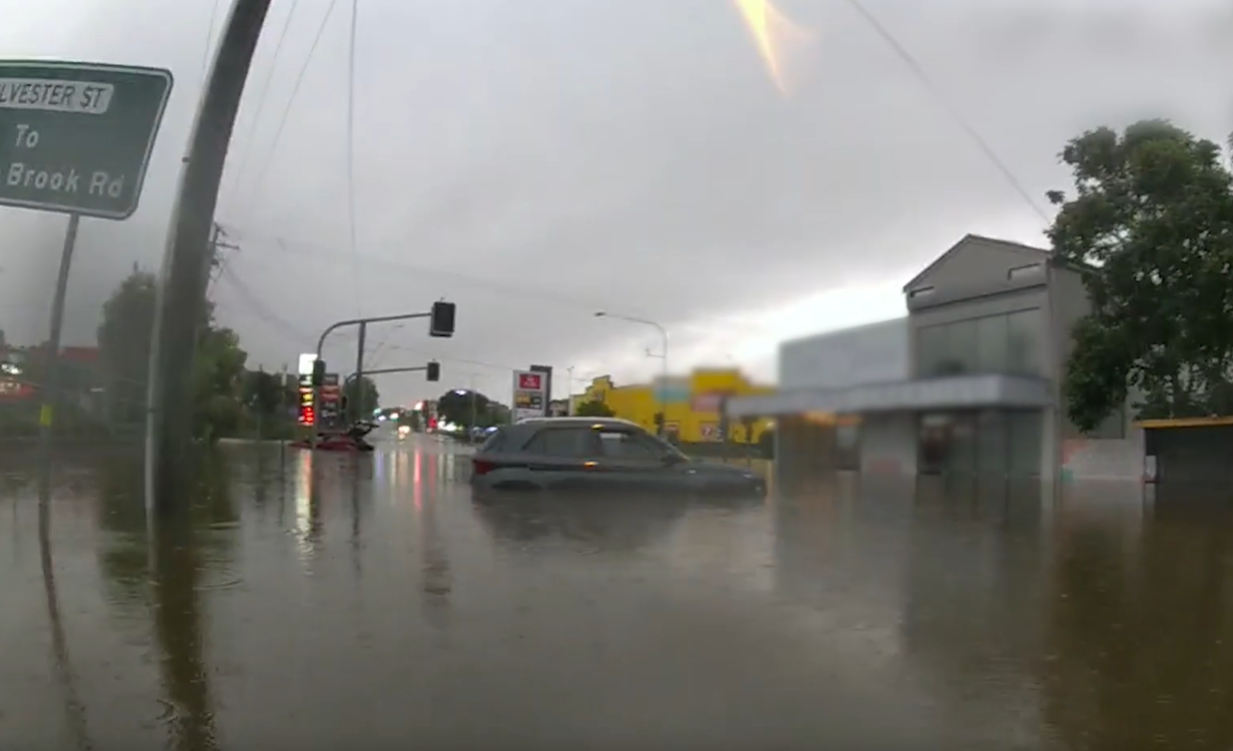
Police later found and charged the woman with one count of driving without care.
She will face Brisbane Magistrates Court on April 14.
It is just one of many rescues emergency services have been called to since cyclonic conditions caused major rainfall, dangerous winds and floodings across south-east Queensland and northern New South Wales last week.
Yesterday, police freed an 84-year-old man who became trapped in his partially submerged car after driving past a road closed sign in Oxley.
On Sunday, police rescued a 61-year-old woman from Murarrie after her car became stuck in floodwaters on Wynnum Road in Cannon Hill.
On that same road in Tingalpa, a 59-year-old man from Cannon Hill tried to drive through flowing water and police were called to help tow his car.
READ MORE: Woman struck by lightning after state smashed by electrical storm
No one was injured in any of the incidents.
Brisbane disaster district coordinator and acting assistant commissioner Rhys Wildman said there was "no excuse for ignoring road closures and driving through floodwater".
"By driving through floodwaters, you are putting yourself, your vehicle and first responders in danger," he said.
"The water may look shallow, but a car can lose traction in as little as 15cm of water."
Emergency services are still clearing fallen trees and debris from roads across the ex-cyclone affected region.
Some traffic lights at roads and intersections remain without any signal.
Motorists who approach roads with non-working signals or flashing amber lights are advised to always give way to the right and drive with extra caution and care.
DOWNLOAD THE 9NEWS APP: Stay across all the latest in breaking news, sport, politics and the weather via our news app and get notifications sent straight to your smartphone. Available on the Apple App Store and Google Play.
‘Absurdly generous’ tax breaks for rich blamed for stoking housing crisis
Two tax breaks are "disproportionately" benefiting Australia's richest while simultaneously fuelling the housing affordability crisis, a new report by the Australian Council of Social Service (ACOSS) has found.
The report criticises the capital gains tax deduction for property, where only 50 per cent of capital gains made from an asset are taxed when it is sold, and negative gearing, which allows investment expenses to be deducted from income.
According to ACOSS's findings, the richest 10 per cent of households own two-thirds of all investment properties and are receiving 82 per cent of the $16 billion in tax relief the two breaks provide.
READ MORE: Scathing human rights report slams Australia's COVID-19 response

The elite bracket also makes up 39 per cent of all tax deductions for rental properties, it found.
"These tax breaks disproportionately benefit the well-off in our society while millions struggle to pay the rent, let alone save a deposit to buy their first home," ACOSS chief executive Dr Cassandra Goldie said.
The report also found that since the introduction of the capital gains discount in 1999, the average house price has increased by 142 per cent while wages have risen by 44 per cent.
These concessions were blamed for driving up the house prices by encouraging property investment in pursuit of the tax breaks while also contributing little to the housing supply as 81 per cent of investor loans were for the purchase of an existing property.
The report wrote that the tax benefits are making it harder for people to transition from renting to home ownership and are contributing to the "unprecedented levels of unaffordability".
"Australia's absurdly generous tax breaks are supercharging the housing crisis and rising inequality in our society," Goldie said.
READ MORE: Australia 'won't be intimidated' by Russian warning: Wong
"As long as our tax system encourages speculative investment in housing, the housing affordability crisis won't be solved just by building more homes."
According to independent modelling cited by the report, halving the capital gains tax discount to 25 per cent and curbing negative gearing could reduce house prices by four per cent.
This is similar to the impact of building an additional 1.2 million homes over five years — a target the federal government has promised under the National Housing Accord policy.
ACOSS wants the government to reduce the capital gains deduction from 50 to 25 per cent over five years, restrict negative gearing for new investments and also halve the capital gains deduction for super funds.
It said these measures could earn the government an estimated $19 billion over four years, which the organisation said could be reinvested into building 47,000 new social and affordable homes per year.
READ MORE: Consumer confidence hits three-year high after rate cut

The government's housing policies include 1.2 million new homes built by mid-2029, a $9.3 billion agreement with states and territories to support social housing and homelessness services, a scheme to help 40,000 households purchase a new or existing home, and tax incentives to support investment in new build-to-rent developments.
One of those latter tax incentives includes increasing the capital works tax discount depreciation rate from 2.5 per cent to four per cent.
DOWNLOAD THE 9NEWS APP: Stay across all the latest in breaking news, sport, politics and the weather via our news app and get notifications sent straight to your smartphone. Available on the Apple App Store and Google Play.
Woman struck by lightning as state smashed by electrical storm
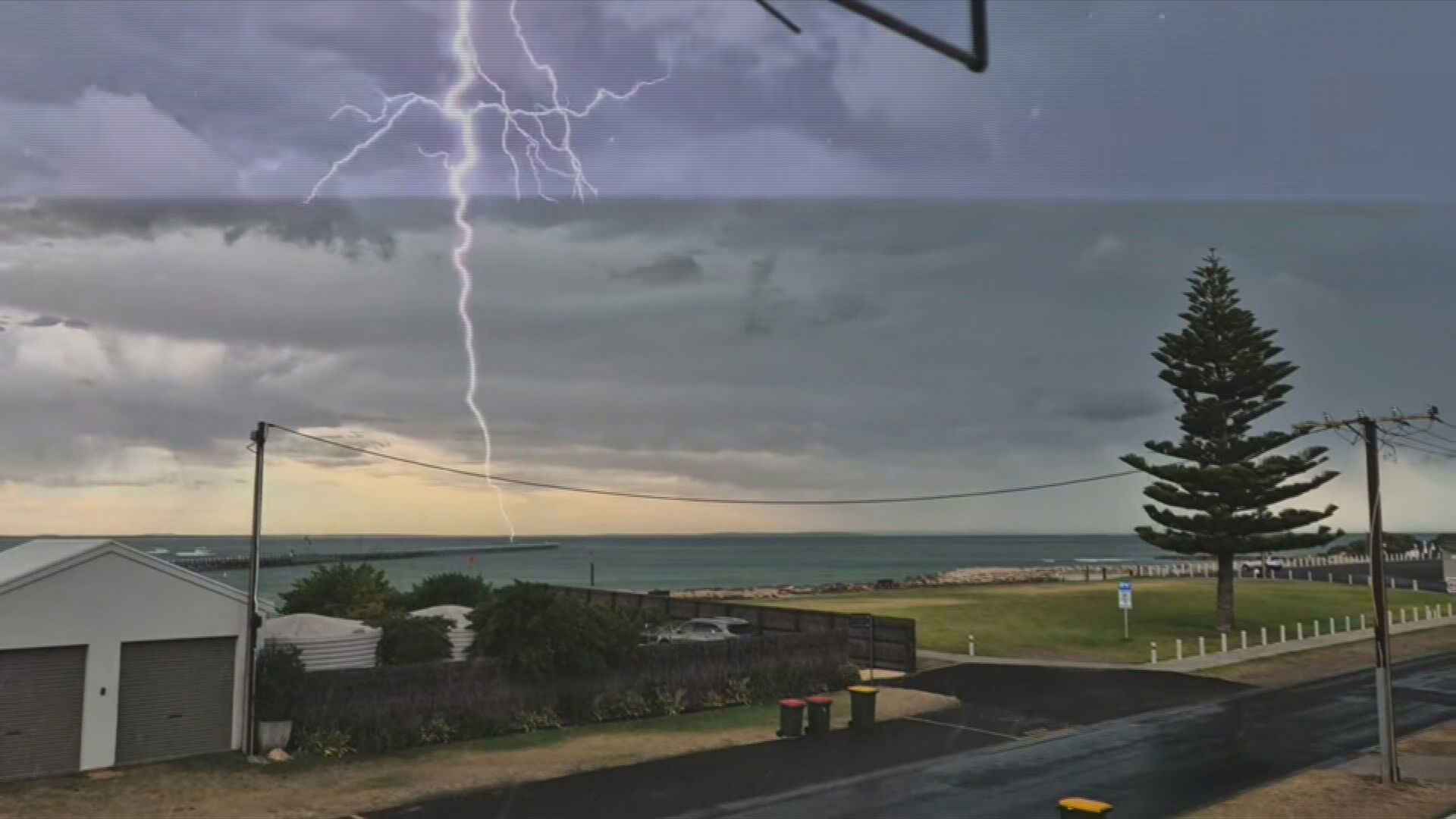
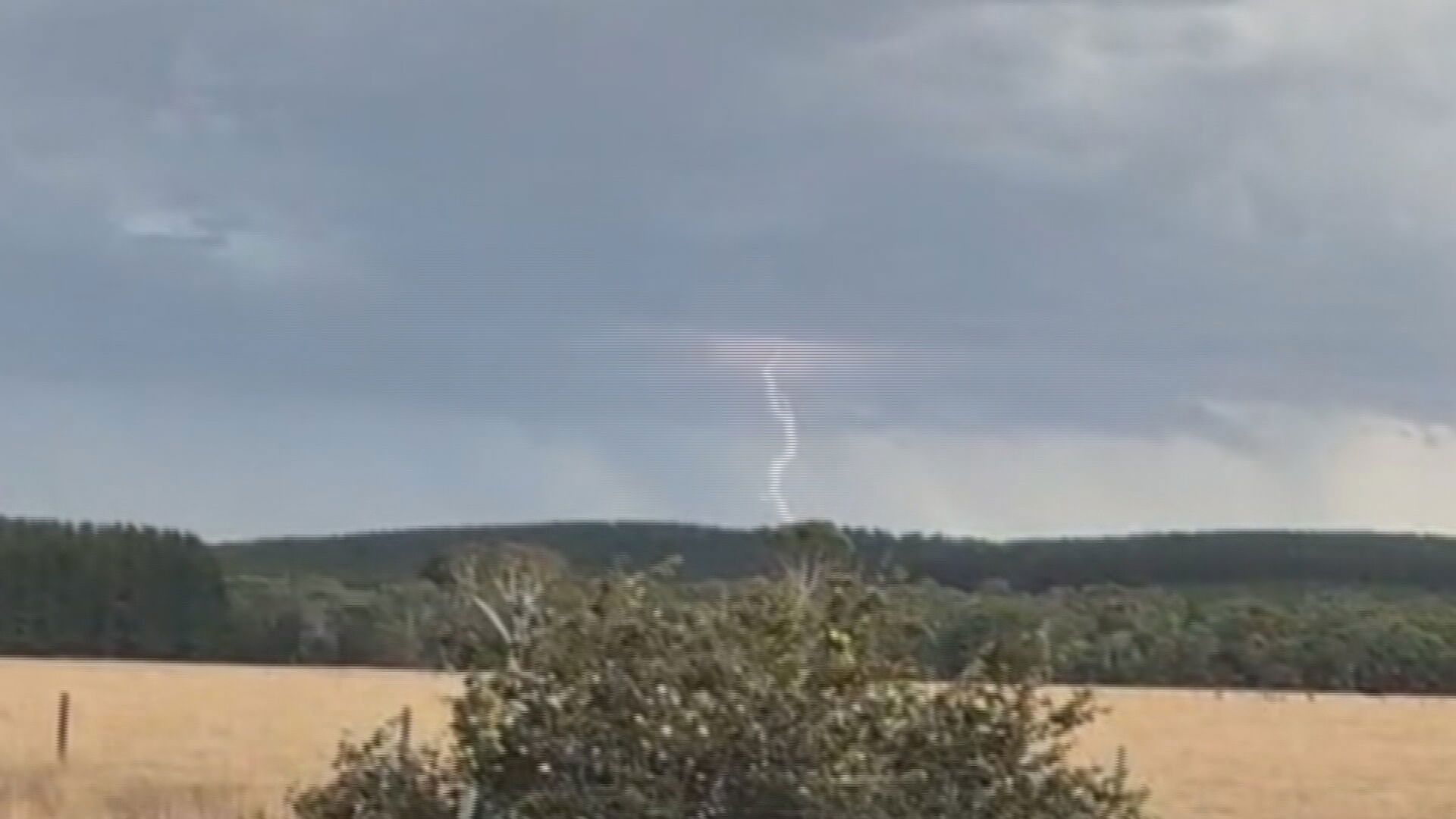
A woman is recovering in hospital after she was struck by lightning as large parts of South Australia were smashed by electrical storms overnight.
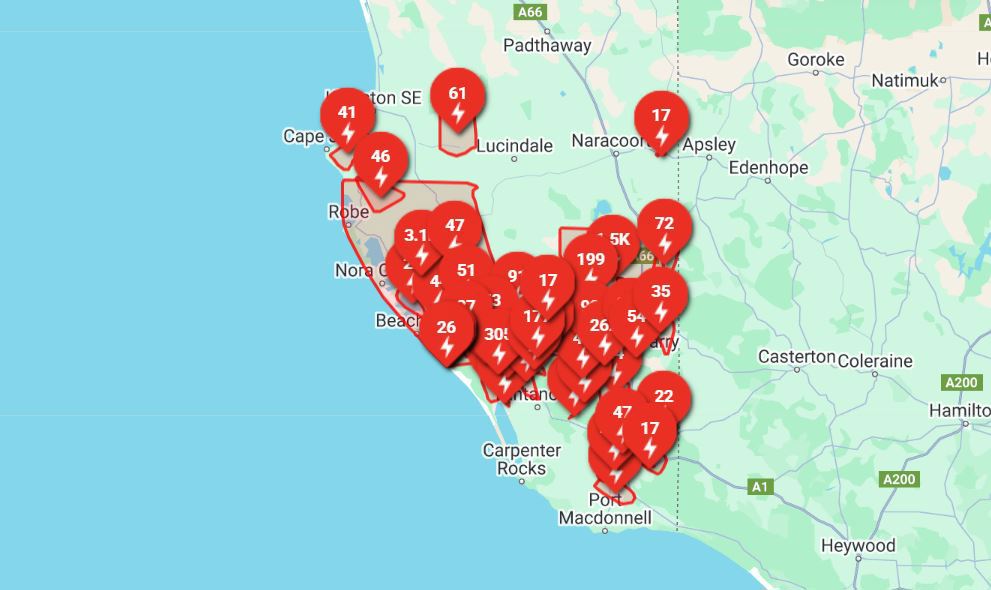
Around 47,000 lightning strikes ignited dozens of fires and triggered mass power outages across the state's south-east yesterday evening.
A 35-year-old was hospitalised after being struck by lightning around 10pm (10.30pm AEDT) yesterday near Millicent, 50km from Mount Gambier.
READ MORE: Millions of Australians to receive cash boost next week with indexation changes
READ MORE: Cracks are forming in the US economy. Trump is a big reason why
The woman was taken to hospital with non-life threatening injuries, a spokesperson for SA Ambulance confirmed.
She was "breathing and conscious" after being hit by the lightning strike.
The electrical storms caused chaos across the south-east.
Crews were called to multiple grass fires after thousands of dry lightning strikes hit across Kalangadoo and Ngarkat Conservation Park yesterday evening.
Firefighters from SA Country Fire Service were still on the scene fighting blazes at 6am (6.30am AEDT) after struggling to contain the scrub fires through the night.
READ MORE: Police wade through deep floodwaters to save woman trapped in car
Five trucks remain on the scene in Kalangadoo, 411km from Adelaide, following a haystack fire.
The out-of-control fire in Ngarkat Conservation Park has already razed more than 20,000 hectares and will likely burn for a number of days.
Six trucks remain on the scene in the park as the blaze continues to burn.
Heavy smoke can be seen from afar.
SA CFS said the fires were ignored after a "significant" number of dry lightning strikes sparked the dangerous fires.
Crews have responded to more than 100 incidents since 4pm yesterday, including trees and power lines brought down by lightning.
READ MORE: Canada slams US with 25% tax on electricity in trade war salvo
The wild electric storms sparked more than 47,000 ground lightning strikes since 5pm yesterday, which caused power outages across the York Peninsula and the state's south-east, SA Power Networks spokeswoman Megan Grey said.
There are still 10,908 homes without electricity across South Australia, according to SA Power Network's map.
Grey said extra crews had been dispatched to address the mass outages, including crews from regional and metro areas.
The fires are not impacting power or restoration work.
Hundreds of homes in Yorke Peninsula towns including Ardossan, Arthurton, Clinton, Kainton and Price remain without power.
Mass power outages are also impacting homes in Penola, Coonawarra, Glenroy, Beachport, Boatswain Point, Bray, Clay Wells and Conmurra.
"Due to the large number of faults, power restoration is taking longer than normal," SA Power Network told customers.
DOWNLOAD THE 9NEWS APP: Stay across all the latest in breaking news, sport, politics and the weather via our news app and get notifications sent straight to your smartphone. Available on the Apple App Store and Google Play.
Millions of Australians to receive cash boost next week
Millions of Australians on Centrelink will have their payments boosted under indexation changes that come into effect from next week.
More than five million people will benefit from the change on March 20, including pensioners, renters and job seekers.
The federal government said when combined with the indexation passed on over the last three years, recipients will be receiving between $3913 and $5902 a year extra, depending on their eligibility, compared to when Labor took office in 2022.
READ MORE: Trump lashes out after Turnbull's hit on 'rude and abusive' president

JobSeeker recipients will be between $3374 and $5038 better off per year as a result of indexation.
From March 20, the maximum single rate of the pension for those on the age pension, disability support pension and carer pension will increase by $4.60 to $1149 a fortnight.
For partnered pensioners, the maximum rate of pension will increase by $3.50 to $866.10 a fortnight, or by $7 to $1732.20 a fortnight for pensioner couples combined.
Both rates include the pension supplement and energy supplement.
Parenting payment single recipients will get an extra $4 a fortnight, which will bring their total fortnightly payment to $1030.30, including the pension supplement, pharmaceutical allowance and energy supplement.
For a single recipient of JobSeeker payment aged 22 and over without children, indexation will deliver a $3.10 increase to their fortnightly payments, bringing the payment to $789.90 including the energy supplement.
READ MORE: Rare 'blood moon' will be visible from millions of Australian homes this week
Each person in a couple on JobSeeker payment, ABSTUDY (aged 22 and over) or Parenting Payment Partnered will receive an additional $2.80 per fortnight.
The fortnightly rate will increase to $723, including the energy supplement.
Minister for Social Services Amanda Rishworth said the changes would help Australians at "whatever age or stage they're at in life".
READ MORE: Canada slams US with 25% tax on electricity in trade war salvo
"Indexation is a critical part of our social security safety net," Rishworth said.
"For pensioners and other payment recipients receiving this financial boost, this will help ease some pressure."
Visit the Department of Social Services website for a full list of the changes.
DOWNLOAD THE 9NEWS APP: Stay across all the latest in breaking news, sport, politics and the weather via our news app and get notifications sent straight to your smartphone. Available on the Apple App Store and Google Play.
Serial conman Brian Hunter stole $333k in legal aid from Chris Tennet’s legal firm
Lawyer Chris Tennet gave a conman a chance, but Brian Hunter hadn’t really changed.
Australia ‘won’t be intimidated’ by Russian warning: Wong
The federal government said it "won't be intimidated" by Russian warnings over Australia's willingness to consider joining a peacekeeping force in Ukraine.
Russia's embassy in Canberra said yesterday there would be "grave consequences" for Australia if it joined a "coalition of the willing" alongside France and the UK to assist Ukraine if a ceasefire deal was brokered.
Prime Minister Anthony Albanese said earlier this month he would consider a request to put peacekeeping troops on the ground.
READ MORE: Millions of Australians to receive cash boost next week with indexation changes
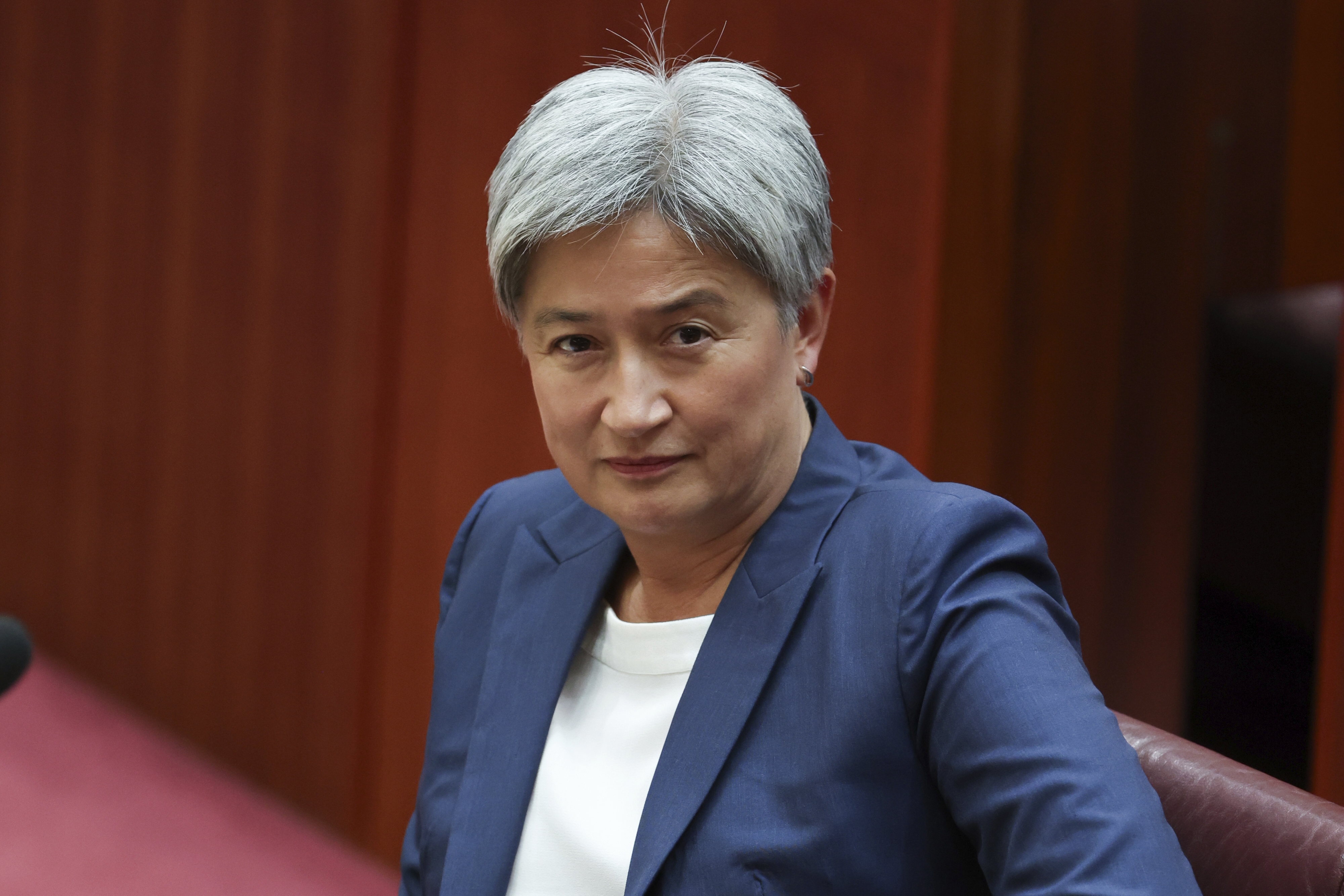
A spokesperson for Foreign Minister Penny Wong today said Australia stands by the PM's message and won't be bullied by Russian forces.
"Australia has a proud tradition of supporting peace through eighty years of contributions to international peacekeeping missions," the spokesperson said.
"Such a mission does not yet exist in Ukraine, where Russia continues its brutal and unjustified war.
"Australia has said that if we receive a request to support a peacekeeping mission, we'll consider it.
"Our message to Russia is: end your illegal invasion of Ukraine. We won't be intimidated from working towards a just peace for the people of Ukraine."
A statement issued by the Russian embassy in Australia warned against sending any troops to Ukraine to aid in the invasion.
The embassy said deploying peacekeeping troops would "entail grave consequences" for Australia.
READ MORE: 'Is that the depths you've sunk to?': Former PM blows up over Trump questions

"Russia has repeatedly made it clear that foreign military presence in Ukraine is totally unacceptable," the statement, first issued to the Sydney Morning Herald, read.
"Therefore, the idea of deploying Western military contingents in Ukraine under the guise of peacekeepers is meant to undermine peace efforts.
"Canberra remains firmly on the side of war along with those in Europe who are betting on continuing and escalating the conflict despite encouraging shifts towards peace negotiations."
The statement continued: "For Australia, joining the so-called coalition of the willing would entail grave consequences.
"Once again, western boots on the ground are unacceptable for Russia, and we will not remain passive observers."
READ MORE: Cracks are forming in the US economy. Trump is a big reason why
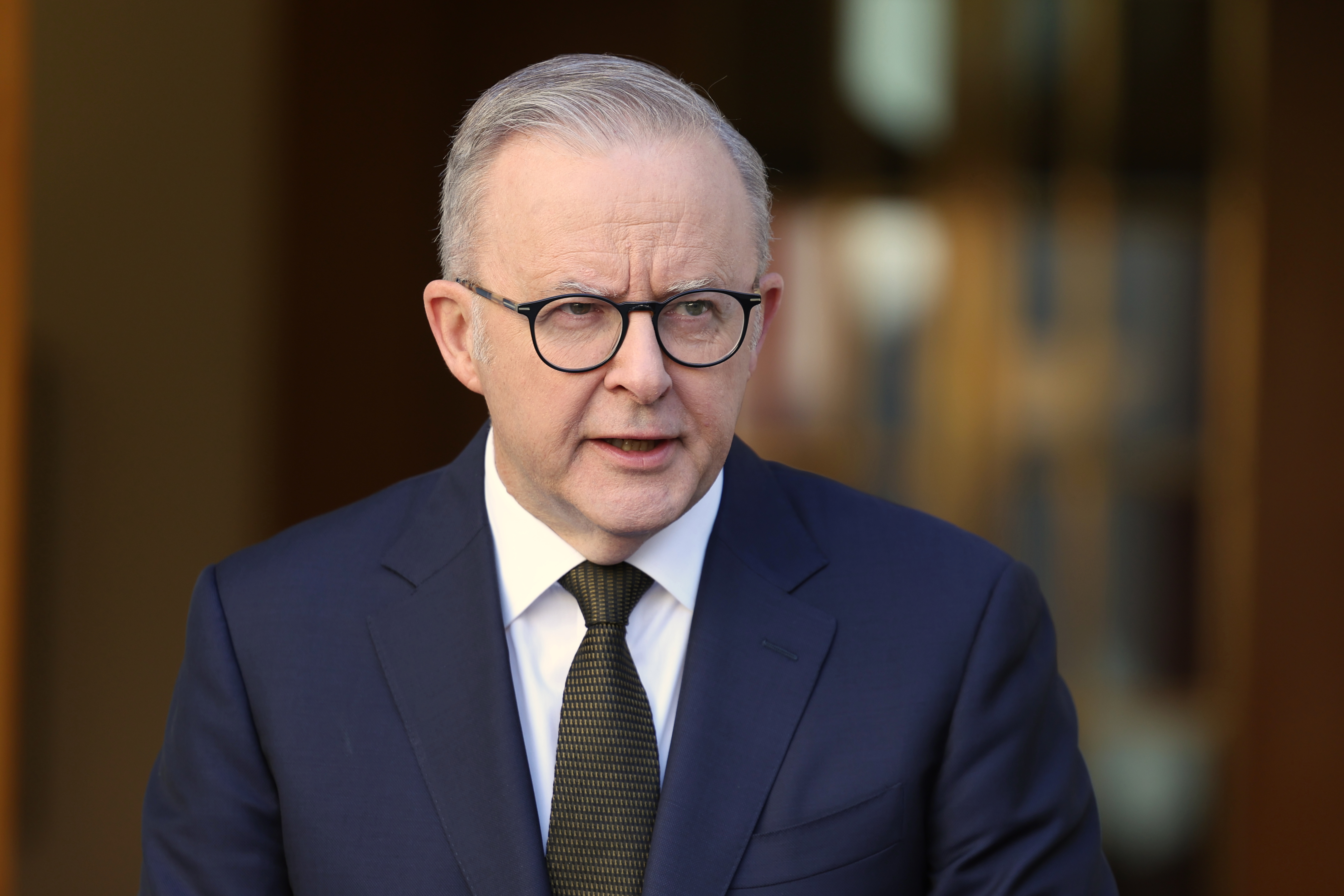
Albanese said on March 4 that no request for help from Australia had been made from Zelenskyy.
"We haven't been asked for anything, there's proposals discussed,'' he said.
"If a request is made, we would give consideration to it. With regard to the US, the US is an important ally of Australia. It's an alliance between our nations.
"With regard to Australia's foreign policy, Australia determines our foreign policy. It's in Australia's national interest to stand with Ukraine and that's what our government is doing."
A coalition of the willing to maintain a future Russian-Ukrain ceasefire was first raised by UK Prime Minister Keir Starmer.
He proposed 30,000 peacekeeping troops from Europe would be stationed around Ukraine to deter further Russian attacks.
DOWNLOAD THE 9NEWS APP: Stay across all the latest in breaking news, sport, politics and the weather via our news app and get notifications sent straight to your smartphone. Available on the Apple App Store and Google Play.