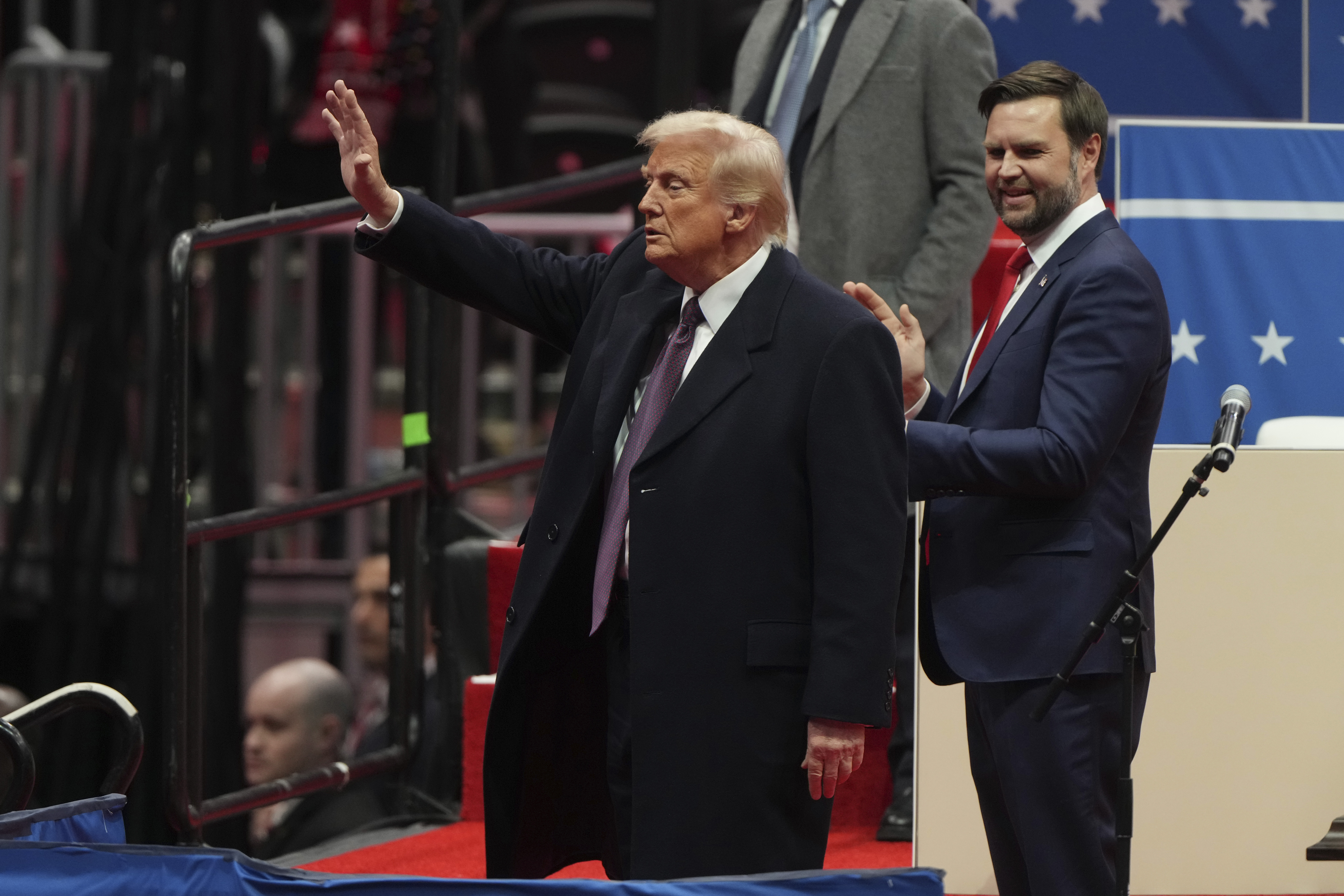
Within hours of being sworn in as president, Donald Trump has made a series of sweeping changes to immigration policy that will likely create chaos at the border and throughout the United States.
The changes include mass deportations, an end to birthright citizenship and the shutting down of a Biden-era app credited with bringing the border under control.
So what will Trump's immigration crackdown look like?
READ MORE: 'YOU'RE FIRED': Trump cuts 1000 presidential appointees loose
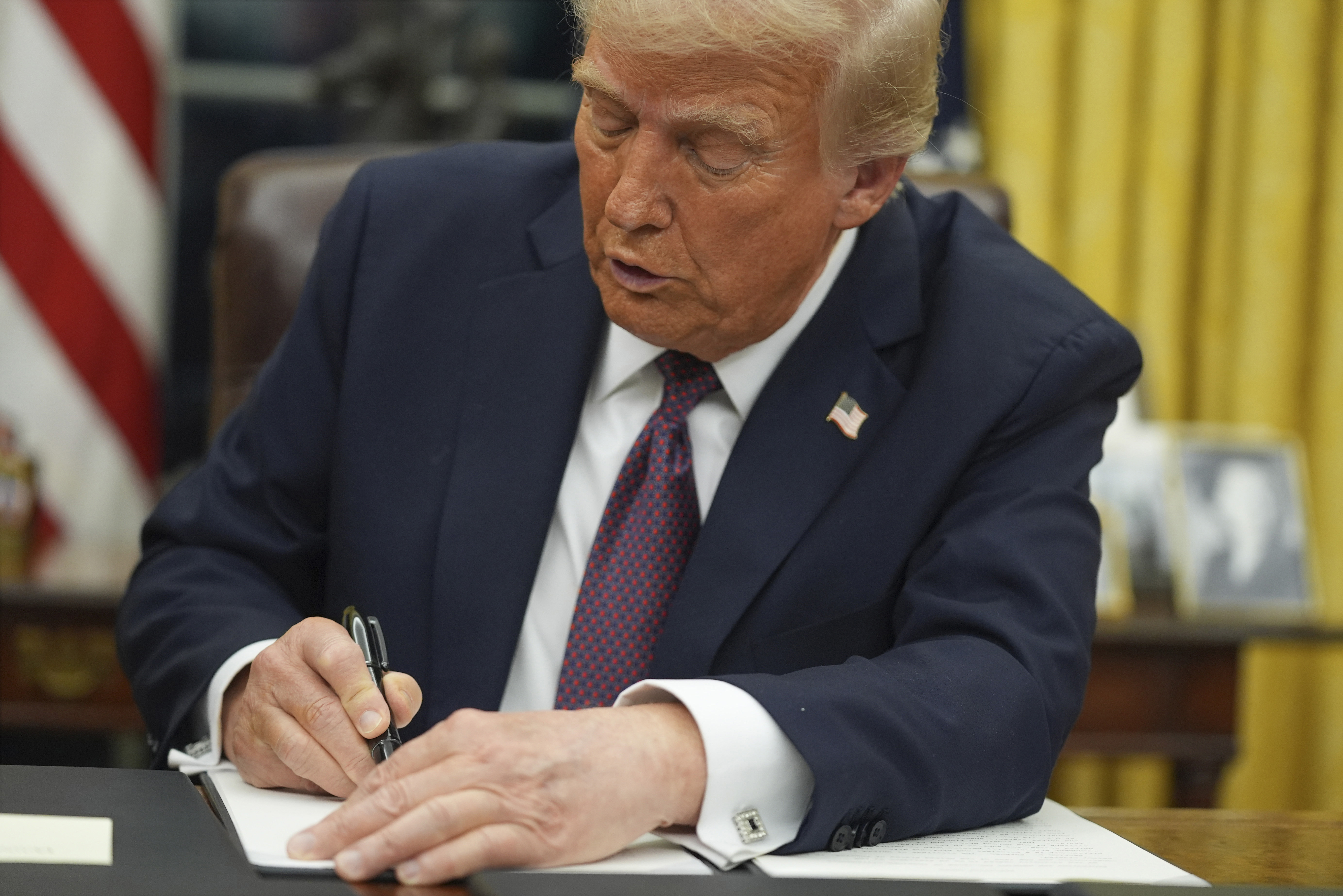
Birthright citizenship
Trump's most impactful executive order is a ban on birthright citizenship.
Birthright citizenship means anybody born in the United States is immediately a citizen.
But Trump has demanded an end to the practice, meaning the child of undocumented migrants or temporary residents would not have citizenship.
But the president has already been sued by attorneys general from 22 states.
The executive order, in spite of citing the 14th amendment of the Constitution, appears to be clearly in breach of the amendment.
Which means ending birthright citizenship could not be overturned by an executive order but by a two-thirds majority of both houses of Congress and two-thirds of state legislatures.
READ MORE: States line up to challenge major Trump order
Mass deportation
Trump has already announced mass deportations of undocumented migrants will take place "very quickly", focusing on major cities.
Trump's Acting Homeland Security Secretary Benjamine Huffman said Immigration and Customs Enforcement (ICE) officers were now allowed to raid schools, hospitals and churches to arrest suspected illegal migrants.
"Criminals will no longer be able to hide in America's schools and churches to avoid arrest," Huffman said in a statement.
"The Trump Administration will not tie the hands of our brave law enforcement, and instead trusts them to use common sense."
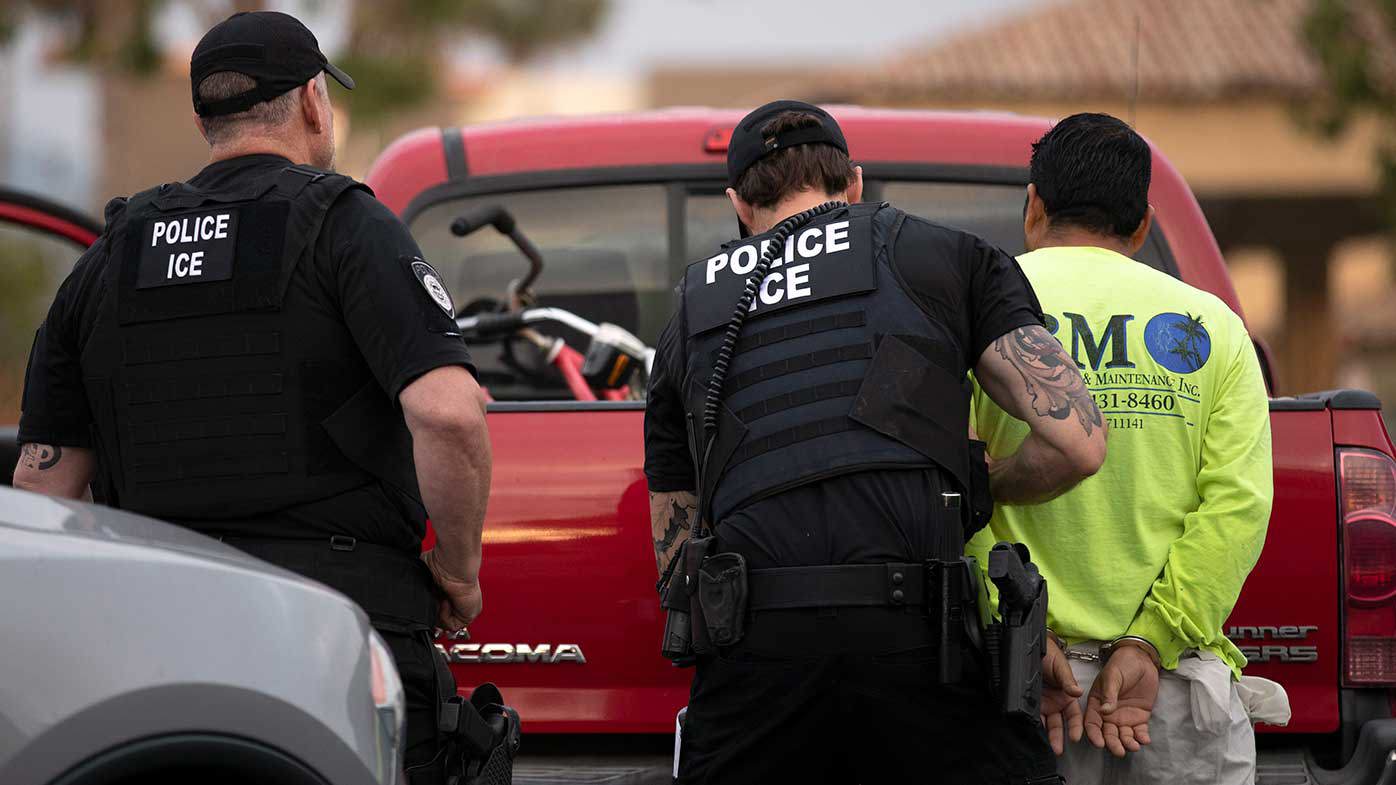
The policy to avoid arrests in churches and schools has been in place since 2011.
Trump's border czar Tom Homan said the deportations would start out "targeted" to so-called "sanctuary cities".
CNN reported the deportations will begin with crackdowns in Washington DC, Denver and Chicago, all cities that voted heavily against Trump.
Detainees
One of the enduring images of Trump's first term was of children in cages, sleeping on the floors of large buildings.
Trump has already promised to arrest and deport 11 million.
But ICE currently only has access to 40,000 detention beds.
Homan said ICE would need a minimum of 100,000 beds to detain undocumented immigrants.
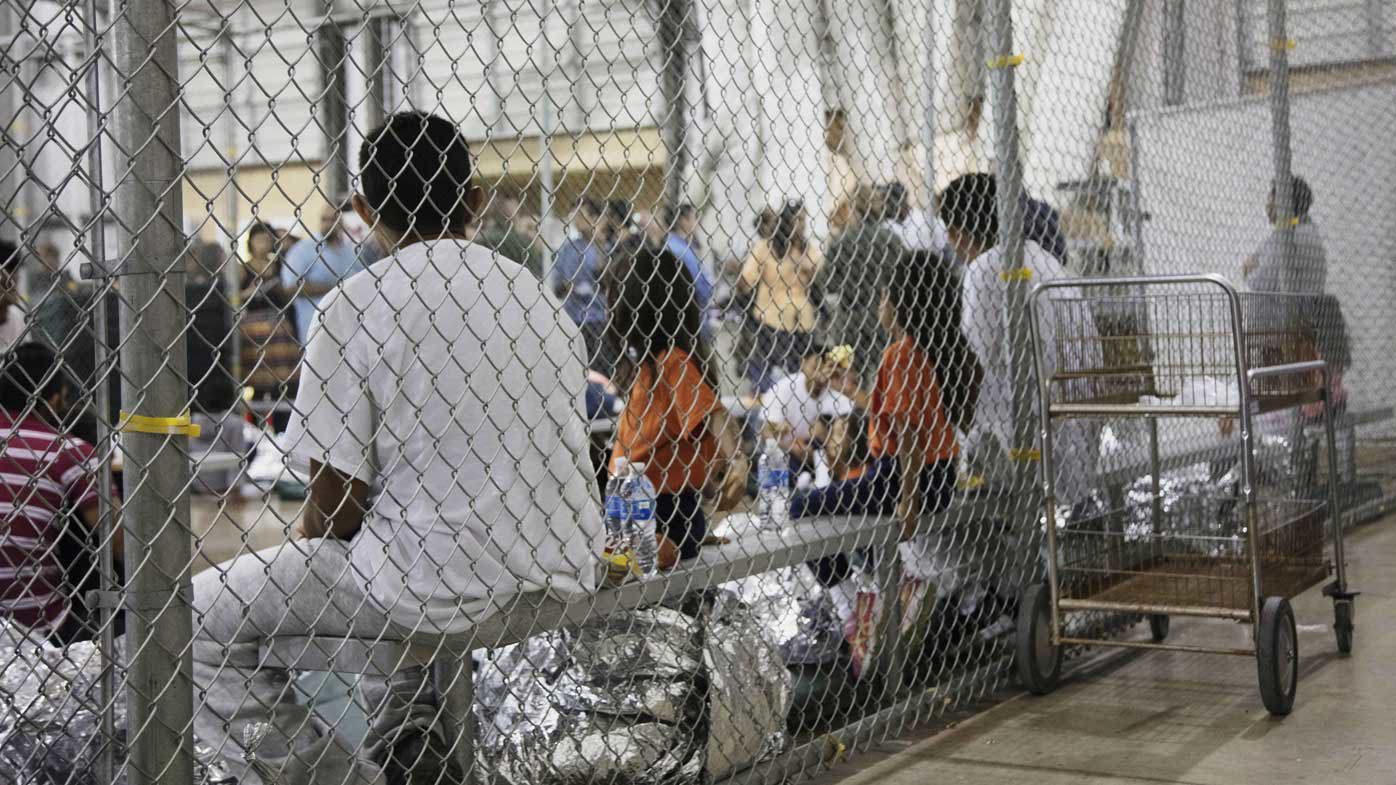
One of the enduring problems of American immigration is the immense backlog of cases waiting trial.
There is a backlog of more than three million cases in immigration court, with a severe shortage of judges contributing to the problem.
But on Trump's first day in office, the head of the immigration court system and three other senior officials were sacked.
The border
Border crossings have been dropping as Joe Biden's term wrapped up, with last month's numbers now lower than under the Trump years.
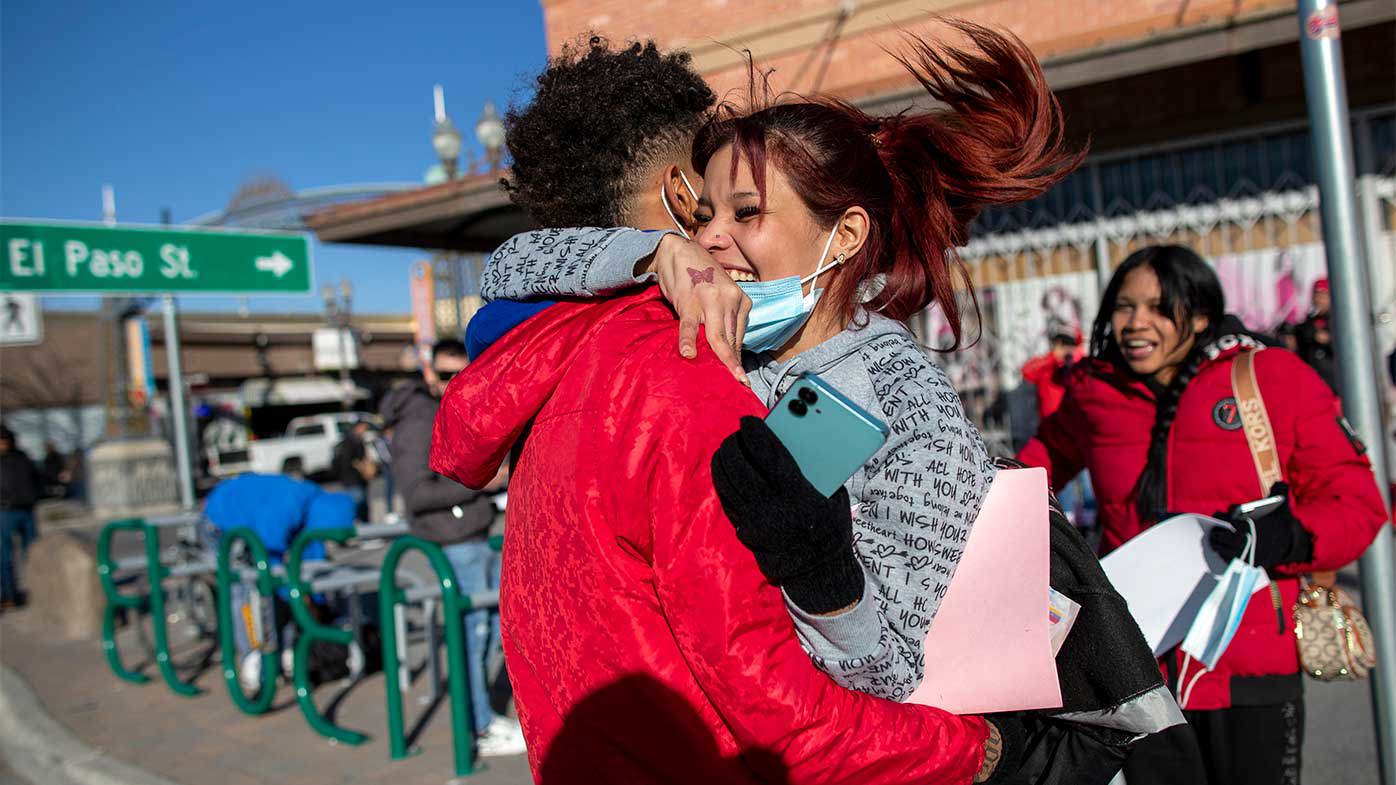
The decline in crossings has been credited in large part to CBP One, an app that allowed would-be migrants seeking protection from violence, poverty or persecution to make asylum appointments.
But yesterday the app was shut down and more than 30,000 pending appointments were cancelled.
READ MORE: Trump grants sweeping pardon of January 6 defendants
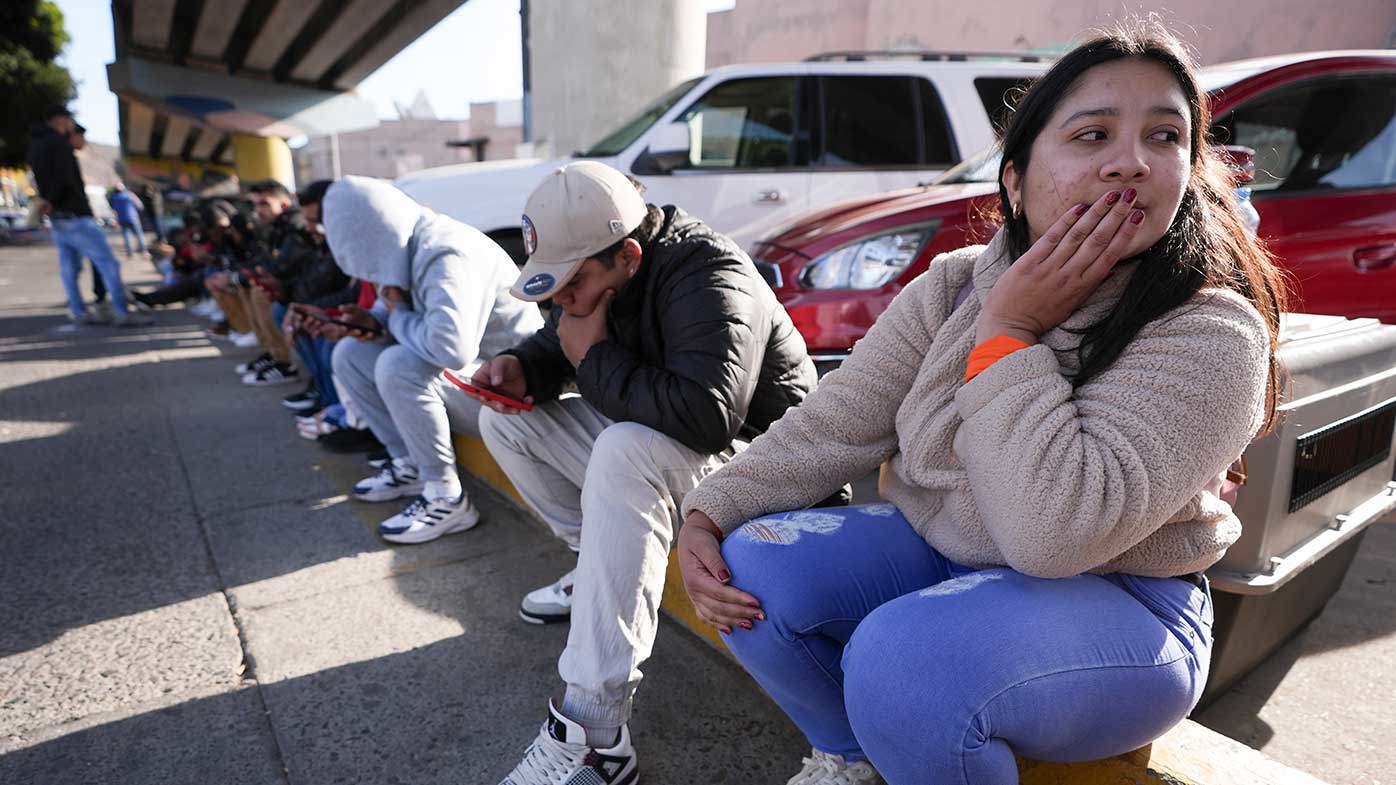
Supporters of the app said it brought order to the border. Detractors said it merely made it easier for migrants to get into America legally.
Removing the app would require tens of thousands of migrants to stay in Mexico in a legal no-man's-land.
With most asylum seekers at the border coming from other countries, Mexico has reason to ask why America insists they stay put there.
And without the legal avenue to enter legally, crossing illegally may seem like the only viable alternative.
Refugees
Trump has also issued an executive order stopping refugees from being resettled in the United States.
"Cities and small towns alike, from Charleroi, Pennsylvania, and Springfield, Ohio, to Whitewater, Wisconsin, have seen significant influxes of migrants," the executive order read.
"Even major urban centres such as New York City, Chicago, and Denver have sought Federal aid to manage the burden of new arrivals."
The ban applies in part to 1660 Afghan refugees whose lives are in danger because they helped Americans during the long war there.
"We can't afford to leave these folks behind, right? These folks are in hiding there," refugee advocate and navy veteran Shawn VanDiver was quoted as saying.
"There are probably tens of thousands of people whose lives are at risk because of their association with the United States."
DOWNLOAD THE 9NEWS APP: Stay across all the latest in breaking news, sport, politics and the weather via our news app and get notifications sent straight to your smartphone. Available on the Apple App Store and Google Play.