Top adviser warns of India variant impact as scientists urge delay in lockdown changes
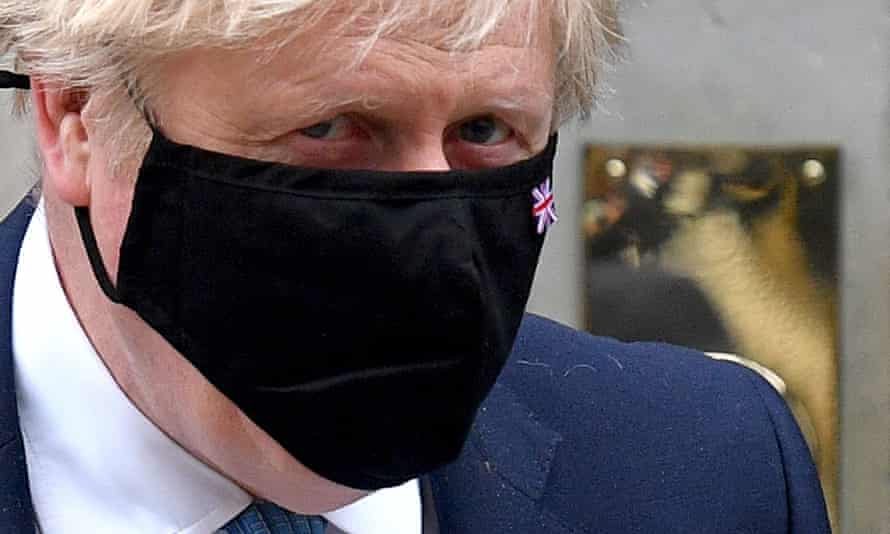
People should ignore Monday’s easing of lockdown and avoid socialising indoors in pubs and restaurants to prevent the new Covid-19 variant first detected in India sparking a third wave of the disease, health experts say.
A former government chief scientific adviser, a leading public health specialist and the union representing Britain’s doctors are urging the public to stick to meeting outdoors to reduce the risk of catching or spreading the variant.
Prof Sir Mark Walport, a former director of the Wellcome Trust and a chief scientific adviser until 2017, called on the public to be cautious. “My personal judgement is that I will do things outside as far as possible,” he said. “My advice is that just because you can do something doesn’t necessarily mean you should.”
Asked by Sophy Ridge on Sky News if that meant he would avoid going inside a pub, he replied: “For the moment, yes.”
Martin McKee, a professor of public health at the London School of Hygiene and Tropical Medicine, backed Walport. He said: “Based on the precautionary principle and on the experience in earlier waves, I am very concerned. Personally I will not be going indoors in bars or restaurants for some time.”
Under the rule changes in England groups of six people or two households will be allowed to meet indoors in homes, pubs, cafes and restaurants for the first time since last autumn. Rules will also be relaxed in Wales and most of Scotland.
The British Medical Association, however, also recommended that people keep meeting outside for the time being because the of threat posed by the new variant.
“We are urging the public, and young people in particular, to take a cautious approach to social and physical contact, to continue practising ‘hands, face, space’ and to meet outdoors wherever possible,” said Dr Richard Jarvis, the co-chair of the BMA’s public health committee.
“People must look at their own personal risk and adjust their activities accordingly. We are asking people to take a cautious approach as we enter the next stage of lockdown
Cases linked to the variant first detected in India more than doubled in a week from 520 to 1,313, the most recent official figures show. Bolton, Blackburn, Erewash in Derbyshire and Moray in Scotland have been among the initial hotspots, but cases are now being detected all over the country, including in places such as London, Essex, Hertfordshire and Cambridge.
The health secretary, Matt Hancock, has said that the variant could “spread like wildfire” among unvaccinated groups. It is likely to replace the Kent variant as the dominant strain of coronavirus across the UK, he added. The government’s Scientific Advisory Group on Emergencies fears the new strain could be 40 to 50% more transmissible and, if it is, “would lead to a substantial resurgence in hospitalisations [similar to, or larger than, previous peaks]”.
Hancock defended Boris Johnson’s decision to let Monday’s easing of limits on social contact go ahead. Uncertainty about how transmissible the new variant is means that “it’s appropriate to continue down the road map, but people need to be cautious and careful”, he said.
Johnson himself said people should “take this next step with a heavy dose of caution” and called for an increased uptake of twice-weekly testing and vaccination. “I urge everyone to be cautious and take responsibility when enjoying new freedoms today in order to keep the virus at bay,” he said.
“We are keeping the spread of the variant first identified in India under close observation and taking swift action where infection rates are rising,” he said on the eve of restrictions lifting.
“The current data does not indicate unsustainable pressure on the NHS and our extraordinary vaccination programme will accelerate, with second doses being bought forward to give the most vulnerable maximum protection.”
Some members of the Independent Sage group of medical and scientific experts said, however, that the new variant’s upward trajectory was so worrying that the prime minister should have delayed the relaxation.
Surge testing is under way in areas with the highest number of cases linked to the new variant and expanded vaccination is being used to immunise as many people as possible. A new vaccination centre is opening in Bolton in the next few days to cope with demand. Ministers could again resort to local lockdowns to try to reduce infections in hotspots, Hancock said.
Saffron Cordery, the deputy chief executive of NHS Providers, which represents hospital trusts in England, said: “It is reassuring that the spike in cases isn’t translating into unmanageable pressures on the NHS at the moment, but we cannot afford to be complacent.”
Comments from Hancock on Sunday that hospitalisations in Bolton mainly involve people eligible for the vaccine who have not taken one have provoked some internal disquiet among Conservative MPs, who privately say ministers should not delay lifting restrictions to protect those who have declined vaccination.
The infection rate in Bolton stands at 254.9 per 100,000, more than ten times the national average. Mark Logan, the Conservative MP for Bolton North East, said the town had endured far longer restrictions than almost anywhere in the country because of local lockdowns that began last year, and demanded that everyone over 18 be vaccinated before the end of May.
Hancock denied that Johnson was too slow to ban flights into the UK from India. It was only added to the red list of high-risk countries from which travel is banned on 23 April, two weeks after its neighbour Pakistan. Critics, including Labour, say Johnson’s refusal to impose a ban sooner was linked to his planned trade mission to India to meet his counterpart, Narendra Modi, allowing thousands of potentially infectious people to arrive in Britain.
A Channel 4 Dispatches documentary on Monday will also raise new questions about the government’s pandemic response. In it Prof Sharon Peacock of Public Health England, who runs the UK programme for tracing variants and is a member of Sage, denies that the emergence of the Kent variant late last year was down to bad luck. That variant led to the second wave of Covid and led to many thousands of deaths.
It also examines why Johnson invited Prof Sunetra Gupta and Prof Carl Heneghan, two prominent academics who had argued against blanket lockdowns, to join a zoom call with him and Rishi Sunak, the chancellor, last September, around the time he was being advised by Sage to instigate an immediate two-week lockdown – a meeting first disclosed by the Guardian.
The Joint Committee on Vaccination and Immunisation, meanwhile, may again allow under-40s to receive the AstraZeneca vaccine in response to the threat from the new ‘variant, the JCVI member Prof Adam Finn said on Sunday. That age group have been advised to have either the Pfizer/BioNTech or Moderna jabs because the risk of blood clots.
=============================================#
India’s Covid crisis hits Covax vaccine-sharing scheme
By Tulip Mazumdar
Global health correspondent
Guardian (UK)
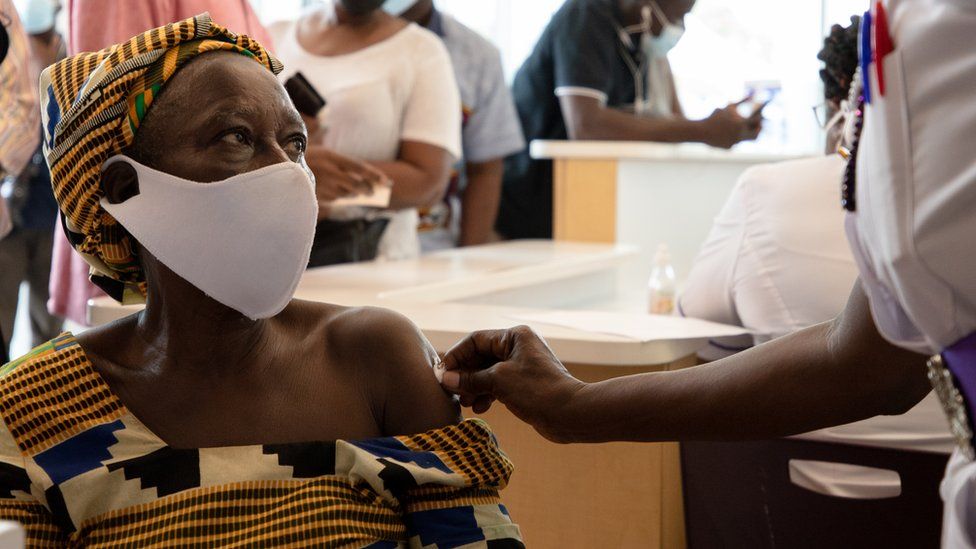 image copyrightUnicef/Kokoroko
The international scheme to ensure equal access to Covid-19 vaccines is 140 million doses short because of India’s continuing Covid crisis.
The Serum Institute of India (SII), the largest single supplier to the Covax scheme, has made none of its planned shipments since exports were suspended in March.
The UN children’s agency Unicef buys and distributes vaccines for Covax.
It is urging leaders of G7 nations and EU states to share their doses.
They are due to meet in the UK next month.
Unicef says data it has commissioned suggests that together this group of countries could donate around 153 million doses, while still meeting their commitments to vaccinate their own populations.
‘A huge concern’
The SII was due to supply around half of the two billion vaccines for Covax this year but there were no shipments for March, April or May. The shortfall is expected to rise to 190 million doses by the end of June.
“Unfortunately, we’re in a situation where we just don’t know when the next set of doses will materialise,” said Gian Gandhi, Unicef’s Covax co-ordinator for supply.
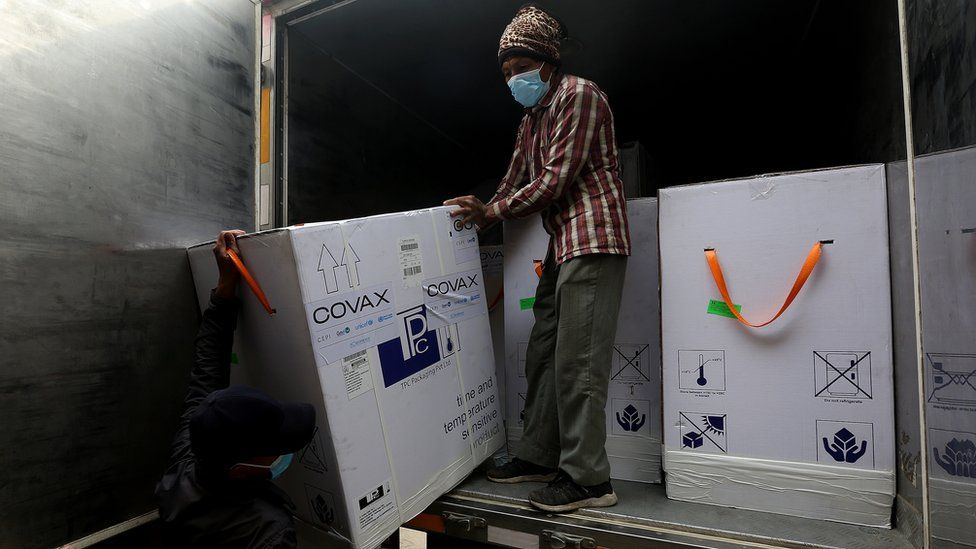 image copyrightUnicef/Panday
“Our hope is, things will get back on track, but the situation in India is uncertain… and a huge concern.”
Unicef is calling on the G7 countries – Canada, France, Germany, Italy, Japan, the UK and the US, as well as the EU, to donate their surplus supplies urgently.
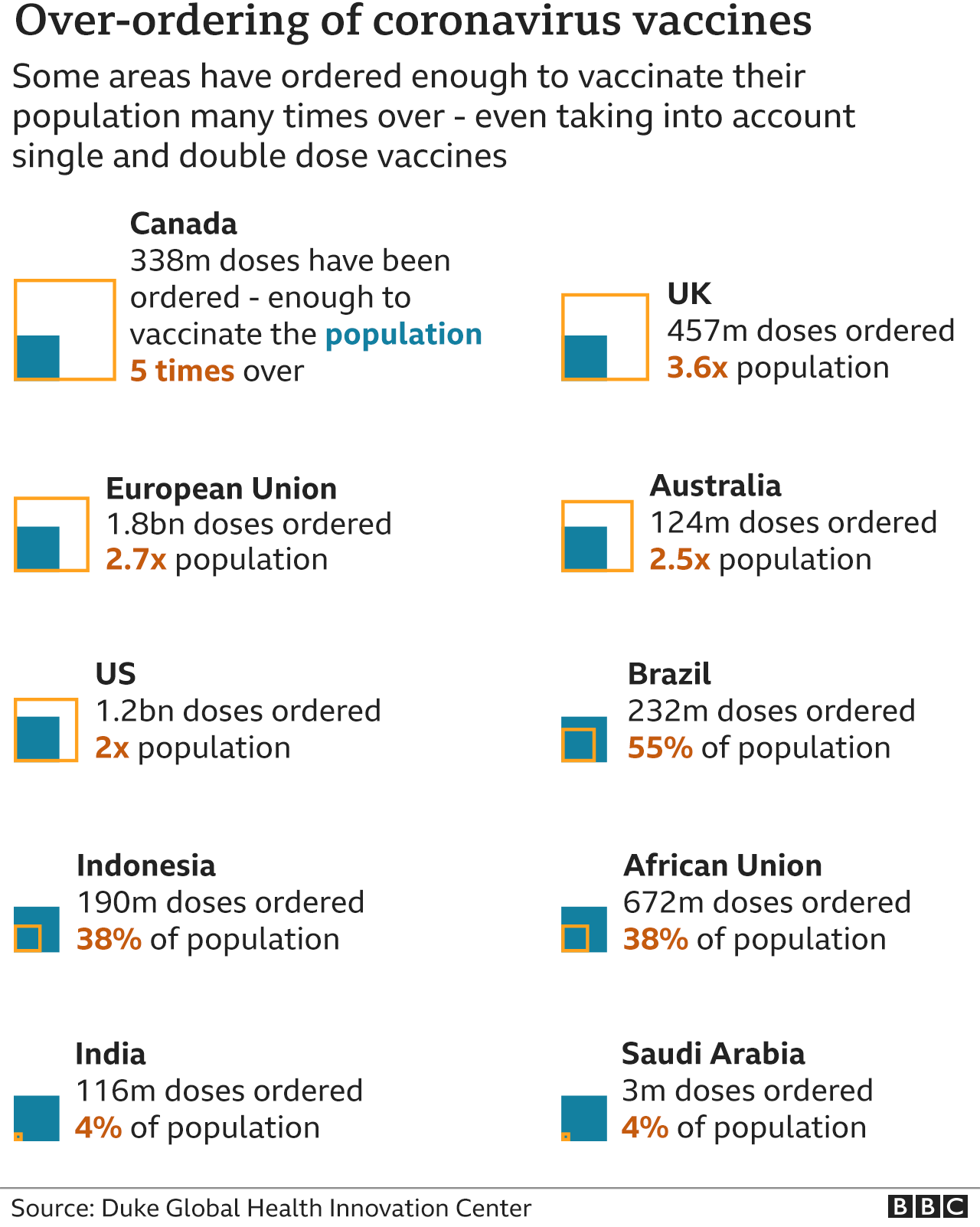
Some countries have ordered enough to vaccinate their population many times over, including the UK, US and Canada.
In February British Prime Minister Boris Johnson promised to donate most of the UK’s surplus supply to poorer countries but he has so far given no specific timescale. It is a similar story for the US. So far France is the only G7 country to donate doses in view of the crisis in India.

Unicef said the rich and powerful G7 countries could make a huge dent in the vaccine deficit for poorer countries by donating 20% of their supplies in June, July and August, which would release around 153 million doses for the Covax scheme.
France has pledged half a million doses by mid-June while Belgium has promised 100,000 from its domestic supply in the coming weeks.
Spain, Sweden and the United Arab Emirates are some of the very few others pledging to share their supplies now.
There are grave concerns that events in India could play out in other countries too – both near and far from the region.
“Cases are exploding and health systems are struggling in countries like Nepal, Sri Lanka and Maldives… and also in Argentina and Brazil,” said Unicef director Henrietta Fore. “The cost for children and families will be incalculable.”
Booster jab dilemma
Countries in Africa are some of the most reliant on doses through the Covax scheme.
But, like in many parts of the world, there has also been hesitancy around receiving the vaccine among some communities. Another major challenge is physically getting the doses into people’s arms – all that requires health workers to be specially trained and the vials to be transported to far-flung parts of countries where infrastructure can be limited.
Some nations are now facing the prospect of deciding whether to give second doses to the most vulnerable who have already been given one jab or continue vaccinating more people as planned in the hope that the next shipments turn up soon.
“We’re in a situation now where healthcare workers and frontline workers in many countries in Africa are yet to be vaccinated,” said Gian Gandhi. “And yet higher-income countries are vaccinating lower-risk populations, such as teenagers.”
Nations including Rwanda, Senegal and Ghana are already using some of their last remaining doses, according to the World Health Organization (WHO).

Covax doses in Africa
- Seven countries in Africa have used almost 100% of their Covax doses including Botswana, Ghana, Rwanda and Senegal
- Kenya and Malawi have used nearly 90% of their Covax doses
- Cabo Verde and the Gambia have used 60% of their Covax doses
- 1.3 million doses have been redistributed from Democratic Republic of Congo to other parts of Africa because the country will not be able to use them all before their expiry date in June
source: WHO
“We really do sympathise with the situation in India,” said Dr Richard Mihigo, who heads up the immunisation and vaccine development programme for the WHO in Africa.
“Most of our [18 million] Covax doses so far have come from India.
“I think it’s very important [to keep] the global promise of solidarity for those countries that have enough vaccines – to distribute and share them because unless we stop the transmission everywhere, it will be very difficult to end this pandemic, even in places where people have been fully vaccinated.”
What is Covax?
- Aim is to distribute two billion Covid-19 vaccine doses by the end of 2021
- No country to receive vaccines for more than 20% of their population before all countries have vaccinated at least 20% of the population
- Scheme has so far shipped around 60 million doses to 122 participants
- Co-led by the WHO and the vaccine alliance – Gavi and the Coalition for Epidemic Preparedness Innovations (Cepi)
- Unicef is the key delivery partner
New deals with different vaccine suppliers and manufacturers are under way to try to get the Covax scheme back on track but none of those deals will help fill the shortfall from India in the coming weeks.
The only way to fill the gaping hole for poorer countries right now is for richer countries to donate some of their supplies.
“We have issued repeated warnings of the risks of letting down our guard and leaving low- and middle-income countries without equitable access to vaccines, diagnostics and therapeutics,” said Ms Fore.
“We are concerned that the deadly spike in India is a precursor to what will happen if those warnings remain unheeded. The longer the virus continues to spread unchecked, the higher the risk of more deadly or contagious variants emerging.”
====================================================
WORLD STATS
Latest News
May 17 (GMT)
Updates
- 221 new cases and 6 new deaths in Afghanistan [source]
- 223 new cases and 2 new deaths in Uzbekistan [source]
- 2,089 new cases and 19 new deaths in Kazakhstan [source]
- 259 new cases and 8 new deaths in Kyrgyzstan [source]
- 619 new cases and 3 new deaths in South Korea [source]
- 5 new cases in New Zealand [source]
The post Johnson ‘Must Rethink Relaxing Covid Rules,’ COVAX Hit by India’s Surge, World Stats appeared first on The St Kitts Nevis Observer.