Queensland Premier Annastacia Palaszczuk has dismissed suggestions that travellers bound for the Sunshine State are behind the huge queues overwhelming COVID-19 testing interstate.
Ms Palaszczuk said travellers heading to Queensland comprised just 10 per cent of the queues in New South Wales.
"That's our information. We do have the data," she said.
LIVE UPDATES: Mass vaccination hubs to ramp back up for boosters
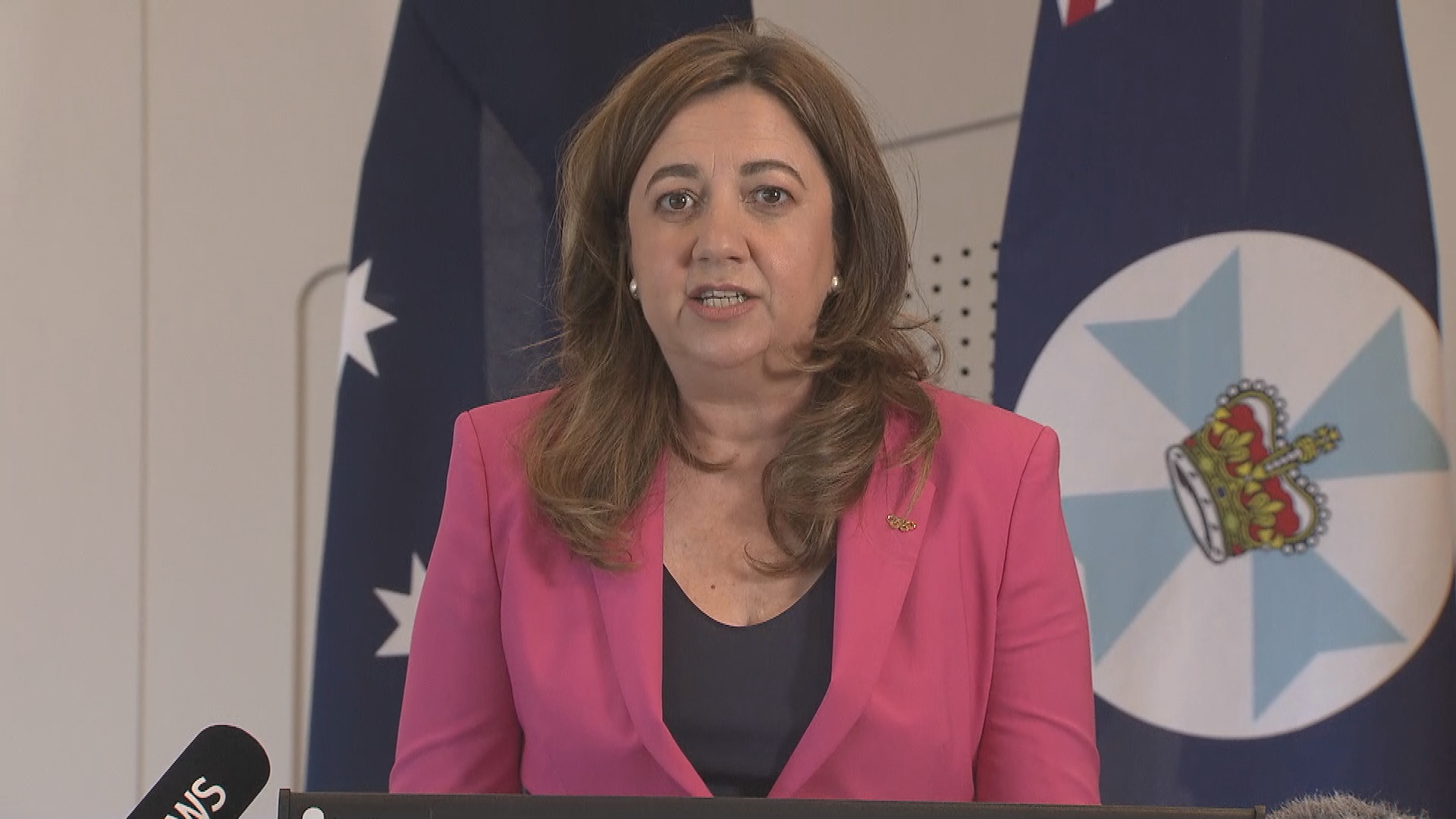
She said the massive queues – which are leading to hours-long wait times and delays in results – were more likely due to the large spread of the Omicron variant in southern states.
Currently, fully-vaccinated people seeking to enter Queensland from a domestic hotspot must receive a negative COVID-19 PCR test in the 72 hours preceding their border crossing.
They must also be tested again on the fifth day of their arrival in Queensland.
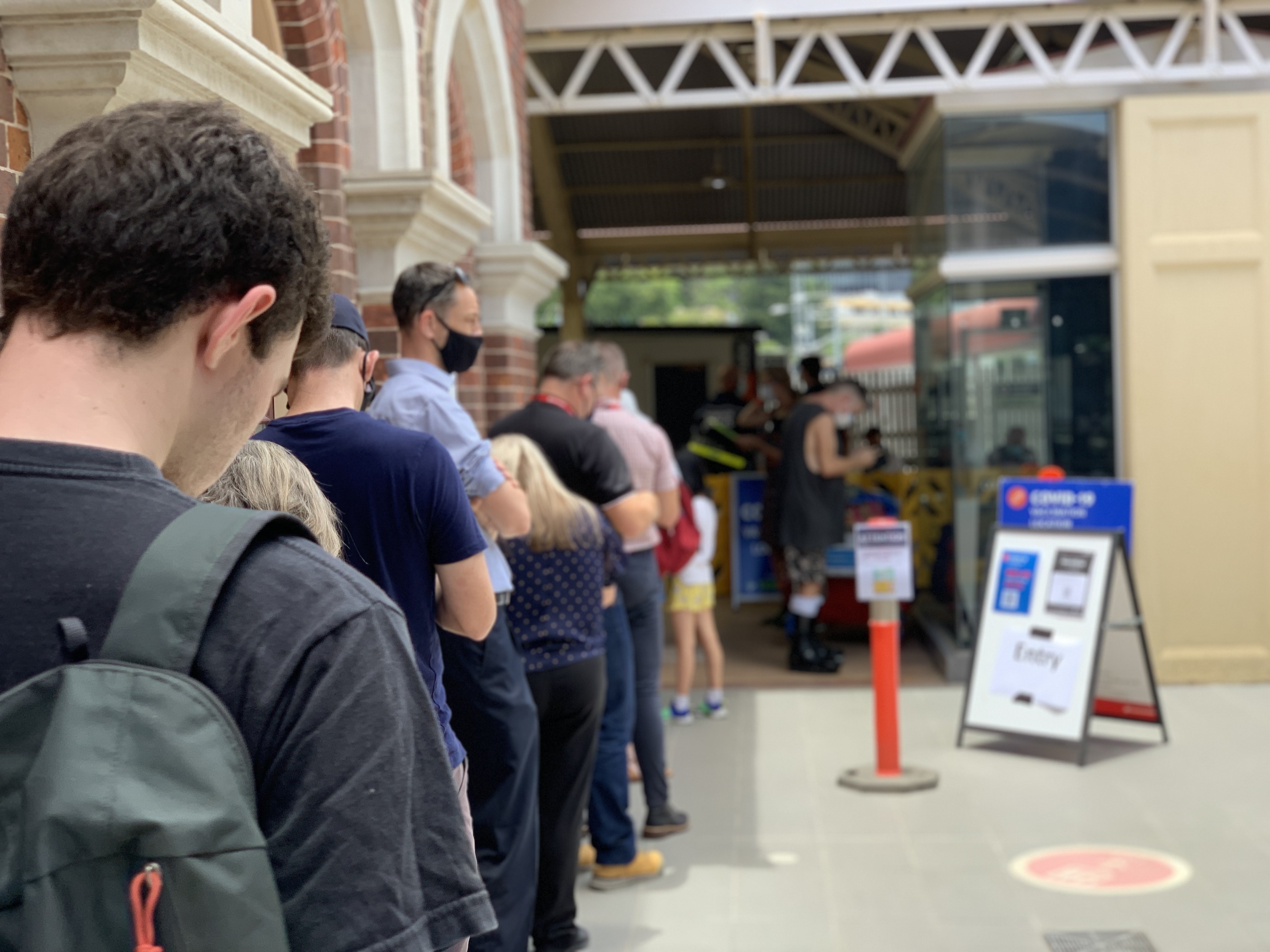
However, the testing-related delays are seeing some people are arriving at the Queensland border without their result.
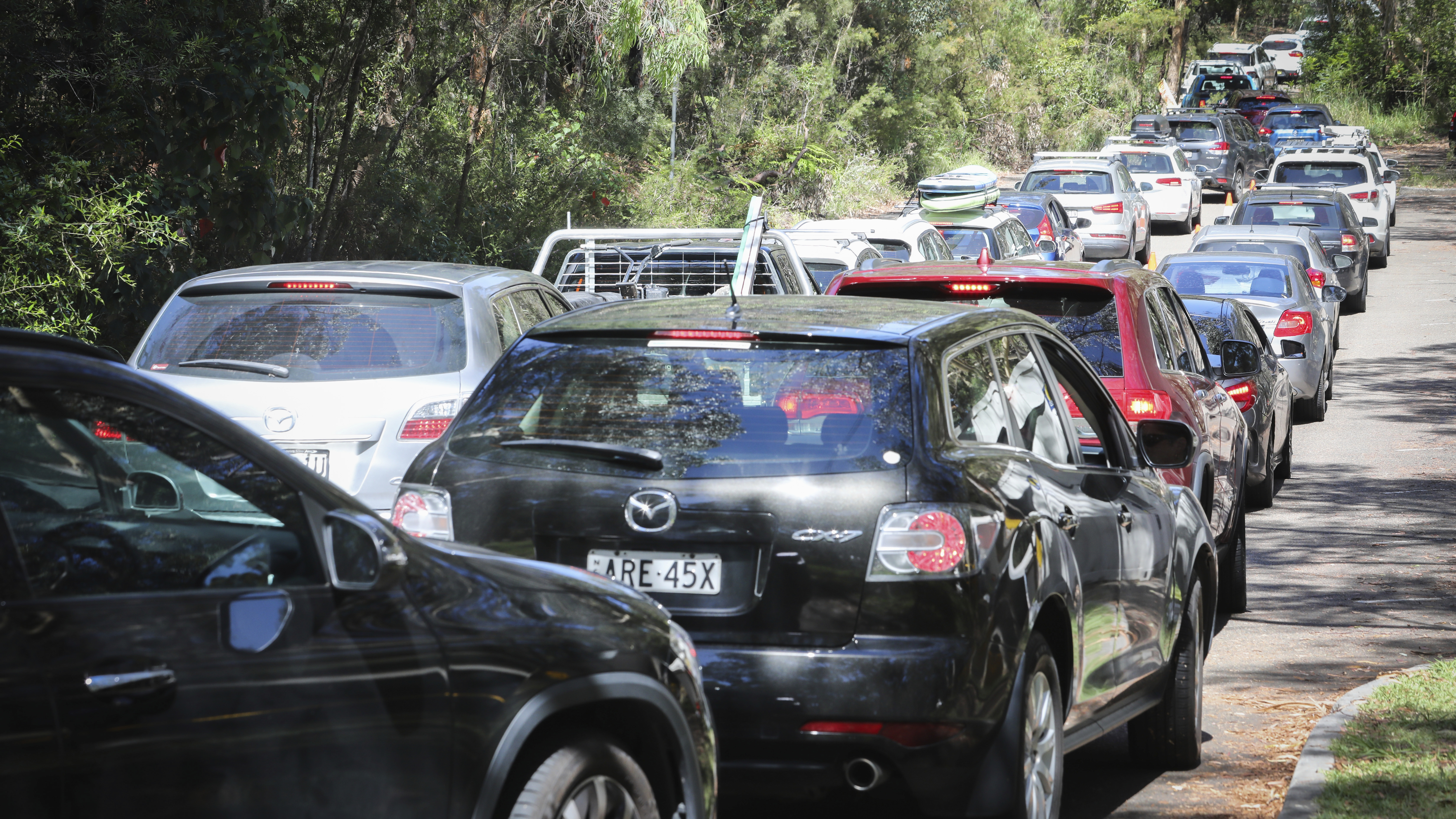
About 200 cars are being turned away every day, and other people are being forced to cancel their trips.
But Ms Palaszczuk said the current requirements would remain in place until at least the new year.
READ MORE: CMO says 200,000 Omicron cases a day very unlikely
She said she had spoken to NSW Premier Dominic Perrottet, who is pressing for a change to the entry rules.
"We had a very good conversation," she said.
One suggestion has been to allow travellers to have a rapid antigen test rather than a PCR test.
"We are happy to get further advice from AHPPC about rapid antigen testing," Ms Palaszczuk said.
For the remainder of the year, however, PCR testing will still be needed to cross the border.
READ MORE: Twenty leeches used to help save 12-year-old's finger
About 230,000 have entered Queensland from interstate since the border re-opened earlier this month.
A new rule has also come into effect overnight which marks a significant change for people designated as close contacts in Queensland.
From today, fully-vaccinated close contacts will only have to isolate for seven days, as opposed to 14.
Queensland recorded 186 new COVID-19 cases today, up from 79 yesterday.