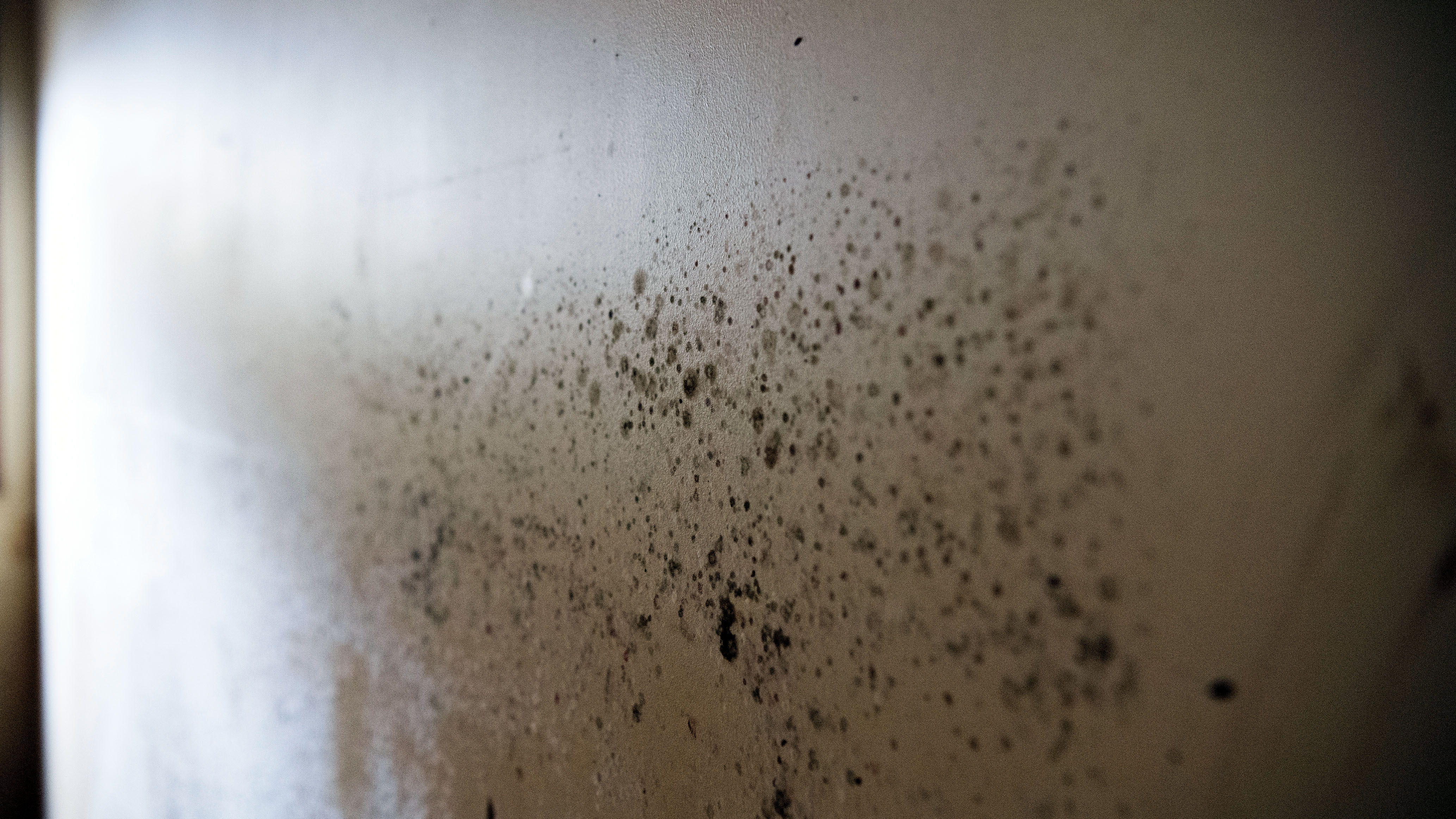
Australia is in the midst of wetter-than-normal weather, with La Nina and other climate conditions causing unseasonably heavy rainfall across the country – and helping mould grow.
With more moisture in the air – and in homes – the little, hazardous spores are appearing more and more frequently.
So what exactly should you do if you notice mould around your house?
READ MORE: Aussies told to check homes for mould ahead of third La Nina summer
Do you have a mould story? Contact ************@******om.au” target=”” rel=”noopener” />
What are the health effects of mould?
There's a reason people are advised to remove mould as soon as it appears: in addition to smelling bad, it can have some unpleasant health effects.
Spores can be inhaled, which can in turn result in flu-like symptoms for people who are allergic or sensitive to them.
According to the federal health department, those symptoms are likely be congestion, sneezing, coughing or wheezing, while it can also make asthma or allergic conditions like hay fever worse.
Mould can also irritate the eyes and skin if you make contact with it.
In rare cases, mould can have severe consequences, in the form of a severe infection which usually takes place in the lungs.
"One such infection is the rare immune disorder known as hypersensitivity pneumonitis, in which the lungs become inflamed from breathing in large amounts of specific substances (allergens) frequently over a period of time," NSW Health states.
"Symptoms of hypersensitivity pneumonitis are similar to the flu (fever, cough, chills, shortness of breath) and may become more severe the longer the exposure continues."