A NSW woman has told how she was tricked into believing she was in an online relationship with Australian actor Alex O'Loughlin as part of a catfishing scam.
All up, Sonia* said she lost $37,000 to the scammers – as well as her pride and dignity.
"I look back at it now and think about how stupid I was," the 45-year-old from regional NSW told 9news.com.au.
9news.com.au does not suggest in any way O'Loughlin has any connection to scammers.
READ MORE: The secrets scammers use to make their victims fall in love
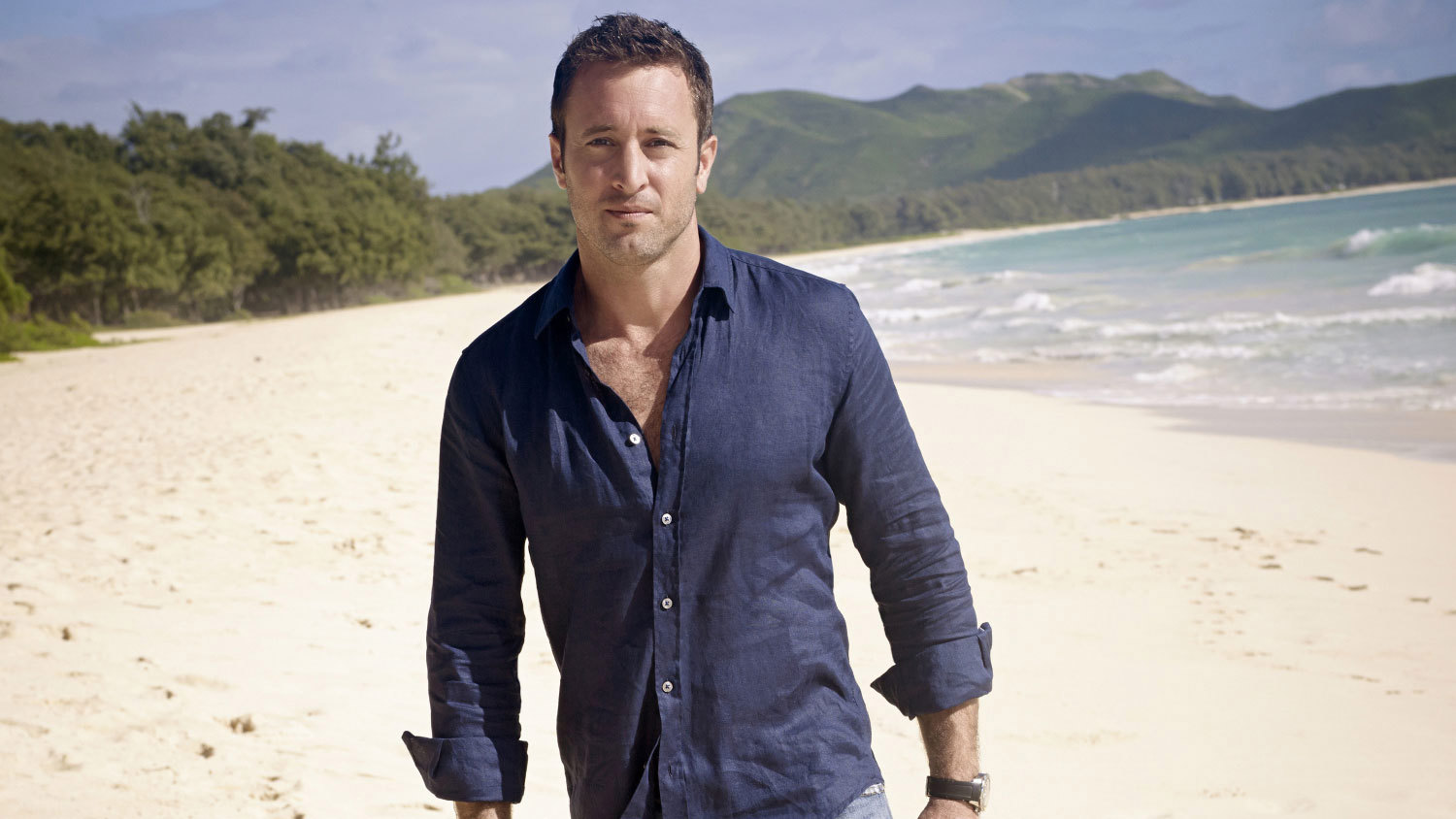
The traumatic experience began back in November 2020 when Sonia* was first approached on Twitter by an account with the same name as the 46-year-old Hawaii Five-O star.
On her own Twitter account, Sonia mentioned how much she loved Hawaii Five-O and also followed some O'Loughlin fan accounts.
"It was during the pandemic and I just felt alone and I wanted to talk to other people who had the same interests as me," Sonia said.
When the first Twitter messages came through from the account masquerading as O'Loughlin they were innocuous enough, Sonia said.
"The messages were all about the show and what I liked about it, what I thought of the last two seasons and that kind of stuff," she said.
Do you have a story? Contact reporter Emily McPherson at
Last week, the Commonwealth Bank announced it would follow the Netherlands' lead and begin using a technology called NameCheck.
CBA's retail banking group executive, Angus Sullivan, said the technology indicates whether account details entered by customers to make a first-time payment match those in the bank's database.
"When they transfer money online, many people assume the intended recipient's account name is checked as well as the BSB and account number, but in most cases this is not possible," he said. "We now have the data and technology to improve this."
A spokesperson for ANZ declined to answer questions asked by 9news.com.au about whether it also planned to introduce the same technology.
"Our teams and systems monitor suspicious activity 24/7, analysing thousands of data points and trends every day," an ANZ spokesperson said in a statement.
"As sophisticated scammers change the way they target their victims, we too change how we work to protect our customers, with new systems and technologies deployed to identify and disrupt these activities."
*Name has been changed for privacy reasons.