Western Australia will be graced by a rare total solar eclipse in just days, a stellar occurrence the state hasn't seen since the '70s.
The sun will completely disappear behind the moon over Ningaloo, 1200 kilometres north of Perth, on April 20 at 11:29am AWST – making it the first for Western Australia since 1974.
All other states across the country will experience a partial eclipse at 1:29pm (AEST), with the next full solar eclipse for Australia's eastern states coming up in 2028.
WATCH LIVE: We will livestream the total solar eclipse from 1pm AEST at 9news.com.au on Thursday
READ MORE: Is Australia facing another COVID-19 winter wave?
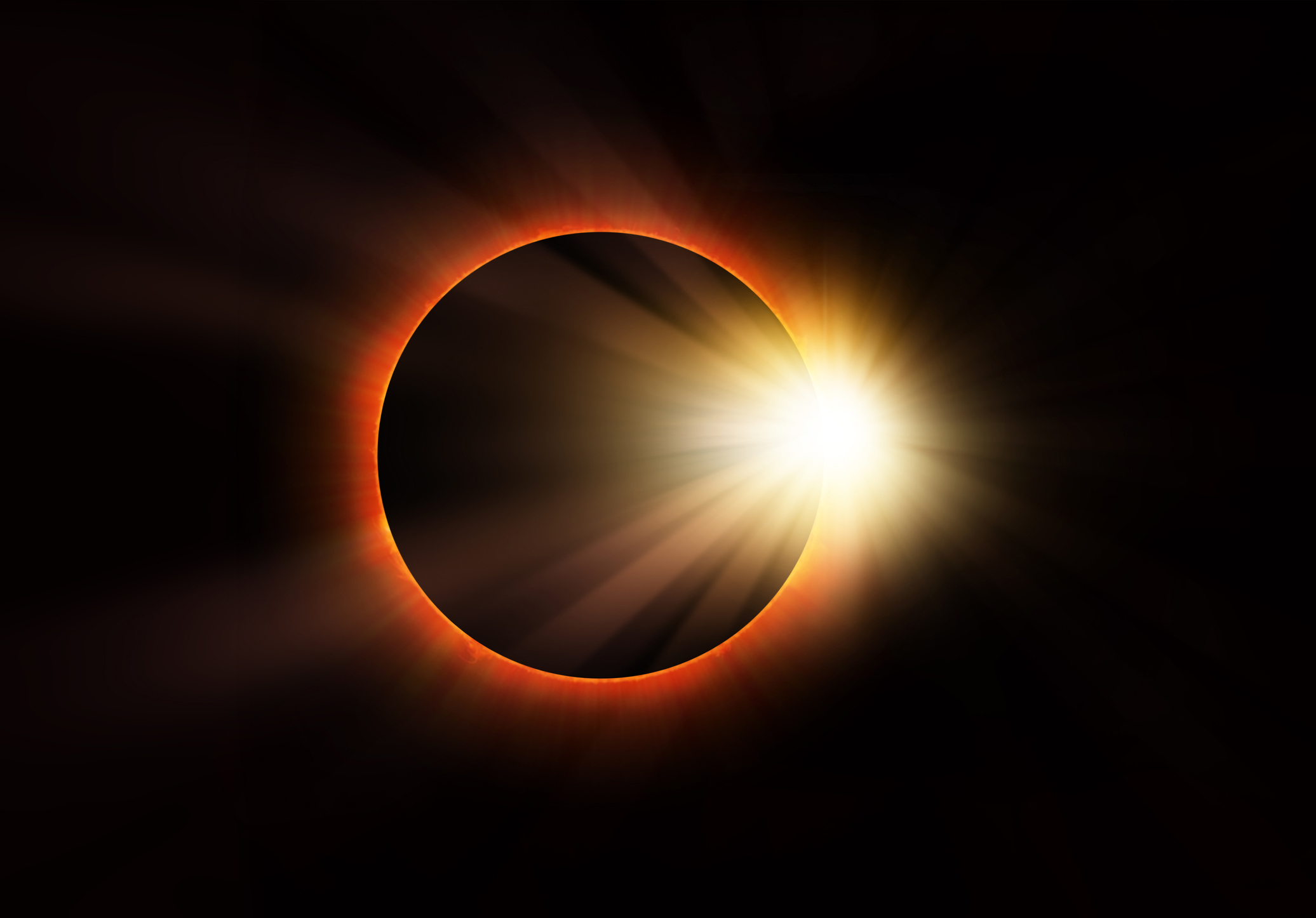
How to watch the solar eclipse
Looking directly into the sun, even during a solar eclipse, is dangerous and can lead to permanent eye damage.
"Staying safe is critical when observing a solar eclipse," Dr Andrew Cameron from Swinburne University of Technology said.
"The number one rule is to never look directly at the sun with the naked eye, as even a brief glimpse can permanently damage your eyesight."
The Astronomical Society of Australia suggests watching the eclipse and partial eclipse in two safe ways:
- Using special-purpose 'eclipse glasses' or hand-held solar viewers with solar filters that meet the international standard
- Using pinhole projection through a large card with a two-millimetre hole in the centre to project an image of the Sun onto another surface held about a metre away.
Cameron says the pinhole viewer method is best, and cautions that safety glasses need to be used carefully.
"Protective eclipse glasses are another solution," he said.
"But extreme care should be taken to ensure that they are both properly rated for solar viewing and are completely undamaged, as even a small scratch can allow enough light through to cause injury."
You can purchase solar-safe glasses online. They must meet the international ISO 12312 2 standard requirements to be considered safe.
You can find out more about the requirements here
READ MORE: Anzac Day trading hours: What will and won't be open
Where can you watch the eclipse?
Not everyone will get a good view of the eclipse, and only sungazers (but again, please don't actually gaze right at the sun) in some parts of Western Australia will be able to enjoy the total eclipse at 11:29am (local time).
Viewed from the North West Cape peninsula in Western Australia, the moon will completely hide the sun," Professor Michael Wheatland, an expert in solar astrophysics at the University of Sydney, said.
"Here, the path of totality will just cross the coast, including the towns of Exmouth and Learmonth."
The rest of the country isn't quite so lucky though.
"For most of Australia, the eclipse will be partial – the moon will only partly block the sun," Wheatland said.
"In Sydney there will be, at most, about a 19 per cent coverage by area of the sun (starting from 1:37pm).
"This eclipse is somewhat unusual, in that it is a hybrid eclipse – which means that it changes from an annular eclipse (where the Moon is smaller than the Sun on the sky) to a total eclipse, and then back to an annular eclipse, along the path of the shadow on the Earth."
READ MORE: When should you get your influenza vaccine ahead of flu season?
What is an eclipse?
A solar eclipse happens when the moon's orbit passes between the sun and the earth at the same time, creating a shadow on the Earth that partially or fully blocks the sun's face.
"Solar eclipses are spectacular," The President of the Astronomical Society of Australia John Lattanzio said.
"Australia really is the lucky country with five total eclipses visible in various parts of the country over the next 15 years."
READ MORE: Mystery Aussie winner takes home $30 million
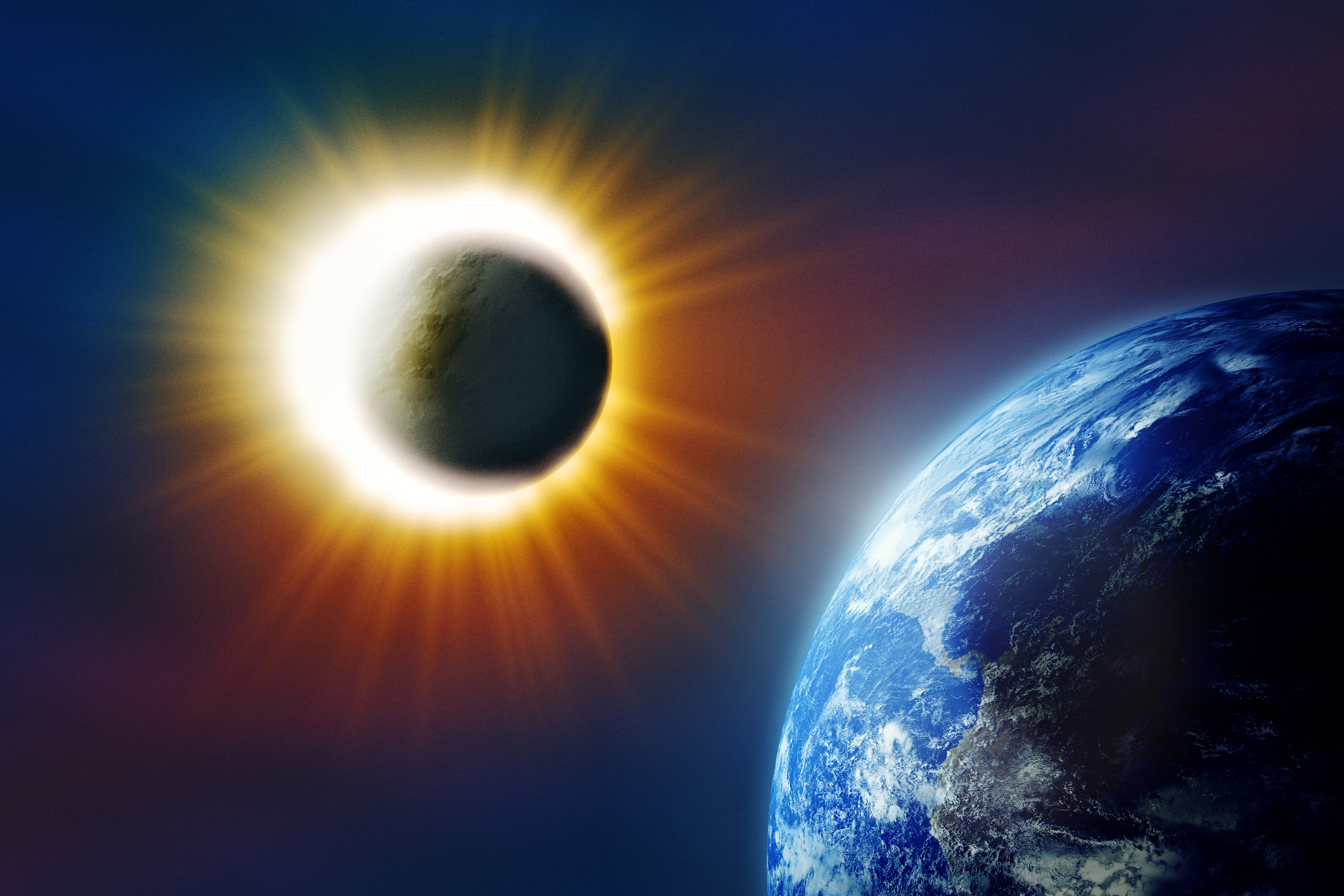
Total solar eclipses are a rare occurrence, usually only gracing one location every couple hundred years, but they're not quite as rare as popular theory would have you believe.
"Total solar eclipses are special events, but not as rare as people think," Professor Steven Tingay, the executive director of the Curtin Institute of Radio Astronomy, said.
"On average, there is a total solar eclipse every 18 months or so. However, any given eclipse does not last very long, or cover a very large area on the surface of the earth.
"Total solar eclipses are visible from a given location on the earth every 300 to 400 years, which is why most people think of them as rare."
The last total eclipse was seen in Australia more than 10 years ago.
"Our last total solar eclipse was in November 2012, with Cairns right in the path of totality," amateur astronomer and eclipse chaser Terry Cuttle said.
Sign up here to receive our daily newsletters and breaking news alerts, sent straight to your inbox.