Budget time is here again, and if you're thinking 'we just had a budget', you're absolutely correct.
The last budget in October was the Albanese government's way of establishing a new direction, and a formal method of delivering on its election commitments.
Budgets are usually handed down in May so this is actually a return to regular programming. But what does the budget actually do?
READ MORE: What we know so far about the budget
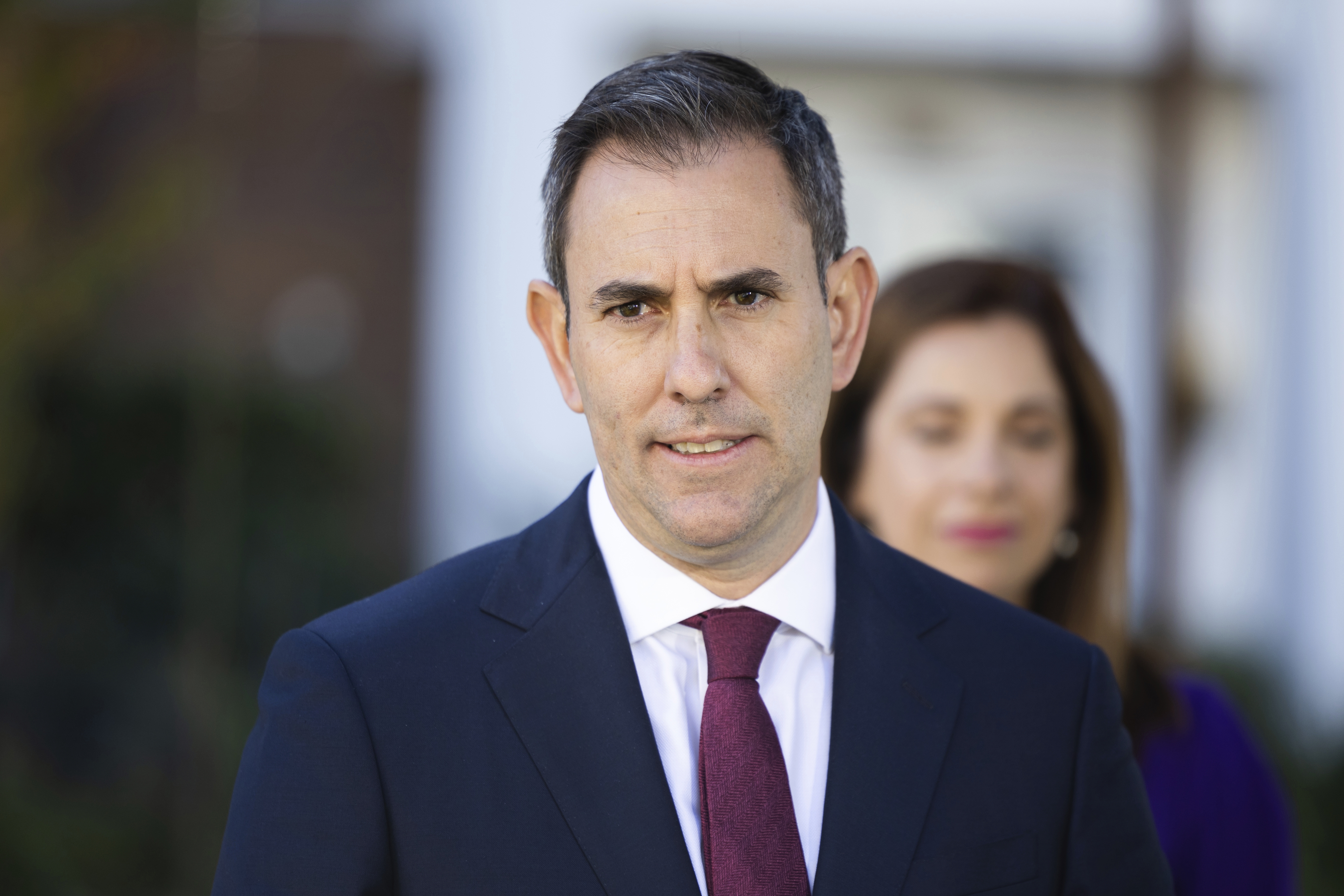
In simple terms, it sets out the government's priorities for the years ahead, it outlines revenues and expenses, and it makes forecasts about the economy over the next four financial years, often referred to as the 'forward estimates' or 'forwards' for short.
One of the most important things about the budget is its bottom line.
A balance of 'revenue' or money coming in and 'expenses' going out.
If the government earns more than it spends the budget is in 'surplus'.
If it spends more than it earns the budget is in 'deficit'.
Any deficit would add to the nation's 'debt' which is currently sitting at roughly $895 billion.
The October budget forecast a deficit of $36.9 billion this year.
READ MORE: Controversial ParentsNext program scrapped
But some say a surplus is now possible for the first time since 2007 and the Opposition argues this is what the Treasurer should deliver.
The bulk of the budget is kept secret until Tuesday night. Inevitably, though, some of the detail is leaked.
Among the things we know so far:
-
There'll be a $3 billion power price relief package
-
$2.2 billion will be spent on the health system to take pressure off the country's emergency departments.
-
Following the Defence Strategic Review more than 30 defence projects will be scaled back, or scrapped to help fund a $19 billion increase in defence spending.
-
The National Disability Insurance Scheme's growth rate will be cut from 13.8 per cent per year, to 8 per cent by 2026 to save more than $60 billion over 10 years.
Overall, cost of living will be the big budget issue. Cost of living is being driven by inflation and the Treasurer will have to provide relief without adding to the problem by putting too much money in people's pockets.