The death toll for the rare, powerful earthquake in Morocco has risen to at least 632, local media reports.
Morocco's Interior Ministry said on Saturday morning local time that at least 632 people had died, mostly in Marrakech and five provinces near the quake's epicentre.
Another 329 people were injured.
Casualty figures were expected to rise more as the search continues and as rescuers reach remote areas.
READ MORE: Guard who didn't report dangerous prisoner escapee sacked: reports
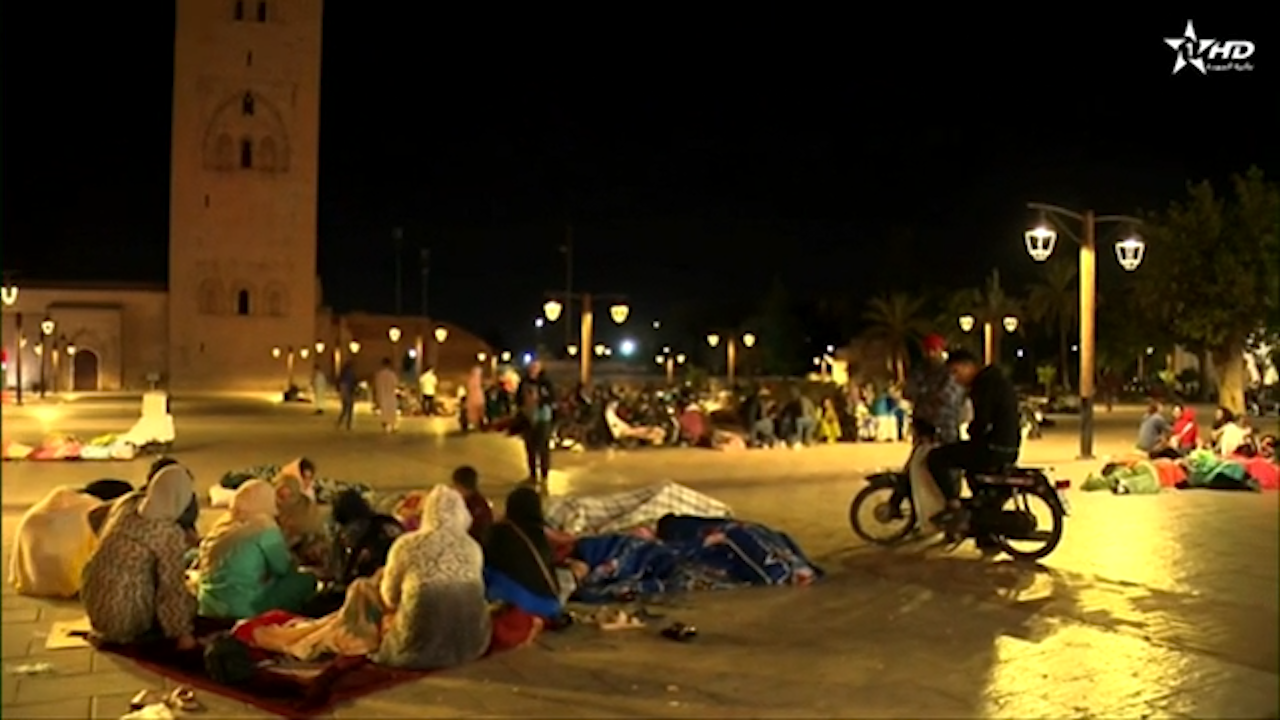
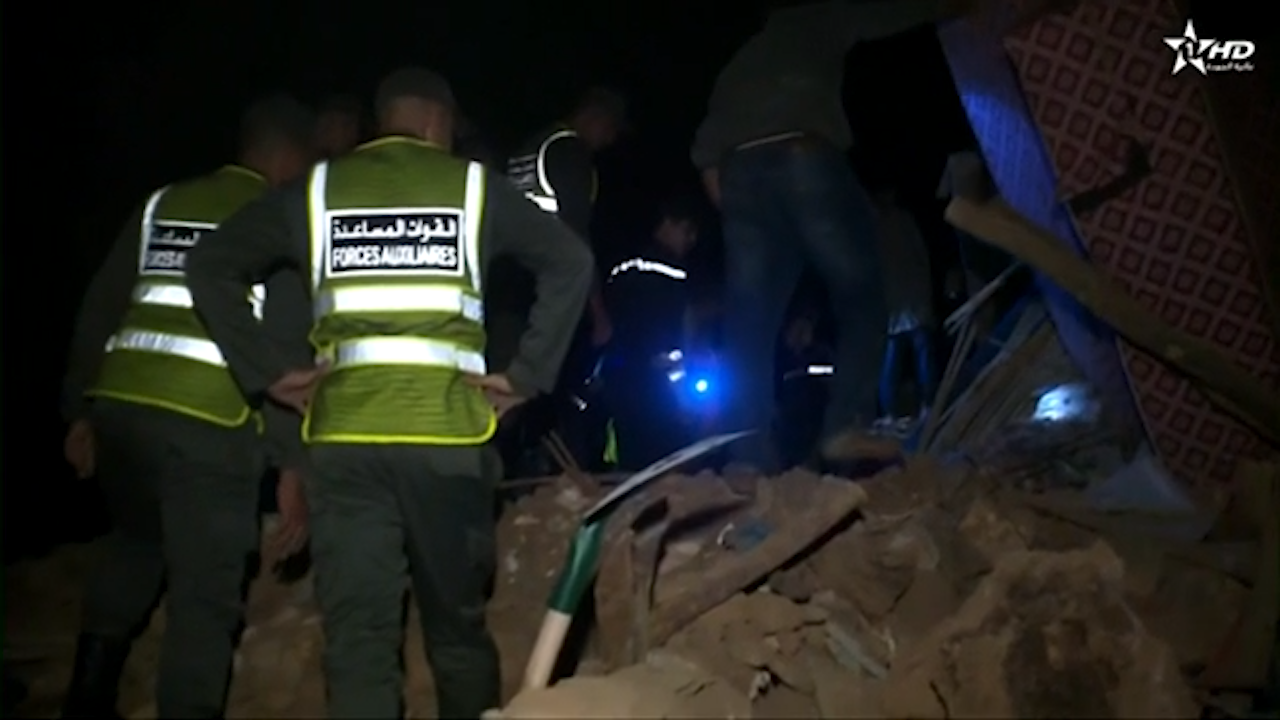
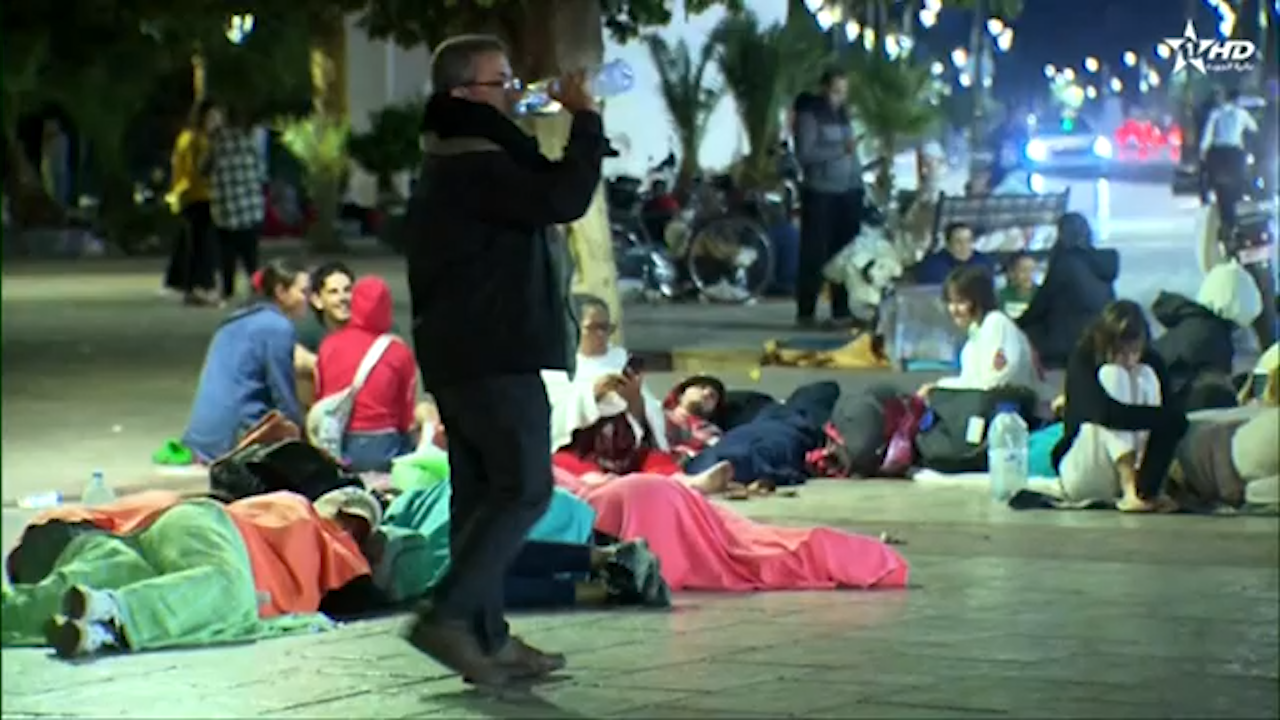
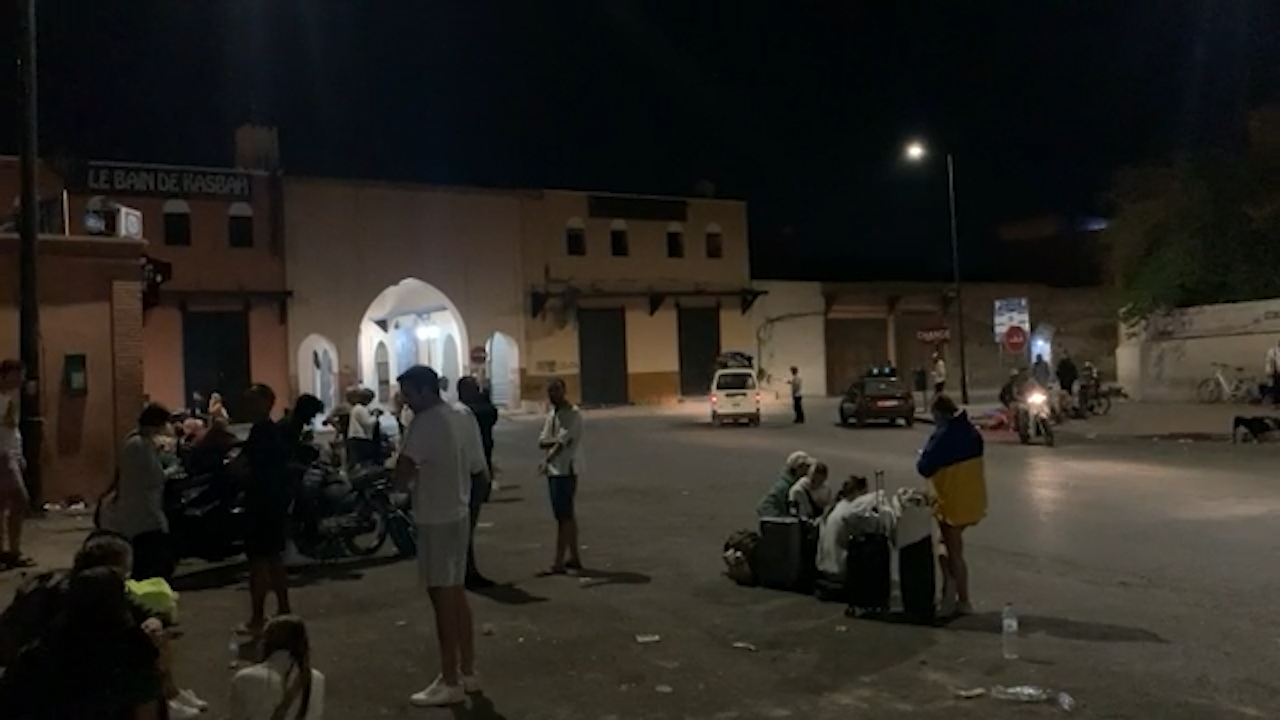
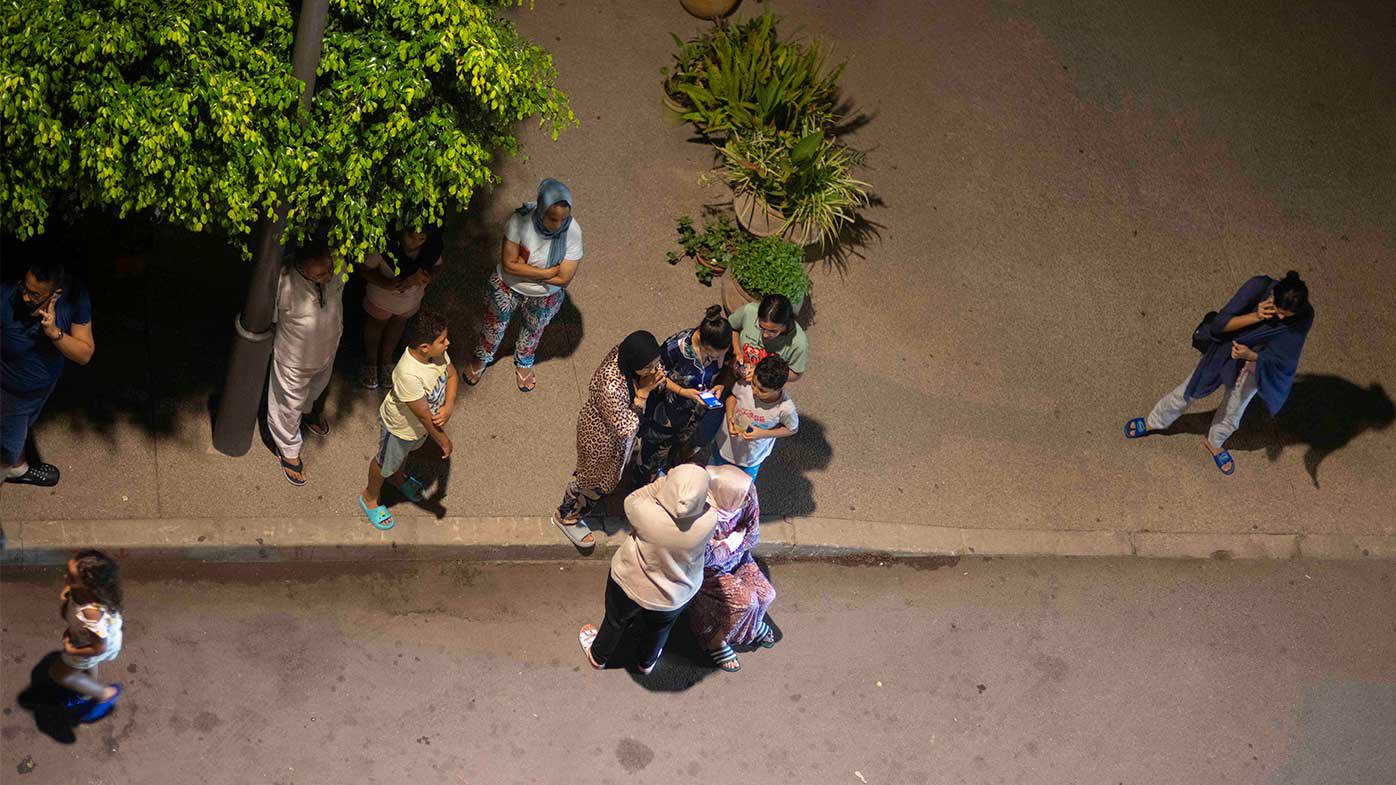
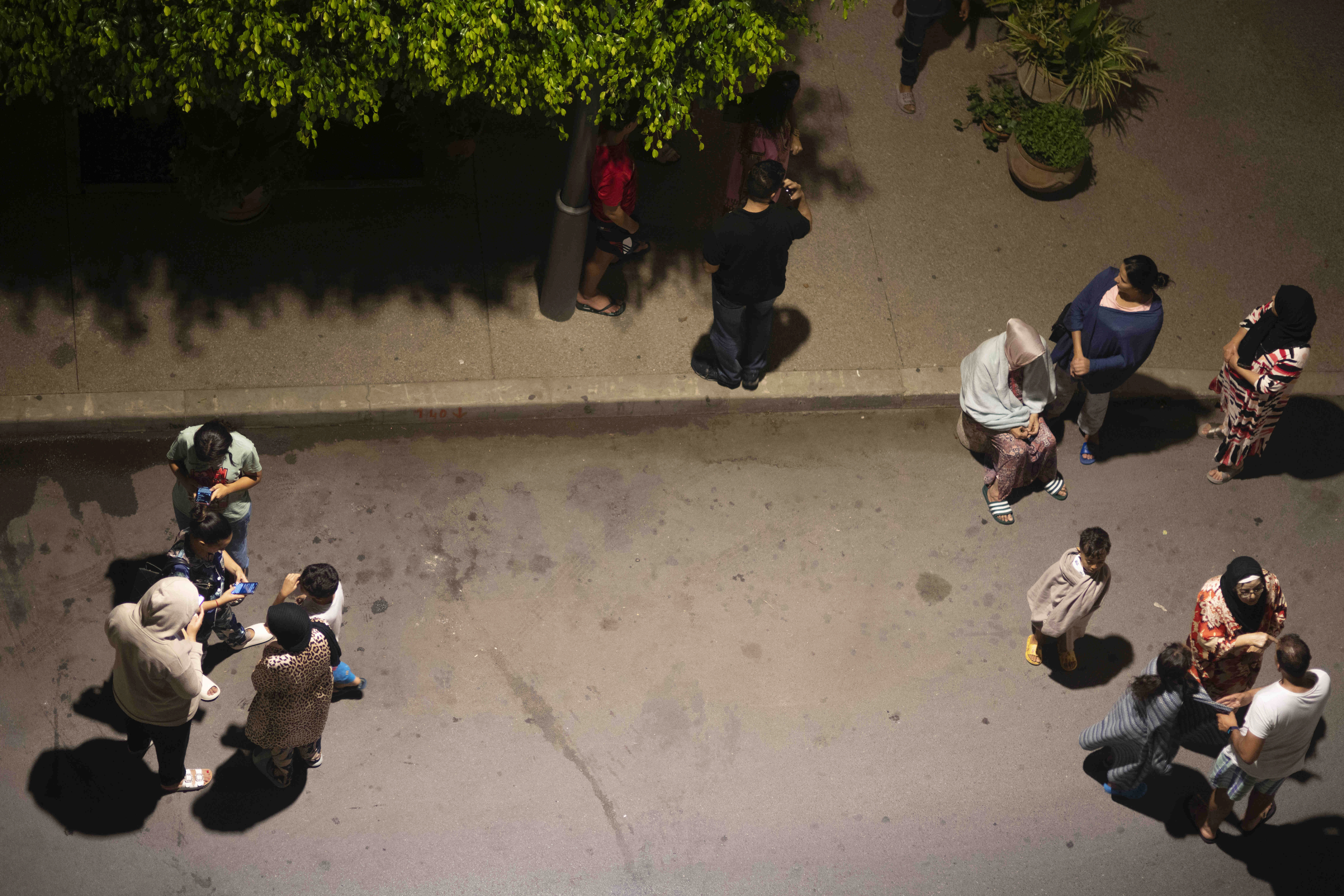
Moroccan television showed scenes from the aftermath, as many stayed outside fearing aftershocks.
Anxious families stood in streets or huddled on the pavement, some carrying children, blankets or other belongings.
Emergency workers looked for survivors in the rubble of buildings, their reflective yellow vests illuminating the nighttime landscape.
The quake ripped a gaping hole in a home, and a car was nearly buried by the chunks of a collapsed building.
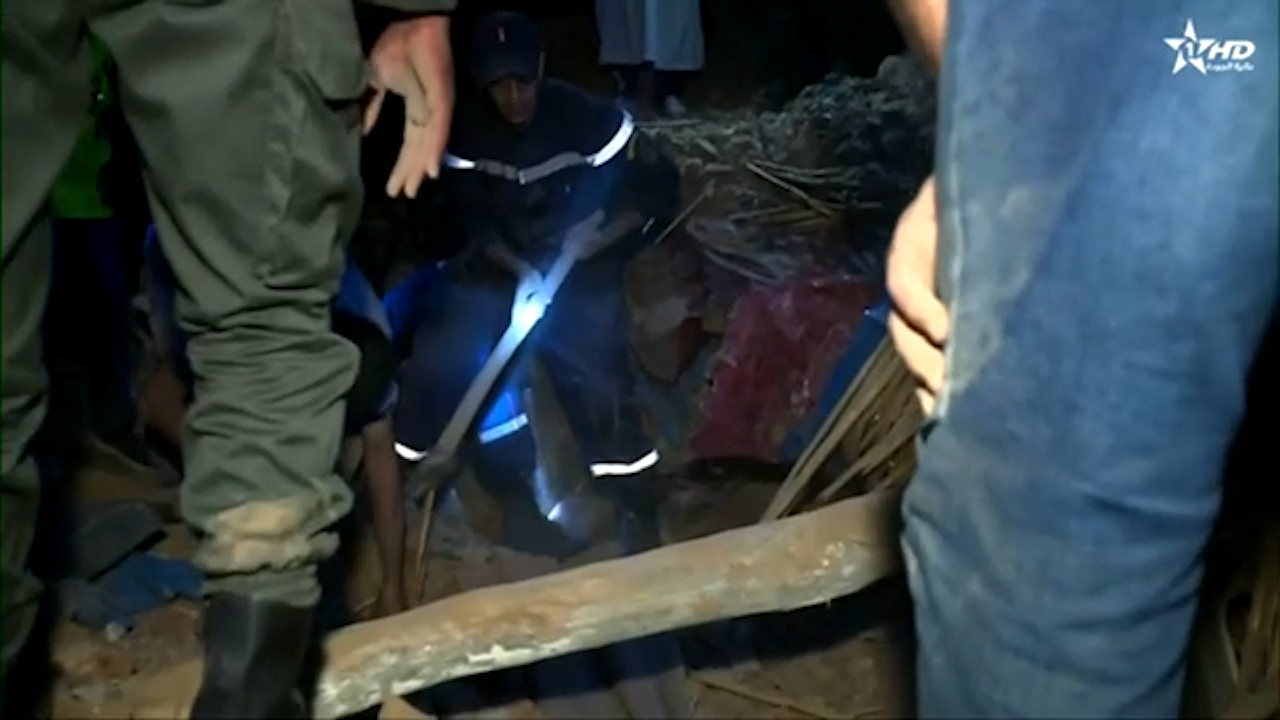
Baskets, buckets and clothing could be seen amid scattered stones in the remains of one building.
Other images shared online showed people running and screaming near the 12th century Koutoubia Mosque in Marrakech, one of the city's most famed landmarks. Moroccan media reported that the mosque suffered damage, but the extent was not immediately clear.
Its 69-metre minaret is known as the "roof of Marrakech."
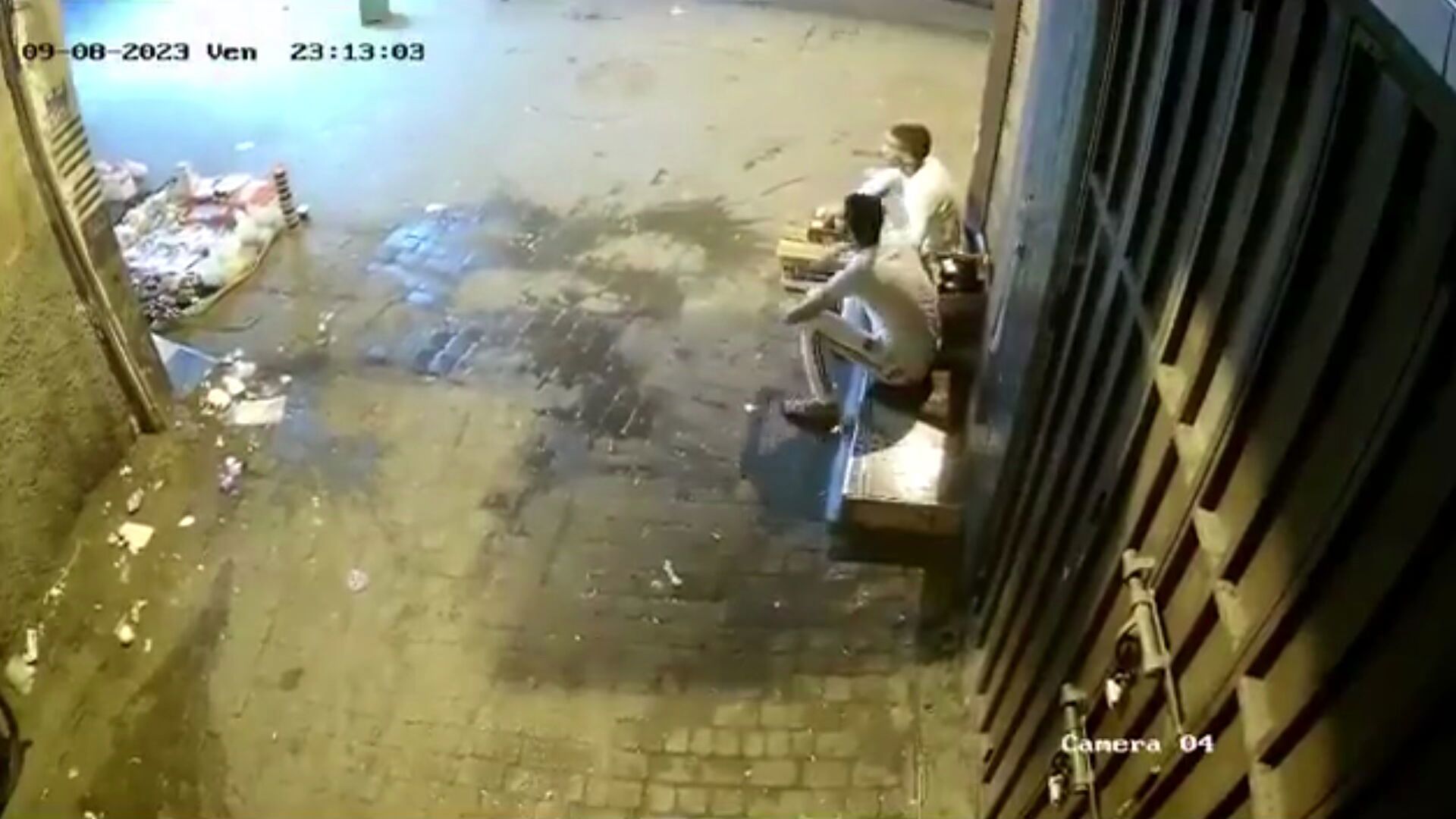
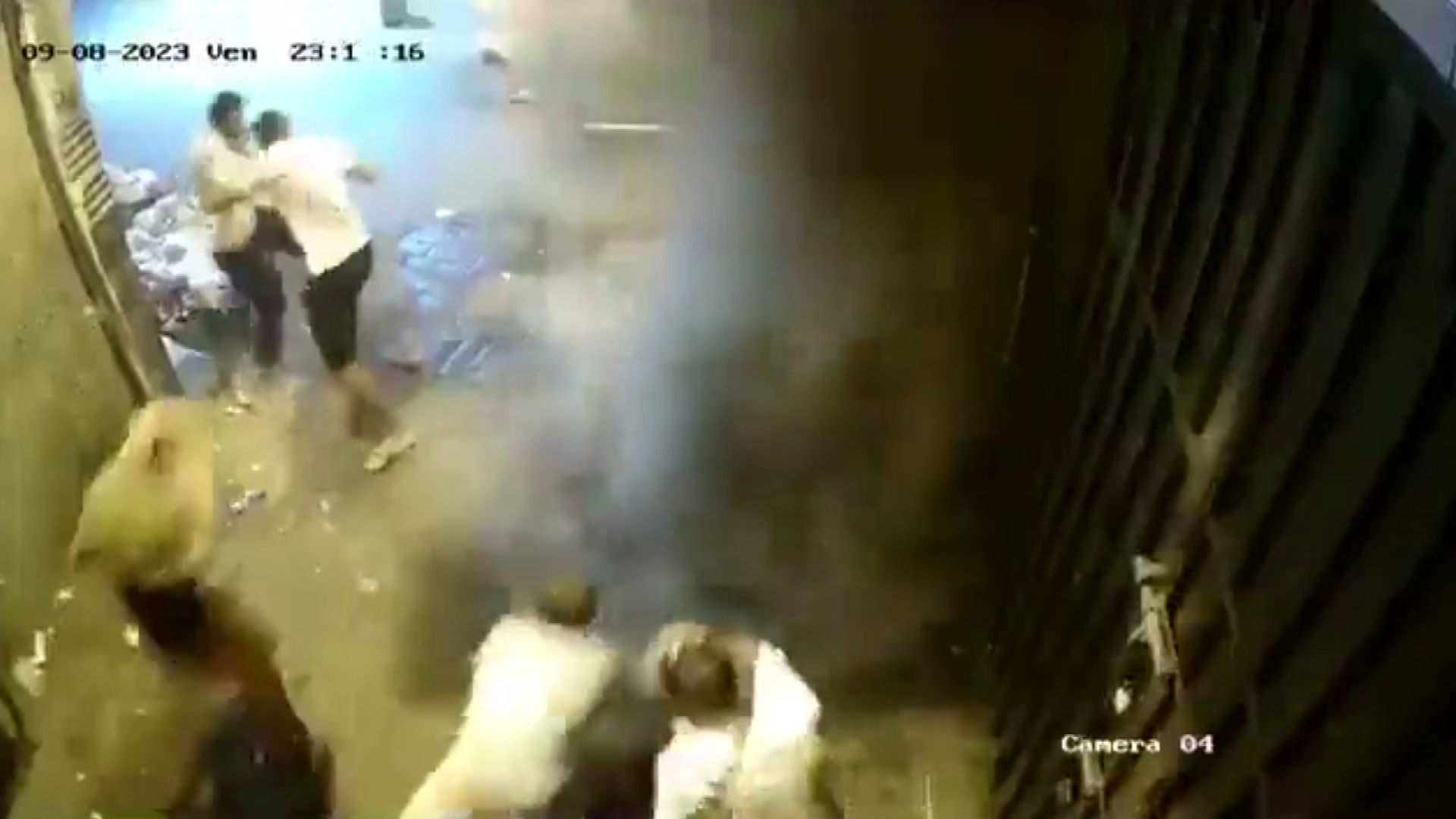
Moroccans also posted videos showing parts of the famous red walls that surround the old city in Marrakech, a UNESCO World Heritage site, damaged.
The head of a town near the earthquake's epicentre told Moroccan news site 2M that several homes in nearby towns had partly or totally collapsed, and electricity and roads were cut off in some places.
Abderrahim Ait Daoud, head of the town of Talat N'Yaaqoub, said authorities are working to clear roads in Al Haouz Province to allow passage for ambulances and aid to populations affected, but said large distances between mountain villages mean it will take time to learn the extent of the damage.
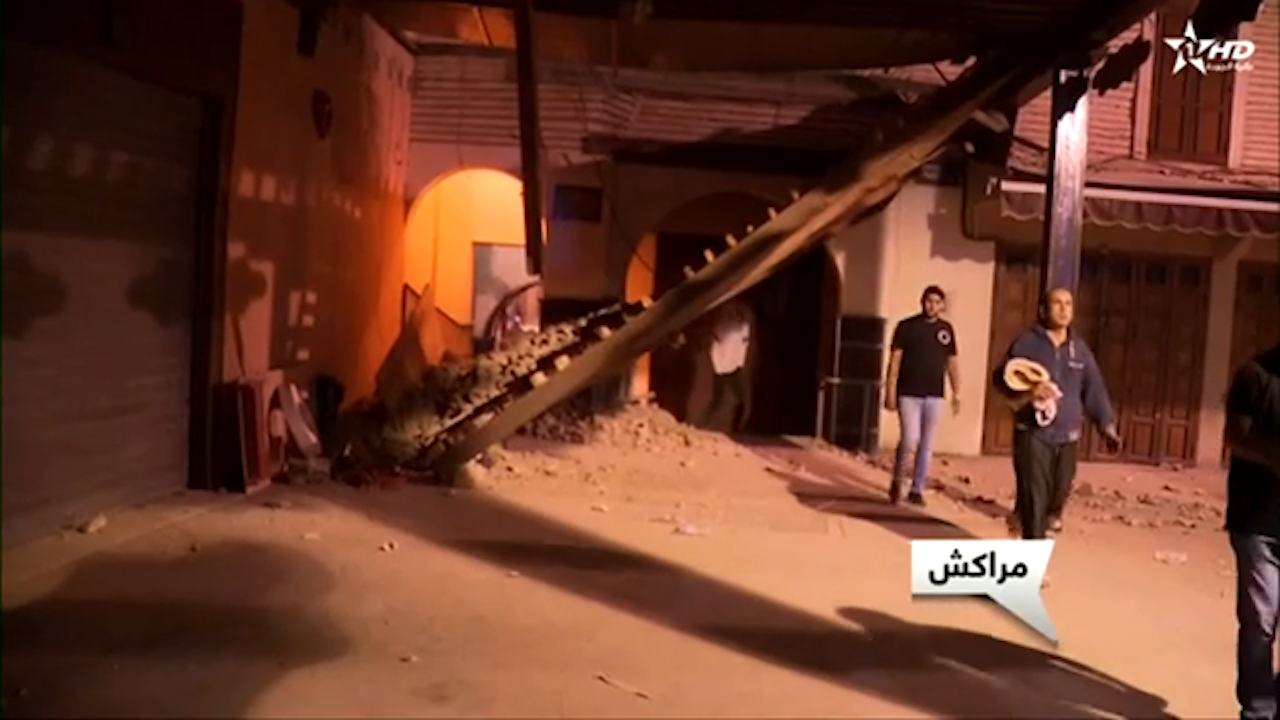
Local media reported that roads leading to the mountain region around the epicentre were jammed with vehicles and blocked with collapsed rocks, slowing rescue efforts.
A UN spokesperson said that "the United Nations is ready to assist the government of Morocco in its efforts to assist the impacted population."
The US Geological Survey said the quake had a preliminary magnitude of 6.8 when it hit at 11.11pm local time (8.11am AEDT), with shaking that lasted several seconds.
The USGS said Friday night's quake was unusually strong for that part of Morocco.
"Earthquakes of this size in the region are uncommon, but not unexpected. Since 1900, there have been no earthquakes M6 (magnitude 6) and larger within 500 km of this earthquake, and only 9 M5 (magnitude 5) and larger earthquakes," USGS said.
The US body predicted that "significant damage is likely and the disaster is potentially widespread", noting that many people in the area reside in structures that are "highly vulnerable to earthquake shaking".
Morocco's National Seismic Monitoring and Alert Network measured it at 7 on the Richter scale.
The US agency reported a magnitude-4.9 aftershock hit 19 minutes later.
The USGS said the epicentre was 18km below the Earth's surface, while Morocco's seismic agency put it at 8km down. In either case, such shallow quakes are more dangerous.
The epicentre of Friday's tremor was high in the Atlas Mountains roughly 70km south of Marrakech. It was also near Toubkal, the highest peak in North Africa and Oukaimeden, a popular Moroccan ski resort.
READ MORE: Sexual predator jailed for 22 years for raping two teens
Earthquakes are relatively rare in North Africa. Lahcen Mhanni, Head of the Seismic Monitoring and Warning Department at the National Institute of Geophysics, told 2M TV that the earthquake was "exceptional."
"Mountainous regions in general do not produce earthquakes of this size," he said. "It is the strongest earthquake recorded in the region."
In 1960, a magnitude 5.8 tremor struck near the Moroccan city of Agadir and caused thousands of deaths.
The Agadir quake prompted changes in construction rules in Morocco, but many buildings, especially rural homes, are not built to withstand such tremors.
The quake was felt as far away as Portugal and Algeria, according to the Portuguese Institute for Sea and Atmosphere and Algeria's Civil Defence agency, which oversees emergency response.