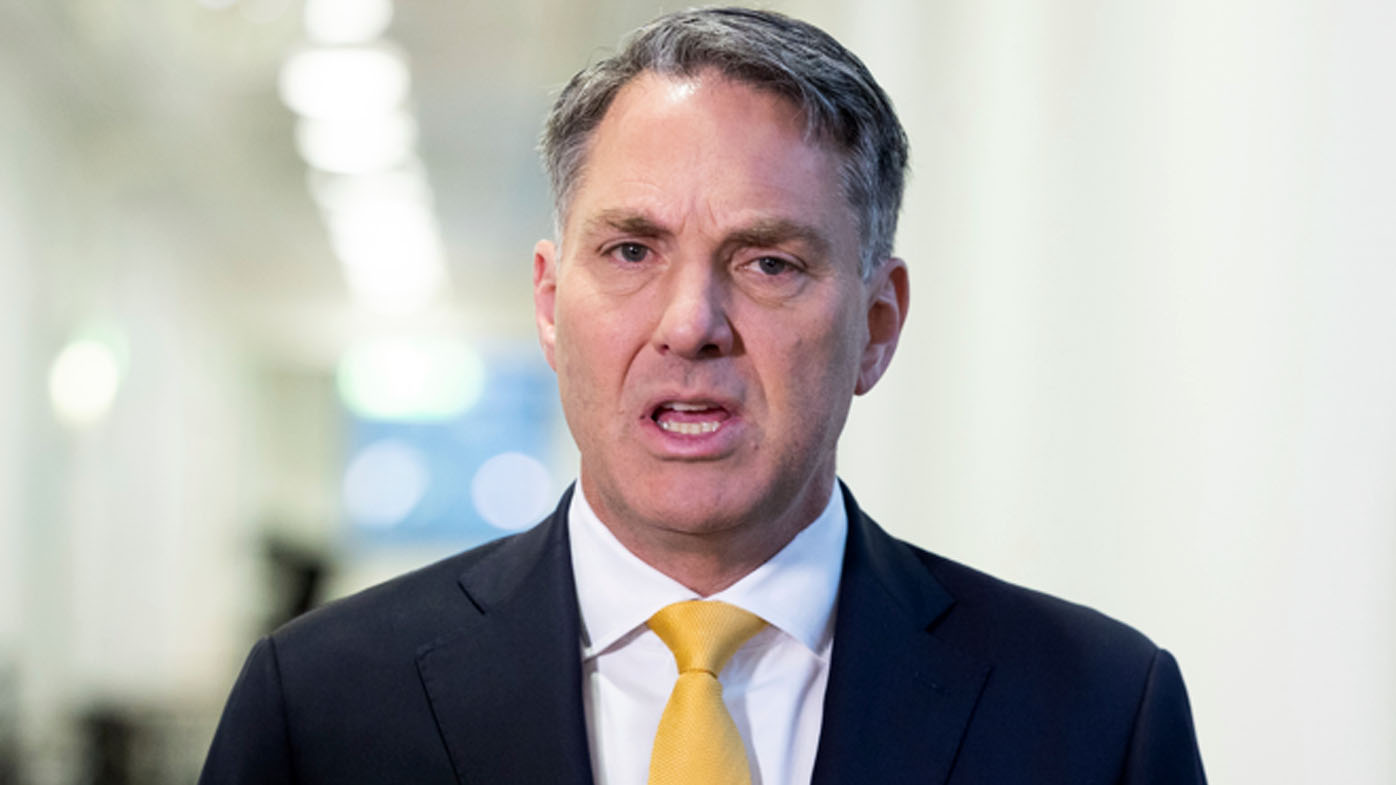
Defence Minister Richard Marles will travel to Ukraine, aiming to dispel claims of faltering support for the under-siege nation in its war against Russia.
His trip, set for the near future, is still being planned and has not been publicly announced, reports The Sydney Morning Herald.
News of Marle's planned visit comes amid frustration in Australia about the level of support for Ukraine, despite the government contributing a further $50 million to an international support fund.
READ MORE: OJ Simpson, fallen football hero acquitted of murder in 'trial of the century', dies at 76
Australia once boasted about being the largest non-NATO donor to the Ukrainian military, but it is now among the lowest of all per capita donor nations as a proportion of gross domestic product.
The Albanese government ruled out sending armoured vehicles and some of the Defence Force's retired Taipan helicopters. It is also yet to decide on a request by Ukraine for more Australian coal shipments.
Labor MPs also remain disappointed by the government's refusal to reopen the Australian embassy in Kyiv since it was evacuated in the lead-up to Russia's invasion in February, 2022.
Marles is expected to use the trip to announce a new military contribution in the form of drone supplies to help Ukraine.
Meanwhile, a massive missile and drone attack destroyed one of Ukraine's largest power plants and damaged others, officials said on Thursday, part of a renewed Russian campaign targeting energy infrastructure.
READ MORE: Dad in critical condition after car crash before birthday celebration

The Trypilska plant, which was the biggest energy supplier for the Kyiv, Cherkasy and Zhytomyr regions, was struck numerous times, destroying the transformer, turbines and generators and leaving the plant ablaze.
The plant supplied electricity to three million customers — but none lost power because the grid was able to compensate since demands are low at this time of year. Still, the consequences of the strikes could be felt in the coming months, as air conditioning use ramps up in the northern hemisphere summer.
At least 10 other strikes overnight damaged energy infrastructure in Kharkiv, Ukraine's second-largest city. Foreign Minister Dmytro Kuleba said more than 200,000 people in the region, which has been struck repeatedly, were without power.
Ukraine's leaders have pleaded for more air defence systems to ward off such attacks, but those supplies have been slow in coming.
– With Associated Press