Jim Chalmers has effectively confirmed Treasury has looked into the impact of limiting one of Australia's most contentious tax breaks for property investors, as speculation continues to build about a significant overhaul of the tax system in this year's federal budget.
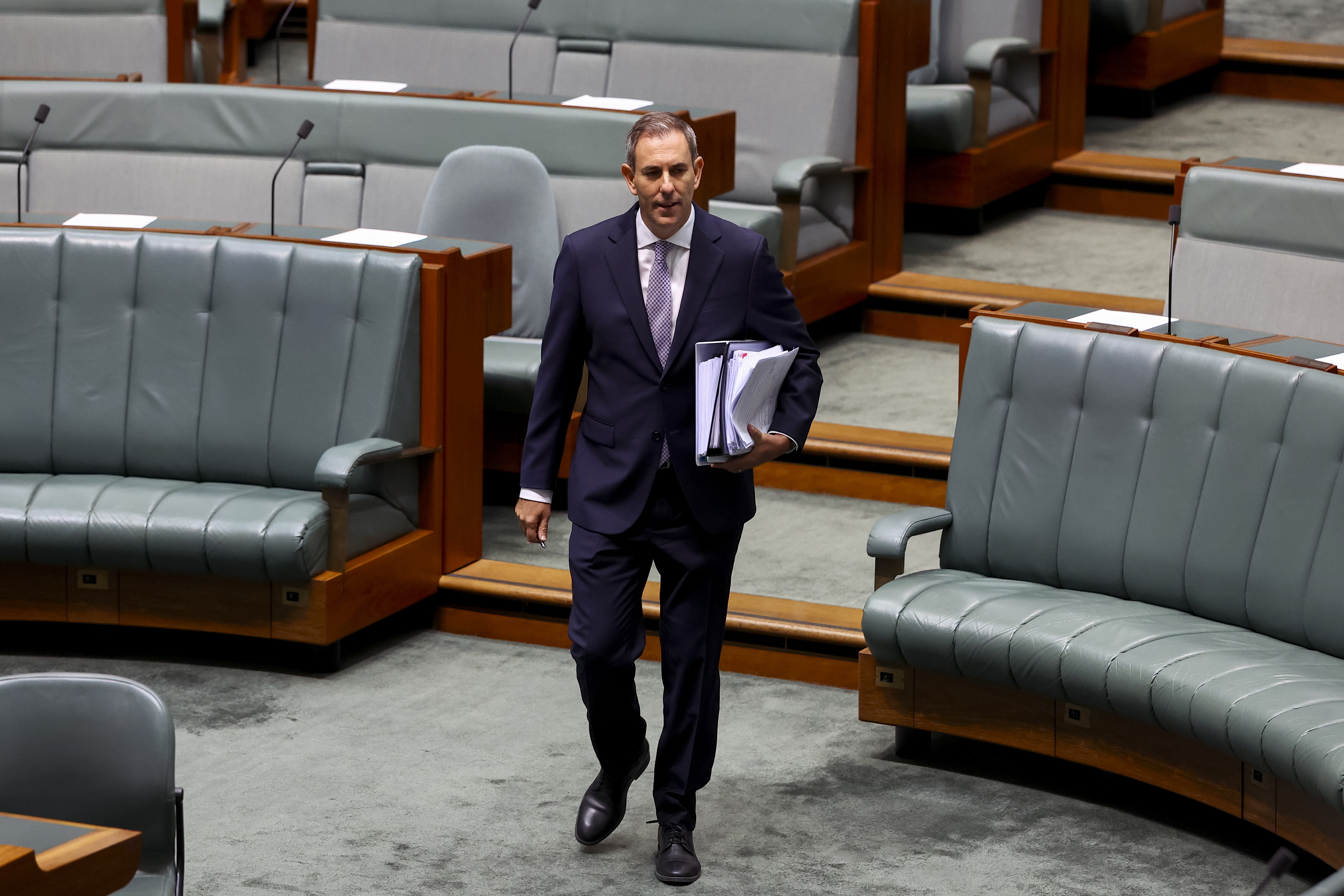
Speaking to reporters today, the treasurer was asked whether reports published this morning of his department conducting modelling about how much revenue could be raised by limiting negative gearing to two investment properties were accurate.
"We haven't changed our tax policies," he replied.
BUSINESS: Company behind Australian cultural icon on verge of being sold
"Our tax policies are all about delivering another income tax cut in July this year and another one in July next year…
"It's not unusual this far out from the budget that the Treasury would be considering other options and other next steps.
"But, as always, any further steps along those lines would be a matter for cabinet."
The language is notably similar to that used by Chalmers and Prime Minister Anthony Albanese before the federal government embarked on a promise-breaking but ultimately popular decision in 2024 to revise the stage 3 tax cuts to redirect more of the benefit to lower-income earners.
Negative gearing allows property investors to write off the costs associated with their loss-making rentals as a tax deduction.
FROM THE ARCHIVES: What is negative gearing and why are calls to change it so controversial?
Alongside the capital gains tax (CGT) discount – which the government also hasn't ruled out taking a razor blade to in the May 12 federal budget – the two policies have become a lightning rod amid a growing debate around the generous incentives offered to property investors while young Australians find it increasingly difficult to buy their first homes.
A host of economists, politicians and unions have argued for removing or reducing the tax breaks, saying such a move would make property more affordable and could fund much-needed income tax cuts.
However, others have argued that would do little to address the housing crisis, and instead lead to less supply in the sector.
According to the Property Council, almost 1.3 million Australians use negative gearing.
A previous analysis of ATO statistics estimated just under 30 per cent of those negatively geared taxpayers had two or more investment properties.
READ MORE: Government not ruling out capital gains discount reform
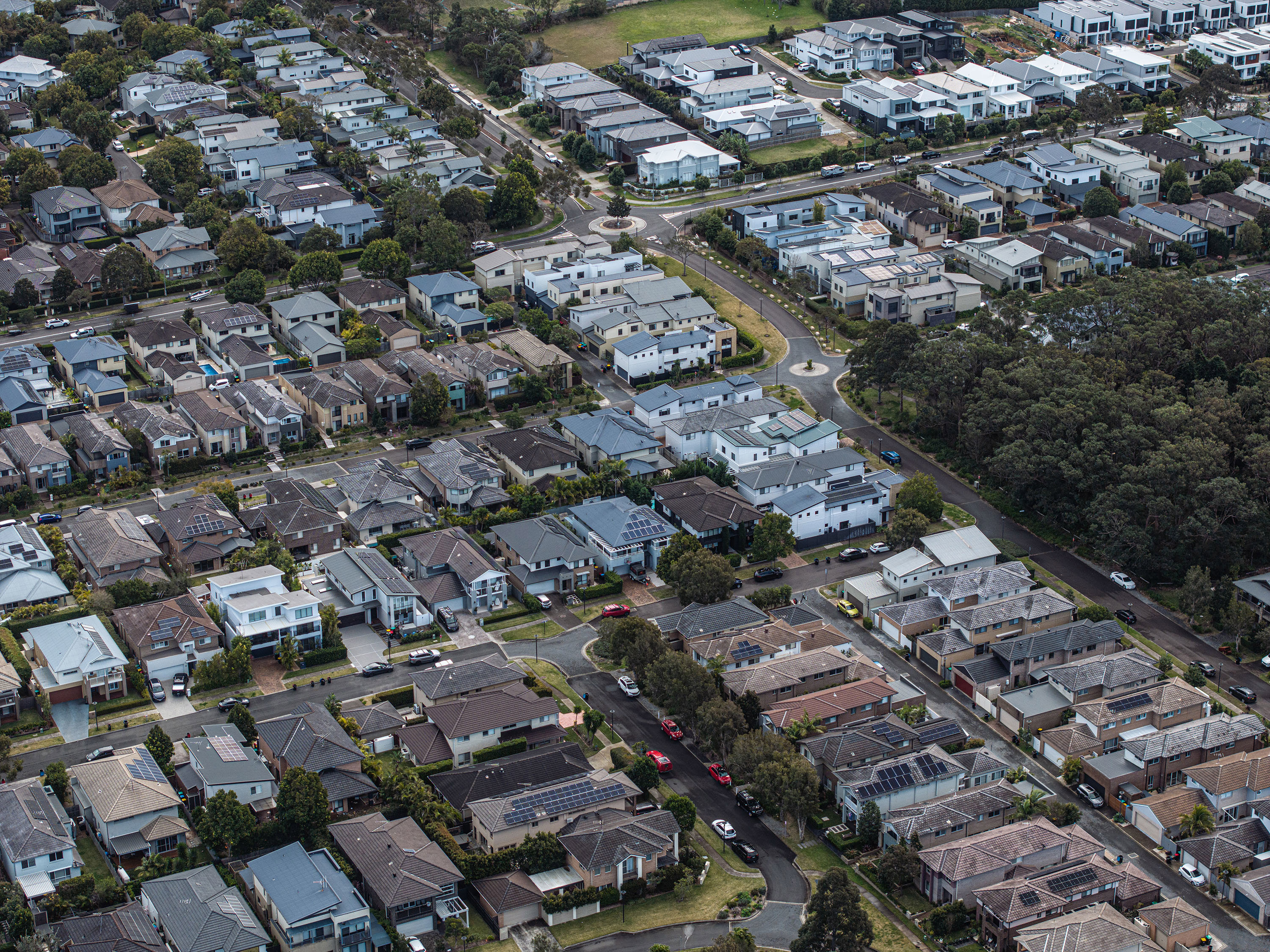
Figures from the Parliamentary Budget office have shown negative gearing costs the federal government almost $7 billion a year, and the CGT discount for residential properties $5.4 billion, at the same time the budget has fallen into a structural deficit.
Last year's papers forecast the national accounts would be a combined $180 billion in the red between 2025 and 2029.
While Albanese has previously ruled out making changes to negative gearing – the proposal has widely been blamed on Labor's shock 2019 federal election losses – Chalmers has frequently spoken about wanting to address the inequality facing young Australians.
That was a point he reiterated today.
"We are alive, obviously, to the intergenerational issues in the housing market and in the tax system," he said.
The federal opposition has signalled it would fight any effort to roll back the CGT discount or negative gearing, although the government would likely be able to get any proposal through parliament with the support of the Greens.
NEVER MISS A STORY: Get your breaking news and exclusive stories first by following us across all platforms.
- Download the 9NEWS App here via Apple and Google Play
- Make 9News your preferred source on Google by ticking this box here
- Sign up to our breaking newsletter here