Australians are already struggling to fill up their cars as petrol prices surge due to the war in Iran, and there are fears the cost of filling a prescription could spike next.
Logistical issues and supply shortages could see the price of medicines rise as the conflict in the Middle East continues.
Even a small hike or brief shortage could hurt Aussies' hip pockets and their health.
LIVE UPDATES: Trump drops Pearl Harbour reference in meeting with Japanese PM
But Royal Australian College of General Practitioners (RACGP) president Dr Michael Wright urged Aussies not to panic yet.
"If we do have a shortage, people shouldn't panic because in most situations there will be an alternative," he told nine.com.au.
"And for most people, given that most medications are on the PBS [Pharmaceutical Benefits Scheme], it shouldn't make a difference to the price."
The price of medications that are not on the PBS may increase due to supply issues, but Wright couldn't say by how much.
"It'll depend on how long the supply chain is disrupted for."
Right now, pharmaceutical companies are urgently rerouting critical medical supplies due to Iran's ongoing blockade on the Strait of Hormuz.
Cut off from the critical trade route, some have been forced to redirect medical supplies from sea to air freight to ensure they make it to Australia.
READ MORE: Cheese pulled from shelves at Coles, IGA over undeclared allergen
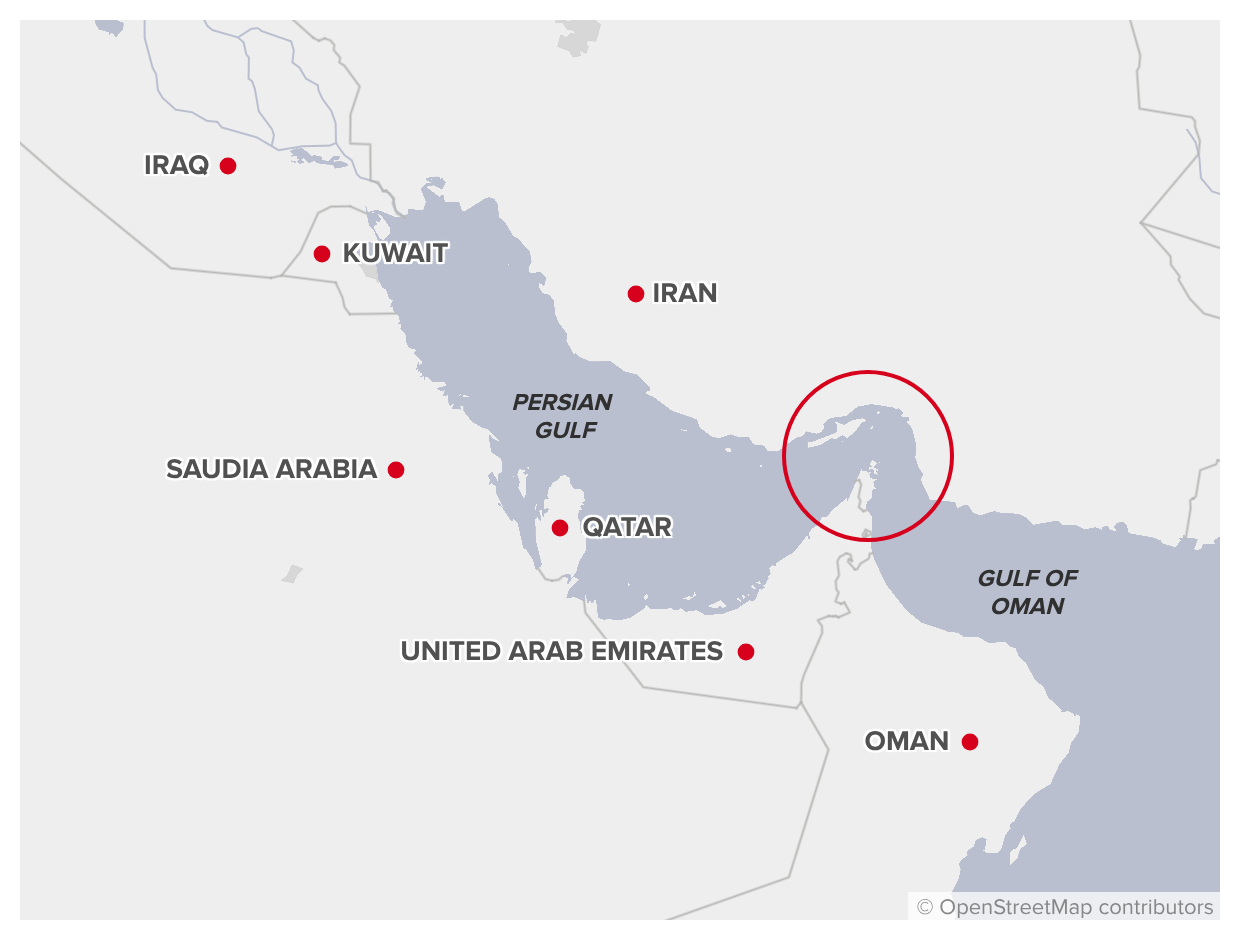
They've also had to use alternative flight routes to avoid Middle Eastern airspace, which can slam shut with a moment's notice.
Critical petroleum-based ingredients used to make common drugs like paracetamol, ibuprofen and antibiotics, and raw materials from the Middle East used in many medicines, could also be in short supply soon.
All of these disruptions could cause manufacturing delays, medicine shortages and price hikes here in Australia.
Medicines Australia told nine.com.au in a statement that current delays linked to disruptions in shipping routes have generally been limited to a matter of days.
It is monitoring the situation closely and said pharmaceutical companies have contingency plans in place.
"We would also encourage patients not to panic buy or stockpile medicines, as this can place unnecessary pressure on supply and impact access for others," it said.
READ MORE: Warning Cyclone Narelle 'may be biggest weather system in living memory'
Australia has been dealing with medicine shortages since the COVID-19 pandemic.
There are currently almost 400 medicine shortages in Australia, 37 of which are considered critical, and more than 90 anticipated shortages.
"And the war in the Middle East has the potential to further disrupt those supply chains, meaning that it's harder for medications to get here," Wright said.
The Therapeutic Goods Administration (TGA) monitors medicine shortages and has, in the past, fast-tracked alternative medicines during critical shortages.
But when Australia imports 90 per cent of its medications and most of the raw ingredients used to make medicine, the thought of extended supply issues is confronting.
"Our patients are very concerned about the impact of medicines supply," RACGP Expert Committee quality care chair Professor Mark Morgan said in a statement.
"There are few things more concerning than potentially losing access to a medicine you have been advised to take for your health."
READ MORE: Australia and dozens of others condemn Iran over attacks on neighbours, critical shipping closure
The impacts of the war in the Middle East on Australia's pharmaceutical supply chain has shown how vulnerable it is to global supply shocks.
"One thing we probably could do more of is we could produce more medications locally, and that would be a way to get around some of our dependencies," Wright said.
Morgan agreed that a thriving local pharmaceutical manufacturing industry would mitigate some of the supply risks Australia currently faces.
In the UK, which also relies heavily on importing medicine, Independent Pharmacies Association chief executive Dr Leyla Hannbeck has called on the government to take action to prevent major shortages in the face of supply issues.
She has called for shorter prescription durations to prevent people from stockpiling medication, and the implementation of legislation banning the export of 150 drugs.
Wright said Australia isn't at that stage yet.
"We certainly don't have to panic or take sort of drastic action at this point."
NEVER MISS A STORY: Get your breaking news and exclusive stories first by following us across all platforms.
- Download the 9NEWS App here via Apple and Google Play
- Make 9News your preferred source on Google by ticking this box here
- Sign up to our breaking newsletter here