Aussies are being urged to look up this week, with April's full moon – known as the Pink Moon – set to peak tomorrow.
The lunar event will reach its fullest point at 1.11pm (AEDT) on April 2, meaning it will technically be visible during daylight hours, depending on cloud cover.
But the spectacle comes with a caveat.
READ MORE: Australia could be $68b richer. Now we're in our own energy crisis
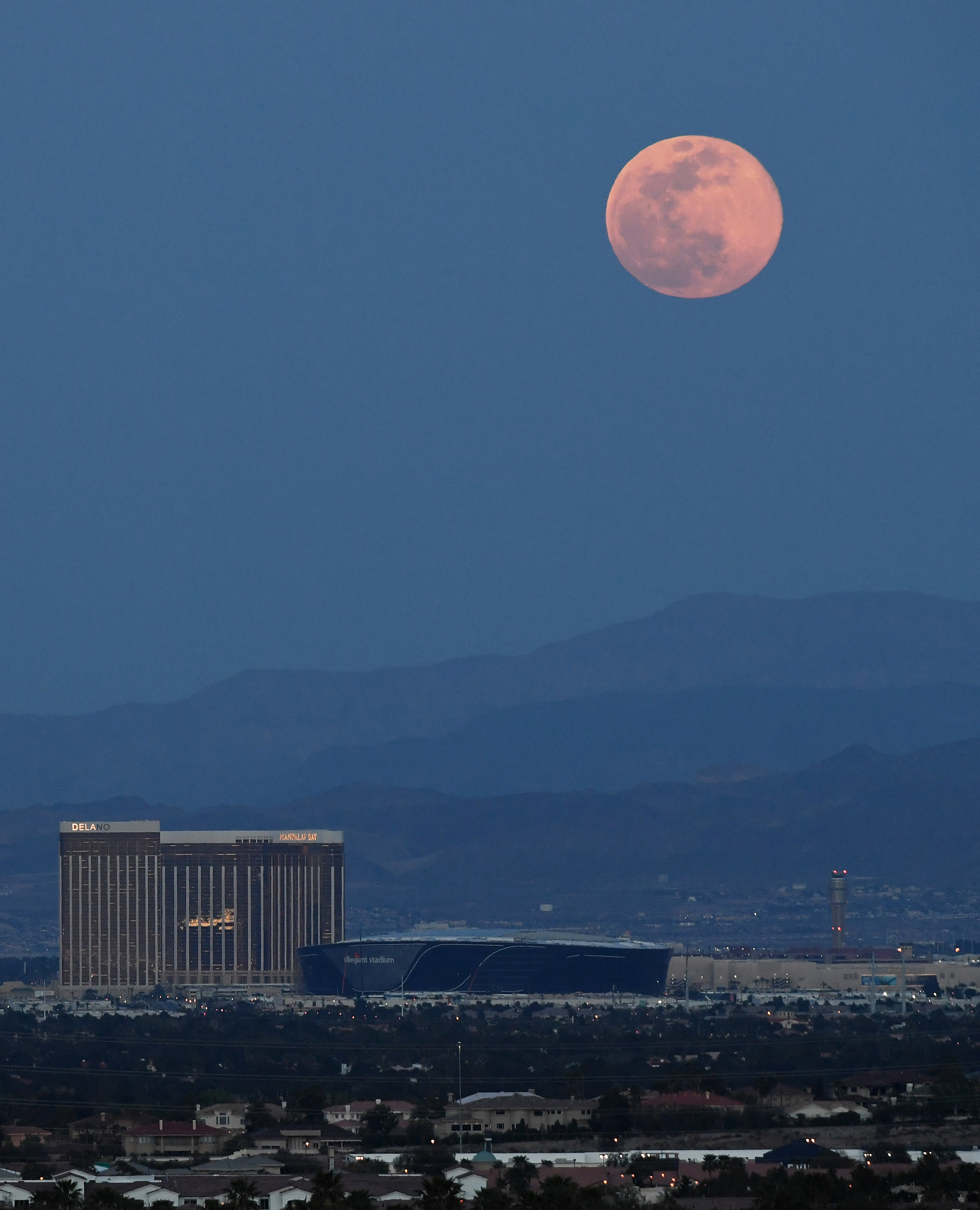
The Pink Moon won't actually appear pink, despite its name.
Instead, the moon will appear in its usual silvery tone, though dust or pollution can sometimes give it a faint rosy tint near the horizon.
The title Pink Moon comes from seasonal wildflowers that bloom in early spring across the Northern Hemisphere, rather than the moon's colour.
While the exact peak falls in the middle of the day, the moon is expected to appear brightest later that evening.
In NSW, Victoria, ACT, and Tasmania, the moon will rise at 11.11pm AEDT, with the best viewing starting from 7.30pm AEDT.
READ MORE: The Easter long weekend is almost here – but not all Aussies get the same public holidays
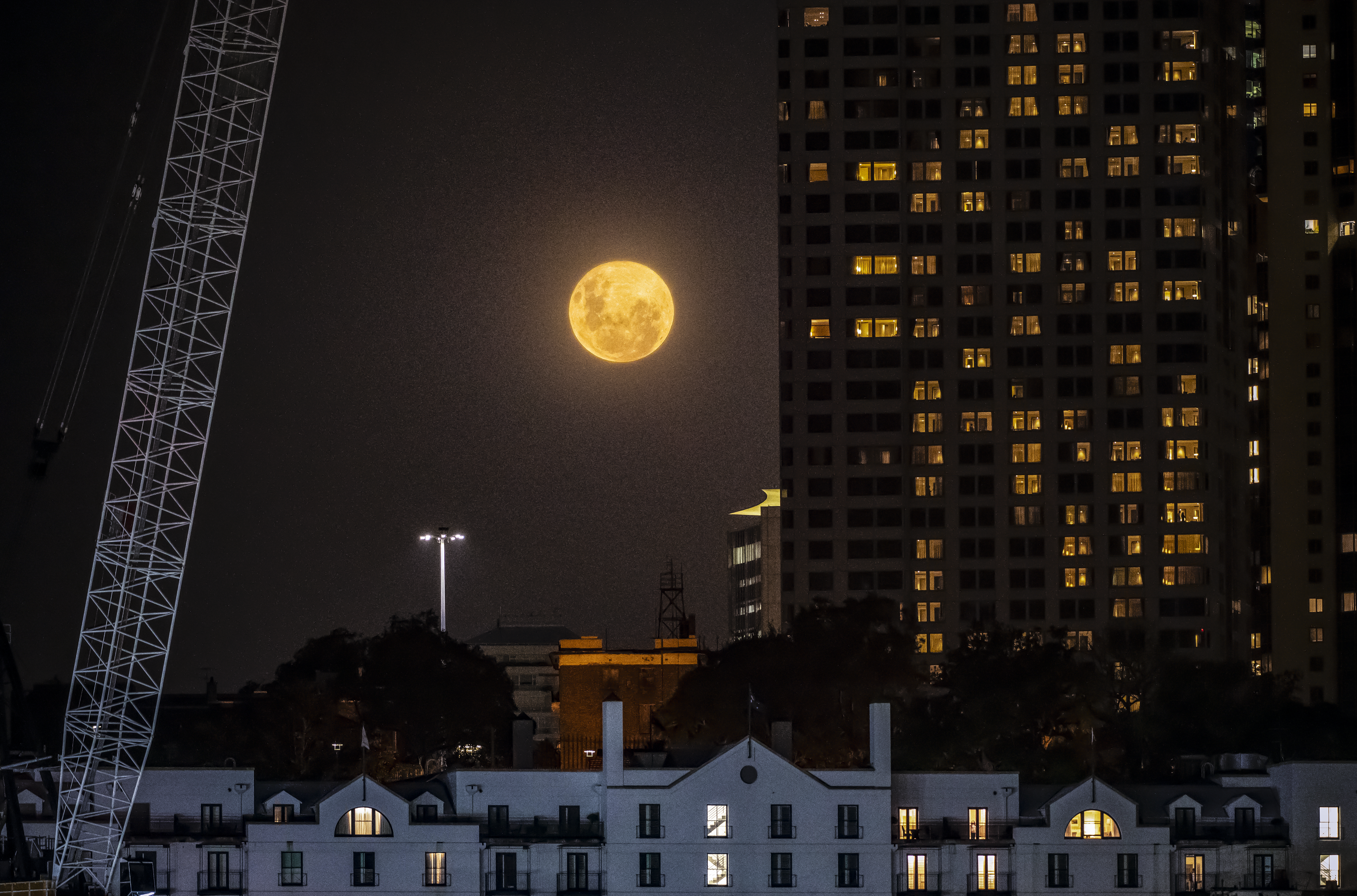
For precise moonrise and moonset times in your state, visit TimeAndDate.com.
The April full moon is also known as the Paschal Moon, which determines the timing of Easter in many Christian calendars.
READ MORE: Millions of Aussies will get an extra hour of sleep next month as daylight saving ends
The Pink Moon is the fourth of 13 full moons lighting up the sky in 2026.
It follows last month's total lunar eclipse – often referred to as a "blood moon" – which drew attention across Australia as the moon took on a deep red hue during the rare celestial event.
For the best chance of viewing the Pink Moon, clear skies and low light pollution will offer the clearest conditions, with darker areas outside the city providing the best views.
The next full moon, known as the Flower Moon, is set to rise on May 1.
NEVER MISS A STORY: Get your breaking news and exclusive stories first by following us across all platforms.
- Download the 9NEWS App here via Apple and Google Play
- Make 9News your preferred source on Google by ticking this box here
- Sign up to our breaking newsletter here