Working out at a specific time of day could seriously boost sleep and heart health.
But what time of day works best varies from person to person.
New research has shown timing exercise to match your body clock chronotype can improve sleep quality and may also lower heart disease risk factors like high blood pressure, fasting glucose, and 'bad' cholesterol.
LIVE UPDATES: US forces 'sitting ducks' in the Strait of Hormuz, warns expert
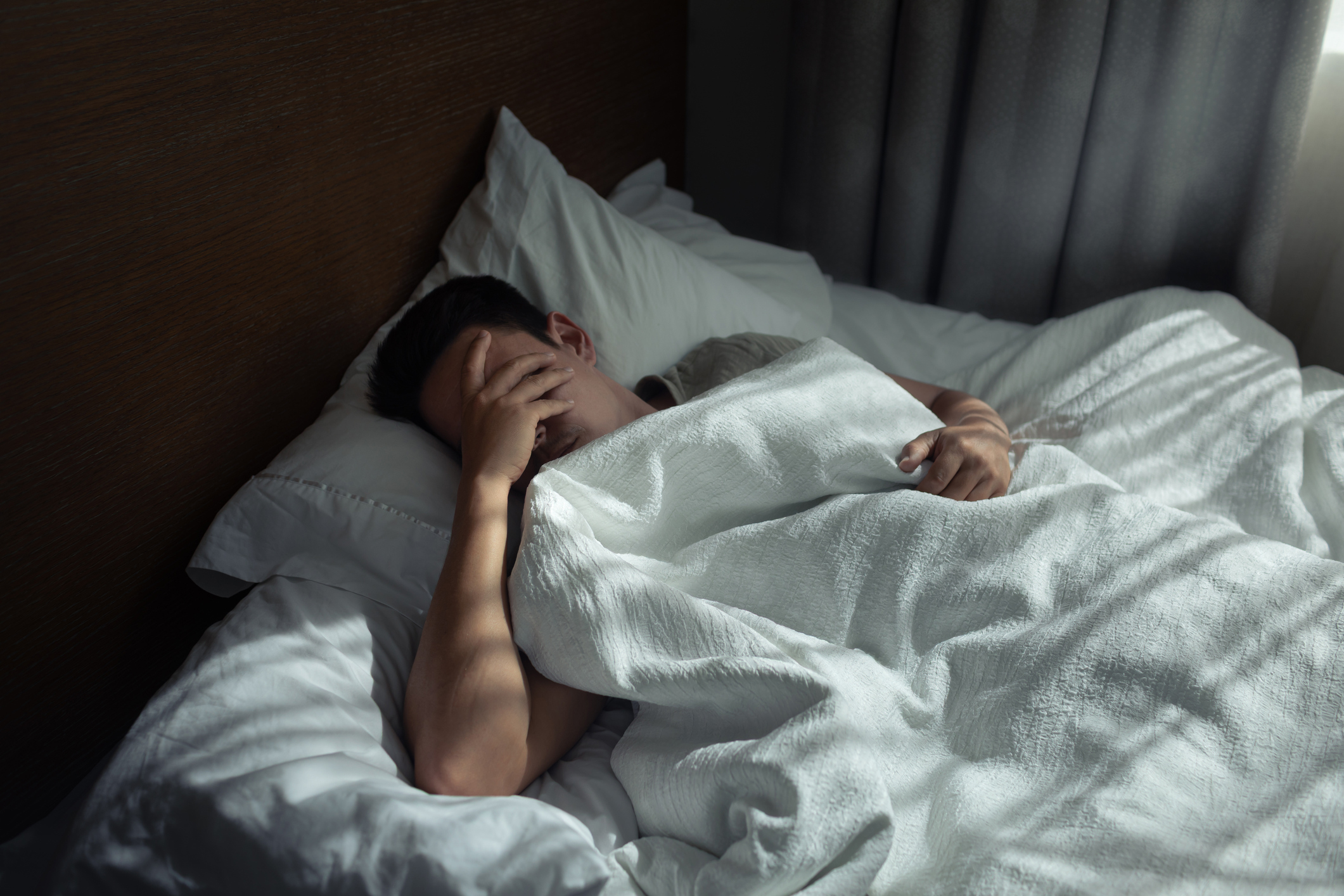
Your body clock chronotype is an innate predisposition to sleeping at waking at certain times, and explains why some people are early risers or night owls.
It also affects hormone secretion and energy availability across the day.
Researchers from Pakistan and Scotland have found that timing your exercise to your body clock chronotype could boost positive health outcomes.
NATIONAL: Retail giant behind Kmart and Bunnings scraps delivery fees for six months
They tested 150 people aged 40 to 60 with at least one cardiovascular risk factor to figure out their chronotypes, then randomly assigned them a time to work out.
Some were given time slots that matched their chronotypes, like between 8am to 11am for morning people, while others were given mismatched slots.
They were then told to work out five times a week for 12 weeks and their results monitored.
Data showed that all the participants experiences better aerobic fitness and sleep quality, and lower cardiovascular disease risk factors after the 12 weeks were up.
But those who had their exercise time slot matched to their chronotype showed much bigger improvements.
READ MORE: The two Aussie cities where homeowners are about to get $50,000 richer

Their blood pressure, autonomic function (including heart rate), aerobic capacity, metabolic markers, and sleep quality were significantly better than those who had mismatched exercise time slots.
Morning people who had exercise slots matched to their chronotype showed even better results.
"This study adds to a growing body of evidence suggesting that the timing of exercise when aligned with an individual's internal biological clock can significantly enhance health outcomes," the researchers wrote in journal Open Heart.
Working out your own chronotype can be as simple as filling out the Morningness-Eveningness Questionnaire online, which was used to assess the chronotypes of the people in the study.
Those wanting a more concrete assessment can speak to a health professional.
NEVER MISS A STORY: Get your breaking news and exclusive stories first by following us across all platforms.
- Download the 9NEWS App here via Apple and Google Play
- Make 9News your preferred source on Google by ticking this box here
- Sign up to our breaking newsletter here