Commonwealth Bank has forecast the impact of potential changes to the capital gains tax (CGT) discount and negative gearing could fall flat for prospective home buyers, with only a "modest" decrease to house prices.
In a pre-federal budget analysis, economists from the big four bank, Luke Yeaman and Harry Ottley, said reforming the property tax benefits would only have a modest impact on lowering house prices and increasing productivity.
It estimates house prices could fall by 1.4 per cent with changes to the CGT discount and 2 per cent if coupled with an abolition of negative gearing.
READ MORE: How death threat charge could put Trump and his allies in hot water

"The largest benefit will be higher long-term government revenue and a stronger budget," the economists wrote.
"Additional short-term volatility in the housing market is likely though, especially at a time when the interest rate cycle and slower population growth is also shifting prices and market sentiment."
Commonwealth Bank said changing the two policies may help affordability, as the median house price exceeds $1 million, but it will not solve the housing crisis.
"Boosting supply is still the key," the economists said.
The government has been dancing around what will be included in its tax reform, but has confirmed that one of the measures on the table is changes to the controversial CGT discount and negative gearing.
Critics have blamed the two property tax benefits for contributing to the housing crisis, with a Greens-led Senate inquiry finding the CGT discount is flawed and benefits investors over first-home buyers.
Two Labor senators endorsed the inquiry's report.
READ MORE: Antisemitism report calls for gun buybacks, more counter-terrorism powers
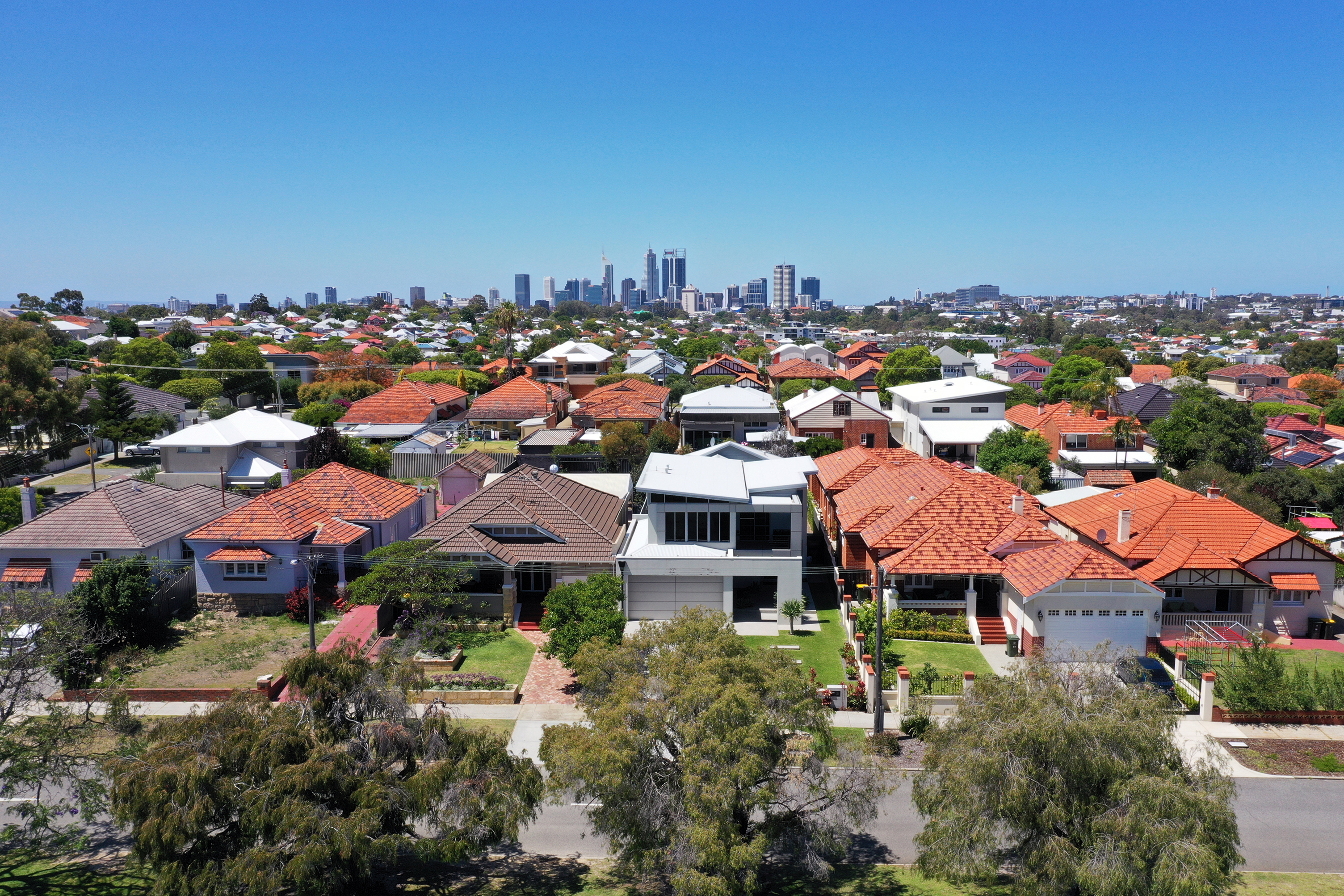
However, some industry experts like the Finance Brokers Association of Australia warn that changing the policies could disincentivise investment in the housing sector and place upward pressure on rent.
If reformed, it would be the first time the CGT discount is rolled back since the Howard government raised it to 50 per cent in 1999 and the first time negative gearing is changed since it was temporarily limited by the Hawke/Keating government in 1987.
Treasurer Jim Chalmers has refused to confirm or deny whether the two policies will be changed and said the federal budget has not been finalised.
"Intergenerational fairness is a really important way that we address some of the substantial and understandable issues in our budget, in our tax system and in our economy more broadly," he said yesterday.
"What we are determined to see is a fairer economy that works for more people, including for younger people."
Chalmers told Nine's Today that there are other changes they are making to soothe housing pressures.
"If we did go down that path, I would encourage people to look right across the board at everything that we're doing in housing, not one or two policies in isolation," he said.
NEVER MISS A STORY: Get your breaking news and exclusive stories first by following us across all platforms.
- Download the 9NEWS App here via Apple and Google Play
- Make 9News your preferred source on Google by ticking this box here
- Sign up to our breaking newsletter here