ANALYSIS: All eyes are on the regional NSW seat of Farrer today as Pauline Hanson's One Nation Party faces its first federal litmus test since the last election.
The fringe party has enjoyed a surge in support in recent opinion polls, with the latest Resolve Political Monitor for the Sydney Morning Herald and The Age showing its primary vote at 22 per cent, just one per cent behind the Coalition and 10 per cent behind Labor.
It rode a wave of support in the South Australian election and won seven new state MPs.
READ MORE: Americans asked if they could beat Donald Trump in a fight
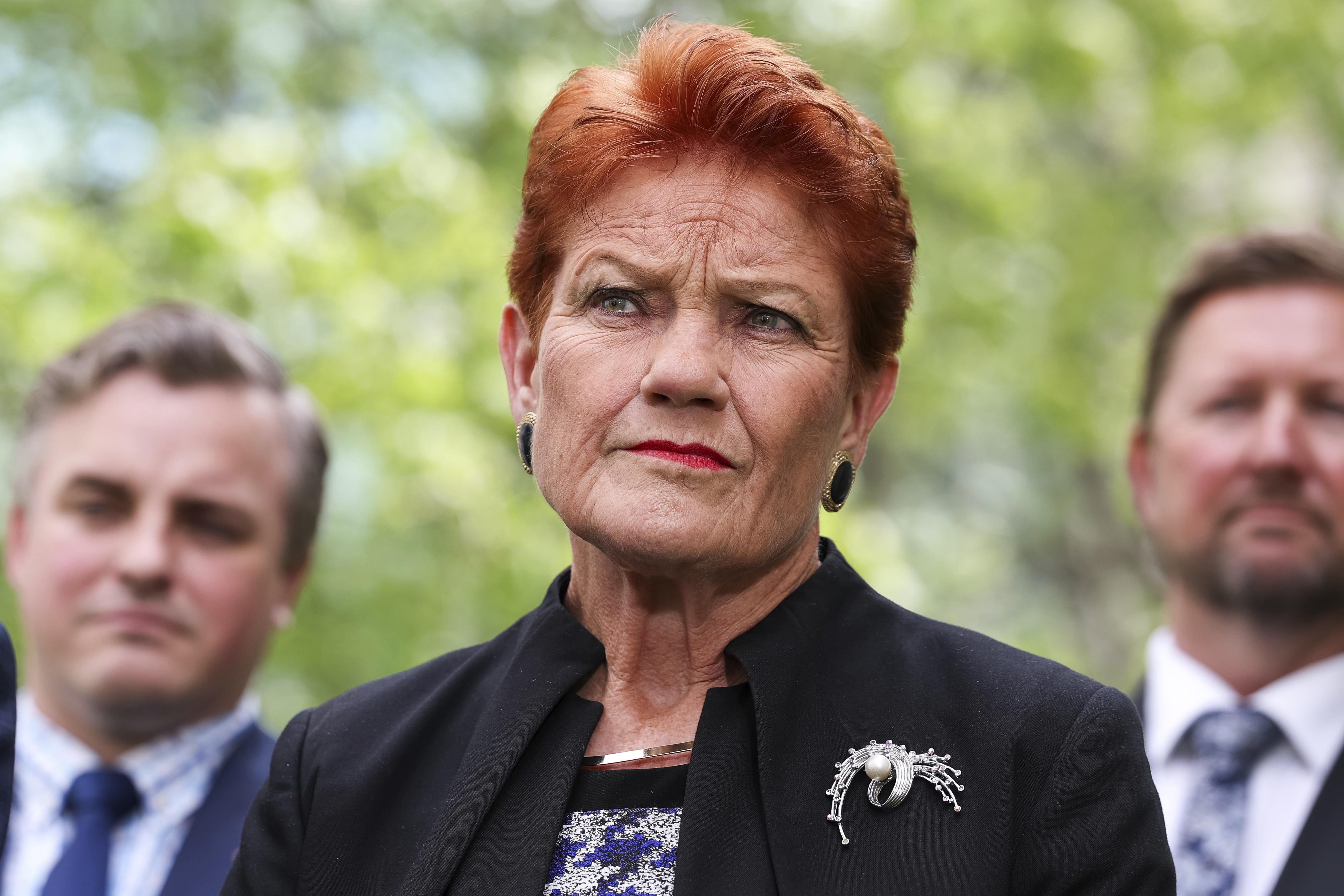
But it remains to be seen whether their sudden rise in popularity will translate to significant support at the federal level.
That's where Farrer comes in.
One Nation is threatening to snatch the federal seat from the Coalition, which has held onto it for decades.
And all the conditions are favourable for Hanson: Labor has not put up a candidate for the seat, the Coalition has managed to lose voters even after its historic loss at last year's election, and the nature of a byelection allows her to focus all her efforts on the local issues and candidate.
Monash University head of politics Zareh Ghazarian said a potential One Nation win at the byelection would be a "very important moment in Australian politics".
"It will indicate that the party can win seats in the lower house, and that's something that many other minor parties have really failed to do throughout Australia's history," he said.
"It's also a very unique time where the Coalition is defeated."
READ MORE: Aussie on board hantavirus cruise ship has returned home
The 12-candidate ballot is looming as a four-horse race between One Nation's David Farley, independent Michelle Milthorpe, Liberal Raissa Butkowski, and National Brad Robertson.
Jim Reed, founder of polling company Resolve, said Farley and Milthorpe were the two most likely contenders.
"It's a sign of the times for the Coalition that they stand to lose a treasured seat to either an independent or One Nation," he said.
One Nation's rise comes as voters increasingly shift away from the major parties, while independents and minor parties win more seats in parliament.
Reed said this has been a long-term trend that is gaining speed.
"Many voters are fed up of the major parties and are looking for change, any change," he said.
Ghazarian believes this rising shift will eventually split Australia's two-party system and rupture mainstream politics down the track.
"There is something going on in Australian politics that is leading people to support non-major parties more so than in the past," he said.
READ MORE: Radio giant claims unwanted piece of Aussie history
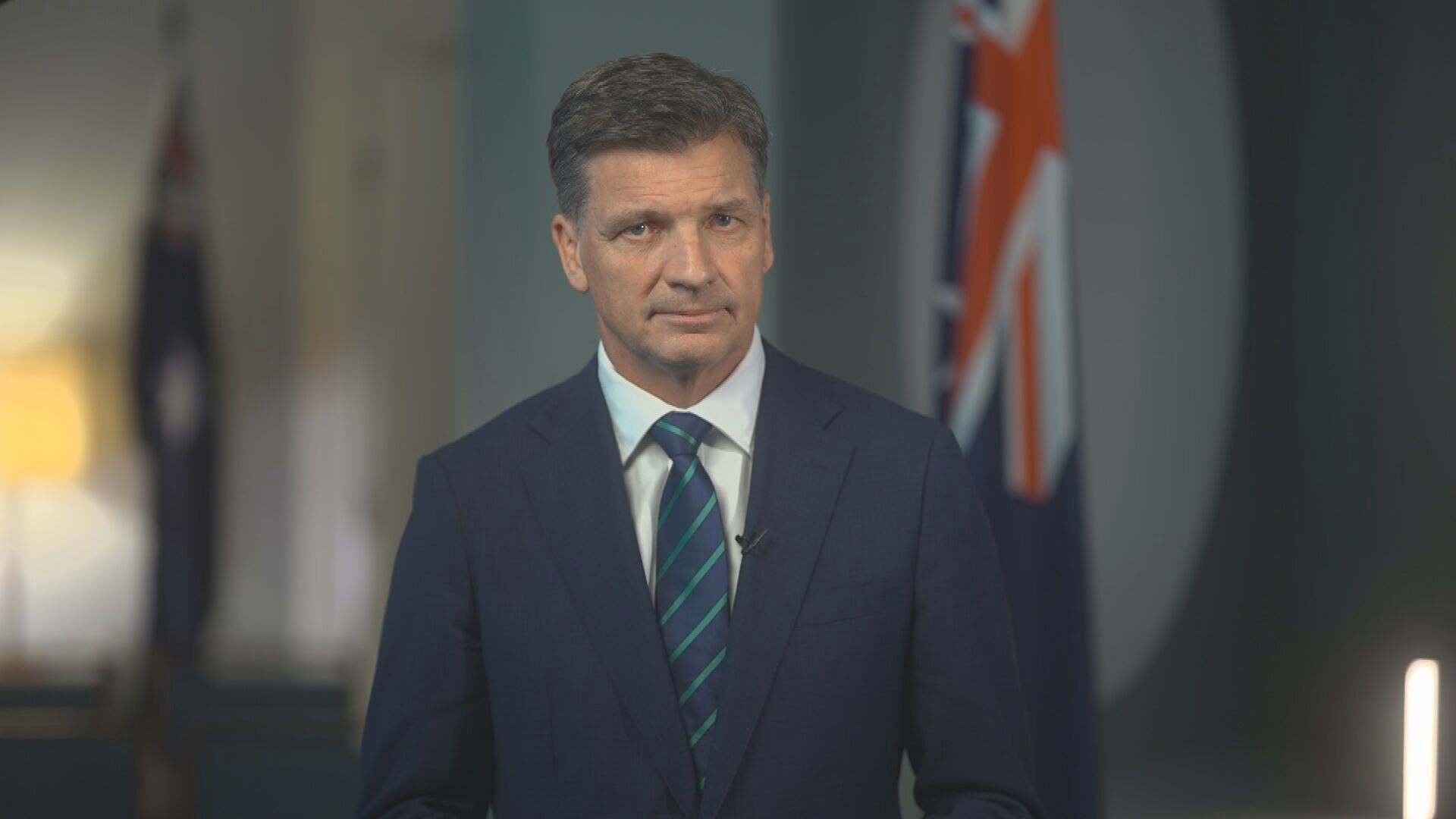
While the byelection is significant and could mark a disastrous defeat for the Coalition, experts warn that it does not capture the full picture.
Reed said byelections are often far removed from the context of future federal elections and are an opportunity for parties to heavily focus on a local battle rather than a national one.
He said voters also typically use byelections to "protest against the status quo" more than they do federal elections.
Ghazarian added that a One Nation win in Farrer does not guarantee a win at the next federal election.
"If One Nation can't win now, they're going to have real difficulty winning at a general election," Ghazarian said.
Nevertheless, victory today would pave the way for more One Nation successes at the 2028 federal election.
NEVER MISS A STORY: Get your breaking news and exclusive stories first by following us across all platforms.
- Download the 9NEWS App here via Apple and Google Play
- Make 9News your preferred source on Google by ticking this box here
- Sign up to our breaking newsletter here