One of the planet's largest glaciers is about to break apart, and it could have serious repercussions in Australia and abroad.
Thwaites glacier in Antarctica, sometimes nicknamed the "doomsday glacier", is about 120km wide and covers nearly the same area as Great Britain.
Now the massive floating ice shelf that stabilises the glacier is starting to detach.
LIVE UPDATES: Eleven Aussies on board aid ships intercepted by Israeli navy
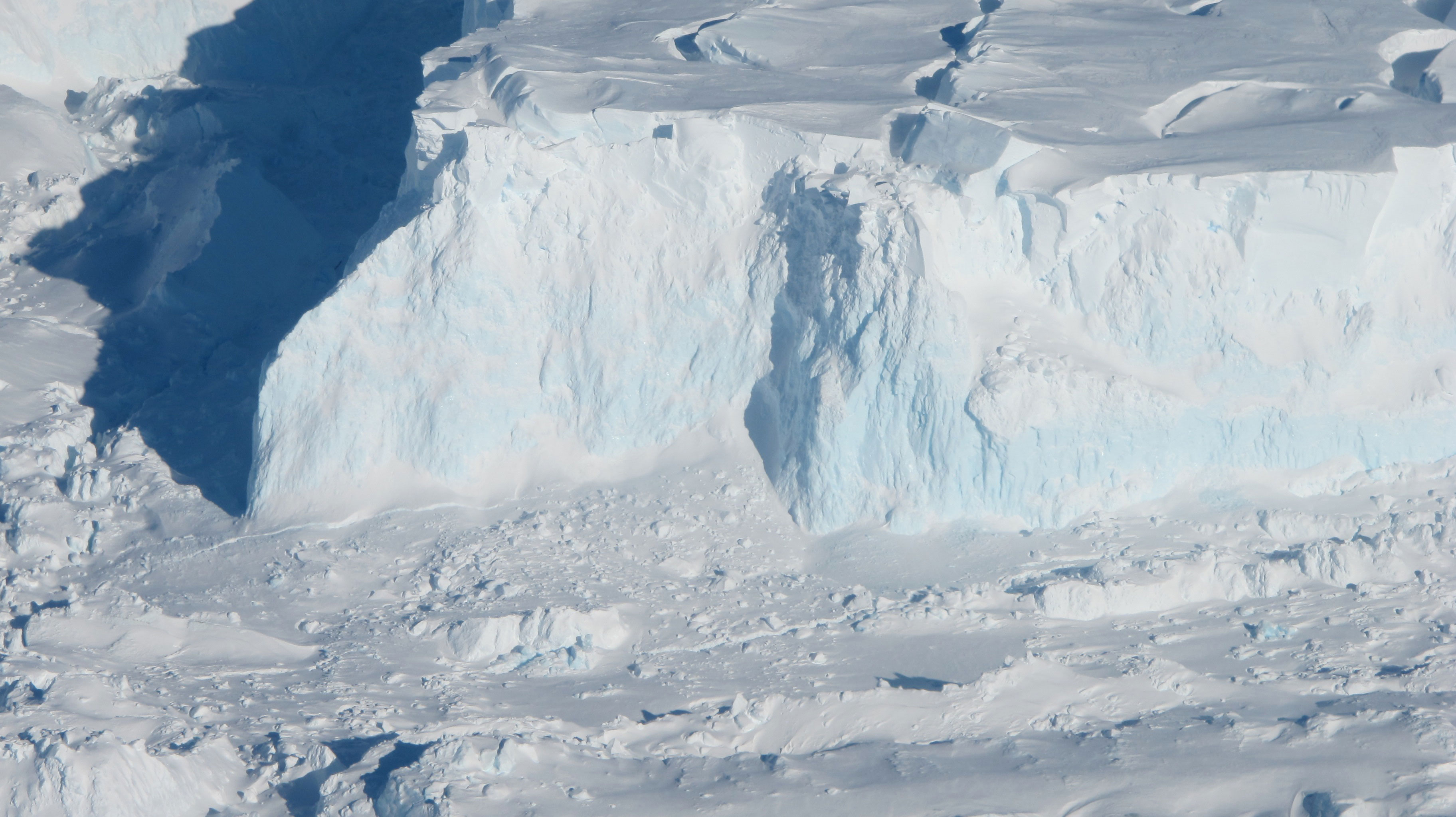
Satellite images show signs that the Thwaites ice shelf, a 45km wide body of sea ice that floats just off the glacier, is breaking away.
Massive fractures are now visible around the spot where it connects with the sea floor and meets the glacier.
The ice shelf is also moving a lot faster, another sign that it's about to tear free.
"Suddenly, large areas are just falling to pieces," Christian Wild at the University of Innsbruck in Austria told NewScientist.com.
"It looks like a windscreen that's shattering."
READ MORE: Confronting scenes inside Sydney home where woman, two kids killed
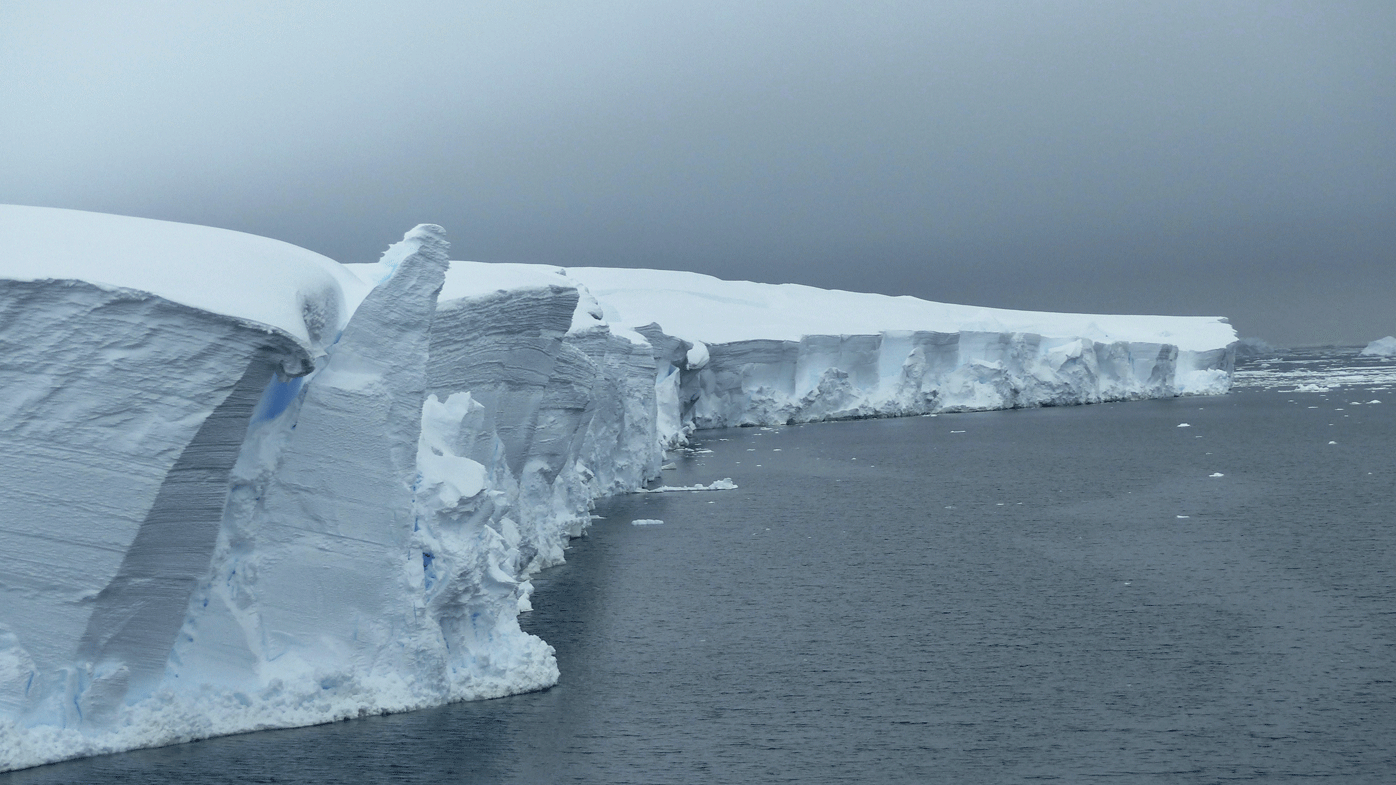
The British Antarctic Survey predicts the ice shelf's "final demise could happen suddenly" and has even prepared an 'obituary' press release for it.
Though it's impossible to predict exactly when the ice shelf will rip away from the Thwaites glacier, scientists expect the impact of it detachment will be significant.
It could even open the door to the glacier itself collapsing.
Without the ice shelf to buttress it, the Thwaites glacier is predicted to start moving and shrinking at a rapid rate.
It's been shrinking for years and is currently responsible for about 4 per cent of all global sea-level rise.
That number is predicted to spike when the Thwaites ice shelf detaches.
WORLD: Five killed in hail of bullets at US mosque
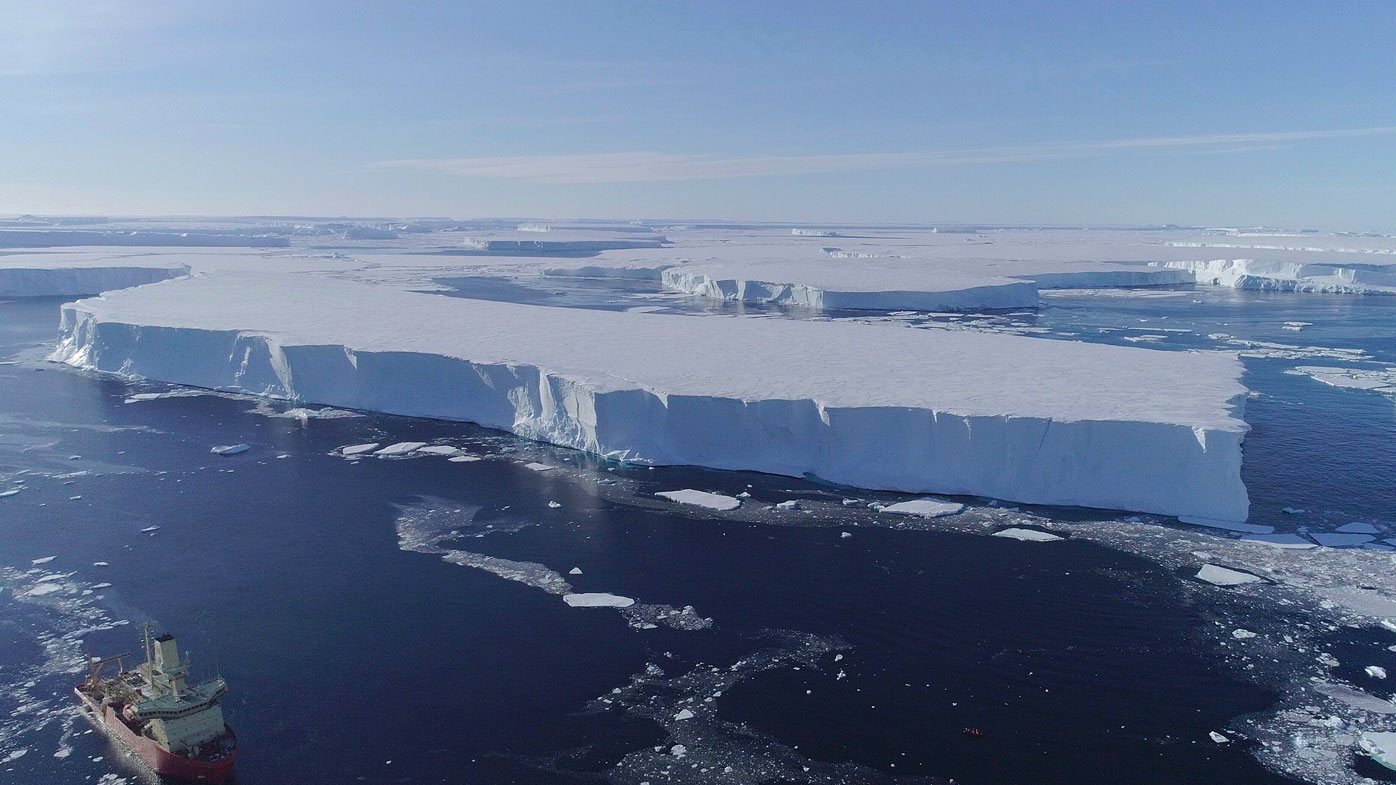
It could rise to catastrophic levels if the glacier itself collapses, which scientists say could happen suddenly and without warning.
If or when the Thwaites glacier collapses, it's expected to set off a domino effect across the West Antarctic ice sheet that could result in sea levels rising by more than 3m.
That would change coastlines across the globe and may put some of Australia's most iconic beaches underwater.
NEVER MISS A STORY: Get your breaking news and exclusive stories first by following us across all platforms.
- Download the 9NEWS App here via Apple and Google Play
- Make 9News your preferred source on Google by ticking this box here
- Sign up to our breaking newsletter here