A resurgence of an almost-eradicated, highly contagious disease in the Northern Territory has now spread across three state borders, in what federal Health Minister Mark Butler has described as a "very concerning" development.
The Northern Territory has recorded 133 cases of diphtheria to date, prompting a major push to increase vaccination rates amongst those in the hardest-hit communities.
One person in the Territory has died, although the exact cause of death remains under investigation.
READ MORE: Accused domestic violence killer was 'full-time carer' for slain boys

Western Australia is also facing a growing outbreak in the Kimberley, with 79 people confirmed to have the illness.
Now, it's been confirmed diphtheria has also spread across the South Australian and Queensland borders, with six and five cases recorded in those states respectively.
"This is probably the biggest diphtheria outbreak we've seen – certainly for decades," Butler told ABC National Radio this morning.
"There's no question this is serious."
Butler said "almost all" of the current cases in the NT were Indigenous Australians and the government was working with the Aboriginal-controlled sector to increase vaccination rates in those communities.
For decades, diphtheria was among the leading causes of death in Australian children, killing more than 4000 Australians between 1926 and 1935 alone.
READ MORE: The 'doomsday' glacier is on the verge of collapse
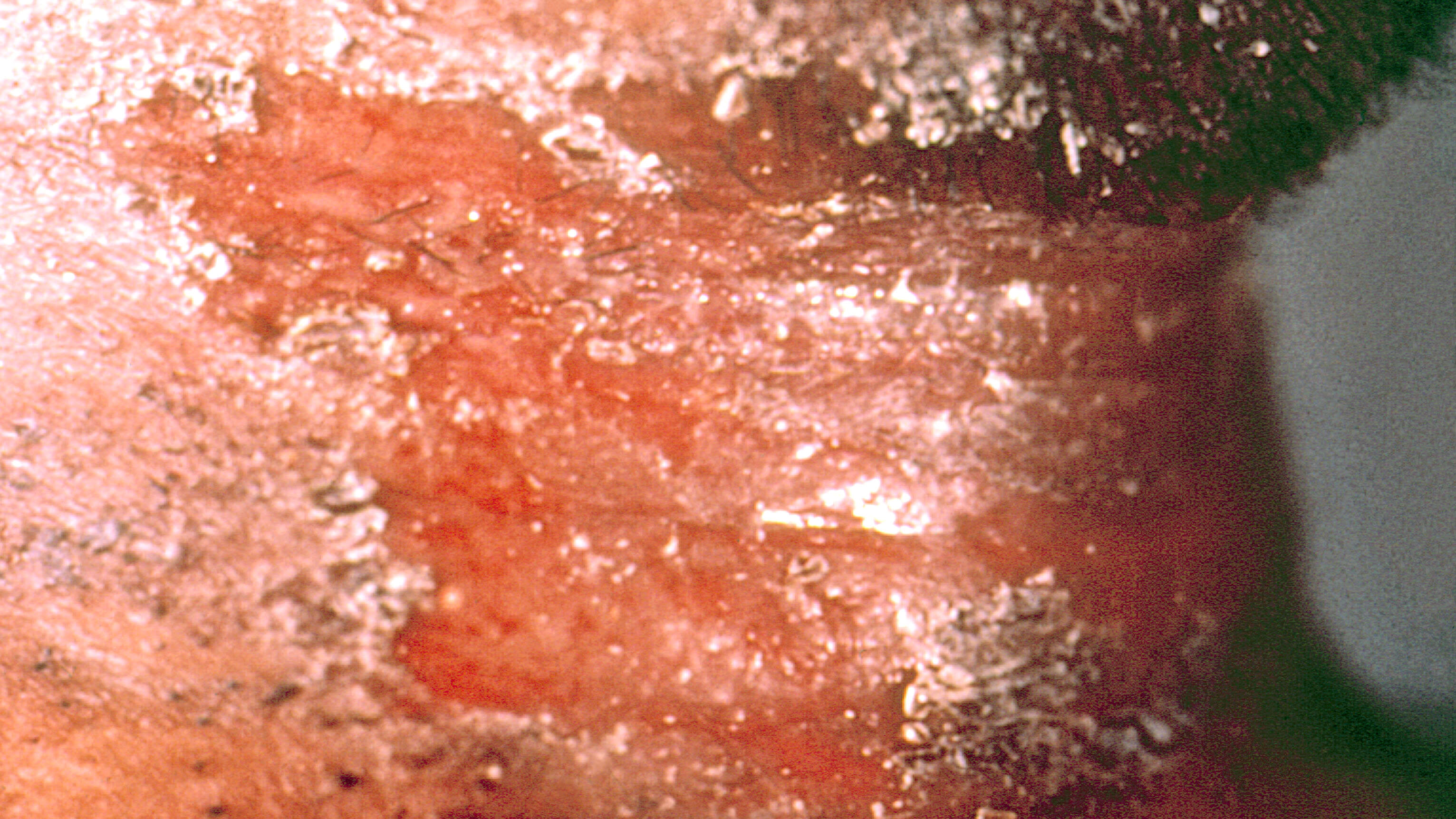
However, a vaccination drive starting in the 1940s brought it close to eradication by the 1950s.
Two children in New South Wales caught diphtheria in 2022 but the last death was recorded in an unvaccinated adult in 2018.
It's thought that a drop in childhood vaccination rates globally following the COVID-19 pandemic may be contributing to the current resurgence.
Australian children are vaccinated against diphtheria through a series of shots starting at two months old as part of the National Immunisation Program.
But the number of fully vaccinated children has been creeping downwards since 2020, with the number of two-year-olds who are fully vaccinated dropping below the crucial threshold of 90 per cent for the first time in 2024.
Diphtheria is caused by toxins produced by certain strains of Corynebacterium bacteria.
Early symptoms are similar to that of a cold or flu, including a fever and sore throat, but the more severe form of the disease - respiratory diphtheria – causes swelling of the throat and neck which can block the airways and impact breathing.

The bacterial toxin can also damage the heart, kidneys, brain and nerves.
Spread through respiratory droplets from coughing and sneezing as well as skin sores, it is highly infectious.
Head of Immunisation and Health Systems Strengthening at Burnet Institute, Dr Milena Dalton, said the scale of the current outbreak was "deeply concerning".
"This is no longer an isolated outbreak, and it highlights how quickly vaccine-preventable diseases can re-emerge when there are immunity gaps," she said.
"Diphtheria remains rare in Australia because vaccination works. But this outbreak is a reminder that rare does not mean impossible, and that protection needs to be maintained through timely boosters for adolescents and adults.
"Vaccination and boosters remain our best protection… and they are especially urgent in communities where people face barriers to healthcare."
NEVER MISS A STORY: Get your breaking news and exclusive stories first by following us across all platforms.
- Download the 9NEWS App here via Apple and Google Play
- Make 9News your preferred source on Google by ticking this box here
- Sign up to our breaking newsletter here