NASA has signalled plans to establish a permanent base on the moon and will aim to send astronauts back to the lunar surface before the end of President Donald Trump's administration in 2028.
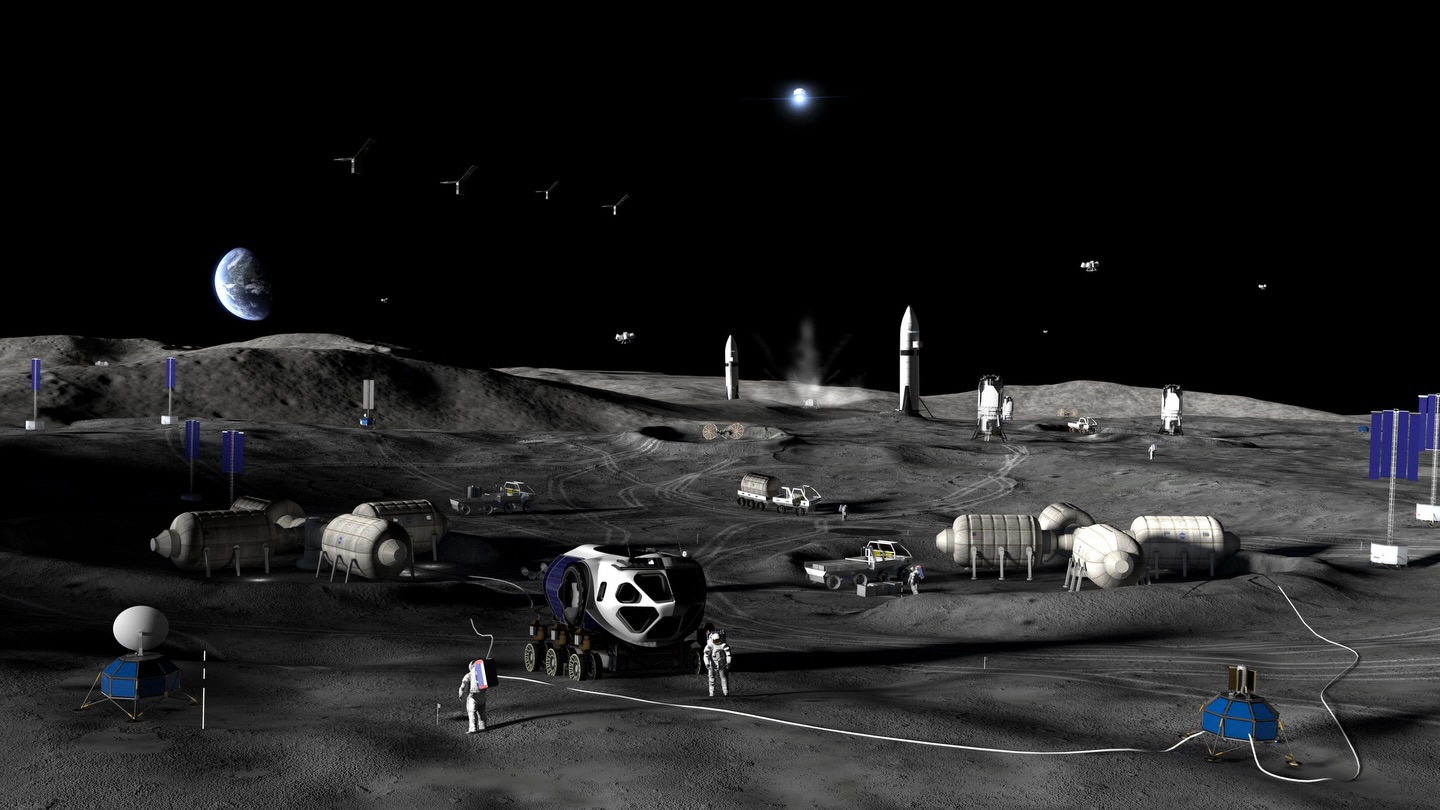
The space agency released details of a three-phase mission that will eventually build habitable infrastructure on the moon to allow humans to "live and operate in one of the most demanding and dangerous environments imaginable".
The first uncrewed first moon base mission is scheduled no earlier than September 2026 and forms part of NASA's long-term goal of sending humans to Mars.
READ MORE: 'Far better off': Aussie bosses warn of mass exodus after tax changes
READ MORE: Trump says he's in 'perfect' health after medical check-up
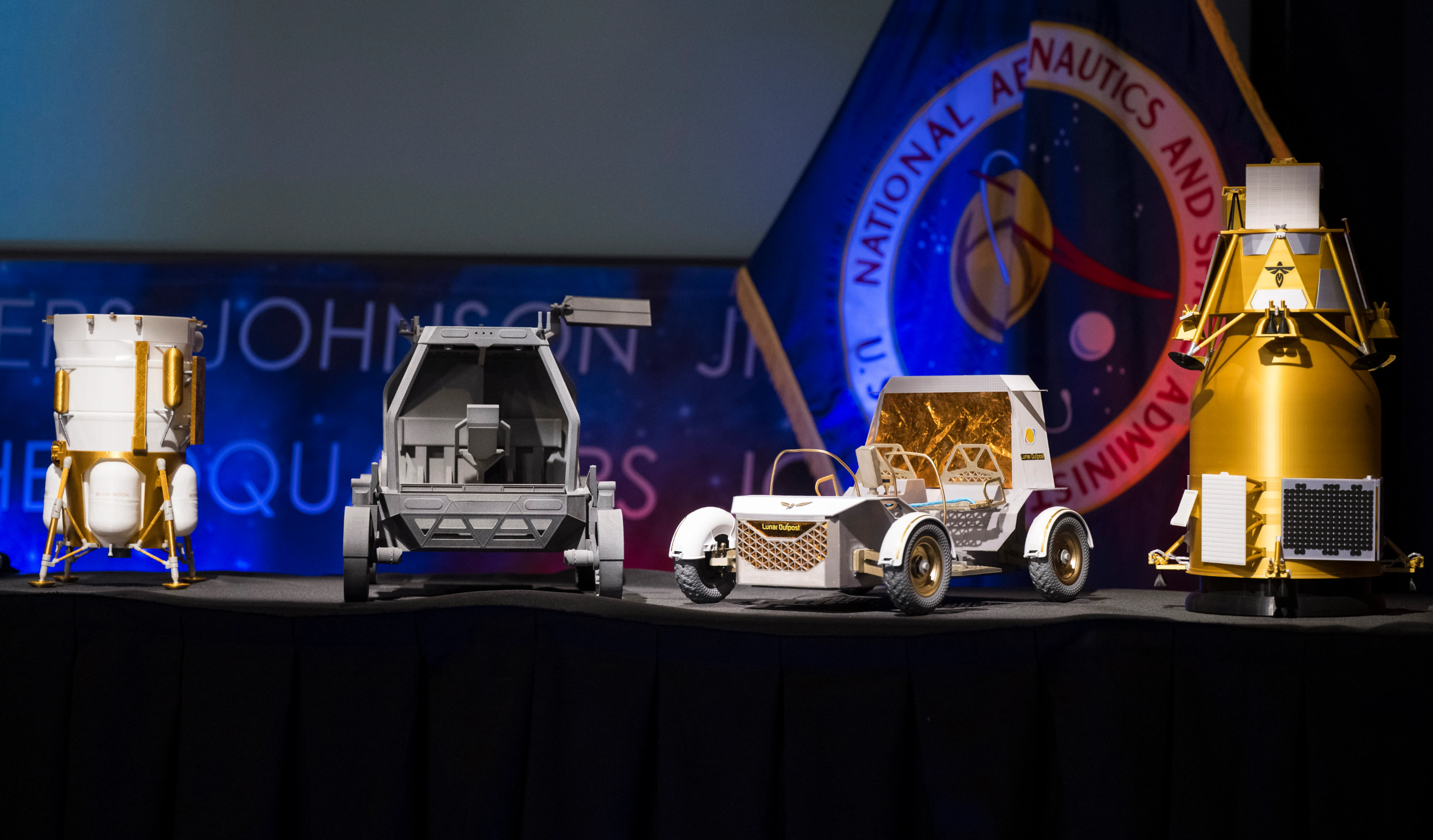
Amazon founder Jeff Bezos' company Blue Origin has been selected to send its Blue Moon Mark 1 Endurance landers to deliver the first NASA equipment to the surface.
A $188 million ($A267 million) contract has been awarded to Blue Origin for this mission.
A second mission later this year will deliver nearly 500 kilograms of cargo, including a rover, which will help scientists and engineers on earth build a proper lunar terrain vehicle.
The third mission, also targeted for 2026, will fly the first payload which will assist in global scientific investigations and experiments on the moon.
More than a dozen other missions are planned over the coming years ahead of crewed astronaut visits.
Each mission has been designed to "generate operational data and reduce risk" ahead of crewed Artemis missions on the moon, which NASA hopes will be achieved by 2028.
Before this, a mission known as MoonFall will send four drones to fly hops around the lunar surface to survey potential landing sites for Artemis astronauts.
READ MORE: Creek beds, waterways focus of new Gus Lamont search
"The Moon Base will be America's and humanity's first outpost on another celestial world," NASA Administrator Jared Isaacman said.
"Every mission, crewed and uncrewed, will be a learning opportunity as we return to the lunar surface, build the infrastructure to stay, and master the skills required to live and operate in one of the most demanding and dangerous environments imaginable.
"We will go for the science, for all we stand to gain from an economic and technological perspective, for the innovations that will make life better here on Earth, and to prepare for where we will inevitably go next."
Isaacman thanked Trump for his "leadership" and the bipartisan commitment from congress to achieve NASA's cosmic ambitions.
He said the support will enable NASA to achieve what was once believed to be impossible.
READ MORE: Warning of flight delays at Sydney airport as thick fog covers city
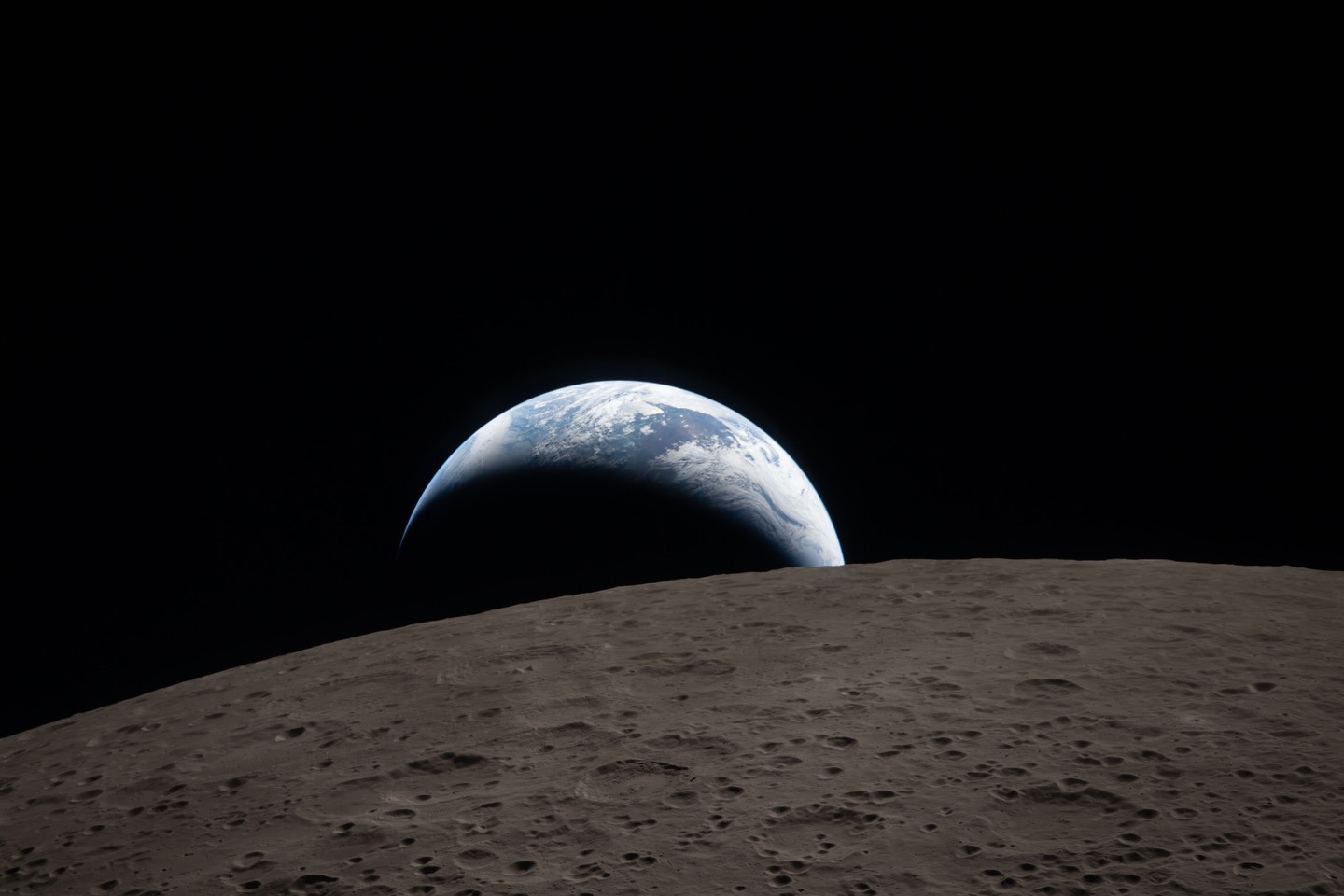
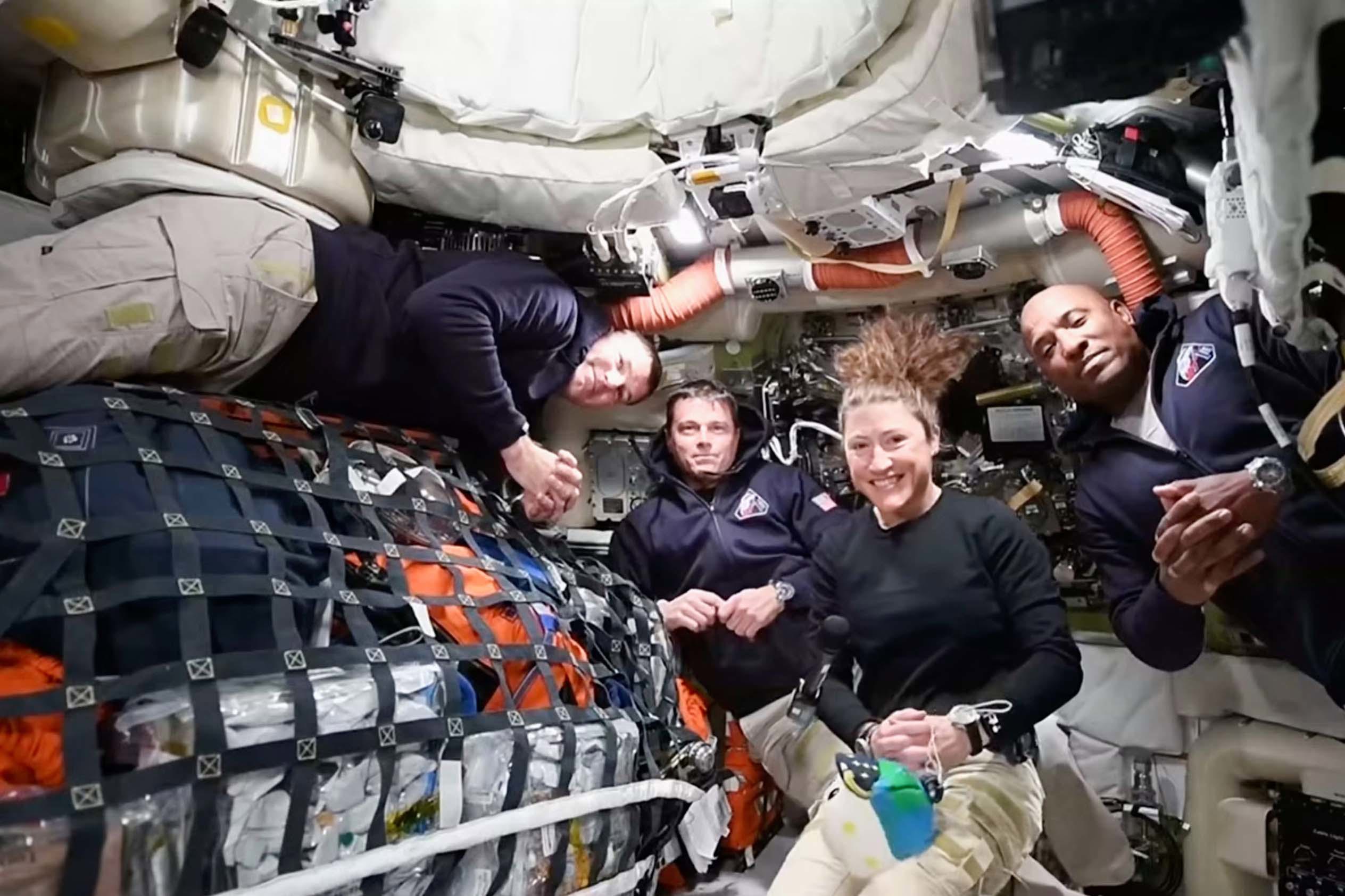
NASA's lunar missions follows the successful Artemis II mission to the moon, which sent four astronauts into orbit around the moon in April for the first time since 1972.
The agency said it will provide an update on the upcoming Artemis III mission, including which astronauts have been assigned to the flight, on June 9.
Artemis III will see the astronauts launched from NASA's Kennedy Space Centre in Florida aboard the Orion spacecraft on the SLS (Space Launch System) rocket.
It will test "critical rendezvous and docking capabilities between Orion and commercial human landing systems" which are needed to send crews to the lunar surface, NASA said.
The US is now in a race against China for a spot on the moon.
China's space program is planning a manned lunar voyage by 2030 and is working on plans for an established base on the moon by 2032.
The country launched three astronauts into space on its Shenzhou-23 vessel on Sunday as part of its lunar ambition.