Plans to implement fuel restrictions may require bespoke legislation.
All posts by FreeNews
Bay of Plenty private ambulance operators sentenced for deception over use and access to controlled drugs
The pair claimed they were injecting drugs into fruit for training purposes.
Two people die after truck crash on SH57 near Levin, road remains closed
Emergency services were called to the double-fatal crash about 2.30am.
Iran vows to shut Strait of Hormuz as Trump threatens power plant strikes – The Front Page
Trump has vowed to ‘obliterate’ Iranian power plants if his demands are defied.
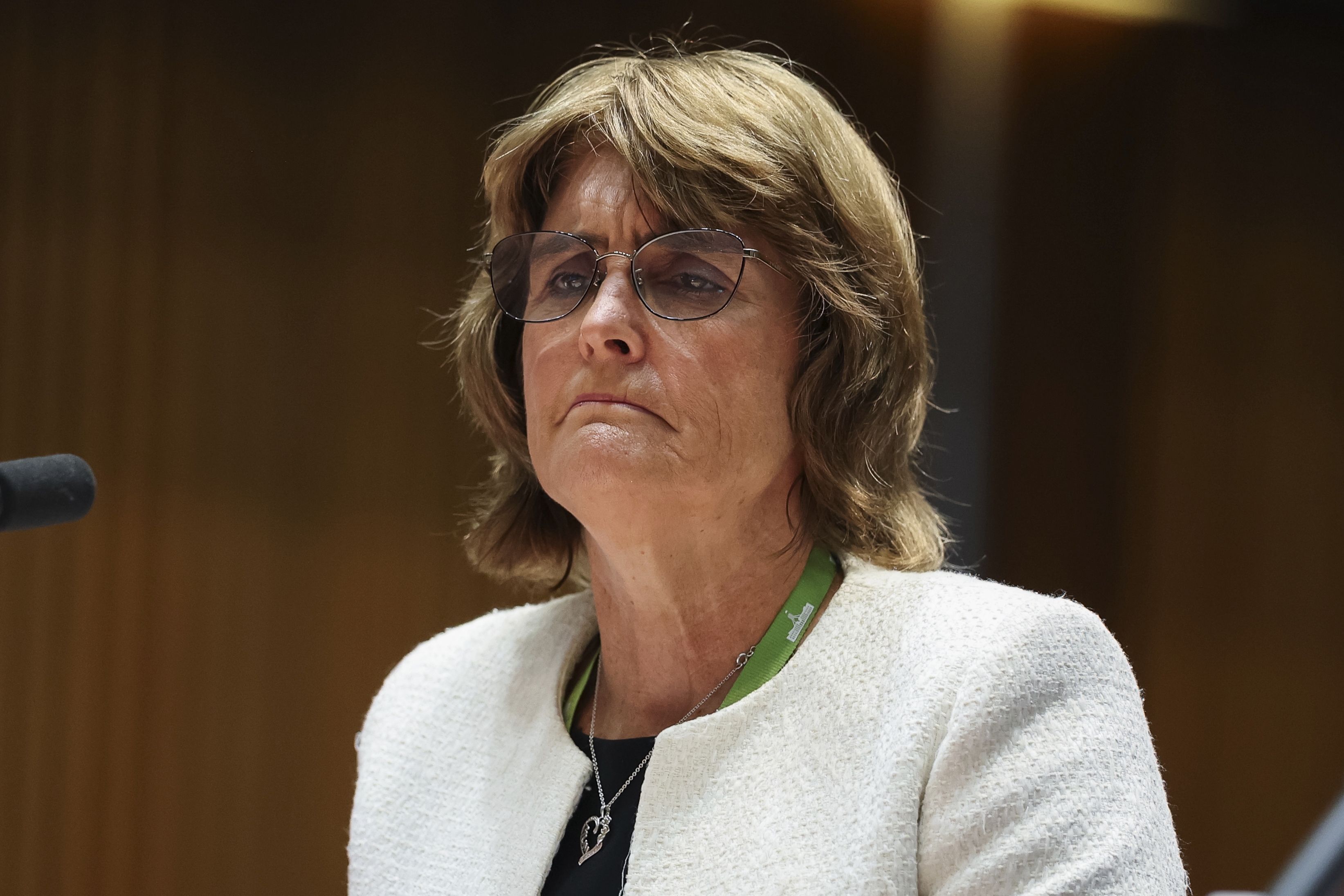
RBA boss buys $2m luxury holiday house on rate hike day
Reserve Bank governor Michele Bullock settled on a $2 million holiday home on the same day the RBA increased the cash rate.
Bullock and her husband Ian, who jointly own two other investment properties, bought the four-bedroom home in Yamba in NSW's Northern Rivers region on February 3 and finalised the transaction on the day the RBA board hiked interest rates to 4.1 per cent.
The purchase was noted in Bullock's updated declaration of material interests on the RBA's website, published on March 17.
LIVE UPDATES: Iran's latest threat after Trump issues ultimatum over Strait of Hormuz.
READ MORE: Almost half of Australians think attack on home soil 'probable'
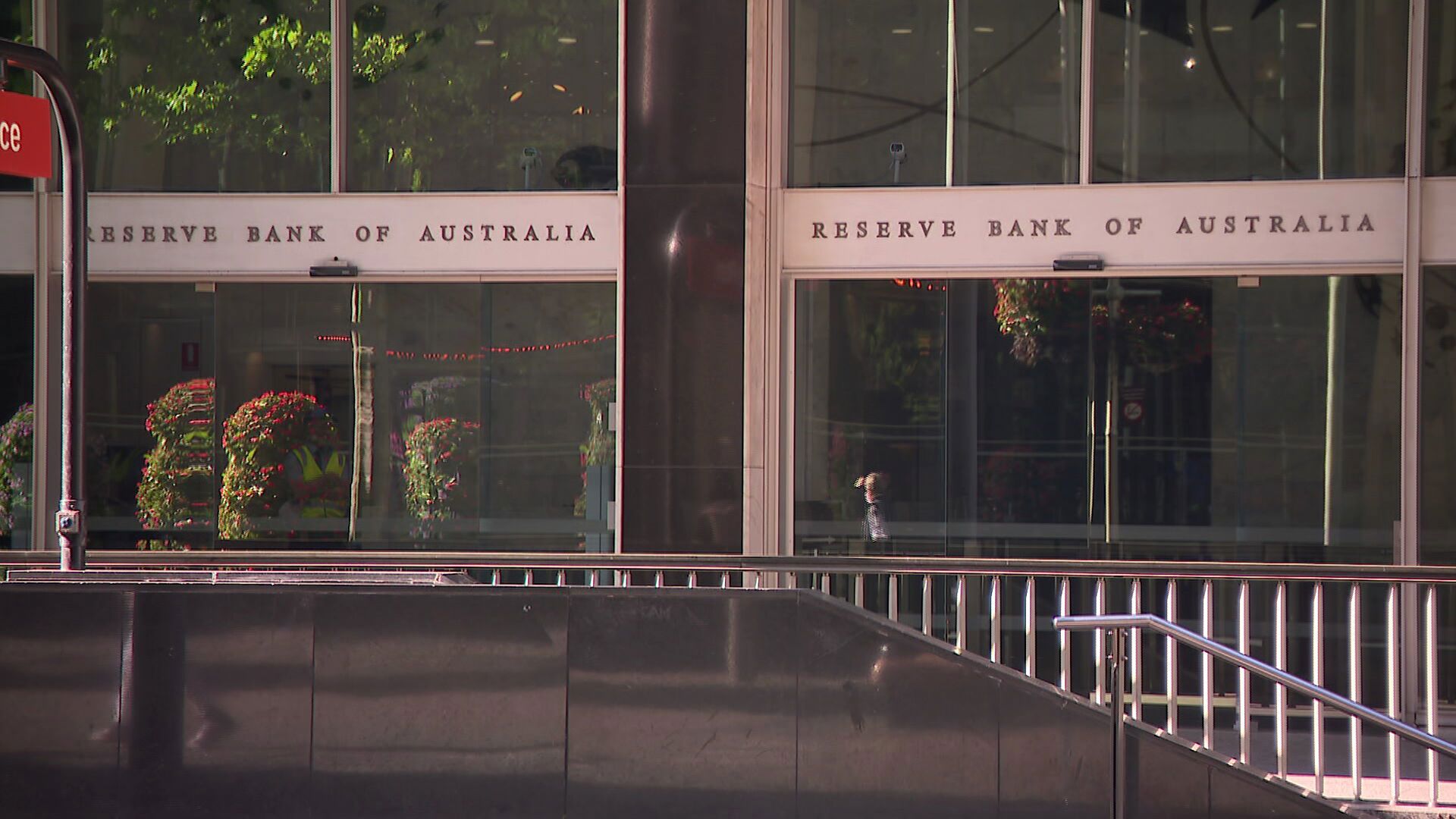
On that same day, the RBA informed Australian borrowers that it had lifted the cash rate for the second time in as many months.
Bullock's new $2.05 million home includes four bedrooms, two bathrooms and a wine cellar.
The spacious home, located around 1.5 hours from Byron Bay, is described as "luxurious coastal living" by the agent who sold the home.
The RBA document also lists Bullock's three other homes in Sydney, including her primary residence in Russell Lea and two other investment properties in Chiswick and Drummoyne.
NATIONAL: Energy Minister backs working from home amid fuel crisis
Bullock earns $1.195 million per year in her taxpayer-funded role.
The RBA declined to comment.
RBA's monetary policy board decided to increase the cash rate by 0.25 percentage points to 4.10 per cent, citing high inflation and the oil price spike caused by the war in the Middle East as deciding factors.
Australia's big four banks have predicted triple rate hike pain, with economists forecasting yet another cash rate increase at the RBA's meeting in May.
NEVER MISS A STORY: Get your breaking news and exclusive stories first by following us across all platforms.
- Download the 9NEWS App here via Apple and Google Play
- Make 9News your preferred source on Google by ticking this box here
- Sign up to our breaking newsletter here
How much fuel does Australia have left?
As the Middle East conflict continues to drift into unchartered territory, fuel fears continue to escalate and prices are skyrocketing around the world.
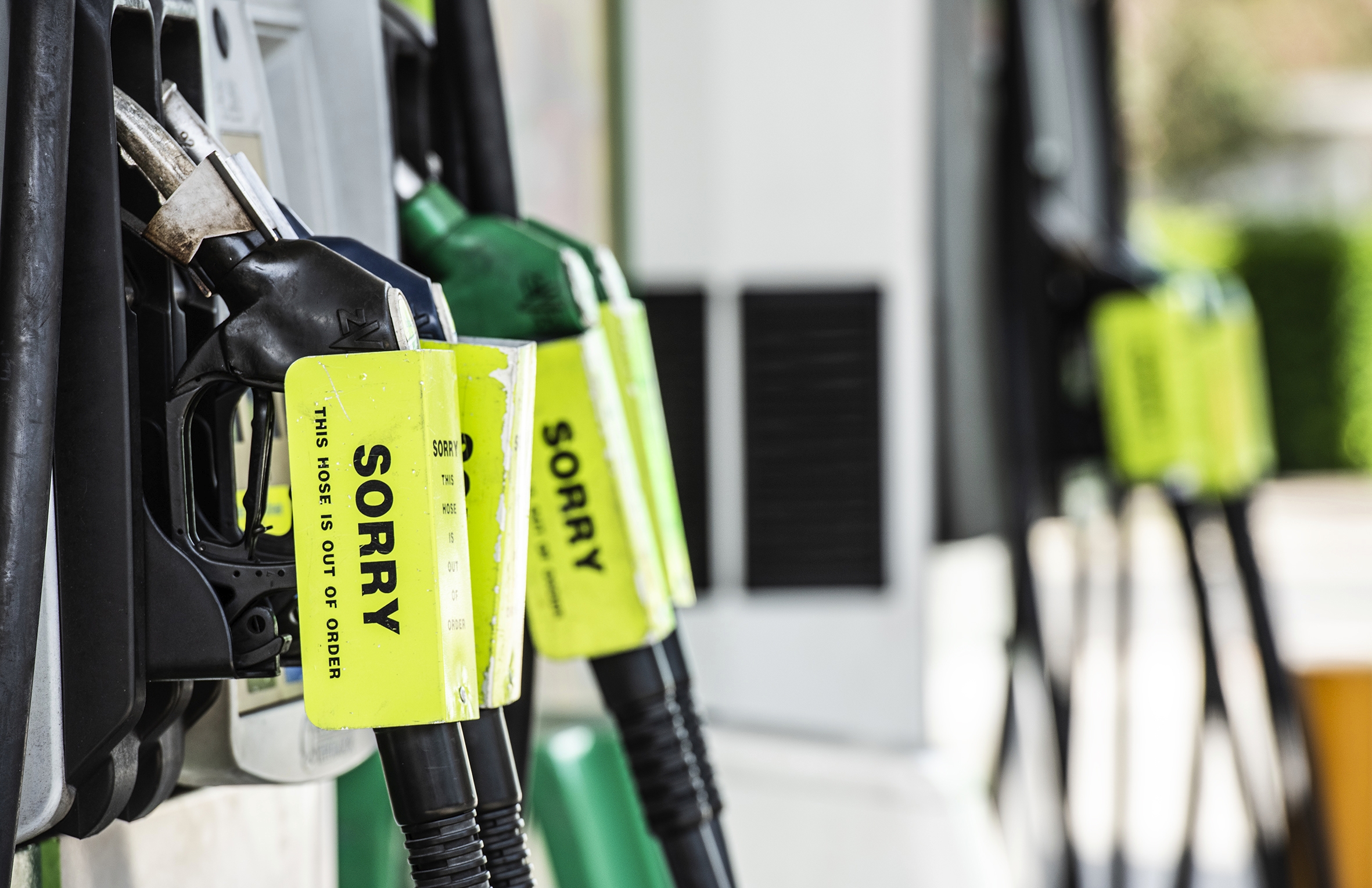
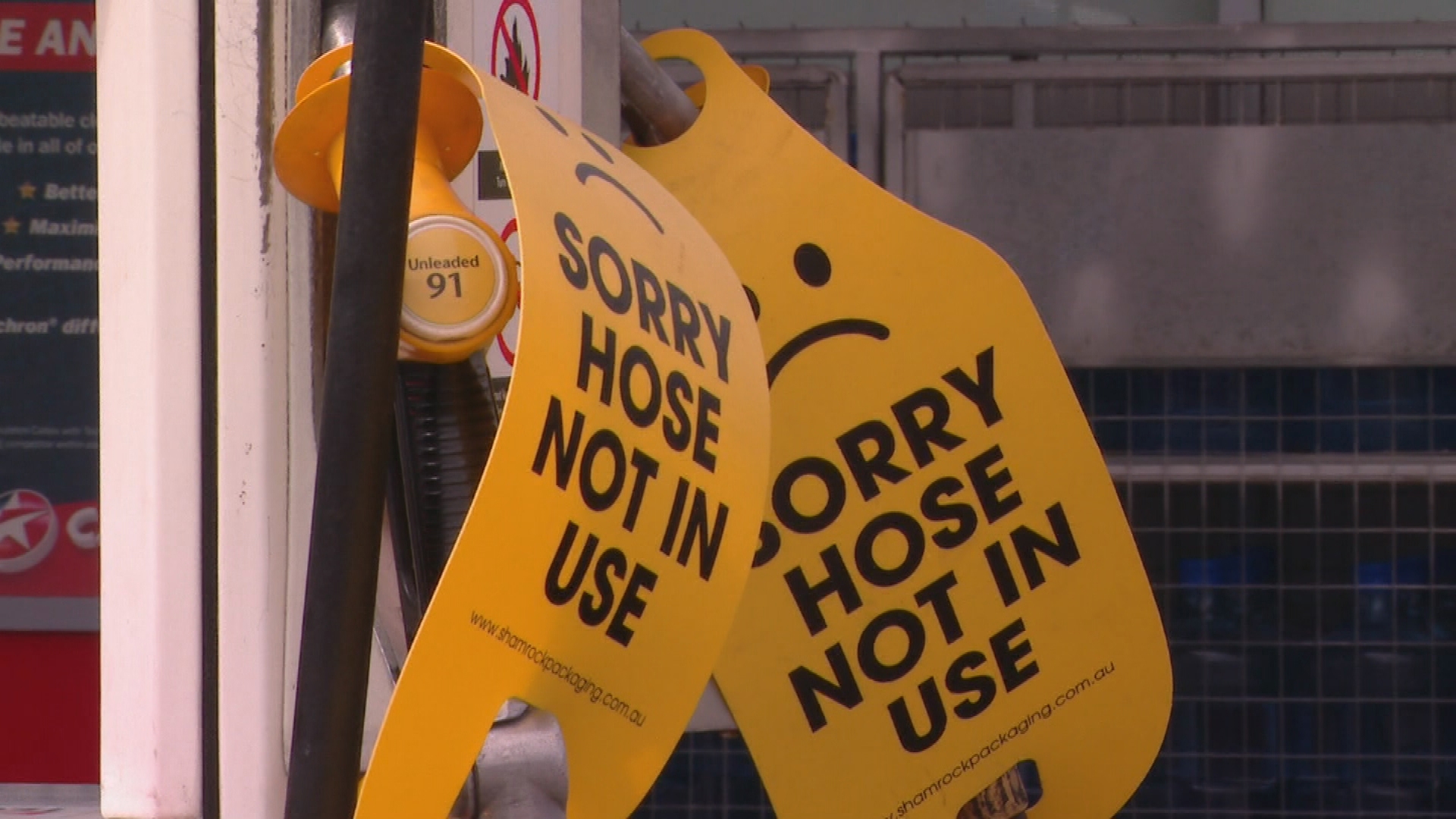
Prices are reaching close to $3 a litre for petrol and diesel in parts of the country, and some petrol stations in both cities and rural towns are running out altogether.
The government has insisted there is no issue of fuel supply, but how much fuel is actually left in Australia?
READ MORE: 7-Eleven faces complaints over 'disappearing' fuel price lock feature
How much fuel does Australia have left?
It is difficult to come up with an exact figure of fuel that Australia can use, but energy minister Chris Bowen gave a hint in an interview yesterday.
"Supply of petrol has gone up a little bit, [we have] 38 days worth of supply," he said on ABC's Insiders.
"Diesel and jet fuel [are] both at 30 days, which is pretty flat and that indicates that while we've released more from the strategic reserve, the ships continue to arrive in good numbers.
Bowen said the figures were updated just a day before, and he insisted Australia's refineries were working at full capacity and only focused on getting fuel to Australian suppliers, not foreign exports.
This has remained steady at levels seen at the start of the conflict earlier this month.
READ MORE: Almost a third of Aussies changing driving habits as petrol prices explode
Where does Australia get its petrol from?
Australia gets most of its oil from overseas; in fact, just 10 per cent comes locally.
That said, almost none of it comes from the Middle East region; instead, Australia gets much of its oil from Asian countries.
While you may think this means Australia shouldn't be hit hard by a conflict in the Middle East, think again.
South Korea and Singapore are the biggest suppliers of Australia's oil, with Malaysia, India, Taiwan and China also contributing highly.
However, these countries get most of their oil from the Persian Gulf region, including Saudi Arabia, Iraq, the UAE, Qatar and Oman.
All of these countries have not only been impacted by Iranian strikes, but are also unable to get ships through the Strait of Hormuz due to Iran's blocking of it.
READ MORE: Think Australian petrol prices are bad? NZ soars past $3 a litre
Will Australia have to ration fuel?
It was something whispered quietly last week, but governments at all levels are insisting fuel rationing will not be required at the moment.
However, some experts claim fuel rationing would actually be a smart option to help ease the fuel crisis.
"It is better to act sooner rather than later given our limited reserves and the spectre of early fuel price buying, queuing and hoarding," former head of the ACCC Allan Fels said today.
"There's already discussion of some relatively soft steps which could include rationing of access to petrol based on odd/even number plates; driving every second day; working from home and speed limits.
"One problem with soft approaches (often proclaimed by governments with much fanfare) is that rather than reducing demand, they induce a rush to the bowsers by a public troubled by the adoption of rationing."
And even though the government is quick to discount the need for fuel rationing, if the war goes on for much longer than expected, it may be unavoidable.
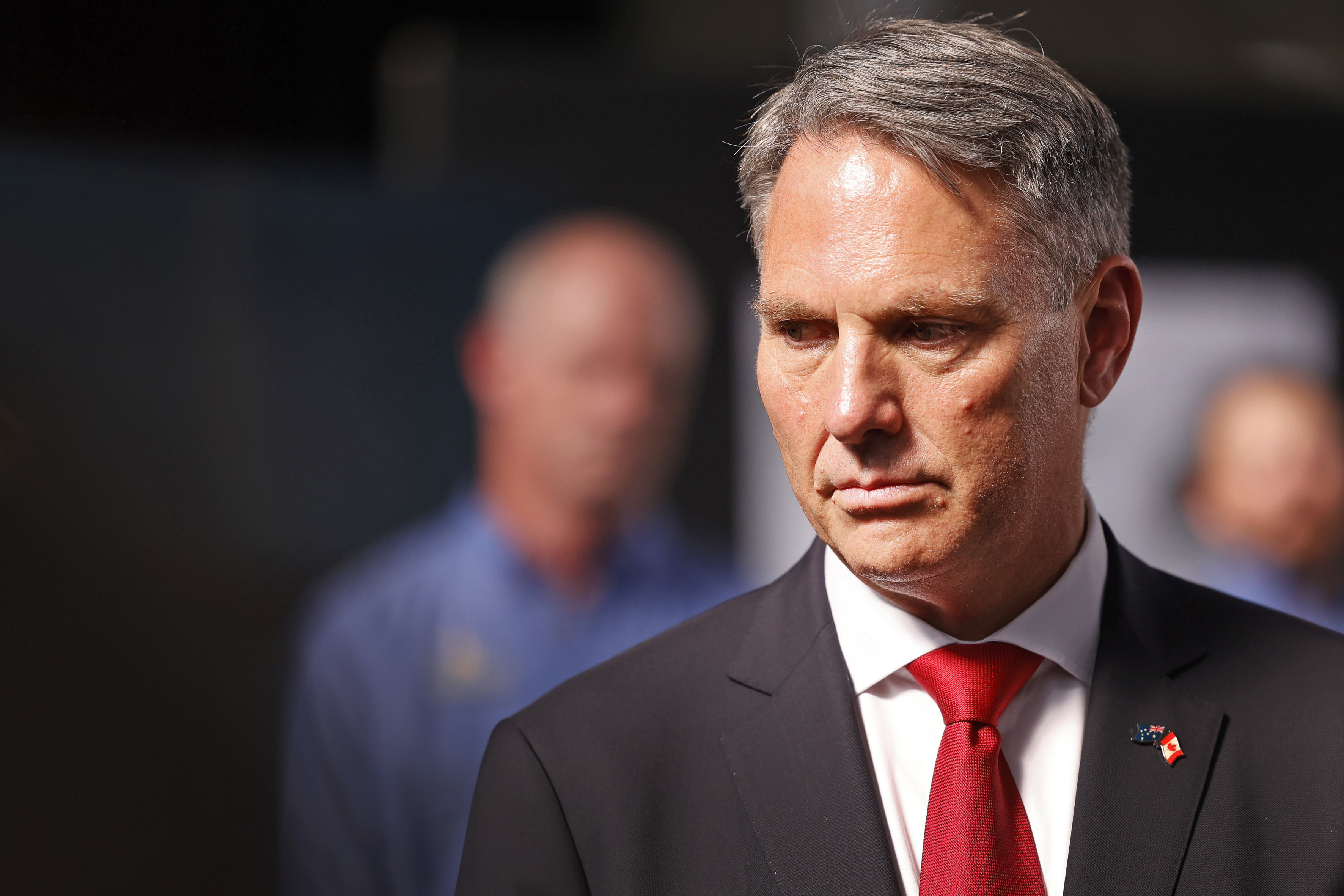
"Obviously, this is a function of how long this conflict continues, and that's not something that I can answer in terms of what's going to happen," Deputy Prime Minister Richard Marles said last week.
READ MORE: Why work from home is a 'sensible' option for millions in fuel crisis
When was the last time Australia had fuel rationing?
Australia has not rationed fuel since 1979, and ironically, that had something to do with events in Iran as well.
Back then, workers at fuel refineries in the country went on strike, which combined with fuel supply disruption caused by the Iranian Revolution, forced the government to take action.
Before that, the last time wide-scale fuel rationing was implemented was during World War II.
When will fuel prices go down in Australia?
It all depends on when the cost of oil overall goes down.
At the moment, the cost remains high and could get even higher still as the conflict disrupts global trade and forces the cost of oil to remain at an elevated cost. This was also seen during the early days of Russia's invasion of Ukraine.
LIVE UPDATES: Aussie industry on its knees issues dire warning
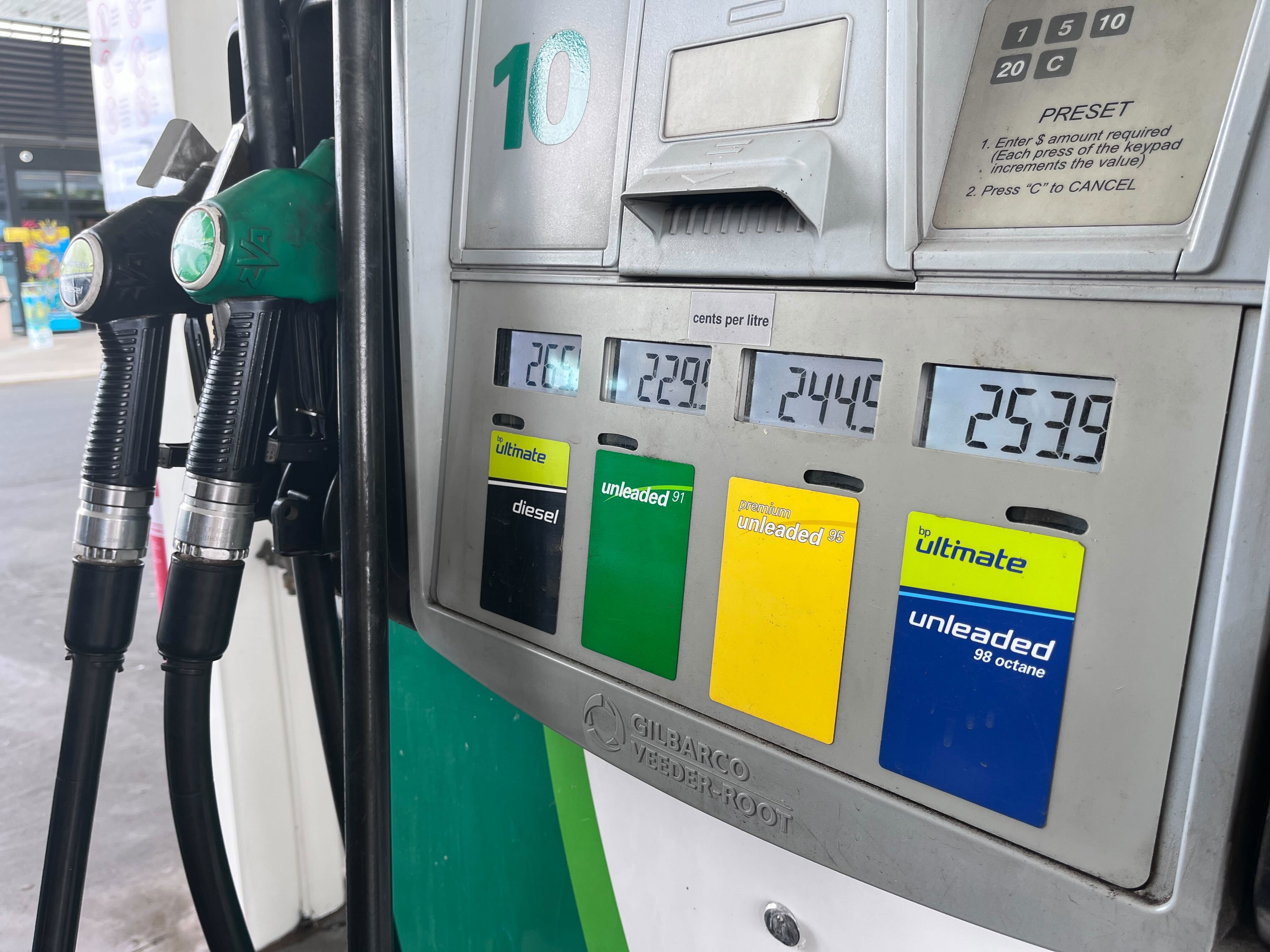
Higher demand at the pumps also doesn't help as people continue to hoard and panic buy petrol.
Governments at all levels have urged Australians not to do this, as it can actually compound the problem of fuel supply and the cost of petrol at the pump overall.
NEVER MISS A STORY: Get your breaking news and exclusive stories first by following us across all platforms.
- Download the 9NEWS App here via Apple and Google Play
- Make 9News your preferred source on Google by ticking this box here
- Sign up to our breaking newsletter here
Ex-Tropical Cyclone Narelle dumps heavy rain on march across Top End
Ex-Tropical Cyclone Narelle is dumping heavy rainfall across the Top End triggering flood warnings, as it moves west towards the Kimberley today.
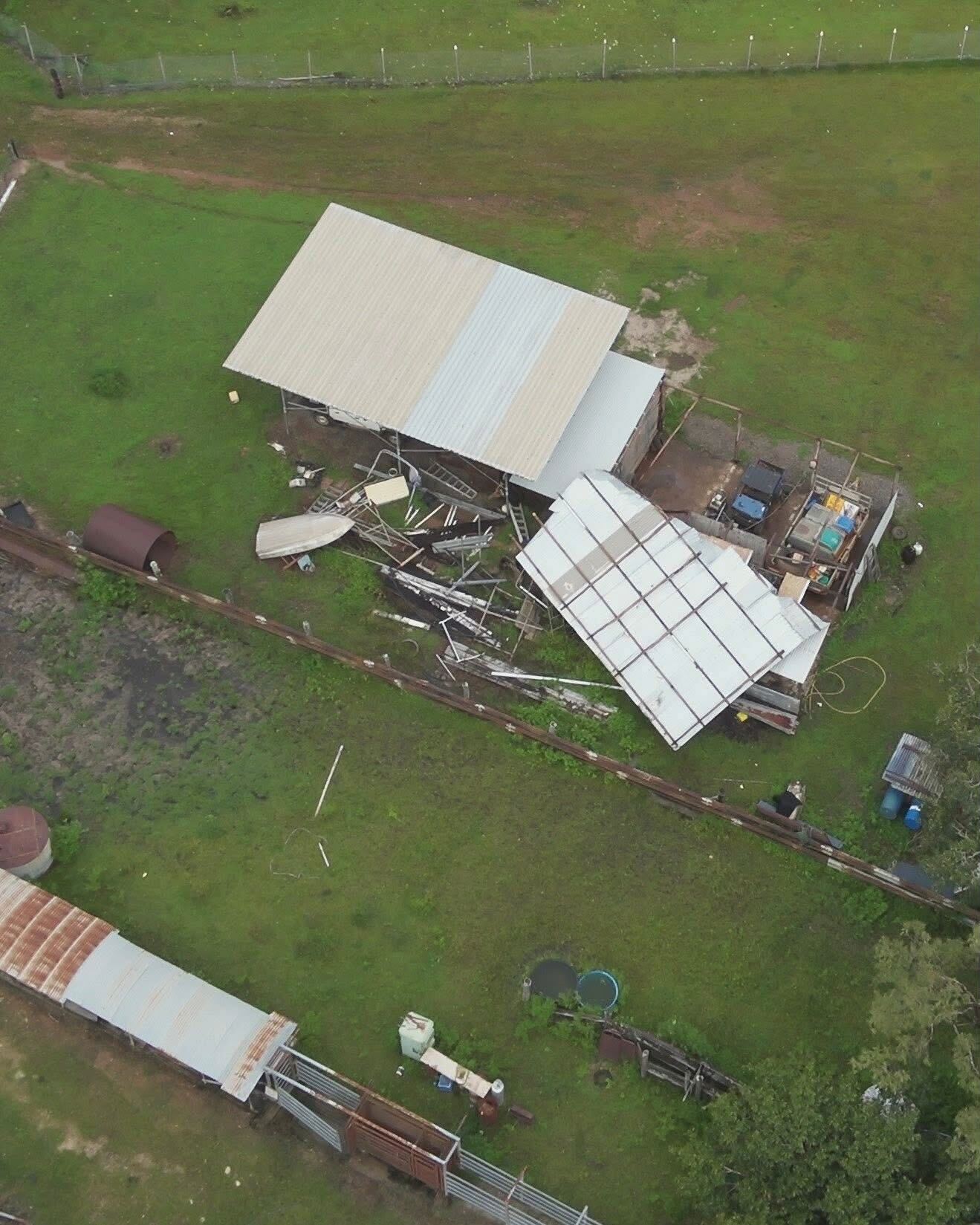
The severe tropical cyclone made landfall in the Northern Territoryas a category 3 system early on Sunday bringing with it wind gusts of up to 185km/h after moving across Queensland on Friday.
The system, which has now weakened to a tropical low brought heavy rainfall yesterday and overnight, up to 200mm in some areas, according to the Bureau of Meteorology.
READ MORE: Why work from home is a 'sensible' option for millions in fuel crisis
Adelaide River received 197 mm, Central Plateau copped 170mm and 166mm fell at Howley Creek.
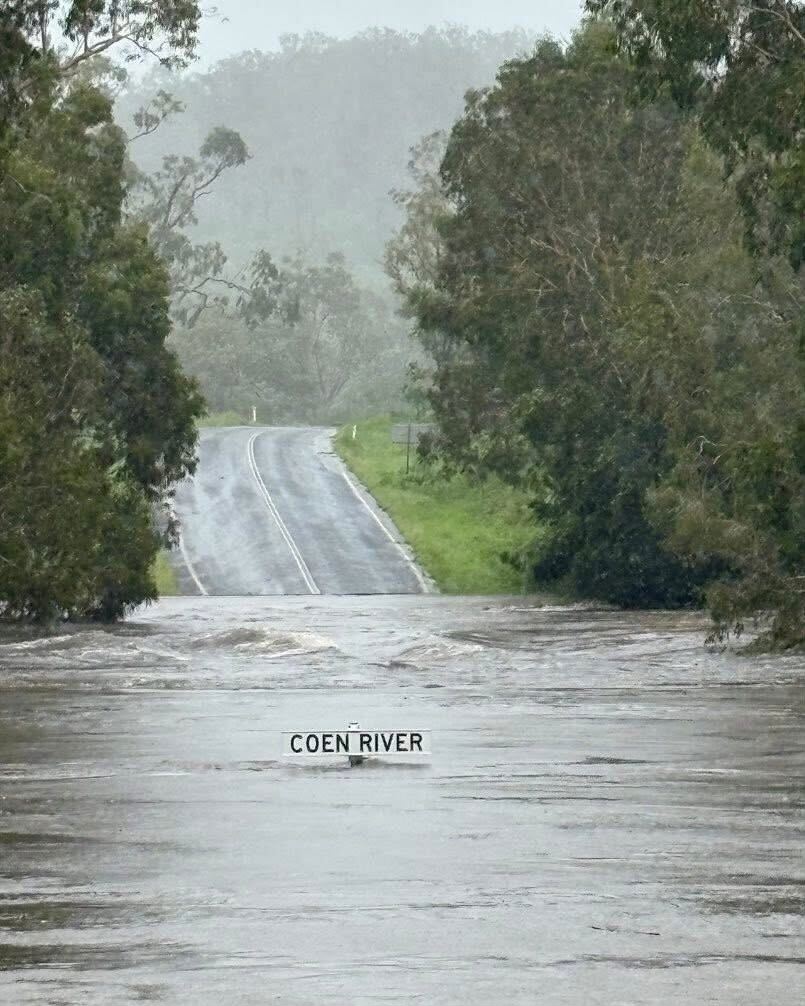
"We have major flood warnings current for the Upper Adelaide River, the Daly River, the Katherine and Waterhouse Rivers," Bureau meteorologist Ilana Cherny said.
"Even after this rainfall eases, we are likely to see flooding impacts persist into the coming week."
READ MORE: Clean up under way after Tropical Cyclone Narelle hits Far North Queensland
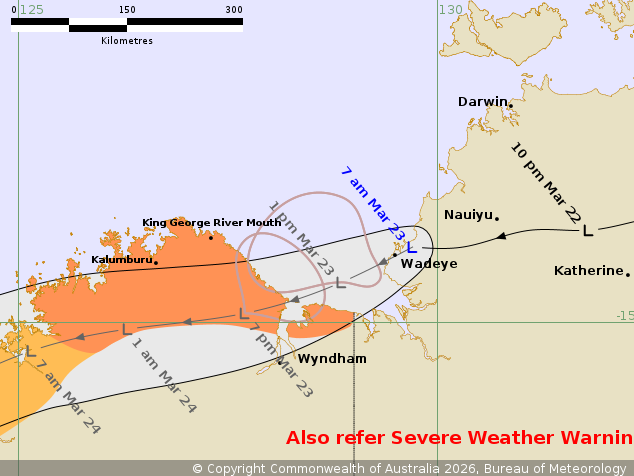
Narelle will today move over the Joseph Bonaparte Gulf and into the Northern Kimberley.
Forecasters expect it to continue dumping heavy rain across that region into tomorrow before it moves offshore of the west Kimberley coast where it could restrengthen into a tropical cyclone by Wednesday.
"It is a high chance of redeveloping into a tropical cyclone by early Wednesday morning," Cherny said.
This would place it north of the Pilbara coast and moving west southwest.
READ MORE: Almost half of all Australians think an attack on the country is 'probable'
A tropical cyclone warning has been issued for the area from Mitchell Plateau to the Western Australia and Northern Territory border, with a watch area from Beagle Bay to Mitchell Plateau.
While it is likely to remain mostly offshore, it could cause large waves, squally showers and gale force winds along the Pilbara coast.
After Thursday, the path of the system becomes more difficult to predict.
"There is a possibility that the system will directly impact Perth during next weekend, however, models are currently showing a range of different scenarios," Cherny said.
NEVER MISS A STORY: Get your breaking news and exclusive stories first by following us across all platforms.
- Download the 9NEWS App here via Apple and Google Play
- Make 9News your preferred source on Google by ticking this box here
- Sign up to our breaking newsletter here
Think Australian petrol prices are bad? NZ soars past $3 a litre
Australians feeling the pain at the bowser might spare a thought for their cousins across the ditch.
In New Zealand, the price of regular unleaded petrol has surged to an average of $NZ3.32 ($2.76) a litre.
Some service stations are currently selling petrol for as high as $NZ3.49 ($2.90) a litre, with economists forecasting prices could soon hit $NZ4 a litre.
READ MORE: Energy Minister backs WFH suggestion amid fuel crisis
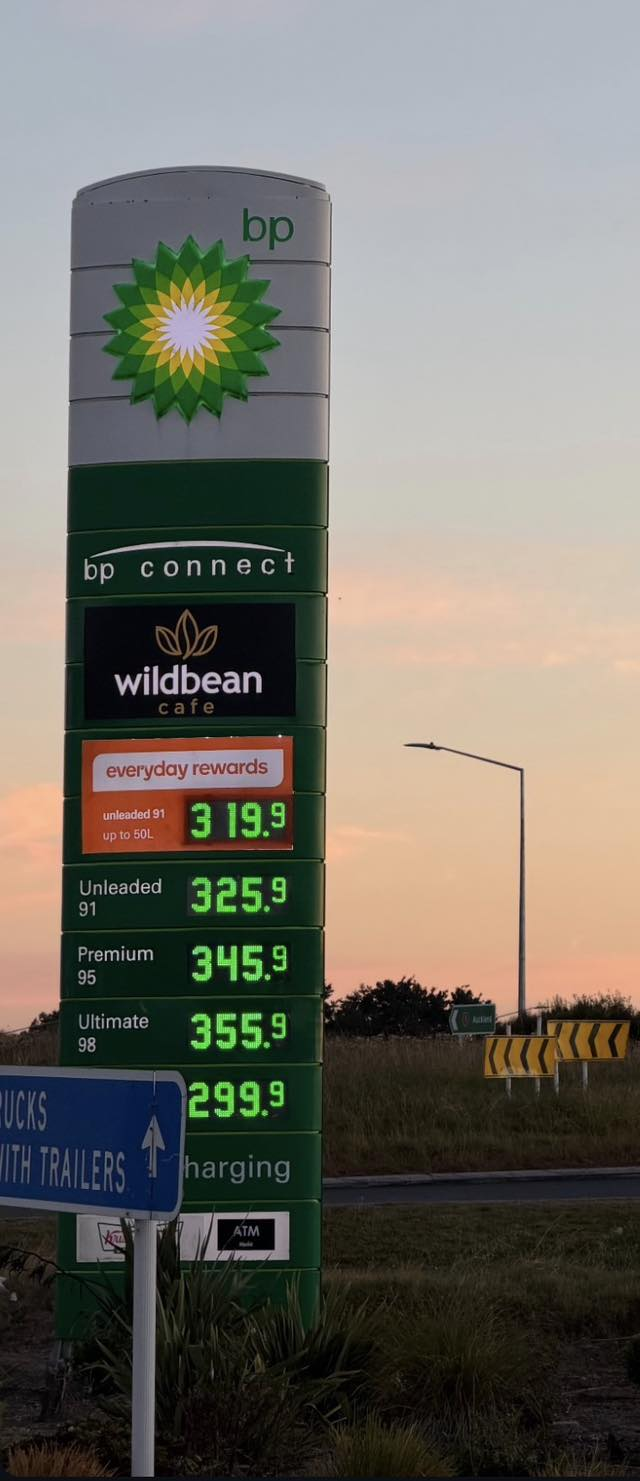
The country is also facing major shortages of diesel, with Finance Minister Nicola Willis warning thousands of jobs are at risk if supplies dry up.
In Australia, while the price of diesel is approaching $3 a litre in some regions, the average price of unleaded is still sitting at $2.20 a litre nationally, according to the latest report from the Australian Institute of Petroleum.
Petrol prices in New Zealand are typically higher than in Australia due to higher taxes, including a higher fuel excise, as well as levies for an emissions trading scheme and 15 per cent GST.
It comes as oil prices jumped overnight after Iran threatened to shut down the Strait of Hormuz indefinitely in response to Trump's ultimatum demanding the restoration of oil traffic through the critical waterway.
LIVE UPDATES: Iran's latest threat after Trump issues ultimatum over Strait of Hormuz
Brent crude, the global benchmark, climbed 1.69 per cent to about US$114.09 ($162) a barrel while US crude rose 2 per cent to US$100.29.
If they persist, those prices will see the amount consumers pay at the bowser climb still higher, once they flow through to retail supply.
In yet more grim news, global investment bank Goldman Sachs said last week that elevated prices could persist through next year.
NEVER MISS A STORY: Get your breaking news and exclusive stories first by following us across all platforms.
- Download the 9NEWS App here via Apple and Google Play
- Make 9News your preferred source on Google by ticking this box here
- Sign up to our breaking newsletter here
Almost half of all Australians think an attack on the country is ‘probable’
Australians believe the country is at greater risk of a military attack in the next five years, with anxiety growing that Australia is not prepared for such an event, a new study has revealed.
About 68 per cent of Aussies believe the country will be involved in a military conflict in the next five years, with half believing Australia will be attacked itself, according to a study from the Australian National University.
From this, 43 per cent of Aussies believe such an attack would have a catastrophic impact on the country, but not many think the country is equipped to deal with such a serious event.
LIVE UPDATES: 'Completely closed': Iran to strangle oil supply after Trump threat
READ MORE: WA government calls for calm as fuel prices soar
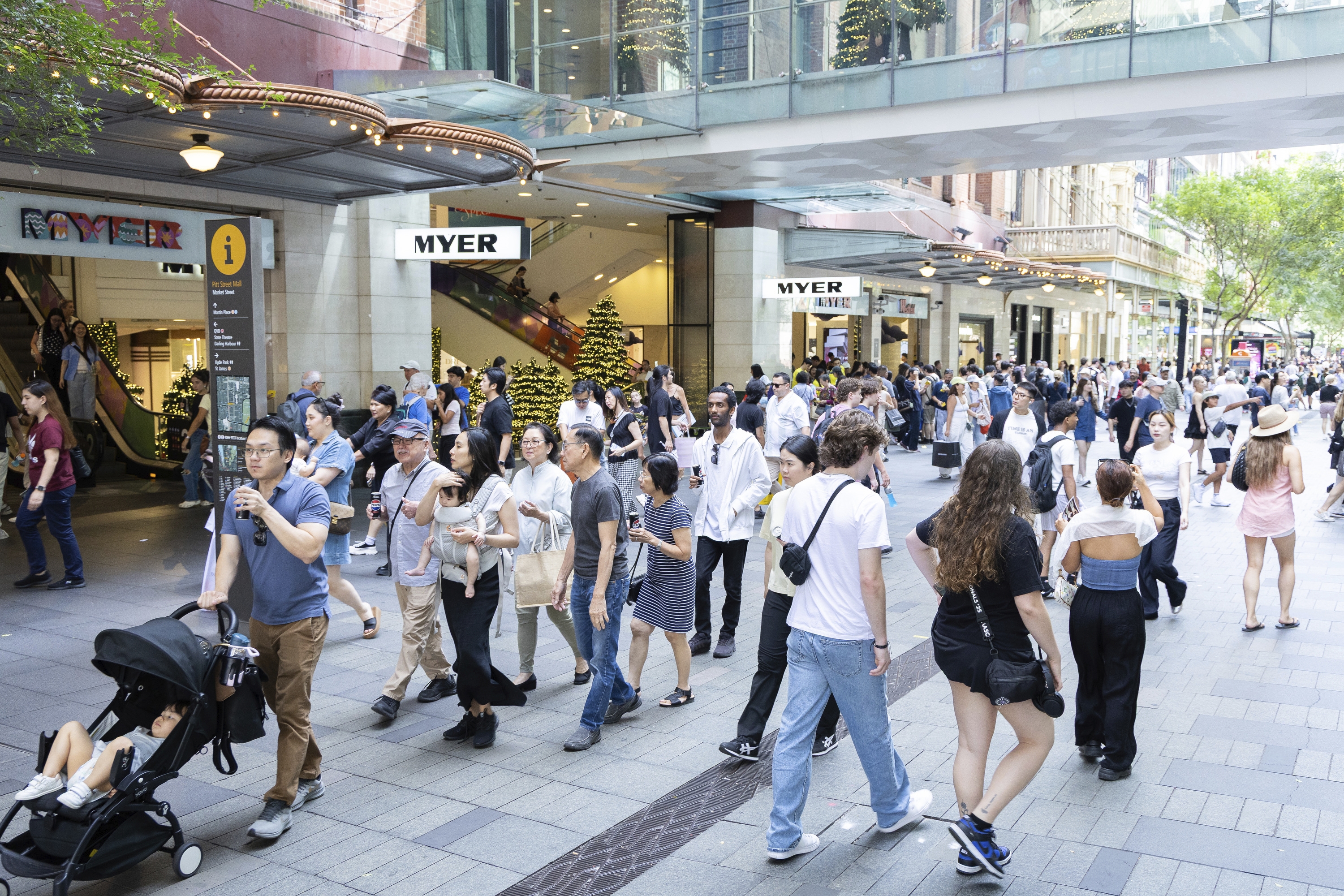
"Fewer than one-in-five respondents believed the nation is 'very' or 'fully' prepared," the study said.
"On most issues surveyed, most respondents said Australia is either 'slightly' or 'moderately' prepared."
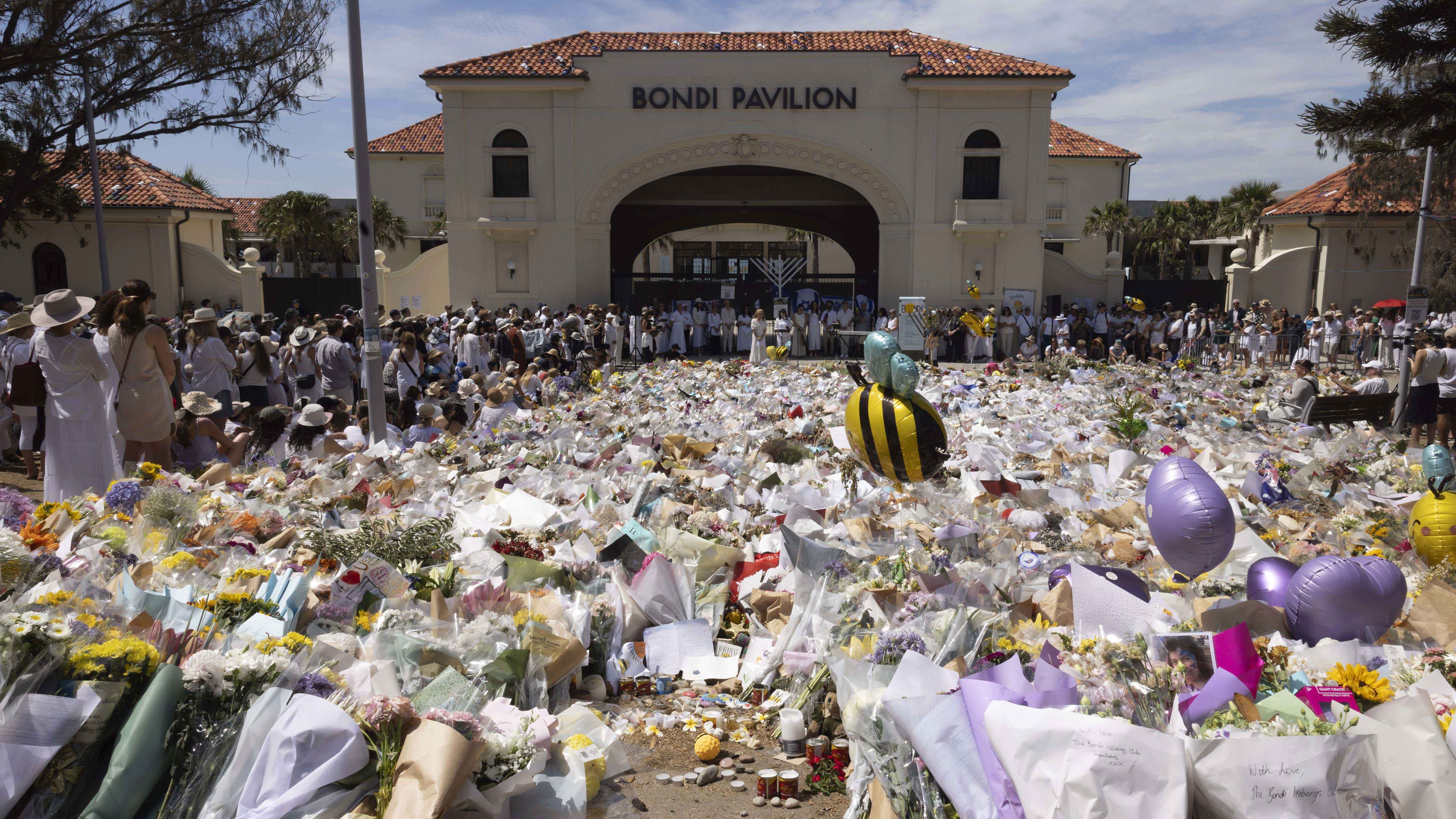
Terrorism has also become a bigger fear since the Bondi Beach shooting last year, with almost three-quarters of Australians rating it a serious issue in February, compared to just 55 per cent when asked the same question in November 2024.
"In a time when our security landscape is changing, it would be wrong to assume that Australians are complacent. Most are concerned and want to know more," said ANU Professor Rory Medcalf.
MIDDLE EAST CONFLICT: Iran hits back after Trump's chilling deadline
The Australian government's terrorism threat level is currently listed as "probable", which means there is a more than 50 per cent chance of an attack in the next 12 months, or an attack being planned during this time.
Australia's national spy agency ASIO said there was a "normalisation of provocative and inflammatory behaviours", and warned the current conflict in the Middle East was resonating in Australia, and could motivate potential attacks.
They said any attack was most likely to be conducted by a lone perpetrator or a small group in a simple and low-cost manner.
"Basic weapons, such as knives, vehicles, explosives, and firearms can maximise casualties when combined with simple tactics," the agency warns.
The survey, which took in responses from 20,000 people across the country, found non-military threats were viewed as more serious, with AI-attacks, severe economic crisis, and disruption to critical supplies viewed as significant fears for Australians.
With a disrupted oil supply leading to skyrocketing fuel prices and demand for petrol across the country due to the Middle East conflict, Australians' fears may not be completely unfounded.
NEVER MISS A STORY: Get your breaking news and exclusive stories first by following us across all platforms.
- Download the 9NEWS App here via Apple and Google Play
- Make 9News your preferred source on Google by ticking this box here
- Sign up to our breaking newsletter here
Kyle kicks off legal battle against ARN days after being sacked
Kyle Sandilands has officially kicked off legal proceedings against former employer ARN Media after it ripped up his $100 million contract last week.
Court documents were served on Commonwealth Broadcasting Corporation (CBC), a subsidiary of ARN that holds the licence for KIIS 1065 Sydney and the contract with Sandilands, on Friday.
ARN announced the news in an ASX market update released this morning.
LIVE UPDATES: Iran's military says Strait of Hormuz will be 'completely closed' if US bombs power plants
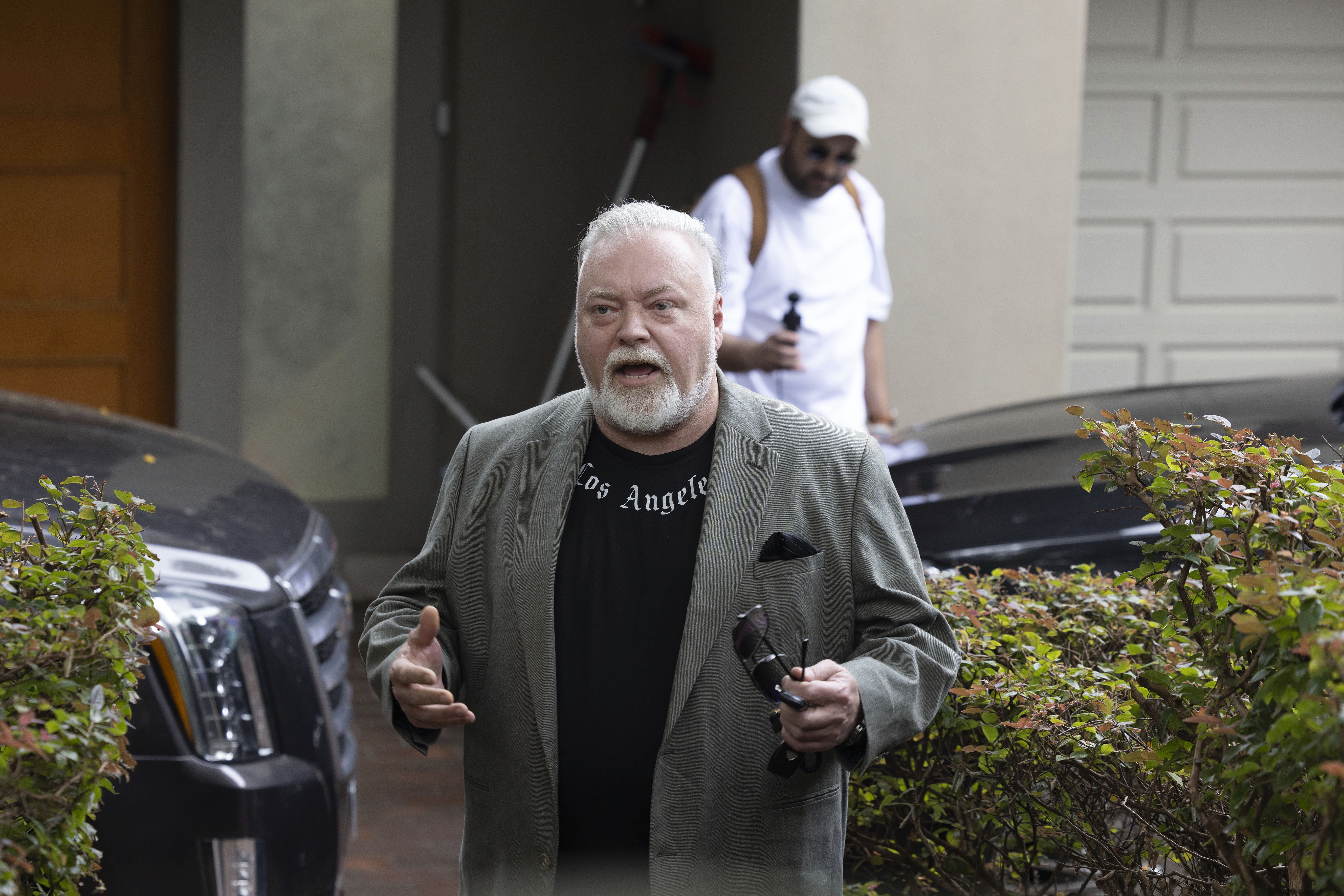
Sandilands' legal team is arguing that ARN's claim he committed "serious misconduct" during an on-air bust-up with co-host Jackie O Henderson is untrue.
They argue his termination on the grounds of serious misconduct is therefore invalid.
"They allege that there was no act of serious misconduct or breach of contract, and that the termination was unconscionable under the Australian Consumer Law," the statement from ARN reads.
"The applicants seek an order for specific performance of two contracts, payment of whatever amounts are due and payable under the contracts at the time of judgment, and damages."
READ MORE: ICE agents to be formally deployed to US airports over funding shutdown
READ MORE: How to Choose 9News as your preferred source in Google's Top Stories

ARN disputes Sandilands' claims and said it intends to defend the proceedings.
It could be a costly legal battle, given that there was believed to be more than $80 million still on Sandilands' 10-year contract.
"Given the early stage of the matter, ARN is unable to reliably estimate the outcome or any potential financial impact," the statement said.
Sandilands announced his contract with ARN had been terminated last Wednesday.
He said in a statement at the time that he planned to take legal action and alleged that the network wanted a way out of the $100 million deal with him.
"They thought they saw a chance to get out of the contract they signed with me a year ago, and they ran with it," Sandilands claimed.
Henderson is also reportedly considering legal action after she was taken off air in February.
NEVER MISS A STORY: Get your breaking news and exclusive stories first by following us across all platforms.
- Download the 9NEWS App here via Apple and Google Play
- Make 9News your preferred source on Google by ticking this box here
- Sign up to our breaking newsletter here