An eviction moratorium only works if it is well-enforced, tenant advocates say, and evictions are still happening, according to legal aid practitioners.
All posts by FreeNews
Firefighters battle large scrub fire in Hawke's Bay overnight
Firefighters have spent much of the night at the scene of a large scrub fire in Hawke’s Bay. Crews were called to the blaze on Korokipo Rd, in Fernhill, about 10.45pm and put up to six properties at risk. DO YOU KNOW MORE? EMAIL…
Shipping container for rent at $390/wk: Council to inspect
A converted shipping container being advertised as a one-bedroom home available to rent at nearly $400 per week will be investigated by council. The Wellington rental , which was listed on Trade Me yesterday at the steep price of…
Elderly woman in tears after shock $1000 power bill
An elderly woman was left in tears after a shock power bill claiming she owed her electricity provider more than $1000.West Auckland resident Hazel Jones thought she was up to date with her bill – but Genesis Energy claims she has…
Herald morning quiz: January 20
Test your brains with the Herald’s morning quiz. Be sure to check back on nzherald.co.nz at 3pm for the afternoon quiz. To challenge yourself with more quizzes, CLICK HERE.
Japan warns it will block NZ honey shipments if glyphosate limits breached
By Charlie Dreaver of RNZ Japan is warning it will stop importing New Zealand honey if it continues to find the weed killer glyphosate during border testing.New Zealand’s global honey exports totalled $490 million last year,…
New coronavirus mutations have experts worried
The race against the virus that causes COVID-19 has taken a new turn: Mutations are rapidly popping up, and the longer it takes to vaccinate people, the more likely it is that a variant that can elude current tests, treatments and vaccines could emerge.
Coronavirus is becoming more genetically diverse, and health officials say the high rate of new cases is the main reason.
Each new infection gives the virus a chance to mutate as it makes copies of itself, threatening to undo the progress made so far to control the pandemic.


READ MORE: Wuhan scientists 'had symptoms before first case confirmed'
On Friday, the World Health Organisation urged more effort to detect new variants.
The US Centres for Disease Control (CDC) said a new version first identified in the United Kingdom may become dominant in the US by March.
Although it doesn't cause more severe illness, it will lead to more hospitalisations and deaths just because it spreads much more easily, the CDC said, warning of "a new phase of exponential growth".
"We're taking it really very seriously," Dr Anthony Fauci, the US government's top infectious disease expert, told NBC on Sunday.
"We need to do everything we can now … to get transmission as low as we possibly can," Harvard University's Dr Michael Mina said.
"The best way to prevent mutant strains from emerging is to slow transmission."

So far, vaccines seem to remain effective, but there are signs that some of the new mutations may undermine tests for the virus and reduce the effectiveness of antibody drugs as treatments.
"We're in a race against time" because the virus "may stumble upon a mutation" that makes it more dangerous, Dr Pardis Sabeti, an evolutionary biologist at the Broad Institute of MIT and Harvard, said.
READ MORE: What the super strain mutants mean for the world in 2021
Younger people may be less willing to wear masks, shun crowds and take other steps to avoid infection because the current strain doesn't seem to make them very sick, but "in one mutational change, it might," she warned.
Dr Sabeti documented a change in the Ebola virus during the 2014 outbreak that made it much worse.
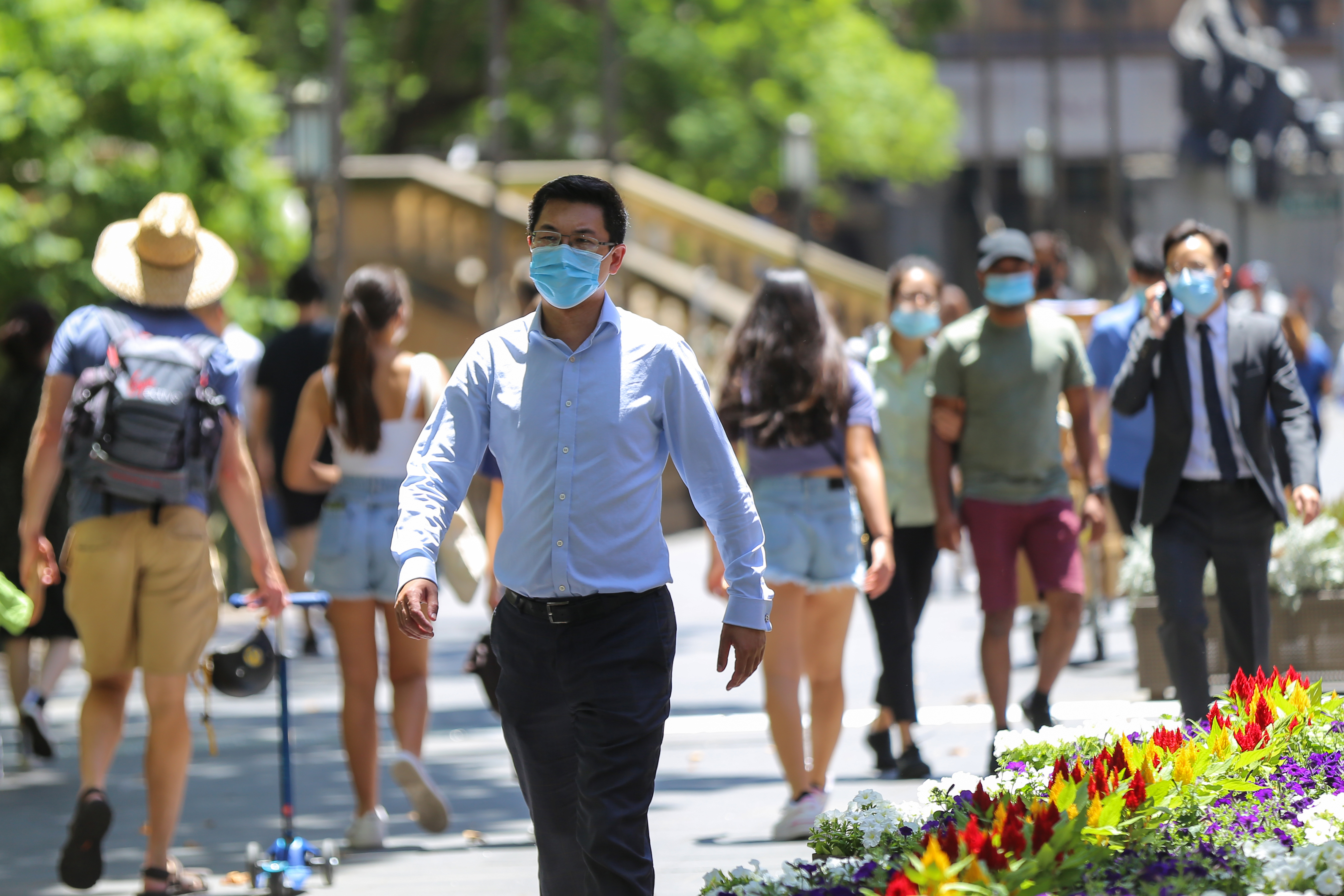
Mutations on the rise
It's normal for viruses to acquire small changes or mutations in their genetic alphabet as they reproduce. Ones that help the virus flourish give it a competitive advantage and thus crowd out other versions.
In March, just a couple months after coronavirus was discovered in China, a mutation called D614G emerged that made it more likely to spread. It soon became the dominant version in the world.
Now, after months of relative calm, "we've started to see some striking evolution" of the virus, biologist Trevor Bedford from the Fred Hutchinson Cancer Research Centre in Seattle said via Twitter.
"The fact that we've observed three variants of concern emerge since September suggests that there are likely more to come."
One was first identified in the United Kingdom and quickly became dominant in parts of England. It has now been reported in at least 30 countries including Australia.

Soon afterwards, South Africa and Brazil reported new variants, and the main mutation in the version identified in Britain turned up on a different version "that's been circulating in Ohio … at least as far back as September," Dr Dan Jones said, a molecular pathologist at Ohio State University who announced that finding last week.
"The important finding here is that this is unlikely to be travel-related" and instead may reflect the virus acquiring similar mutations independently as more infections occur, Dr Jones said.
That also suggests that travel restrictions might be ineffective, Dr Mina said.
Because the United States has so many cases, "we can breed our own variants that are just as bad or worse" as those in other countries, he said.
Treatment, vaccine, reinfection risks
Some lab tests suggest the variants identified in South Africa and Brazil may be less susceptible to antibody drugs or convalescent plasma, antibody-rich blood from COVID-19 survivors — both of which help people fight off the virus.
US Government scientists are "actively looking" into that possibility, Dr Janet Woodcock from the US Food and Drug Administration said.
READ MORE: WHO chief lambasts vaccine profits, demands elderly go first
The (US) government is encouraging development of multi-antibody treatments rather than single-antibody drugs to have more ways to target the virus in case one proves ineffective, she said.
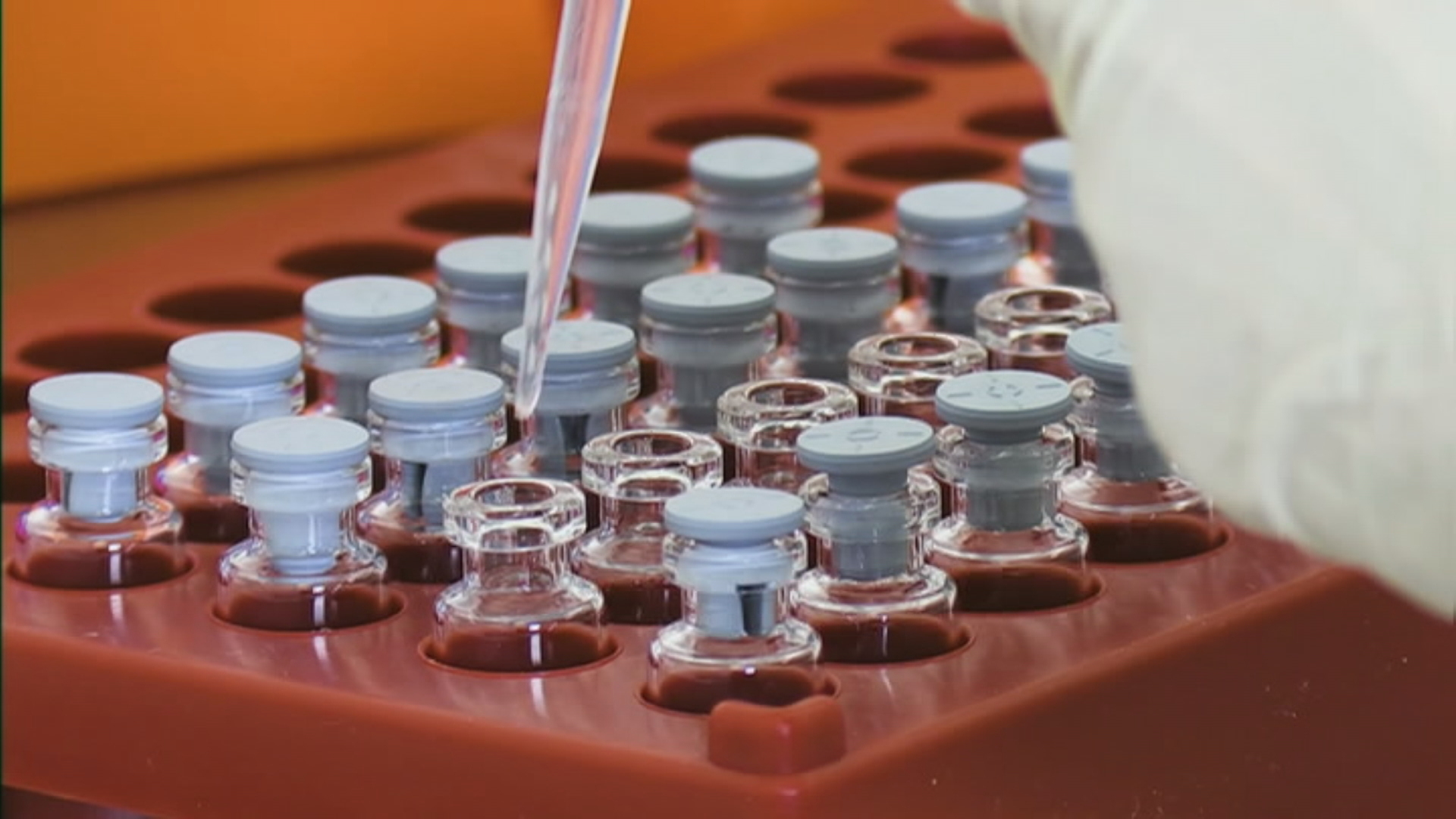
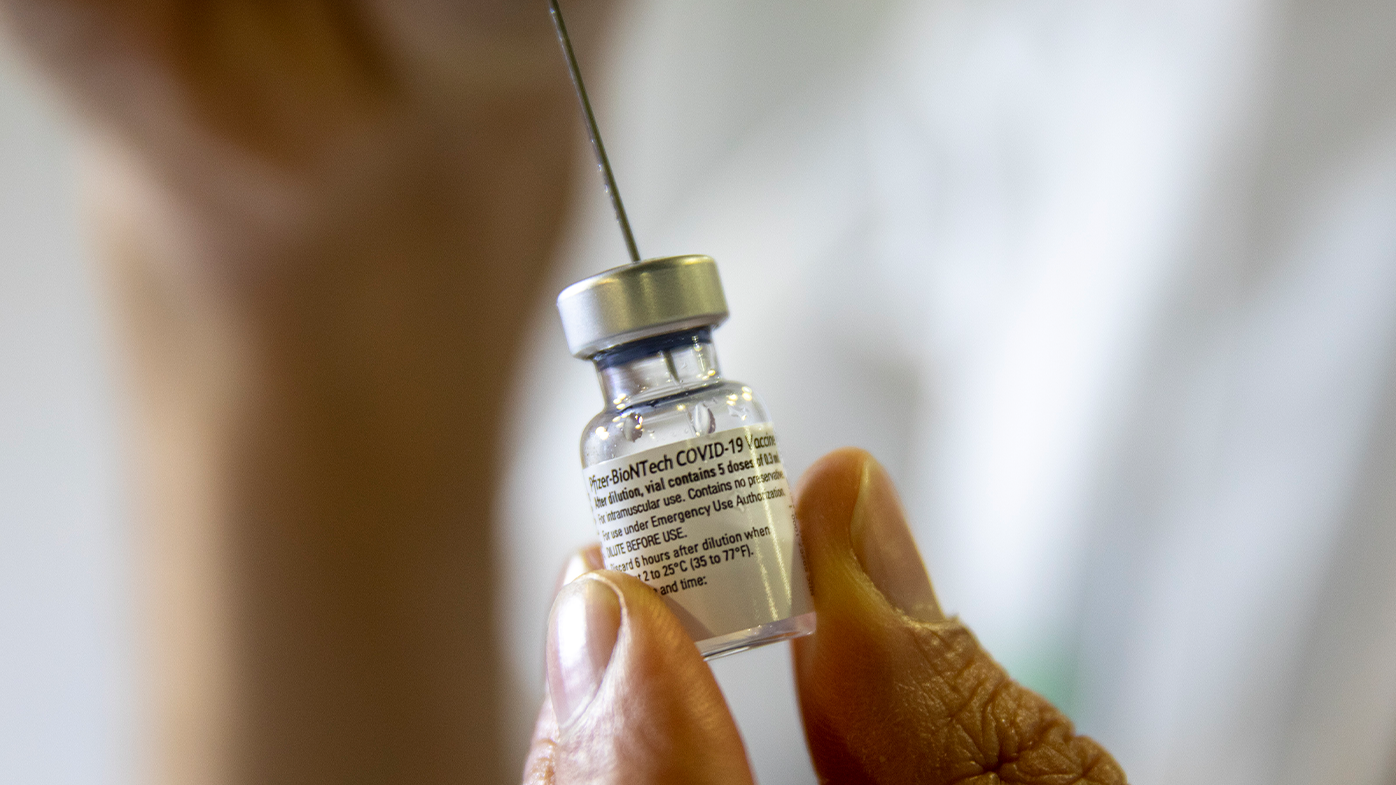
Current vaccines induce broad enough immune responses that they should remain effective, many scientists say.
Enough genetic change eventually may require tweaking the vaccine formula, but "it's probably going to be on the order of years if we use the vaccine well rather than months," Dr Andrew Pavia from the University of Utah told the Infectious Diseases Society of America.
Health officials also worry that if the virus changes enough, people might get COVID-19 a second time.
Reinfection currently is rare, but Brazil already confirmed a case in someone with a new variant who had been sickened with a previous version several months earlier.
What to do
"We're seeing a lot of variants, viral diversity, because there's a lot of virus out there," and reducing new infections is the best way to curb it, Dr Adam Lauring, an infectious diseases expert at the University of Michigan, said.
Loyce Pace, who heads the nonprofit Global Health Council and is a member of President-elect Joe Biden's COVID-19 advisory board, said the same precautions scientists have been advising all along "still work and they still matter."
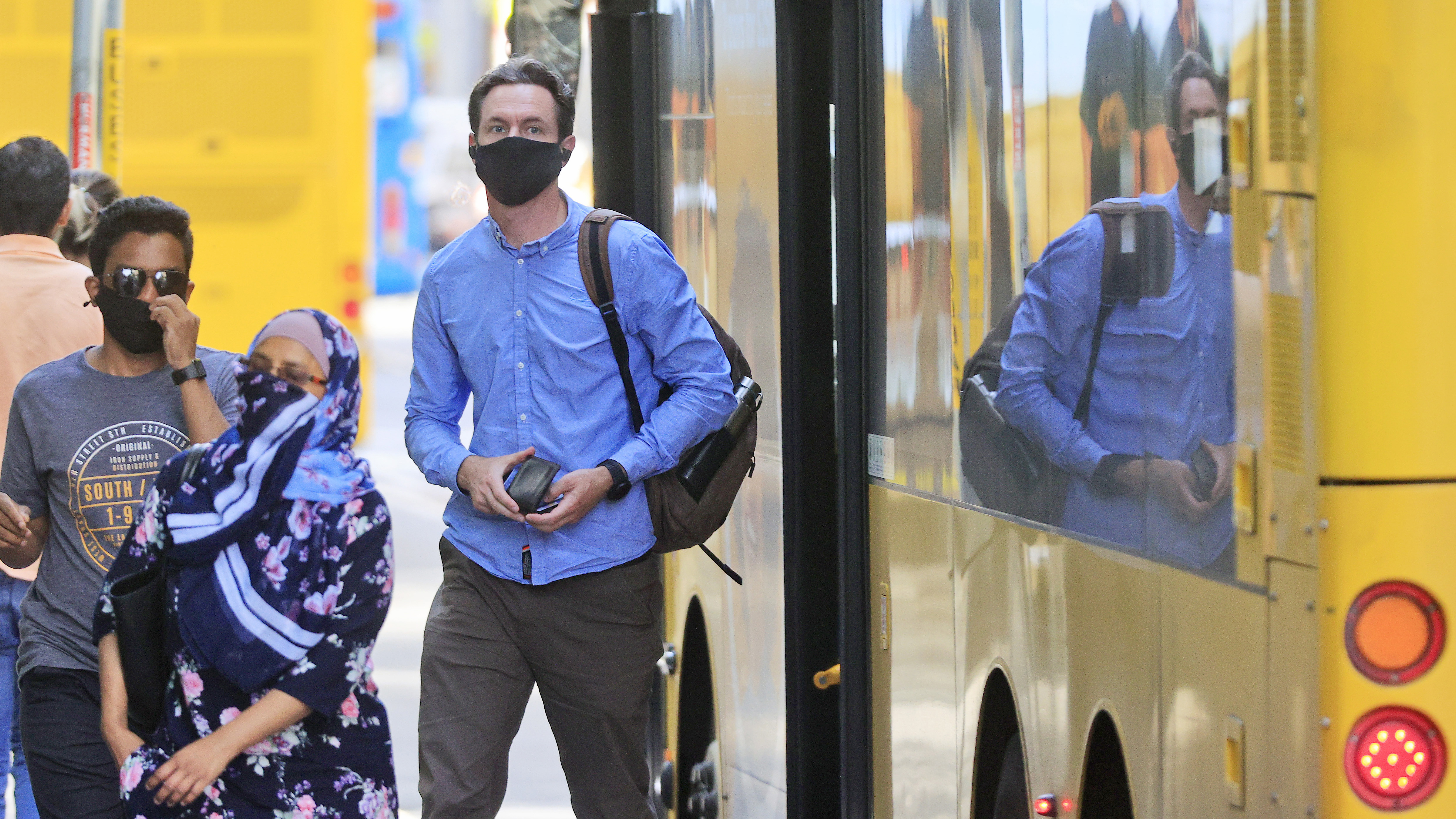
"We still want people to be masking up," she said on Thursday on a webcast hosted by the Johns Hopkins Bloomberg School of Public Health.
"We still need people to limit congregating with people outside their household.
"We still need people to be washing their hands and really being vigilant about those public health practices, especially as these variants emerge."
Swiss hunt down mutated coronavirus strain at luxury ski resorts
Swiss authorities have started mass testing residents and visitors in St Moritz after a new variant of the coronavirus was detected in the upscale skiing resort.
People were asked to register online and come in for free tests to a local gym and a beverage store on Tuesday, after two luxury hotels were put under quarantine Monday.
All schools, kindergartens and skiing schools were closed.


READ MORE: Wuhan scientists 'had symptoms before first case confirmed'
Officials said at least two dozen cases were detected in the two hotels, which local media identified as the Palace and the Kempinski hotel.
The Kempinski said late on Monday that health authorities had confirmed cases of the mutated coronavirus among the hotel's employees.
"Local health officials have ordered that all guests and staff at the hotel should be quarantined to minimise exposure to the public," a spokeswoman for Kempinski told The Associated Press.
"The hotel is strictly following the advice of the local health authorities and World Health Organisation guidelines."

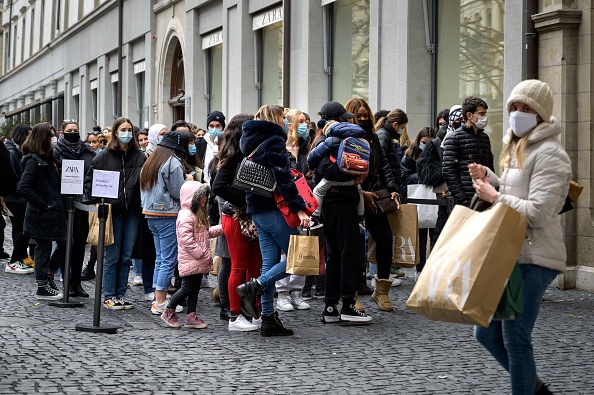
All people in St. Moritz who are five-years-old and above were asked to participate in the test, which was voluntary.
Swiss media reported that the variant detected in St. Moritz was first found in South Africa.
READ MORE: Inside Spain's COVID-19 hospital as country under siege
The new strain comes as Switzerland has closed non-essential shops, restaurant and sports facilities until the end of February in a move to drastically reduce coronavirus infections.
MyPillow CEO Mike Lindell says products were dropped from major retailers after voter fraud claims
Election experts have uniformly declared that the 2020 election was conducted fairly.
New Immigrant Caravan: Mexico Wants a Solution from US
Mexican President Andres Manuel Lopez Obrador has urged the US to make major reforms to its immigration policy as thousands of migrants were blocked by police in neighbouring Guatemala.
Mr Lopez Obrador said he was hopeful that President-elect Joe Biden would agree to work with Mexico and other countries on the issue.
About 7,000 migrants, mostly from Honduras, have entered Guatemala.
They hope to travel on to Mexico and eventually reach the US border.
Every year, tens of thousands of Central American migrants try to reach the US, often on foot, in groups known as “caravans”.
They say they are fleeing persecution, violence and poverty in their home countries. Conditions have been made worse by the devastation wrought by two huge hurricanes that battered Central America last November.
In remarks on Monday, Mr Lopez Obrador urged the US to reform its policies on immigration.
“I think the time has come for the commitment [to immigration reform] to be fulfilled, and that is what we hope,” he said.
“In Joe Biden’s campaign, he offered to finalise immigration reform and I hope that he is able to achieve this. That is what I hope.”
He said his government would try to dissuade migrants from crossing into Mexico but added that the rights of all migrants must be respected.
In Guatemala on Monday, security forces broke up a caravan of about 4,000 mostly Honduran migrants who had been camped out near the village of Vado Hondo.


Witnesses said officers, beating their batons against their shields, tried to force the group back in the direction of the Honduran border, about 50km (31 miles) away.
The migrants scattered but several threw stones at police who responded by firing tear gas.
 image copyrightEPA
The caravan had been held back in the area since Saturday and was blocking a key road, causing a long tail-back of traffic. Clashes broke out on Sunday as some of the migrants tried to force their way past police lines.
Speaking to reporters, Guatemalan foreign minister Pedro Brolo urged the Honduran government to help ensure “an orderly and safe passage home for those in this caravan”.
President Donald Trump has taken a hard line against illegal immigration, especially along the southern US border with Mexico. He has also put pressure on Mexico, Guatemala, Honduras and El Salvador to crack down on northbound migrants.
Mr Biden has vowed to end the strict immigration policies of his predecessor but his administration, which will take office on Wednesday, has warned migrants not to make the journey because policies will not change overnight.
An administration official told NBC News that migrants trying to claim asylum in the US “need to understand they’re not going to be able to come into the United States immediately”.
The Biden administration will prioritise undocumented immigrants already living in the US, not those heading to the country now, the official said
The post New Immigrant Caravan: Mexico Wants a Solution from US appeared first on The St Kitts Nevis Observer.