Category Archives: headline

Photo captures bright green meteor blazing across New Zealand sky

Greg Price set up his camera in the hope that he would capture an aurora from his home in Richmond, Nelson, on New Zealand's South Island, when he "got lucky" and captured a meteor instead.

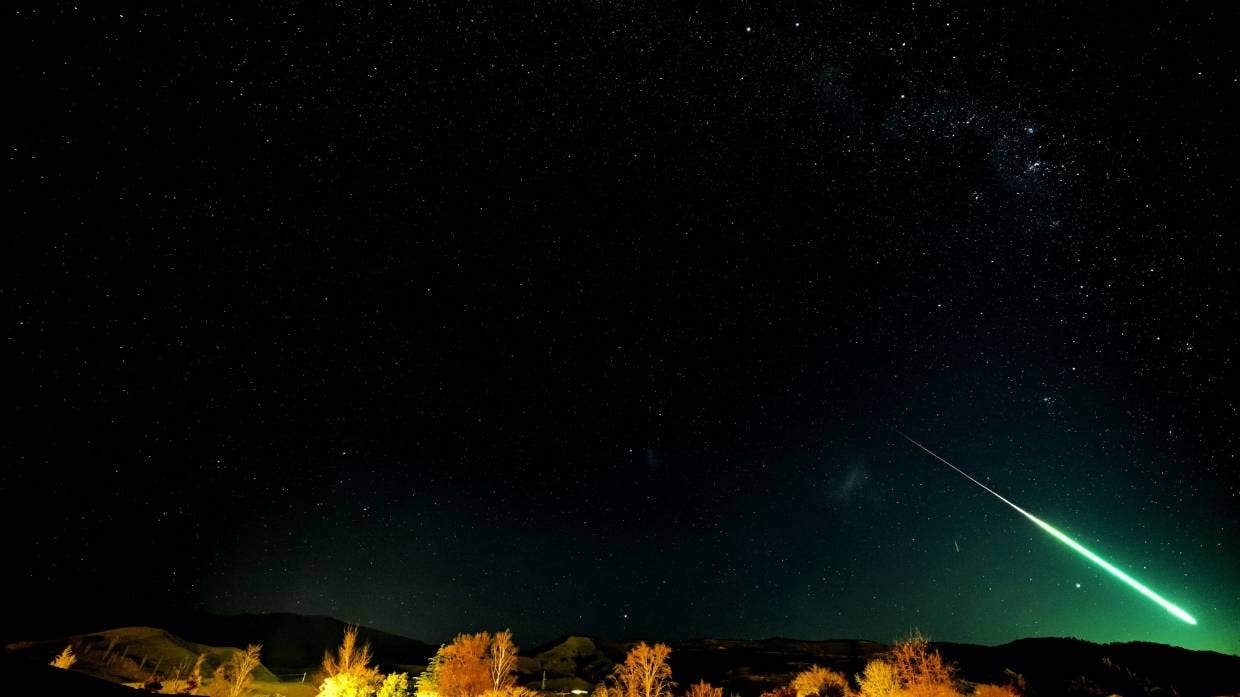
Taken using time-lapse, a bright green streak could be seen lighting up the clear night sky at 8.06pm local time on Thursday.

Price said he didn't manage to capture the aurora, but the meteor was "a pretty good one".

READ MORE: Calls to reintroduce two restrictions as COVID-19 numbers surge
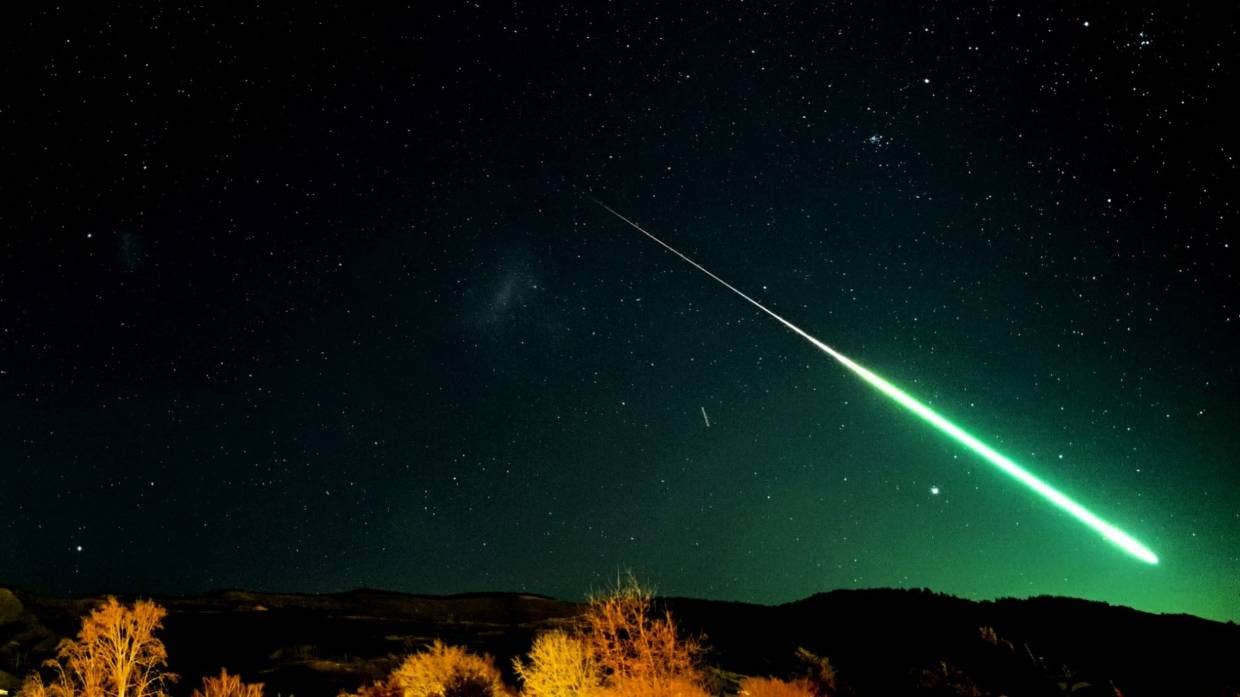
"It is really impressive how it lit up the sky bright green for five to 10 seconds."

Comments on social media from Canterbury residents from Halswell to Oxford said they heard a bang and felt their homes shake.

In order for a meteor to be heard, it would need to reach below 60km above ground level, astronomer and retired superintendent at Mt John Observatory Alan Gilmore said.

Based in Lake Takapō village, Gilmore said he didn't see or hear the meteor. They were "very common" but reports of hearing a boom implied it was "quite big", he said.

READ MORE: Joyce hit with 85K bill after decade long parent visa wait
Superintendent at Mt John Observatory Nigel Frost said no-one at the observatory saw the meteor.

"It's such a split second thing, so you need to be in the right place at the right time."

Dr Duncan Steel of Xerra Earth Observation Institute guessed the meteor would have been about the size of a football, weighing about 10kg to 20kg.

He said a meteor reaching the ground, producing a meteorite, was very unusual and he did not expect the meteor observed on Thursday to have reached the ground.

READ MORE: Spymaster's 'unusual' remark on Putin's health
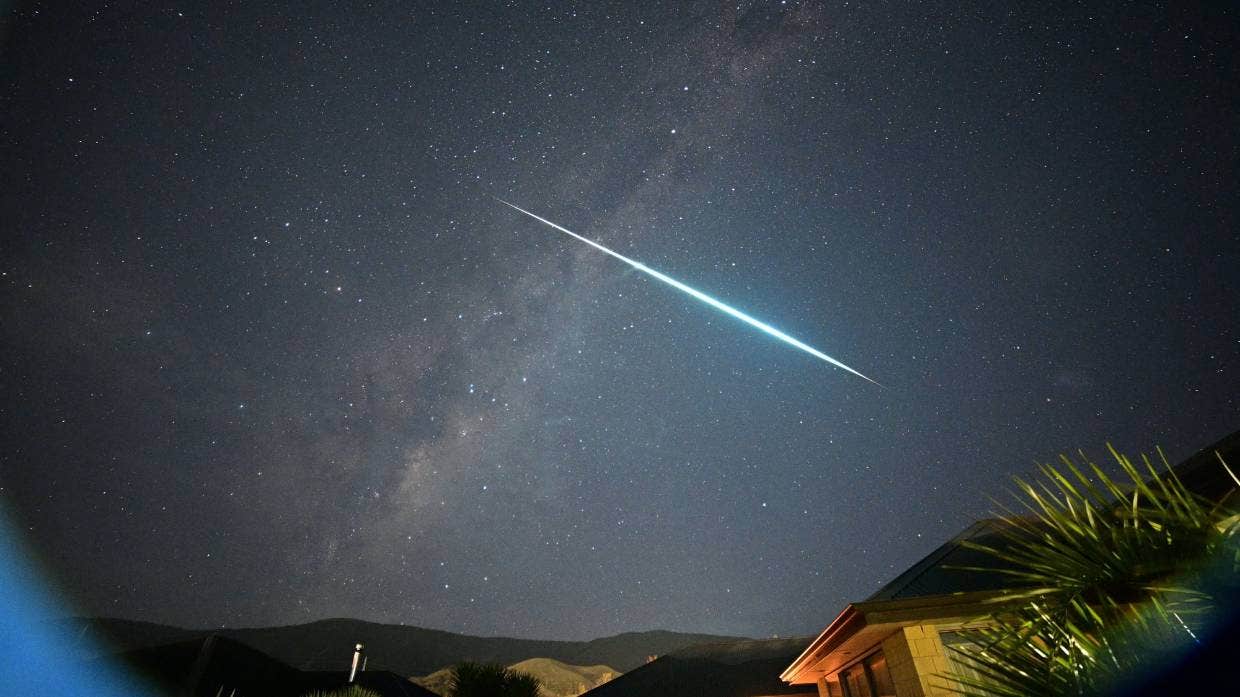
"What you are seeing is the object vaporising at an altitude of 50km down to 30km," he said, which was far higher than a jetliner, which reaches a height of about 10km above ground.

Steel said the Earth was hit by about 100 tonnes of meteoroids per day, but the majority were small (below a millimetre in diameter) which ablated high in the atmosphere, above 80km, and were too faint to be seen.

To see one with the human eye, meteoroids needed to be at least about a pea or marble size, he said.

Meteoroids are chunks of asteroidal matter still in space before it hits the atmosphere. Meteors are the streak of light emitted when the item enters the atmosphere, and anything that makes it to the Earth's surface is called a meteorite.

Price, who is an amateur photographer, previously caught a meteor that streaked across the night sky above Nelson and left a lingering smoke trail.

He captured the meteor on Thursday using his Nikon Z7 camera, with a Samyang XP 14mm F2.4 lens, using a 10-second exposure time and an auto-ISO of 2800.

He reported it to Fireballs Aotearoa, an organisation aiming to recover freshly-fallen meteorites in New Zealand.

This story originally appeared on Stuff and is republished here with permission.
Australia's birth rate drops, older mums and caesareans on the rise

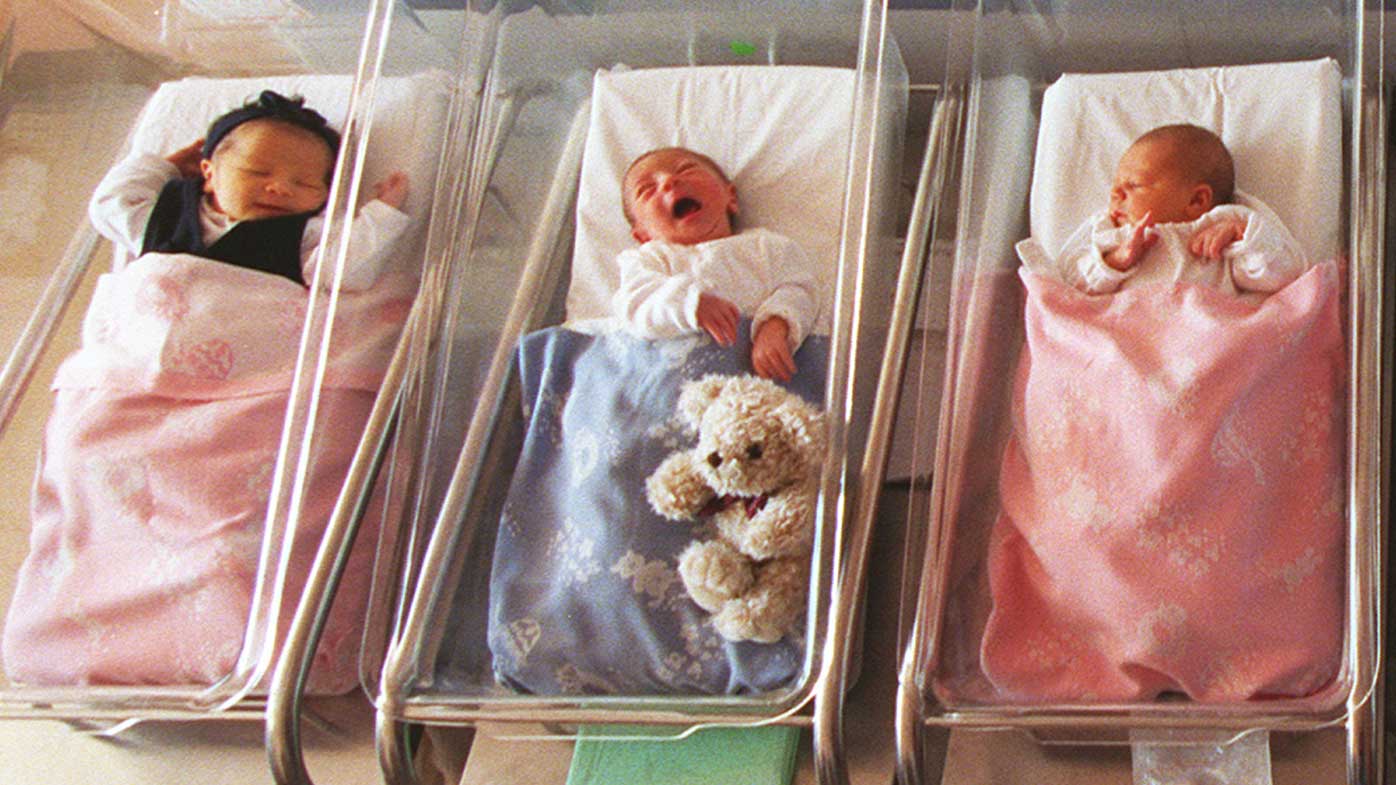
Australia's birth rate has fallen substantially in the past decade, according to the latest data from the federal government's Australian Institute of Health and Welfare.

In 2010, 64 women out of every 1000 aged between 15 and 44 gave birth that year. In 2020, that number has dropped to 56.

In 2020, there were 295,796 babies born to 291,712 mothers, meaning there were more deaths than births in the country.

LIVE UPDATES: New laws could come into force to fight foot and mouth

Australians are giving birth to fewer babies, the latest data has shown.

But so long as Australia keeps taking in migrants, the population will not go into decline, University of Melbourne professor of demography Peter McDonald told nine.com.au.

"That more than accounts for the low birth rate," he said.

"The replacement level for birth is roughly two births for women. We're about 1.5."

Mothers are also getting older.

The average age of mothers giving birth has risen from 30.0 years to 30.9 years.

The average age of first-time mothers is 29.6 years, up more than a year from the previous decade.

One of the biggest influences on that figure is the decline in teenage pregnancy.

In 2010, 3.8 per cent of pregnancies were from teenagers.

In 2020, it was less than half that. 

READ MORE: Grim COVID-19 warning as hospitalisations, deaths surge

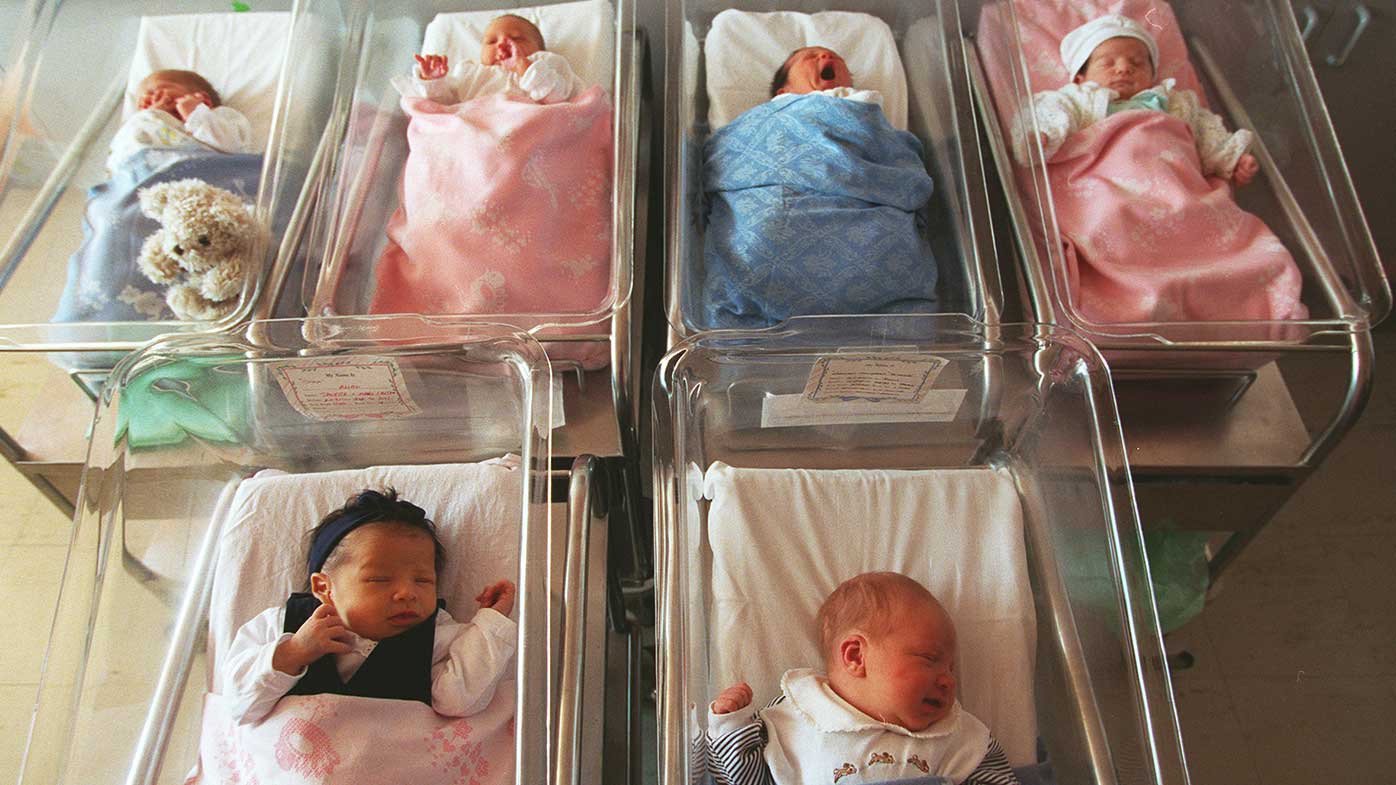
Australia's birth rate has fallen substantially in the past few years.

"Teenage fertility is almost disappearing in Australia, which is a good thing," McDonald said.

"Teenagers are making better use of contraception and not getting pregnant."

The number of women giving birth older than 40 has also risen.

More than one in three mothers are getting caesarean births.

In 2020, 37 per cent of mothers gave birth by caesarean. 

In 2010, that number was 32 per cent.

Mothers over 40 are substantially more likely to have a caesarean birth.

In 2020, only 41 per cent of mothers had a spontaneous labour.

One in three had an induced labour, and 23 per cent had no labour.

Spontaneous labours have dropped from 56 per cent in 2010.

READ MORE: Severe weather system smashes east coast

More babies are born en route to the hospital than at home.

A stable or growing population is necessary for a functioning society, McDonald said.

"Suppose we had no migrants. Then the birth rate is low, and so the population starts to fall fairly quickly," he said.

"When the population falls, it falls at the young ages. 

"We get an older and older population. So that's the main issue."

Maternal health has improved in the past decade, with fewer women smoking while pregnant.

"More than nine in 10 of the almost 296,000 babies born in Australia during 2020 were born at term and at a healthy birthweight," AIHW spokesperson Deanna Eldridge said.

"The proportion of mothers accessing antenatal care in the first trimester of pregnancy has steadily increased over time from 63 per cent in 2012 to 79 per cent in 2020."

READ MORE: Family whacked with $85K bill after a decade

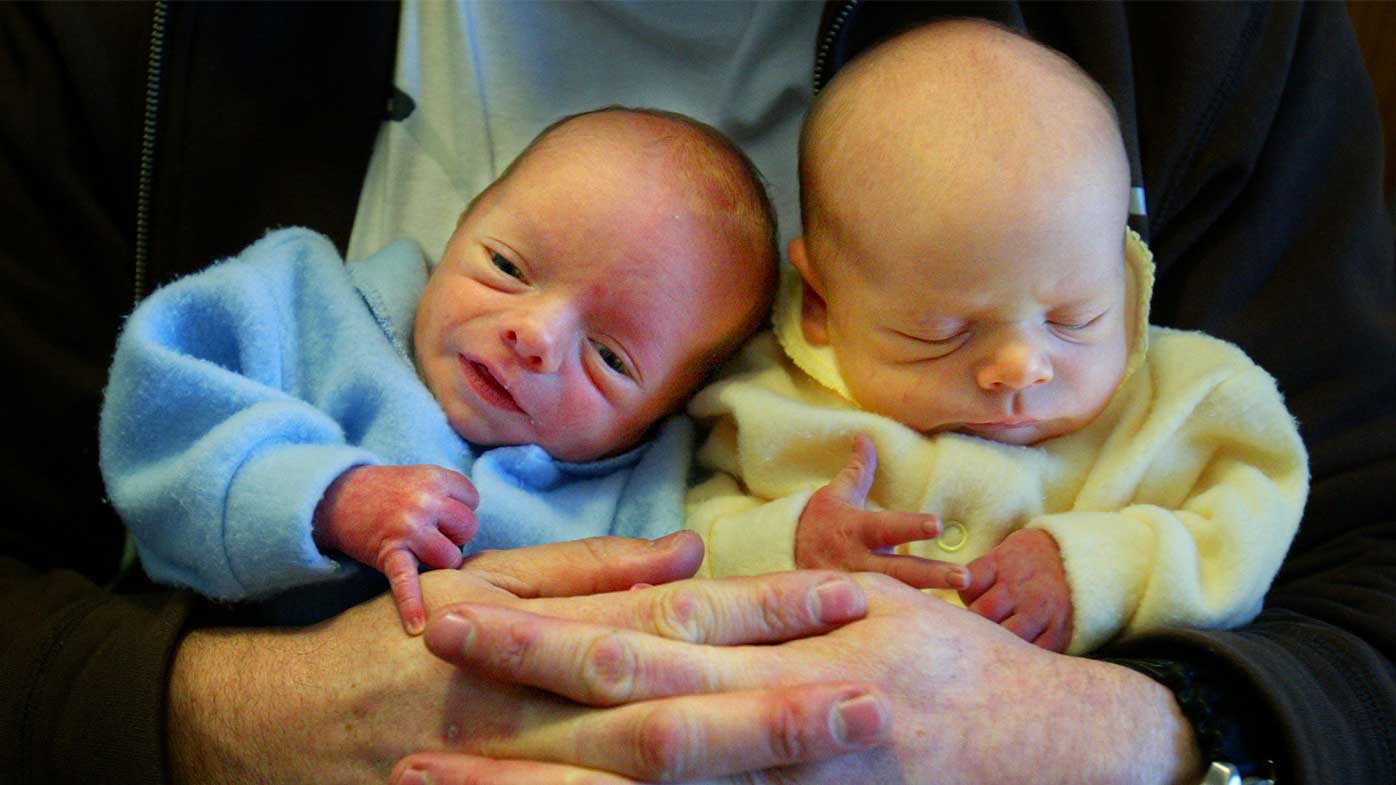
About three per cent of babies born are twins.

There has not been a substantial change to maternal mortality, with the number of women dying giving birth fluctuating from year to year.

Fewer than eight women out of every 100,000 die as a direct or indirect result of pregnancy and labour.

Stillbirth and neonatal death rates have remained stable over the past ten years.

Ninety-six per cent of births take place in hospitals, with three in four in a public hospital.

Nearly three per cent gave birth in birth centres, and 0.4 per cent gave birth at home.

About 0.7 per cent gave birth elsewhere, such as on their way to the hospital.

Nearly three per cent of births were multiple births, of which nearly all were twins.

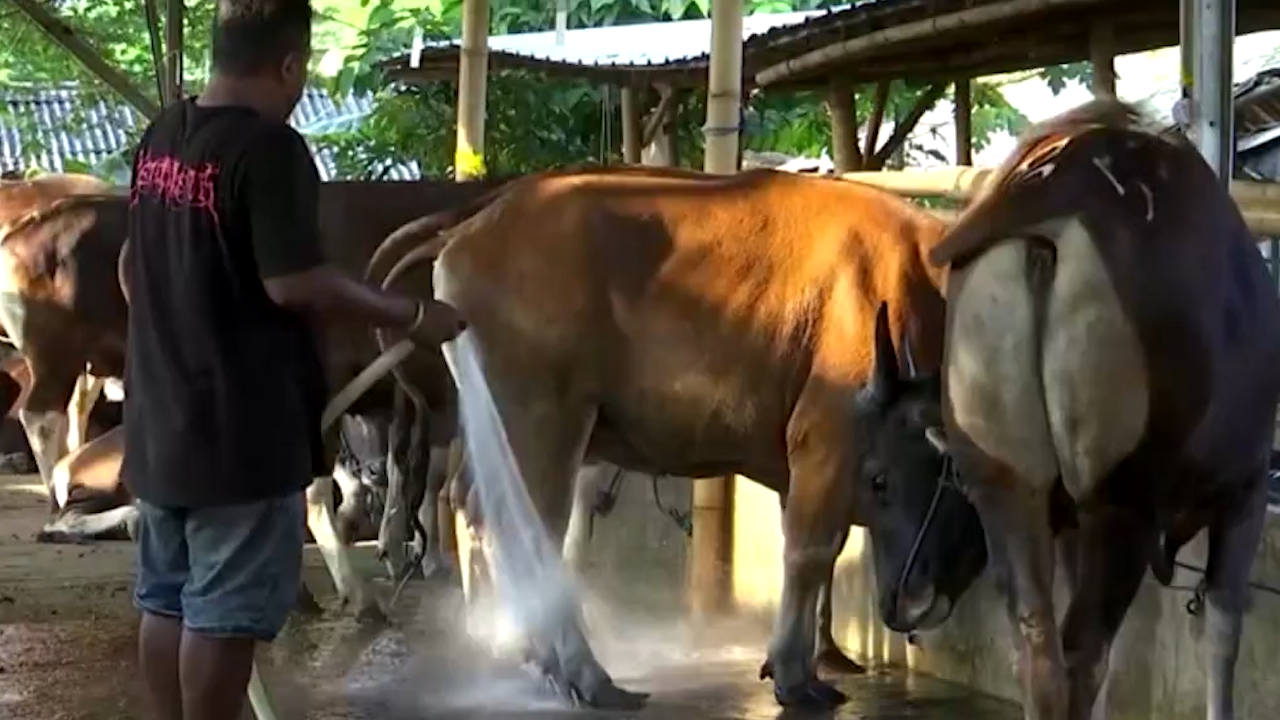
Farmers back open borders as foot and mouth fears grow

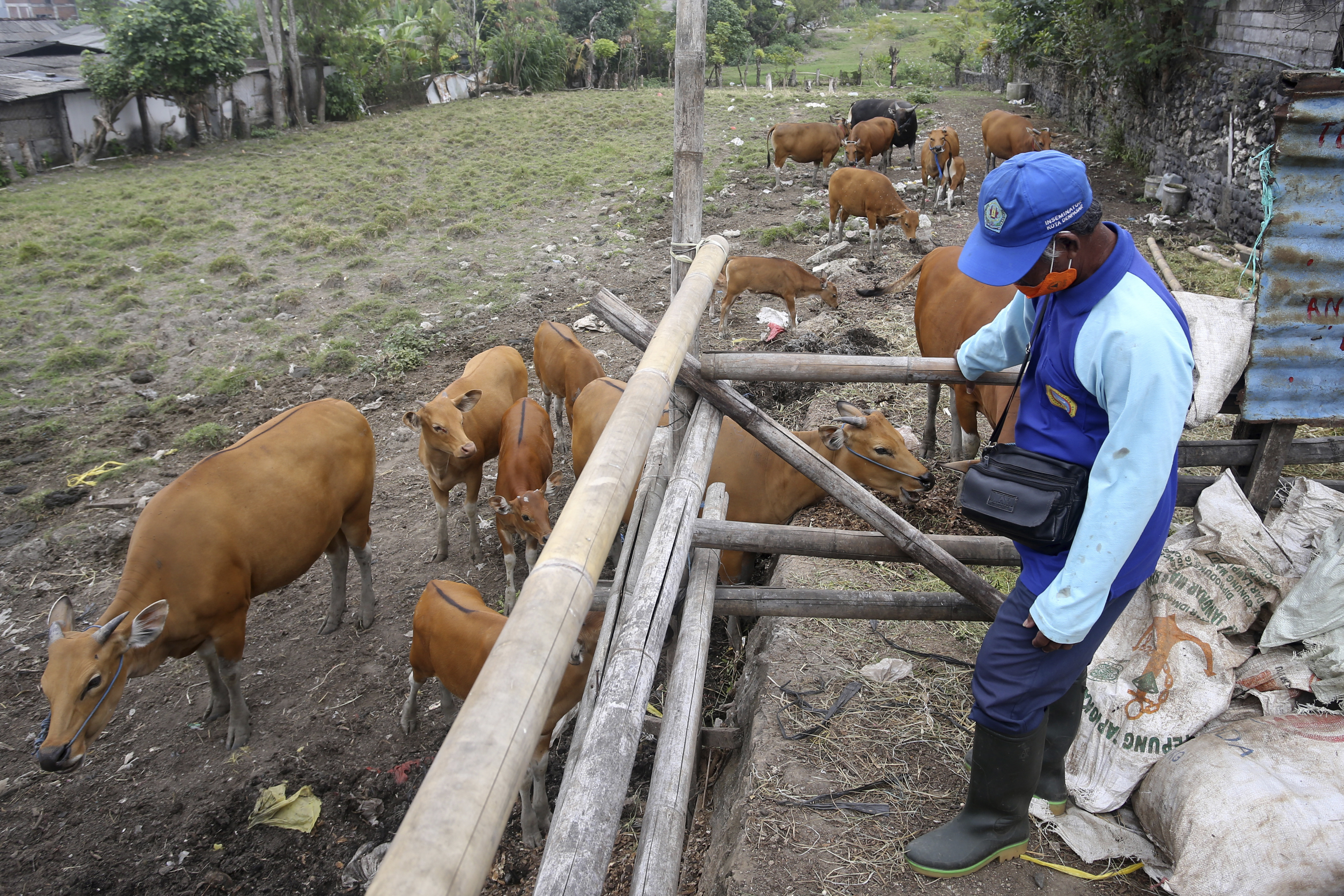
Australia's peak farming body has backed the federal government's decision to keep the border with Indonesia open, even as fears over our nearest neighbour's foot-and-mouth disease outbreak continue to grow.

Deputy Prime Minister Richard Marles today ruled out the closure, even as security measures at airports ramp up.

Marles told Today this morning the federal government had put in place the country's biggest biosecurity program to meet the threat to Australia's agriculture sector.

READ MORE: Calls to reintroduce two restrictions as COVID-19 numbers surge

He said national farming bodies were not calling for the border to be closed.

"To close the border would have a very significant impact on our trade.

"What we've got in place now is the biggest biosecurity response that any government has ever done. That's what we are doing.

"We're doing it with more biosecurity officers and more work with Indonesia and countries on the front line."

EXPLAINED: What is foot and mouth disease and can humans get it?

The National Farmers' Federation said Indonesia is a critical trading partner for Australia.

National Farmers Federation president Fiona Simson said farmers had welcomed the action from the federal government, and that closing the border would damage important export markets with Indonesia.

But she and Agriculture Minister Murray Watt both suggested the situation could change.

Watt noted that multiple countries around the world had FMD both now and in the past, and no border closures had been put in place.

Watt said he would continue to act on expert advice, and if the advice changed, he would follow it.

READ MORE: Spymaster's 'unusual' remark on Putin's health

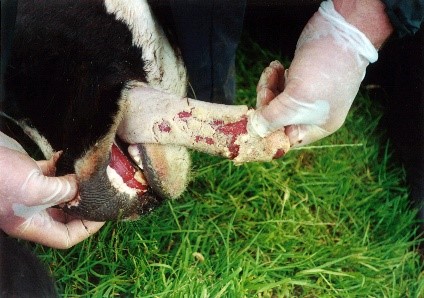
Foot and mouth disease causes blisters on the mouth, snout, tongue, lips and between and above the hooves on the feet.

Watt said security screenings at airports were stepping up, while a decision could be made as soon as today to give biosecurity officers at airports extra powers.

Currently, officers are only able to request that individual passengers take measures such as walking over sanitary footmats, or cleaning their footwear.

However, the creation of "biosecurity response zones" would see the officers empowered to direct entire planeloads of people to undergo such measures.

Simson said farmers would support every single passenger being thoroughly screened.

But, she conceded, "what is possible and what is not, is up to the government".

"The farmers don't want to take any risks at all," she said.

She said the larger risk was involved in people bringing in or posting meat products – legal or illegal.