Critical healthcare employees can now work while Covid positive, but only as a last resort and with strict conditions about how they spend their day.The Ministry of Health has issued guidance around delivering critical health services…
Category Archives: headline
Severe thunderstorms expected for Queensland's east coast, south-east
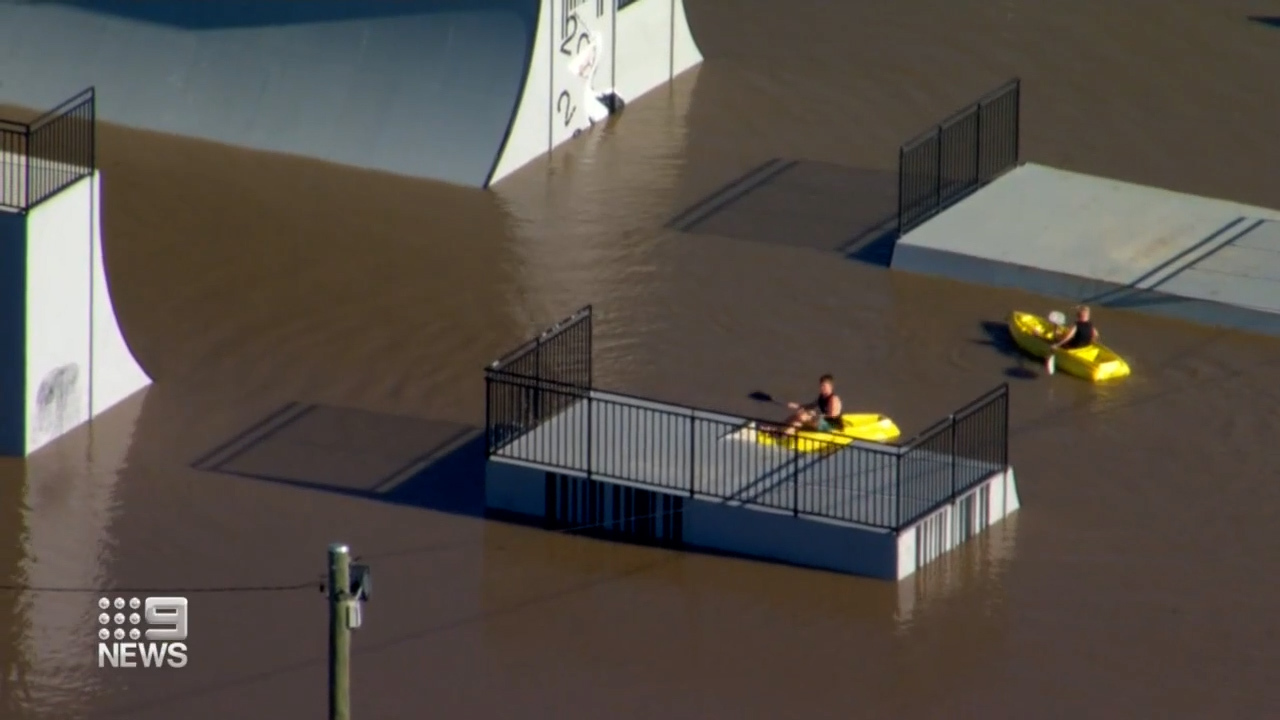
More thunderstorms are expected to hit Queensland's east coast this afternoon and into the coming days, impacting flood clean up efforts in the south-east and up to the state's north and central coast.
Residents in areas from Gympie in south Queensland to Ayr, 1,000km further north, have been warned to brace for severe storms this afternoon, which could produce damaging wind gusts.
LIVE: NSW evacuation orders impact 40,000 people
https://twitter.com/BOM_Qld/status/1501000085659959298
The Bureau of Meteorology has predicted severe storms will hit south east Queensland tomorrow, with rain likely to worsen already saturated catchments.
"The storms tomorrow are expected to be severe into the south east so that means they could carry with them some stronger winds chance of hails as well as some heavier rainfall," senior meteorologist Laura Boekel said.
READ MORE: Evacuation warning on Sydney's Northern Beaches as Manly Dam threatens to spill
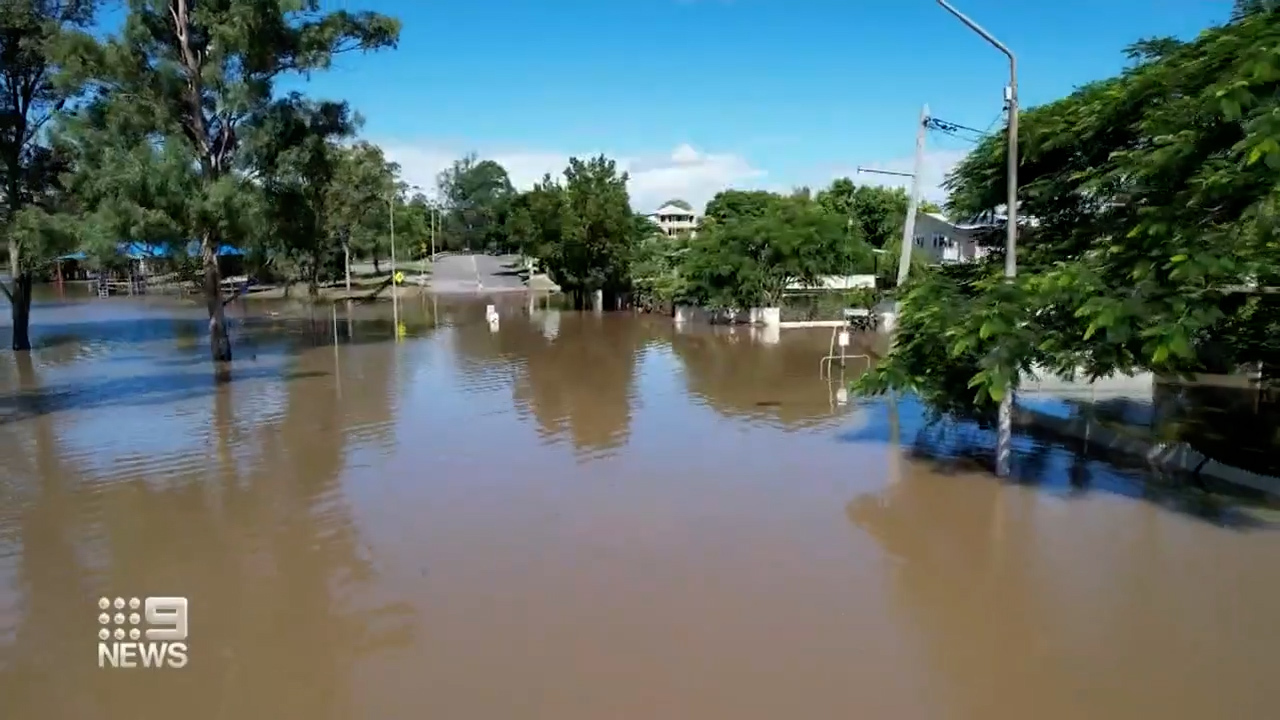
"We have conditions now where catchments are already very saturated and when we see any rainfall after an event that we've just seen we can have some flash flooding.
"We want people to be aware tomorrow that it won't take that much rainfall to see the impacts of the rain."
Low-lying areas around creeks are most at risk of flooding, with residents warned to be weary of incoming storms.
Ms Boekel said storms will be caused by a south easterly change, which is expected to decrease humidity levels and cool temperatures in South East Queensland on Thursday.
The storms are expected to hit late morning or into the afternoon tomorrow, possibly pushing into the evening.
Ms Boekel said throughout Queensland's south east, river levels have continued to go down following last week's flood event.
"We have had a couple of days where rivers have settled a bit," she said.
"We are seeing that easing trends but we are absolutely still on alert for what tomorrow's weather could bring."
Heatwave grips North Queensland
Ms Boekel said North Queenslanders suffering through record breaking temperatures could expect some relief going into the weekend.
Townsville airport this morning recorded a minimum temperature of 28.9 degrees, with more scorching conditions recorded.
"That's a March record and 0.1 degrees cooler than the all time record," Ms Boekel said.
Charters Towers experienced its hottest ever March day yesterday with 42.3C, breaking the record set in 1935.
Covid 19: Auckland women behind Northland snap lockdown avoid charges
The two Auckland women responsible for a snap lockdown that sent Northland into “complete turmoil” last October have avoided legal action. A lack of evidence supporting the claim the women obtained their required travel documents…
Covid-19: Suppression continues for Rangiora man charged with vaccine pass forgeries
A 61-year-old Rangiora man accused of making fake Covid vaccination passes has pleaded not guilty and elected trial by jury.The man’s interim name suppression order was continued at his appearance in the Christchurch District Court…
Herald afternoon quiz: March 8
Test your brains with the Herald’s afternoon quiz. Be sure to check back on nzherald.co.nz for the morning quiz tomorrow. To challenge yourself with more quizzes, CLICK HERE.
Covid 19 Omicron outbreak: Wellington Free Ambulance urges people to keep 111 for emergencies following record calls
Wellington Free Ambulance is urging people to save 111 for emergencies, after services around the country received a record number of calls on Sunday – with one waiting more than seven minutes to be answered. At its peak on Sunday,…
Stonehenge's hidden purpose revealed, professor claims
A UK professor has claimed the mysterious circle of Stonehenge served as a "solar calendar" for ancient peoples, following recent discoveries about the site.
The suggestion that Stonehenge functioned as some kind of calendar or seasonal arbiter is long-established, but a new analysis Professor Timothy Darvill of the University of Bournemouth has established how it might have actually worked.
"Now, discoveries brought the issue into sharper focus and indicate the site was a calendar based on a tropical solar year of 365.25 days," Professor Darvill said in a news release.
LIVE UPDATES: Evacuations across Sydney as floodwaters rise
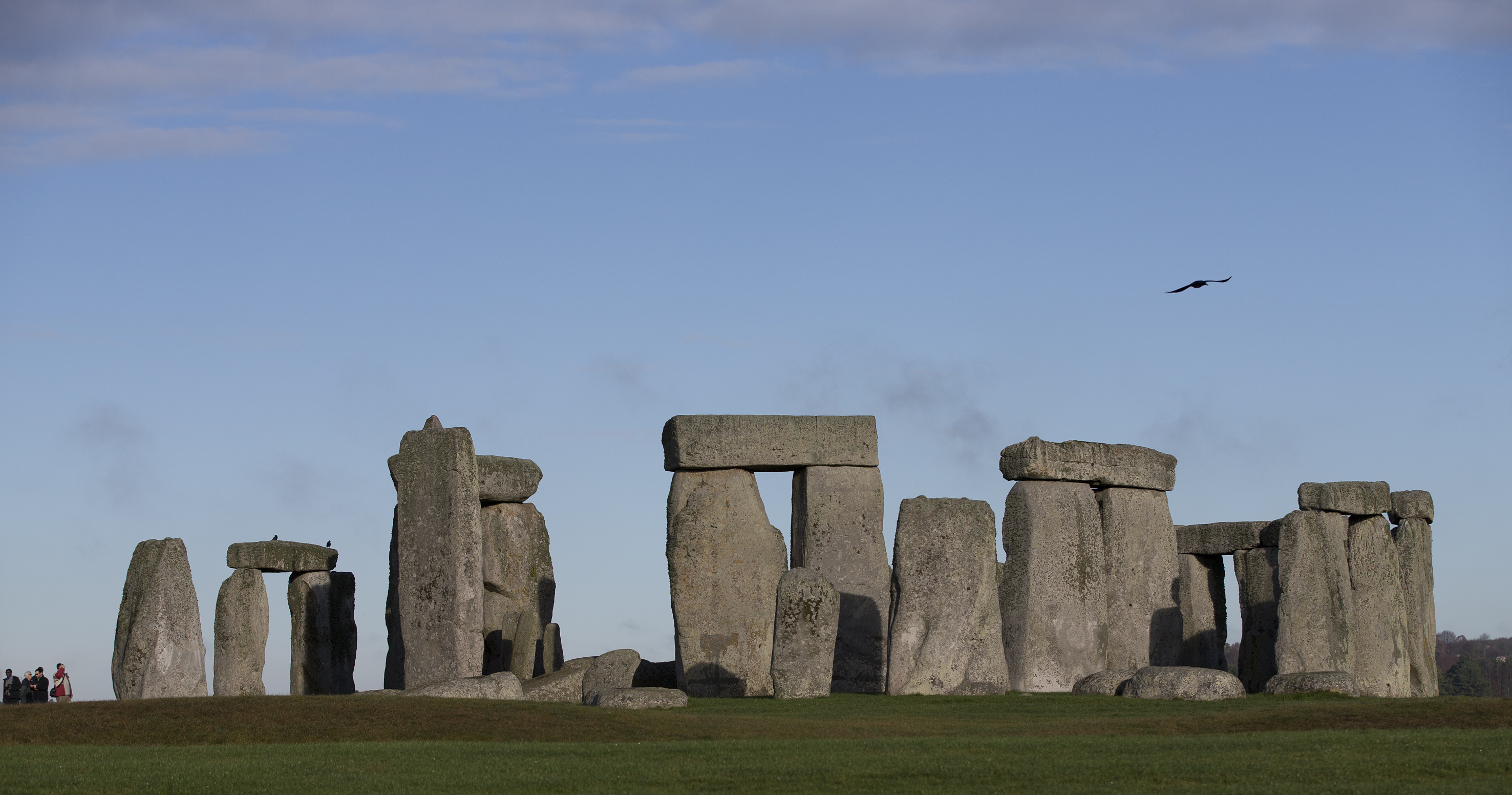
Recent research had shown that Stonehenge's sarsens were added during the same phase of construction at about 2500 BCE.
They were sourced from the same area and subsequently remained in the same formation.
This indicates they worked as a single unit, Professor Darvill said.
He identified a solar calendar in their layout, suggesting they served as a physical representation of the year that helped the ancient inhabitants of Wiltshire keep track of the days, weeks, and months.
"The proposed calendar works in a very straightforward way," he said.
"Each of the 30 stones in the sarsen circle represents a day within a month, itself divided into three weeks each of 10 days."
READ MORE: Russia sets Ukraine key demands for end of fighting
Additionally, an extra month of five days and a leap day every four years were needed to match the solar year.
"The intercalary month, probably dedicated to the deities of the site, is represented by the five trilithons in the centre of the site," Professor Darvill said.
"The four Station Stones outside the Sarsen Circle provide markers to notch-up until a leap day."
Trilithons are the structures of Stonehenge that consist of two upright standing stones, with a third lintel stone placed horizontally between them at the top.
READ MORE: Apprentice told 'you're female. We can't risk having a lawsuit'
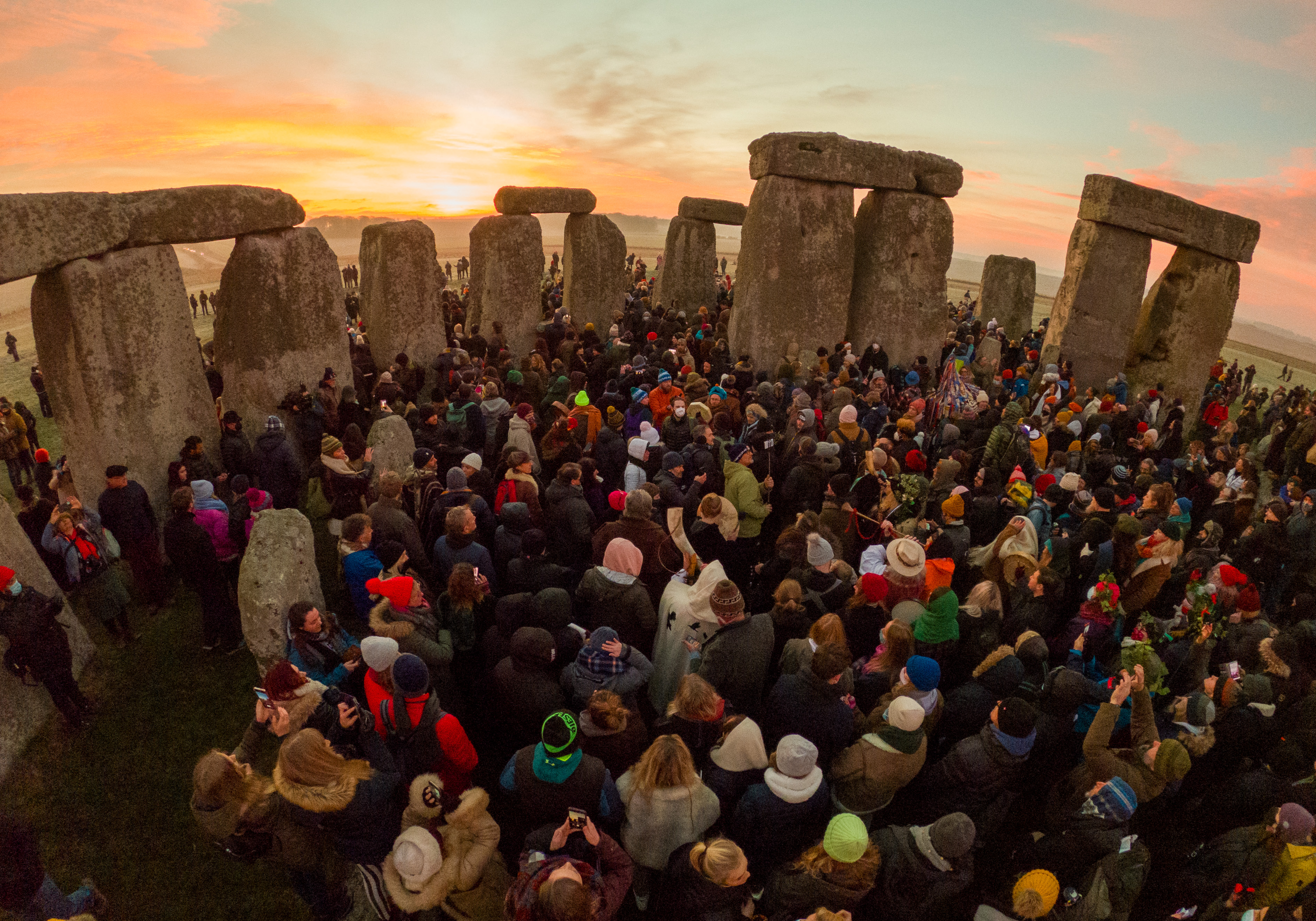
Professor Darvill said the "calendar" was likely linked to summer and winter solstices, which would be framed by the trilithons – also enabling people to re-calculate the date.
Professor Darvill said similar calendars were adopted by many cultures during the same period.
"Such a solar calendar was developed in the eastern Mediterranean in the centuries after 3000 BCE and was adopted in Egypt as the Civil Calendar around 2700 BCE and was widely used at the start of the Old Kingdom about 2600 BCE," he said.
Professor Darvill speculated that the construction of Stonehenge could have been influenced by one of those outside cultures.
"Finding a solar calendar represented in the architecture of Stonehenge opens up a whole new way of seeing the monument as a place for the living," he said.
"A place where the timing of ceremonies and festivals was connected to the very fabric of the universe and celestial movements in the heavens."
What's next in the Russia-Ukraine conflict?
Russia's invasion of Ukraine has triggered Europe's biggest and bloodiest security crisis since World War II.
While immediate attention is on the fierce resistance by the outgunned Ukrainians and the plight of civilians, it is important to look at possible outcomes and their impacts.
Matthew Sussex, a senior fellow at the Centre for Defence Studies at the Australian Defence College in Canberra, has outlined three potential scenarios.
LIVE UPDATES: NSW hit with more rain
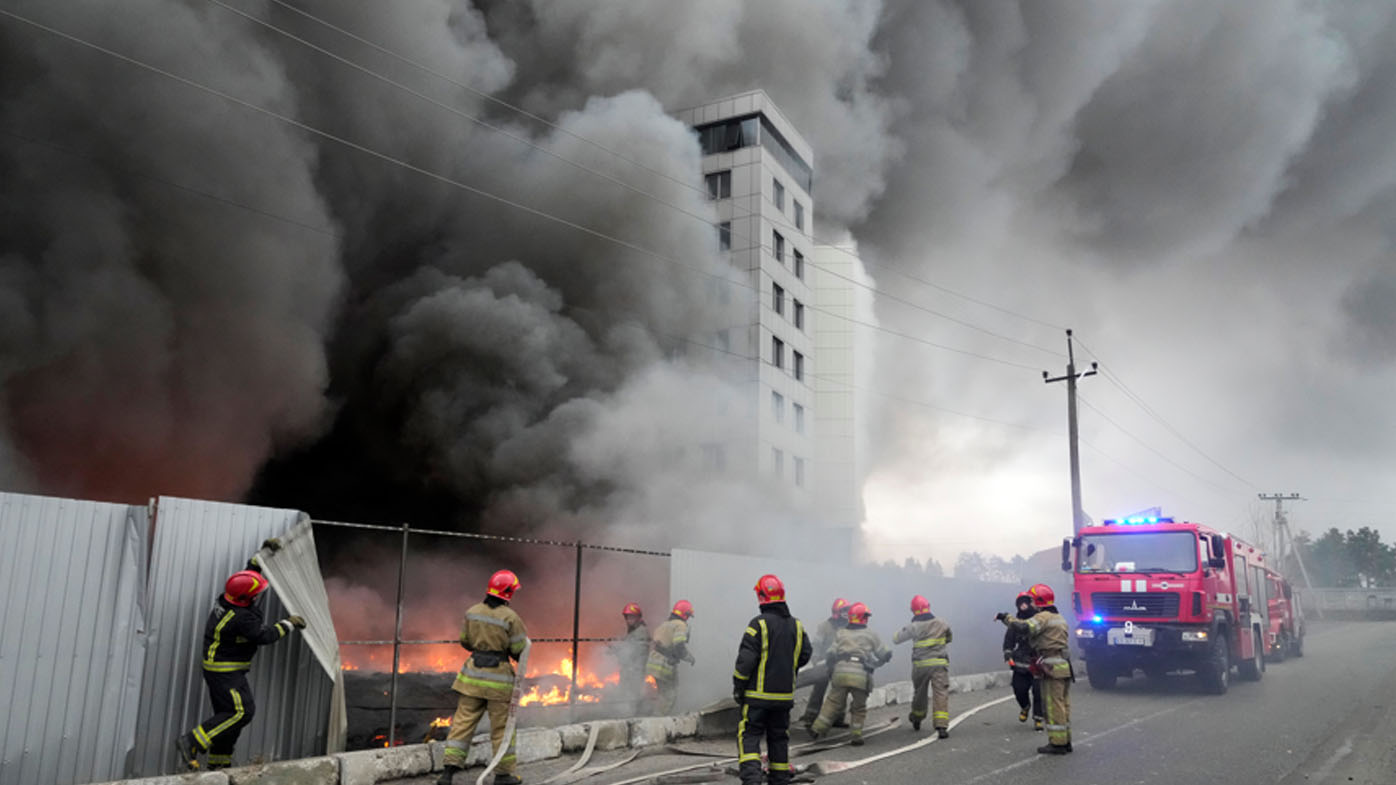
Long war
With his forces engaged in intense fighting in Kyiv and other major cities, Russian President Vladimir Putin could be prepared to dig in for an extended war.
Associate Professor Sussex told nine.com.au that the Russian war machine is already feeling the strain of the conflict.
"It looks like the Russian military has shot a lot of their guided munitions … and there are reports they're calling up about 1000 troops from Syria."
But he said while Mr Putin's plan for a lightning takeover of Ukraine backfired badly, he remains committed to fighting and bringing the country under Moscow's sphere of influence.
"He has for a long time said that Ukraine doesn't deserve to exist as a state," he said.
"That Ukrainians and Russians are just one people driven apart by the West.
"So he has […] achieved some of his aims already."
Associate Professor Sussex said an extended war – perhaps lasting for years – will see Ukraine's cities levelled by Russian bombardment and a fierce insurgency against the invaders.
READ MORE: Russia sets Ukraine key demands for end of fighting
Diplomatic solution
With Ukrainian forces – regularly supplied with western anti-tank and anti-aircraft weapons – repulsing Russian attacks, together with international sanctions biting, could Mr Putin sue for peace.
Associate Professor Sussex said that largely depends on offering the Russian president a diplomatic "off-ramp", involving some compromise by Ukraine.
'There is no such thing as a moderate member of the Kremlin hierarchy'
That could involve Mr Putin achieving at least one of his demands, such as Ukraine recognising the two breakaway regions in the Donbas region as separate states, a guarantee of neutrality in Ukraine or a commitment that Ukraine never joins NATO.
READ MORE: Australia listed as 'unfriendly country' by Russia as sanctions bite
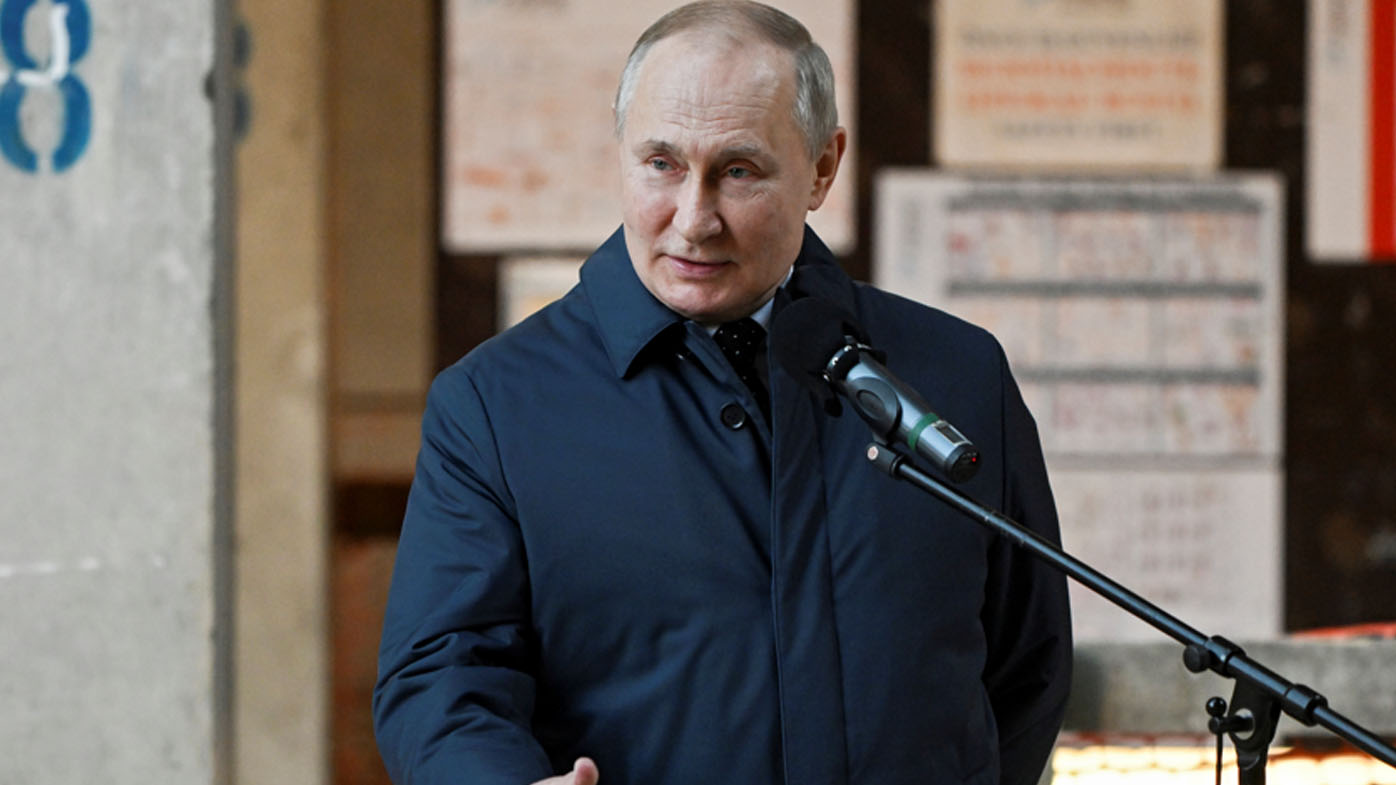
"Or it may involve basically splitting Ukraine and installing a pro-Kremlin puppet in part of the country," he said.
But a diplomatic solution would also mean Ukrainian President Volodymyr Zelenskyy giving some ground.
The popular leader flagged before peace talks last week that he was willing to discuss "neutral status" for Ukraine — one of Mr Putin's three demands.
But another demand by the Kremlin – the "de-Nazification" of Ukraine – suggests Mr Putin will never accept any agreement under which Mr Zelenskyy stays on as president.
Russia widens the war
Both Russian success or failure in Ukraine could risk the conflict spilling over into another country in Europe, Associate Professor Sussex warned.
An outright victory in Ukraine could see Mr Putin turn his attention to Latvia, Lithuania, Estonia, maybe even Poland.
All these countries are part of the NATO which have been reinforced recently with troops from other alliance members such as the US and Britain.
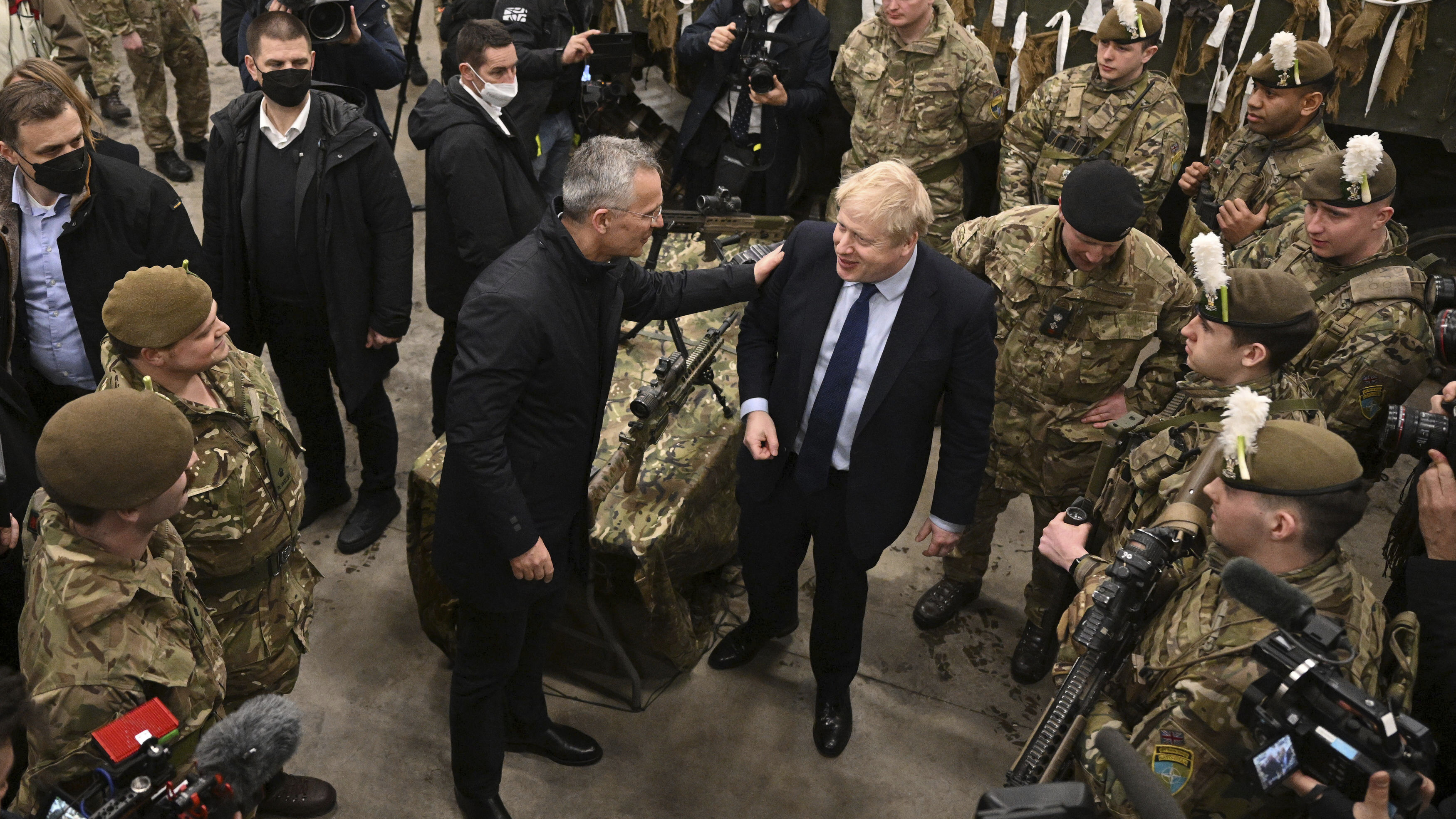
The US has pledged to defend NATO member states bordering Russia if they are attacked.
"It remains unclear whether Putin wants a wider war," Associate Professor Sussex said.
He says the Russian leader is a "gambler" who could try to ramp up tensions by staging some kind of demonstration of strength against NATO.
Equally, a defeated or humiliated Russia, may box in Mr Putin domestically and diplomatically.
"And then he has the temptation to lash out … possibly against NATO."
Associate Professor Sussex also dismissed some western commentary that Mr Putin could be swayed by "moderate" figures in the Kremlin.
He said Russia's leading politicians and defence chiefs are all behind their president.
"There is no such thing as a moderate member of the Kremlin hierarchy."
Covid-19 Omicron outbreak: Expert says RATS can miss 50 per cent of infections, here's how to do a test properly
The widespread use of rapid antigen tests has taken pressure off testing capacity, but an expert warns they can miss 50 per cent or more of infected people. Epidemiologist and University of Auckland professor Rod Jackson said RATS…
Taranaki rape charge dismissed following complainant's evidence
A Taranaki man who was defending charges of rape and unlawful sexual connection has walked free from his trial after the judge dismissed all of the charges. In New Plymouth District Court on Tuesday, Judge Simon Menzies said the…