All political parties say they will back a bill to ramp up sanctions against Russia over its invasion of Ukraine, to be introduced under urgency tomorrow. Meanwhile, pressure mounts on the Government to do more to address the escalating…
Category Archives: headline
Guilty plea to part in Glenleith homicide
A Dunedin woman has pleaded guilty to being an accessory to homicide.The 48-year-old appeared in the High Court at Dunedin today. The facts surrounding the crime were suppressed, at least until sentencing in May.Hairdresser Naomi…
Family call for driver in hit-and-run to 'own up' after crash
The family of a motorcyclist injured in a “shocking” Mosgiel hit-and-run are calling for the driver of a double-cab ute to own up.Adrian McCaughan, 48, said he was riding his new Yamaha down Riccarton Rd on his way to play golf…
The flood rescue stories that made NSW Premier say sorry
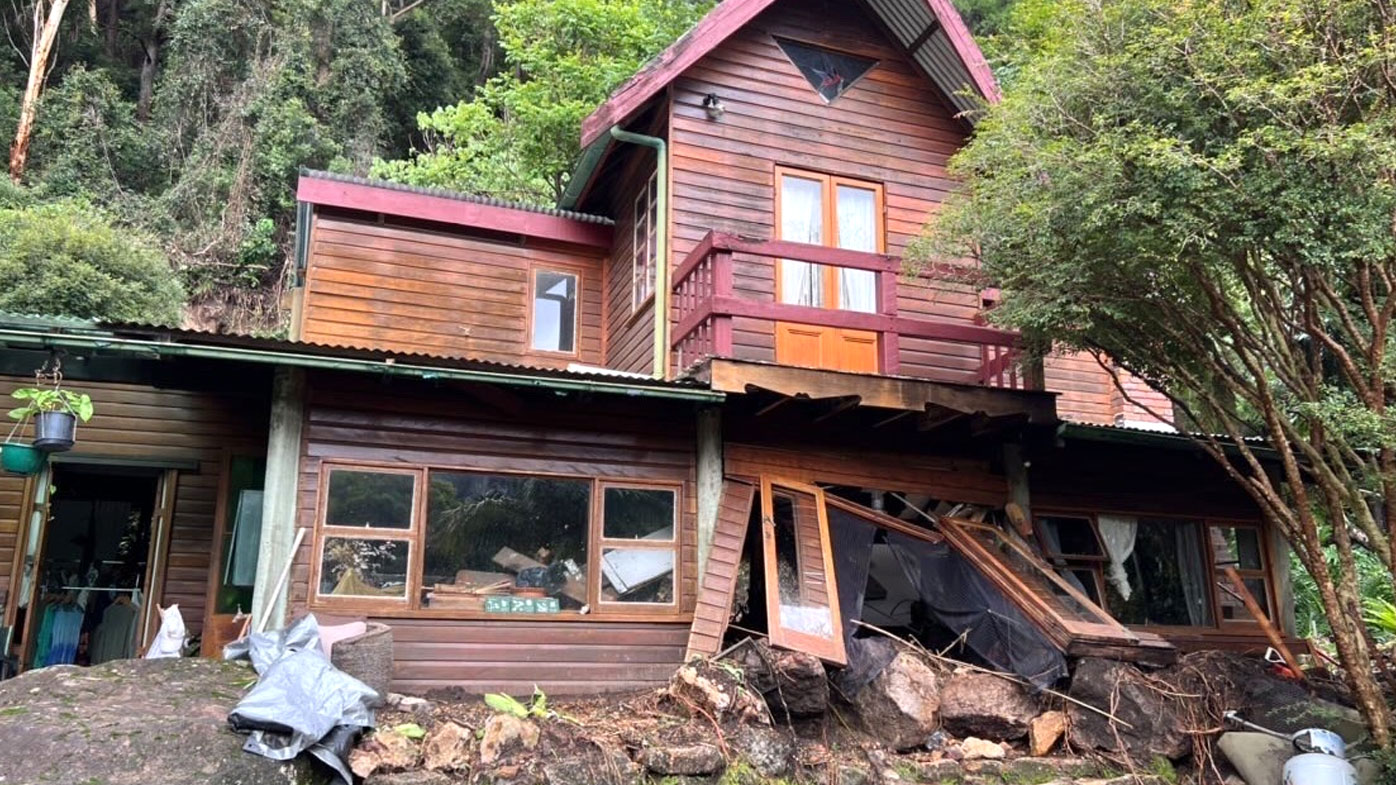
A large and ominous rumble woke Shafiqa Irwin at 4am.
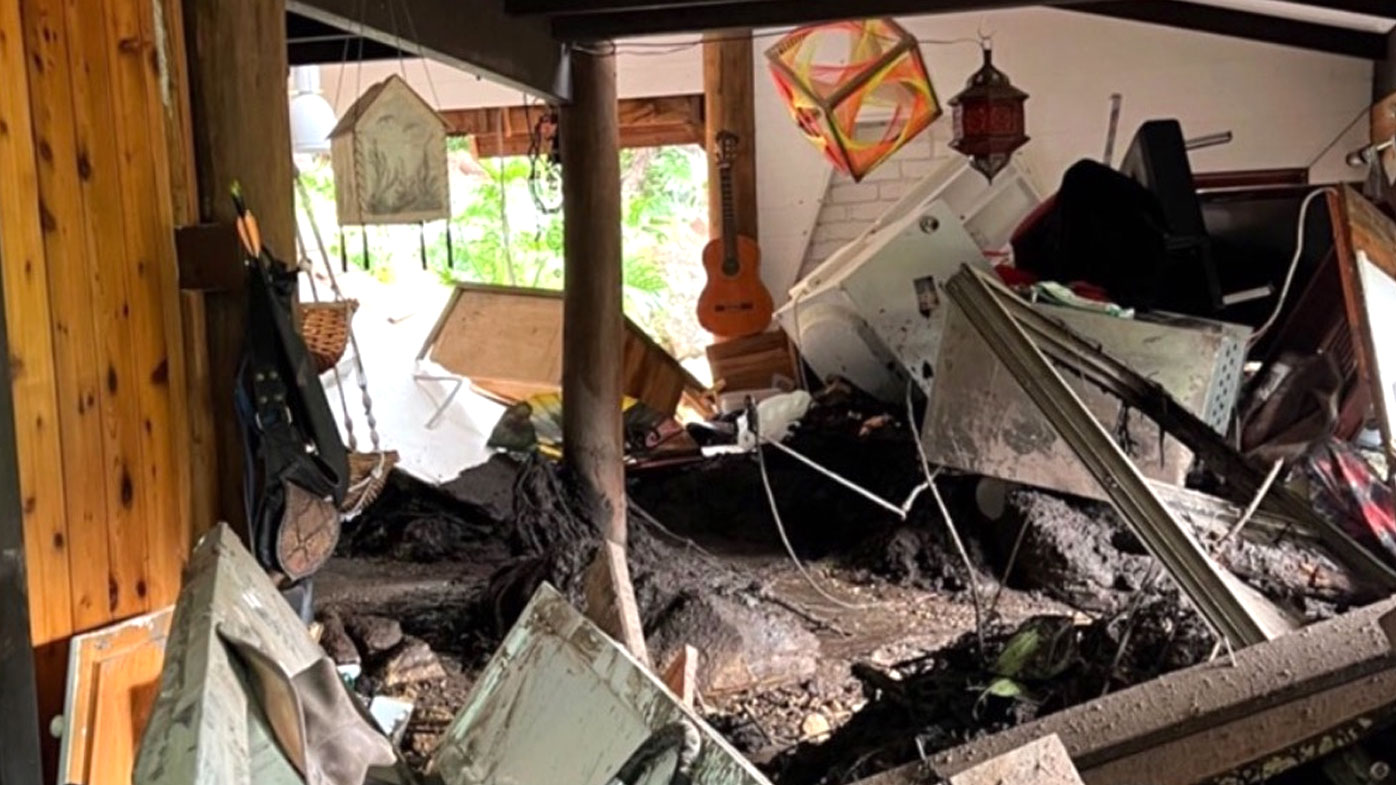
Seconds later, a massive landslide, triggered by torrential rain in northern New South Wales, smashed through her home in the usually serene Wilsons Creek.
In the darkness, Ms Irwin found herself covered in rubble.
LIVE UPDATES: Evacuations across Sydney as floodwaters rise

She called out to her partner Alex, but there was nothing.
The surging wave of wet earth and debris that crashed all the way through their wooden two-level home early on Monday morning had knocked him unconscious.
When he came to, he helped dig Ms Irwin free.
Both her legs were broken, and a neighbour helped move them to safety.
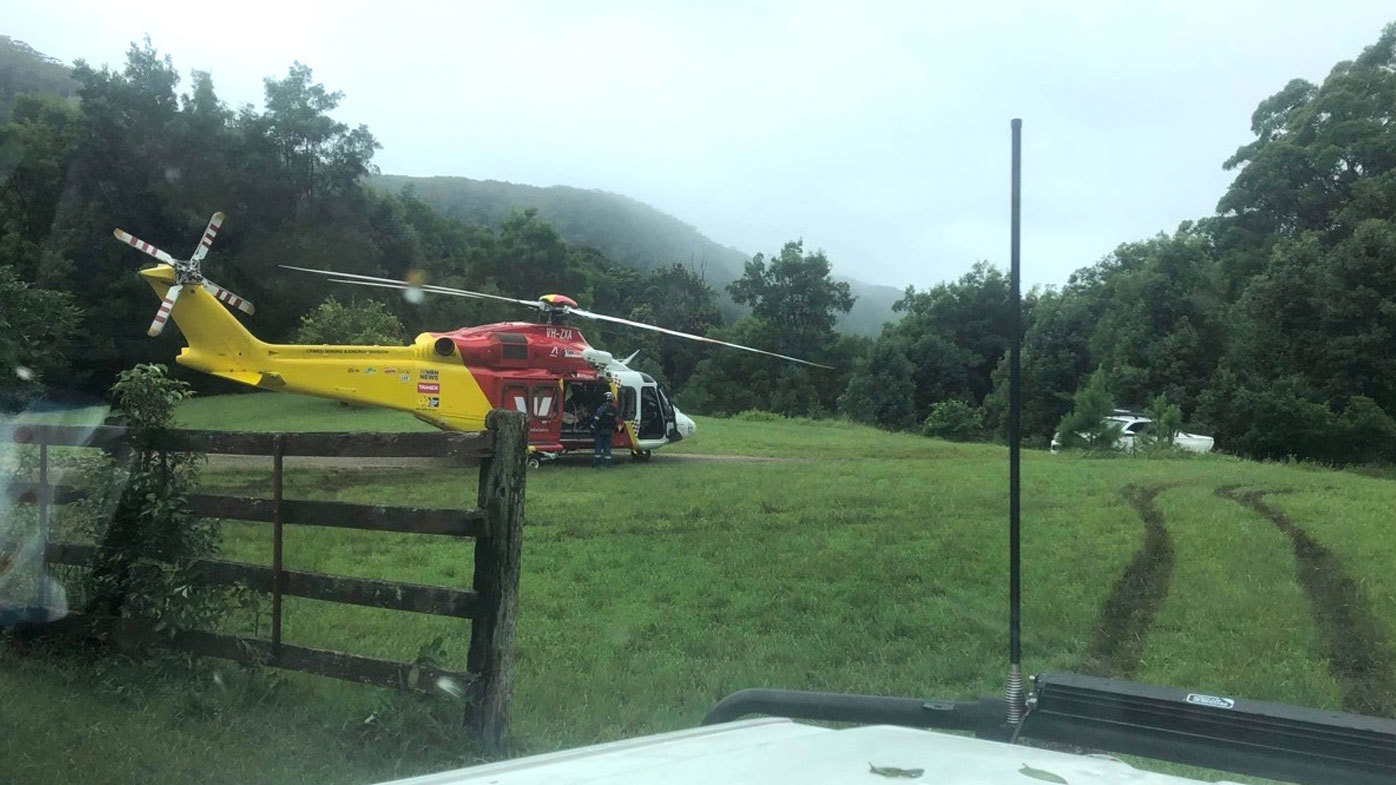
It took 38 long and painful hours for a helicopter to fly in and rescue them, according to an online fundraising page which friends have set up to help the pair rebuild their home.
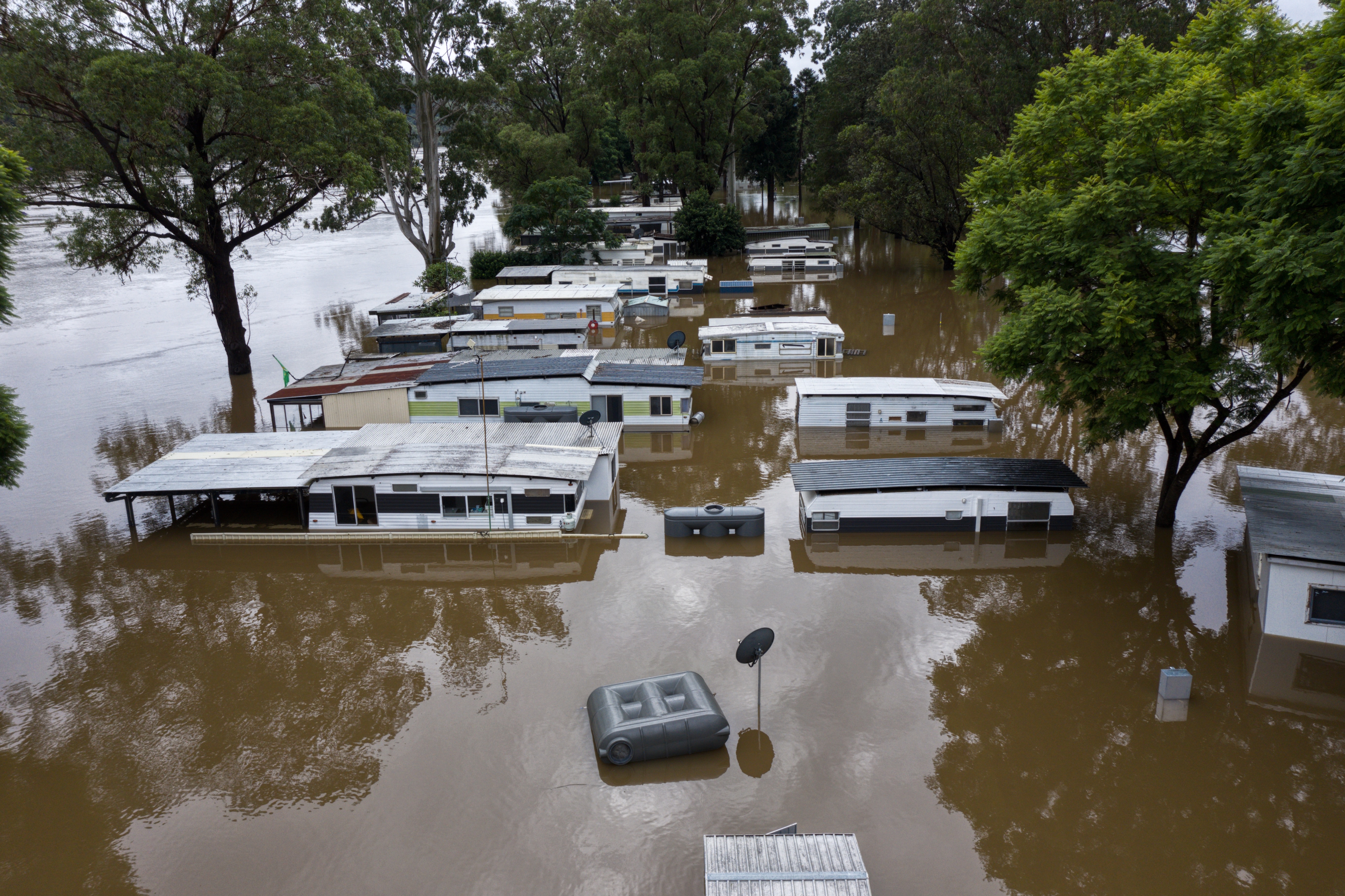
Today, in the face of harrowing stories like Ms Irwin's, an apologetic NSW Premier Dominic Perrottet admitted many people in flood-hit northern areas of the state had been left feeling abandoned by the government and emergency services.
"I'm incredibly sorry," Mr Perrottet said on 2GB, following his visits to Lismore where devastating floodwaters which reached 14.5 metres have killed five and left thousands homeless.
"I don't want anyone in our state to ever feel that they are isolated and abandoned," he said.
"And it's very clear to me, over the course of this period (and through) so many heartbreaking stories, that that's how many people felt."
READ MORE: Russia sets Ukraine key demands for end of fighting
READ MORE: Apprentice told 'you're female. We can't risk having a lawsuit'
Other residents around Lismore told 2GB stories of major landslides, a lack of police and emergency services crew on the ground and dramatic rescues being orchestrated by people who were scaling dangerous cliff faces to help their neighbours.
"We need more army, we need more police," a man known only as Jake told 2GB.
"It's a state of emergency.
"There is not enough police here, not enough help, just volunteers.
"There are landslides and regular people are trying to scale cliffs to rescue people, pregnant people, elderly people, babies and families."
Jake said "so many people" were still unaccounted for.
'You have to see it to believe it'
Mr Perrottet said the damage inflicted on Lismore and the surrounding areas, where he has spent the past few days, was incomprehensible.
"You've got to see it to actually really believe it," he said.
"When people say, or might say, 'Oh it's not that bad', well, I can tell you, it is that bad.
"The sights there are devastating."
Mr Perrottet said he had heard countless stories of "courage and heroism" that had saved lives in northern NSW.
Currently the death toll in NSW from the floods stands at five, but that number could climb as the clean-up and salvage operation begins in earnest.
Mr Perrottet said he had met a man who had carried out rescues on his jet ski, including saving a boy from from floodwaters that were beginning to swallow a two-storey home.
"He called out if there was anybody in there and out came a four-year-old boy in a life jacket who this man rescued," Mr Perrottet said.
"And that's just one story.
"There are hundreds and hundreds of these stories that have occurred."
Mr Perrottet predicted it would take "a massive operation" to get scores of homeless people into emergency housing.
The government was making available hotels, motels, and Airbnb rentals, and a fleet of campervans was under discussion, he said.
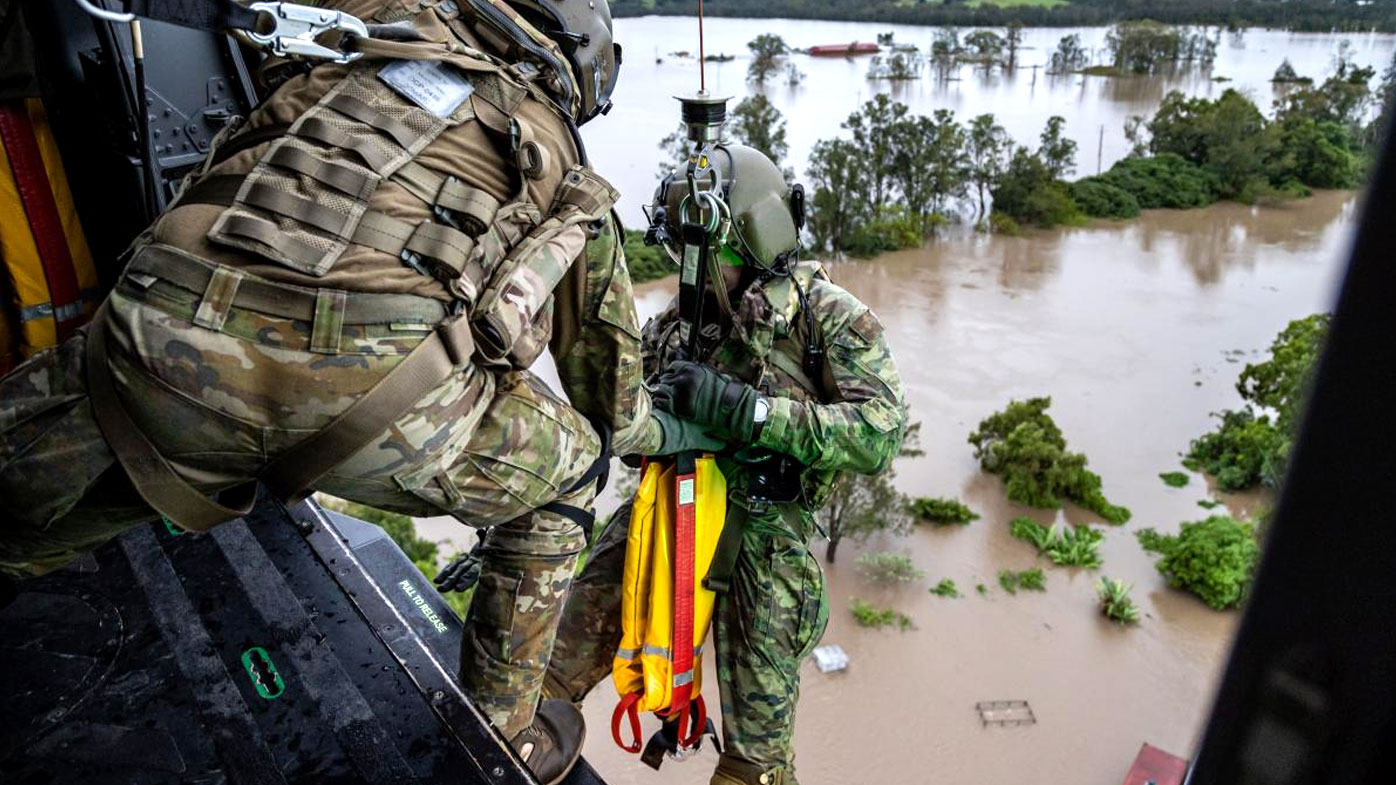
About 1300 ADF personnel would be on the ground by tonight, Mr Perrottet said, adding he had bumped up a request for 5000 soldiers to assist with the clean-up, help fix roads and get emergency supplies into worst-hit areas.
"Our focus right now is to get this cleaned up … as quickly as possible to get these communities back on their feet (and) to get people into housing, which is going to be a major challenge over the coming weeks."
There would "absolutely" be an immediate review of how the state handles natural disasters, which are on the rise, he said.
Mr Perrottet said those plans included continuing to look at building the Warragamba Dam higher to try and avert flooding north-west of Sydney.
Heavy rainfall of 120-150 mm is expected in Sydney today.
When is it going to stop raining?
After weeks of seemingly endless rain, residents across south-east Queensland and New South Wales have been left wondering if it will ever stop.
Although thousands of people were evacuated across south-western Sydney this morning, and regions north of the border have only just begun the storm cleanup, there is some respite in sight.
Here's a breakdown of the upcoming forecasts.
LIVE COVERAGE: Queensland bracing for 'nasty' storms
When is it going to stop raining in Sydney?
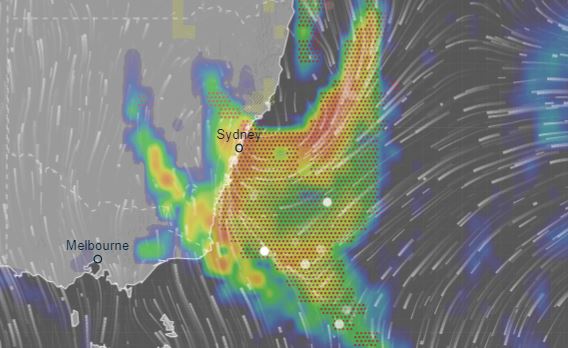
Sydney has copped a drenching this morning and the soggy conditions are set to last the remainder of the day. However, residents across the city can look forward to a significantly dryer week, with just a few millimetres of rain forecast on each day.
SEND 9NEWS YOUR WILD WEATHER FOOTAGE
Today, Sydney is expected to see a total of 120 to 150 millimetres with "a near 100 per cent" chance of continuous rain throughout the day, according to the Bureau of Meteorology (BoM).
Tomorrow, there is a just a 50 per cent chance of rain with between zero to three millimetres expected while on Thursday, there is hardly any rain forecast at all. Similar levels are expected until Monday.
You can find a full seven day forecast here.
LIVE UPDATES: NSW braces for more rain
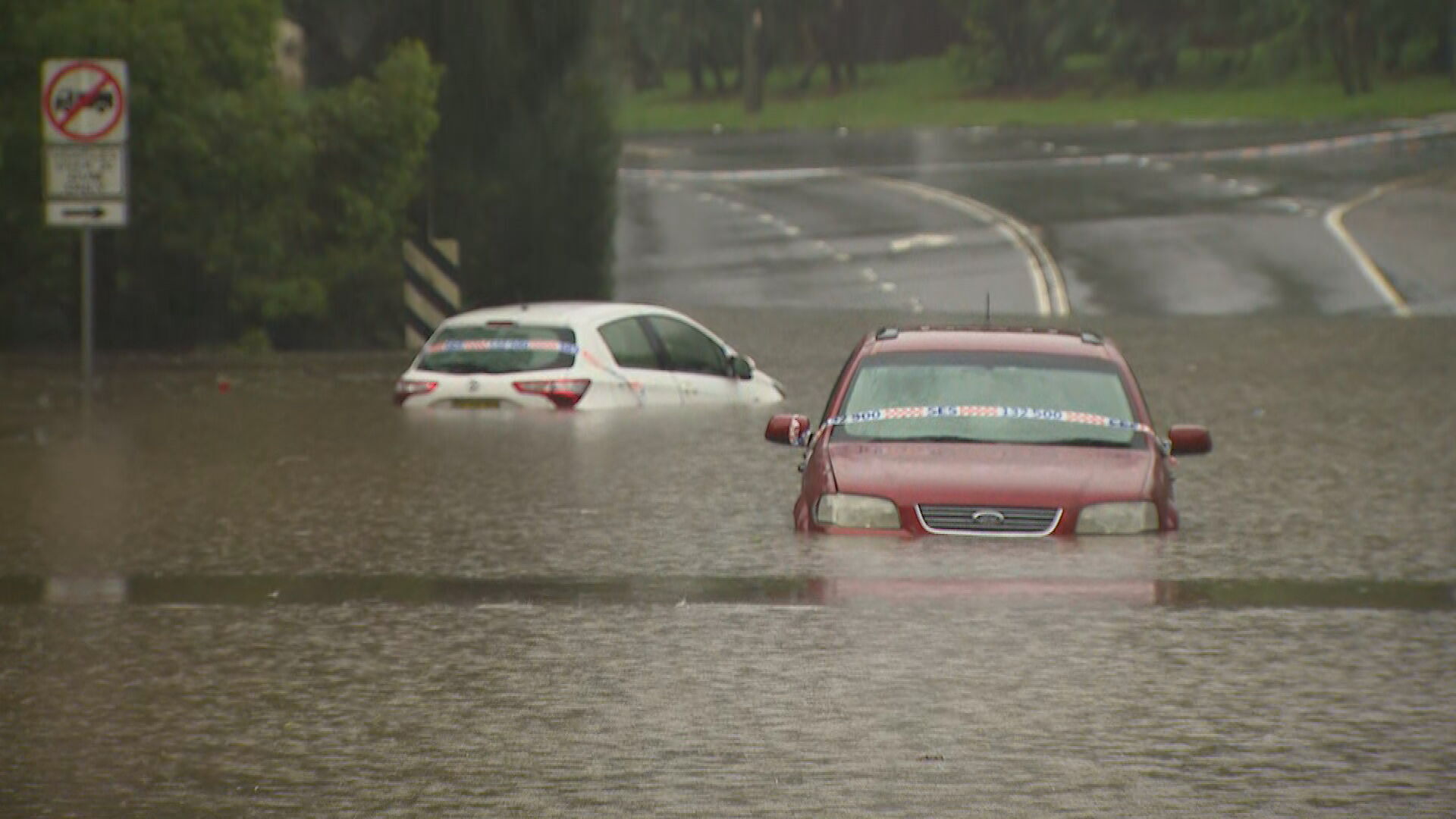
When is the rain going to stop in Ballina and northern rivers?
The forecast for Ballina and surrounds is expected to be similar to Sydney this week although slightly more dry.
It'll be warm throughout the region today with peaks of 31C degrees and just a 10 per cent chance of rain, according to the BoM.
READ MORE: NSW schools closed, evacuation orders and river water levels
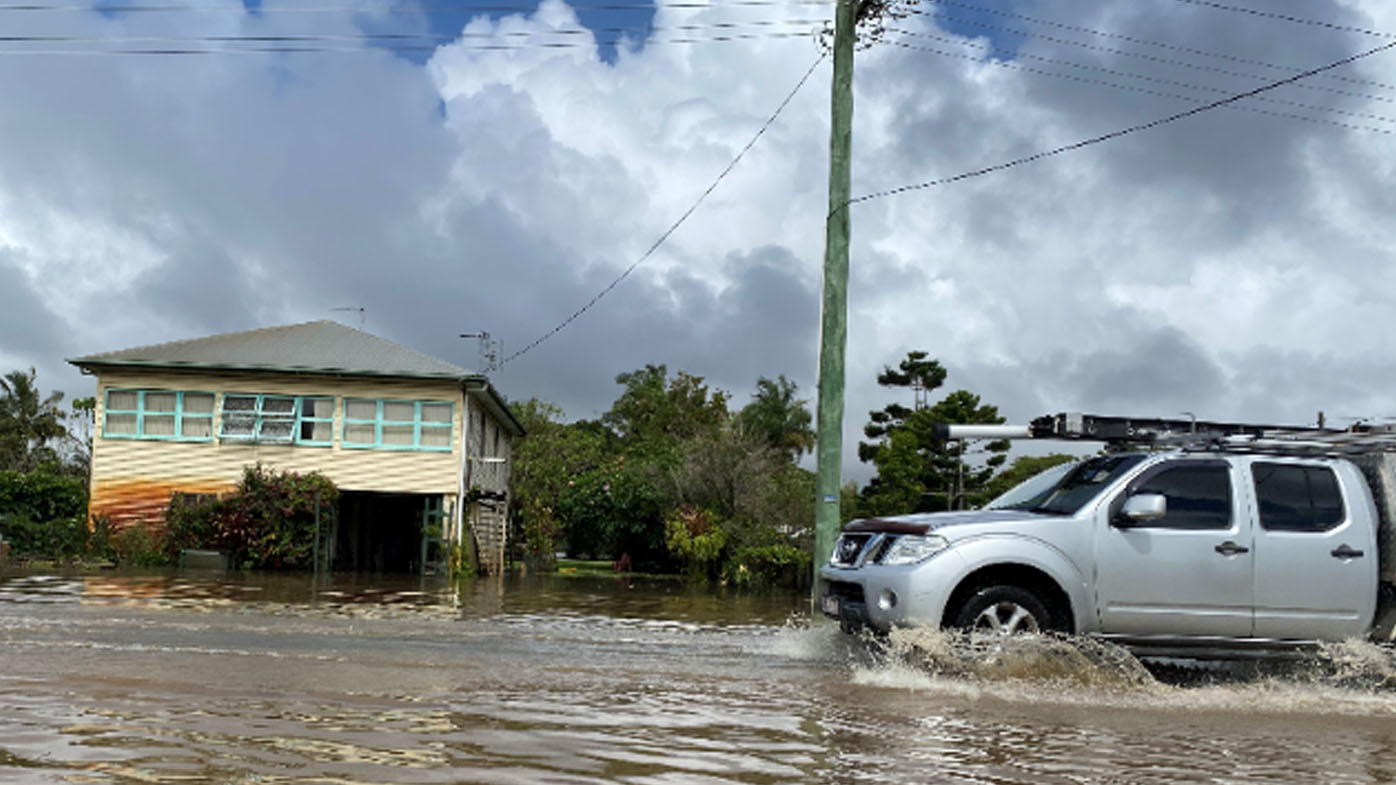
Just three and five millimetres of rain is expected tomorrow and Thursday respectively. Showers are again forecast on Friday with a higher 80 per cent chance, and a total of eight millimetres predicted.
When is the rain going to stop in Brisbane?
Brisbane residents can enjoy a warmer day today with tops of 31C predicted and a relatively dry day.
There is a 40 per chance of showers today in the city, however only one millimetre of rain is expected.
Tomorrow, between three and 15 millimetres of rain is expected and on Thursday just 0.2 millimetres, however a late morning thunderstorm is possible. Conditions will remain largely the same in Brisbane throughout the rest of the week.
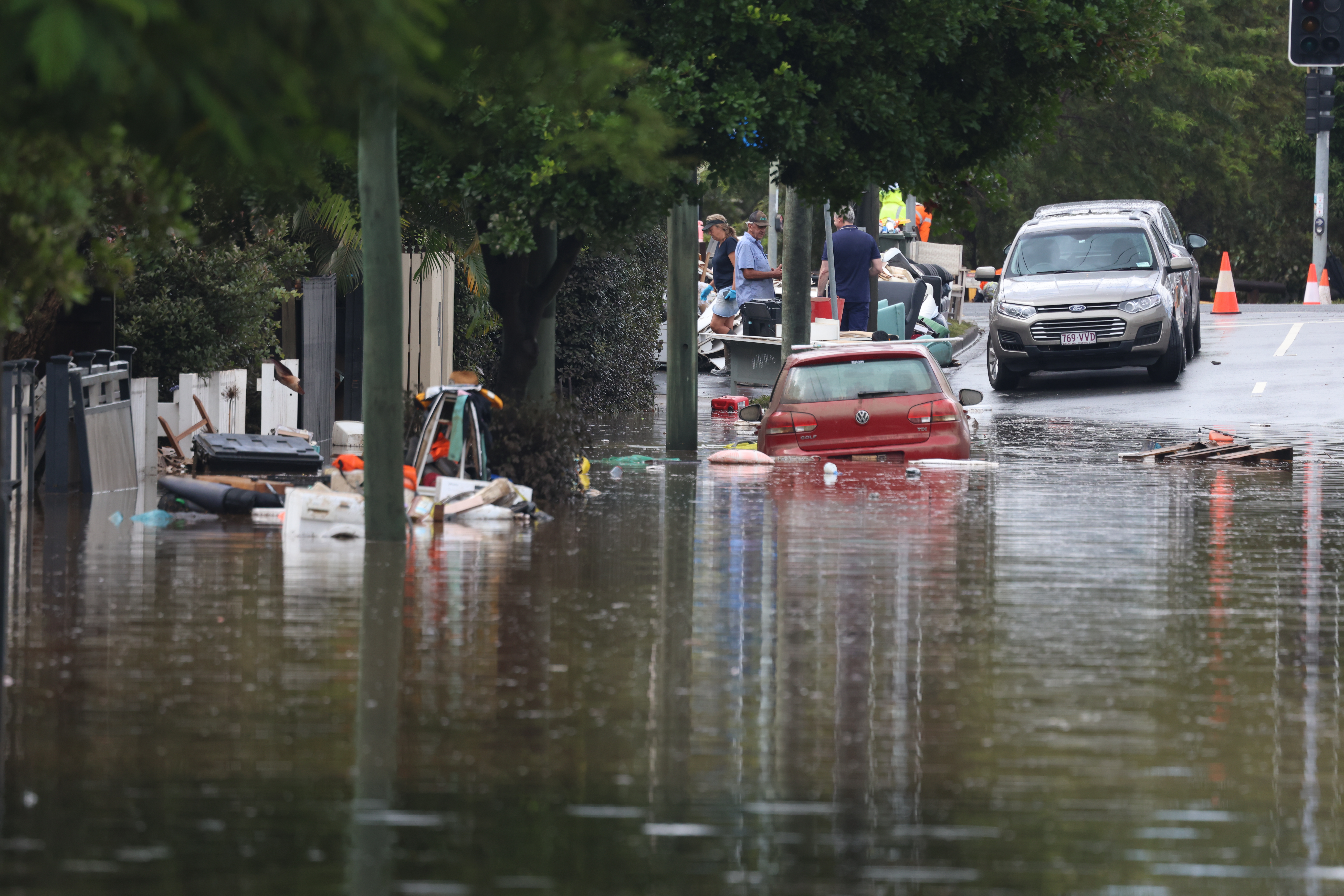
Why is it raining so much?
A deepening low-pressure system is moving through the coast, bringing a burst of dangerous weather to parts of eastern NSW as it moves towards the coast.
Rain radar
Weather forecast
How much rain is Sydney expecting over the weekend?
This weekend Sydneysiders could see between two to four millimetres of rain across the weekend, with a 50 and 60 per cent chance of showers on Saturday and Sunday respectively.
In Brisbane, it'll be a mostly dry weekend, with just one to two millimetres of rain predicted across the two days. It is forecast to be 26C degrees and cloudy and both Saturday and Sunday.
In Ballina, between one to six millimetres of rain will fall across the weekend, however conditions will be warmed and showers scattered.
How long does La Nina last?
According to the Bureau of Meteorology, La Nina is likely to last until mid-autumn.
The 2021-22 La Nina is past its peak, with outlooks indicating it will return to a neutral El Nino-Southern Osciliation levels during the southern hemisphere autumn.
"As La Nina weakens, it will continue to influence global weather and climate," according the BoM.
Child care subsidy changes kick in this week. What will this mean for you?
For families with more than one child in child care, daycare fees can be a huge expense.
But things are about to get a little bit easier, with changes to the Federal Government's child care subsidy to take effect from this week.
The changes, which were brought forward by four months, lift the rate of child care subsidy for parents with multiple children in care.
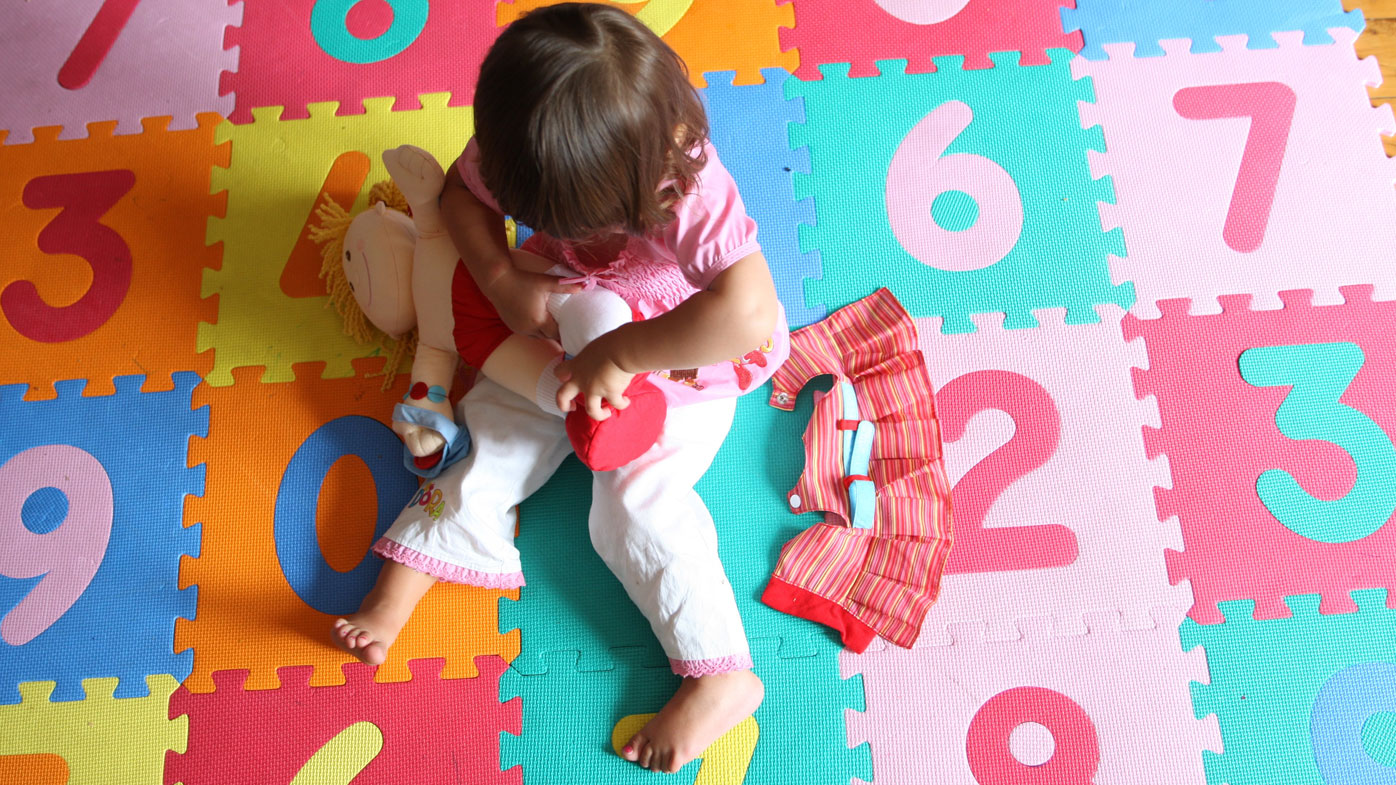
Will the changes affect me?
The changes only apply to families with more than one child aged five and under in care.
It is still means tested, so to be eligible, your family's combined income has to be under about $354,000.
If you've only got one child in care, your childcare subsidy will remain the same.
How much extra will I receive?
Under the changes, the subsidy given to parents for second children onwards will be 30 per cent higher, up to a rate of 95 percent.
For example, if you currently get a 50 per cent subsidy, that will increase to 80 per cent for your second child in daycare.
READ MORE: Full list of NSW schools closed and areas under evacuation orders
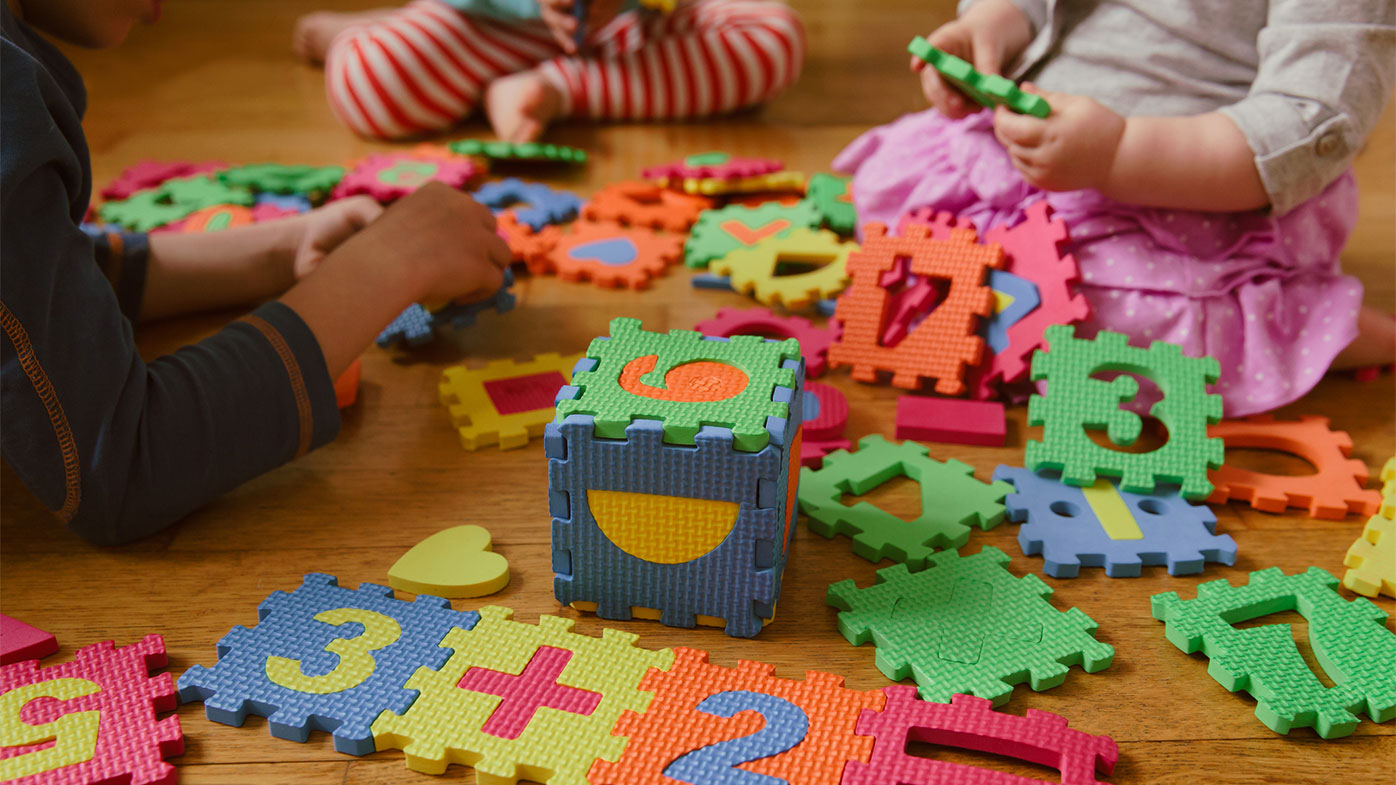
The changes mean around 250,000 families will be, on average, $2,260 a year better off, Employment and Workforce Minister Stuart Robert said.
"For a family who are charged a typical fee and earn $120,000 a year with two children in child care for five days per week, the saving will be $144 per week compared to current settings."
What do I have to do?
Nothing.
The changes should happen automatically for parents already receiving the child care subsidy.
Services Australia will work out how much the subsidy for each child is. You should have received a letter to confirm your new subsidy.
|
Family income |
Previous out-of-pocket child care cost per week |
Current subsidy (standardCCS rate) |
New 2nd child subsidy |
Futureout-of-pocket child care cost per week |
Total better off per week |
|
$40,000 |
$162 |
85% |
95% |
$108 |
$54 |
|
$80,000 |
$198 |
82% |
95% |
$126 |
$72 |
|
$110,000 |
$306 |
72% |
95% |
$180 |
$126 |
|
$120,000 |
$342 |
68% |
95% |
$198 |
$144 |
|
$140,000 |
$414 |
62% |
92% |
$252 |
$162 |
|
$180,000 |
$540 |
50% |
80% |
$378 |
$162 |
Table source: Federal Government
'Tense situation' at Chernobyl nuclear site in Ukraine
A 'complicated and tense' situation has developed at the Chernobyl nuclear reactor plant in Ukraine as Russian forces take control, according to reports.
Hundreds of Ukrainian workers and guards at Chernobyl – the site of the world's biggest nuclear disaster in 1986 – have been stuck there for more than 12 days after Russian troops seized the plant.
With limited food and medicine, there are concerns about their welfare and their ability to carry out their duties, the BBC reports.
LIVE UPDATES: SES braces for NSW downpour
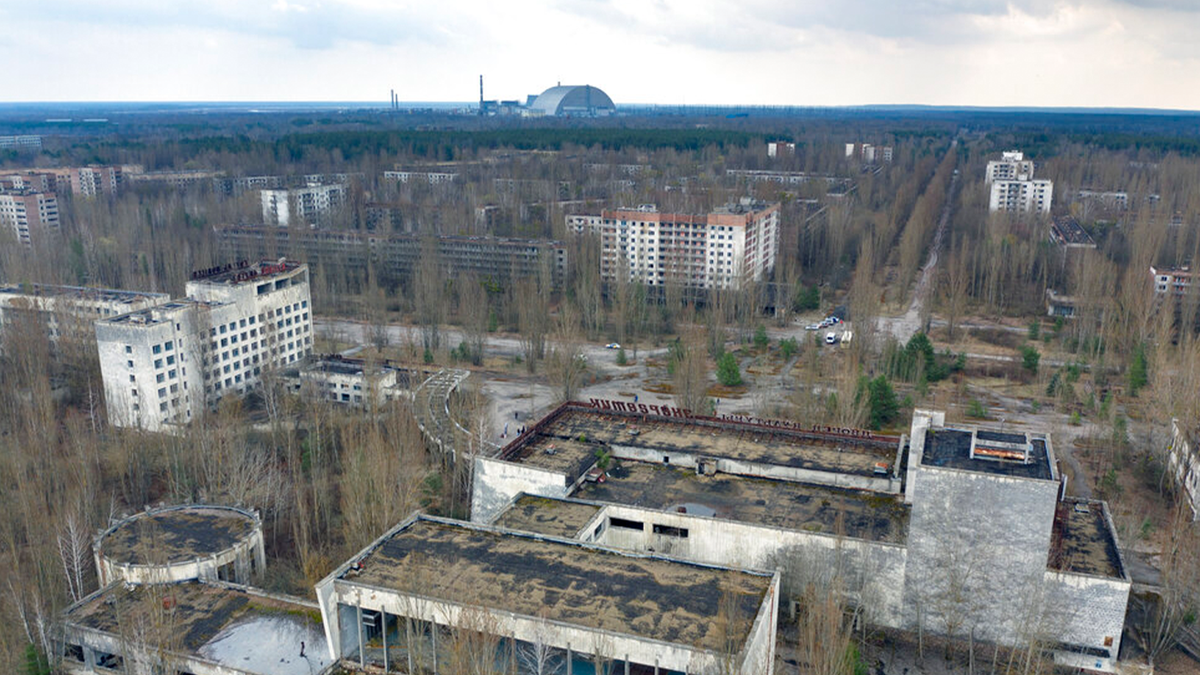
Russian forces are now inside the 32km Chernobyl exclusion zone in northern Ukraine and have ringed the perimeter of the plant.
While Chernobyl is no longer a working power station, the nuclear reactor site was never fully abandoned and still requires constant management.
After the Russian invasion started last month, its staff who usually commuted by train have been forced to live on site.
Local authorities are concerned about the workers' welfare and how it will impact the day-to-day management of Chernobyl.
READ MORE: Russia sets Ukraine key demands for peace
"The situation is complicated and tense," Yuri Fomichev, the Mayor of Slavutych, a nearby town housing workers, said. "It is difficult for them morally, psychologically and physically."
Food for the workers has been rationed and temporary dormitories set up using camp beds and tables to sleep on.
"Under these conditions, the workers' concentration gets worse and worse, and that is a threat to safety," Fomichev said.
EXPLAINER: How dangerous was Russia's nuclear plant strike?
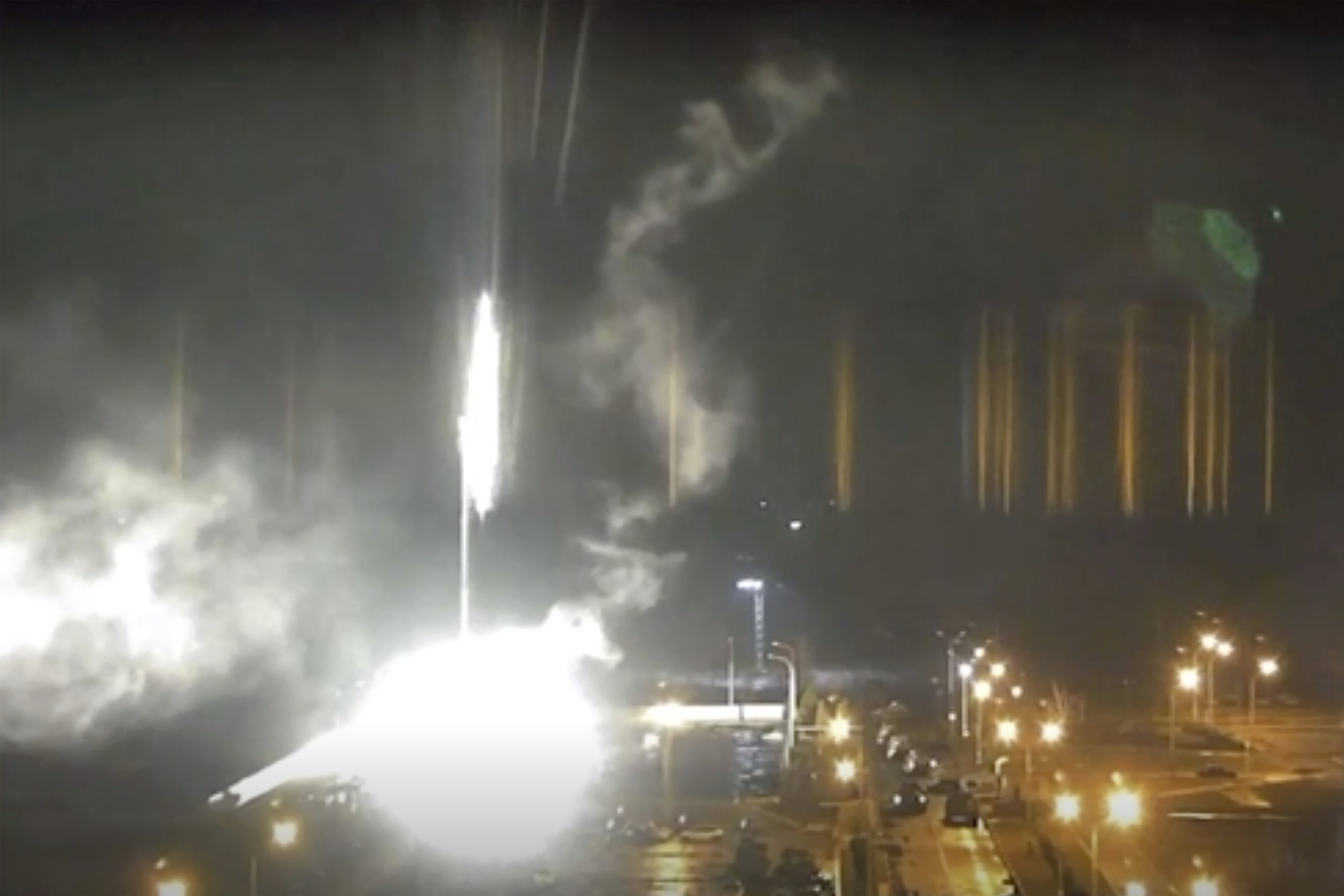
"It may not be a working power plant, but but it still requires a lot of attention to make sure all systems are working normally," he added,
On Sunday, Russian officials offered a delivery of food, but the Ukrainian workers rejected it, saying it was a propaganda stunt.
Last week the Russian shelling of the Zaporizhzhia nuclear power plant in Ukraine, Europe's biggest, provoked international condemnation.
Women tradies working to smash the bias out of the construction industry
The days when women were rebuffed and discouraged from working in trades fortunately appear to be behind us, but there's still plenty of bias to break when it comes to females in the industry.
Despite companies working to get more women on board, the concept of a female tradie still comes as a surprise to many.
Women make up just two per cent of workers in the Australian construction industry.
LIVE UPDATES: Evacuations across Sydney as floodwaters rise
Female employment rates slowly growing
"You're female. We can't risk having a lawsuit".
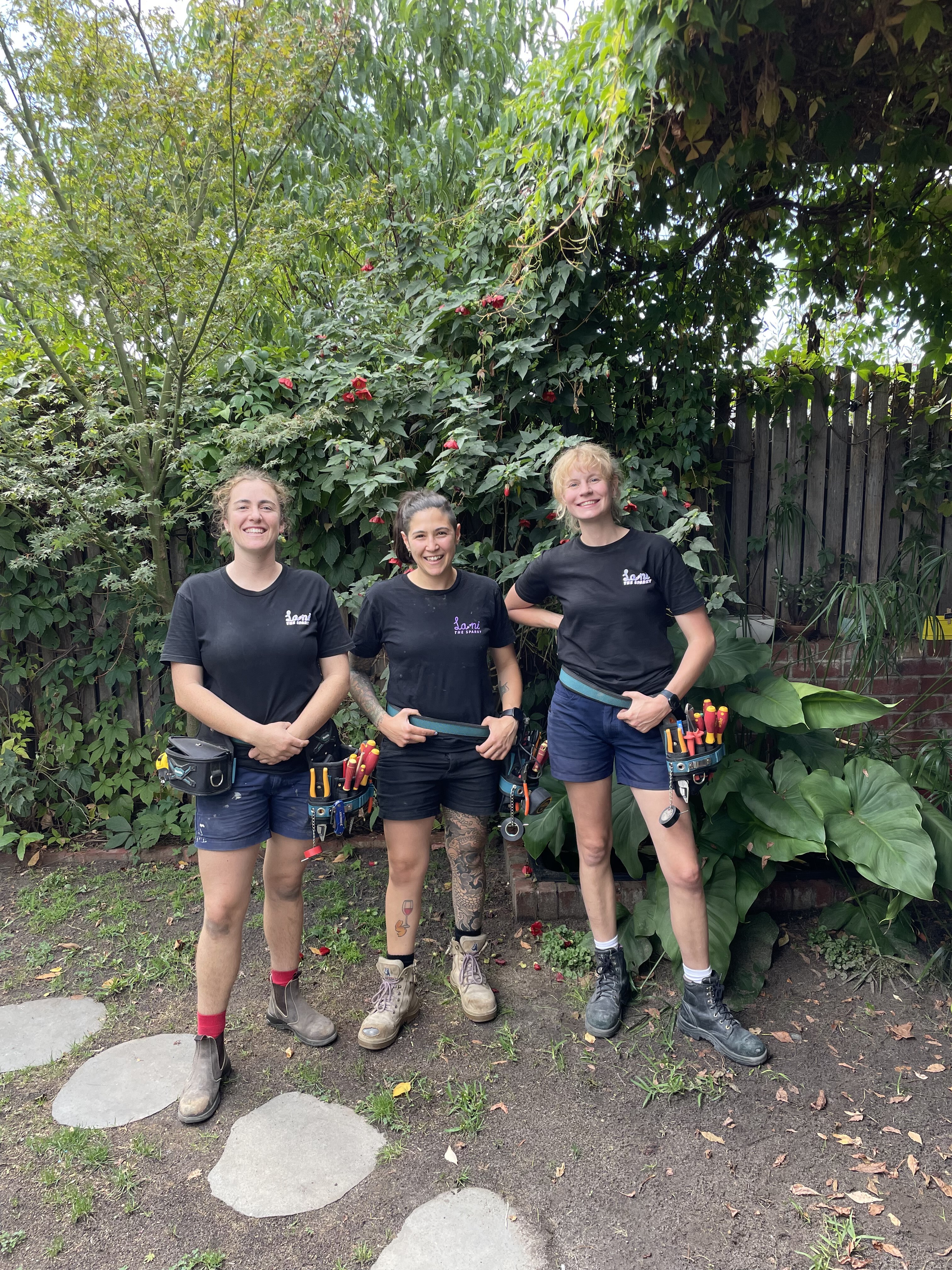
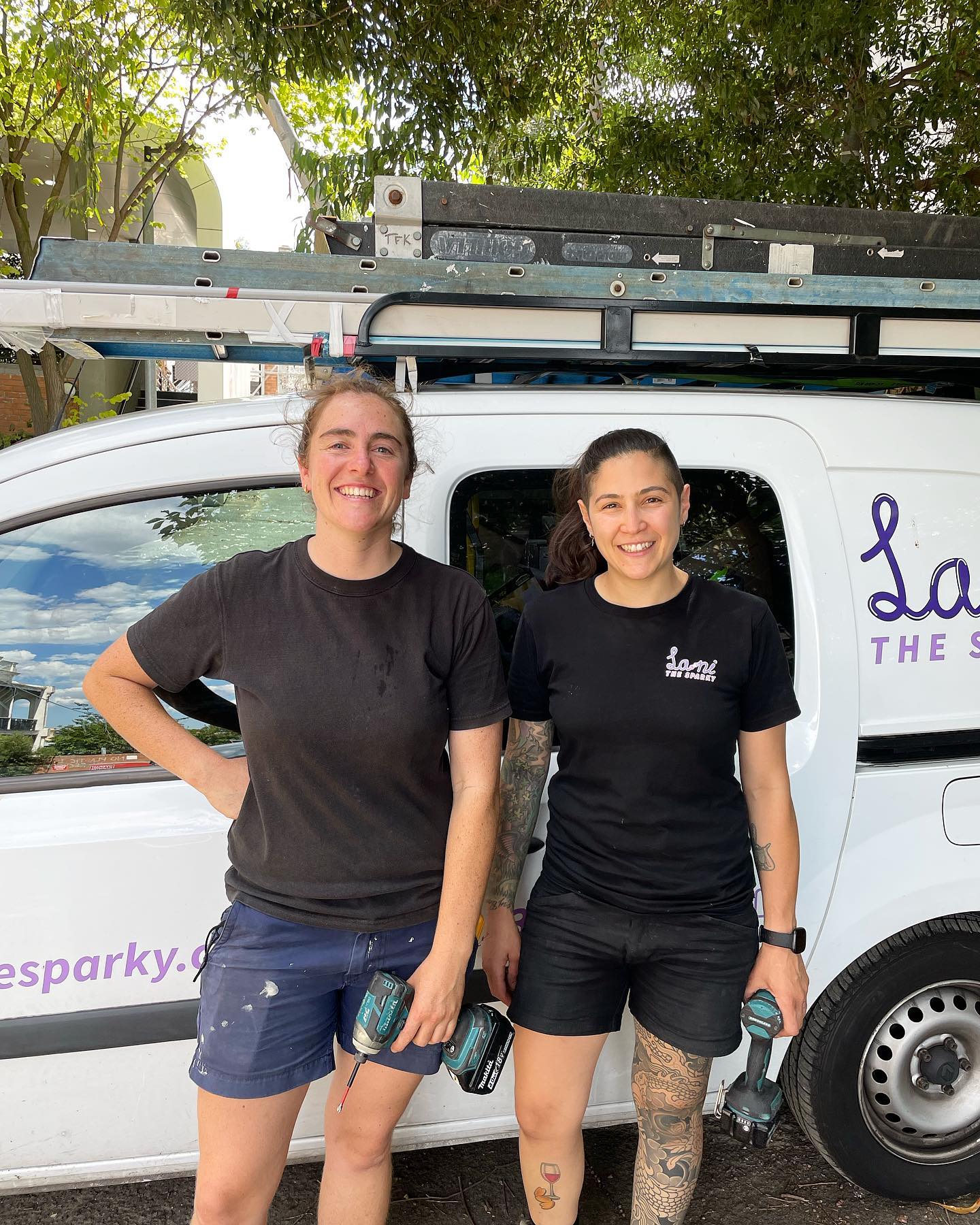
That's what Melbourne electrician Lani Verde was told by at least nine electrician companies when she tried to apply for her first gig as apprentice electrician in 2012.
Ms Verde, in her early 20s, couldn't believe what she was hearing after she went into the companies' offices to find out why she had been rejected for multiple roles.
She thought she was going to be told there was something wrong with her CV.
"I never thought they would turn around and say it was because I was female," she said.
"I told them, 'I'm not going to cause any trouble,' and they said, 'We just can't risk it.'"
When she finally found a job at a small company – because the boss' girlfriend encouraged him to give Ms Verde a go – she said she was treated "really badly".
READ MORE: Female quota introduced for jobs in the Victorian construction industry

She was left alone to do unsafe jobs as a first-year apprentice, but was too scared to leave the job, anxious that no one else would hire her.
"I thought all the signs are pointing to, 'You can't do it'".
But ten years on, Ms Verde says efforts to address the bias in the industry are largely starting to take effect in terms of employment rates.
Melbourne builder Oksana Katorjevskaya has also noticed an increase in the number of women tradies and increasing discussion about their representation.
Bowens, which supplies materials to the construction industry, is one of the companies working to up the number of women in its ranks.
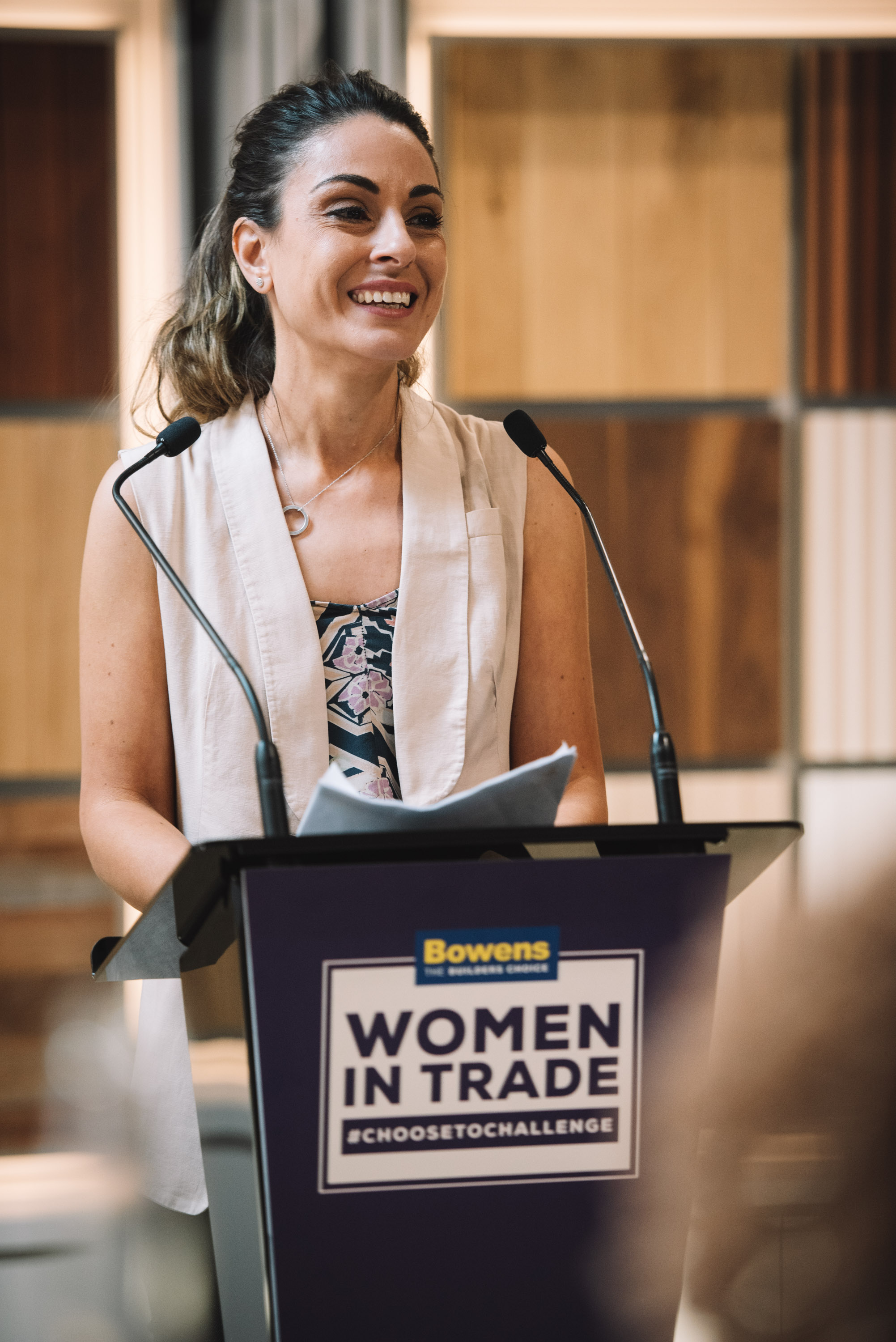
The company employs 145 women, making up 23 per cent of the supplier's employees.
Pushes to drive the numbers up have seen the company employ 26 women in the past 12 months.
But Head of Human Resources Vesna Brown said while the company was proud that its ratios surpassed others in the industry, it wanted to do more.
"While we take the wins and we're proud of them, it doesn't feel like enough for us," she said,
"There's still quite a gap that we need to close."
The Victorian Government has also moved to get females into trades with its new Building Equality Policy, which mandates women occupy at least three per cent of trade roles and 35 per cent of management and supervisor roles in government projects worth over $20 million by 2024.
Need to normalise the concept of women in trades
However, the idea of women being tradies needs to become commonplace in society to get more females in trades, players in the construction industry agree.
"We need to change this surprise factor of, 'Oh wow a woman in trade'," Ms Verde said.
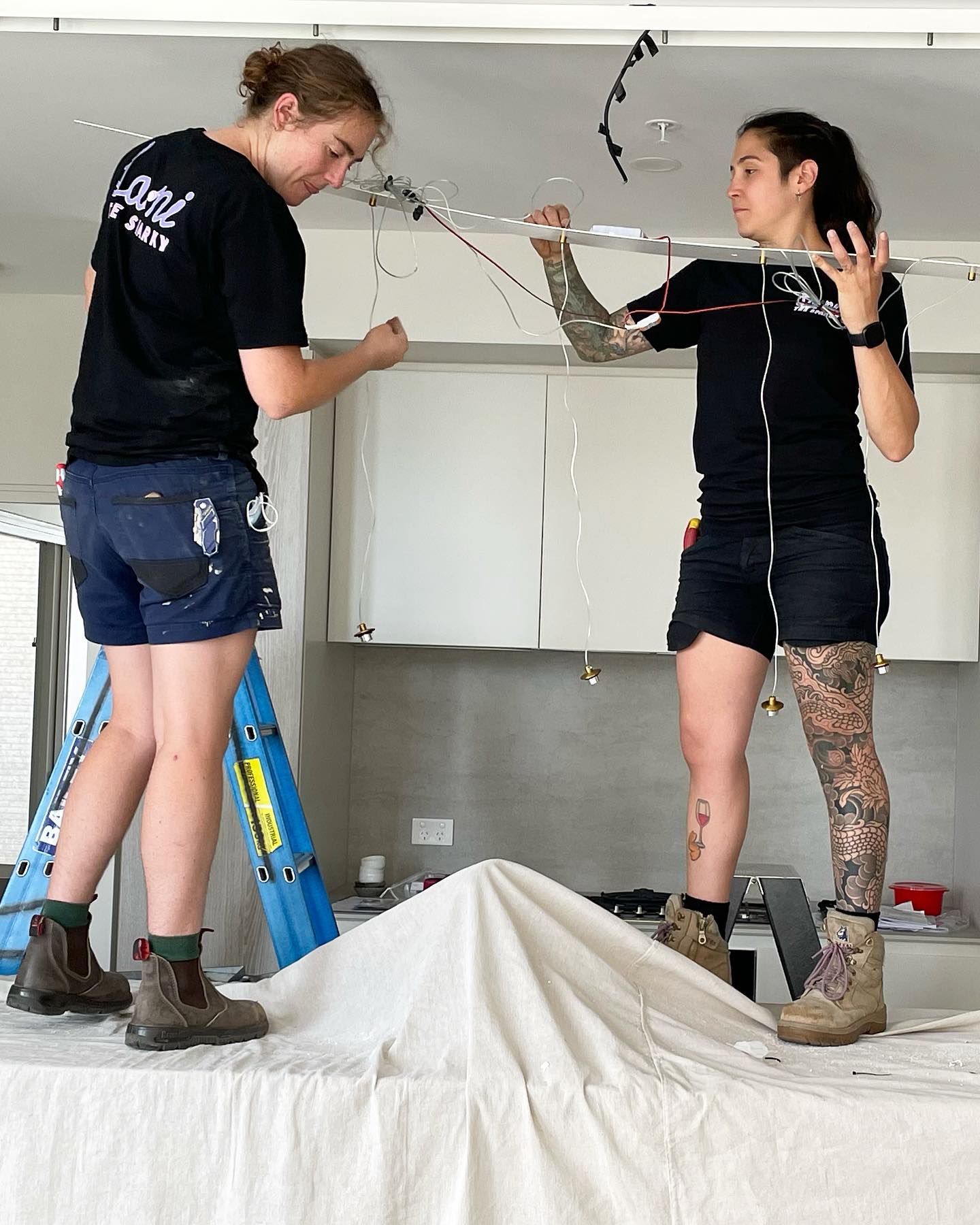
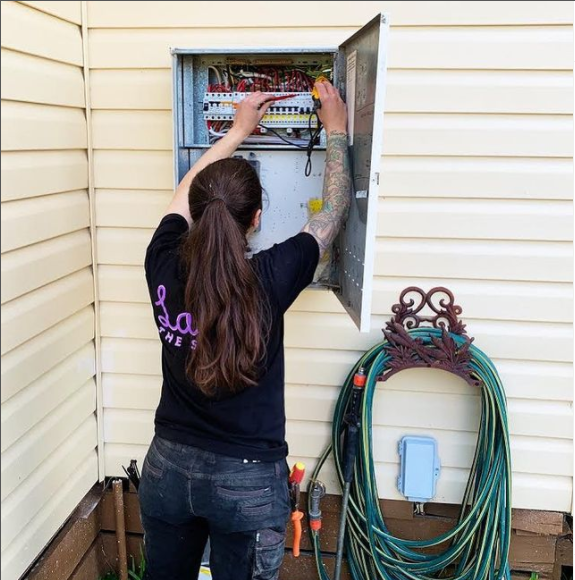
After struggling to break into the industry, she went on to launch her own electrician company, 'Lani the Sparky', in Melbourne's inner north as the COVID-19 pandemic began to unfold in 2020.
Business has boomed, and she has hired another female A-Grade electrician and a female apprentice, but every day Ms Verde still comes across people who are surprised to see women tradies.
Ms Verde believes schools need to start teaching students that trades are a practical career path for women.
Executive Director Strategy People and Influence at Masters Building Association Michaela Lihou agrees that getting more women into the industry will 'break the bias'.
"It's about changing the conversations," she said.
"It starts from parents having conversations with their daughters, with their sons.
"It's about all of the players within the system having the conversation and making it aware that construction sites are safe places for women… and that there are a variety of roles."
Companies need to embrace women
To increase and maintain the number of women employed in the construction industry companies also need to make having women integral to their structure, Bowens' Vesna Brown said.
"A piece of paper does nothing, you've got to put something into action," she said.
Ms Brown said Bowens managed to have exceptional rates of female employees by not only having hiring practices targeted towards women, but also flexible working arrangements, awards for women and female ambassadors.
READ MORE: Robotexts leaving Australians 'under attack all the time'
Ms Brown said the company had allowed her to have a meaningful career while being a mother of two.
"Being a female leader, especially in an industry like ours, I can say you really can have both in a really guilt-free way."
Women in the trade industry 'just makes sense'
Ms Katorjevskaya, who has been a licensed residential builder for more than eight years, is adamant women have different skills to offer the construction industry, just as men do.

She was dealing with her own residential build while working as a software consultant when her builder suggested that she become a professional builder herself.
Ms Katorjevskaya did just that, and has never looked back, urging other women to give it a go, "Be confident and we can make a difference".
Ms Verde couldn't agree more, saying she was better than most of her class when she was doing her pre-apprenticeship.
She said many of her female clients liked having female electricians in their homes, while women are indeed physically suited to working in trades.
"We are built to do this – crawling through roofs and sitting in tight spaces and thinking with your brain, problem-solving."
"We are absolutely made to do this."
'Two days is not good enough': Push for greater miscarriage leave
Two days to recover mentally and physically from a miscarriage is not enough and employers should provide better leave policies to support grieving parents, advocates have said this International Women's Day.
Landmark changes to the Fair Work Act came into effect last year, entitling full-time and part-time employees to two days of paid compassionate leave if they have a miscarriage.
Miscarriage support network Pink Elephants lobbied for the change through their Leave for Loss campaign, with pregnancy loss now recognised under bereavement and compassionate leave as a valid reason to take time off work.
READ MORE: Triple Zero call-taker gets funding boost to cope with delays

While the validation is a significant step forward, businesses are being encouraged to step up their leave policies, by facing the fact that two days is not enough to mourn the loss of a child and physically heal.
Artemis Greenwood, 31, from Sydney, has suffered four miscarriages over the past 18 months.
For her first miscarriage, she took three weeks off work using her sick leave.
For her second and third, she didn't take any at all, feeling as if she had to "get back to work".
But when she endured her fourth, she took nine weeks off after she miscarried in her second trimester, adding she was "lucky she had sick leave", as not all women do.
Ms Greenwood got her two days of bereavement leave, but it took her nine weeks to feel OK to return to work – so that's about 61 days.
"Even if you have a miscarriage early, it's the hope that gets taken away from you," she told 9news.com.au.
"It's a lot to deal with. And yes, we're being validated by the bereavement leave and all that – but at the end of the day … two days is lovely, but it's really not enough to heal even physically."
It took the 31-year-old about two weeks to recover physically after her last miscarriage, which required a Dilation and Curettage (D&C) procedure – the removal of tissue from inside the uterus.
She then suffered from an infection, which added to her recovery journey.
"I reckon you need at least a week in bed to just be able to have your body go back to normal," Ms Greenwood said.
"So having only two days … say, for instance, you go to hospital and you need to have an operation – that's one day and then you've only got one more day in bed and then back to work.
"It's not enough."
READ MORE: Aussies 'saving more than $1300 a year by buying groceries online'
Ms Greenwood said taking nine weeks of leave was "kind of unheard of", but going to work was out of the question.
"You feel broken, you feel like your whole world just gets turned upside down in a matter of seconds," she said.
"I always say to people … look at your child in the real world – go back to that time, say from six to 13 weeks; to 20 weeks – and erase them from your life."
She was meant to go back to work after a month, but emotionally and mentally she was still broken.
"I couldn't concentrate," she said.
"I actually couldn't even retain information.
"It's a nightmare and then all of a sudden, people have to go back to work. It's extreme."

Statistics show that up to one in five women will have a miscarriage before 20 weeks, with most occurring in the first 12 weeks.
However, the actual rate of miscarriages is even higher because some women have early miscarriages without knowing they were pregnant.
Women who have a stillbirth or if their child dies in the first two years of life can take up to 12 months of unpaid parental leave.
According to Fair Work: "If the employee takes leave because of a miscarriage or termination, it can continue until they're fit for work."
But with standard paid sick leave being 10 days a year in Australia, many women face the predicament of rushing their recovery, to return to work.
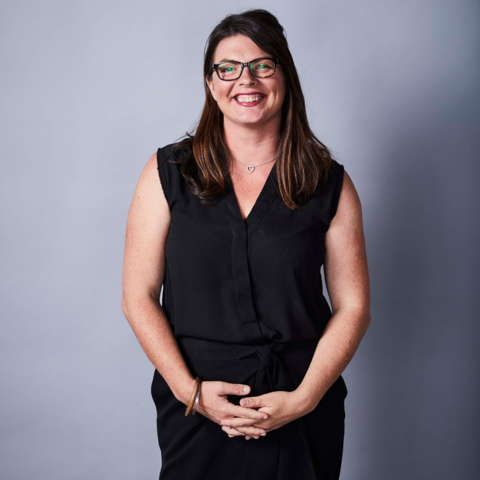
Pink Elephants Support Network CEO Samantha Payne said their Leave for Loss campaign spearheaded legislative change last year, but it was now time for organisations to look at their own policies.
"We are seeing a really heartwarming trend now with some organisations … offering 12 weeks' paid leave for pregnancy loss," she said.
"We're seeing organisations that have infertility leave now as well."
The two days of paid bereavement leave for staff means pregnancy loss has at least been validated as a health issue, Ms Payne said.
"It's a mental health issue for many couples as well – it's trauma," Ms Payne said.
"If we don't validate it, if we don't provide support – we have many thousands of women and partners suffering from anxiety, depression and even suicidal thoughts."
Ms Payne has also experienced the heartbreak of miscarriage and felt greater support was needed.
She said there were several horror stories of women returning to work prematurely after suffering a miscarriage.
"We've heard stories of women crying in the car," she said.
"We've got stories of women presenting in boardrooms who are still bleeding from their miscarriage, women hiding in toilets.
"We've got men having panic attacks because they're so concerned about their wife at home.
"We could literally tell a hundred tales of parents who are grieving the loss of a baby, who shouldn't be back in the workplace."
Some businesses have recognised the issue and are leading the charge for better leave policies.
Underwear company Modibodi has launched a policy entitling its employees to an additional 10 days of paid leave for menstruation, menopause and miscarriage, on top of their existing sick leave entitlements.
CEO Kristy Chong, who has suffered miscarriages, said the policy aimed to remove the shame, guilt and stigma that can come with needing time off for pregnancy loss and other women's health issues.
"I have personally experienced a few miscarriages and believe it is important to have a policy that gives women the time at home to recover physically and mentally, should they need it," she said.
"We want to be a leader in discussing what's right for women in the workforce.
"The reality is people are suffering in silence, some of these symptoms and conditions can be quite debilitating, both physically and mentally.
"This is super important so they can remove that shame, they don't have to feel guilty and they can have the rest and recovery they need."
Ms Payne said organisations needed to improve their policies to help employees cope with miscarriage.
"It's a huge number of people in workplaces suffering in silence alone," she said.
"It's not good enough. We need to get better at addressing the issue head-on, providing employee support and providing awareness across the whole workplace."
Ukraine War ‘Catastrophic for Global Food’
By Emma Simpson
Business correspondent, BBC News
The war in Ukraine will deliver a shock to the global supply and cost of food, the boss of one of the world’s biggest fertiliser companies has said.
Yara International, which operates in more than 60 countries, buys considerable amounts of essential raw materials from Russia.
Fertiliser prices were already high due to soaring wholesale gas prices.
Yara’s boss, Svein Tore Holsether, has warned the situation could get even tougher.
“Things are changing by the hour,” he told the BBC.
“We were already in a difficult situation before the war… and now it’s additional disruption to the supply chains and we’re getting close to the most important part of this season for the Northern hemisphere, where a lot of fertiliser needs to move on and that will quite likely be impacted.”
Russia and Ukraine are some of the biggest producers in agriculture and food globally.
Russia also produces enormous amounts of nutrients, like potash and phosphate – key ingredients in fertilisers, which enable plants and crops to grow.
“Half the world’s population gets food as a result of fertilisers… and if that’s removed from the field for some crops, [the yield] will drop by 50%,” Mr Holsether said.
“For me, it’s not whether we are moving into a global food crisis – it’s how large the crisis will be.”
His company has already been affected by the conflict after a missile hit Yara’s office in Kyiv. The 11 staff were unharmed.
The Norwegian-based company isn’t directly affected by sanctions against Russia, but is having to deal with the fall-out. Trying to secure deliveries has become more difficult due to disruption in the shipping industry.
Just hours after Mr Holsether spoke to the BBC, the Russian government urged its producers to halt fertiliser exports.
He pointed out that about a quarter of the key nutrients used in European food production come from Russia.
“At the same time we’re doing whatever we can do at the moment to also find additional sources. But with such short timelines it’s limited,” he said before the news emerged.
Analysts have also warned that the move would mean higher costs for farmers and lower crop yields. That could feed through into even higher costs for food.
Nutrients aren’t the only factor to consider, either.
Huge amounts of natural gas are needed to produce ammonia, the key ingredient in nitrogen fertiliser. Yara International relies on vast quantities of Russian gas for its European plants.
Last year, it was forced to temporarily suspend production of about 40% of its capacity in Europe because of the spike in the price of wholesale gas. Other producers also cut supplies.
Combined with higher shipping rates, sanctions on Belarus (another major potash supplier) and extreme weather – this prompted a big jump in fertiliser prices last year, adding to a surge in food prices.
The company says it’s making day-to-day evaluations on how to maintain supply and that it is too early to say if more shutdowns may be on the cards.
It acknowledges it has a “very strong obligation” to keep production running at what it describes as a critical point.
But Yara’s boss says the world must, in the long-term, reduce its dependency on Russia for global food production.
“On the one hand, we’re trying to keep fertiliser flowing to the farmers to keep up the agricultural yields.
“At the same time… there has to be a strong reaction. We condemn the Russian military invasion of Ukraine so this is a dilemma and one that frankly is very difficult.”
Climate change and growing populations had already been adding to the challenges the global food production system faces – all before the pandemic started.
The Yara International chief executive describes the war as “a catastrophe on top of a catastrophe”, highlighting just how vulnerable to shocks the global food supply chain now is.
It will increase food insecurity in poorer countries, he adds.
“We have to keep in mind that in the last two years, there’s been an increase of 100 million more people that go to bed hungry… so for this to come on top of it is really worrying.”
The post Ukraine War ‘Catastrophic for Global Food’ appeared first on The St Kitts Nevis Observer.