Category Archives: headline

US: Been Here Before, New Covid Drug Shortage, T&T Vaccine Mandate, UK Surge Warning, World Stats

Looming threat of omicron wave triggers early pandemic déjà vu

When the U.S. made COVID-19 vaccines available for all adults in the spring, Americans, including government officials, hailed the development as a turning point in the pandemic.

President Biden himself echoed the optimism that the U.S. may be turning a corner.

“Today we’re closer than ever to declaring our independence from a deadly virus. That’s not to say the battle against COVID-19 is over. We’ve got a lot more work to do,” he said in July.

“It no longer paralyzes our nation, and it is within our power to make sure it never does again,” he added.

But fast-forward to December, and pandemic history appears to be repeating itself.

In the course of just a few weeks this month, the omicron variant and a steep rise in U.S. cases have triggered COVID-19 restrictions reminiscent of the early part of the outbreak.

Professional sports leagues have begun postponing games, some schools have started transitioning to remote learning and city officials have acknowledged they were reconsidering implementing prior coronavirus protocols such as mask mandates.

The current situation in the U.S. has also promoted concern from health experts.

“You know, I’m extraordinarily worried,” Lawrence Gostin, faculty director of the O’Neill Institute for National and Global Health Law and professor of global health law at Georgetown University Law Center and a contributor to The Hill, said in an interview.

“I’ve always thought that there would be surges and waves but the overall arc would be toward containing the virus and getting back to normal. And now that omicron is here, I’m not sure about that,” Gostin said. “And I think for the foreseeable future, we’re going to have a fairly rough ride with the variant.”

The omicron variant, first detected in South Africa, has spread across the United States since the first case was reported earlier this month.

Scientists are racing to learn more about the new variant, which some health officials say is anticipated to be the dominant strain in the United States in a matter of weeks.

A study, still under peer review, from researchers from the University of Hong Kong’s LKS Faculty of Medicine suggests that while the omicron variant can infect 70 times more quickly in humans than previous strains, “the Omicron infection in the lung is significantly lower than the original SARS-CoV-2, which may be an indicator of lower disease severity.”

Pfizer, BioNTech and Israeli researchers have said that Pfizer’s booster appears to provide good protection against the omicron variant.

Gostin said that “there’s no question” the boosters would be helpful in combating the variant. However, it’s a question of how protective the boosters would be against infections and hospitalizations and how long that protection would last.

“Because a lot of the studies of the boosters have been, you know, in the first few weeks after the booster is given and whether that third shot immunity will wane is an open question,” Gostin said. “But our experience is that it will wane … and we don’t know how long, so we’re just really heading into a concerning unknown here.”

Jesse Goodman, formerly the chief scientist at the Food and Drug Administration and a current professor at Georgetown University’s School of Medicine, cautioned that there is still a lot that officials do not know about the variant. However, he said it has become clear that the variant is highly transmissible.
“This is sort of an unfolding story, and the virus throughout this entire pandemic has never quite met expectations,” Goodman said.
“So I think everything has to be taken with a grain of salt,” he added.

These developments have Americans scratching their heads over whether the U.S. might see a return to the early days of the COVID-19 pandemic.

Already, some families have canceled holiday gatherings, students have transitioned to remote learning, entertainment venues have shut down and city officials are grappling with how to approach mitigation of the new outbreak.

Prince George’s County, Md., public schools announced Friday that they would temporarily return to virtual learning amid a surge of coronavirus cases.

“The increased positivity rates have significantly challenged the ability to … [teach in person], causing anxiety among many school communities and disruption to the school day,” Prince George’s County CEO Monica Goldson said.

Holiday shows have also been canceled amid a surge of the virus.

In New York City, “The Christmas Spectacular Starring the Radio City Rockettes” has canceled all of its upcoming performances due to coronavirus cases among the crew.

Jay Varma, a top public health adviser to Mayor Bill de Blasio (D), said earlier this week that “we’ve never seen this before in #NYC” amid daily cases doubling in just three days.

De Blasio also unveiled a six-pronged approach to combating the spread of the new variant, including investing in K-95 masks and distributing rapid home tests.

Washington, D.C., Mayor Muriel Bowser (D) announced this week that she was considering reinstating an indoor mask mandate just a few weeks after the requirement was lifted in the nation’s capital.

On Friday, the District reported its second day of record-breaking new coronavirus cases.

“I think that we should absolutely try to mitigate the spread as much as we can through indoor masking mandates, vaccination mandates, social distancing and ventilation. But in my view, I think there’s such enormous pandemic fatigue that people are not going to tolerate in America, you know, closures of schools or lockdowns,” Gostin said.

The global health law professor added that the lack of knowledge about the new variant means that Americans should act preemptively, assuming that the threat is serious.

“We really don’t know if it’s less serious. There’s no good data to suggest that it’s less serious, so I think we should act as if it has the same progression to serious disease and hospitalizations as … other former variants did, including delta,” Gostin said. “If it turns out to be significantly less serious, we’ll still see our hospitals filling up to capacity because of the sheer numbers, even if it’s just a smaller rate.”

Goodman concurred, saying that it is better for officials and businesses
to remain vigilant against the virus as scientists race to learn more about it.
“I hope we’re overreacting, but I think it’s the right reaction,” the former FDA chief scientist said when asked if officials might be overreacting to the virus. “Again, I think until we know more it’s better to be overprotected when it’s in ways that aren’t necessarily harmful.”

But some areas of the U.S. have already started to feel the effects.

States in the Midwest have seen a rise in COVID-19 hospitalizations over the past few weeks, with hospital systems’ intensive care units reaching capacity.

Wisconsin last week reported that 96 percent of the ICU beds in the Badger State were occupied. And the state’s governor, Tony Evers (D), called for 100 FEMA workers to assist health care workers. Sixty National Guardsmen have been called up to serve as nursing assistants.

Michigan has also been battered by a wave of COVID-19 infections and on Monday was one of 14 states that reported that their overall inpatient bed capacity had reached 80 percent.

Indiana’s largest hospital system also requested help from the National Guard last week for most of its locations due to COVID-19 hospitalizations.

Gostin said that officials should hesitate before considering reimplementing lockdowns or other harsh measures. He noted that the country should instead focus on getting as many Americans fully boosted as possible and making Pfizer’s antiviral drug, Paxlovid, available.

“Access to testing and to effective monoclonal treatments, while improved over several months, is still quite problematic — and the [U.S. government] and others should be doing all they can to improve access and distribution, including matching supply to needs,” Goodman added in a follow-up email.

Experts are concerned, however, that the supplies of Paxlovid — which still awaits emergency use approval from the Food and Drug Administration — will not be able to keep up with demand amid high numbers of COVID-19 cases.

In addition, vaccine hesitancy remains among a good portion of the American public, and the Biden administration has battled several legal challenges its vaccine mandates for businesses, federal employees and health care workers.

“Right now, we do need to get a very, you know, much higher percentage of our population vaccinated and boosted because, ultimately, living with the virus — yes — we are going to need to live with the virus,” Gostin acknowledged. “But when we live with the virus, we have to live with it so that it’s not making us sick. That’s the really important part.”

================================================

Supply shortage of new antiviral drug threatens fight against omicron


A new pill from Pfizer to treat COVID-19 has been hailed as a game-changer that can drastically cut down the number of hospitalizations and deaths from the disease.

But demand for the treatment, known as Paxlovid, is expected to far outrun supply, blunting its ability to help fight what medical professionals say is an oncoming wave of infections from the omicron variant.

Experts are calling on the Biden administration to take action to help increase manufacturing capacity by enlisting additional companies to help Pfizer make the doses.

“I think we should be doing everything we can,” said Krishna Udayakumar, director of the Duke Global Health Innovation Center. “This requires a full court press.”

He noted that Merck is helping make the Johnson & Johnson vaccine, a model that could be applied to therapeutics like the Pfizer pill as well.

But so far, he said, “I have not seen any aggressive push or attempt to access existing manufacturing capacity in the U.S. or globally to date around therapeutics.”

Pfizer says it expects to have 180,000 courses of the treatment available by the end of 2021, with 30 million available globally in the first half of 2022, rising to 80 million by the end of next year.

But with about 120,000 new COVID-19 cases every day and rising just in the United States, the demand for the antiviral product is spiking sharply.

“It’s kind of a drop in the bucket in the short term,” said David Boulware, an infectious disease expert at the University of Minnesota.

“There’s definitely going to be a shortage,” he added. “People have this expectation of ‘Oh yeah, I’m just going to go get this Paxlovid.’ That’s not going to happen [at least in the next few months].”

Experts said the initial authorization could be restricted to the most high-risk groups, like unvaccinated people and the immunocompromised.

The product from Pfizer has the potential to blunt the damage from the pandemic if it is made widely available. Trial data released by Pfizer earlier this week showed that Paxlovid reduced the risk of hospitalization or death from COVID-19 by 89 percent in high-risk adults.

The treatment must first be authorized by the Food and Drug Administration before it becomes available, but that could happen soon.

President Biden released a statement praising the treatment this week after the trial results were published, though he also appeared to reference the need to ramp up supply.

“If this treatment is indeed authorized — and once the pills are widely available — it will mark a significant step forward in our path out of the pandemic,” Biden said.

The White House did not have additional comment when asked by The Hill about efforts to increase supply of the pills.

When asked about the supply of the drug, Pfizer spokeswoman Sharon Castillo said, “We are in discussions with governments around the world regarding supply agreements for PAXLOVID.”

“Pfizer’s goal is to deliver this oral antiviral therapy to patients in need as soon as possible and at an affordable price, subject to country regulatory authorization,” she added. “It is premature to speculate on the specifics of any future agreements as discussions are ongoing.”

The Biden administration in November announced it was buying 10 million courses of the pills, which are to be delivered starting this year and “throughout 2022,” the Department of Health and Human Services said at the time.

As is still the case with COVID-19 vaccines, supply problems with the Pfizer treatment are likely to be even worse in lower-income countries.

“Demand is going to be significantly outpacing supply for Paxlovid, even in the U.S., much less the rest of the world,” Udayakumar said.

Peter Maybarduk, access to medicines director at the progressive group Public Citizen, put it more starkly: “We are in for a repeat of the medical apartheid that characterized the vaccine rollout, now for treatments,” he said.

Pfizer has entered into an agreement with a United Nations-backed organization called the Medicines Patent Pool to grant licenses to allow its COVID-19 treatment to be supplied to 95 lower-income countries, a move that was praised by experts and advocates as an important step.

But the limitation of that agreement is that it could take several months for production to actually begin, experts said. Udayakumar said he had heard “unofficially” that it could be the second half of 2022 before there is any production from the Medicine Patents Pool agreements.

The expert added that the U.S. could do more to help stand up manufacturing capacity for the treatment in other countries.

The bright side is that pills like Paxlovid are easier to produce than the complex mRNA vaccines, which experts said should make efforts to boost manufacturing more feasible.

A complication, though, is that the Pfizer treatment is intended to be started within five days of the onset of symptoms. That means it will be key to have enough tests and fast turnaround times to allow people to know they have COVID-19 so that they can set up treatment.

Not everyone who gets the virus will need the treatment. Experts say that young, healthy people will likely be able to get by on their own with generally mild cases. But if supply ramps up enough, there could be a large market, experts said, moving beyond the unvaccinated and the immunocompromised to large groups like the elderly.

“To treat with these oral therapeutics requires adequate testing, and that’s a place where we’re really falling down almost everywhere in the world, including the U.S.,” Udayakumar said.

If the treatment becomes widespread, though, it could have a major impact.

“If you have an oral antiviral that can keep people out of the hospital, and keep them from dying, that’s a major path-breaking advance,” said Amesh Adalja, a senior scholar at the Johns Hopkins Center for Health Security. “It’s evidence of the fact that we are going to get to a point where this virus becomes tame.”

But for now, he said, “it is going to be something that’s probably going to be supply constrained in the very beginning.”

“And that’s going to blunt the impact that it has early on,” he added. “But hopefully they’ll be able to start to meet demand to be able to have it become ubiquitous.”

==========================================

T&T: PM Rowley issues vaccine mandate for all public servants

CMC
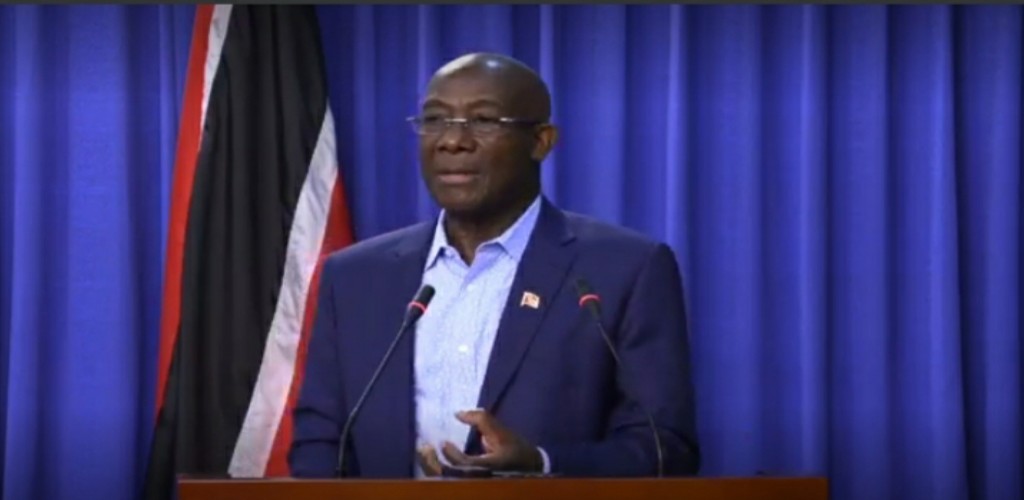
Prime Minister Dr Keith Rowley

Prime Minister Dr Keith Rowley has issued a mandate for all government workers to be vaccinated by mid-January.

Speaking on Saturday during a media conference, Rowley said that while there will be exemptions for those with medical issues, unvaccinated employees will be expected to abide by certain rules and regulations.

“Outside of that, the government’s workplace will require, if you are a government employee, that you show your vaccination status, failing which you would not be encouraged in the workplace. (And) if you are not in a position to come to the workplace, you will be on leave on your own and you would be furloughed. Meaning, you will still have a job at the establishment, but you choosing not to be able to come to work under the conditions laid down, you then will not be paid.”

The prime minister also announced that the Public Service, except those in essential services, will be shut down from December 24 to January 2 and urged employees to use the period to get vaccinated.

In addition, the Prime Minister said that as of Monday, the beaches will reopen from 5 am to 12 noon (local time), however, rivers will remain closed.

He added that no consumption of alcohol, loud music or partying will be allowed and beachgoers will be required to wear their masks when not in the water.

Meanwhile, in response to the mandate, the Trinidad and Tobago Chamber of Commerce, has commended the Rowley administration for “taking a firm stance on the issue of vaccination in the workplace.”

In a statement on Saturday, the Chamber of Commerce said the government has taken visible leadership on this next phase of dealing with COVID in the workplace.

“Cognizant that we are in the throes of a worldwide pandemic and has made a bold decision with a single-minded purpose to do what is right for Trinidad and Tobago, our citizens and economy.”

The statement added that the country is in a very difficult situation – and as the single largest employer in the country (the pandemic) “ has left the government with no choice but to take the actions it did to deal with the low vaccination levels, they have set also the framework for other employers to follow. This approach must be a joint effort and we are committed to assisting in whatever way we can. We see this as a key imperative to address the level of vaccination.”

The release added that the mandate is not meant to restrict personal freedoms.

“It is to preserve them and prevent lockdowns or heavier restrictions.”

Concerning the decision to open beaches, the TT Chamber said that this will help to balance mental stress.

“This adds to the realization that further lockdowns will not be the course of action pursued. The T&T Chamber firmly advocates on behalf of the over 650,000 citizens of the country who have been compliant. We are pleased that the actions taken are directed at the unvaccinated to encourage vaccination and to protect those who legitimately cannot be vaccinated.”

“This is a highly charged environment with persons firmly positioned on either end of the spectrum, either pro or anti-vax, but we cannot sit idly by while our country is ravaged by COVID and our economy is decimated with thousands of people dying.”

The chamber noted that all citizens  must be responsible for doing the  right thing for our country – “our families and our co-workers by obeying the health protocols in place and getting vaccinated.”

“We can overcome this challenge but we need every citizen, every business and every politician working together with a single-minded focus on protecting our people and our economy.”

On Saturday, the twin-island republic recorded 33  deaths –  the highest daily figure since the start of the pandemic.

The latest fatalities include 11 elderly males, nine elderly females, five middle-aged males and five middle-aged females.

The Ministry of Health also announced 956 new positive cases.

Active cases have risen 15,339, while the country’s caseload stands at 84,793

==================================================

UK Scientists Warn Quck Action Needed to Save Lives

If the government is going to act, it needs to do it quickly – epidemiologist

The government must plan for the worst impacts of Omicron and make decisions quickly, says an epidemiologist from the SPI-M modelling group which advises Sage.

This comes after COVID-19 infections surged past a record 90,000 per day in the UK.

Speaking in a personal capacity, Prof Mark Woolhouse tells BBC Radio 4’s Today programme that modelling was correct when it warned of Omicron’s rapid spread, within a week of the variant’s discovery.

The big unknown now is when that wave will peak or how high it will be, says the professor of infectious disease epidemiology at the University of Edinburgh.

That will depend on how people behave – whether that’s due to restrictions or their own choices, he says.

Boosters also protect against severe disease so hopefully the death rate will come down quite dramatically, he says.

Modelling from Sage – scientists who advise the government – puts UK daily deaths at 600 a day at best and 6,000 a day at worst.

Prof Woolhouse says: “If the government is going to act, it’s much better for it to act quickly than it is to delay.===================================================

WORLD STATS

Coronavirus Cases:

275,075,389

Deaths:

5,372,280

Recovered:

246,876,249
Highlighted in green
= all cases have recovered from the infection
Highlighted in grey
= all cases have had an outcome (there are no active cases)

[back to top ↑]

Latest News

December 20 (GMT)

Updates

  • 592 new cases and 9 new deaths in Libya [source]
  • 27,022 new cases and 1,019 new deaths in Russia [source]

The post US: Been Here Before, New Covid Drug Shortage, T&T Vaccine Mandate, UK Surge Warning, World Stats appeared first on The St Kitts Nevis Observer.


Huge croc eats shark caught by North Queensland fisherman

A North Queensland fisherman has shared his encounter with a "celebrity" crocodile that stole and ate a small shark from his fishing line.

Dan Johnson had been fishing with his wife, daughter and dog near Proserpine, inland from Airlie beach, when he spotted the crocodile, nicknamed Boofhead by locals.

Mr Johnson filmed as the 4m crocodile cruised toward the baby bull shark on the bank and swallowed it whole in less than a minute.

READ MORE: Sixth child dies after horror jumping castle accident at Tasmanian school

"He's a bit of a celebrity. This crocodile is always there but it's not often it takes a fish from you when you're fishing," Mr Johnson said.

"I was just sitting there having a fish. I hooked a shark and heard a lot of commotion on the right hand side of me, and I thought they were saying 'good job you've hooked a good fish', when they were saying ''look out', and then by the time I saw what was going on the croc was coming this way.

"I thought 'uh oh' this is bad."

Mr Johnson then cut the line from the shark, before the crocodile ate it and swam away.

READ MORE: Thousands without power, women fighting for life after shock Sydney storm

He said the popular fishing spot was popular with tourists hoping to catch a glimpse of the crocodile.

"To capture it that close up was amazing, to be able to see it. I've been there so many times," he said.

"He was just cruising. You look at that and think, if you're in the water, you can't outswim that animal. You see how fast they are when they're not even trying.

"He's a bit of a hero, he's not harming anyone as long as people don't mess with him it'll be fine."

READ MORE: Warning NSW COVID-19 cases could increase into January

Jailed for Killing of Haiti’s President, 5 Suspects Say They’re Innocent

By Matt Rivers, Natalie Gallón and Etant Dupain, CNN

CNN Exclusive: Port-au-Prince, Haiti — The smell of raw sewage and food waste permeates the air in the entrance to Haiti’s National Penitentiary in downtown Port-au-Prince.

Its source is the exposed pipe that visitors must walk over as a liquid mix slides through to the street.

A pat-down of even our heads from quiet security guards follows and then a large metal door swings open, revealing a courtyard on the other side.

In this world exclusive, CNN came to the prison hoping to speak to a certain group of inmates whom the government has refused to make available until now: Some of the 26 Colombians and two Haitian-Americans that investigators say entered Haitian President Jovenel Moise’s bedroom in the early morning hours of July 7 and killed him in a hail of gunfire.

Haitian authorities call these men assassins. They call themselves innocent.

“We were useful idiots for someone else,” one of the men told us. “But we did not commit this crime.” More than five months detained after that deadly night, the men have not been formally charged.

CNN was allowed to enter the penitentiary after months of negotiation, with only paper and a pen, and told to wait in a wooden hut in the prison courtyard. Twenty minutes later, five Colombian men clearly not expecting our visit walked toward us in shorts, t-shirts and dark blue croc-style sandals, looking gaunt and unhealthy.

In an exclusive interview, these five are the first and only suspects in the assassination case to speak out publicly. They agreed to do so only if their identities were withheld, fearing for their own safety and that of their families.

Their message was consistent over an hour-long conversation in their native Spanish — they are innocent, they have been tortured and they have been set-up.

Afraid to talk

All five men said they arrived in Haiti in June, about a month before the assassination that would upturn their lives and throw the country’s political landscape into chaos.

All former Colombian soldiers, they told CNN they were hired as private security by a company called CTU.

Promised anywhere from $2,700-3,000 a month, they took on the job. According to the five men CNN spoke to and the wives of several others, they were never paid a dime.

CTU has not responded to CNN’s prior requests for comment and it’s unclear if the company even still exists.

“We were told that we were going to provide security for a Haiti presidential candidate,” said one of the men. “We had no idea what was going to happen.”

In Haiti, they were part of a group of more than two dozen Colombians who lived and worked together in a compound in the capital city Port-au-Prince, not that far from where then-President Moise lived.

In the dead of night on July 7, this group was loaded into a convoy that would rumble up Pelerin Road to the presidential compound.

The president would be fatally shot shortly afterward. His wife, First Lady Martine Moise, was severely injured in the gunfire as well.

CNN asked the five prisoners repeatedly for more details about the assassination, including what happened during the assassination, who was behind it, what their individual involvement specifically was and what they did in the hours after that killing.

They insisted they were not responsible for the president’s death but declined to answer further questions or go into details about that fatal morning for two common reasons: First, that none currently have legal representation and second, that they fear for their lives.

“We are stuck in this prison,” said one man. “We have to stay here. I will scream out loud all that I know when I can leave here but while we are here, we are terrified of reprisals.”

“I am scared for what they might do to me but also for what they might do to my family [in Colombia],” said another man.

‘They beat all of us’

Sometime after Moise was assassinated in the early morning hours, the five men interviewed by CNN left in that same convoy. Their vehicles were captured on cell phone video shot by several locals in the area.

But they didn’t make it very far before they were boxed-in by Haitian security forces, they said. Forced out of their cars, they took shelter in a nearby empty building. Hours later, they fled out the back of the building and up a steep hill, making their way to the Taiwan embassy.

According to Taiwan’s foreign ministry and a source in Haitian security forces, the group of Colombians forced their way inside, tying up two guards in the process. But Haitian law enforcement officers tracked them down, and they turned themselves in.

Once in custody, the beatings began, the prisoners allege.

One of the Colombians was stabbed multiple times by Haitian police while several others were pistol whipped over the head, they said. Others were beaten, with one attacked so brutally that his face would be disfigured by the blows, they recounted to CNN.

The men said before being transferred to the notorious National Penitentiary, they were held in an undisclosed location for more than three weeks.

“They held us somewhere else for 25 days, handcuffed in pairs. We went to the bathroom on the floor,” said one prisoner.

The men said the beatings were continuous and brutal, and that they feared for their families’ safety back home in Colombia.

“Do you know how hard it is when they show you a picture of your family on a cell phone?,” asked one man, tears welling up in his eyes. “We had to do what they said.”

And what they were asked to do, said each man, was sign their names to official statements they did not give and which were written in a language they could not read.

“I was sitting quietly, not saying a word and the officer was writing my statement for me,” said one man. “He kept looking at me and writing more even though I hadn’t said anything. They were writing and we were quiet.”

He then signed a name to a document written in French, a language that he could not understand, he said.

All five men alleged that they had been forced to sign declarations under duress.

“The real people responsible for this are outside of the prison and we’re stuck in here. We were cheated, framed, and scammed,” said one man.

Haiti’s National Police did not reply to CNN’s request for comment. Asked about the allegations of torture in police custody, a Haitian federal government spokesperson said the government “has nothing to hide” pointing out that CNN had “full permission to visit the Colombians.”

The same spokesperson denied that any official testimony was recorded without the Colombians’ knowledge of what was being written.

“Based on credible information, they were provided translators so they understood what to sign or not,” said the spokesman.

Little food, no legal representation

The five men have been held at Haiti’s National Penitentiary since late summer.

The conditions in the prison are visibly horrific, with multiple men crowded into a single cell. Sanitation appeared to be an afterthought. Rats scampered across the grounds.

“Our lives are worth nothing in here,” one of the Colombian prisoners told us.

The men say they receive one plate of rice per day, or sometimes corn. Each says they have lost more than 30 pounds. Some are noticeably losing their hair leaving patchy clumps on their heads, a clear sign of malnutrition.

“It’s inhuman what is happening to us here,” one of the men, in tears, said.

Haiti’s leading human rights organization, The National Human Rights Defense Network (RNDDH), also describes general conditions in the prison as inhumane. “The prison doesn’t have enough food, gas to cook and adequate access to care despite receiving more and more prisoners in the 12 months,” they said in a report released last month.

“We fully respect human rights,” said a Haitian federal government spokesperson. “We have no grudges against the Colombian prisoners.”

The government did not respond to questions about why the men had not yet been formally charged.

But more than five months after the assassination, none of the men have legal representation — a prerequisite to having their testimonies heard by a judge. They say the Haitian judicial system has only offered them junior lawyers with whom they could not communicate.

“They sent me some lawyer in his second semester who didn’t speak Spanish,” said one of the men. “I’m not going to trust my life with him.”

According to a person close to the case, the lawyers provided to represent the men were not students, but rather apprentices. Before becoming practicing lawyers, law graduates must serve what is typically a two-year apprenticeship.

Though they are not fully qualified lawyers and have little experience, these apprentices are commonly appointed to represent those who cannot afford a private attorney, according to Brian Concannon, an expert with decades of experience working Haiti’s legal system.

“So they are defending serious felony cases when they are not allowed to appear in a simple contract case [because they are not yet practicing attorneys],” said Concannon. “They have no budget for investigation and typically get no compensation for their time.”

The men had hoped the Colombian government would provide them with some legal assistance, but that so far has not happened.

Haiti’s government has also said the responsibility lies with Colombia now. “We hope government officials of Colombia provide lawyers to the prisoners so they can be examined by the judge [overseeing this case],” said a Haitian government spokesperson, adding that they cannot be officially questioned without an attorney present.

The Colombian federal government in Bogotá did not respond to CNN’s request for comment, and the Colombian Embassy in Haiti referred our questions to the Foreign Ministry.

A public statement from late July said Colombian government representatives met with Colombian suspects with an attorney present. However, the men we spoke to said that none of the Colombians in the prison currently have legal representation.

Adding insult to injury, the men say, they have never received an explanation of the legal basis for their long detention.

“At no point has someone in [the legal process] looked me in the face and said, ‘This is why you are here,’” said one of the men. “We obviously know why we’re in here but there is no rule of law or due process here. Everyone should be innocent until proven guilty and we all have rights to legal representation.”

The prisoners wrapped up the hour-long conversation with a message to the international community.

“Please find the love in your hearts to understand our situation and give us some benefit of the doubt,” said one man. “The best thing that could happen is that this is brought to an international tribunal. When I am out of this country, I will tell the world everything I know.”

The post Jailed for Killing of Haiti’s President, 5 Suspects Say They’re Innocent appeared first on The St Kitts Nevis Observer.

National Cabinet meeting called for Wednesday due to COVID-19 surge

An emergency National Cabinet meeting has been called due to the rising COVID-19 cases across Australia.

It was previously announced as being tomorrow, but has been pushed back one day.

The next meeting of National Cabinet was due in February.

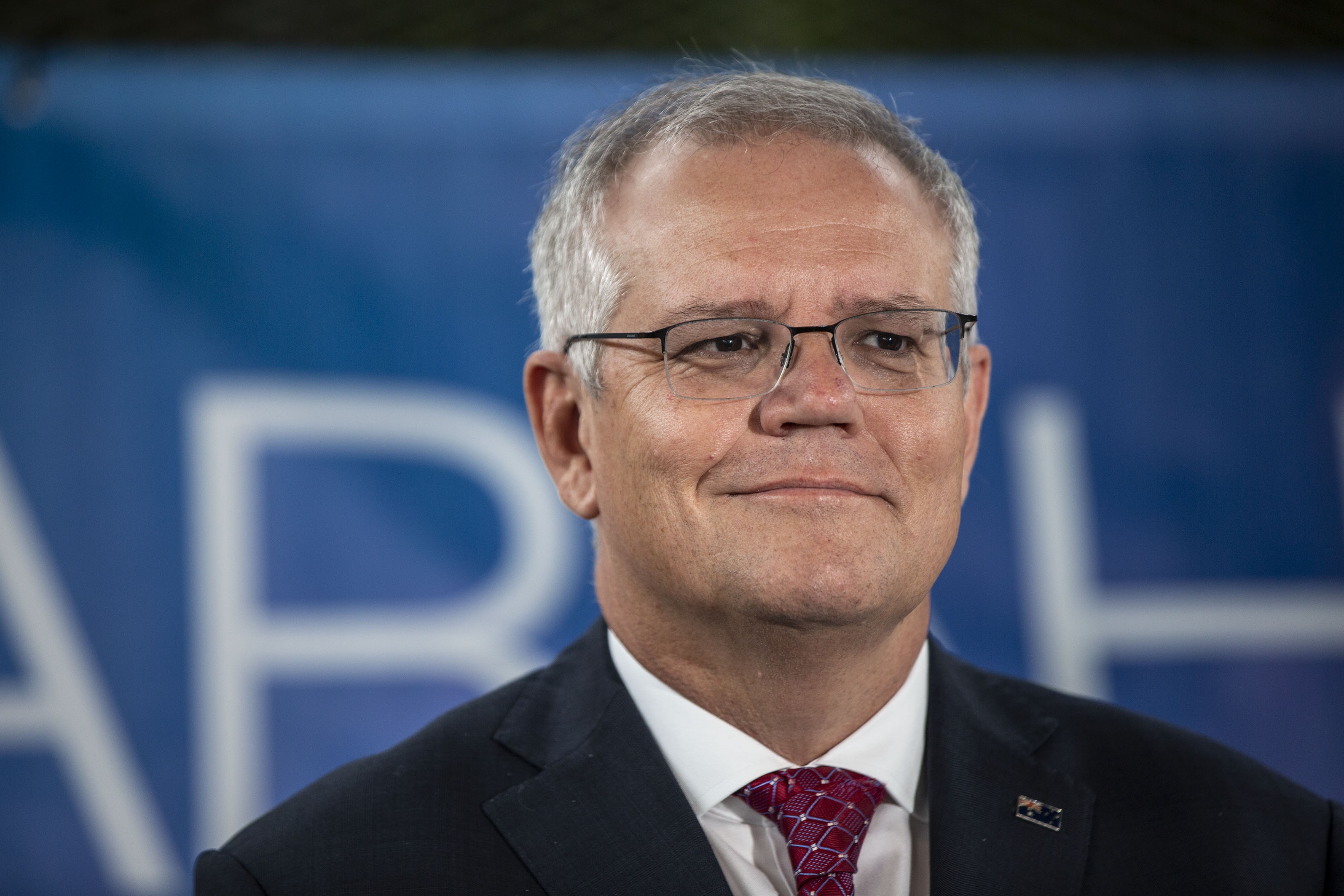
Prime Minister Scott Morrison this afternoon confirmed he will meet with state and territory leaders ahead of Christmas.

LIVE UPDATES: Sydney commuters warned of more disruption

Prime Minister Scott Morrison vists the South Windsor RSL, to meet the party faithfuls and support Sarah  Richards the Liberal candidate for Macquarie, Windsor, Sydney, 20 December 2021. Photo Jessica Hromas

The meeting will discuss how states and territories are dealing with the surge in Omicron variant cases.

9News has obtained a letter written by Mr Morrison to state and territory leaders which insists it is imperative for Australians to take responsibility for their own health during the rise of COVID-19 cases.

The Australian Health Protection Principal Committee has recommended masks to be used in all indoor settings.

Ultimately the committee said mask mandates should be considered for public locations deemed high risk.

Pressure is also expected to be applied by some states to reduce the interval between the second shot and booster vaccine from five months to just four.

Mr Morrison has urged leaders to avoid border closures ahead of Christmas as Australia learns to live with COVID-19.

In the previous meeting, which was held only two weeks ago, was meant to be the last for the year, as leaders discussed Australia's response to the COVID-19 pandemic.

The cabinet agreed existing COVID-19 outbreak management plans need to be updated in light of the Omicron variant.

READ MORE: What the weather will be like on Christmas Day

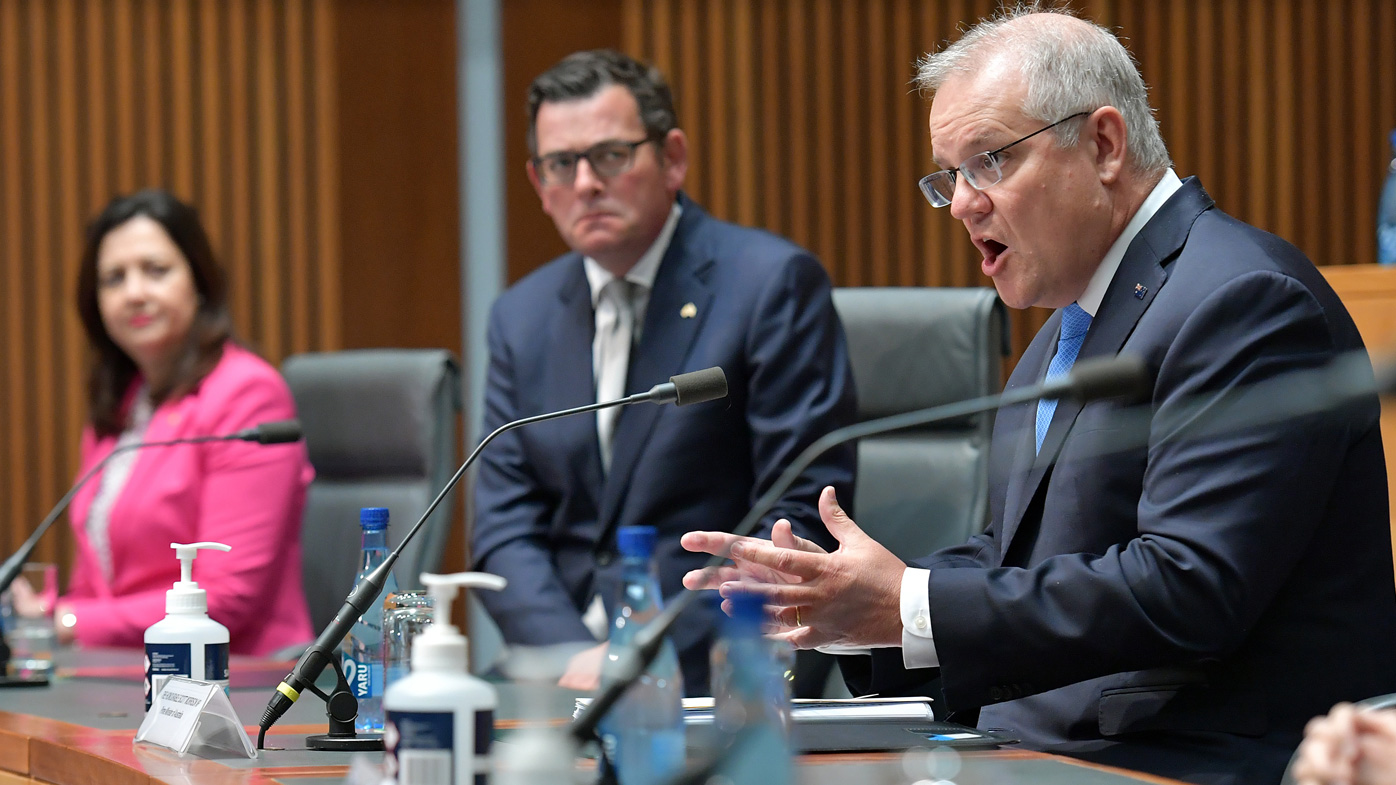
Australian Prime Minister Scott Morrison speaks with state premiers Annastacia Palaszczuk and Daniel Andrews at a National Cabinet meeting.

It comes as Mr Morrison has been campaigning in two states today ahead of the federal election next year.

The Prime Minister attended Brisbane this afternoon, targeting the Labor-held seat of Moreton as well as announcing a new apprenticeship for truck drivers.

"Today we have around 220,000 Australians in trade training in skills apprenticeships in Australia," he said.

"That is the highest level we have seen on record since they were first kept in 1963."

Mr Morrison also announced the new candidate for the ultra marginal seat of Macquarie in Sydney this morning, which is currently held by Labor.

WA couple stranded in Sydney while grieving daughter's death

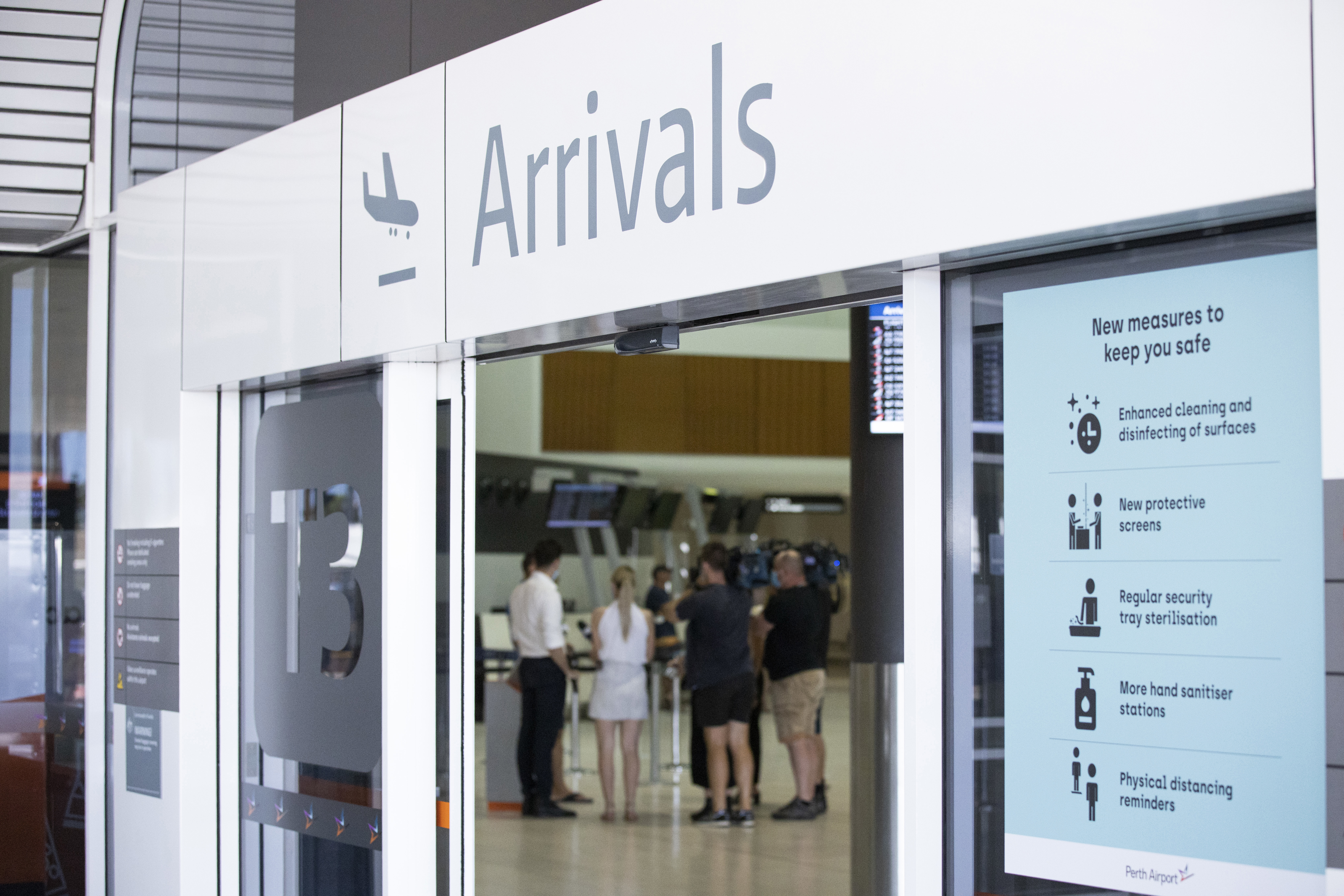
A Western Australian couple who flew to Sydney following their daughter's death have been locked out from returning due to COVID-19 border restrictions.

Speaking to 6PR radio, father Alan said he and his wife rushed to Sydney after his daughter Robin took her own life on December 1.

Robin had previously been professionally diagnosed with PTSD and depression and had been denied entry to WA to be with her parents in October and November of 2020.

READ MORE: Sydney teenager fined $35k for breaching COVID-19 restrictions, sparking Byron Bay lockdown

https://omny.fm/shows/6pr-mornings/grieving-wa-parents-stranded-in-sydney-banned-from/embed

The pair was required in Sydney to oversee a number of matters relating to Robins death, including clearing out her apartment and dealing with the police and the coroner's court.

However due to Western Australia reclassifying NSW as "extreme risk", Alan and his wife are unable to return to WA with their daughter's remains.

"We have been denied entry back to our home, due to the border being close on December 18, which would have been impossible to get a flight back, as we only received her ashes and her death certificate on December 16, to allow us to transport her ashes with us back to Perth," Alan told 6PR.

READ MORE: Emergency National Cabinet meeting called for tomorrow due to COVID-19 surge

"It's not like we've come to Sydney for a holiday, we have come to deal with our daughter's death which is traumatic enough, and we can't even get home and try to start a life with the knowledge that our daughter's no more with us.

"To this date we still haven't been granted permission to go home."

9News.com.au has contacted Premier Mark McGowan's office for comment, which has referred the matter to WA Police who manage the exemptions process for G2G passes under the current border controls.

Readers seeking support can contact Lifeline on 13 11 14 or beyond blue on 1300 22 4636.

Sydney teen fined $35k over COVID-19 restrictions

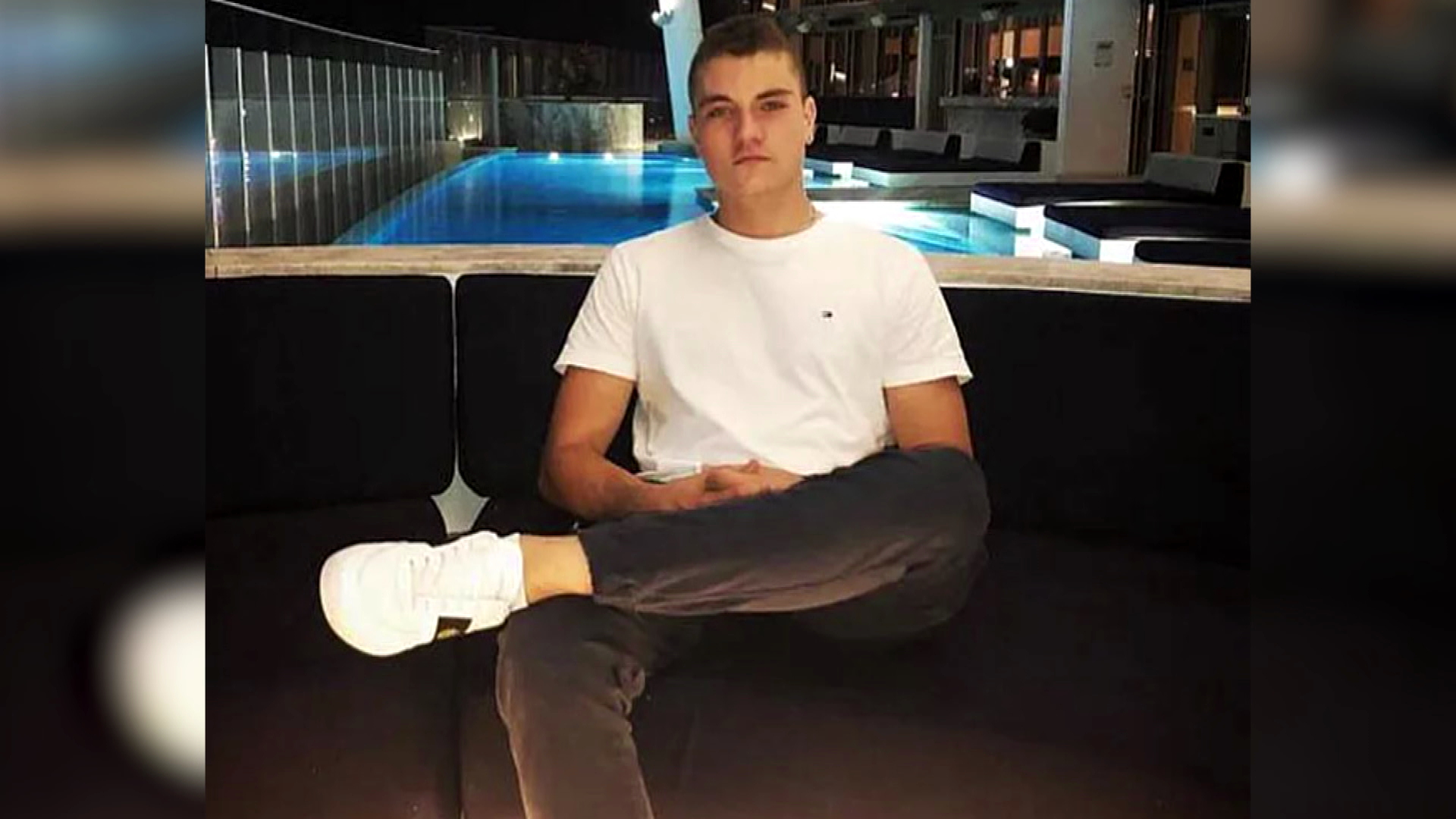
A Sydney teenager has been fined $35,000 after he breached COVID-19 restrictions to travel to Byron Bay while infected with the virus.

Kristian Radovanovic, 19, and his father travelled to Byron Bay from Rose Bay, in Sydney's eastern suburbs, during the most recent lockdown while infected with COVID-19.

The teen has been slapped with a $35,000 fine for the breach during a court hearing today.

READ MORE: More than 25,000 still without power after deadly Sydney storm

Kristian Radovanovic has been fined $35,000 for breaching COVID-19 restrictions during the latest lockdown.

The fine also included failing to wear a mask or signing in using a QR code while in Byron Bay.

A warrant was almost issued for the teen's arrest after he failed to turn up to his sentencing today.

But a court heard Mr Radovanoic is in Serbia caring for his grandmother.

A magistrate described the 19-year-old as "lazy, uncaring and irresponsible".

READ MORE: What the weather will be like on Christmas Day

"Mr Radovanovic did not care at all about the rest of the community," the magistrate said.

"He was not just lazy, but quite uncaring and irresponsible in his approach to the court orders."

"In my view, that means breaches are serious breaches."

Woman killed by falling tree in freak 'micro-burst' storm 'taken too soon'

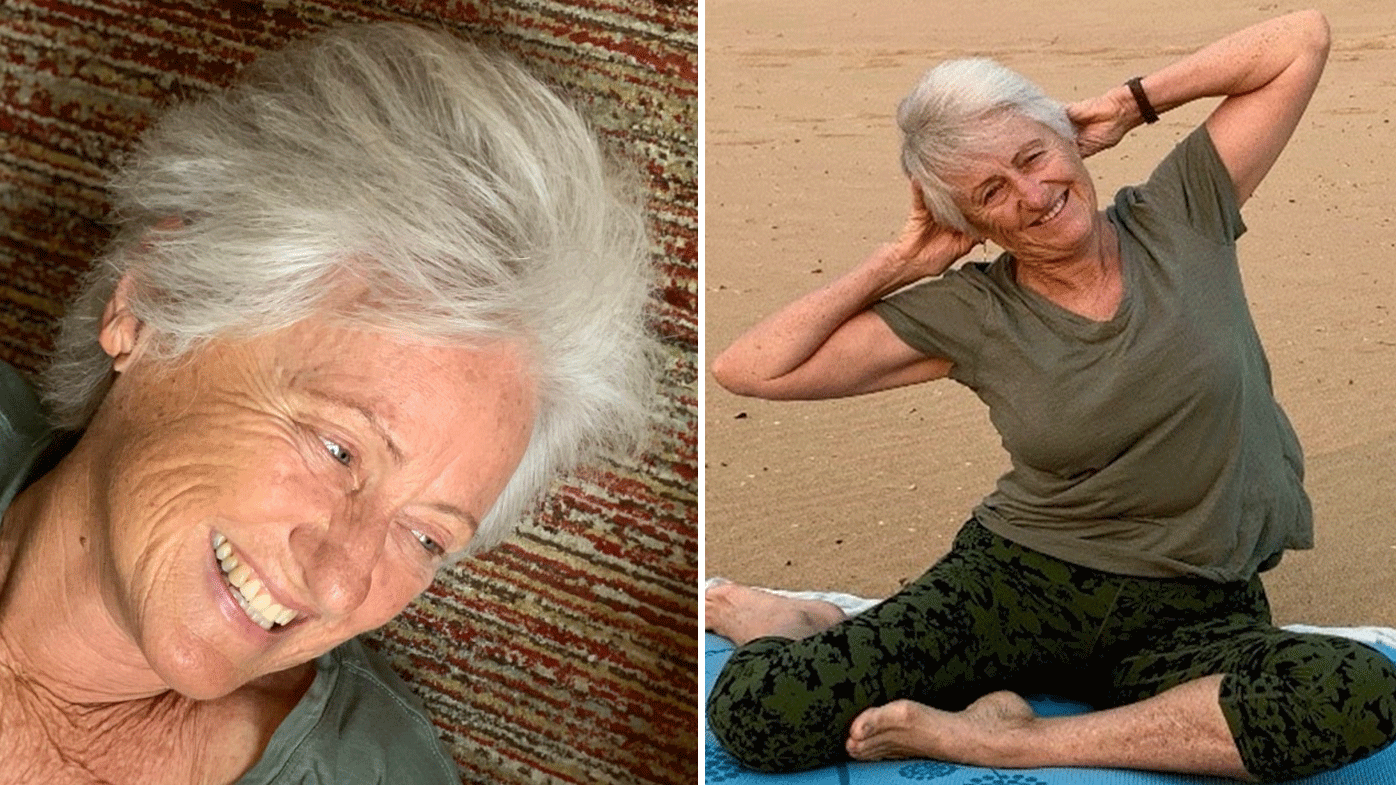
The woman killed by a falling tree during a freak storm on Sydney's Northern Beaches was supposed to be celebrating her 69th birthday today.

Susan Cobham had been at her neighbourhood Christmas gathering near Narrabeen Surf Life Saving Club yesterday afternoon when the "micro-burst" weather event ripped through the area.

She died in the car park on Ocean Street in Narrabeen, while two other women, one aged 71 and another in her late teens, were critically injured.

READ MORE: WA locks nation out for Christmas

Susan Cobham was killed during a freak storm on Sydney's Northern Beaches. tree down december 19 Narrabeen

The family of Ms Cobham said she was a "beloved member" of the Northern Beaches community.

"She was a gentle and nurturing soul who helped anyone in need and loved her grandkids, teaching and practising yoga and gardening," Ms Cobham's son said in a statement.

"She was taken too soon by this freak accident.

"We would like to thank all those first on the scene who tried to save her including the life savers, ambulance and police officers and to the community, family and friends who have all offered their support during this difficult time."

A Surf Life Saving crew was first on the scene of the deadly accident and Sydney Northern Beaches Branch President Tracey Hare-Boyd said it was confronting for the duty officers.

"My heart goes out to them, because you can never train anyone enough for the scenes, for what they saw yesterday and for what they had to do," she said.

The younger patient had head injuries, spinal injuries, and the second surviving woman had severe internal injuries, Superintendent Paul Edwards from NSW Ambulance said today.

He said they were taken to Royal North Shore Hospital by road with a medical team transporting them.

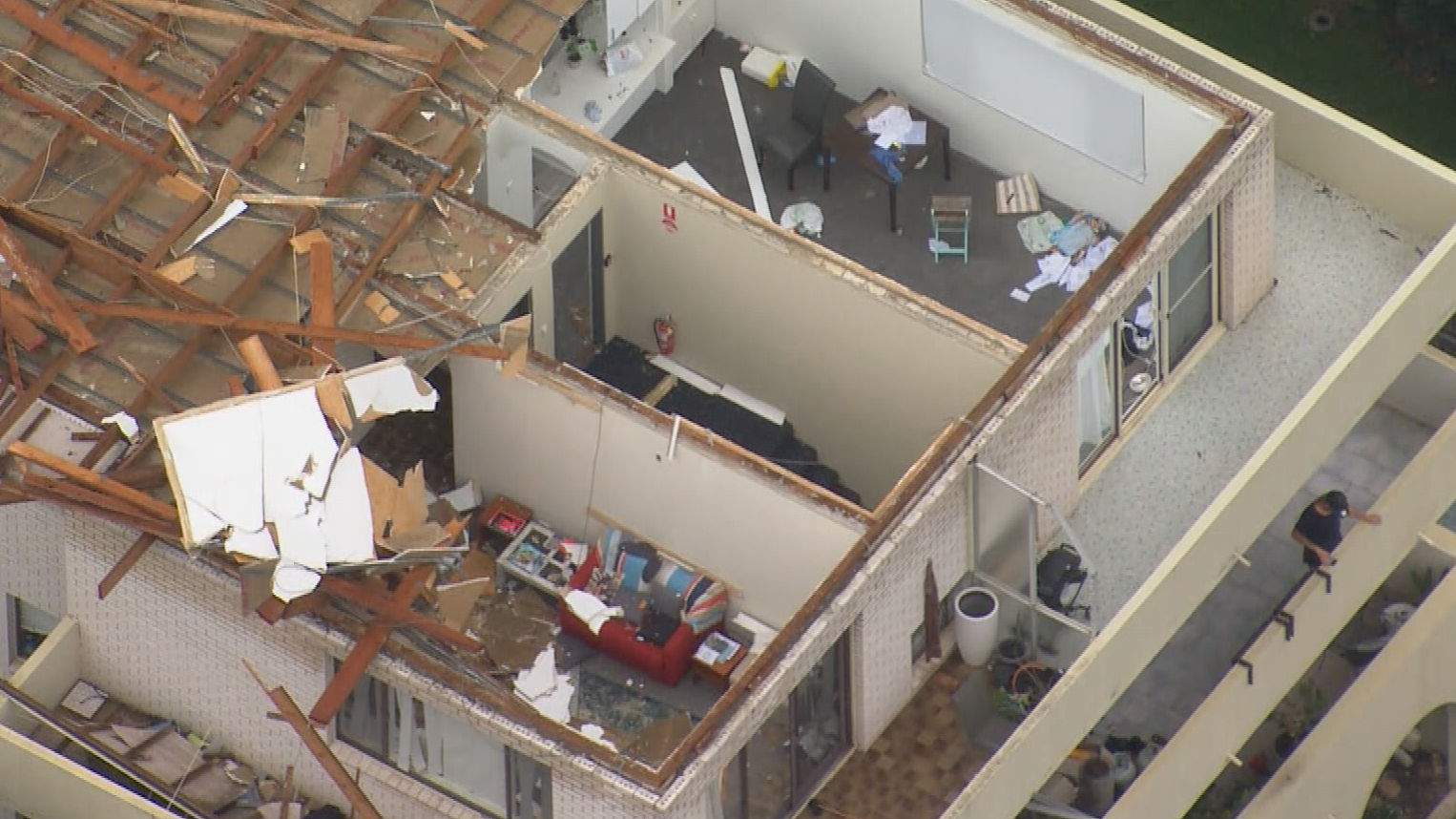
Roofs torn away from Dee Why homes

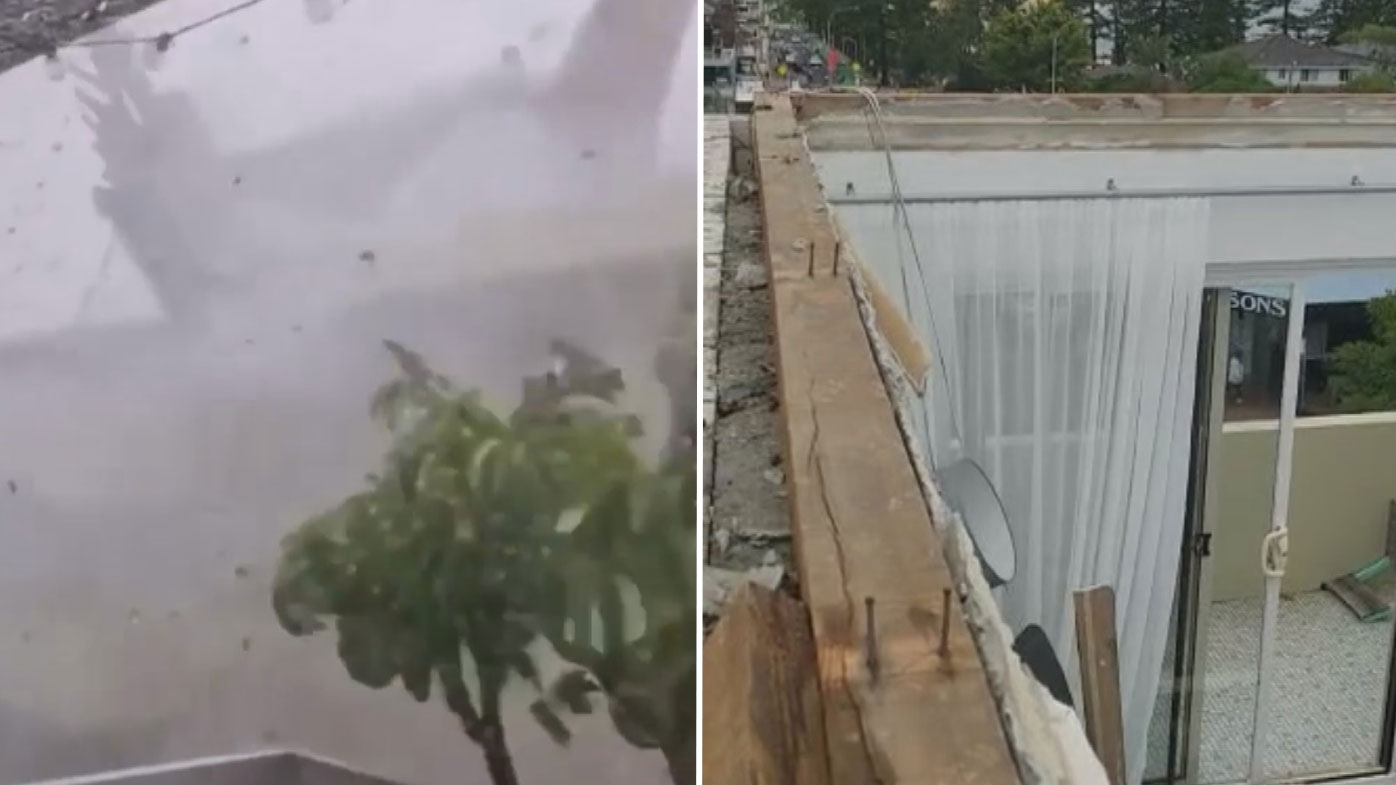
Two homes in Dee Why have been torn apart by the freak three-minute storm.

Wayne Portlock's house was blown open with the roof ripped off the home just five days out from Christmas.

"Pretty sad, hadn't got the tree up so it's not too bad," Mr Portlock said.

"We'll get through it, it'll be fine."

READ MORE: Swimmer's close encounter with nurse shark in 'waist-deep' water

Roof from Dee Why resident's home ripped away during freak storm.Roof from Dee Why resident's home ripped away during freak storm.

The weather system was so fierce Mr Portlock, a former police officer, had to hide beneath his kitchen bench, as his roof flew away.

"From a rattle, it went to a big creak, I thought I'm in danger here in front of the glass doors so I just dived behind the island bench and within 30 seconds the roof was off and another 30 seconds the rain was passed," Mr Portlock said.

"I just looked out and we had a new skylight."

Roof ripped from a home in Dee Why during a freak storm.

Another home in Dee Why also lost its roof in the storm.

"It was just one big crack and my living room ceiling and roof was gone, and then I sort of went down and outside my unit that whole rood and ceiling was gone," Nathan Lavers, another Dee Why resident, said.

"I wasn't sure to run inside or outside cause there was sort of timber falling."

Widespread damage across Northern Beaches

Numerous powerlines and other trees were downed or uprooted in the "micro-storm", which ripped apartment roofs off and damaged cars.

Dee Why and Narrabeen were hardest hit by the weather event, which "appeared out of nowhere", according to NSW SES Superintendent Stuart Fisher.

An apartment building had the roof ripped clean off in the storm on Sydney's northern beaches.

There were more than 550 calls for assistance to the SES, 150 Triple Zero calls, while more than 26,000 homes remain without power.

An air conditioning duct was ripped from a building in Dee Why and blown across the street, though miraculously nobody was hurt.

READ MORE: Hundreds in Christmas quarantine after infectious teen goes clubbing

Metal sheet flies off Sydney building and smashes cars belowOne person has been killed and two are critical after a storm in Sydney.

Firefighters said wild winds ripped the roof off a Forestville shopping centre, tore sheets of metal from apartment buildings and triggered a partial building collapse in Curl Curl.

The service described the incident as a "mini-cyclone", saying trees were knocked onto vehicles and roads, with powerlines torn down from Dee Why to Narrabeen.

READ MORE: Wild Kmart brawl caught on camera

"People were running. People were ducking. No one knew where to go because there was no shelter," one resident said.

"It didn't matter where you drove it was still going bang, bang, bang on the roof."

The clean-up is ongoing.