Category Archives: headline

How missing WA girl was found

It started with an unzipped tent door and ended with police busting into a locked home in Carnarvon.

Cleo Smith has been found, alive and well, 19 days after she vanished from her family tent at a tiny campsite in remote Western Australia.

The police search for little Cleo, aged four, began on October 16, a Saturday morning.

LIVE UPDATES: Cleo Smith found – latest developments
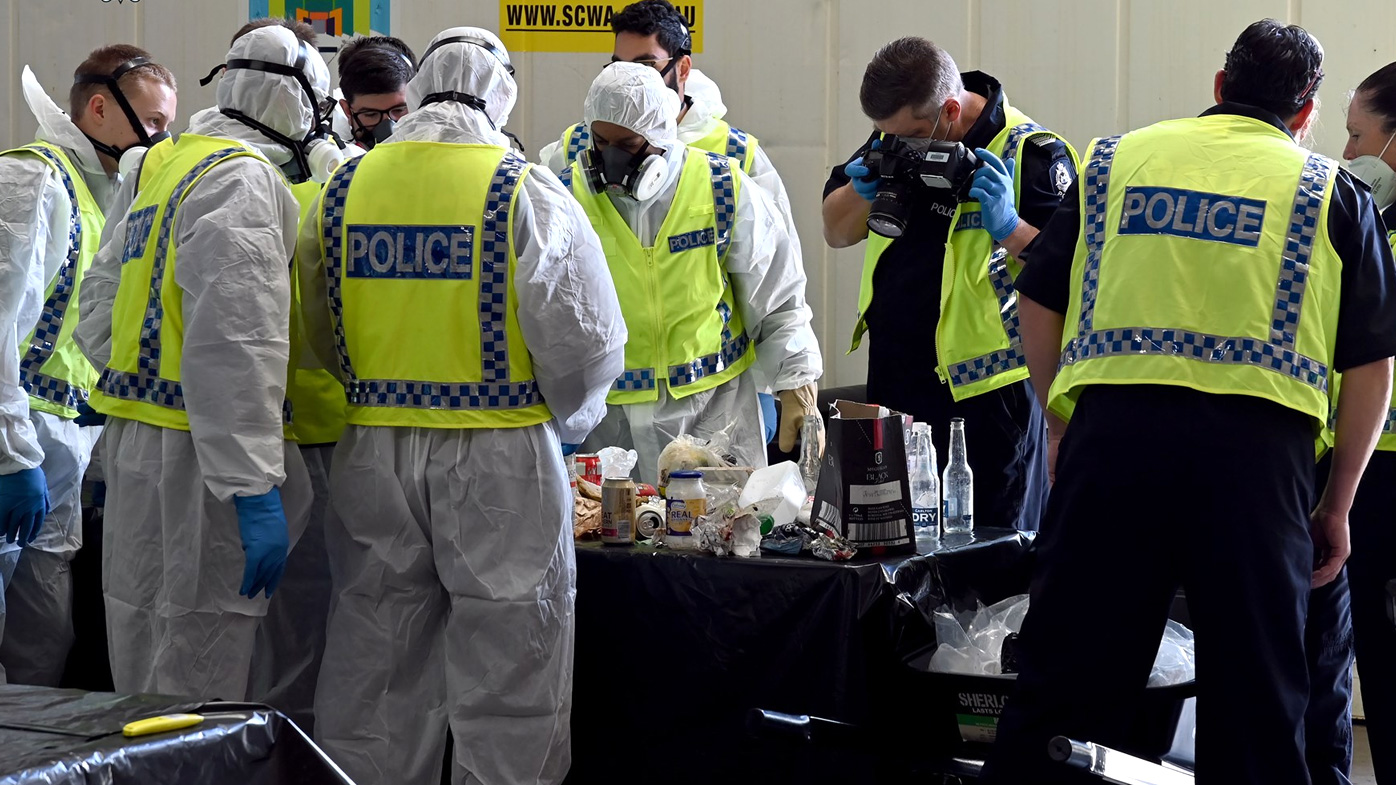
WA Police officers collected more than 50 cubic metres of rubbish from roadside bins as far north as Minilya to as far south as Geraldton.

READ MORE: Police searching for Cleo Smith worked 'hierarchy of suspicion'

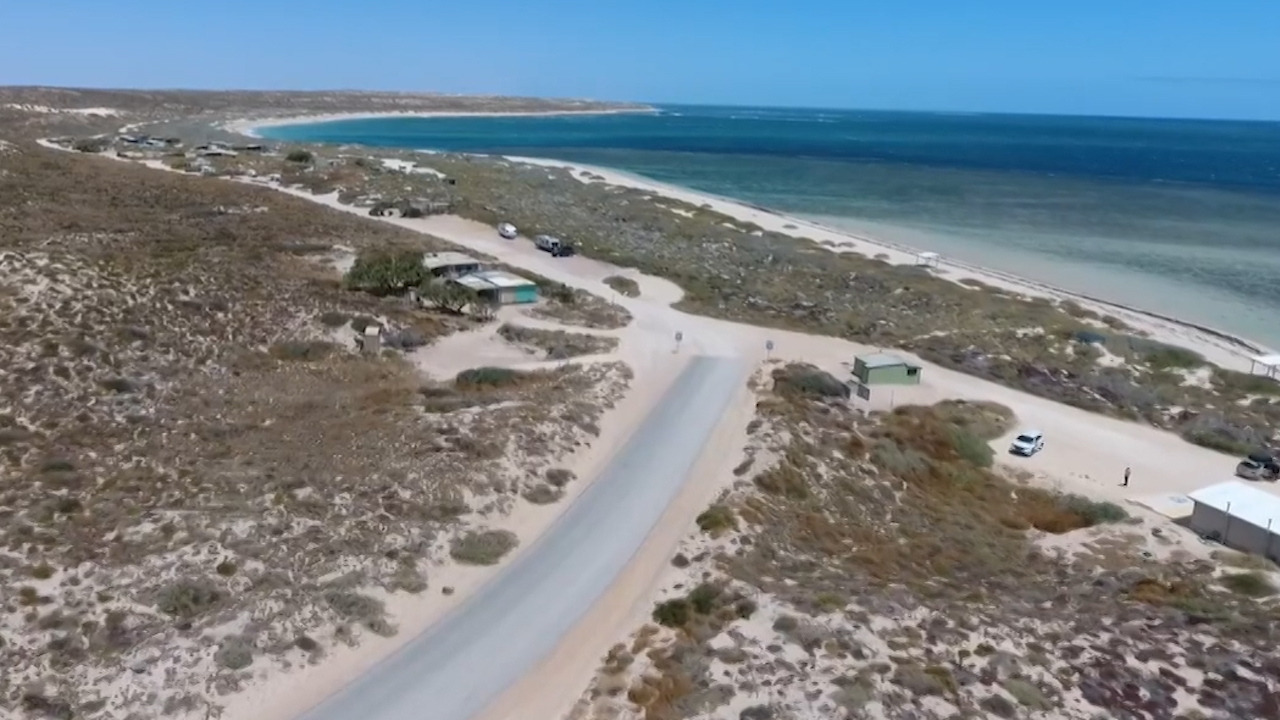
The night before, Cleo and her family, mum Ellie, her partner Jake Gliddon and her little sister arrived at Blowholes Campsite for a weekend of camping.

But when Ellie Smith woke at 6am, Cleo was gone.

https://omny.fm/shows/the-9news-lunch-podcast/nov-3-special-edition-tears-of-joy-as-missing-cleo/embed?style=cover

The zip was open and Cleo's sleeping bag was also missing.

Cleo's mum Ellie called police around 6.23am, triggering one of the biggest and most complex hunts in WA police history, involving satellites, drones, helicopters, musterers and good old fashioned police work by a team of 100 officers and detectives.
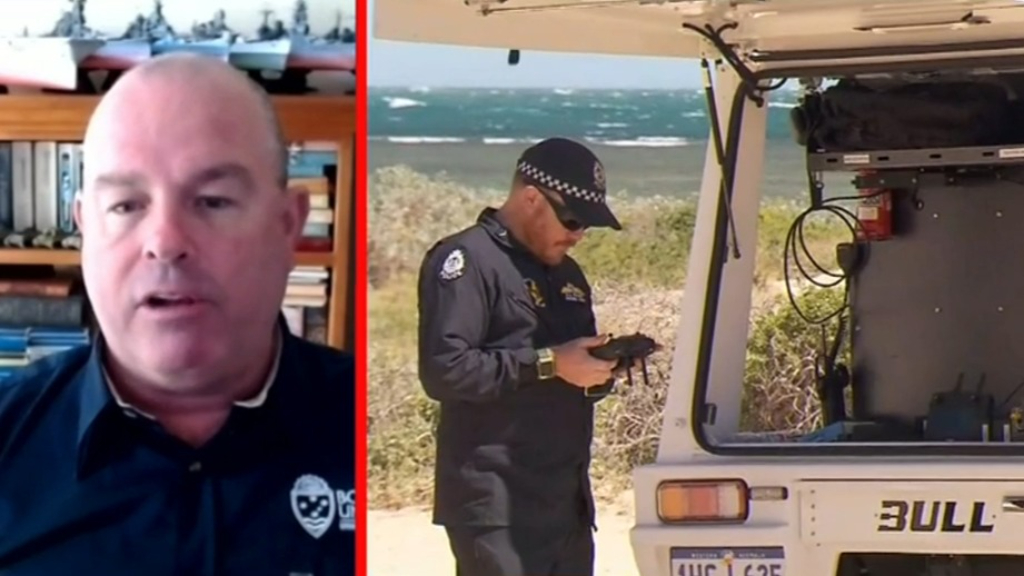
Cleo police worked 'hierarchy of suspicion'Helicopter pilot Justin Borg said he expected to find young Cleo in just hours on day one.

Led by Detective Superintendent Rod Wilde, police called for CCTV from a radius of 1000-kilometres away from Blowholes, fearing that an abductor had whisked Cleo away in one of Australia's most vast and hard to police regions.

In the end, Cleo was much closer to home, found in the family's hometown of Carnarvon, with a population of just 4400.

During the investigation, police searched Cleo's family home on three occasions, at times leaving with bags of evidence.

READ MORE: How missing WA girl was found
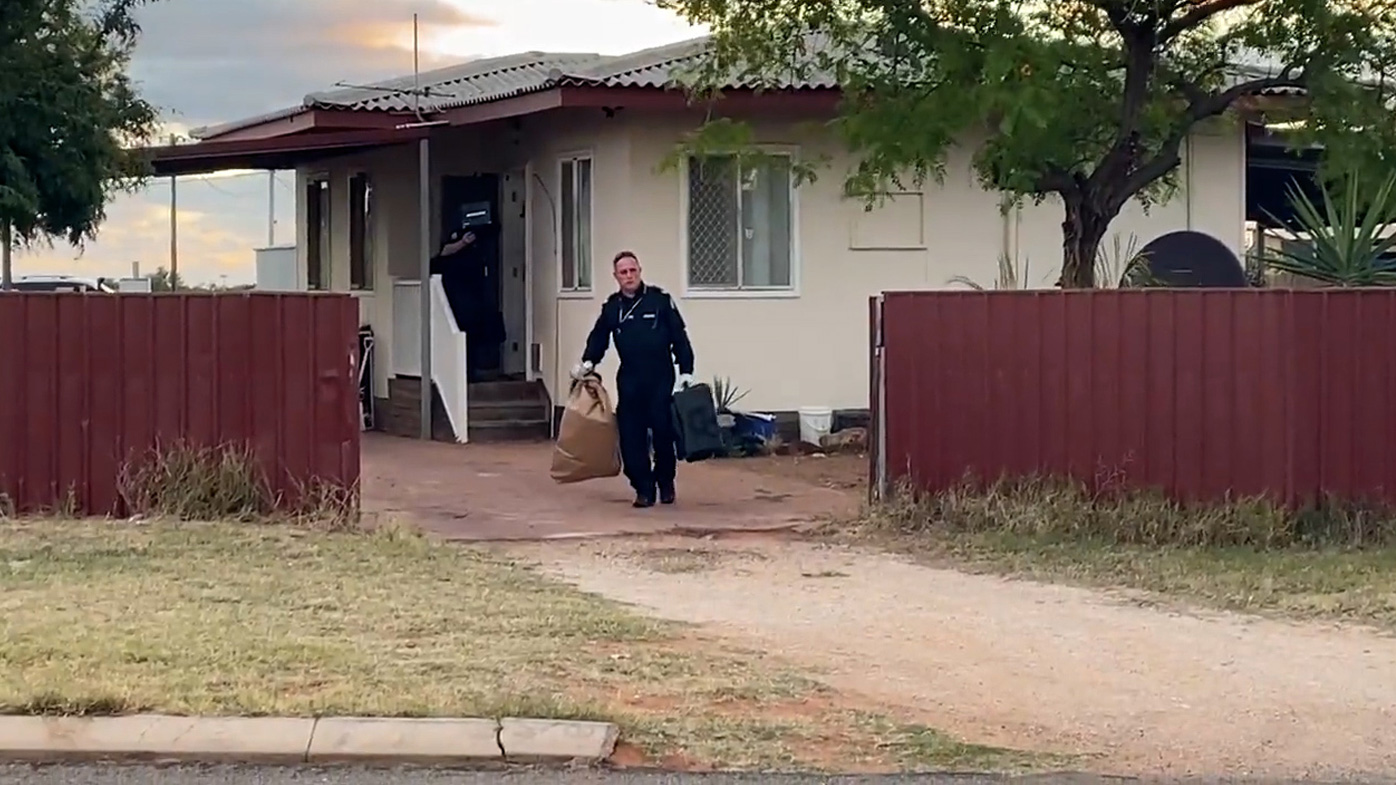
WA police made three searches of Cleo Smith's home after she vanished without a traceOfficers are checking satellite coverage as part of the hunt for Cleo Smith in WA.

Those searches prompted unfounded speculation on the family, despite WA Police insisting it was all a routine part of the investigation.

A call went out to try and find a car that had reportedly left Blowholes around 3am on the night Cleo vanished, but efforts to trace the vehicle and a driver came to nothing.

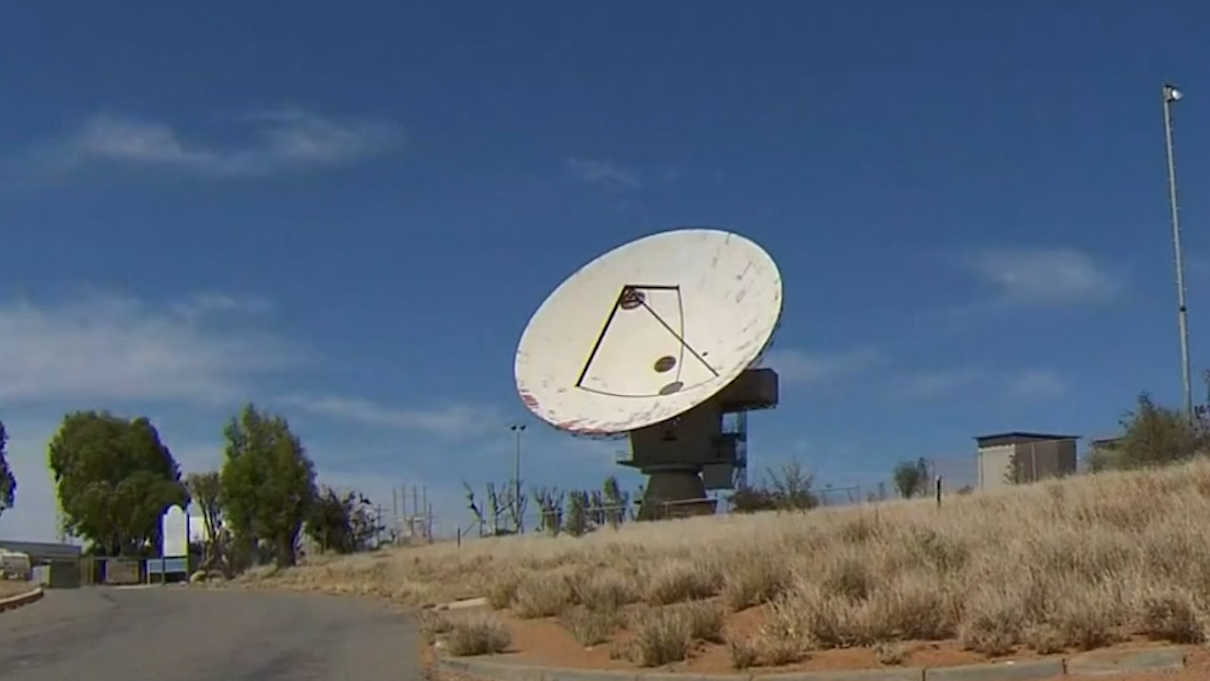
It didn't take long for the Australian Federal Police to get involved, reportedly seeking access to images from high-resolution satellite cameras.

Mobile phone and cell mast data was trawled and analysed. Drones mapped scrubland and dirt tracks, looking for signs of disturbed earth or a trail left by a dragged sleeping bag.

The state government offered a $1 million reward for any information that led to finding Cleo.

READ MORE: Finding of Cleo Smith 'a miracle', leading criminologist says
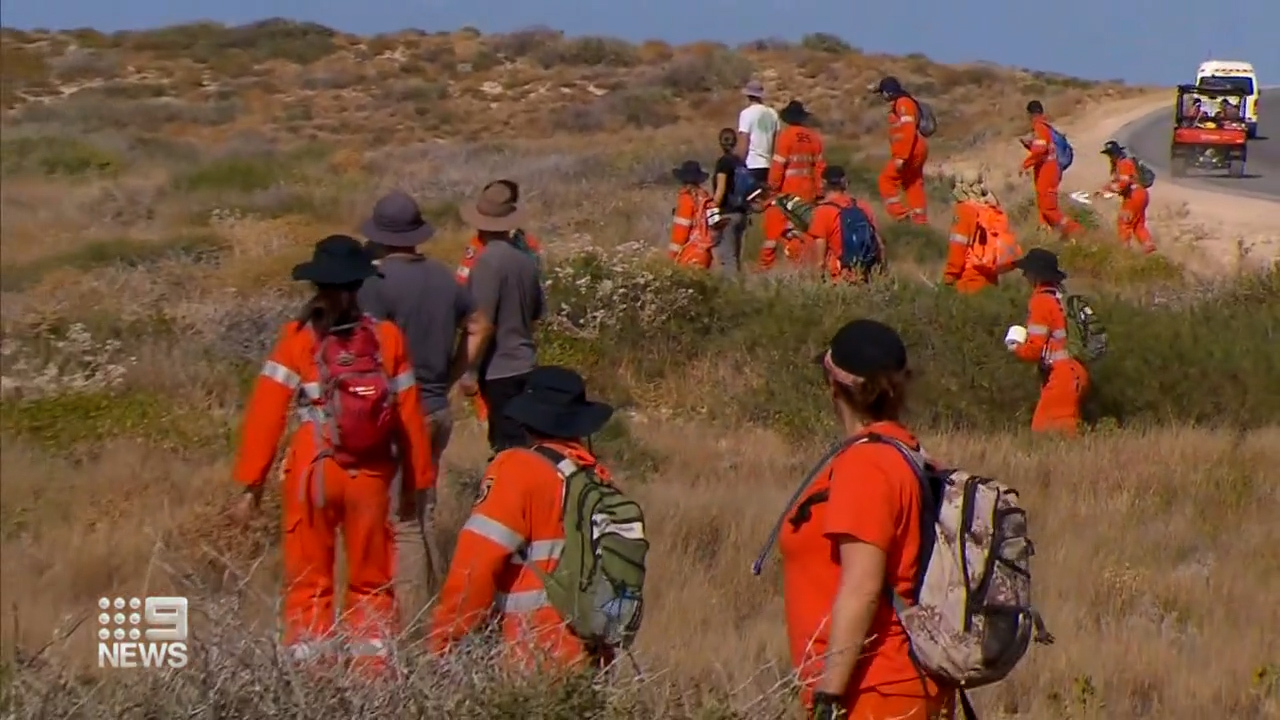
The Blowholes Campsite, near Carnarvon, where Cleo Smith went missing was continued to be searched. Police sought access to satellite images as part of the hunt for Cleo Smith in WA.

Police conducted painstaking searches of mountains of rubbish hundreds of kilometres from Blowholes, desperately trying to find a clue that could lead to Cleo's whereabouts.

Incredibly, at 1am (local time) police broke into a locked house, just minutes from Cleo's home, and found a small girl in a room.

When police asked what her name was, she said: "My name is Cleo."

A man is in custody.

READ MORE: Nation weeps and celebrates as little Cleo found 'alive and well'

CLEO SMITH FOUND: WHAT WE KNOW

  • At 12.46am (AWST) overnight, police broke into a locked home in Carnarvon, Western Australia, where four-year-old Cleo Smith was found alive and well. 
  • A 36-year-old man was found not far from the home, and has been taken into custody. He is assisting police with inquiries. 
  • Police have said the man has no connection with Cleo Smith's family. 
  • Investigators were acting on information received that night, but it has not been disclosed yet what led them to that address. 
  • Cleo has been reunited with her family. 
 COVID-19: What will it take to protect the Americas?

By Carissa Etienne, Director of the Pan American Health Organization, PAHO.

Ten months after the first vaccine for COVID-19 was authorized for use by the WHO, most
people in the Americas remain at risk.

We must face the daunting reality that the overreliance on imported health products –
including lifesaving COVID-19 vaccines – has left this region vulnerable. We cannot wait for the next health emergency to act, as ending this dependency will require long-term planning, investment and, above all, collaboration.

Despite the pervasive inequality within and across countries, our region has achieved high
coverage of routine childhood vaccines, which have saved lives and secured a chance of a
better future for several generations. The Americas was the first region in the world to
eliminate rubella, to eradicate smallpox and to be declared polio-free.

Yet, during the worst pandemic in a century, we are struggling to secure enough vaccines to protect our people and though 41% of the population in Latin America and the Caribbean has been immunized, coverage remains very low in the poorest areas of our region. Why has access to COVID-19 vaccine been so different?

Simply put, there are not enough vaccines available, and the ones that are, have not been
equitably distributed. Nations with more resources, or with established manufacturing capacity, secured the lion’s share of vaccines for their people, while the rest of the world must wait. This delay cost countless lives around the world, but especially in economically stratified regions like ours.

We have no option but to close this gap. Vaccine donations remain critical, but we need to look elsewhere for long-term solutions.

That is why the Pan American Health Organization (PAHO) is championing an ambitious new program to expand vaccine manufacturing capacity in Latin America and the Caribbean, where vaccine availability has been very uneven. It builds on the proven expertise of our institutions and the strengths of our scientific community.

As a first step, a private company in Argentina and a public institute in Brazil were selected as hubs to develop and produce vaccines using cutting-edge mRNA technology.

The mRNA initiative is just one part of a broader platform that aims to serve the needs of the entire region, by linking capacity across countries to produce different components of the pharmaceutical supply chain. No single nation has the means to transform the current
landscape on their own. We must align around a shared plan and coordinated investments to make the Americas more self-sufficient.

It is not enough to act during this emergency. Expanding manufacturing and bringing vaccines closer to where they are needed require lasting commitment from governments across our region, and the active engagement of global funding partners.

It also requires that the few companies that hold the required technical knowledge and patents are prepared to share these to help diversify global production of vaccines and medicines.

Failure to do so, will keep the world struggling with insufficient output for months and,
possibly, years to come.

The upcoming G20 summit is a crucial opportunity to embrace this vision and secure it with
strong financial and technical commitments.

We can only succeed if countries in the Americas work together to locally produce the tools
that can get us out of this pandemic and leave us better prepared for the next.

COVID-19 has shown that there is no pathway for recovery while our neighbors continue at risk.

Science and innovation that remains out of reach will not protect us. Solidarity and self-reliance in vaccine production will.

The post  COVID-19: What will it take to protect the Americas? appeared first on The St Kitts Nevis Observer.

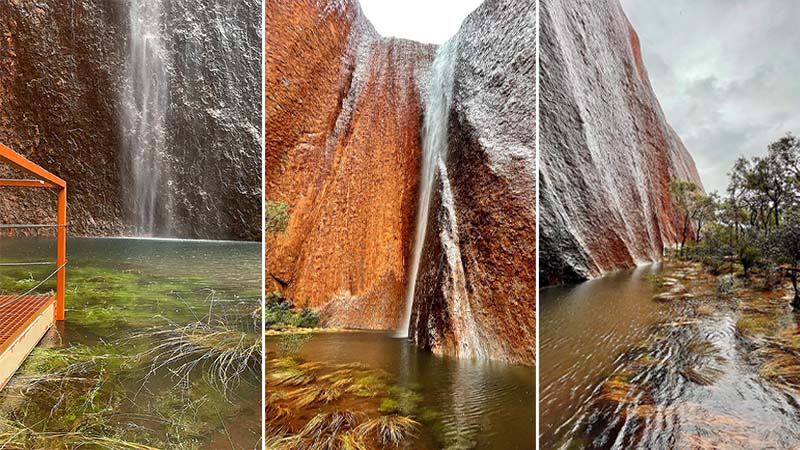
'Rare and magical': Waterfalls stream down Uluru

The strangely sheep-like calls of countless native frogs are deafening as waterfalls stream down Australia's big red heart.

They're louder than the water itself in video shared by the Uluṟu-Kata Tjuṯa National Park on Tuesday, after "the rock" was drenched in 22mm of rare rain overnight.

"While that doesn't sound like much, the annual average rainfall is just under 300mm," Parks Australia said of the "rare and magical" moment through the reserve's Facebook account.

READ MORE: Disneyland Shanghai goes into snap COVID-19 lockdown

"With a hot summer ahead, the rain is welcome and locals are hoping for more of it over the coming months."

Explaining the burrowing frog choir, the account said the reptiles would call "profusely" after enough rain fell to encourage them out of their burrows, especially at dawn and dusk.

"While the water persists, you can see them in the waterholes during the day, but as soon as it starts to dry out, they disappear underground again, waiting for the next downpour to occur," it said.

https://www.facebook.com/OfficialUluru/posts/257634926402469?__cft__

Record heat in NT and Queensland

The rain comes as scorching temperatures nudged or broke records in Queensland and the Northern Territory in October, with meteorologists reporting a 2-degree increase in average temperatures.

According to the Bureau of Meteorology, October was hotter than usual for Australia as a whole, with every state except Victoria noticing significantly warmer-than-average weather.

Victoria had a series of cold fronts strike the southern regions, which resulted in dramatic storms.

READ MORE: Queenslanders warned to prepare homes for 'severe' storm and cyclone season

But up north, Queensland and the Northern Territory experienced some of their hottest October temperatures on record.

Queensland experienced its fourth-warmest October ever, with an average increase of 2.12 degrees.

The Northern Territory experienced an increase of 2.11 degrees, its third-warmest October on record.

Darwin sweated through its warmest-ever October night on record on the 20th, reaching 26.6C, while Brisbane recorded its hottest October day since 2004, with a top of 36.6C on October 4.

READ MORE: Disneyland Shanghai goes into snap COVID-19 lockdown

Weatherzone's Anthony Sharwood said while scorching days in the north may not seem unusual, the temperature increases have been significant.

"The biggest story of spring 2021 in Australia to date is definitely the well-above (average) temperatures right across the northern part of our country, and especially in Queensland and the Northern Territory," Mr Sharwood said.

According to Mr Sharwood, early-season heat set in earlier than usual in the areas.

READ MORE: Leaked text message in spat between French PM and Morrison

The town of Bucca, west of Bundaberg has been hit by severe storms and a suspected tornado last night, rattling the community.

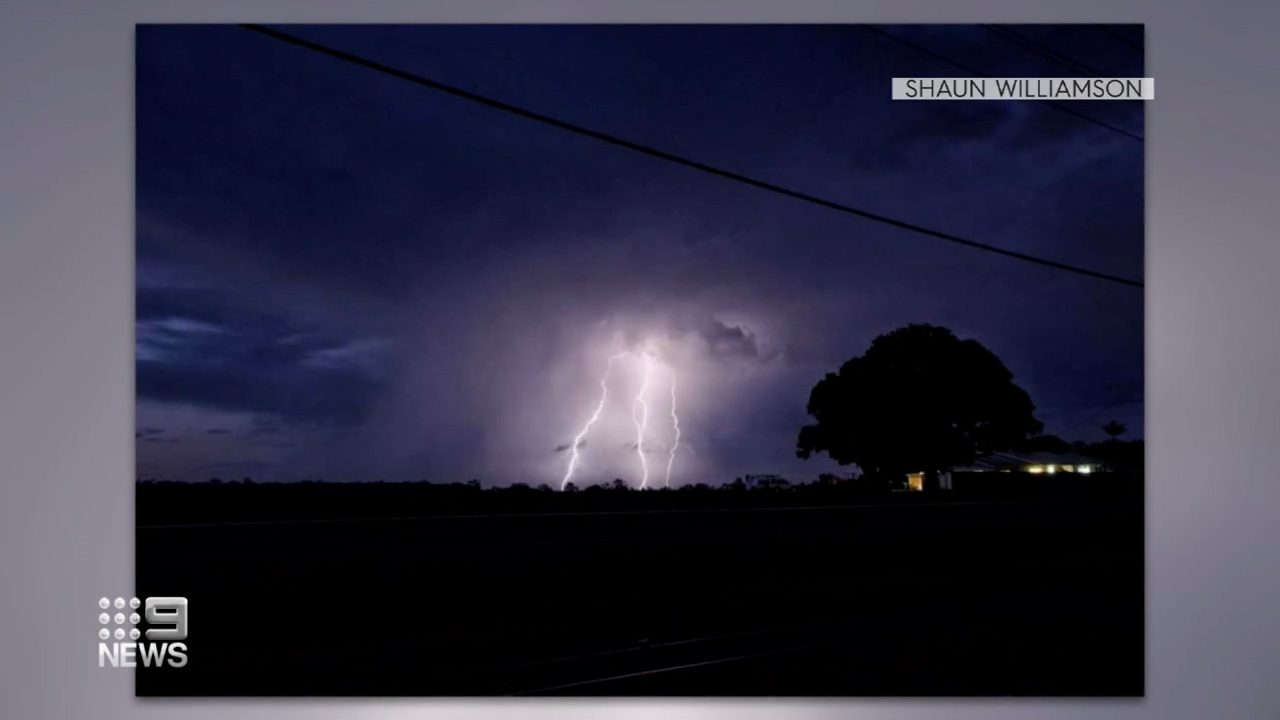
Hotter than average temperatures may have contributed to the onslaught of unusual weather events in Queensland last month, with giant hail storms and four confirmed tornados recorded in the state.

Storm season in the state typically runs from November to December each year, while cyclone season extends till the end of April.

https://twitter.com/weatherzone/status/1455070011559604226

The Bureau of Meteorology uses a 30-year period from 1961-1990 as its reference period for average monthly temperatures, as defined by the World Meteorological Organisation.

UK Preparing to Deport More Jamaican EX-Pats

CNW- A number of Jamaicans currently living in the United Kingdom could be deported within the coming days.

In a report published on Saturday, the Gleaner stated that the deportation flight scheduled for November 10, will be the second in three months and the fourth since the start of the COVID-19 pandemic.

Speaking with The Gleaner, the Chairman of the Windrush National Organisation, Dr Desmond Jaddoo, said it is not yet known how many people will be deported.

On August 11, seven Jamaicans were deported aboard a UK Home Office charter plane, 90 people were originally earmarked for deportation and according to statistics from the Home Office, 140 Jamaicans with criminal convictions were deported on six flights between 2016 and 2021.

Jaddoo said some charter flights have left the UK “virtually empty” and at “extreme cost” to British taxpayers.

“We understand the expense came to about a quarter of a million pounds. If there are late legal challenges and that reduces the number of people on a flight it’s solely because there are flaws in the decision-making processes, otherwise, judges would not be intervening and taking people off flights,” he said of the August 11 flight.

Jaddoo also raised concern about deportation charter flights amid the COVID-19 pandemic.

At the time of the last flight to Jamaica, the number of deportees was drastically reduced due to an outbreak of COVID at one of the detention centers.

CMC

The post UK Preparing to Deport More Jamaican EX-Pats appeared first on The St Kitts Nevis Observer.

SKN Rattled by 5.3 East Caribbean Earthquake

A magnitude 5.3 earthquake was recorded in the vicinity of three islands in the Caribbean, Saint Kitts and Nevis, Antigua and Barbuda and Guadeloupe.

The UWI Seismic Research Centre (UWI SRC) said it occurred today around 6:08 pm local time at a depth of 10 kilometres.

According to the Automatic Earthquake Location from the UWI Seismic Research Centre, the quake struck:

  • 149 km NNE of Basseterre, Saint Kitts and Nevis

  • 171 km NNW of Saint John’s, Antigua and Barbuda

  • 273 km NNW of Point-à-Pitre, Guadeloupe

It was recorded as felt in St Kitts and Nevis and Antigua with some social media users on UWI SRC’s Facebook page reporting it as felt in St Maarten and Anguilla.


The post SKN Rattled by 5.3 East Caribbean Earthquake appeared first on The St Kitts Nevis Observer.

T&T Returns Favor by Donating Pfizer Vaccine to Grenada, COVID World Summary

The Ministry of Health has donated 2,000 doses of the Pfizer vaccine to Grenada following a request from the Ministry of Health in Grenada. The vaccines were shipped today. The following is a press release from the Ministry of Health:

The Ministry of Health wishes to advise that following a request from the Ministry of Health, Grenada sent via the Ministry of Foreign and CARICOM Affairs, that 2,000 doses of the Pfizer COVID-19 Vaccine have been shipped today Monday November 1, 2021.

Trinidad and Tobago is ready and willing to play its part in the regional collaborative approach to the management of the COVID-19 pandemic. It should be noted that between May and June 2021 Trinidad and Tobago received a donation of AstraZeneca COVID-19 vaccine from Grenada, which supported our vaccination effort.

Individual, Community level and global partnerships are required to overcome the COVID-19 pandemic and so, whenever possible, the Government of the Republic of Trinidad and Tobago will continue to provide assistance to other territories.

=====================================

Nov 2 (Reuters) – Here’s what you need to know about the coronavirus right now:

Japan eases COVID-19 border curbs

Japan on Tuesday confirmed plans to gradually ease COVID-19 border restrictions, but fell short of calls from business lobbies to open up the country in line with its major trading partners. While a shorter quarantine would be welcome, it would only benefit business travellers and Japanese nationals, said Michael Mroczek, president of the European Business Council in Japan. The bigger issue is the remaining hold on long-term visas.

COVID-19 cases have fallen dramatically in Japan as the nation’s vaccination rate has pushed past 70% of the population. New infections in Tokyo fell to 9 on Monday, down from more than 5,000 a day during a wave in August driven by the infectious Delta variant. read more

Restrictions in Sydney to ease weeks ahead of schedule

Australia’s biggest city will lift more COVID-19 curbs for vaccinated residents ahead of schedule next week, while delaying freedoms it has promised for unvaccinated Sydneysiders as officials aim to boost inoculations.

Vaccinated people in the harbour city of around 5 million will be allowed unlimited numbers of guests in their homes from Nov. 8. Pubs and clubs will also be able to accommodate more guests and reopen dance floors, in changes that were initially planned to come into force on Dec. 1. read more

White House says 15 mln shots will roll out to children

The United States is rolling out Pfizer/BioNTech COVID-19 vaccines for children aged 5 to 11 this week, but most of the 15 million shots being shipped initially are unlikely to be available before next week, the White House said on Monday.

Millions of doses specifically formulated for children of that age group will start arriving at distribution centers over the next few days, White House coronavirus response coordinator Jeff Zients said, and the federal government has purchased enough supply for all eligible 28 million children. read more

As mandate kicks in, ranks of unvaccinated NY police, firefighters dwindle

New York City Mayor Bill de Blasio declared his coronavirus vaccination order for emergency responders a success on Monday, with no disruption to city services, despite a sickout by some firefighters who officials said were protesting the mandate.

The New York mandate prompted several thousand uniformed workers, including emergency medical services and sanitation employees, to get the required minimum first shot by the Friday afternoon deadline, and more than 3,500 others to do so over the weekend, de Blasio said. read more

Amazon lifts mask mandate for fully vaccinated U.S. warehouse workers

Amazon.com Inc will not require fully vaccinated U.S. warehouse employees to wear masks at work from Tuesday unless mandated by state or local law, a source familiar with the matter said.

Amazon’s decision comes just before the crucial holiday season, for which it has been hiring thousands of hourly workers by offering them sign-up bonuses in a tight job market. read more

Compiled by Karishma Singh; Editing by Rashmi Aich


The post T&T Returns Favor by Donating Pfizer Vaccine to Grenada, COVID World Summary appeared first on The St Kitts Nevis Observer.

St. Kitts Offering 5th Night Free for Vaccinated Travelers

The post St. Kitts Offering 5th Night Free for Vaccinated Travelers appeared first on The St Kitts Nevis Observer.

IMF Study Explains Pandemic’s Severe Economic Impact on St. Kitts and Nevis

Washington, DC: On September 13, the Executive Board of the International Monetary Fund (IMF) concluded the Article IV consultation [1] with St. Kitts and Nevis, aimed mainly at the economic effect the pandemic has had on the Federation.

St. Kitts and Nevis entered the Covid-19 pandemic from a position of fiscal strength following nearly a decade of budget surpluses. A significant part of the large CBI revenues was prudently saved, reducing public debt below the regional debt target of 60 percent of GDP and supporting accumulation of large government deposits.

Prompt government action helped contain the pandemic’s public health impact. At the onset of the pandemic the government swiftly restricted inbound travel, introduced a month-long national lockdown, and procured protective and medical equipment. The reopening of borders at end-October 2020 has been accompanied by strict safety protocols. The response measures effectively mitigated the pandemic’s human cost, with St. Kitts and Nevis having had the lowest per capita case count in the Western Hemisphere and no mortalities in 2020.

But the impact on the economy has been severe. The complete halt in cruise ship arrivals and very few stayover tourists since the first quarter of 2020 compounded on the pandemic’s impact on domestic activity. The pandemic resulted in an estimated annual decline in GDP of 14 percent, and the general government’s first fiscal deficit (4.7 percent of GDP) since 2010, financed by drawing down sizeable deposit buffers.

An expected rebound in tourism sets the stage for a strong recovery from 2022 onward, but risks to the outlook remain significant. Following a loss of the 2020–21 winter tourism season and slow resumption of tourism inflows to date, staff projects a small further decline in GDP of 1 percent in 2021, followed by 10 percent growth in 2022.

However, the recovery path could be derailed should the pandemic lead to further sustained disruptions on the anticipated pace of tourism recovery and domestic activity. Other risks include financial sector uncertainties, natural disasters, and lower-than-expected CBI receipts.

Executive Board Assessment [2]

Executive Directors agreed with the thrust of the staff appraisal. They noted that St. Kitts and Nevis entered the COVID-19 pandemic from a position of fiscal strength and commended the authorities’ prompt and effective policy response, which has helped contain the pandemic’s economic and health impact.

Directors agreed that, in the near term, the key policy priorities are containing the pandemic and supporting the economic recovery. In particular, they emphasized that reaching herd immunity through vaccination is the chief priority to save lives and livelihoods.

Directors agreed that fiscal relief measures should be kept in place until the recovery firmly takes root. They noted that robust levels of public investment would further support economic activity.

Given the small economy’s susceptibility to natural disasters and dependance on tourism and volatile revenues from the Citizenship by Investment (CBI) Program, Directors concurred that once the recovery is firmly established, the government should resume saving part of the CBI revenues to rebuild fiscal buffers, which will also provide additional fiscal space to mitigate contingent and long-term fiscal pressures.

Directors agreed on the need to preserve the stability of the financial system by increasingly focusing on building readiness to exit the temporary support measures. They recommended reviewing and formalizing crisis management plans, containing risks in the systemic bank, strengthening supervision of non-banks, developing a more robust plan to divest unsold lands, and pursuing reforms to facilitate asset recovery.

While commending the authorities for promoting financial integrity, securing correspondent banking relationships, establishing CBI program safeguards and bolstering the AML/CFT and tax cooperation frameworks, Directors called for further efforts in these areas.

Directors encouraged structural reforms that raise productivity growth, economic competitiveness, and human capital. In this regard, they particularly welcomed the authorities’ agenda to diversify energy sources and channel CBI revenues into other sectors besides tourism and for infrastructure that protects against natural disasters.


The post IMF Study Explains Pandemic’s Severe Economic Impact on St. Kitts and Nevis appeared first on The St Kitts Nevis Observer.

Remembrance Day 2021 Activity guidelines

 The annual Interdenominational Service for Remembrance Day will be held on Sunday, 14th November, 2021, at the War Memorial in Charlestown at 8:00 a.m.

The general public is advised that due to the regulations currently in force to prevent community spread of the coronavirus which causes the COVID-19 illness, only armed units and persons who have been invited to represent their organisations are expected to attend this service.

The service will commence with a two-minute period of silence signalled by the firing of a gun at 8:00 a.m.

 All persons, whether attending the service or not, are asked to observe this moment by keeping the silence which includes the halting of all vehicular traffic.

 The NIA appreciates the understanding and cooperation of all.

The post Remembrance Day 2021 Activity guidelines appeared first on The St Kitts Nevis Observer.

Migrant Caravan Limps North Through Mexico, Despite Dengue Fever, Exhaustion

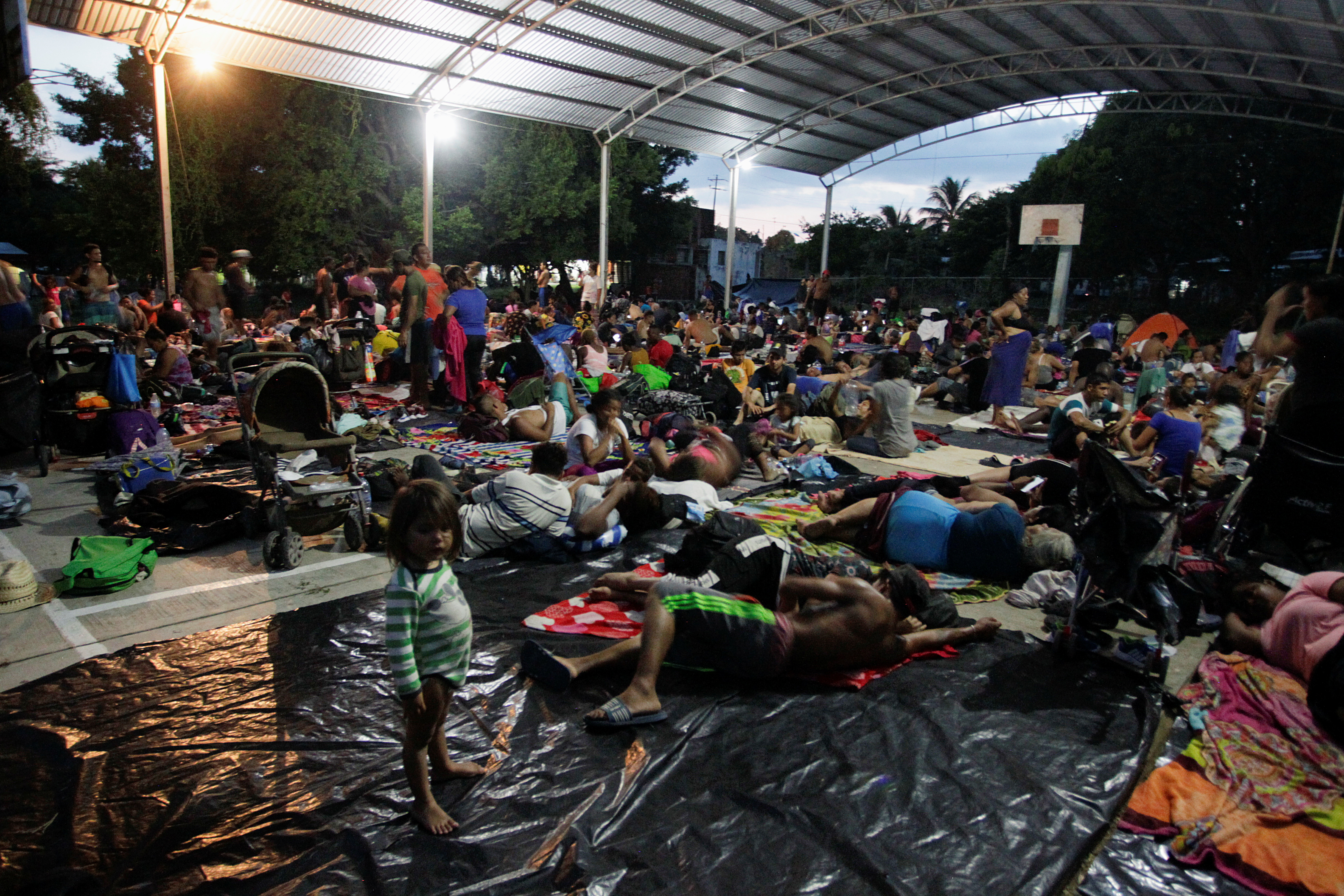
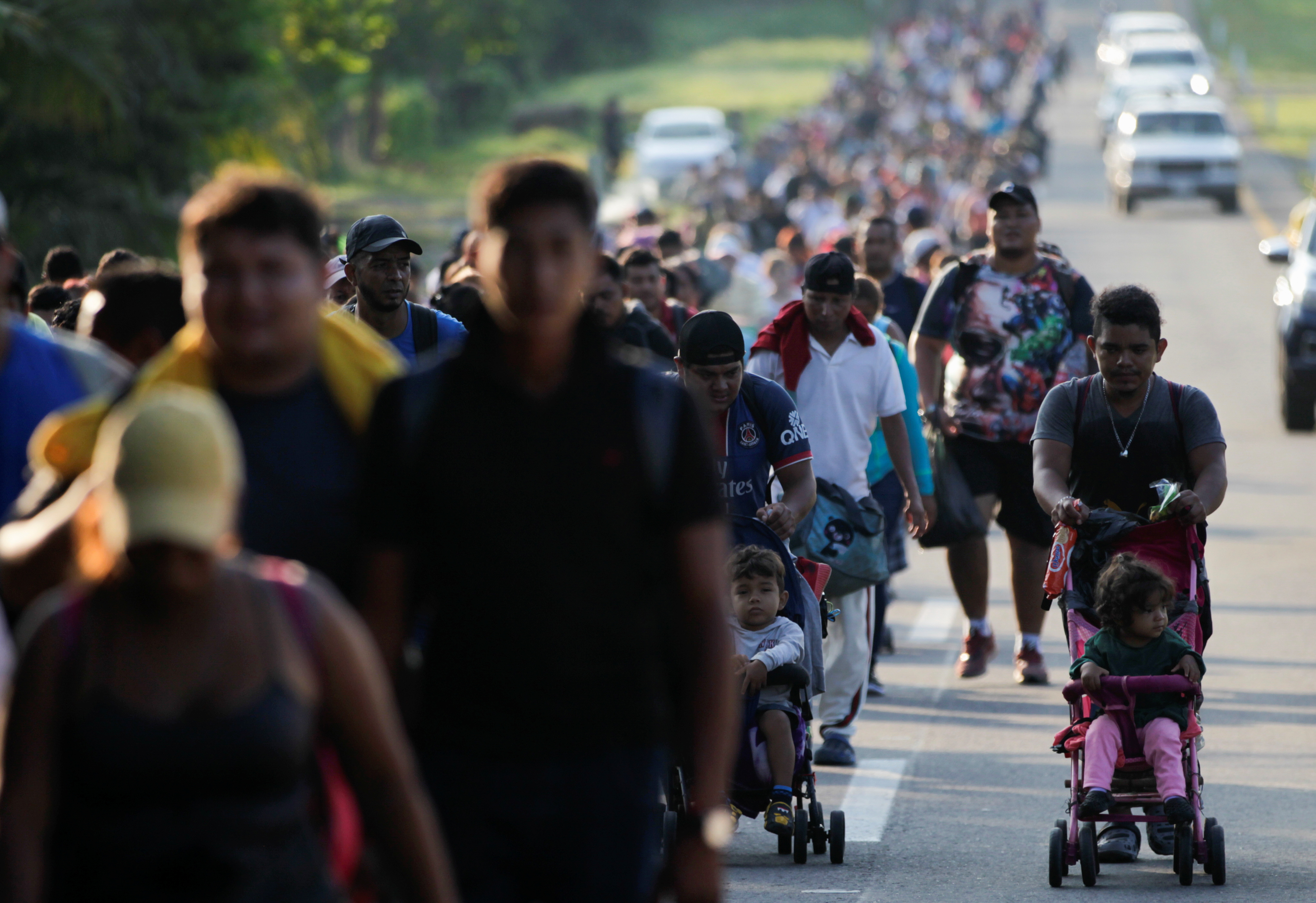
MAPASTEPEC, Mexico, Nov 1 (Reuters) – A caravan of thousands of migrants and asylum seekers from Central America and the Caribbean resumed its trek through southern Mexico on Monday, despite concerns that half of them could be injured or sick, including some from dengue fever.

Over the past week, the approximately 3,000 migrants, mostly women and children, have trekked over 100 km (60 miles) from the city of Tapachula on the Guatemalan border, struggling through sweltering heat and evening rains.

Kabir Sanchez, a volunteer doctor helping to look after injured caravan members, said he and his colleagues treated dozens of people on Saturday with foot injuries, respiratory problems, infections and pregnant women at risk of miscarrying.

“More than 50% of the people in the caravan are sick,” he told Reuters by telephone.

He said other caravan members had possible cases of coronavirus, but that the government had not provided COVID-19 tests.

The government’s National Migration Institute (INM) did not immediately reply to a request for comment on COVID-19 testing.

The INM did say in a statement that six people in the caravan, including five children, had contracted dengue.

On Sunday night, the caravan members slept outside in the rain having paused their trek during the day due to the health concerns.

Most of the migrants are fleeing poverty, violence and the impact of adverse environmental conditions linked to climate change in their homelands. Many hope to make it to the U.S. border.

Leaders of the caravan last week rejected the Mexican government’s offer of visas that are meant to grant migrants access to healthcare and regular work, arguing it had failed to keep promises to help them in the past. read more

Reporting by Lizbeth Diaz in Mexico City and Jose Torres in Mapastepec; Additional reporting by Daniel Becerril; Writing by Laura Gottesdiener; Editing by Alison Williams

The post Migrant Caravan Limps North Through Mexico, Despite Dengue Fever, Exhaustion appeared first on The St Kitts Nevis Observer.