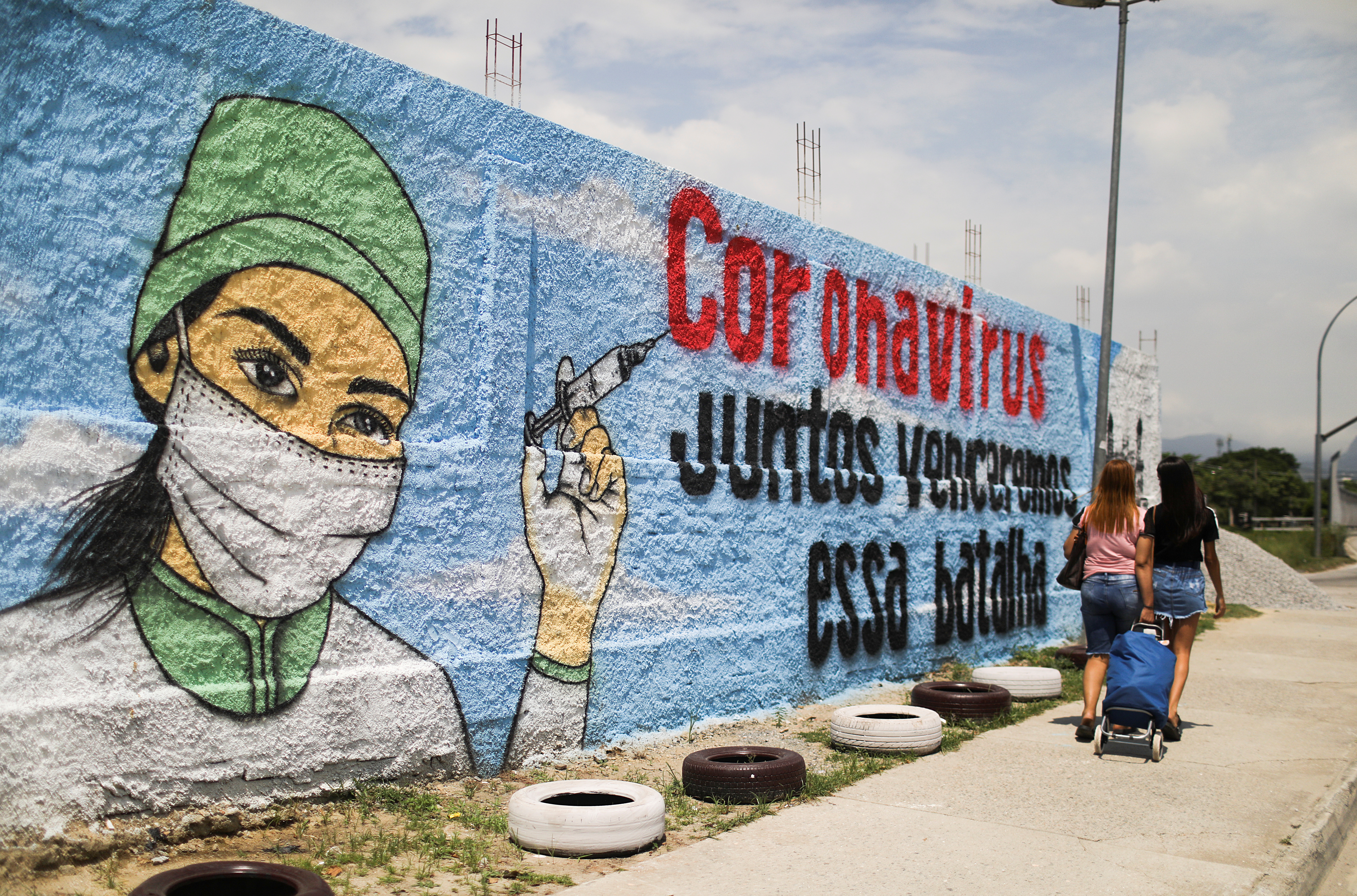
People walk past a graffiti amidst the spread of the coronavirus disease (COVID-19) in Rio de Janeiro, Brazil March 12, 2021. The graffiti reads: “Coronavirus, together we will win that battle”. REUTERS/Pilar Olivares
SAO PAULO, Oct 4 (Reuters) – Brazilian healthcare company Hapvida Participacoes (HAPV3.SA) said in a securities filing late on Sunday it has prescribed hydroxychloroquine to COVID patients.
Hapvida admitted prescribing hydroxychloroquine in the early days of thehealth crisis when it still believed it could benefit patients. But it said those prescriptions never corresponded to the “majority” of drugs it prescribed.
The company added it is no longer prescribing the drug.
Local media have reported doctors in the northeastern state of Ceara alleging the company forced the prescription of ineffective drugs for COVID patients such as hydroxychloroquine.
A Brazilian congressional investigation has been probing Prevent Senior, a privately owned health insurance company, for allegedly prescribing ineffective drugs and delaying ICU admissions during the pandemic.
Hapvida said it has opened 1,000 ICU beds, hired 6,000 health professionals and expanded its hospital network during the pandemic.
(This story corrects spelling of hydroxychloroquine)
Reporting by Tatiana Bautzer; editing by Jason Neely
===============================================
Pfizer Vaccination Effective for 6+ Months
Dose of good news – Two doses of Pfizer vaccine are highly effective at preventing hospitalisation from Covid-19 for at least six months, a large-scale study shows. Effectiveness against catching Covid falls from 88% within a month to 47% after six months, but effectiveness against ending up in hospital remains high at 90% overall, across all variants including Delta. The results underscore the importance of improving vaccination rates globally, researchers say. In the UK, the NHS is offering booster jabs if you had your second vaccine at least six months ago; are living in a residential care home for older adults; are over 50; or are a frontline health and social care worker. It is also offered to 16 to 49 year olds who are at higher risk of severe Covid or live with someone else who is.
COVID-19 long-haulers and advocates are stepping up their calls for state and federal officials to take action and dedicate funding to those who have endured the mysterious condition that stems from the coronavirus.
After months of sharing their stories of ongoing symptoms, long-haulers are appealing to elected officials for assistance and begging them to provide help.
“We need to have more legislation for survivors like ourselves and not just keep telling our stories because there’s a bazillion stories out there now,” said Maya McNulty, a long hauler from New York. “We’re not like some Netflix series that you can just binge watch and then the problem goes away. We are living with this … disease, and there is no hope.”
The grassroots, nonpartisan group COVID Survivors for Change launched a week of action on Friday, with delegations from all 50 states dedicated to illustrating how the virus has changed the lives of long-haulers and families who’ve lost loved ones.
Advocates said they plan to contact officials, including Michigan Gov. Gretchen Whitmer (D), Pennsylvania Gov. Tom Wolf (D), Montana Gov. Greg Gianforte (R), Kentucky Gov. Andy Beshear (D) and Alaska Gov. Mike Dunleavy (R), to push for initiatives to support COVID-19 survivors.
Their requests range from direct funding for long-haulers to a 9/11-style commission to investigate how the pandemic led to hundreds of thousands of deaths and potentially millions of long COVID-19 cases.
Destiny Church leader Brian Tamaki says he is “surprised” after being charged by police for organising a mass anti-lockdown protest in Auckland – and he will defend the charges.It a written statement this evening, the 63-year-old…
Rags to Riches: Top female Tory donor’s vast offshore empire with husband
Vladimir and Lubov Chernukhin. Lubov outbid other Tory gala attendees last year to bag a game of tennis with Boris Johnson (left). Illustration: Guardian Design
Panora leak raises questions over the ultimate source of some of Lubov Chernukhin’s donations
The star prize at last year’s Conservative party fundraising ball was a game of tennis with Boris Johnson. The party’s co-chair Ben Elliot was enlisted to play too. But when bidding started there was little drama. Well-heeled guests already knew who was going to outbid everyone: a tall, outgoing blond woman from Moscow who – as one person put it – “dominates the room”. “She always gets top prize. She wins every auction,” the guest said, wryly.
The victorious bidder was Lubov Chernukhin, one of the biggest female donors in recent British political history. Since 2012, she has given the Tories £2.1m. This extraordinary sum has paid for two tennis matches with the prime minister, including in 2014 when Johnson was mayor of London, as well as dinner with his predecessor Theresa May.
Chernukhin, a former banker married to the former Russian oligarch Vladimir Chernukhin, reportedly donates enough to the Tories to qualify for membership of a small group of ultra-rich donors who meet monthly with Johnson and his chancellor, Rishi Sunak. What this exclusive club discusses is not made public. “She’s deep in the party,” the Tory ball guest said.
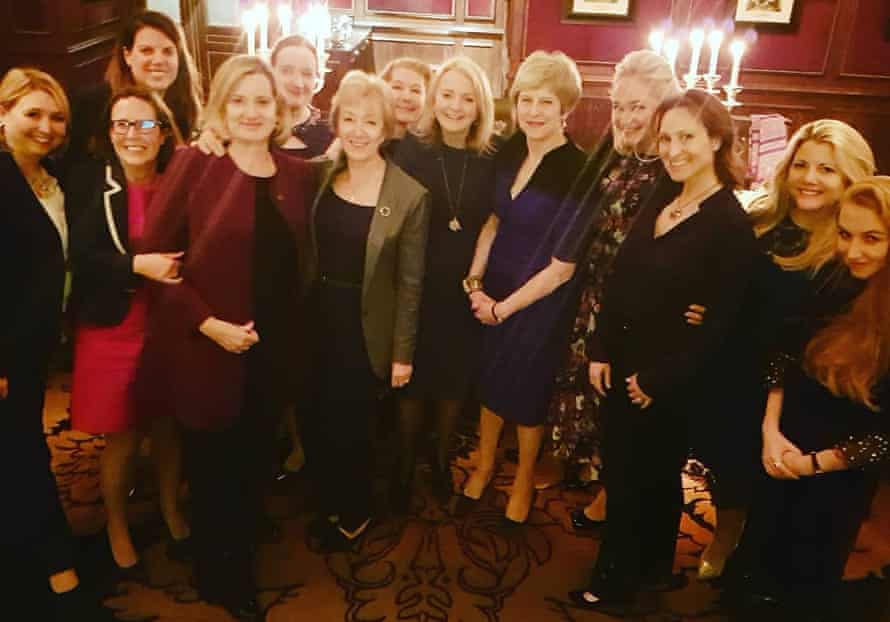
Lubov Chernukhin (fourth from right) at a Conservative party dinner at the Goring Hotel in London in May 2019. Photograph: @Elizabeth Truss.MP/Instagram
Yet nothing really is publicly known of Chernukhin’s views. That she is rich is self-evident. Her huge donations suggest a desire to nudge Downing Street and the country’s politics in her preferred direction. She is simultaneously a public figure – named as a donor in electoral commission updates, the subject of BBC and Daily Mail reporting – and an enigma. The couple appear to prefer to keep it that way. As Vladimir Chernukhin acknowledged, giving evidence in a 2018 legal case against a fellow tycoon, it has been “modus operandi” to disguise his commercial interests. He spoke of using “fronts”, “camouflage”, and “silent participation” in specific commercial deals, adding: “I want to be invisible.”
Russian connections
The Pandora papers shed a revealing light on the Chernukhins. Leaked files reveal their extraordinary reliance on the hidden offshore world, and thereby offer a clue as to their interests. The couple go to remarkable lengths to keep their wealth and financial arrangements secret, the leak suggests, instructing lawyers over a tax authority dispute that spanned France, Switzerland and the British Virgin Islands (BVI)
The papers also suggest Lubov Chernukhin’s money flows, at least in part, from her husband’s multifarious corporate structures. That raises the question over the extent to which it is Vladimir, not Lubov, who may be the ultimate source of some of the cash flowing into the Conservative party. Other documents raise questions about a source of Vladimir Chernukhin’s wealth: a lucrative Moscow property deal he secretly struck when he was a senior public official in Russia.
In 2015, Johnson boldly stated that checks by the party had assured him Vladimir Chernukhin was not a Vladimir Putin “crony”. All checks had been carried out, he said. The leak nonetheless suggests that Chernukhin may have in recent years remained on good terms with Kremlin-connected figures in Moscow: among them the wife of a government minister, with whom he owned a factory. At least until recently, Vladimir Chernukhin appears to have retained assets in Russia, some of them dating back to when he was a deputy finance minister under Putin and a powerful state banker.
As part of a joint investigation with BBC Panorama, the Guardian put a detailed list of issues and questions to the Chernukhins about disclosures in the Pandora papers and issues covered in this article. Their lawyers did not respond in detail to most of the questions, but stressed that their failure to address each allegation put to them should not be construed as an admission of their accuracy. They said the invitation to comment had raised “a number of serious, false and defamatory allegations” about their clients.
The Chernukhins’ lawyers did not respond directly to the suggestion their clients appear to have taken elaborate steps to move their money around various offshore structures, in what may amount to lawful but morally questionable tax avoidance. Vladimir Chernukhin does not pay regular UK tax. Instead, he is a “non-dom”, the leak suggests, with Russian and British citizenships. Being non-domiciled in the UK can bestow certain tax advantages, such as not paying UK tax on foreign income. Lubov Chernukhin refuses to disclose her tax status. She acquired a British passport in 2011, which – as the Tory party is keen to point out – makes her donations legal.
Private jets and superyachts
The Chernukhins use a sprawling network of shell companies to maintain their opulent lifestyle, the Pandora papers suggest. Even by oligarchic standards, the details are remarkable. Several times a year the couple have “chartered” their own superyacht to sail around the south of France and the Caribbean. They have also rented their own private jet registered in the Isle of Man. In both cases money to pay the bills is provided from UK entities to offshore companies. Between 2011 and 2014 yacht hire alone cost them £11m.
It is a similar story with the Chernukhins’ £30m London townhouse, overlooking Regent’s Park. They spent nearly £100,000 installing CCTV cameras and a vault with a bombproof metal door. The security guard gets his wages from an offshore company. So do the butler and housekeeper. Even the firm that maintains the swimming pool using an underwater robot sends its invoices to a low-key family office in Singapore, from where they are forwarded to the BVI.
The pair own a £10m country house in Oxfordshire, bought in 2006, two years after Vladimir relocated to the UK. Its quad bikes, beehives and chicken house are offshore-owned. In response to disruption during renovation works, an angry letter was sent to the contractor. It complained of blocked paths, and “inappropriate language” by workers. The author? An anonymous shell company, General Development Group Ltd, based in the BVI.
While there is nothing to suggest illegality, the couple’s reliance on offshore companies for even the most routine transactions is striking.
It is another Chernukhin property, however, that came to the attention of tax authorities, the leak reveals. In 2016, the French tax authorities sought information about Vladimir and Lubov’s offshore wealth – something the couple fiercely resisted. It centred on a turreted villa, once the home of English aristocrats, on Cap d’Antibes, a retreat popular with billionaires. Above the door is a Latin motto: small but convenient. The house belongs to a paper Portuguese entity. French tax officials wanted to know: who actually owns it?
The French wrote to the BVI’s tax authority, the ITA. It in turn demanded information from the Panamanian law firm Alcogal, which managed the Chernukhins’ island companies. Alcogal carried out its own research into the couple’s offshore empire. It found 32 BVI companies linked to the Chernukhins, 28 of them owned by Vladimir.
The ITA’s request for information caused alarm inside Alcogal, as it suggested to them potential concern over their clients’ tax arrangements. Internal emails at the offshore provider show them pondering how best to respond. One possible solution was to “stop providing” the Chernukhins’ companies with agent services, a supervisor suggested. It is not known what came of the French tax inquiries. However, documents in the Pandora papers do suggest the Chernukhins reacted aggressively when they discovered their offshore provider was in touch with French tax officials.
Their Swiss adviser demanded to know what information Alcogal had shared with international authorities. When Alcogal refused to say, the Chernukhins sued it – ultimately losing the case in early 2020. The east Caribbean supreme court ruled the Chernukhins were not entitled to see documents disclosed by Alcogal to tax authorities. Lawyers for Alcogal said the case demonstrated that it was a “responsible service provider which acts in accordance with applicable laws and cooperates fully with regulators”.
Separately, the Chernukhins took legal action against the tax authority in Switzerland, demanding it reveal its communications with France’s tax authority, which had requested information about who sat behind an opaque Swiss company. Multiple Swiss courts have dismissed that case. The Chernukhins’ lawyers did not comment on the status of the French tax inquiries or their failed lawsuit against Alcogal. However, they said their clients “have at all times been advised by reputable tax advisers and have complied with all applicable laws”.
Other files in the leak appear to shed light on the apparent source of at least some of Lubov Chernukhin’s wealth. In Companies House filings she has in the past described herself as a banking consultant and “investment director”. She came to the UK around 2003. A few years later she met Vladimir Chernukhin, after he left his native Russia having apparently fallen out with Putin. By 2014, one of her husband’s companies had loaned her UK company as much as £9.4m, the documents suggest. They appear to show the loans were written off as “bad debt”, a process the couple seemingly used at other times after they lent cash between their firms.
There is no suggestion these intracompany loan structures were unlawful. However, they do appear to show substantial funds were transferred to Lubov Chernukhin from her husband’s offshore empire. One key document in the files appears to confirm she is at least partly reliant on her husband’s funds. It is an email exchange from 2017, after the BVI introduced new financial transparency legislation. Under the new rules service providers were obliged to pass the names of company beneficial owners to the authorities.
The provider described Vladimir as an “investor in high-profile properties in the UK and abroad”, adding that Lubov, who was referred to as a “housewife”, was “financially supported by her husband”. The Chernukhins’ lawyers said it was not accepted that any of Lubov Chernukhin’s political donations had been funded by improper means or affected by the influence of anyone else.
Humble beginnings
Like other wealthy Russians, Vladimir Chernukhin started from nothing. “All of us came from the Soviet Union with zero money in the pocket,” he said in 2018. The “all” referred to future oligarchs who began as budding entrepreneurs back in the early 1990s, as the communist system fell apart. After a stint in the army Chernukhin went into finance. He founded his own company and joined the ministry of foreign trade.
At some point he must have attracted the attention of Putin, a KGB operative turned St Petersburg politician. In September 1999, a month after becoming Russia’s prime minister, Putin made Chernukhin deputy chairman of Vnesheconombank (VEB). This was a plum role in a state bank. Chernukhin oversaw huge loans, to industry and to the regions.
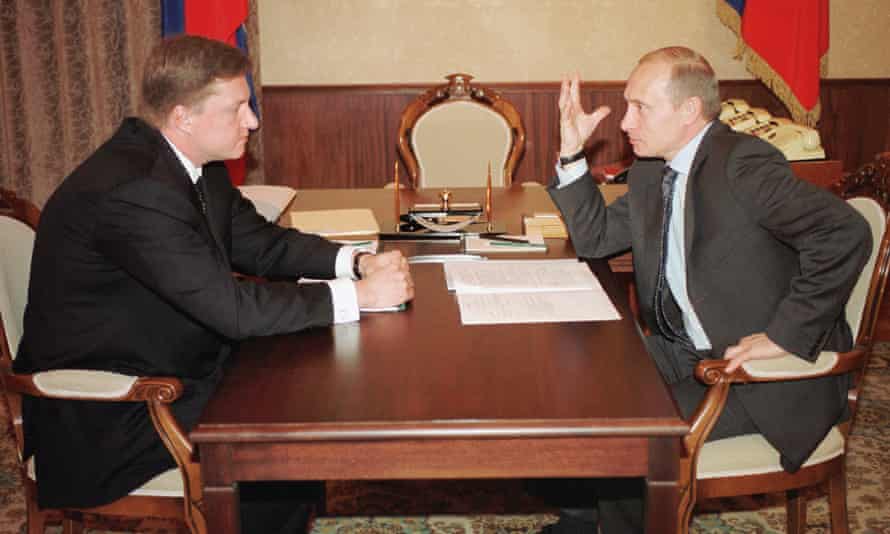
Vladimir Putin gestures as he speaks to the then Vnesheconombank chairman, Vladimir Chernukhin, at a meeting in 2002. Photograph: Vladimir Rodionov/Tass/PA Images
His financial dealings in Russia came under scrutiny in 2018 when he testified in a high court legal battle brought against him by the oligarch Oleg Deripaska. The dispute centred on the ownership of a Moscow textiles factory, which the two men acquired in 2002 as a lucrative property development. Ultimately, Chernukhin won the case when a judge ruled in 2019 that he was Deripaska’s true joint-venture partner in the project. Deripaska was ordered to pay $95m (£70m) to resolve the dispute.
Speaking on oath during the trial, Chernukhin made rare and previously unreported comments about his time as a senior Russian state official. He said there were few rules preventing state or state-connected employees from doing private business of their own. But it was better to be discreet about it, he said. Rather than holding the investment in his own name, Chernukhin said he used a previous girlfriend as a proxy. “She was my front,” he said of the woman, who was not Lubov.
Under cross-examination Chernukhin accepted that when he and Deripaska acquired the Moscow development, one of the things he could “bring to the party” was his relationship with Moscow’s then mayor, Yuri Luzhkov.
According to Chernukhin’s testimony, when the project encountered planning difficulties, he and Luzhkov negotiated an agreement. As part of the arrangement – and in return for Luzhkov agreeing to smooth over the planning issues – Chernukhin suggested to the court he agreed to use his influence as chair of VEB bank, a cabinet-level position, to help an acquaintance of Luzhkov on another business matter. There is no suggestion Luzhkov’s acquaintance was aware of the arrangements between the two men.
Chernukhin’s testimony raises questions about whether he used his influence as a senior public official for his own private gain. After reviewing the oligarch’s evidence about the deal with Luzhkov, at the request of the Guardian, Tim Owen QC said that while the “you scratch my back and I’ll scratch yours” agreement apparently described by Chernukhin in court was not proof of corruption, it “raises an obvious red flag” for a political party accepting donations that could be derived from Chernukhin’s wealth.
In their response to the Guardian, the Chernukhins’ lawyers said Vladimir had not accumulated any of his wealth in a corrupt manner. They added that none of the high court proceedings, nor the findings made in the case, which Chernukhin won, supported any suggestion of corruption by their client.
Among the Tory elite
Other Pandora files suggest that in 2004, when he exited Russia, Vladimir Chernukhin was allowed to leave the country with the assets he had acquired during his government and VEB years – equating to about $500m (£366m). These were bundled into offshore firms. This very Russian story would have ended there were it not for the fact that Lubov Chernukhin, after she had become a British citizen, started donating large sums to David Cameron’s Conservatives. Behind the scenes, and over non-public drinks and dinners, the couple were quietly building up a network of high-level British establishment contacts.
The files suggest the Chernukhins retain senior Russian connections. In 2017, Vladimir Chernukhin sold the St Petersburg factory plot he bought in the 1990s to a major Russian construction company. Purchase price: £20m. His business partner in this deal was the wife of Yevgeny Yelin, a former deputy governor of St Petersburg who served as Putin’s acting minister for economic development until 2017.
In July, the Financial Times suggested Lubov Chernukhin was a member of the Tory party’s advisory board, the elite donor group that meets monthly with Johnson and Sunak. Conservative officials say it was set up before Johnson took power, but will not say when. Its existence was a closely guarded secret. Several of those who are reportedly part of this group have given £250,000 or more in 2020 and 2021, including Lubov Chernukhin.
The Conservative party said Lubov Chernukhin was a British citizen “which gives her the democratic and legal right to donate to a political party”, and added that donors did not influence government policy. One former donor disagrees. “It’s about access and political influence. When you sit next to an MP or minister or secretary of state you have one-on-one time. You can tell them your agenda. You can question them or make requests. They have to give their time.” The donor was unimpressed with Lubov Chernukhin’s gifts to the party. “People suck up to her because of her money,” they said.
This accusation may be unfair. But if nothing else, the leak suggests the Chernukhins are likely to be opposed to greater offshore transparency. The government is committed to introducing legislation that would reveal the true owners of offshore companies that buy property in the UK. If it is passed, the Chernukhins will be forced to declare their ownership of multiple homes – worth at least £40m. So far, Johnson has not followed through on a 2018 draft law.
A serious two-car crash has closed State Highway 1 in Kapiti Coast tonight.Emergency services are responding to the crash on SH 1 between Peka Peka and Te Horo.Police were notified of the crash around 7.50pm today.Initial indications…
A major French report has found an estimated 330,000 children were victims of sex abuse within France's Catholic Church over the past 70 years, in France's first major reckoning with the devastating phenomenon.
The president of the commission that issued the report, Jean-Marc Sauvé, said the estimate, based on scientific research, includes abuses committed by priests and others clerics as well as by non-religious people involved in the church. He said about 80 per cent are male victims.
"The consequences are very serious," Mr Sauvé said.
"About 60 per cent of men and women who were sexually abused encounter major problems in their sentimental or sexual life."
The 2500-page document prepared by an independent commission comes as the Catholic Church in France, like in other countries, seeks to face up to shameful secrets that were long covered up.
The report says an estimated 3000 child abusers — two-thirds of them priests — worked in the church during that period. Mr Sauvé said the overall figure of victims includes an estimated 216,000 people abused by priests and other clerics.
Olivier Savignac, head of victims association "Parler et Revivre" (Speak Out and Live Again), who contributed to the probe, told The Associated Press that the high ratio of victims per abuser is particularly "terrifying for French society, for the Catholic Church."
The commission worked for two and a half years, listening to victims and witnesses and studying church, court, police and press archives starting from the 1950s.
A hotline launched at the beginning of the probe received 6500 calls from alleged victims or people who said they knew a victim.
Mr Sauvé denounced the church's attitude until the beginning of the 2000s as "a deep, cruel indifference toward victims."
They were "not believed or not heard" and sometimes suspected of being "in part responsible" for what happened, he deplored.
Mr Sauvé said 22 alleged crimes that can still be pursued have been forwarded to prosecutors. More than 40 cases that are too old to be prosecuted but involve alleged perpetrators who are still alive have been forwarded to church officials.
The commission issued 45 recommendations about how to prevent abuse. These included training priests and other clerics, revising Canon Law — the legal code the Vatican uses to govern the church — and fostering policies to recognise and compensate victims, Mr Sauvé said.
The report comes after a scandal surrounding now-defrocked priest Bernard Preynat rocked the French Catholic Church. Last year, Preynat was convicted of sexually abusing minors and given a five-year prison sentence. He acknowledged abusing more than 75 boys for decades.
One of Preynat's victims, Francois Devaux, head of the victims group La Parole Libérée ("The Liberated Word"), told The Associated Press that "with this report, the French church for the first time is going to the root of this systemic problem. The deviant institution must reform itself."
He said the number of victims the report identifies is "a minimum".
"Some victims did not dare to speak out or trust the commission," he said, expressing concerns that the church in France still "hasn't understood" and has sought to minimise its responsibilities.
The church must not only acknowledge events but also compensate victims, Mr Devaux said.
"It is indispensable that the church redresses the harm caused by all these crimes, and (financial) compensation is the first step," he said.
The Preynat case led to the resignation last year of the former archbishop of Lyon, Cardinal Philippe Barbarin, who has been accused of failing to report the abuses to civil authorities when he learned about them in the 2010s. France's highest court ruled earlier this year that Mr Barbarin did not cover up the case.
French archbishops, in a message to parishioners read during Sunday mass across the country, said the publication of the report is "a test of truth and a tough and serious moment."
"We will receive and study these conclusions to adapt our actions," the message said.
"The fight against paedophilia concerns all of us … Our support and our prayers will keep going toward all the people who have been abused within the church."
Pope Francis issued in May 2019 a groundbreaking new church law requiring all Catholic priests and nuns around the world to report clergy sexual abuse and cover-ups by their superiors to church authorities.
In June, the Pope swiftly rejected an offer from Cardinal Reinhard Marx, one of Germany's most prominent clerics and a close papal adviser, to resign as archbishop of Munich and Freising over the church's mishandling of abuse cases.
But he said a process of reform was necessary and every bishop must take responsibility for the "catastrophe" of the crisis.
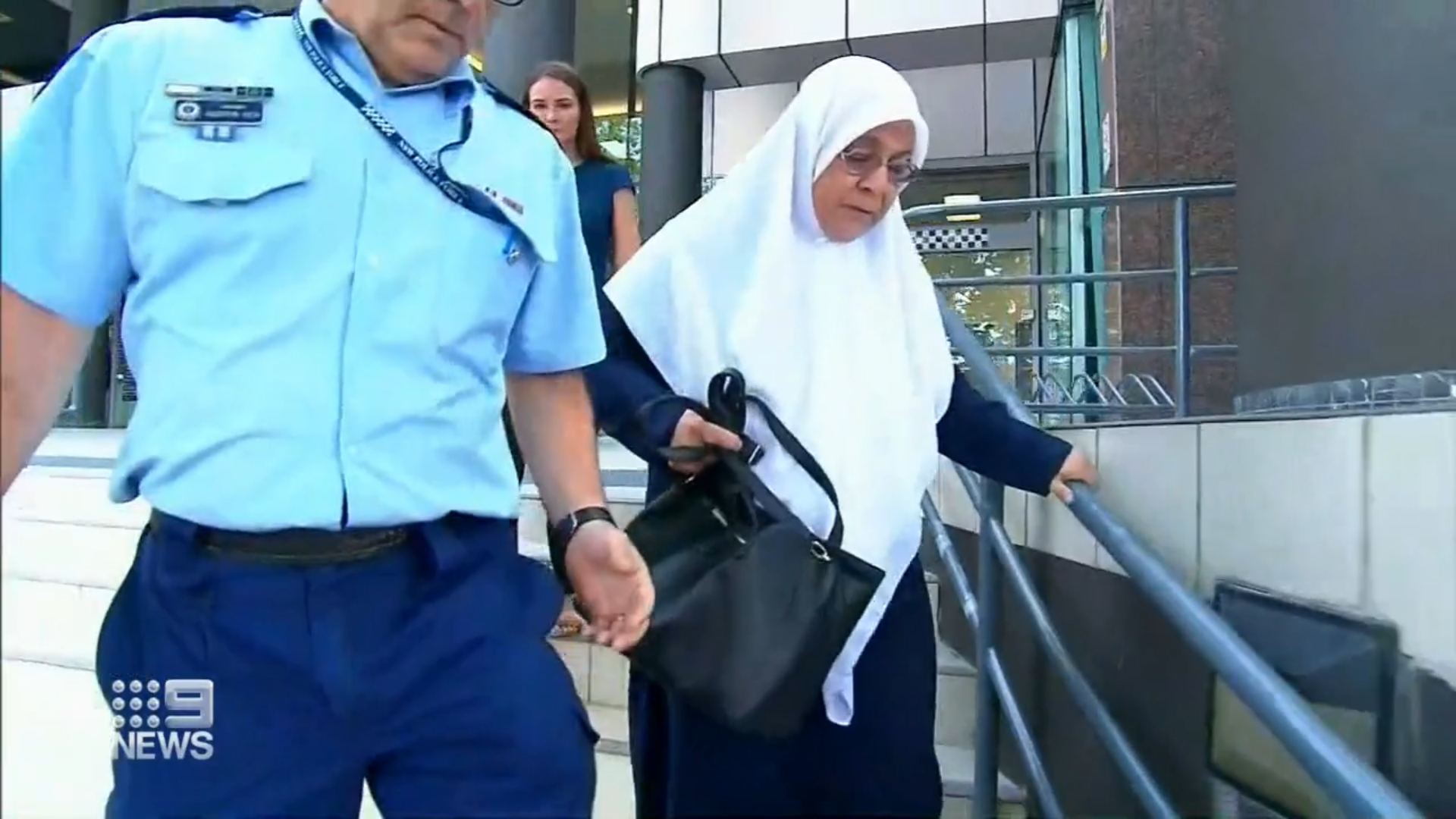
Two Sydney women are suing authorities after spending more than five months behind bars on suspicions of importing drugs.
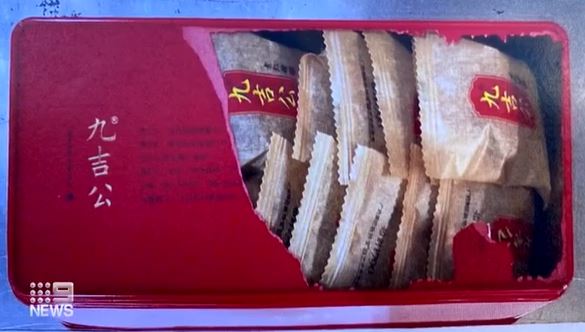
Connie Chong and Melanie Lim ordered a shipment of ginger tea from China, which aroused the suspicions of the Australian Border Force.
In January, police raided the pair's Greenacre home and charged them with commercial drug supply, an offence which carries a maximum penalty of life behind bars.
Now the pair are suing for damages, with their barrister Stephen Boland describing the incident as "one of the most extraordinary cases of injustice" he has seen.
Prosecutors are now refusing to pay the women's court costs and the case will continue to be heard in court.
A driver has avoided jail over a 2017 crash in Sydney's west that killed two students and injured three others.
Today a court heard driver Maha Al-Shennag suffers from PTSD and survivor's guilt, almost four years since the school drop-off tragedy at Greenacre.
The mother-of-four was late for school drop at Banksia Road Public School in November 2017 and lost control when a water bottle fell into her footwell.
Al-Shennag claims she slammed on the brake but investigators found she mistakenly hit the accelerator, reaching speeds of 74 km/h and hitting a classroom.
The court heard she had genuine remorse but created this scenario to come to terms with the tragedy.
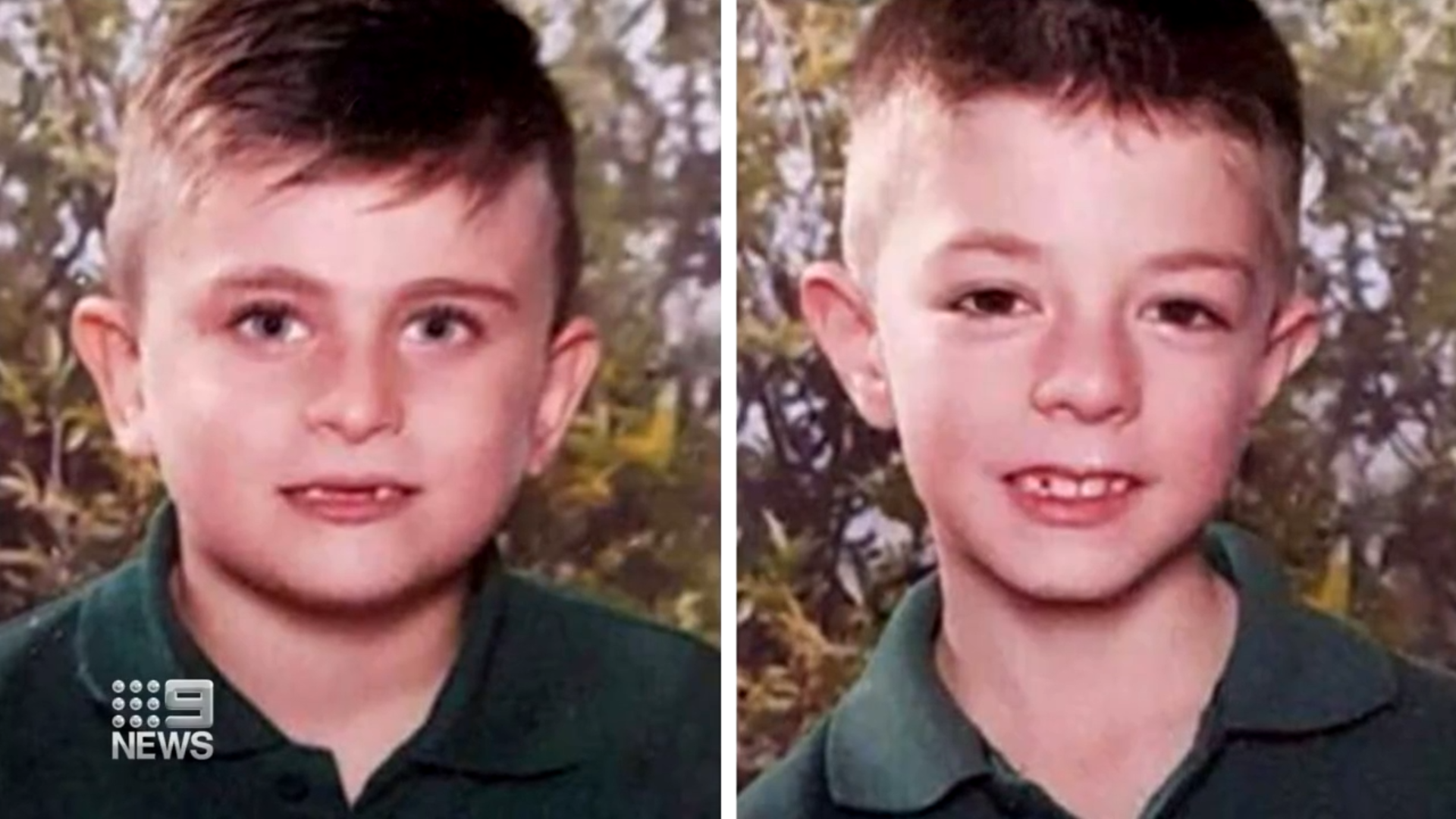
Year 3 students Jihad Darwiche and Andrew Encines were killed and three of their classmates were injured.
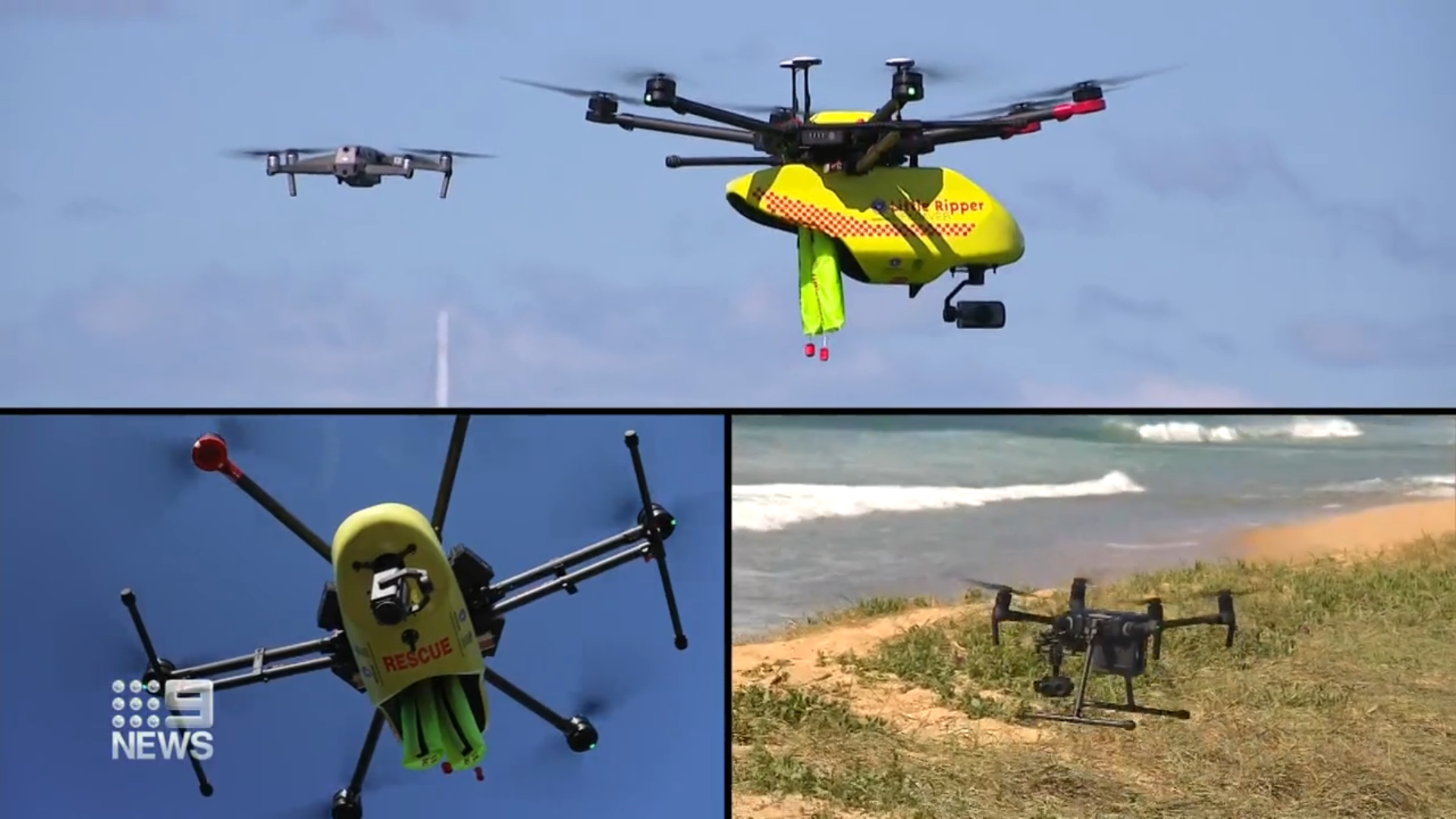
Australian engineers have developed a new technology platform that allows more than 1000 drones to be simultaneously controlled from one computer screen.
Cloud Ground Control is the brainchild of tech company Advanced Navigation and drone company Ripper Corporation, and is the result of four years of development.
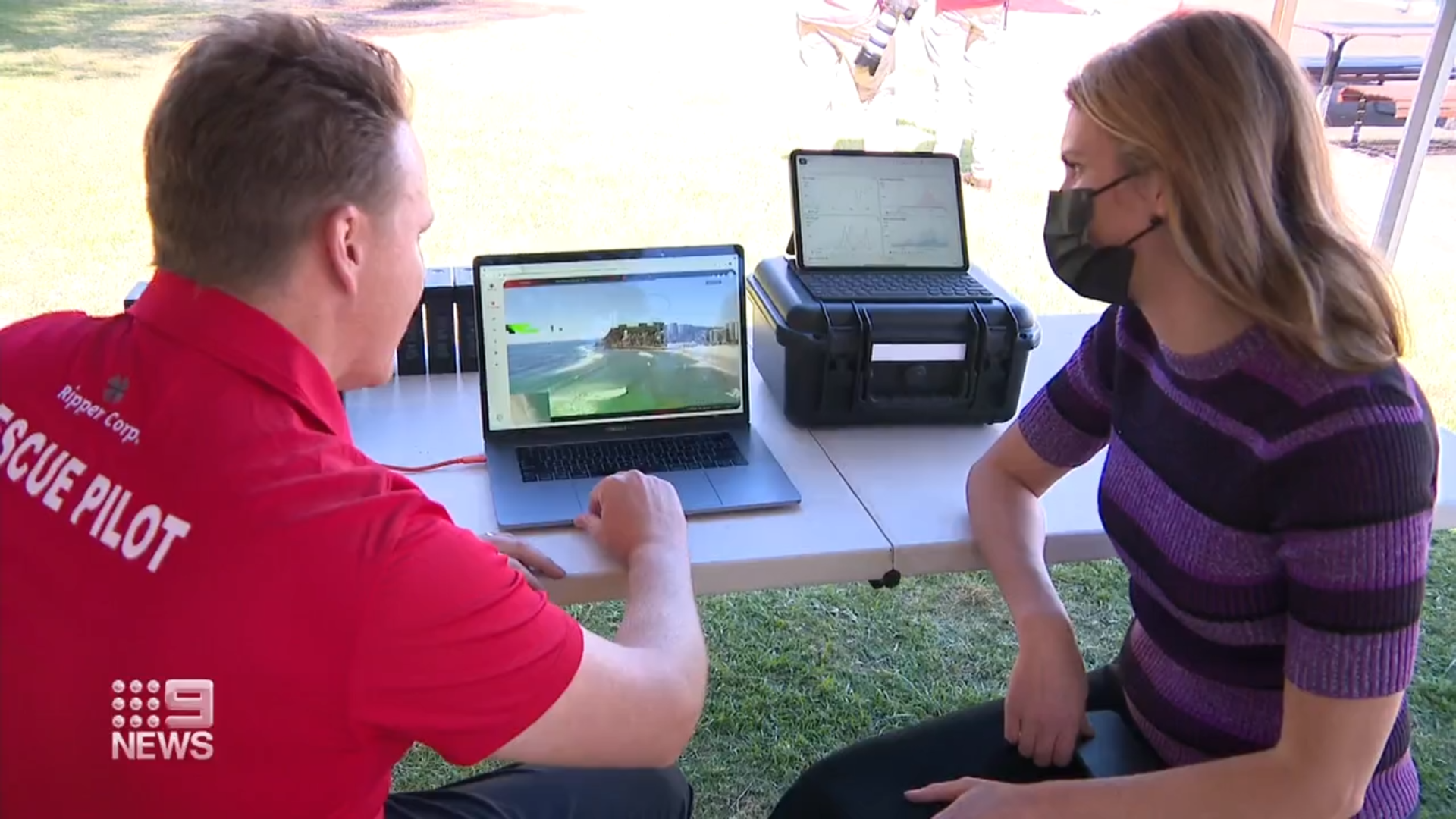
The revolutionary cloud platform allows users to connect their drones over 4G or 5G networks and their cameras can then be controlled on an online dashboard.
"When we had the NSW fires that was a really big moment. We'd already been developing it for two years and we thought wow this could really make a difference here" Advanced Corporation CEO Xavier Orr told 9News.
The technology is already being used by Little Ripper drones to monitor our beaches but is expected to be a game-changer when it comes to search and rescue operations.
"Say in a rescue situation where we need to be able to have multiple agencies or multiple vehicles involved in that rescue. We can control and view all that live," Ripper Corporation CEO Jason Young said.
Today the companies launched drones simultaneously along a 1000km stretch of Sydney coastline – taking off in Manly, Newcastle, Port Macquarie, and the Gold Coast – the technology isn't limited by distance.
"You could be all the way on the other side of the world in Montreal controlling the drone's camera from right here in Sydney," Mr Orr said.
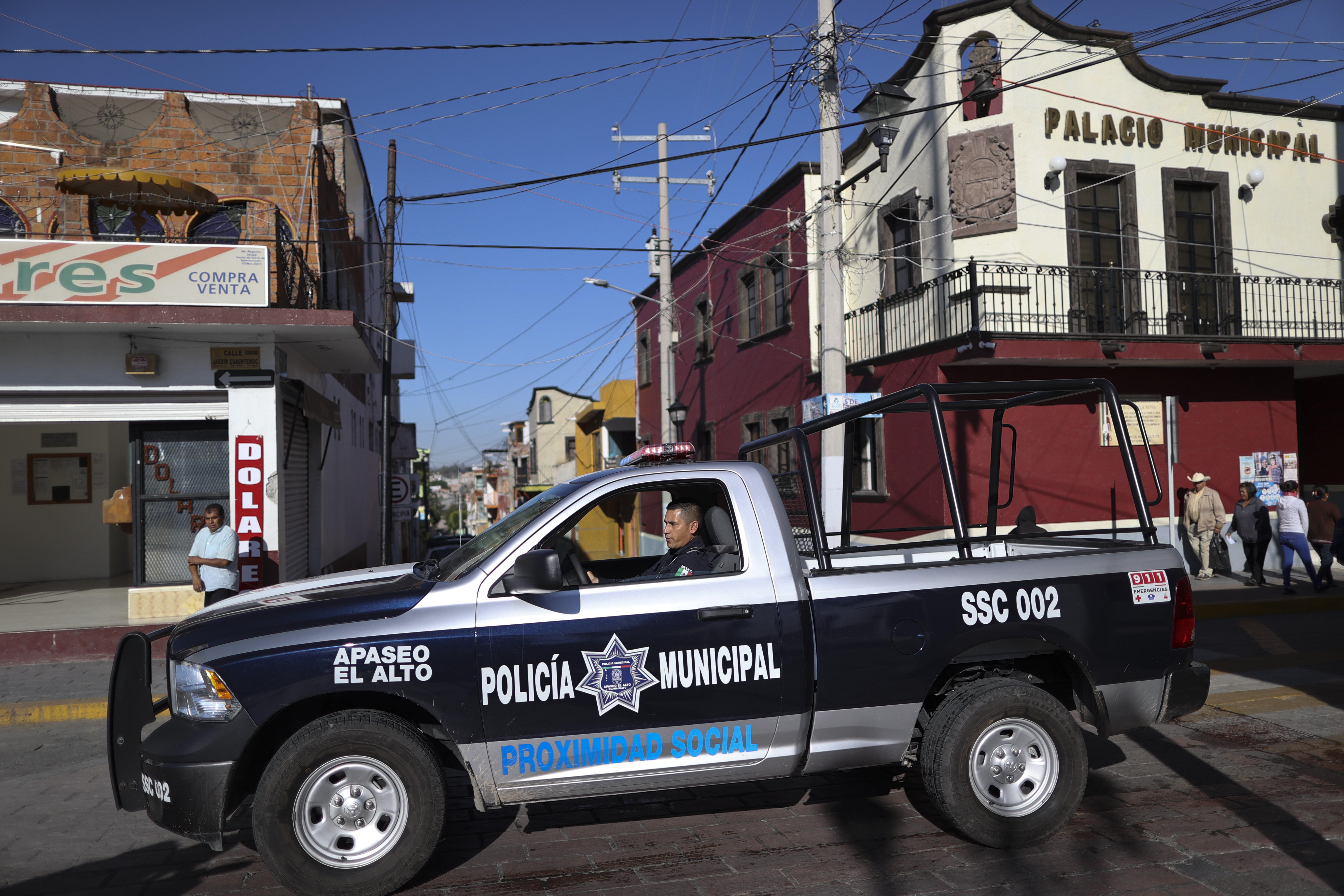
Five men have been killed and two others wounded in a shooting attack on a highway, prosecutors in northern Mexico said on Monday.
Prosecutors in the border state of Sonora said the killings may have been the work of vigilantes.
A burned-out pickup truck with a load of scrap metal was found near the men's bodies, and a hand-written note on one of the corpses read, “This is what happens to thieves who go around stealing metal and dismantling ranches.”
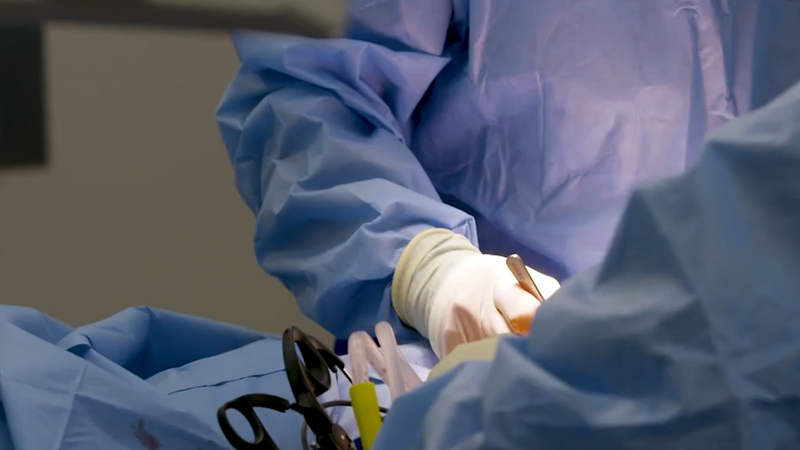
New technology has allowed Melbourne surgeons to successfully remove a breast tumour through a much less invasive procedure than is normally used.
The Epworth Richmond has made history as the first hospital in the country to successfully remove a cancerous tumour using SCOUT Radar technology.
Dr Chantel Thornton said the technology had "revolutionised" the way surgeons approached theatre cases, speeding up the time required in theatre and reducing patient's discomfort and anxiety.
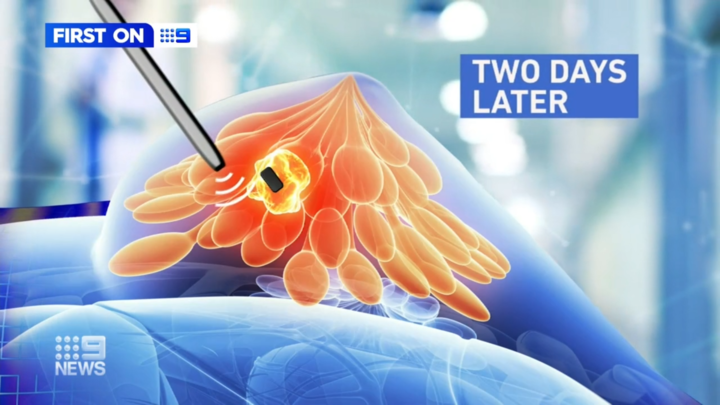
The process for the new kind of procedure begins with doctors inserting a magnetic reflector, which is about the size of a grain, into the tumour days before the surgery.
"Then we use an infrared probe to help us find that electromagnetic reflector," Dr Thornton said.
In theatre, a radar probe is used to guide surgeons to within one millimetre of the cancerous tumour, allowing the mass and probe to be safely removed.
The accuracy of the procedure reduces the amount of healthy tissue that is removed, meaning patients are able to recover faster.
Jodie Talone was the first patient to have a tumour removed using the technology.
She had a day-procedure and was back at work the next day.
"I'm still able to work, still able to look after my kids and my family and do the things I guess were at risk should this technology not have been available," she said.