Category Archives: headline

What it's like to work inside a COVID ward in Sydney right now

For months, health experts have been warning that the Delta strain of COVID-19 is more dangerous, contagious, and making people sicker.

Hospital staff are being pushed to the brink as case numbers soar across NSW, and more patients are sent to the ICU as the virus robs them of their ability to breathe.

Three respiratory nurses working in the coronavirus ward at a major Sydney hospital spoke to Nine.com.au about their experience dealing with surging cases, sicker patients, and staff shortages.

READ MORE: Sydney hospitals brace for influx of COVID-19 patients
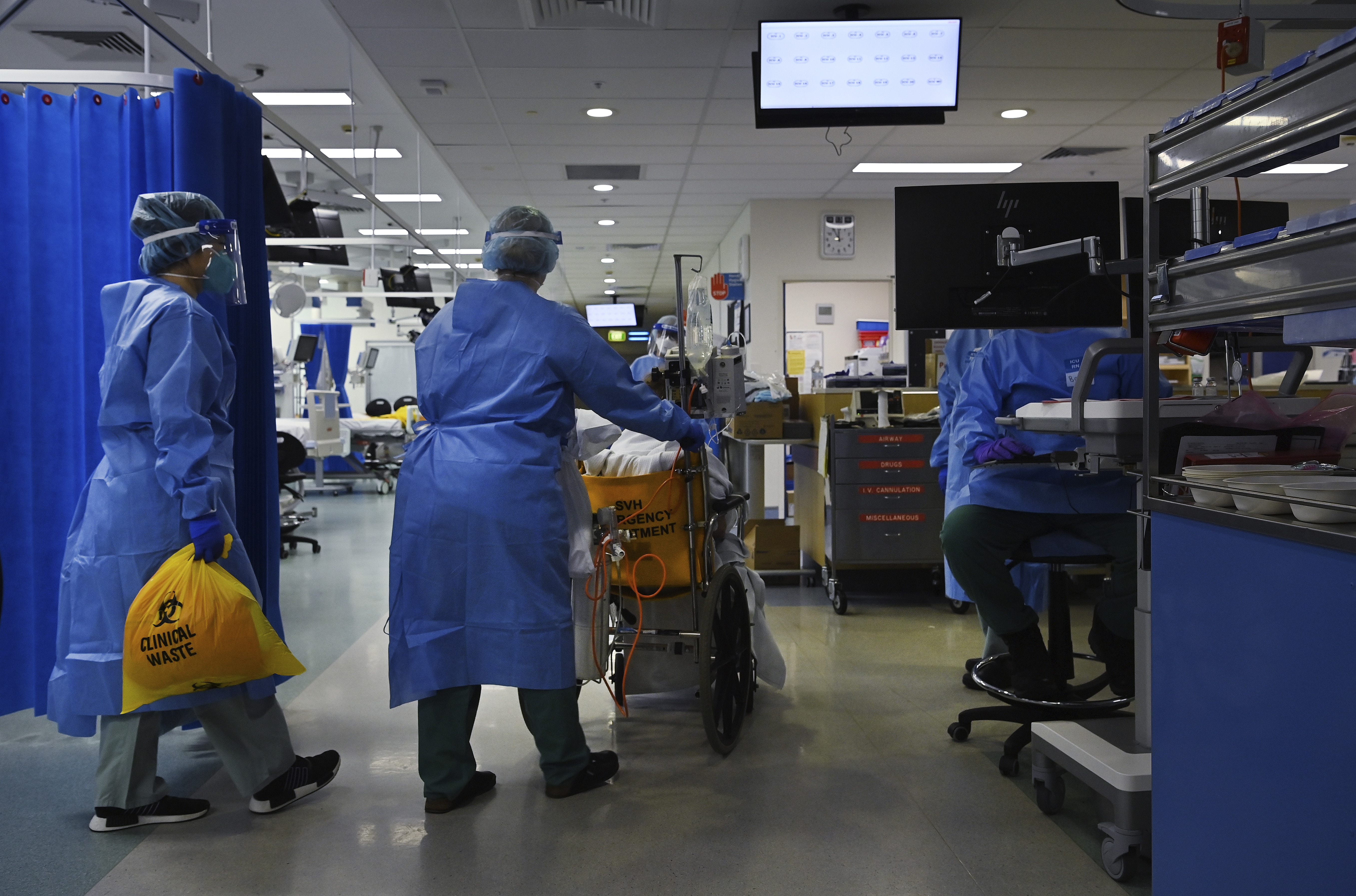
Patients in hospital with coronavirus are younger and sicker with the Delta strain. Pictured: Staff at St Vincent's Hospital ICU.

"I had to tell a man that his wife had died in intensive care at the weekend over an iPad," Liz* said.

"Even though it's not an ideal situation, we usually do always have a Mandarin-speaking nurse around, I didn't have that, and it was just … oh my gosh it was awful."

The patient's first language was not English and due to weekend staff shortages and a lack of interpreters, hospital staff needed to use a translation app until a social worker arrived.

"That's how we're communicating with a lot of our patients right now, via an app on an iPad," Liz added.

"We've also had to witness people saying their last goodbyes via this (video)."

Liz has been working as a nurse for over 15 years, first training overseas and then moving to Australia in 2009. She specialises in respiratory.

"It's my art, I love it, at the moment I can't see myself anywhere else," she said.

READ MORE: Expansion of rapid home testing for COVID-19 on the cards

But the pandemic has completely changed the sort of patients she sees, their ages, and the condition they are in when they come to the hospital.

"We don't know what we're going to encounter every day or how many patients we're going to see," she said.

"Obviously, our respiratory workforce wasn't enough to cover this pandemic, we've had to open two wards, what we call a mega-ward."

This means staff are redeployed from other parts of the hospital. But often they do not have the same level of training or expertise and need to be supervised.

"Everyone in our hospital supposedly has the same level of training PPE use, but we've noticed we've had to do a lot of stepping in and educating and supervising," Dana*, who has worked on the respiratory ward for three years, told Nine.com.au.
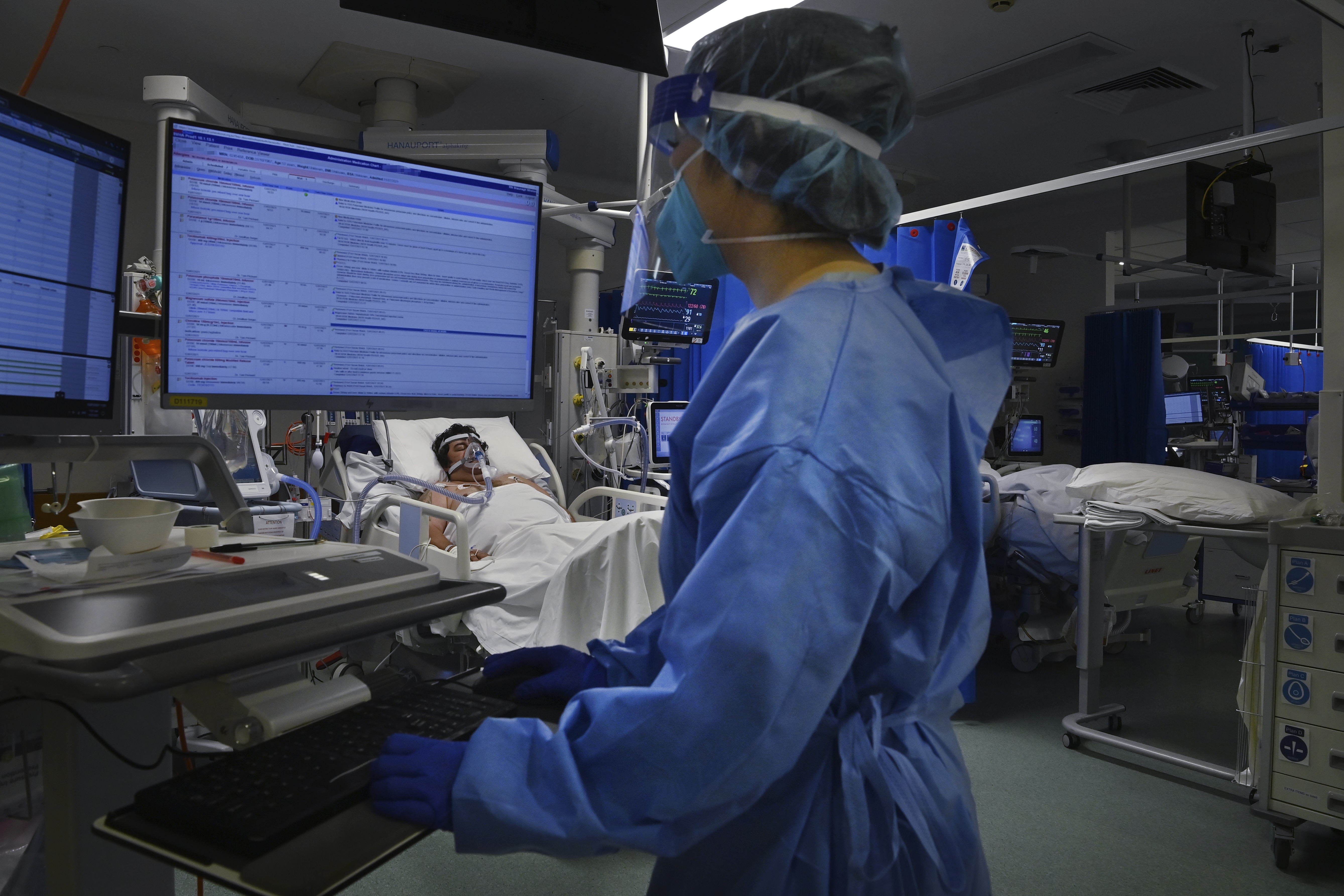
ICU staff care for a COVID-19 positive patient in St Vincents Hospital in July, 2021.

The patients are younger, and much sicker

Another hallmark of the Delta strain is that it is infecting younger people without any pre-existing health conditions.

While all deaths from this pandemic are tragic, the nurses say the cross-section of people getting incredibly unwell are totally different in this wave.

"I've sent people in their 20s down to intensive care… who are still down there," Liz said.

"It's a long process, it's a long recovery for some people, and this is a person without any past medical history, no health conditions."

Patients with young children are separated from their families, often unknowingly infecting their kids and loved ones.

"Pretty much everyone, their whole family catches it," Becky*, a third-year nurse told Nine.com.au.

The patients are also deteriorating quickly and often without much notice.

"They could be fine in the morning, they could be not needing any oxygen, their breathing is normal, and after eight hours they're hypoxic (low blood oxygen) and in respiratory distress and you're sending them to ICU," Dana said.

"Everyone's experience varies completely, of course there are still a lot of people getting it who have minimal symptoms, don't end up in hospital but you just don't know what you're going to be.

"You could be absolutely fine; you could be in ICU intubated in a few days.

"It's such a gamble,."

'They are just terrified'

Coronavirus patients also pose a risk to the nurses. A huge part of their job is the compassion and comfort that comes with the medical treatment. But this is now dangerous for hospital staff.

"I think one of the hardest parts is, obviously we avoid spending a lot of time in their room, so we can't do that thing that we usually do where we sit and have a chat and get to know each other, and it's a bit of a comforting interaction for them to feel supported and that you're interested in them, and keep an eye on them," Dana said.

"They are just always terrified, they're always terrified.

"You go in there and them look miserable, they're scared, they don't know if they're going to be okay, they're bored as hell because they are literally stuck in one room and can't do anything."

For some, the sickness, the isolation, or both becomes too much.

"They verbalise that they would actually just rather die," Liz added.

"We've had a few episodes where we've had patients that just want out, they just want out, they'd rather die."

More jobs, less time

With coronavirus wards kept separate from other parts of the hospital, respiratory nurses have taken on jobs usually completed by other staff.

"We've got a lot more jobs since the pandemic," Becky said.

"We're doing food service jobs, secretary stuff."

This is due to the increase in patients, and staff not wanting to come into the unit.

"We're essentially doing several jobs as well as being a registered nurse," Liz added.

One thing in common

The nurses said the people who are really sick or dying in the ICU all have one thing in common: they aren't vaccinated.

"All the sick ones are unvaccinated," Dana said.

There was a resounding message from the three women: "get vaccinated".

* The nurses' names have been changed to protect their identities.
'I remember trying to call her work. But the phones were already down'

Exclusive: Shele Lieberman's heart sunk a little when she found out Lesley Thomas had got a job and would be working high up in the World Trade Center in New York City.

The two Australian women had quickly forged a close friendship since Ms Thomas and her American husband, Joe O'Keefe, had arrived in the US from Sydney one year earlier.

She was happy her friend had won a coveted role with Cantor Fitzgerald, a prestigious US broker firm which occupied four floors near the top of one of the Twin Towers, but equally she'd miss hanging out with Ms Thomas, who, at 40, was a kind of fun-loving "Snow White" figure, with a memorable mane of "black hair and little blue eyes".

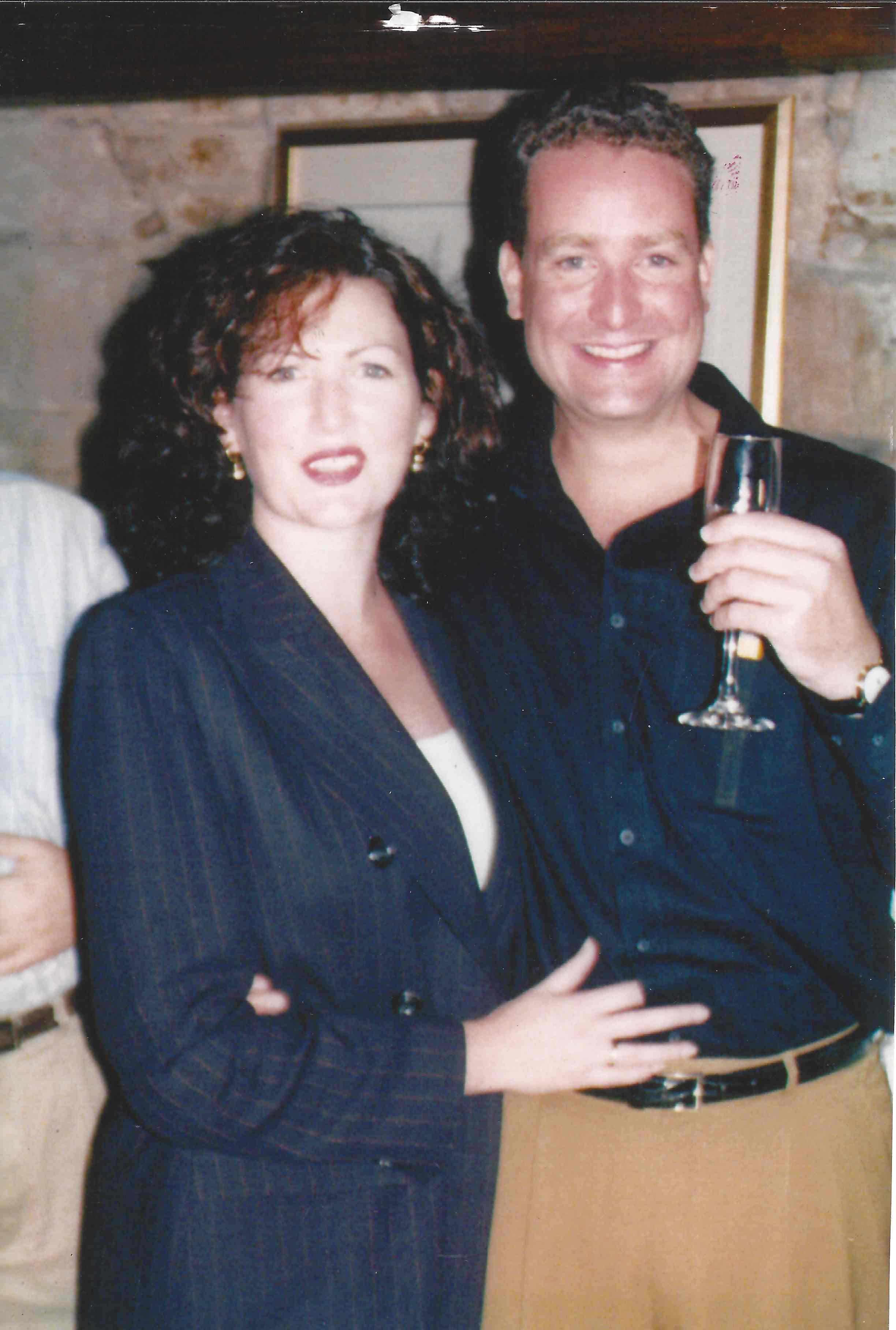
Lesley Thomas, a 40-year-old from Gosford in Sydney, was working as a broker for Cantor Fitzgerald Securities on the 105th floor of the North Tower on September 11, 2001. She died in the attack. Photo with kind permission of Joseph O'Keefe.

Though both women were from Australia, they first met in New York through Australian Women in New York (AWNY), a group set up to help connect Australians in the Big Apple.

READ MORE: 'The biggest news event we've ever done': How September 11 put Channel 9's technical abilities to the test

Ms Lieberman, now 60, had grown up in Brisbane and lived in New York for a decade before Ms Thomas immigrated to the city start a fresh, exciting chapter of life in America. Ms Thomas had been raised in Gosford on the New South Wales coast.

While waiting for Ms Thomas' work visa to be sorted, the two women explored Manhattan and New York on AWNY-run outings, doing things like watching orchestra rehearsals at the Lincoln Centre, trips to West Point and boat cruises on New York harbour.

'You can hear her calm voice when there is total mayhem in the background,' he said, 'telling me she loved me and that she may not get out of this.'

When AWNY wrote in their newsletter about Ms Thomas being one of 10 Australians killed in the 9/11 attacks, it published a picture of her on that New York cruise; she's smiling, and her hair is blowing about in an August summer breeze.

"I do remember when Lesley got the job I was a little sad," Ms Lieberman said, "because we were friends and I knew that I wouldn't see her as much. I also remember that I knew she'd be at the World Trade Center when those planes hit."

No company in the World Trade Center was hit harder than Cantor Fitzgerald, which lost 658 employees in the September 11 attacks – almost a quarter of all the victims.

Its offices were in the North Tower on the 101st through 105th floors, with Ms Thomas working on 105, just five levels from the very top of the 416-metre building.

When Flight 11 crashed into the north facade of the North Tower, between floors 93 and 99, those in the upper reaches of the tower were cut off from escape and rescue.

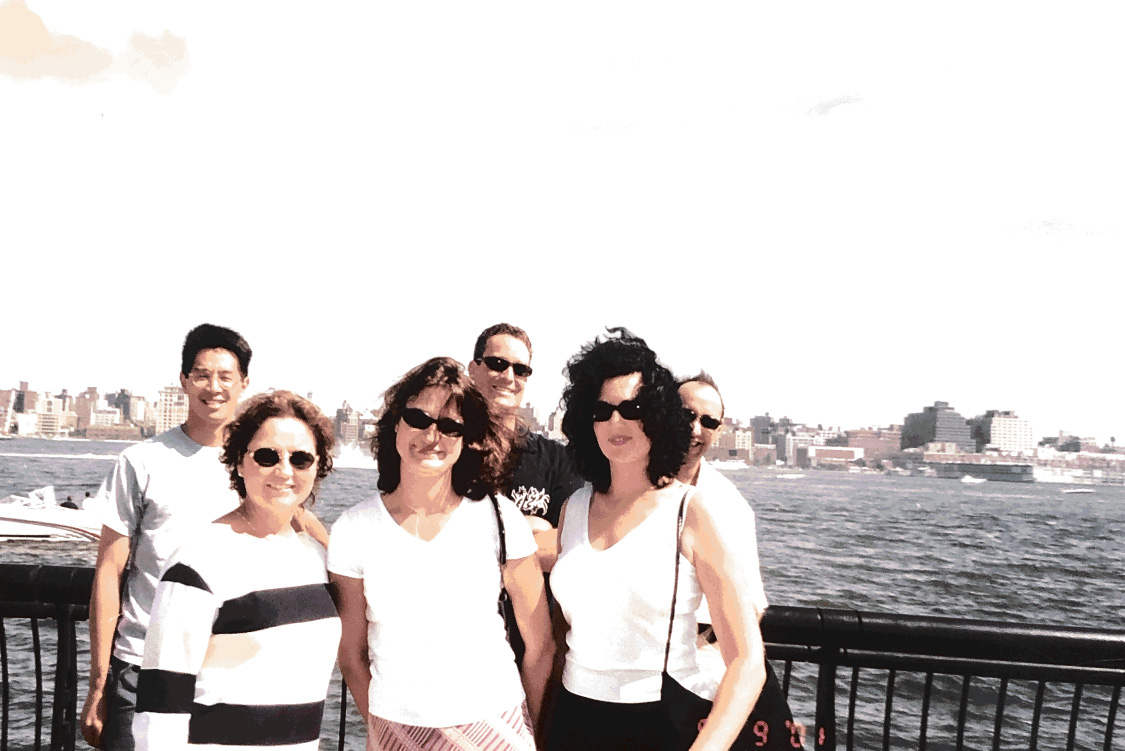
Just two days before the attack, Ms Lieberman got together with Lesley, her husband Joe and a sprinkling of friends for a Sunday brunch on the waterfront in Hoboken, New Jersey.

The friends snapped a handful of photos on that morning from vantage points in Hoboken which look east across the Hudson and towards Tribeca, where the twin towers had once stood so commandingly tall. Ms Liberman is struck by an odd coincidence.

"There's about four or five photographs all along the river … and not one photograph has the World Trade Center in it."

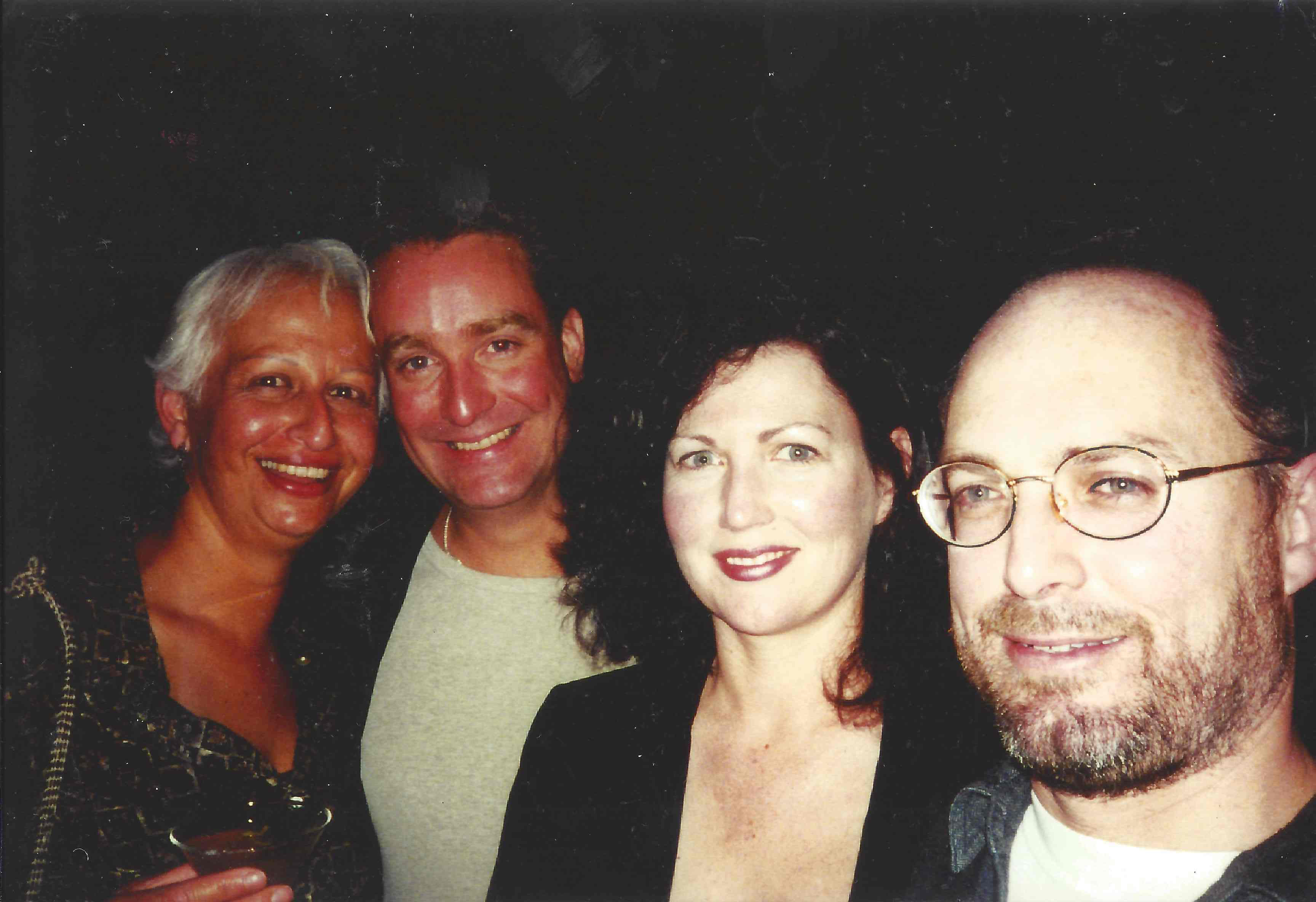
Lesley Thomas (front right) and Shele Lieberman (front left) in a photo from the Hoboken Sunday brunch, two days before the September 11 attack. Photo with kind permission of Shele Lieberman.Several friends told 9News Lesley 'sparkled'. Here she is pictured with husband Joe O'Keefe(second from left), her brother Mark Thomas and his wife Linda. Photo with kind permission of Joseph O'Keefe

Over that brunch, Ms Thomas had casually mentioned that the mornings were the busiest time of her working day as an energy broker at Cantor Fitzgerald, because she covered the European markets.

So when the first plane struck at 8:46am on September 11, a sense of foreboding washed over Ms Lieberman.

"I remember calling, or trying to call, her work. But, you know, the phones were already down.

"And I knew she was high up. I can't remember what floor, but I knew."

Ms Lieberman remembered clinging on to the idea that her good friend had shared an office with many men and that "they're gonna look after her".

Meanwhile, further north, in midtown Manhattan, Joe O'Keefe rushed out of his trading office to board a train to get down to the World Trade Center. His wife, Lesley, had left a devastating yet somehow beautiful message on his phone.

"You can hear her calm voice when there is total mayhem in the background," he said, "telling me she loved me and that she may not get out of this."

As he reached Ground Zero, the North Tower came down in front of his eyes, Mr O'Keefe explained, "basically got there in time to watch her tower fall".

Lesley's message, where "she was the calm in the storm" and "so strong", Mr O'Keefe said, motivated him to desperately search around Ground Zero for days in the aftermath of 9/11.

"I held on to hope that she might have gotten out so I spent many days and nights searching hospitals, wherever I could go. But there were no survivors."

'She was stolen from us'

Mr O'Keefe, a New Jersey financial markets trader, moved to Sydney in 1994, first falling in love with the Harbour City and then Ms Thomas, who had grown up in east Gosford with her brother and mother.

Lesley and husband Joe met in Sydney before relocating to New York City. Photo with kind permission of Joseph O'Keefe

Statuesque, confident and intelligent, she had caught Mr Keefe's eye while she worked at the Sydney Futures Exchange.

"She was a force to be reckoned with," he said, "a successful woman in a male-dominated industry.

"She commanded respect from people around her (and) really knew how to handle herself.

"I felt lucky to know her and lucky to be with her."

The young lovers moved into a Kirribilli apartment, a quaint waterfront pocket of Sydney, close to the harbour bridge, and were married in 1999.

They held their reception at Sydney's Botanical Gardens.

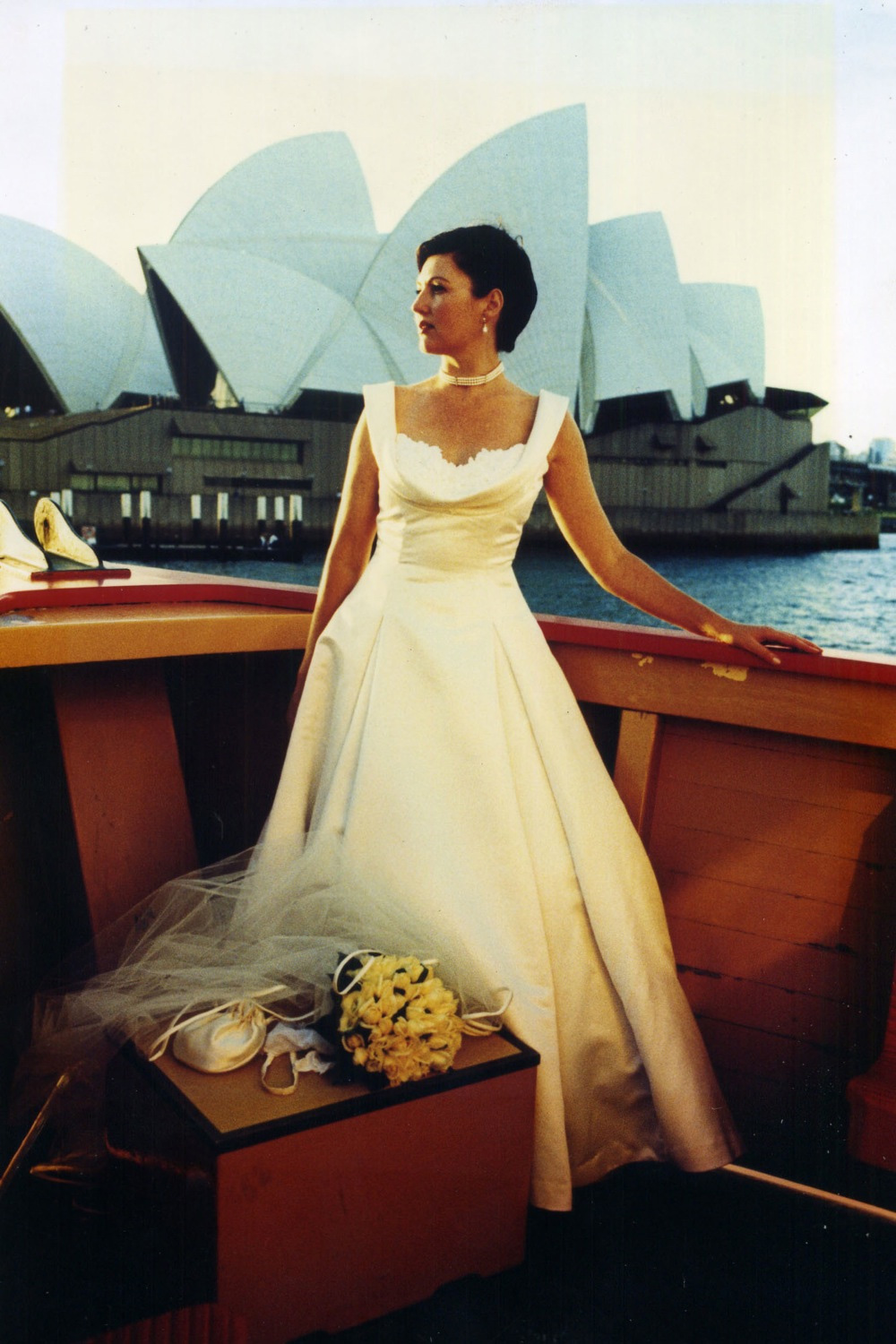
A picture of Ms Thomas in her wedding dress, standing on the wooden bow of a 1920's ferry, in front of the Opera House, still sits in a frame on Mr O'Keefe's desk.

"I think about her every day," he said.

"I have my photos I look at every morning. Not that I need a reminder, you know, she was stolen from us."

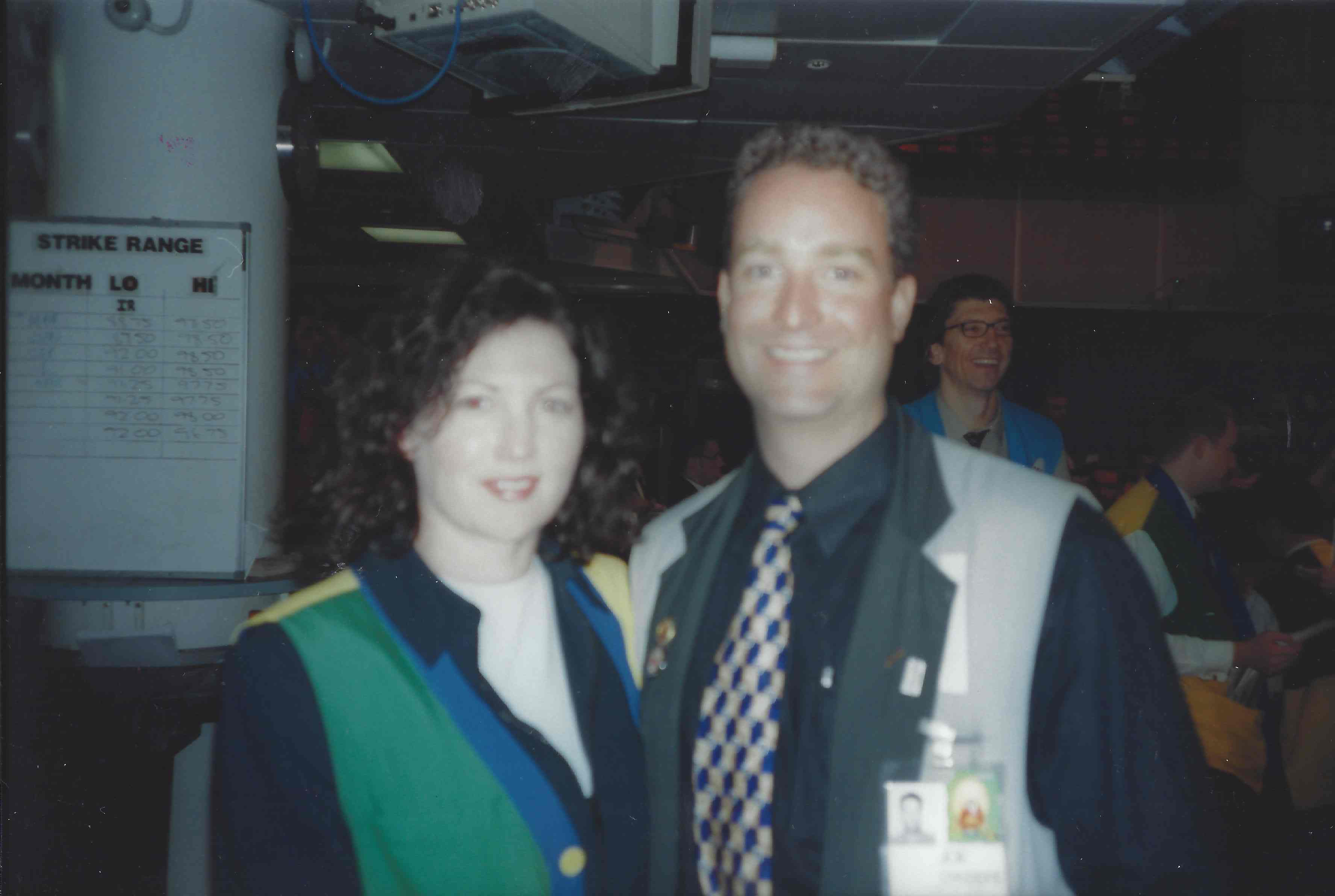
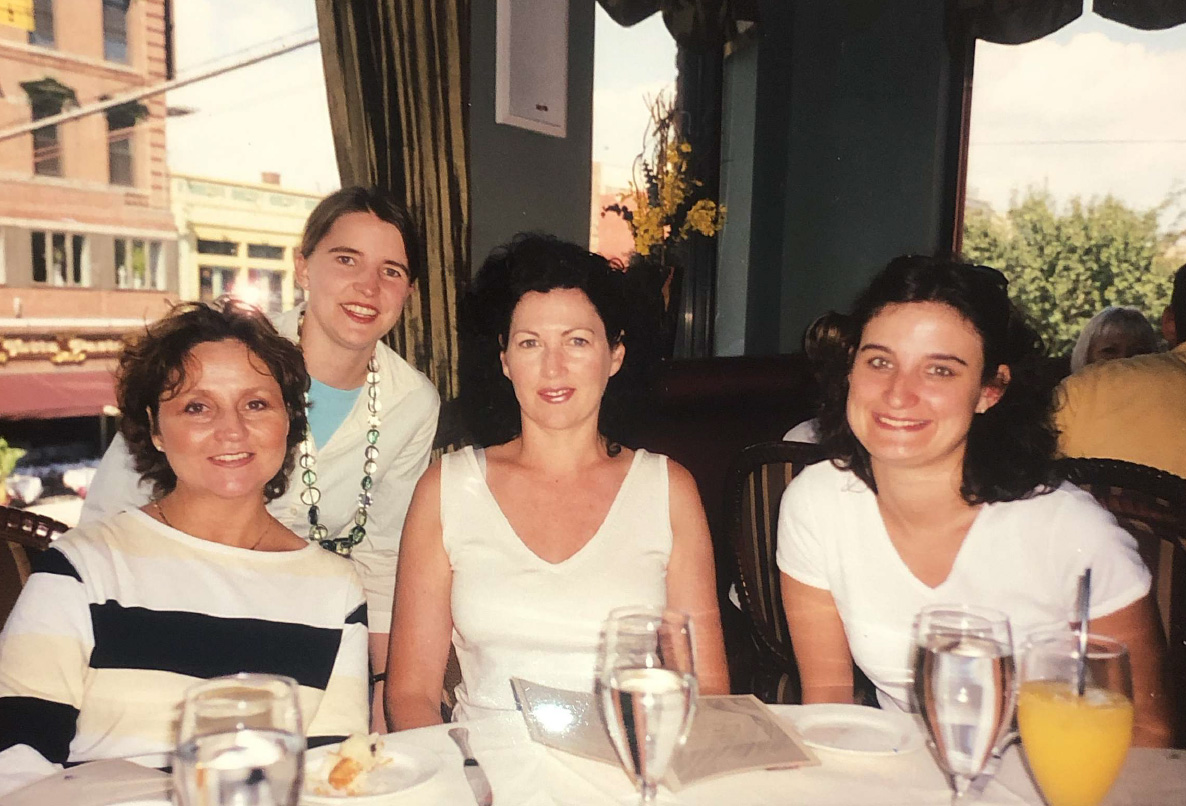
Lesley and Joe pictured at the Sydney Futures Exchange, where they met. Photo with kind permission of Joseph O'KeefeLesley Thomas (centre) with her girlfriends, including Shele Lieberman (left), eating brunch two days before the World Trade Center was attacked on the morning of September 11.  Photo with kind permission of Shele Lieberman.

'Please tell me Lesley wasn't there'

In 2000, just before the Sydney Olympics, the newly-married couple moved to New Jersey.

They settled into an apartment in Hoboken, with views over Manhattan.

Young, healthy and with dynamic, well-paid jobs, their future looked bright, Mr O'Keefe said. "Life was beautiful".

It was incomprehensible to lose his wife out of nowhere, Mr O'Keefe said, for her to snatched away in "an international incident … something of that nature, that magnitude."

"You don't picture your life, when you're younger, marrying someone and seeing something so horrific to happen to someone you love.

"Devastating and horrific are the words that come to mind."

Asked if the September 11 attacks feel like 20 years ago, Mr O'Keefe doesn't hesitate: "Absolutely not."

When news of the attack on New York broke, Edwina Sulimirski remembers feeling frantic and hopelessly unable to help, all the way across the Atlantic on a family holiday in Poland.

Ms Sulimirski, a Tasmanian who had lived in New York since 1999, had also become friends with Ms Thomas through the AWNY network, the organisation she had co-founded.

Bells rang in her head. She knew her friend worked in one of the towers.

"I rang Shele (Lieberman) and said, 'Oh, my gosh, please tell me Lesley wasn't there?' And she said, 'yep'. And I said, 'has anyone heard anything?' And she was like, 'no, no.'"

The next 36 hours were excruciating.

"It was gut-wrenching. It was terrible," Ms Sulimirski said.

"There was a lot of chaos going on, and people having to try and make their way home on foot and whatever. I guess I was hoping that perhaps she had managed to get home."

It soon became clear that hope – and Lesley – was gone.

A memorial service was held for Ms Thomas, across the water from Ground Zero.

"The rubble was still smoldering," Ms Sulimirski said, "it was the hardest goodbye."

She read an Australian poem at the service. Another friend read out a eulogy, which recalled Ms Thomas dancing to Men at Work's iconic tune "Down Under" on a boat cruise around Manhattan.

"She loved to dance," Shele Lieberman said, "to the extent that even my daughter said to me, when (ABBA's) Dancing Queen would come on, she'd say, 'That's your friend's song, isn't it?'

Ms Thomas had a strong impact on people, she said.

"She was newly married, very much loved her husband, life was exciting for her and it was just snatched away."

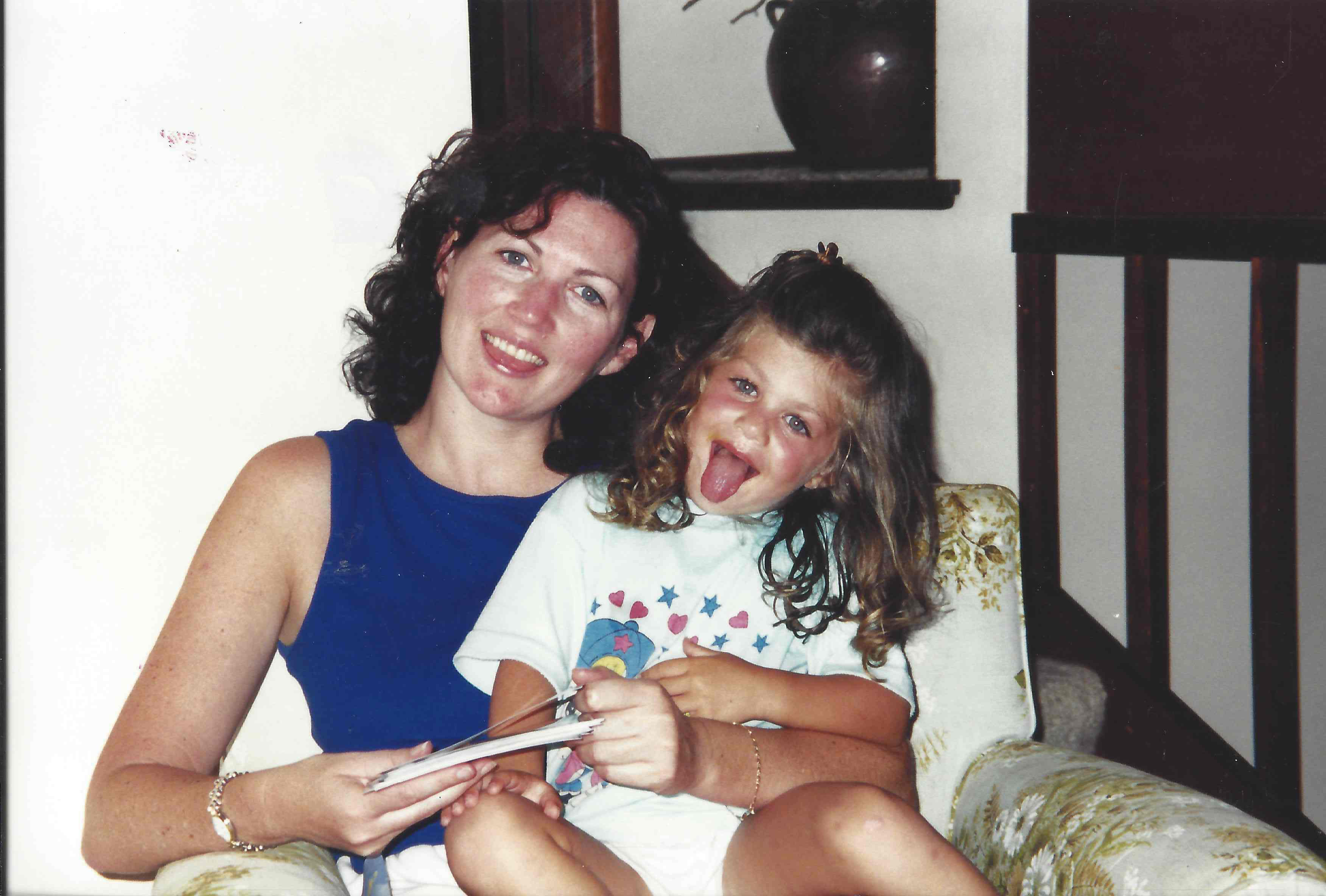
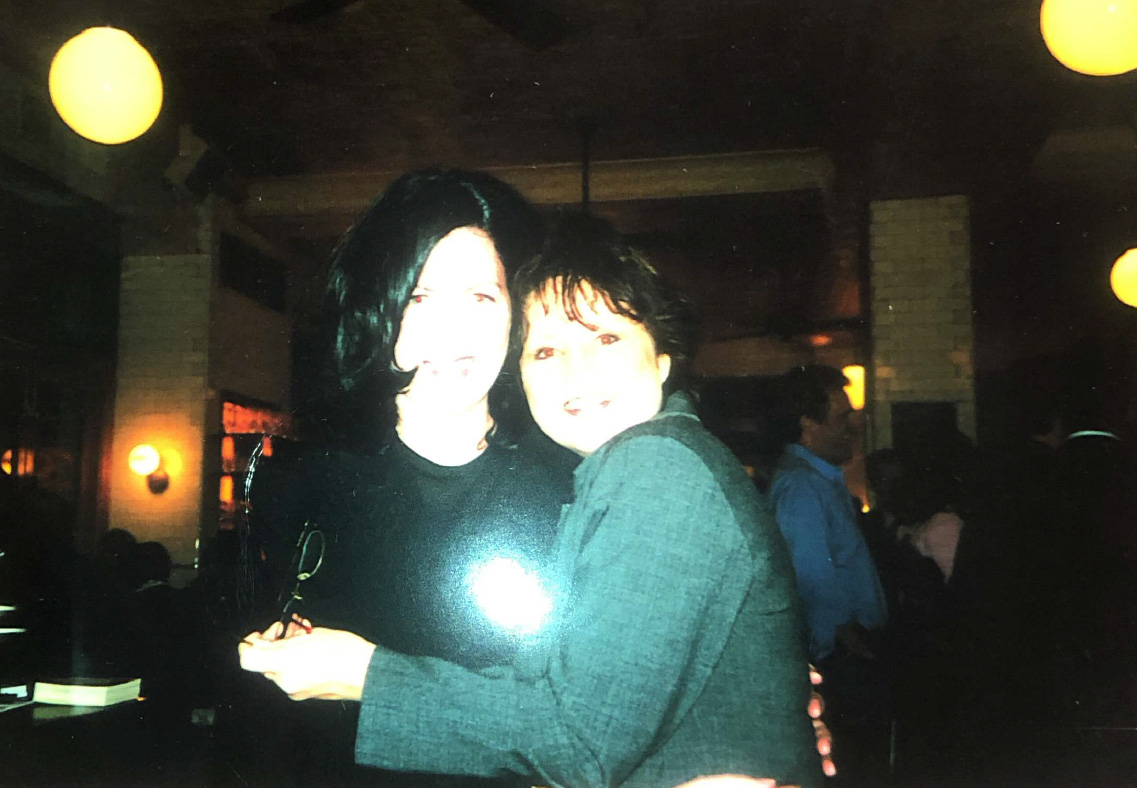
Lesley Thomas hangs out with her niece Jessica. Photo with kind permission of Joseph O'KeefeGood friends Lesley Thomas and Shele Lieberman embrace in New York City.

A tolling bell for the lost

Joe O'Keefe, now 58, still lives in Hoboken and has remarried.

He has two children with his wife, Tracy, who lost her husband in the North Tower. They met at a 9/11 survivors support group, where friendship slowly flowered into love.

As a family, they hold close the memories of their passed loved ones. Mr O'Keefe, his wife and two kids have made trips to Australia to meet Ms Thomas' family and keep alive old and special ties.

In Gosford, they stay with Ms Thomas' brother, and the kids call each other cousins.

On the 20th anniversary of the September 11 attacks Joe and Tracy will avoid the large, high-profile memorial events in New York and New Jersey.

Instead, they'll attend an intimate service in Sterling, New Jersey at the Shrine of St. Joseph, where a 10-metre bell tower has been built out of rusted steel salvaged from the mangled wreckage of both towers at Ground Zero.

At the end of the ceremony those who lost a family member in the attacks are given a rubber mallet, they announce their loved one's name and then strike a large steel bell.

"It's a beautiful, beautiful ceremony," Mr O'Keefe said.

There are no cameras or press. Just families traumatised by the events of that day. Later, many go eat dinner together.

"You see youngsters who have grown into young men and women now," Mr O'Keefe said.

"They're there, honouring mostly their fathers who were taken that day.

"It's a real slap in the face, a real reminder, of how many people were affected and how many generations were affected."

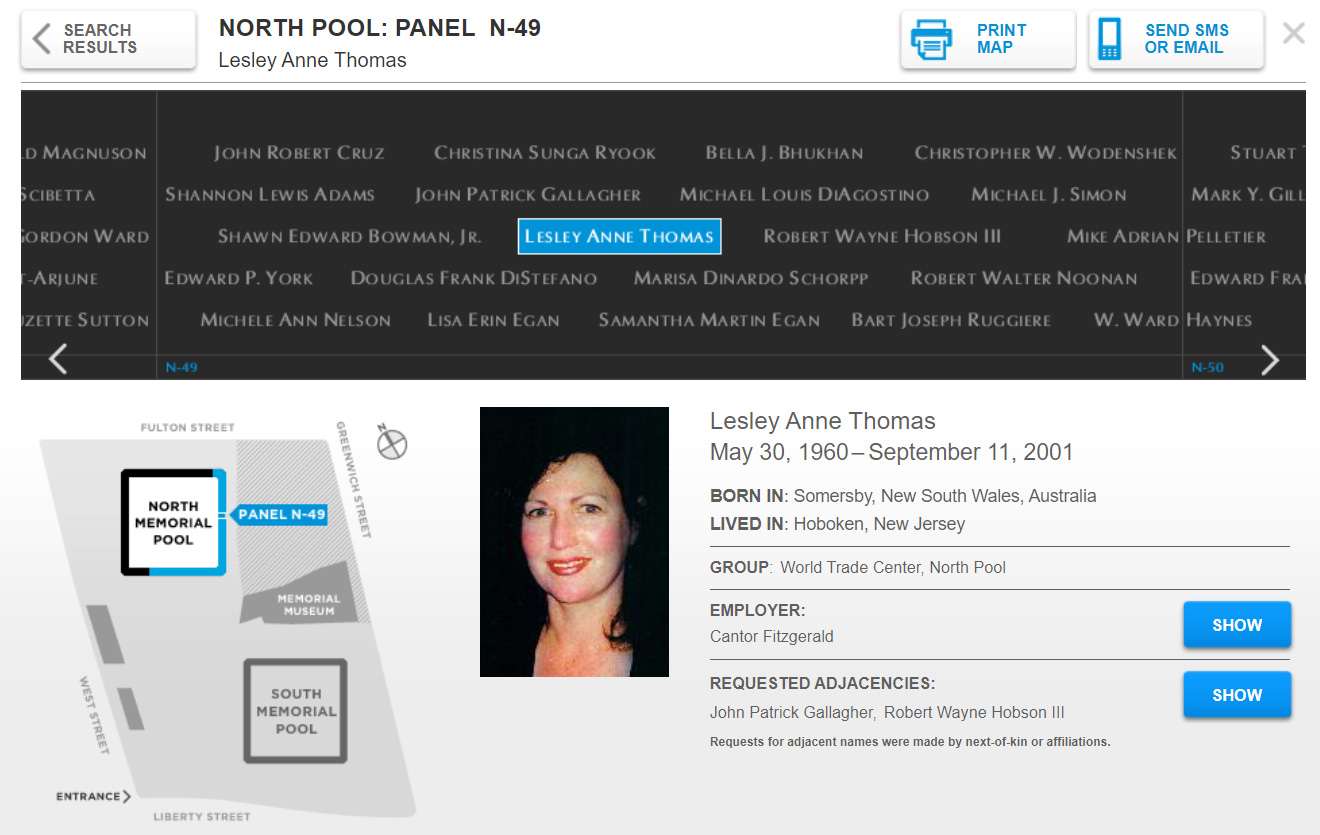
A diagram showing where Lesley Thomas' name is inscribed into bronze parapets surrounding the 9/11 Memorial pools, which are located in the footprints of the twin towers.

Lest we forget

Reflecting on his six years in Sydney, Mr O'Keefe said his was struck by the ever-present notion of 'lest we forget' on all Australian war memorials.

At the time, he didn't properly appreciate the deeper meaning of those three short words.

"Then something like this happens and you really understand it.

"(Lest we forget) just says so much,' he said, "it's just so poignant."

He recalled ANZAC Day dawn services and the poppies, and described Australians as "very conscious people, they don't forget."

"Although only a few people were lost from Australia, I hope 9/11 is not forgot."