Originally published on The Spinoff OPINION: Judith Collins’ bizarre attack on Siouxsie Wiles is something you’d expect from a troll on the internet, rather than a leader in waiting, argues Toby Manhire. It’s the hardest job…
Category Archives: headline
University of Otago's handling of sex assault irks victims
WARNING: This article contains references to sexual assault. Over the course of six weeks, four students say they were sexually assaulted in their hall of residence and were then retraumatised by how the university handled their…
Covid 19 coronavirus Delta outbreak: Supermarkets, laundromat added to Auckland locations of interest
A laundromat in Papatoetoe is the latest new location of interest for Auckland, as the city holds its breath for a possible alert level shift on Monday. Puhinui Laundromat Papatoetoe was added to the list at on Saturday, along with…
North Korea celebrates 73rd anniversary
North Korea has celebrated its 73rd birthday with a massive array of parades and marches in Pyongyang.
Covid 19 coronavirus Delta outbreak: What Auckland needs to exit level 4 lockdown – expert
COVID LATEST* Half a million eligible Aucklanders unvaccinated – how’s your district tracking? * Have you been to one of these places? You need to get tested * ‘A big, fat hypocrite’: Judith Collins lashes out at Dr Siouxsie…
Covid 19 coronavirus Delta outbreak: Life inside Jet Park with six kids and the Delta variant
One of the positive cases from the Assembly of God Church of Samoa cluster shares his experience of recuperating from Covid while in quarantine with his family of eight. As news spread that a person with Covid-19 had attended his…
Insurer admits giving Auckland pensioner's personal info to suspected fraudster
A major insurer was tricked into passing an elderly customer’s personal information to a suspected fraudster.It then registered a finance security against her vehicle’s insurance policy after receiving what the woman believes was…
The nation which has lifted all COVID-19 restrictions
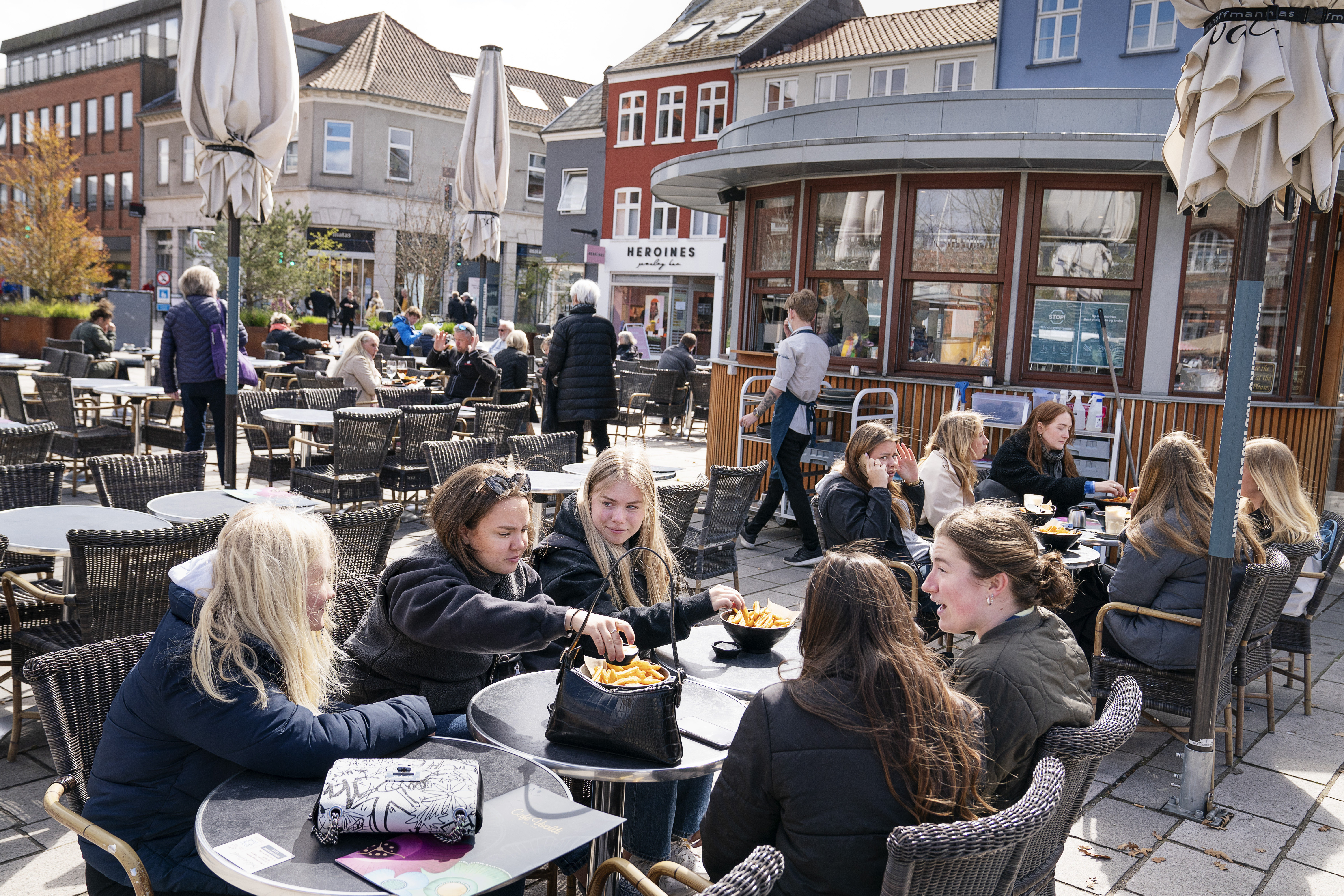
After 548 days with restrictions to limit the spread of COVID-19, Denmark's high vaccination rate has enabled the Scandinavian country to become one of the first European Union nations to lift all domestic restrictions.
The return to normality has been gradual, but as of Friday, the digital pass — a proof of having been vaccinated — is no longer required when entering night clubs, making it the last virus safeguard to fall.
More than 80 per cent of people above the age of 12 have had the two shots.
"I wouldn't say it is too early. We have opened the door but we have also said that we can close it if needed," Soeren Riis Paludan, a professor of virology with the Aarhus University in Denmark's second largest city, told The Associated Press.
As of midnight, the Danish government no longer considers COVID-19 "a socially critical disease." Health Minister Magnus Heunicke said August 27 that "the epidemic is under control" but warned: "we are not out of the epidemic" and the government will act as needed if necessary.
READ MORE: Sweeping new vaccine mandates for 100 million Americans
Jens Lundgren, a professor of viral diseases at the Copenhagen University Hospital said the government would be "quite willing" to reintroduce restrictions if infections spike again. He pointed at night clubs being the last thing to open because "it is the activity associated with the highest risk of transmission."
"The world is in the middle of a pandemic and none of us can claim that we are beyond the pandemic," said Lundgren who described Denmark as being "an isolated island" where the vaccine roll-out has worked.
"Nobody should have the illusion that we are over this."
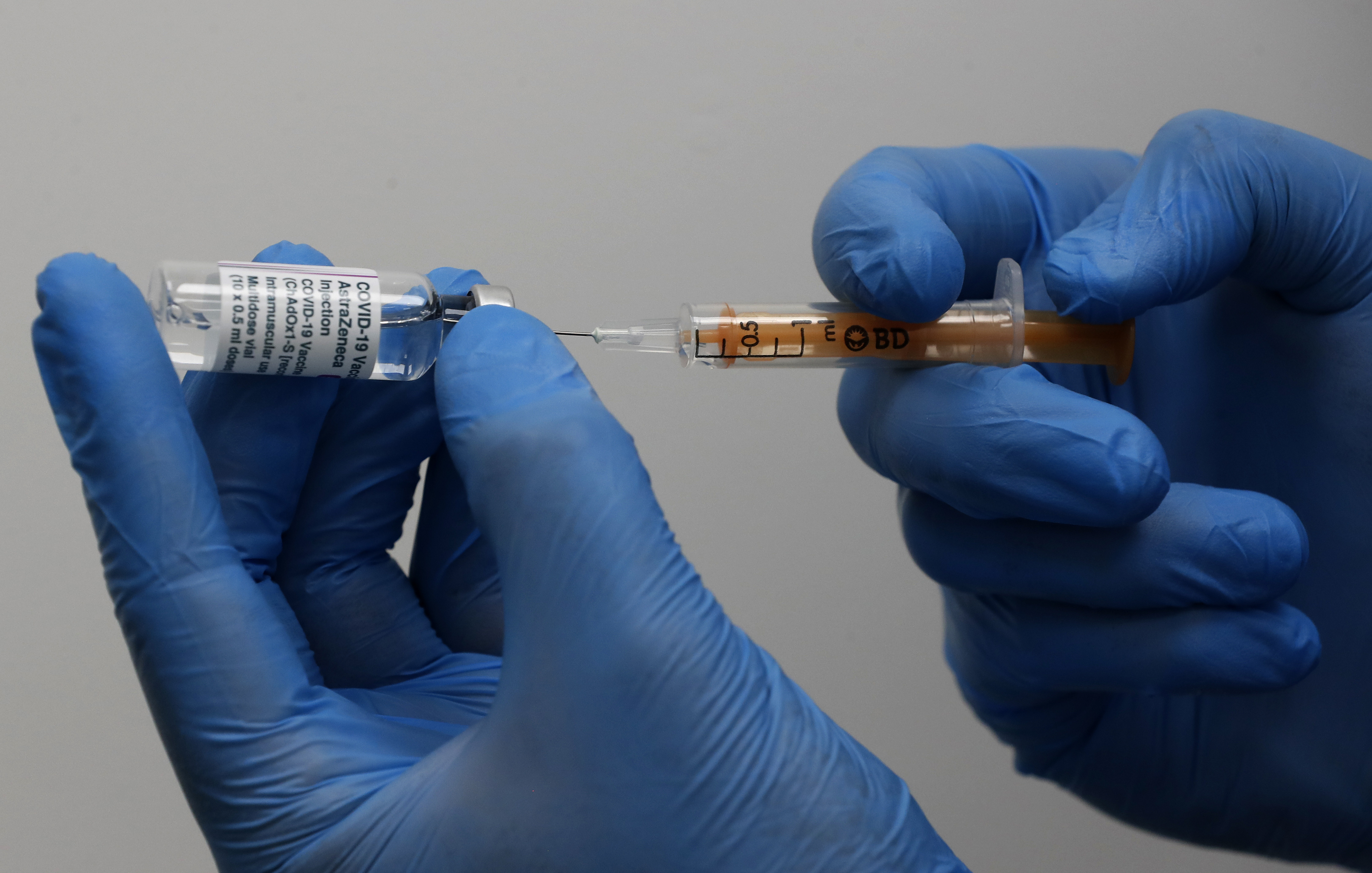
The tipping point in Denmark to start easing restrictions came when a majority in the age group of 50+ had the two shots, Riis Paludan said.
Since August 14, a face mask on public transportation is no longer mandatory. On September 1, night clubs reopened, limits on public gatherings were removed and it was no longer mandatory to show the pass when one wanted to be seated inside restaurants, or go to soccer games, fitness centres or hairdresser.
However, the face mask or shield are still mandatory at airports and people are advised to wear one when at the doctor's, test centres or hospitals. Distancing is still recommended and strict entry restrictions still apply for non Danes at the borders. The outbreak is still considered "an ordinary dangerous illness."
"The ghost of corona sits in the back of our head," said Frank Oestergaard, a patron in a downtown Copenhagen restaurant.
After more than a year, several European countries are starting to see the light at the end of the tunnel, but with caveats. Some have lifted restrictions but will introduce a vaccination passport. Others expect to do so soon. And in some places, there are few restrictions and they are not respected.
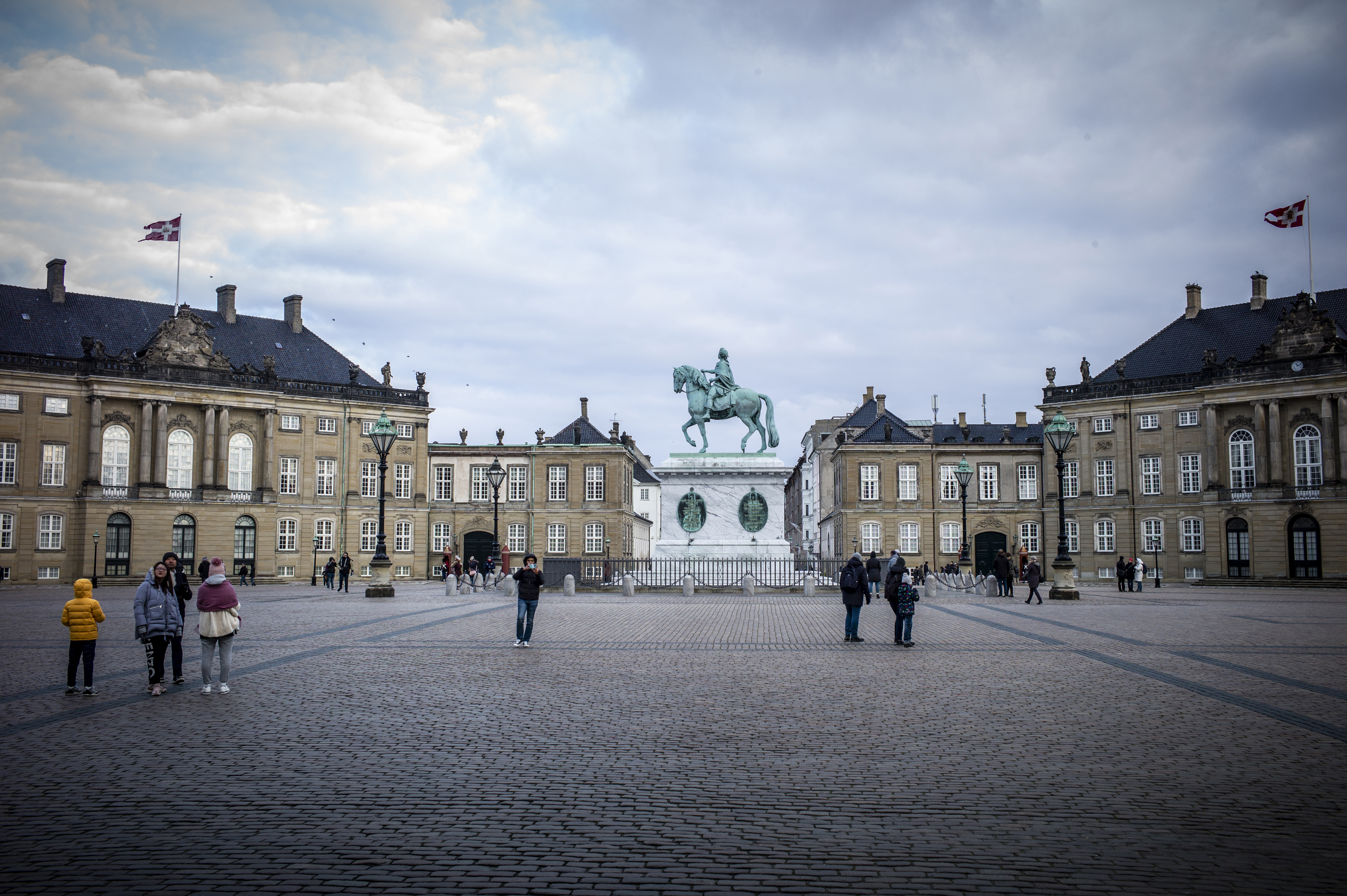
On July 19, the British government lifted remaining legal restrictions for England, though it still plans to introduce a vaccination passport for entry into nightclubs and other crowded venues at the end of September.
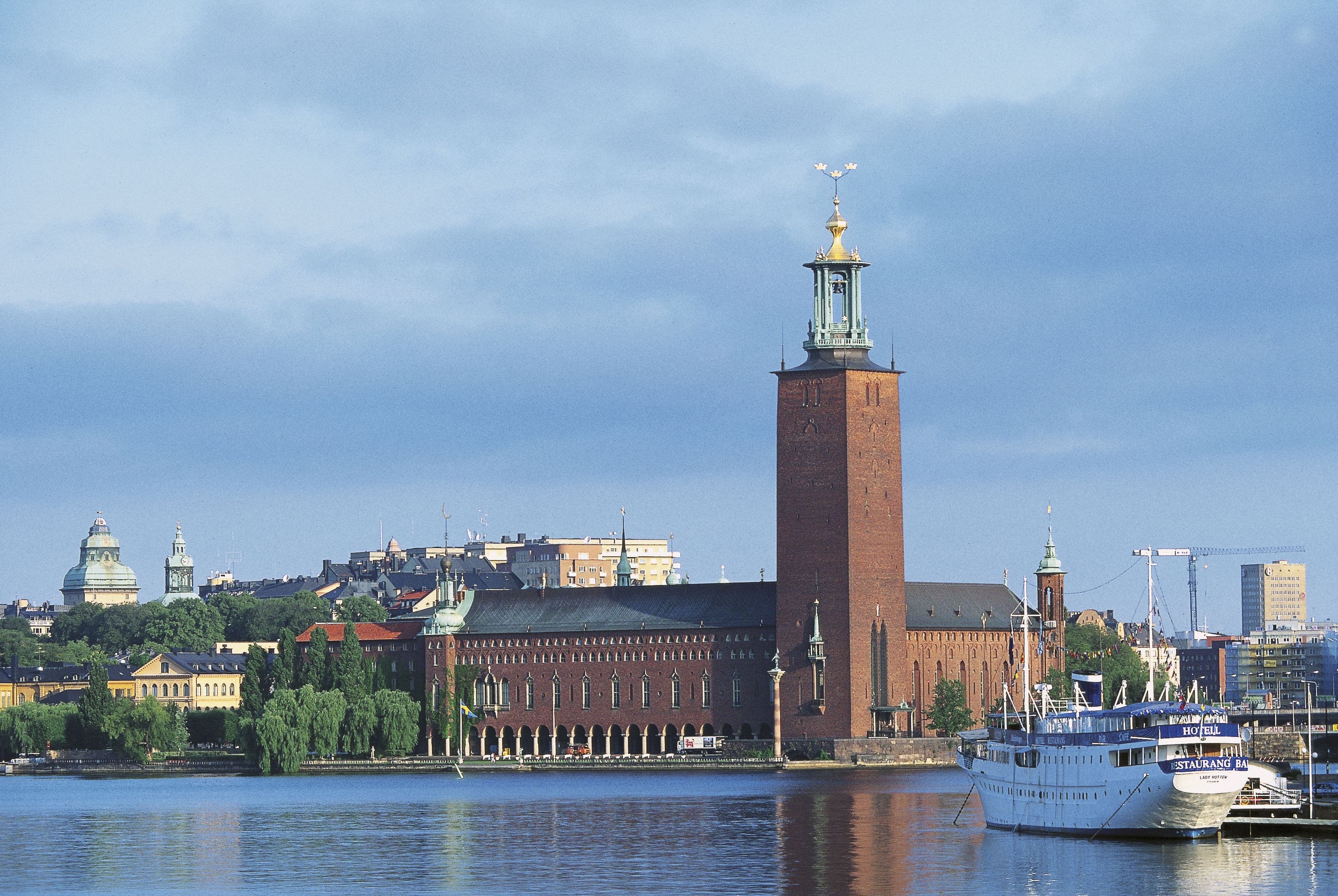
In Denmark's neighbour Sweden, which has stood out among European nations for its comparatively hands-off response to the pandemic, the government said earlier this month that most restrictions, including the ceiling for private and public gatherings and the advice to work from home, will be removed as of September 29.
The Scandinavian country has not gone into lockdowns or closed businesses, relying instead on citizens' sense of civic duty to control infection. According to official figures, 70 per cent of people over the age of 15 have gotten both shots and nearly 82 per cent have received the first shot.
And despite a surge, most of the Balkan countries practically have no restrictions, and those which are in place are not respected.
In late May, the Danish government presented the passport app featuring a QR code and a green bar if the person has been vaccinated twice or recently tested negative. A paper version also was available. People either had to scan the code or flash it before entering an airport, a harbour, a train station, a hairdresser or an eatery.
While in many European countries there were pockets of resistance such passes, people used it all the time in Denmark because people trust authorities, Riis Paludan said.
Armed with their pass, people were able to get a haircut, have a drink with friends or attend a cultural event. "It was getting one's freedom back instead of having to sit at home in isolation," laughed Oestergaard.
"I think it's very good, so hopefully we can get back to a normal day in the restaurant business without checking people and just no restrictions whatsoever. That's nice," said cafe owner Ralph Marker.
Amazon Will Spend $1.2 Billion For Its Employees To Attend College
Amazon announced today that it will pay 100% of college tuition for its approximately 750,000 U.S. hourly employees. The company estimated that the new benefit along with other new training it will offer would require a total investment of $1.2 billion by 2025.
Amazon’s announcement comes on the heels of other major employers such as Target and Walmart extending similar offers to their U. S. employees as national companies continue to sweeten the compensation pot to lure and retain workers during the tight labor market.
The Amazon offer will begin in January 2022 and will include the cost of college tuition, fees and textbooks for warehouse, transportation and other hourly employees who want to pursue bachelor’s degrees. To be eligible an employee must have been employed by Amazon for 90 days.
The new benefit will also begin covering educational costs for high school diploma programs, GEDs and English as a second language certifications. Amazon will also add three new education programs to provide its employees with the opportunity to learn skills in data center maintenance and technology, IT, and user experience and research design.
Amazon previously offered to pay for 95% of tuition, fees and textbooks for hourly associates through its career choice program, a benefit that provided up to $12,000 over four years for hourly associates who’d been with the company for at least one year. It was limited to “certificates and associate degrees in high-demand occupations such as aircraft mechanics, computer-aided design, machine tool technologies, medical lab technologies and nursing.”
“Amazon is now the largest job creator in the U.S., and we know that investing in free skills training for our teams can have a huge impact for hundreds of thousands of families across the country,” said Dave Clark, CEO of Worldwide Consumer at Amazon, in the company’s press release. “We launched Career Choice almost 10 years ago to help remove the biggest barriers to continuing education—time and money—and we are now expanding it even further to pay full tuition and add several new fields of study.
“This new investment builds on years of experience supporting employees in growing their careers, including some unique initiatives like building more than 110 on-site classrooms for our employees in Amazon fulfillment centers across 37 states. Today, over 50,000 Amazon employees around the world have already participated in Career Choice and we’ve seen first-hand how it can transform their lives.”
Amazon said it will pay employees’ tuition and fees in advance rather than offering reimbursement after coursework completion, thereby permitting employees who don’t have sufficient funds on hand to begin immediately accessing the education options they want to pursue. Front-line employees will have access to the annual education funds as long as they remain at the company, with no limit to the number of years they can benefit from the offer.
Amazon has not yet indicated which colleges workers will be eligible to attend using the new benefit.
Amazon’s decision today will allow it to keep pace with several other national employers in addition to Walmart and Target that have recently geared up their educational benefits for employees.
This is just the latest move by Amazon to strengthen its workforce. Last May, it said it was hiring 75,000 new workers, and that it would boost the starting pay from $15 to an average of $17 an hour. It also introduced sign-on bonuses of up to $1,000 to attract workers.
Amazon also announced Thursday that it plans to retrain a total of 300,000 employees – about 30% of its total workforce – for higher-skilled, fast-growing jobs within the company over the next four years. That up-skilling will also be tuition-free for employees.
The post Amazon Will Spend $1.2 Billion For Its Employees To Attend College appeared first on The St Kitts Nevis Observer.
THE SECRET WORLD WAR II FORTRESS HIDDEN UNDER THE TRANQUIL BEAUTY OF THE SWISS ALPS
TRAVEL by Eric Mackenzie Lamb
For most people, it’s common knowledge that Switzerland was not involved in World War II, a factor which largely spared the country and its population from the brutal consequences of the Nazi invasion in the rest of Europe. And why Switzerland, spared from the horrors endured by its neighbors, had a head start to eventually become one of the world’s most prosperous countries.
But the fact is that things could have turned out very differently, had it not been for the wisdom and forethought of a small group of Swiss military leaders. They had long known that Switzerland’s army would be too ill-equipped to defend the country in the event of an invasion by its fascist neighbors. The catastrophic defeat of the French army in June,1940, was vivid proof of that. Switzerland now found itself geographically trapped between the Axis powers of the German Reich and fascist Italy. A national redoubt plan had to be put in place as soon as possible.
Of particular concern were the well-known ambitions of Italy’s dictator, Benito Mussolini, to invade southern Switzerland, especially as the Axis powers had a strong interest in controlling the Alpine passes to supply their wartime economies. It would have been relatively simple for the Italian army to transport its heavy artillery to the Swiss border, and from there to control the southern access points to the Gotthard Pass.

For the Swiss, occupying their most strategically important Alpine crosses seemed to be the only way to offer a sufficient deterrent to an attack by Mussolini’s forces. As a result, the Army command decided to concentrate most of its troops on the routes over the Alps and to fortify its crossings, an effort which began in the summer of 1941.
The end result, which took four years to complete, was one of the world’s most amazing underground fortresses, commonly known as the Sasso da Pigna fort. Its entrance appeared almost insignificant, at first glance something which resembled a garage door built into a cliff face.

But inside, connected by a network of tunnels which stretches for almost two miles, the fortress was highly self-sufficient. It had enough supplies of water, food, munitions, and fuel to survive being cut off from the outside world for months. The garrison consisted of gunners, infantry, soldiers to guard the installations, communications personnel, as well as back room and medical staff. Altogether, there was accommodation for about 420 men. The infirmary, with its own small operating theatre and laboratory, was equipped to handle almost ninety sick or wounded soldiers.
Even after the end of the Second World War, the Fortress remained active, largely as a precaution due to the Cold War tensions between the West and the Soviet Union. It remained in a state of combat readiness, almost unchanged, until 1998. It wasn’t until 2001 that the veil of secrecy which had shrouded Sasso da Pigna was finally lifted and the fortress became a monument of national importance. And, for the first time, open to visitors from the outside world.
When I first visited the the fort a few weeks ago as part of a guided walking tour, it soon became apparent how incredibly complex-not to mention challenging- it must have been to construct it in the first place.


Indeed, a truly amazing glimpse back into a turbulent history.
The post THE SECRET WORLD WAR II FORTRESS HIDDEN UNDER THE TRANQUIL BEAUTY OF THE SWISS ALPS appeared first on The St Kitts Nevis Observer.