Category Archives: headline

Heartbreaking 'homecoming' to ghost town left for 50 years

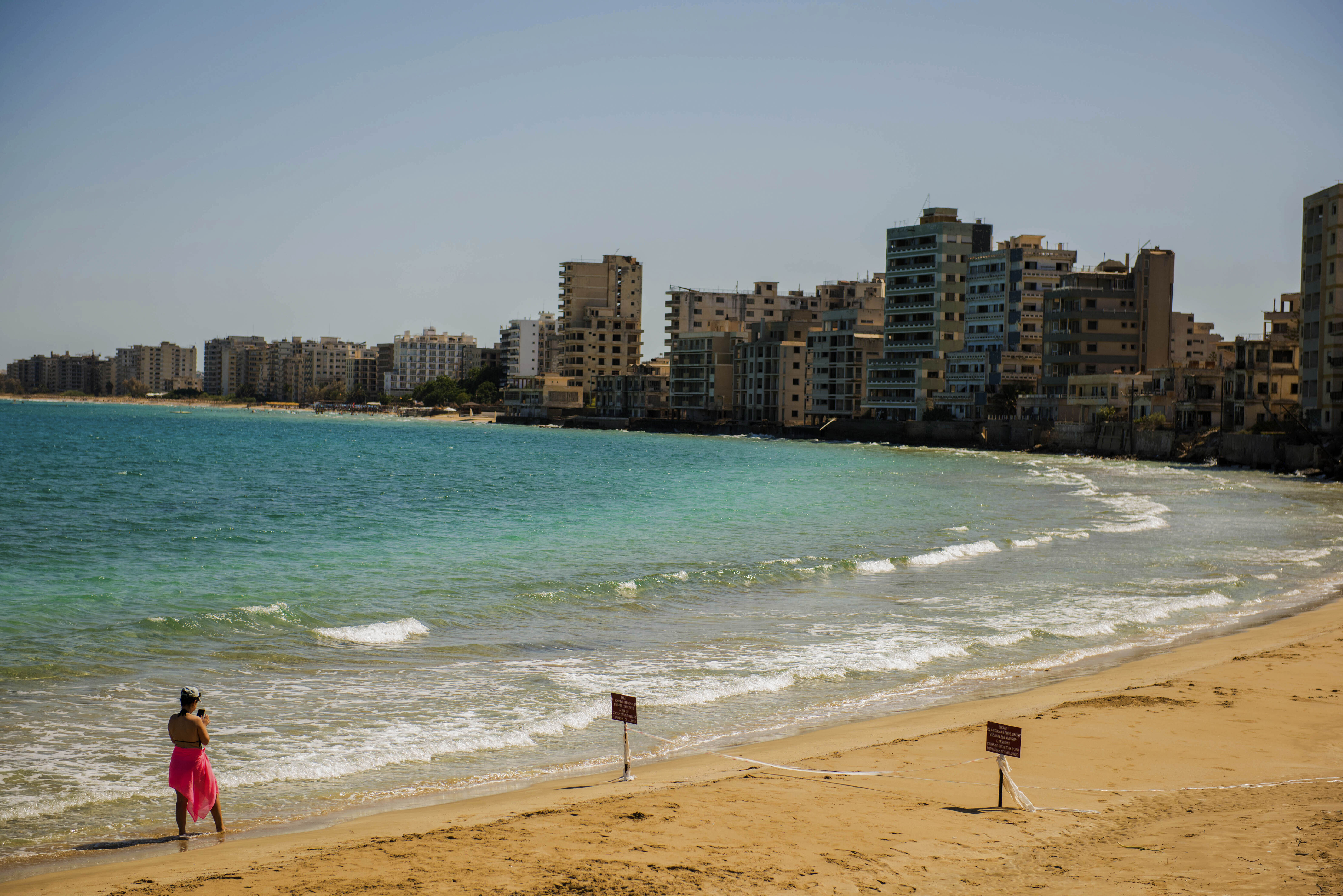
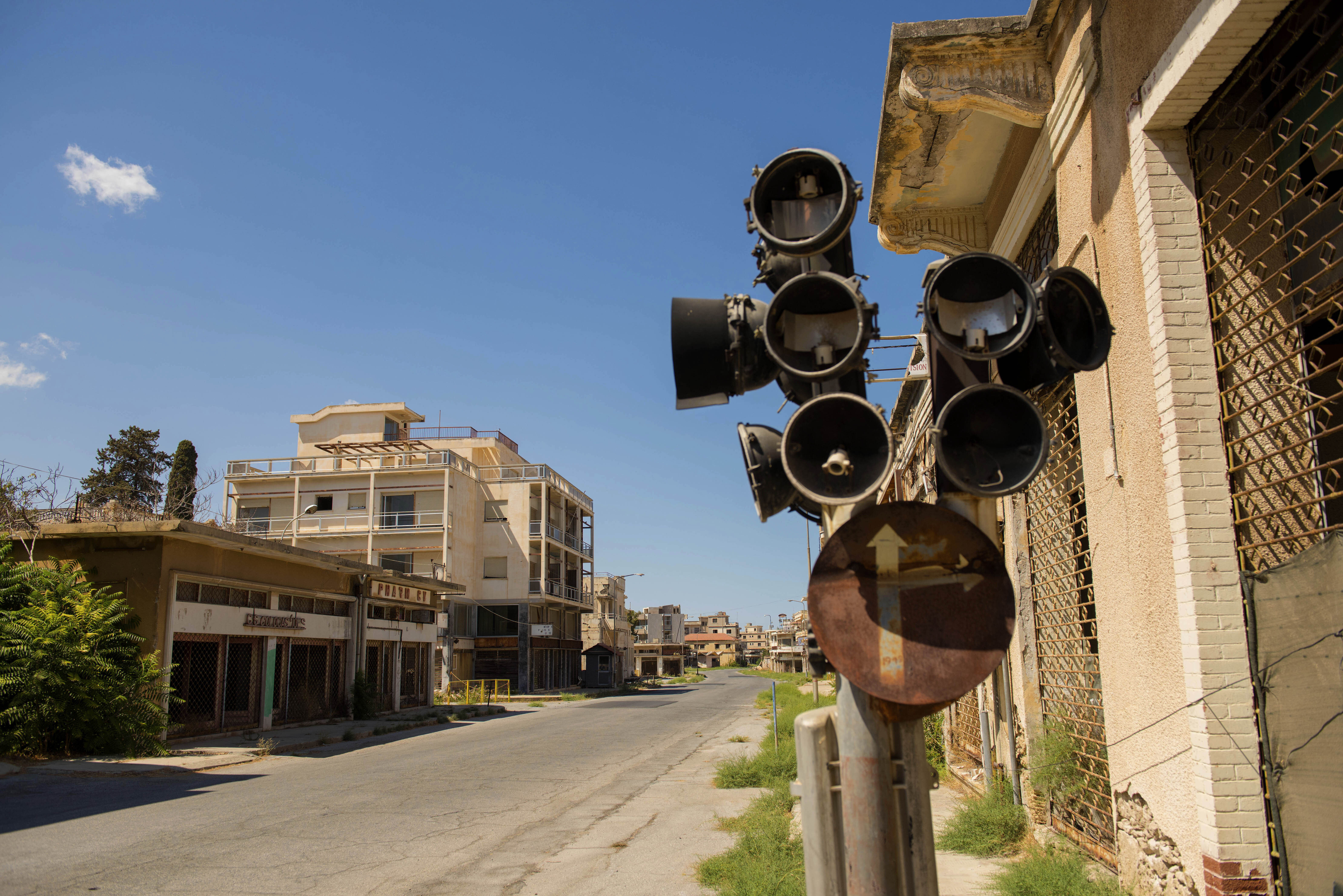
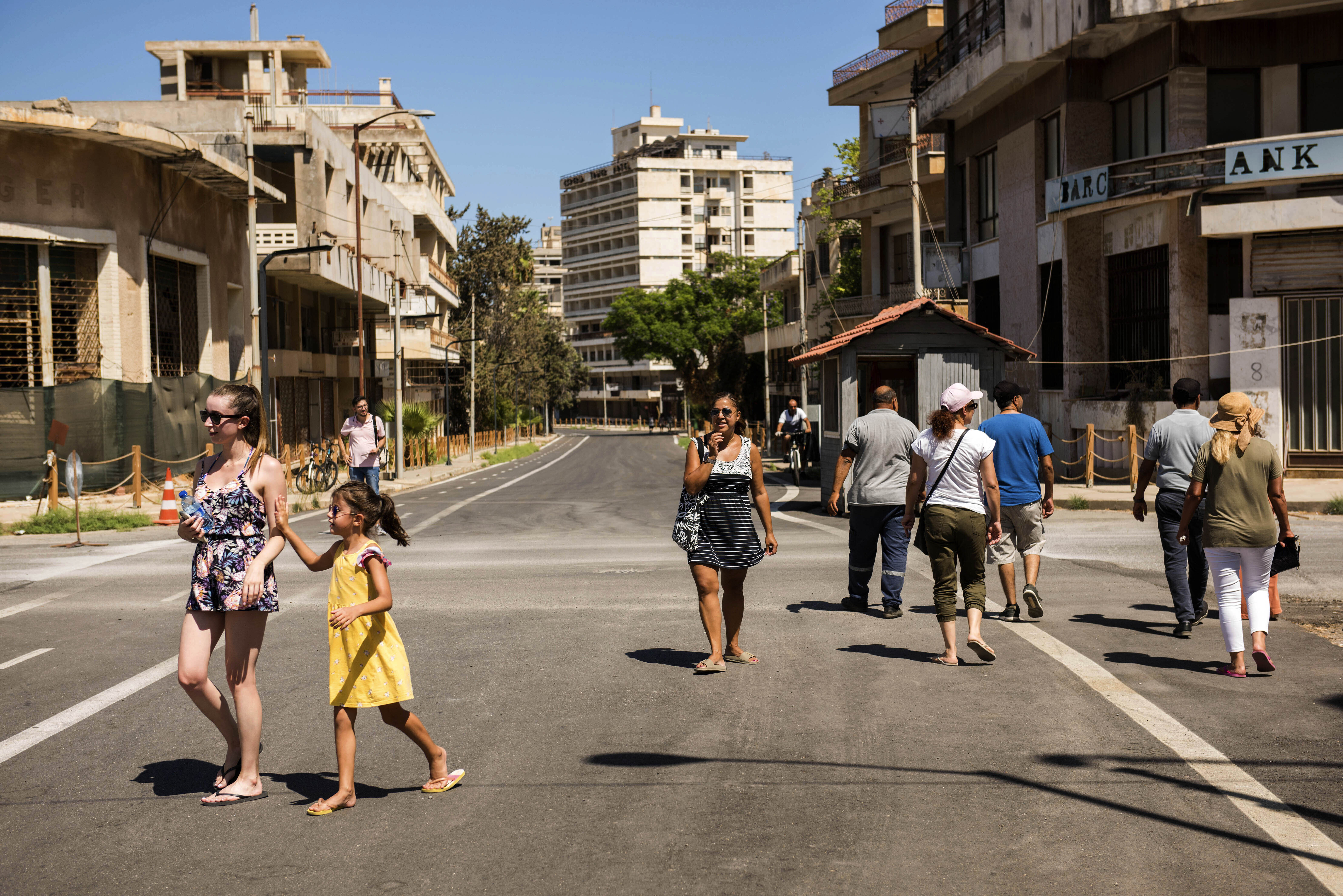
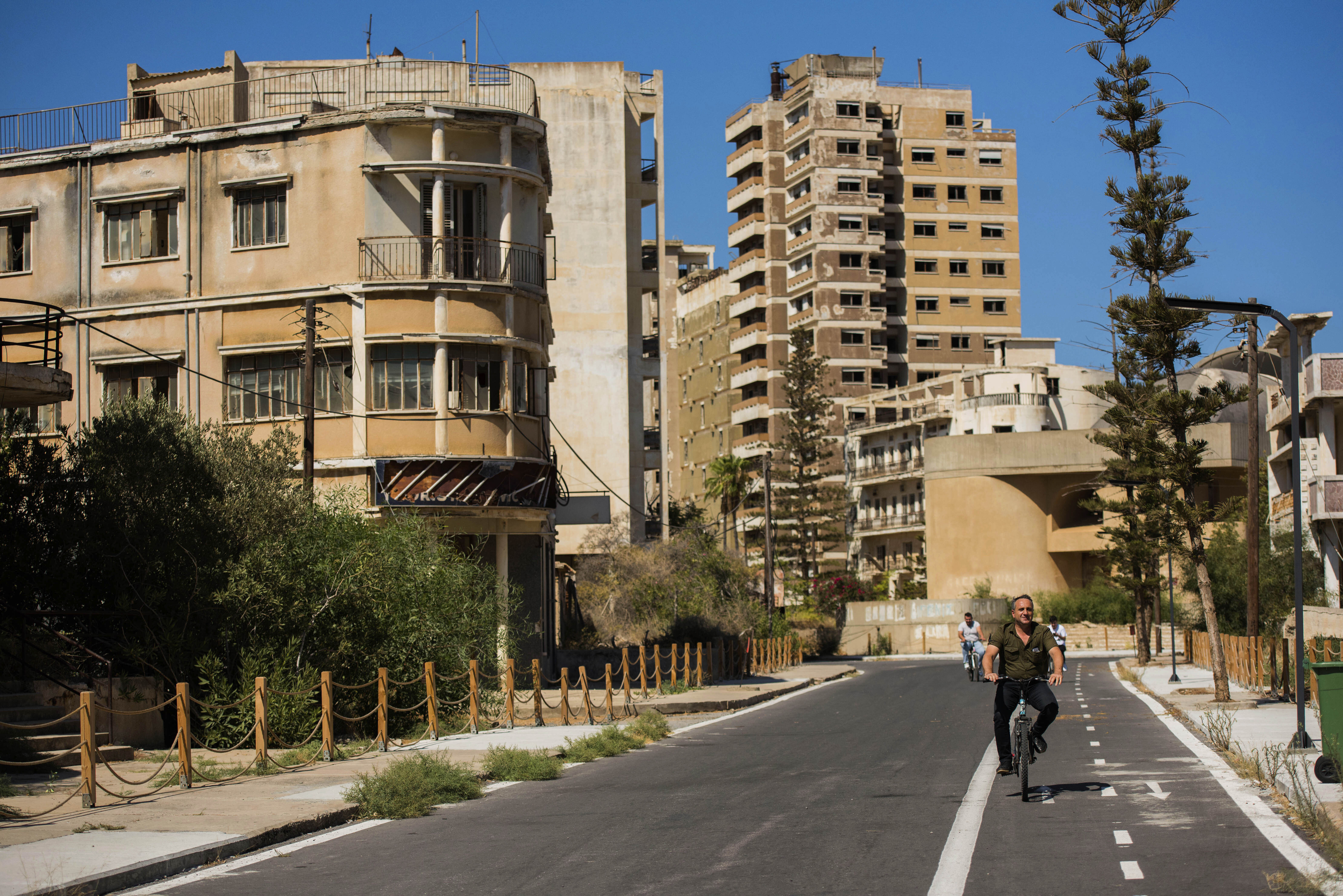
The freshly paved street with its new bicycle lane markings meanders through the heart of abandoned Varosha, in ethnically split Cyprus' breakaway north, to a crumbling cinema in front of Savvas Constantinides' family home.

Yet a rope line prevents the Greek Cypriot cardiologist from walking down a shrub-festooned side street to see the home he fled as a six-year-old refugee in 1974, while Turkish troops approached the Famagusta suburb.

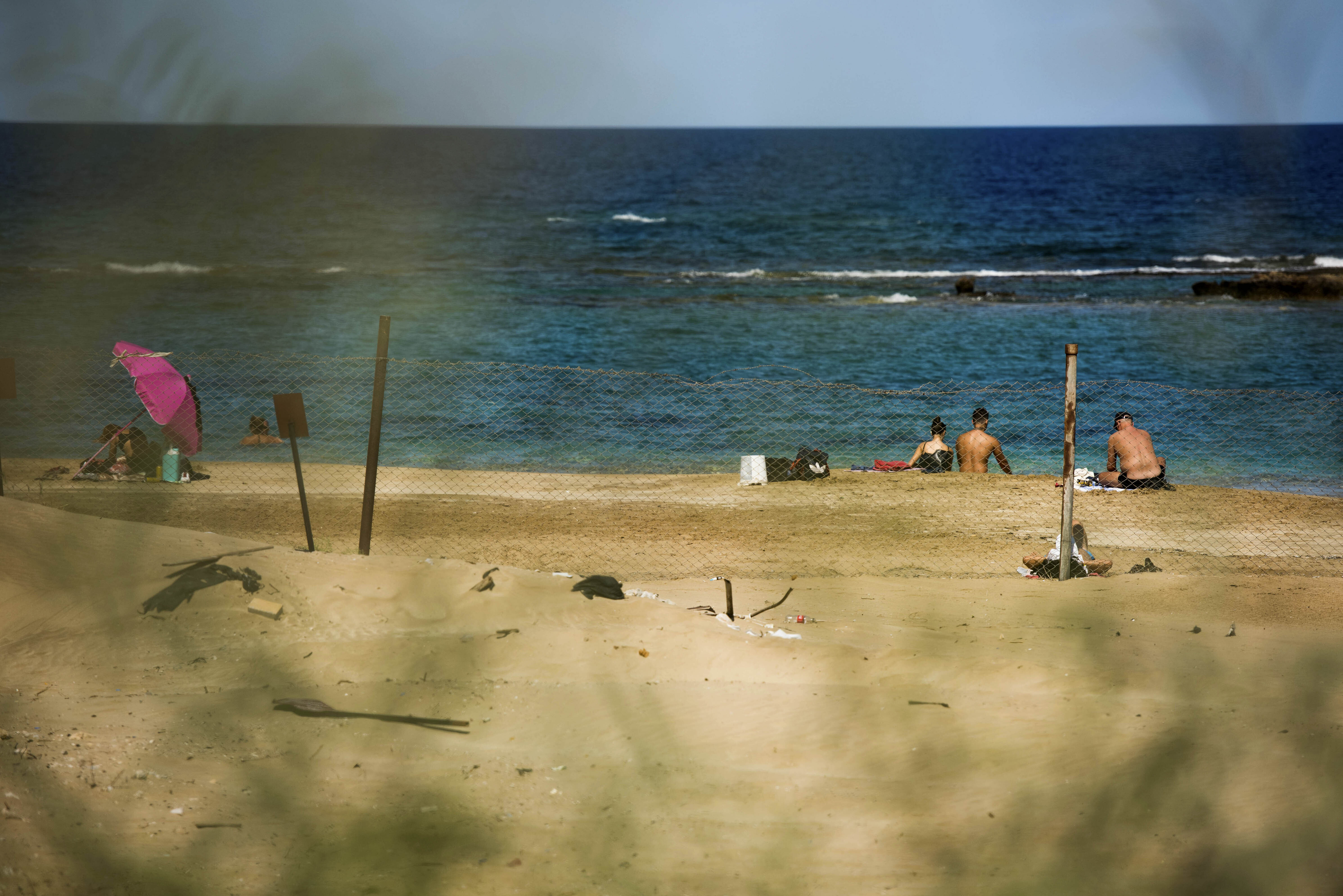
Like any tourist or sightseer, Varosha's Greek Cypriot former residents must look from behind ropes at empty houses and schools, gutted hotels and looted stores.

They can't enter their lost homes.

READ MORE: Heat wave edges higher in southern Europe, fuels wildfires
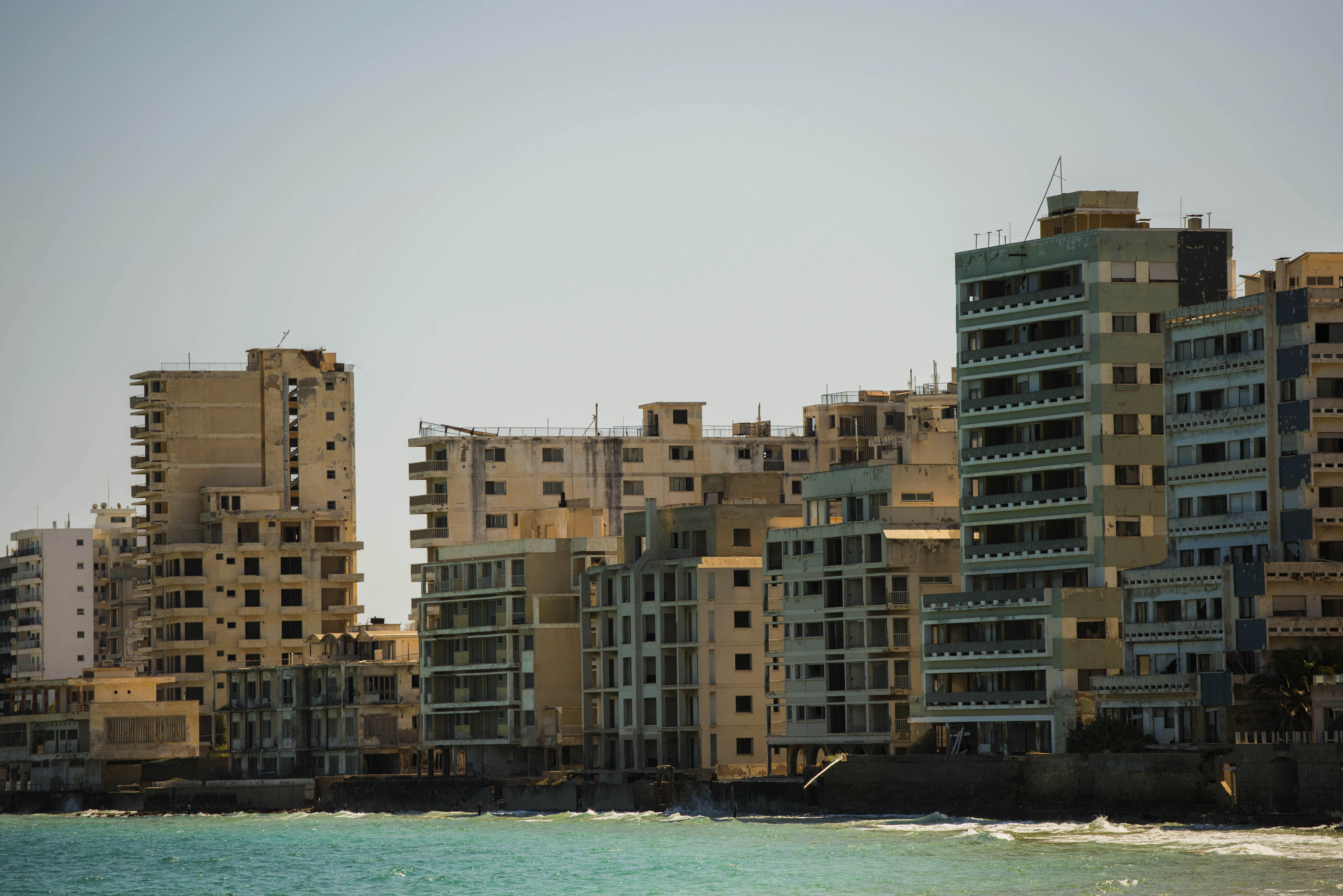
That's the rule Turkish Cypriot authorities imposed last October, when they partly opened Varosha — Maras in Turkish — to visitors amid much fanfare, after keeping it uninhabited and sealed off by Turkish troops for nearly half a century.

They cite public safety, as many buildings are crumbling. But it's the absurdity of playing sightseer in his former home that grates on Costantinides, 53.

Now, Turkey and the Turkish Cypriots are dangling the opportunity of letting at least some Greek Cypriots reclaim their Varosha property if they accept the rule of the breakaway Turkish Cypriot state as legitimate — a move that's sowing consternation and discord.

READ MORE: Cyprus Church calls for 'satanic' Eurovision song to be pulled
"There's tremendous anger about what has happened here. Turkey has committed a huge crime," Costantinides said.

"Today, we're living the same crime again. … It's as if they're performing an autopsy and tourists are coming to witness it. It's a shame, a shame for humanity."

With its white sand beaches and luxury hotels, Varosha was once the pride of the eastern Mediterranean island's booming tourism industry.

READ MORE: Cyprus cancels maligned 'golden passport' scheme
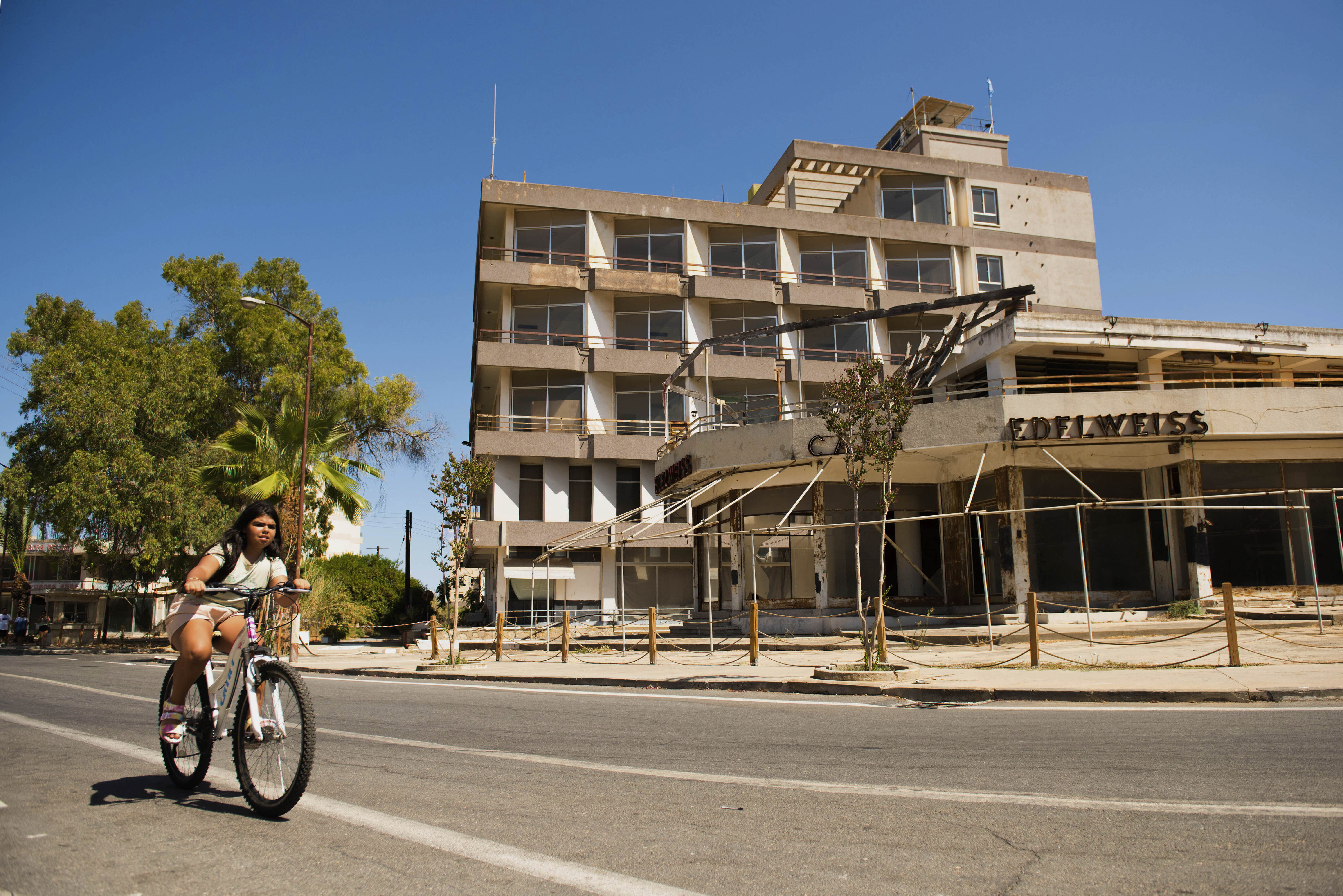
Then in 1974, Turkey invaded in response to a coup aiming at union with Greece. About 180,000 Greek Cypriots fled Cyprus' northern third, including 15,000 Varosha residents. Tens of thousands of Turkish Cypriots settled the north — whose declaration of independence only Turkey recognises.

Varosha was kept untouched, to be used as a bargaining chip in peace negotiations, despite two United Nations Security Council resolutions — the latest in 1992 — for its return to its residents under UN administration.

After decades of fruitless talks, Turkey and the Turkish Cypriots last year changed tack on Varosha, under a major policy shift seeking to formally partition Cyprus between two "sovereign and equal states" — ignoring the agreed-upon framework for a federation of Greek- and Turkish-speaking zones.

READ MORE: Baby Afghan girl born mid-evacuation flight headed for UK
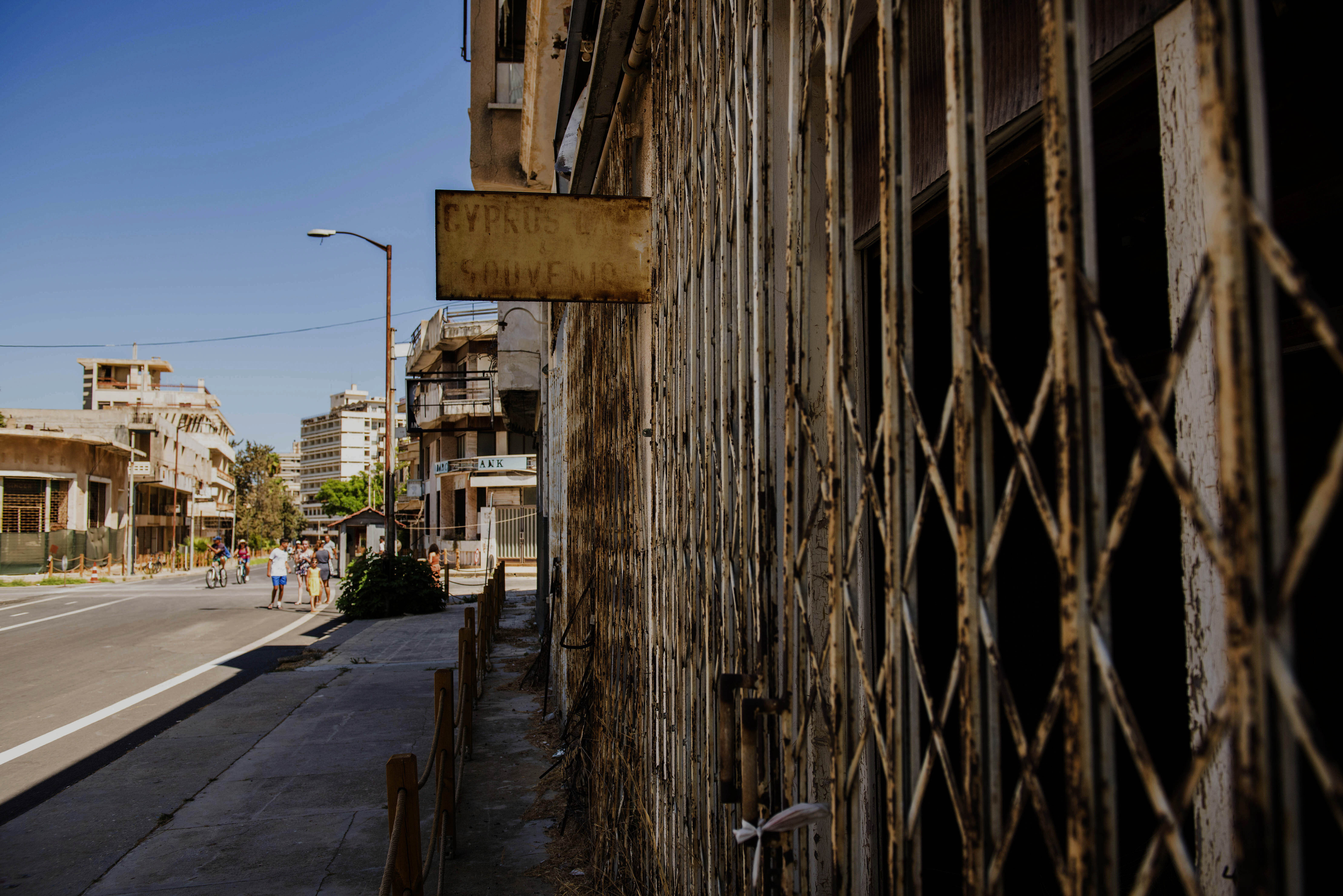
That shift was condemned by the UN, the EU, the US, Russia and others as gravely undermining hopes for peace.

In July, Turkey and Turkish Cypriot leader Ersin Tatar raised the stakes, inviting Greek Cypriots to reclaim their property and live under Turkish Cypriot administration in a tiny sliver of Varosha ahead of a potential wider opening.

Applications must go to the Immovable Property Commission, a Turkish Cypriot legal body endorsed by the European Court of Human Rights. The IPC was created to adjudicate property cases of Greek Cypriots seeking to reclaim their property, as a first step before potentially reaching the ECHR.

READ MORE: 'We fought a great battle': Greece defends wildfire response
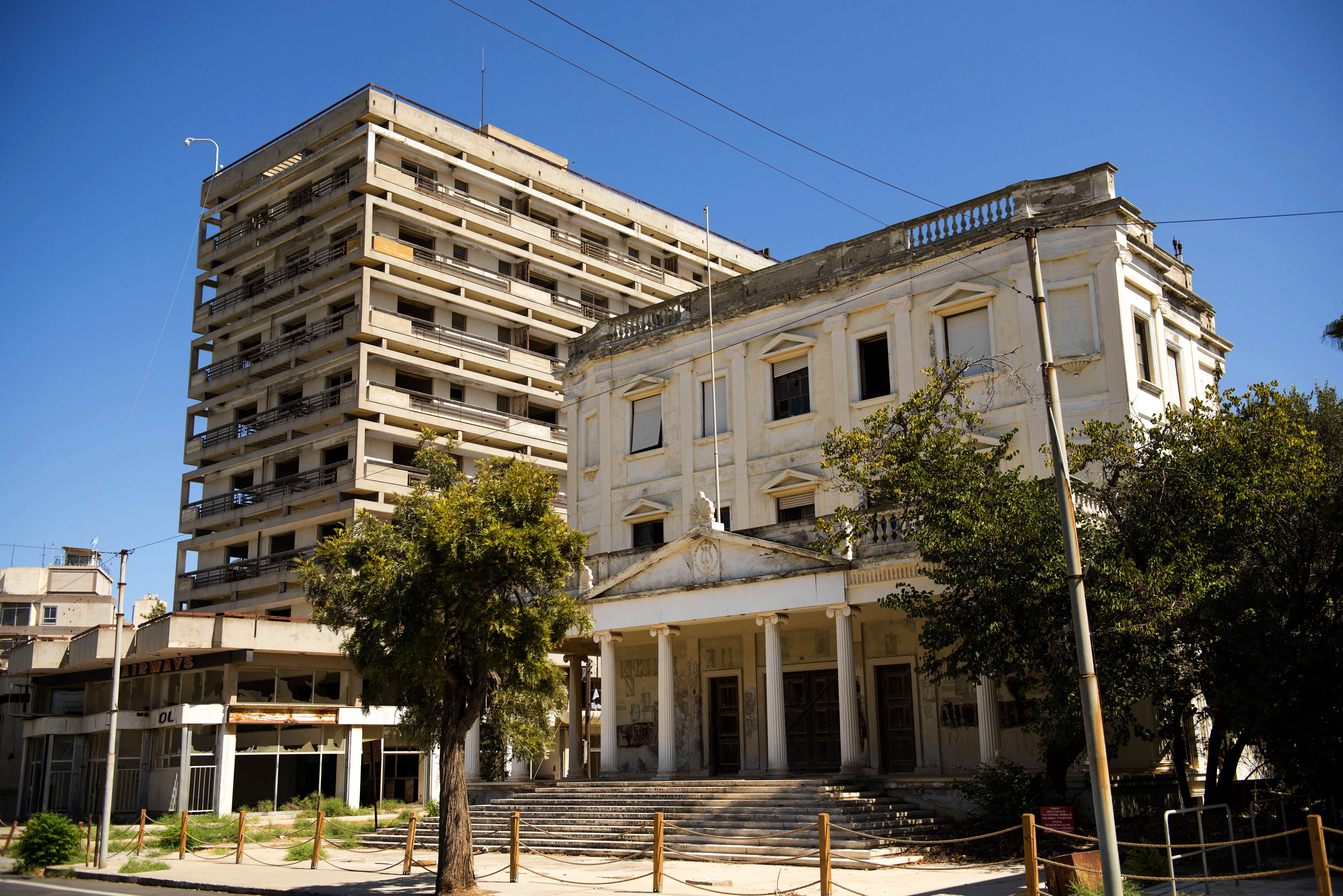
Greek — and many Turkish — Cypriots saw the invitation as a Turkish Cypriot ploy to cement control of Varosha and secure implicit acknowledgement of their rule from its former inhabitants.

The Greek Cypriot government, which represents the island internationally, fears a rush of applications to the IPC could trigger a mass property sell-off both in Varosha and elsewhere that the north would exploit politically.

The IPC has received nearly 7000 applications since 2006, and essentially purchased Greek Cypriot properties in about 1200 of these cases with the remainder still pending. It has ruled to return or exchange property with land elsewhere in the north only a dozen times.

READ MORE: Thousands flee as fire devours Greek island's forests
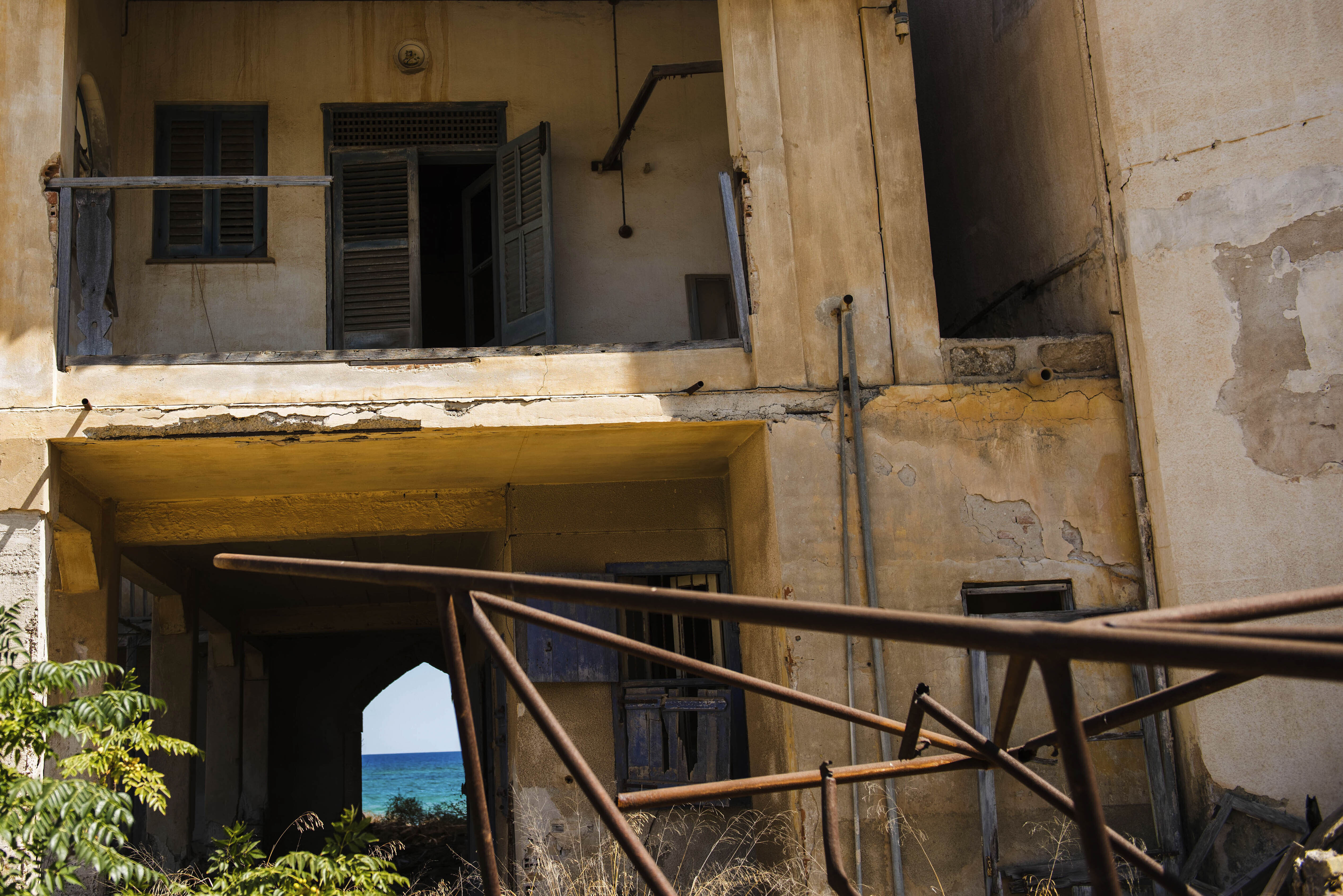
Oz Karahan, the Turkish Cypriot president of the left-wing peace association Union of Cypriots, says Turkish Cypriots who lost property of their own in the south empathise with Varosha's refugees. He's among many Turkish Cypriots who consider Tatar's rule illegitimate, claiming his election followed unprecedented Turkish interference.

"Turkey's new policy is clearly aiming to make Varosha part of its … illegal regime in the north," Karahan said.

Standing in a garden in front of the school he graduated from more than 50 years ago, Simos Ioannou, the Greek Cypriot mayor-in-exile of Famagusta, claims Turkey's move sought to undermine the peace talks and cause upheaval in the south.
"I believe it was done to plant a tombstone on the Cyprus issue, to compel us to live under Turkish Cypriot administration and to foment division among the Greek Cypriot residents of Varosha," he said.

On his first visit to Varosha since 1973, Ioannou said the refugees could have returned long ago had Turkey heeded the UN resolutions.

"But they're afraid we will prove that we can live peacefully with (the Turkish Cypriots)," he added.

Ioannou said 37 Varosha property owners are known to have applied to the IPC, but "very few" expressed a willingness to return under Turkish Cypriot administration.
Constantinides's home lies outside the section of the suburb where Greek Cypriots have been told they can reclaim their properties. But he said he won't give up trying to get back what belongs to his family.

"I hope that a way can be found where we can return as owners and not as tenants or tourists, but for certain, I'll fight for my rights," he added. "I owe it to my parents who toiled to build this, I owe it to my daughter."

COVID-19: US Donates 8 Ventilators to Trinidad & Tobago


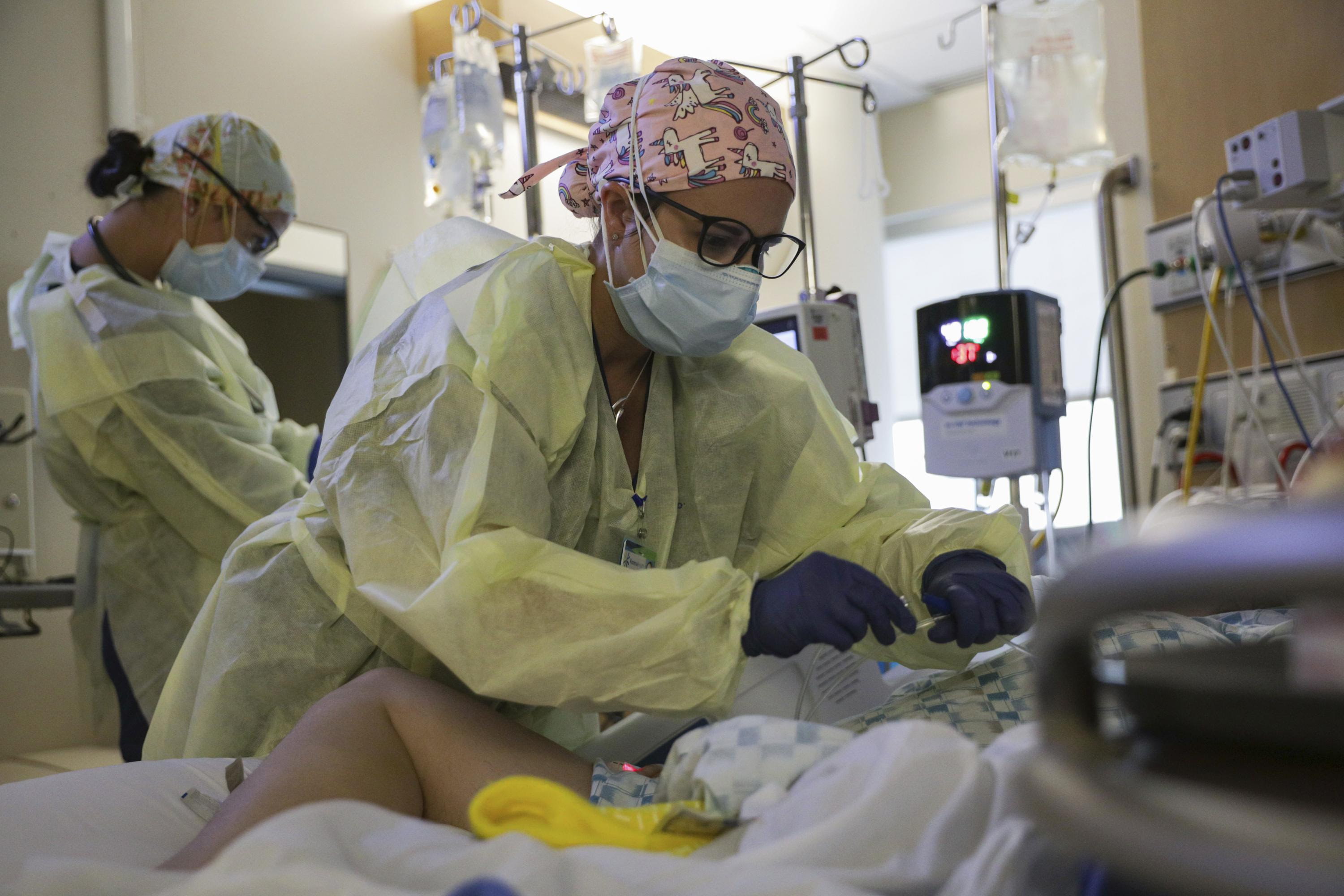
The government of the United States has donated eight brand-new ventilators to Trinidad and Tobago to help in the fight against COVID-19. The ventilators valued at over US $136,000 was presented to Health Minister Terrence Deyalsingh by U.S. Chargé d’Affaires Shante Moore at the office of the Ministry of Health this morning.

Deyalsingh thanked the United States Government for the donation saying “the pandemic deepened relations between the United States and Trinidad and Tobago.” The minister said two of the eight ventilators will be sent to Tobago. The following is a press release from the US Embassy:

The Government of the United States today donated eight brand-new ventilators to Trinidad and Tobago to support its fight against COVID-19. This donation is part of a broader effort by the U.S. Government to provide critical healthcare equipment and supplies to Trinidad and Tobago during the global pandemic. The value of the healthcare equipment donated today was more than USD $136,000.

The ventilators, produced in the United States, are highly specialized, state-of the art medical equipment that will help Trinidad and Tobago in treating those patients most seriously affected by advanced COVID-19 symptoms. U.S. Chargé d’Affaires Shante Moore presented the equipment this morning to Minister of Health Terrence Deyalsingh at the Ministry of Health, Park Street, Port of Spain.

“During the pandemic, the United States has donated over USD $2 million worth of facilities, equipment, and other resources to the Government of Trinidad and Tobago to help in the fight against this pandemic. This cooperation between our two countries exemplifies the bilateral strategic relationship the United States aspires to have with Trinidad and Tobago,” said Chargé d’Affaires Moore.

He added, “These eight ventilators will save lives. Trinidad and Tobago can continue to count on the United States to be a key partner in our joint efforts to protect the health and safety of our citizens, whether combatting the pandemic or working together in other areas of mutual interest.”

Minister Deyalsingh, in accepting the donation, thanked the United States Government, saying the pandemic deepened relations between the United States and Trinidad and Tobago. The minister said two of the eight ventilators will be sent to Tobago.

The post COVID-19: US Donates 8 Ventilators to Trinidad & Tobago appeared first on The St Kitts Nevis Observer.

Will Gitmo Be a Lasting Legacy of 9/11?

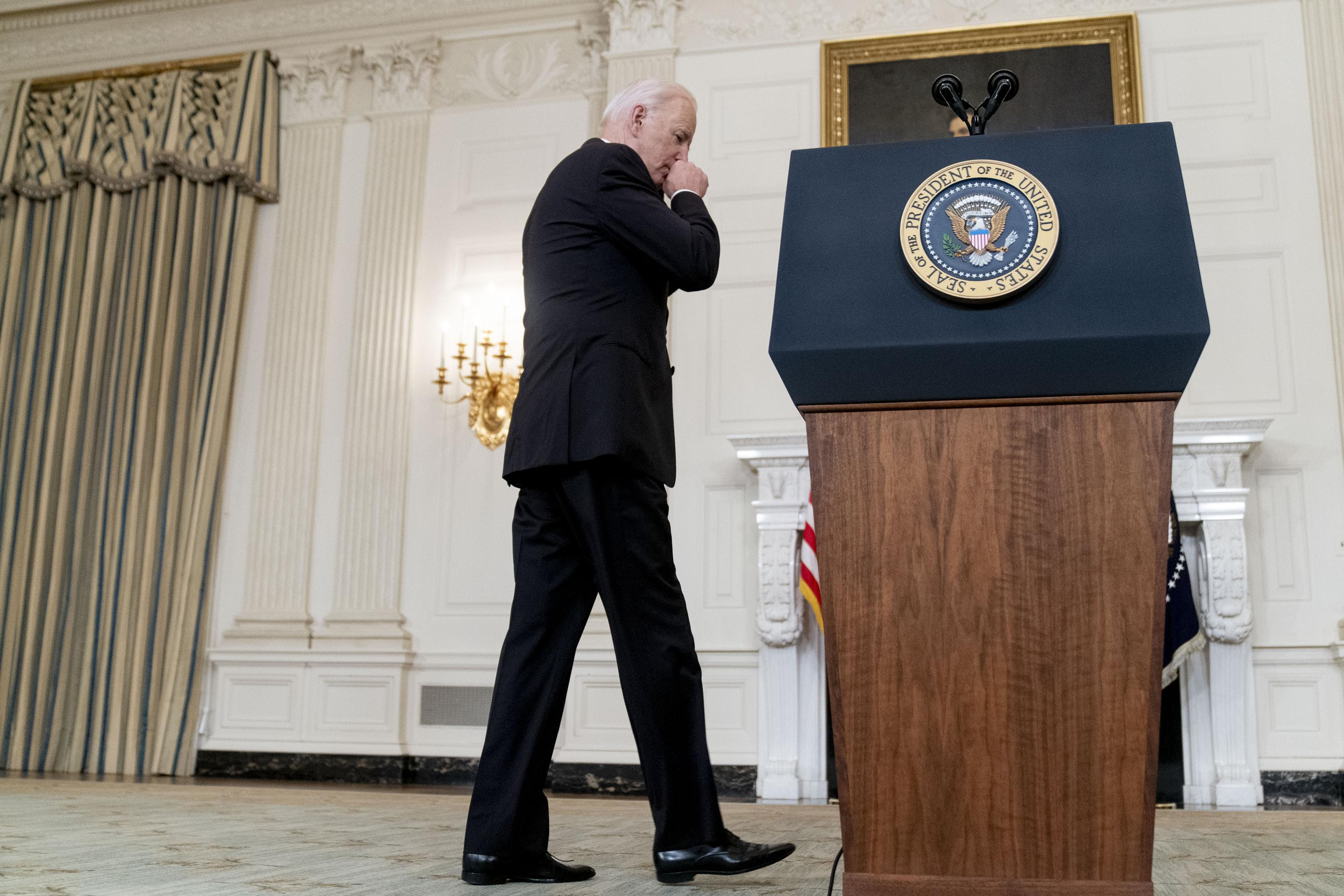
PBS- NAVAL STATION GUANTANAMO BAY, Cuba (AP) — President Joe Biden turned the page on one legacy of 9/11 by ending the war in Afghanistan. But he has yet to do much about another: the Guantanamo Bay detention center.

The White House says it intends to shutter the prison on the U.S. base in Cuba, which opened in January 2002 and where most of the 39 men still held have never been charged with a crime. How or when the administration will carry out that plan remains unclear, though early moves to free one prisoner and place five others on a list of those eligible for release have generated optimism among some eager to see it close, including prisoners.

“The fact that Biden, at least, is saying the right things has given people hope,” said Clive Stafford Smith, a lawyer who was recently making his 40th trip to Guantanamo Bay, seeing prisoners he hadn’t been able to visit since the start of the pandemic. “Hope is a dangerous thing because it’s easily crushed. But at the same time, at least, they have hope and that’s good.”

As he did with Afghanistan, Biden faces a complex task in closing Guantanamo. It was a pledge that President Barack Obama famously made, and then failed to carry out. Closure was abandoned as a goal altogether under President Donald Trump, who vowed once to “load it up with some bad dudes” but mostly just ignored the place.

CONTEXT: A Historical Timeline of Afghanistan

The challenge now, as then, remains: What should the U.S. government do with the some of the men at Guantanamo, including about two dozen it isn’t ready to release?

Among them are Khalid Shaikh Mohammad, a onetime senior al-Qaida figure considered the architect of the 9/11 attacks. He faces a trial by military commission with four co-defendants that — amid legal and logistical challenges, personnel issues and the pandemic — has bogged down in the pretrial stage at a specially built high-security courtroom for more than 9 years. There is no start in sight.

Mohammad and his co-defendants were in court this week for the first time since the start of the pandemic for a hearing on the qualifications of a new judge, Air Force Col. Matthew McCall, to preside over the sprawling death penalty case. It was the 42nd session of pretrial hearings since the arraignment in May 2012.

With the passage of time comes new problems. The oldest prisoner, a Pakistani cleared for release in May but who remains at Guantanamo, is 74 and has heart disease and other ailments. A number of other men have significant physical and mental health issues as well that will need to be addressed if “indefinite” detention goes on much longer. Since Guantanamo opened, nine prisoners have died — two from natural causes, and seven in apparent suicides.

“People are getting older, sicker, more and more desperate,” said Pardiss Kebriaei, an attorney with the Center for Constitutional Rights who represents a Yemeni prisoner who was recently cleared but remains held.

It’s not surprising, really, that no one made long-term plans for the detention center. It was a makeshift project from the start.

Following the invasion of Afghanistan, in reaction to the Sept. 11, 2001, attacks, the U.S. wanted a place to hold the hundreds of prisoners from dozens of countries swept up by American forces, many handed over, as it turned out later, in exchange for bounties regardless of whether they had a connection to al-Qaida or the Taliban.

The administration of then President George W. Bush declared they were the “worst of the worst,” and asserted it could hold the men overseas, without charge as unlawful enemy combatants, not entitled to the full protections of prisoners of war at the sleepy Navy outpost on the jagged southeastern coast of Cuba.

A photo released by the Pentagon showed the first detainees, clad in orange jumpsuits, and kneeling in outdoor cages under the tropical sun. It was intended to show a message that “we are doing what we need to do” in a defiant message to the world, said Karen Greenberg, director of the Center on National Security at Fordham Law.

“They regretted that decision very soon afterwards, within days if not weeks,” said Greenberg, author of “The Least Worst Place: Guantanamo’s First 100 Days.”

As reports emerged of brutal treatment, Guantanamo became a source of international outrage, undercutting the sympathy and support the U.S. drew after the 9/11 attacks.

The U.S. would end up holding 779 prisoners at Guantanamo and spend hundreds of millions constructing and operating what today looks more or less like a small state prison, surrounded by razor wire and guard posts at the edge of the shimmering Caribbean Sea.

Bush would ultimately let 532 prisoners out. Obama released 197. Trump released a single detainee, a Saudi who went back to his homeland after striking a plea deal in the problem-plagued military commissions.

Few of those held could be charged with a crime because no evidence was collected when they were captured, or there wasn’t any, or it was tainted beyond use when the detainees were subjected to what the CIA euphemistically called “enhanced interrogation.” Of those who remain, 10 are facing trial by military commission, with all still in the pretrial stage.

Over the years, the population has steadily shrunk as the U.S. decided some men no longer posed a threat and weren’t worth holding amid legal challenges. It has also at times been roiled by hunger strikes and rocked by clashes between prisoners and guards, sparked largely by frustration at being held indefinitely without charge under what the U.S. asserted was its right under the international laws of war.

WATCH: As Biden releases first Guantanamo detainee, could the camp’s closure be far behind?

Guantanamo is smaller and quieter now. But Stafford Smith, a founder of the human rights organization Reprieve, says it’s still oppressive. “It’s not so much the physical conditions, it’s the psychological conditions,” he said. “Being told that you’re in Hotel California and you can check out but you can never leave, that psychologically is immensely damaging to people.”

Obama, who issued an executive order shortly after taking office directing that Guantanamo be closed within a year, ran into political opposition when his administration announced it would move the military trials to federal courts. Congress eventually added language to the annual Pentagon authorization bill prohibiting the government from moving Guantanamo prisoners into the United States for any reason.

In a sign that the political winds might be shifting, Congress recently stripped the prohibition on transferring Guantanamo Bay prisoners from the Pentagon authorization and eliminated funding for the detention center from next year’s budget. It remains to be seen whether that will change, particularly after several former prisoners, released under both Bush and Obama, emerged as Taliban leaders in Afghanistan.

The Biden administration, which didn’t respond to requests for comment for this article, hasn’t said much about its plans.

“I don’t have a timeline for you,” press secretary Jen Psaki told reporters when asked in July about closing Guantanamo. “As you know, there’s a process. There are different layers of the process. But that remains our goal, and we are considering all available avenues to responsibly transfer detainees and, of course, close Guantanamo Bay.”

Those who support closure are encouraged by the fact that the new administration has revived a review board process and has cleared five for release (none were cleared under Trump). But they are concerned that Biden team has yet to name anyone at the State Department to lead an effort to secure agreements with other countries for the resettlement of prisoners, as was done under Obama.

Many argue that the simplest solution would be to move the cases of the 10 detainees facing trial by military commission to federal court in the U.S. and find a way to transfer or release the rest. Kebriaei, the attorney whose Yemeni client is awaiting release, said the administration just needs to focus on the issue.

“There’s a sense that it has to be done and very practically more of a possibility that it can be done,” she said.


The post Will Gitmo Be a Lasting Legacy of 9/11? appeared first on The St Kitts Nevis Observer.

Moderate 5.1 Earthquake Reported Near Guadeloupe

The German Research Centre for Geosciences (GFZ) reported a magnitude 5.1 quake in Guadeloupe near Abymes, Guadeloupe.

The earthquake hit in the evening on Thursday, September 9th, 2021, at 8:43 pm local time at a moderately shallow depth of 46 km.

The exact magnitude, epicenter, and depth of the quake might be revised within the next few hours or minutes as seismologists review data and refine their calculations, or as other agencies issue their report.

Our monitoring service identified a second report from France’s Réseau National de Surveillance Sismique (RéNaSS) which listed the quake at magnitude 4.9. A third agency, the European-Mediterranean Seismological Centre (EMSC), reported the same quake at magnitude 5.2.

Based on the preliminary seismic data, the quake should not have caused any significant damage, but was probably felt by many people as light vibration in the area of the epicenter.

Weak shaking might have been felt in Anse-Bertrand (pop. 5,100) located 65 km from the epicenter, Abymes (pop. 63,100) 81 km away, Baie-Mahault (pop. 30,600) 87 km away, Saint John (pop. 24,200) 89 km away, Codrington (pop. 1,300) 120 km away, and Basse-Terre (pop. 11,500) 120 km away.


The post Moderate 5.1 Earthquake Reported Near Guadeloupe appeared first on The St Kitts Nevis Observer.

World View: US Vaccine Mandate, China Tensions, Afghan Airlilft, More

Sep 10, 2021

Alternate text

The Associated Press


The Rundown

I'm an image

WASHINGTON (AP) — In his most forceful pandemic actions and words, President Joe Biden ordered sweeping new federal vaccine requirements for as many as 100 million Americans — private-sector employees as well as health care workers and federal…Read More

I'm an image

WASHINGTON (AP) — President Joe Biden spoke with China’s Xi Jinping on Thursday amid growing frustration on the American side that high-level engagement between the two leaders’ top advisers has been largely unfruitful in the early going of th…Read More

I'm an image

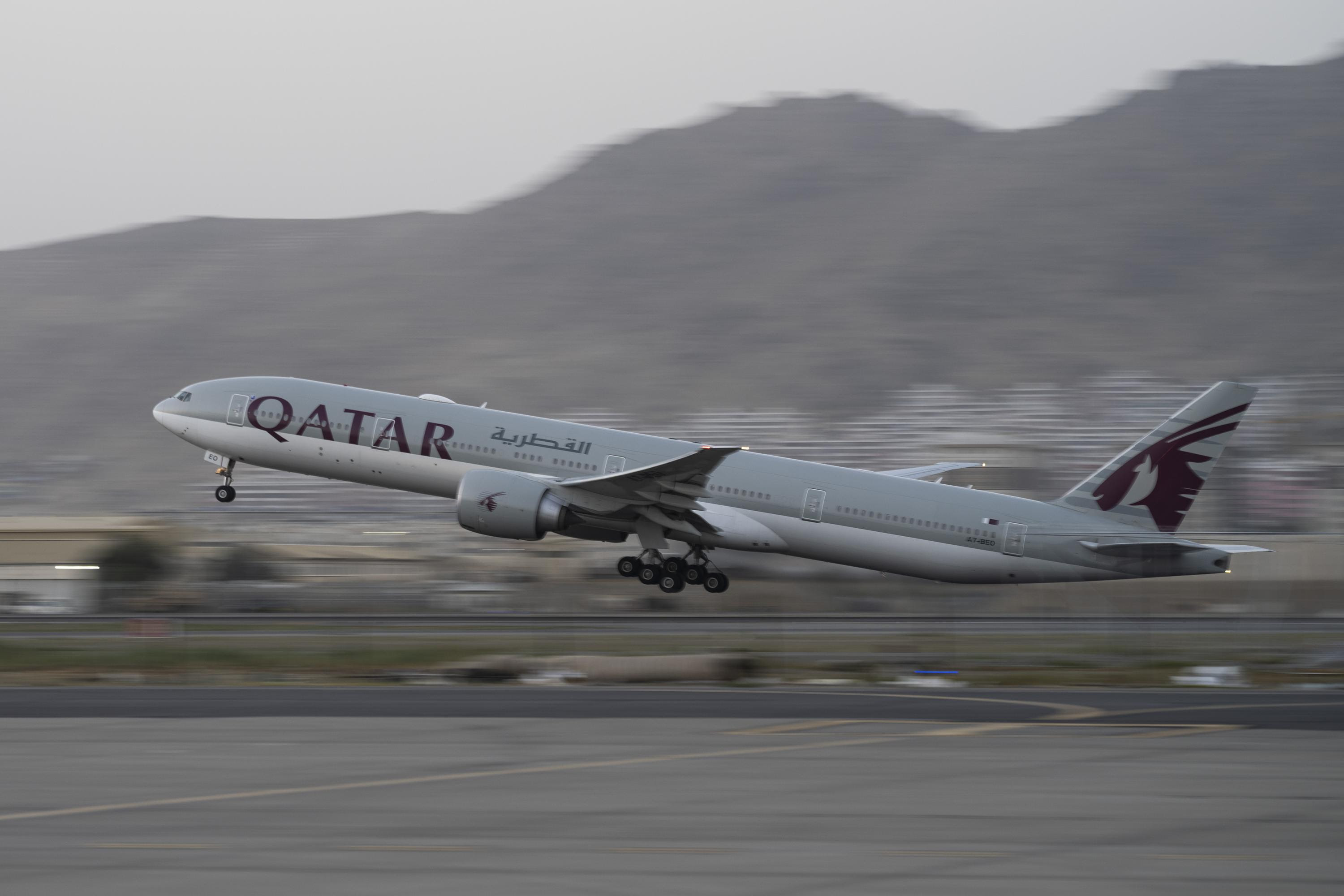
WASHINGTON (AP) — Evacuation flights have resumed for Westerners, but thousands of at-risk Afghans who had helped the United States are still stranded in their homeland with the U.S. Embassy shuttered, all American diplomats and troops gone an…Read More

I'm an image

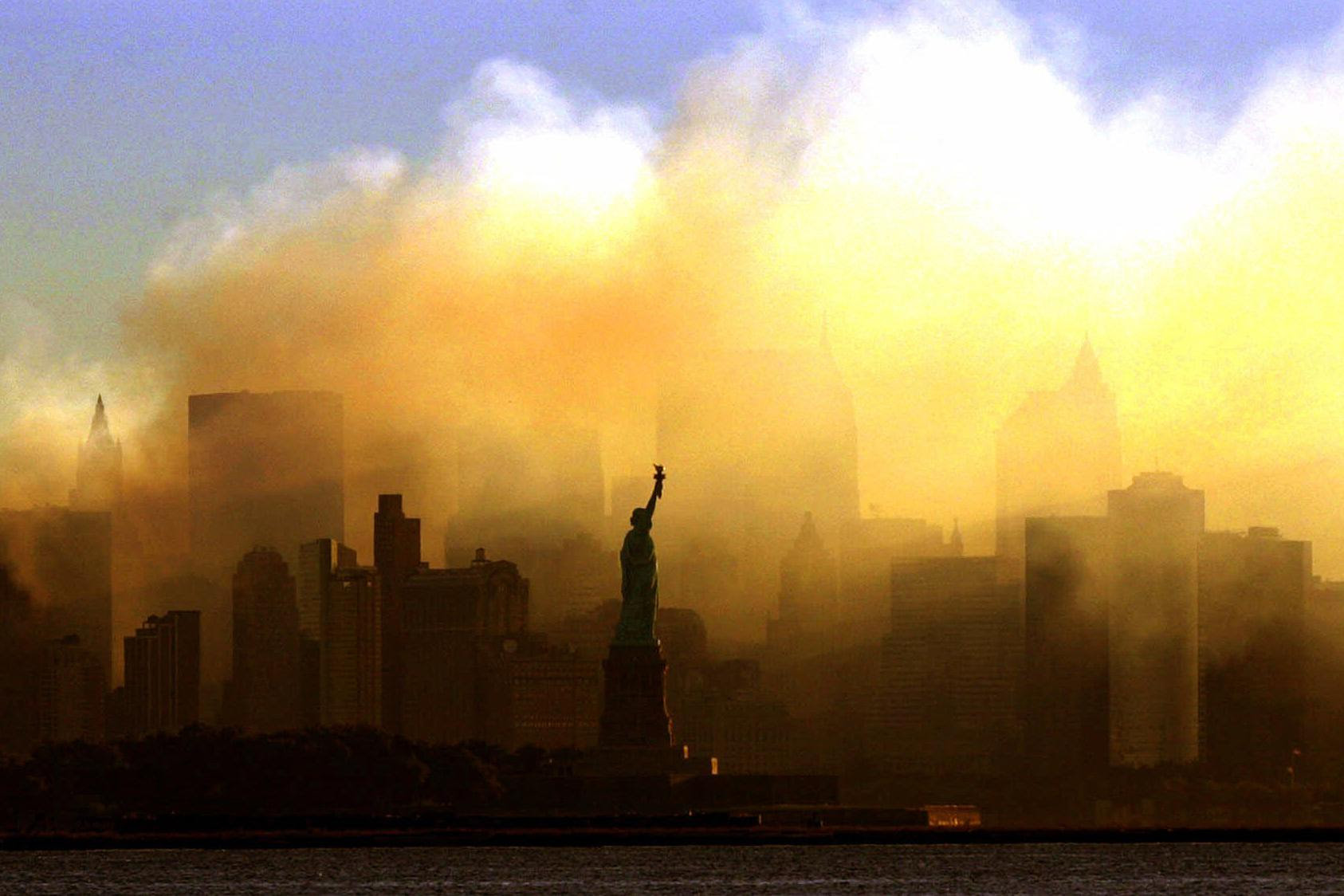
In the ghastly rubble of ground zero’s fallen towers 20 years ago, Hour Zero arrived, a chance to start anew. World affairs reordered abruptly on that morning of blue skies, black ash, fire and death. …Read More

I'm an image

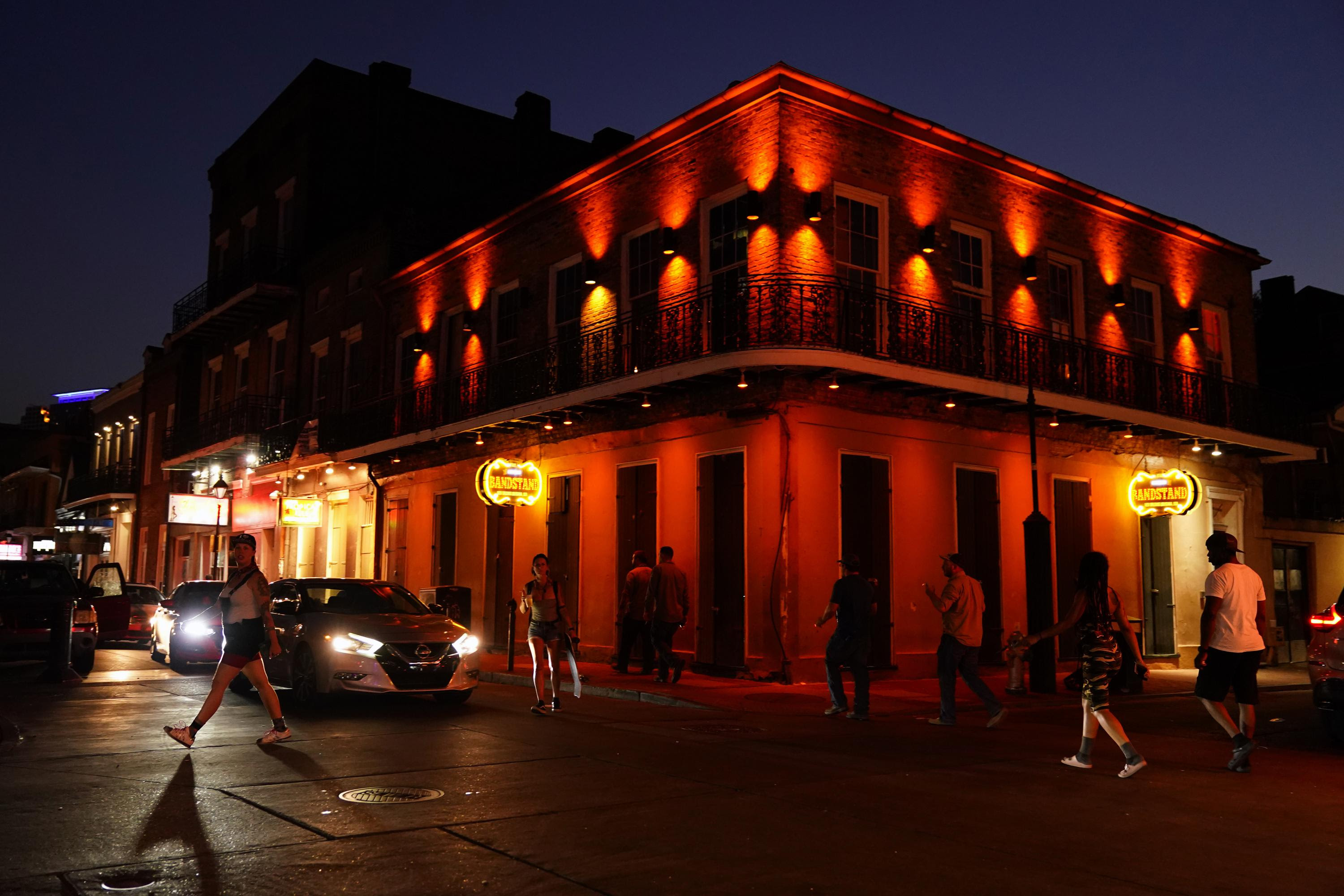
NEW ORLEANS (AP) — Supply trucks are once again delivering beer on Bourbon Street and the landmark Cafe Du Monde is serving beignets, fried pastries covered with white sugar, even though there aren’t many tourists or locals around to partake o…Read More

OTHER TOP STORIES

SILAT Al-DHAHR, West Bank (AP) — More than two weeks after the attack, Tareq Zubeidi still spends most of his time in bed, too scared to leave home even if the wounds on his f…Read More

TAMPA, Fla. (AP) — Tom Brady and the Tampa Bay Buccaneers didn’t flinch. Down one point with 1:24 to go in the kickoff to the NFL season, the defending Super Bowl champions we…Read More

The following account from Associated Press photographer Richard Drew is excerpted from the book “September 11: The 9/11 Story, Aftermath and Legacy,” an in-depth look at AP’…Read More

Beards aren’t just cool and trendy — they might also be an evolutionary development to help protect a man’s delicate facial bones from a punch to the face….Read More

The post World View: US Vaccine Mandate, China Tensions, Afghan Airlilft, More appeared first on The St Kitts Nevis Observer.

US Bound Migrants Claim Being Held Prisoners in Mexico

TAPACHULA, Mexico, Sept 9 (Reuters) – U.S.-bound migrants, mostly from Central America and the Caribbean, said on Thursday that a Mexican government crackdown was keeping them “prisoner” in the south of the country.

The migrant comments contrasted with Mexican President Andres Manuel Lopez Obrador’s promises of humane treatment ahead of Thursday’s high-level meeting between Mexican and U.S. officials in Washington, where the two countries agreed that development of poor regions was a long-term solution to slow migration north.

“Mexican authorities are mistreating us migrants,” said Guillermo Rivas, 25, from El Salvador, who said he was beaten by agents while in a detention center in the southern city of Tapachula.

Mexico’s immigration agency, which runs the detention center, did not immediately respond to a request for comment.

Rivas said he has been waiting in the city for nearly five months for asylum paperwork that would allow him to move freely in Mexico.

“Tapachula is like a prison,” he told Reuters by telephone on Thursday. “We’re asking that Mexico open its doors to allow migrants to cross the country without danger, abuse, or mistreatment.”

Migration was one of the top issues in the high-level talks in Washington, where officials agreed to pursue development programs in southern Mexico and Central America aimed at tackling the economic causes that drive immigration to the United States.

Ahead of the talks, Lopez Obrador said Mexican officials and security forces have “complete and absolute respect for human rights” of migrants and heralded the Washington discussions as the beginning of a “new stage” in migration politics.

“Today’s meeting is very important,” he said, “because there has been no attention to the population that sees it as necessary to migrate. There’s been nothing for years; everything is to contain, everything is coercive, and that’s not how to resolve social problems.”

But in the lead-up to the bilateral discussions, Mexico faced mounting pressure from Washington to take immediate steps to curtail U.S.-bound immigration, even as frustration among migrants in Tapachula boiled over and hundreds of people departed the city in a series of caravans.

In response, Mexico deployed security forces, including the heavily militarized National Guard, to block, sometimes violently, the groups, which included many families and young children.

“I had to risk my life to avoid getting arrested,” said Max, a Haitian caravan member who declined to give his last name, as he trudged along a highway in the southeastern state of Veracruz on Wednesday.

Describing how he threw himself under a bridge in order to avoid being captured, he denounced the treatment he and other migrants have received from Mexican security forces in recent days.

“The migration process shouldn’t be like this,” he said.

The National Guard referred Reuters to Mexico’s immigration agency, which said in statements that it has suspended two agents and that the agency “condemns any aggression against migrants.”

Reporting by Jose Torres in Tapachula, additional reporting by Tamara Corro in Veracruz and Laura Gottesdiener in Monterrey; writing by Laura Gottesdiener; Editing by Rosalba O’Brien

The post US Bound Migrants Claim Being Held Prisoners in Mexico appeared first on The St Kitts Nevis Observer.

Holland Addressing Role in Slave Trade

Descendants of African slaves have told the BBC they will change their surnames, after a Dutch city decided to make the procedure free of charge.

Utrecht council has decided to remove the €835 (£715) cost and bureaucracy to help people shake off their “slave names” and have the option to adopt one that recognises their African ancestry.

Under existing Dutch rules, if you have a surname considered ridiculous such as Anus, Garlic or Naked-born, there is no requirement to prove it is undesirable. However, if your name has its origins in the Dutch colonial legacy, an expensive psychological examination is often required on top of the fee.

“It’s not right to then ask for money to turn back the procedure,” says Linda Nooitmeer, chair of the national institute for Dutch slavery history.

Her own name translates as Never Again. Even though she’s relatively happy as it was chosen by her ancestors, she is thinking of changing it. She sees Utrecht’s move as “part of the healing process, to give people the freedom and identity back”.

Three centuries of slavery

Between 1596 and 1829 the Dutch shipped more than half a million Africans across the Atlantic Ocean to work on plantations.

They were treated as objects and possessions and their names were erased, part of what Linda Nooitmeer describes as the “dehumanising” process.

Guno Mac Intosch
Guno Mac Intosch welcomes the chance to change his name officially to Yaw
1px transparent line

“Everything is stripped. You were part of the cargo, like cattle. It’s not only the name, but rituals, language, your identity, all evidence that you were African was taken away.”

The Netherlands was one of the last countries to abolish slavery in 1863, 30 years after British abolition. Even then slaves in Suriname, on the north-east coast of South America, had to wait 10 years to be fully free. Slaves were also shipped to Brazil, as well as Haiti, Curaçao and elsewhere in the Caribbean.

Anyone enslaved in Suriname had to be on a slave register, so it is known that some 80,000 people lived in slavery there in the 30 years before abolition.

Stigma for descendants

Freed slaves were given artificial names, often tied to the slave owner, the plantation or random amalgamations of Dutch cities or Dutch-sounding words, although regular Dutch surnames were banned.

A painting shows the arrival of a Dutch slave ship with a group of African slaves for sale in Jamestown, Virginia, 1619
Dutch ships transported slaves across the Atlantic for more than 200 years

Berghout and Seedorf were used as was Madretsma (Amsterdam spelt backwards) and Eendragt, a plantation name that means harmony. Other names translate as Obedient, Cheap, Tame and Submission.

Linda Nooitmeer believes these names serve as a reminder they were once subordinate, and that the chain was never fully relinquished.

Hundreds express interest

With that link to their ancestral home long destroyed, many have gone in search of their African roots to find a name that better represents who they are.

Among them was Yaw, who went to Ghana. And now Utrecht is removing the cost, he plans to make Yaw official, replacing his existing name Guno Mac Intosch.

“As soon as that door opens,” he gestures to the city hall, “I’ll be at the front of the queue.”

Last year almost 3,000 people opted to switch their surnames, but only one mentioned colonial connotations. Utrecht’s promise to cancel the fee and paperwork has already resulted in hundreds of expressions of interest.

“Maybe it’s not the exact same name our ancestors had,” Ms Nooitmeer explains, “But it was given within the spirit from Africa. And that’s really powerful to give your children and descendants.” Their names are an integral part of their identity, she says.

From the 600,000 enslaved who came from Africa and went to Curaçao, Suriname, and all the other islands, after slavery, there were 60,000 left.
1px transparent line

After emancipation, some created collectives and bought the cotton fields.

For them, adopting a new name was an act of empowerment, as the owned became the owners. Ms Nooitmeer believes they would have understood why their descendants were trying to rediscover what she calls their African energy.

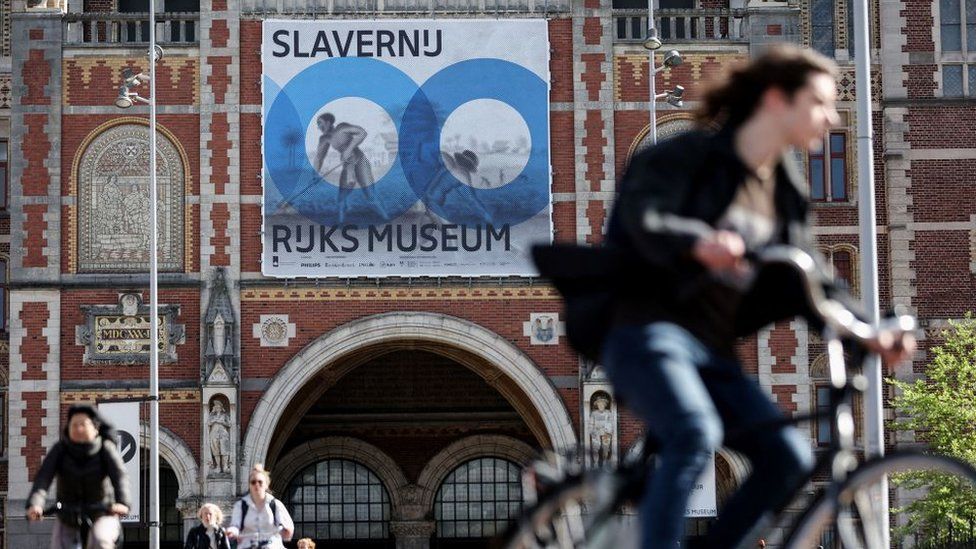
A slavery exhibition was recently held at the Rijksmuseum in Amsterdam, curated by its head of history, Valika Smuelders.

People ride bicycles on May 12, 2021 in Amsterdam near the Rijksmuseum displaying a poster of the exhibition "Slavery". -
The Rijksmuseum recently hosted an exhibition entitled “Slavery”

We meet in The Hague’s historic centre, in Lange Voorhout, which she explains was built on wealth generated by the slave trade.

Ms Smuelders is mixed-race and descended from the enslaved, enslavers and contractors. Her name incorporates Dutch, Scottish, and Portuguese and she considers it “very much colonial history”. For her, changing a surname is a complex, personal choice and unlikely to create an immediate rush among as many as one million people in the Netherlands.

“People react very differently to circumstances. So for some, [their name] might be something that they want to embrace,” she explains.

Valika Smuelders
This is part of who I am, and I don’t let my circumstances dictate who I am. For other people, it could be so painful that they want to get rid of it and start afresh. – Valika Smuelders
1px transparent line

Many people who have a Dutch name plan to keep it, because numerous studies have shown a foreign-sounding name in the Netherlands can expose you to discrimination in education, housing or employment.

Yaw’s son pointed out that the Scottish name Mac In Tosch probably opened doors in his corporate life.

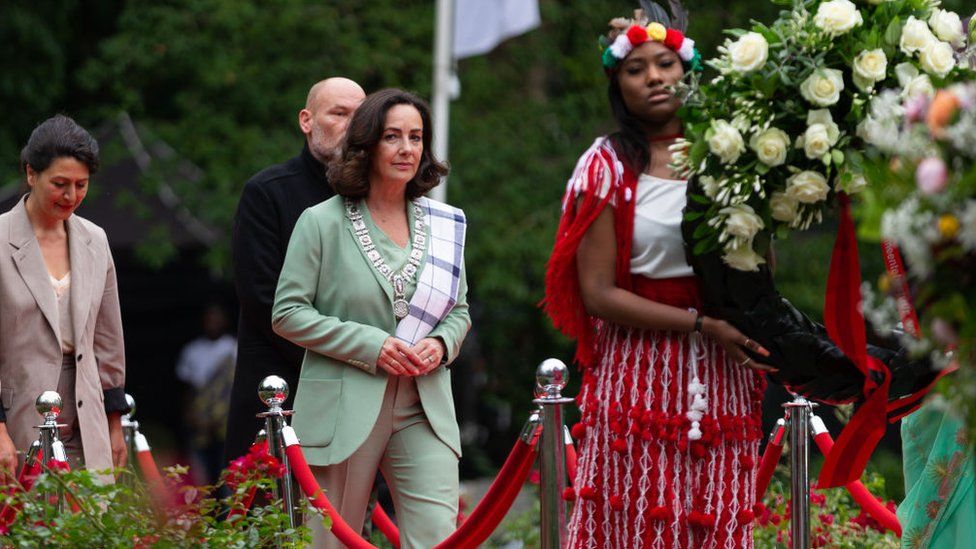
Sitting in the shadow of the slave memorial in Amsterdam’s bustling Oosterpark, Linda Nooitmeer remembers the moment Mayor Femke Halsema apologised for the council’s role in the slave trade.

“It really did something to me. I would never have imagined that even four years ago, never. So we’re making steps.”

As I speak to Yaw outside Utrecht city hall a man comes over shouting racial abuse: “You’re not African, just because you’re black. If you think you are African, go back! Coming here for our benefits.”

People glance up until another white man intervenes.

It is a shocking moment but Yaw takes it in his stride. For him the Netherlands is still on a journey and the recognition of people’s desire to drop their slave names represents a small but significant step.

Mayor of Amsterdam Femke Halsema attends Keti Koti, the annual commemoration of the abolition of slavery on 1 July 2021
Earlier this year Amsterdam Mayor Femke Halsema formally apologised for the city’s role in slavery

“Dutch people claim that they are really liberated and the country is liberated, then you see these things, this behaviour,” he says.

The world-wide Black Lives Matter movement has made a difference, he believes, and the name-changing move is part of a process that shows greater awareness.

“We are here, we built this country, and we don’t let people chase us away because they say that we do not belong here.”

The post Holland Addressing Role in Slave Trade appeared first on The St Kitts Nevis Observer.

Mining donga to mansion: Man's life turned upside with prize home win

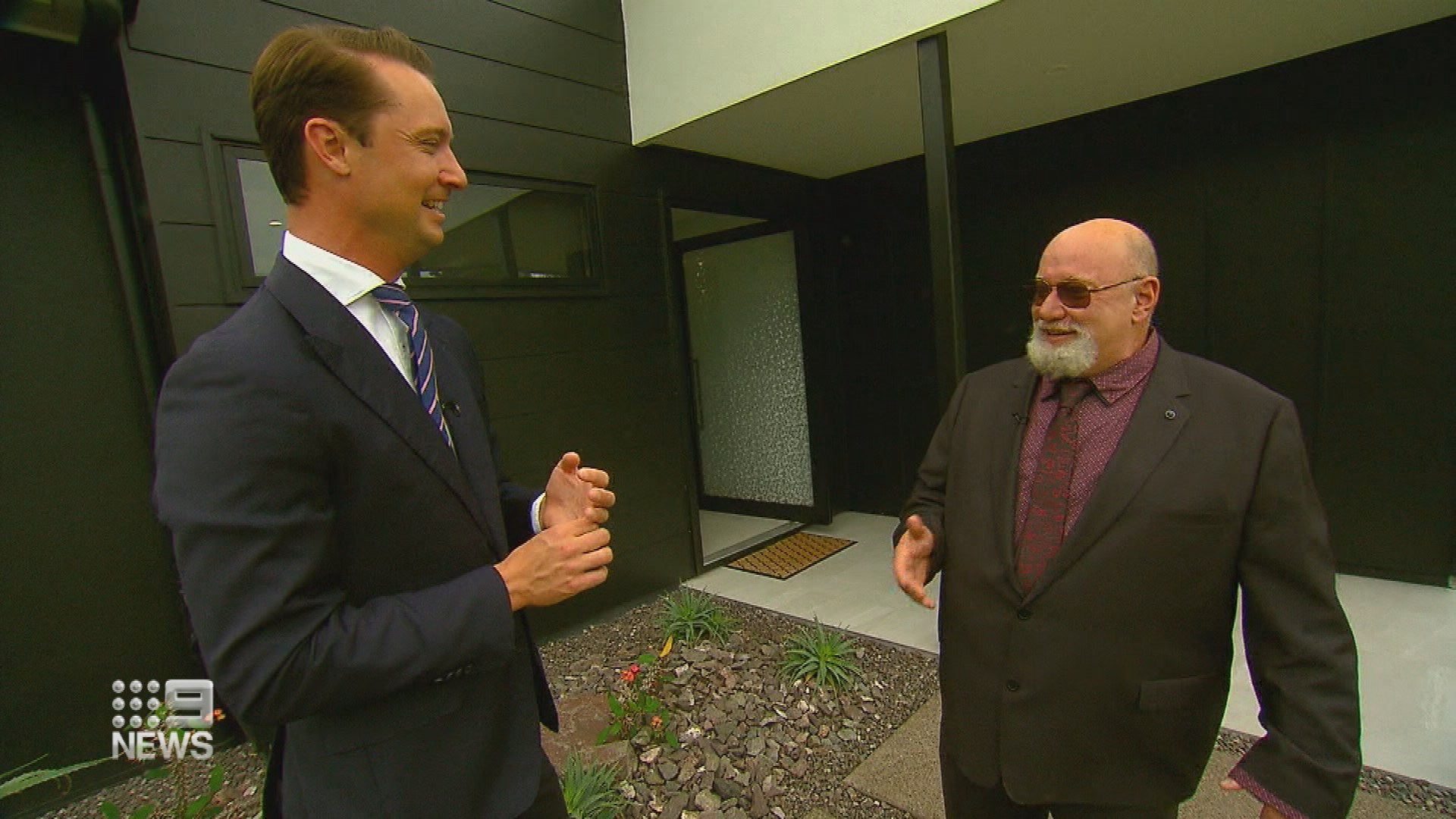
A Queensland man's life has been turned upside with a $15 raffle ticket and a bit of luck.

Tony Baldry, a fitter and turner working at the Hail Creek open cut mine outside Mackay, has won a multi-million dollar home on the Sunshine Coast and $100,000 in gold bullion in a YourTown Prize Home competition.

He told 9News when he received the life-changing phone call, he didn't believe it.

READ MORE: Everything you need to know about the Queensland-NSW border bubble

Tony Baldry, a fitter and turner working at the Hail Creek open cut mine outside Mackay, has won a multi-million dollar home on the Sunshine Coast and $100,000 in gold bullion in a YourTown Prize Home competition.

"My boss Dan showed up. 'What are you doing, sitting in the car doing nothing?' I said 'bugger off I'm a millionaire," Mr Baldry said.

Not long afterwards he told his boss he'd be quitting and moving to Cooroibah on the Sunshine Coast.

He says he now plans to deck the house out before his work mates come for a visit.

Watch the full story in the video above

Nevis: Dr. Albert Liburd Sr. Medal of Honour Recipient for Medical Career


Nevisian doctor honoured for outstanding contribution to National Service in medical field

NIA CHARLESTOWN NEVIS (September 09, 2021) — Dr. Albert Linton Liburd Sr. was presented with the 2020 Medal of Honour for his outstanding contribution to National Service in the field of Medicine. Her Honour Mrs. Hyleeta Liburd, Deputy Governor General on Nevis, made the presentation at an Investiture Ceremony at Government House in Bath Plain on September 09, 2021.

He is one of the three Nevisians awarded with the medal for 2020 by Sir Tapley Seaton, Governor General of St. Kitts and Nevis at an Investiture Ceremony at Government House in St. Kitts on August 17, 2021, however, Dr. Liburd was unable to attend

According to his profile, Dr. Liburd who was born in Brown Pasture in 1940,  developed a burning desire at a tender age to become a surgeon, following an accident in which he almost lost one of his toes.

His academic prowess began at the St. John’s Infant School, the Gingerland Boy School, and later at the Charlestown Secondary School (CSS) where he graduated with best results in the Cambridge, General Certificate Examinations (GCE). He then attended the Sixth Form at the St. Kitts Nevis Anguilla Grammar School where he obtained the second-best results in the Cambridge Advances Level examination and was awarded a scholarship

The Nevisian doctor began his tertiary education at the University of the West Indies (UWI) Open Campus in 1960. In 1963 he graduated with a Bachelor of Arts in History, Latin and Economics. In 1966 he enrolled in medical school at the UWI Mona Campus in Jamaica, and in 1972 graduated with a Bachelor of Medicine and a Bachelor of Science

Dr. Liburd became a resident surgeon at the UWI, the Long Island Jewish/ Hillside Medical Centre and at the Queen’s General Hospital in New York.

One memorable event which he says he continues to be proud of, as part of his tenure in Jamaica in 1976, was being a part of a team of doctors who performed vascular surgery on members of Bob Marley’s band who had suffered serious gunshot wounds

He subsequently pursued additional studies in Surgery, at the Royal College of Surgeons in Edinburgh, Scotland, and in 1978 earned a Fellowship of the Royal College of Surgeons (FRCS) which earned him the title Mr. A. Linton Liburd

Dr. Liburd pursued his medical profession in Jamaica and Trinidad and Tobago as Registrar in Neurosurgery, Paediatric and General Surgery

The accomplished Nevisian doctor was among the first team of doctors to perform open heart surgery at the UWI Hospital in Jamaica. He served as Medical Superintendent at the Alexandra Hospital in Nevis, and also as surgeon for a short time at the Joseph N. France General Hospital in St. Kitts before his resignation from that health facility and subsequently leaving the Federation

In 1984 with the acute shortage of medical practitioners on Nevis, Dr. Liburd realized that the vast knowledge, experience and skills he had acquired over the years were sorely needed. Despite the numerous job offers he had received overseas, his decision to return home was easy.

On his return to Nevis, he “established the Liburd Medical Centre at the Liburd Foundation House, and was the first surgeon to introduce office surgery in Nevis. He was appointed Medical Advisor to the Executive committee of the St. George’s and St. John’s Senior Citizens Home when it was established in 1993, and served the facility with distinction for many years.

“He is extremely passionate about his profession and always aims to deliver the ultimate in medical service to which many patients can attest…Dr. Liburd experiences a sense of pride and gratitude in helping humankind in whatever way he could. However, due to failing health, he retired from his medical practice in 2017 but continues to give advice to his successor, Dr A. Linton Liburd Jr.,” his profile said.

Dr. Liburd expressed gratitude to God Almighty, his parents and siblings, his wife and children, his extended family and many friends and colleagues who have assisted and supported him in this legacy of medicine.

Meantime Hon. Mark Brantley Premier of Nevis and Minister of Health, lauded Dr. Liburd for his accomplishments and his contribution to the development of Nevis in the field of Medicine

“I’m happy despite the difficulties in terms of health that you are able to be here sitting next to your lovely wife Carla Blackett now Carla Liburd, your son who is here, your family members and well-wishers who are here, and in the presence of Your Honour our Deputy Governor General and all who are gathered in this very historic place, Government House

“I believe it’s a fitting place to recognize someone who has made us all proud, and so Dr. Liburd with those few words I want to congratulate you, and to say how proud we are that Nevis has produced sons such as you.,” he said

Also present at the ceremony was Hon. Hazel Brandy-Williams, Junior Minister of Health in the Nevis Island Administration.

The post Nevis: Dr. Albert Liburd Sr. Medal of Honour Recipient for Medical Career appeared first on The St Kitts Nevis Observer.

Sergio Ramírez: Nicaragua Orders Arrest of Award-Winning Author

 BBC- State prosecutors in Nicaragua have ordered the arrest of award-winning novelist Sergio Ramírez.

Mr Ramírez, who won Spain’s Cervantes Prize for literature in 2017, is one of Nicaragua’s foremost writers.

He has been accused of inciting hatred and conspiring to destabilise Nicaragua.

Dozens of influential Nicaraguans have already been detained on similar charges as part of a crackdown on critics of President Daniel Ortega.

Among those detained are several presidential hopefuls, union leaders and newspaper editors.

The 78-year-old novelist, who left Nicaragua in June, responded defiantly to the arrest order issued against him.

Writing on social media, he said words were his only weapons and that he would continue to use them to support freedom and democracy against dictatorship.

Mr Ramírez was once a close ally of President Ortega and served as his vice-president during Mr Ortega’s first presidency from 1985 to 1990.

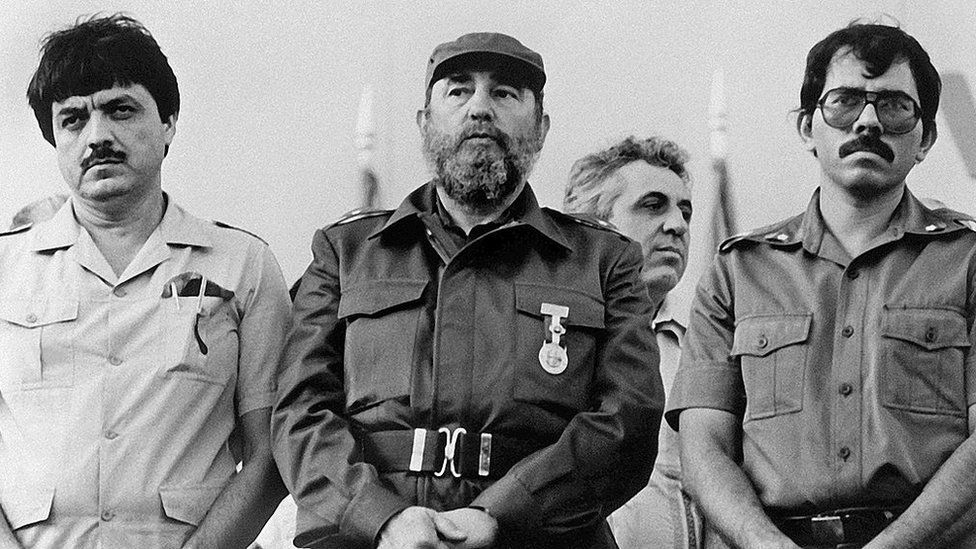
Cuban President Fidel Castro (C) poses with Nicaraguan President Daniel Ortega (R) and Nicaraguan vice-president Sergio Ramirez, on January 11, 1985, during the inauguration of the "Victoria de Julio" sugar mill in Managua.
In 1985 Sergio Ramírez (l) stood shoulder to shoulder with Fidel Castro (c) and Daniel Ortega (r)

But he broke away from the Ortega-led Sandinista Party in 1995 in protest at what he said were Mr Ortega’s “autocratic tendencies”.

Has been has been an outspoken critic of Mr Ortega ever since. In an interview with Chilean daily La Tercera in July, he accused President Ortega of “not having limits”.

“His strategy is to remain in power at whatever cost,” he said of Mr Ortega, who is expected to run for a fifth term in office in elections in November.

The wave of arrests began in June when presidential hopeful Cristiana Chamorro was placed under house arrest and banned from running for office.

Unlike most of the other opposition figures, who have been charged with treason or inciting hatred, Ms Chamorro was accused of using a foundation she ran – the Violeta Barrios Chamorro Foundation – to launder money.

Prosecutors say Mr Ramírez received money from the Violeta Barrios Chamorro Foundation as well as another cultural organisation, which is also accused of “destabilising” Nicaragua.

Critics of the government say the arrests are a deliberate strategy to thin out the field of presidential candidates ahead of November’s election but the government says it is taking decisive action against “the enemies of Nicaragua” who, they say, are in the pay of the US.

Among those who have been detained or put under house since June are:

  • Berenice Quezada, candidate for vice-president and former beauty queen
  • Dora María Tellez, former comrade-in-arms of President Ortega turned critic
  • María Fernanda Flores Lanzas, former first lady and ex-Congresswoman
  • Ana Margarita Vijil, lawyer and opposition activist
  • Juan Sebastián Chamorro, presidential hopeful
  • Félix Maradiaga, presidential hopeful
line

The post Sergio Ramírez: Nicaragua Orders Arrest of Award-Winning Author appeared first on The St Kitts Nevis Observer.