Top microbiologist Dr Siouxsie Wiles has called stories written about her on right-wing blogs accusing her of breaking level 4 rules “misinformation”.Meanwhile National Party leader Judith Collins has come under fire for calling…
Category Archives: headline
Herald Afternoon quiz: September 10
Test your brains with the Herald’s afternoon quiz. Be sure to check back on nzherald.co.nz for the morning quiz tomorrow. To challenge yourself with more quizzes, CLICK HERE.
Kāpiti bach named one of the top 10 holiday homes in country
A beach getaway in Raumati South has been named one of the top 10 holiday homes in the country by New Zealand’s original holiday home website, Bookabach.Bookabach released its annual list of New Zealand’s top 10 holiday homes with…
Morning walk to unfolding terror: On the ground with John Howard on 9/11
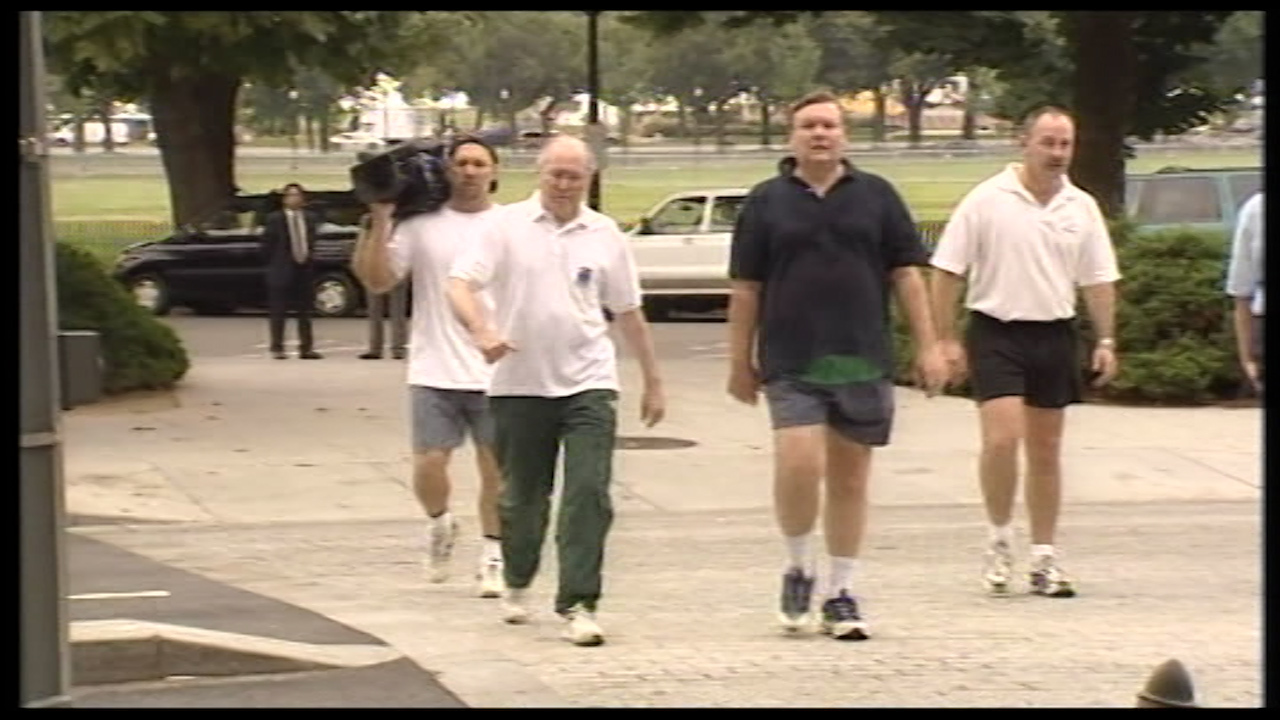
September 11, 2001 in Washington: The day started off like any other on an overseas trip with the Prime Minister of Australia John Howard – with a morning walk.
No matter where Mr Howard was in the world and how many events were scheduled, his morning walk was set in stone.
And, if the PM walks, so does a cameraman or two to capture the event.
FULL COVERAGE: The 20th anniversary of September 11 attacks
I was on the walk that day – as I had been on many occasions with John Howard – as chief cameraman for Channel 9 at Parliament House in Canberra.
From Wagga to Washington and hundreds of other places around the world that I have been blessed to travel to, I've walked them all.
And John Howard just doesn't just walk, he powerwalks – so a good pair of runners was one of the first things I packed when travelling.
The camera kit came second.
You had to film every step the PM took just in case of a stumble, an incident or a chance meeting with a Washington VIP.
The PM's walks could be anything up to an hour, depending on the location and how many radio interviews he was committed to.
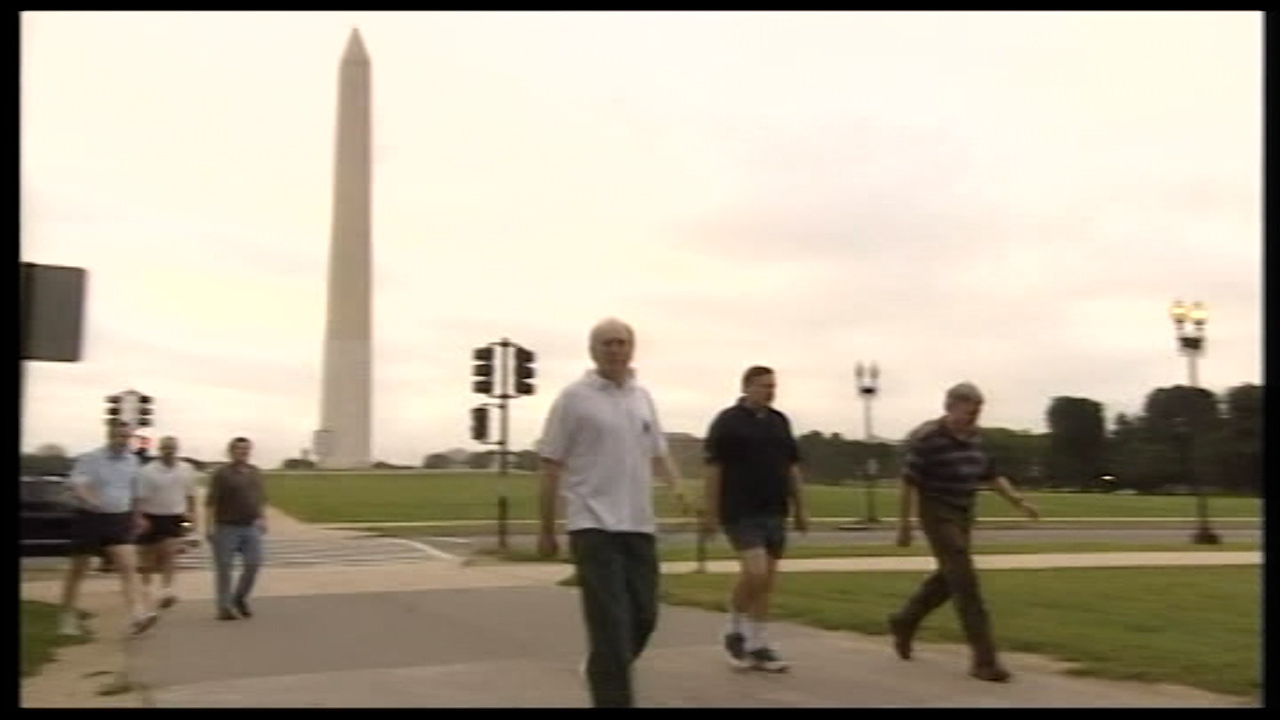
On September 11, he walked past the Washington Monument, the Lincoln, Vietnam veterans and World War II memorials.
He passed both sides of the Lincoln Memorial Reflecting Pool and of course, the White House.
'BLOODCURDLING SCREAMS': Survivor's harrowing escape on 9/11
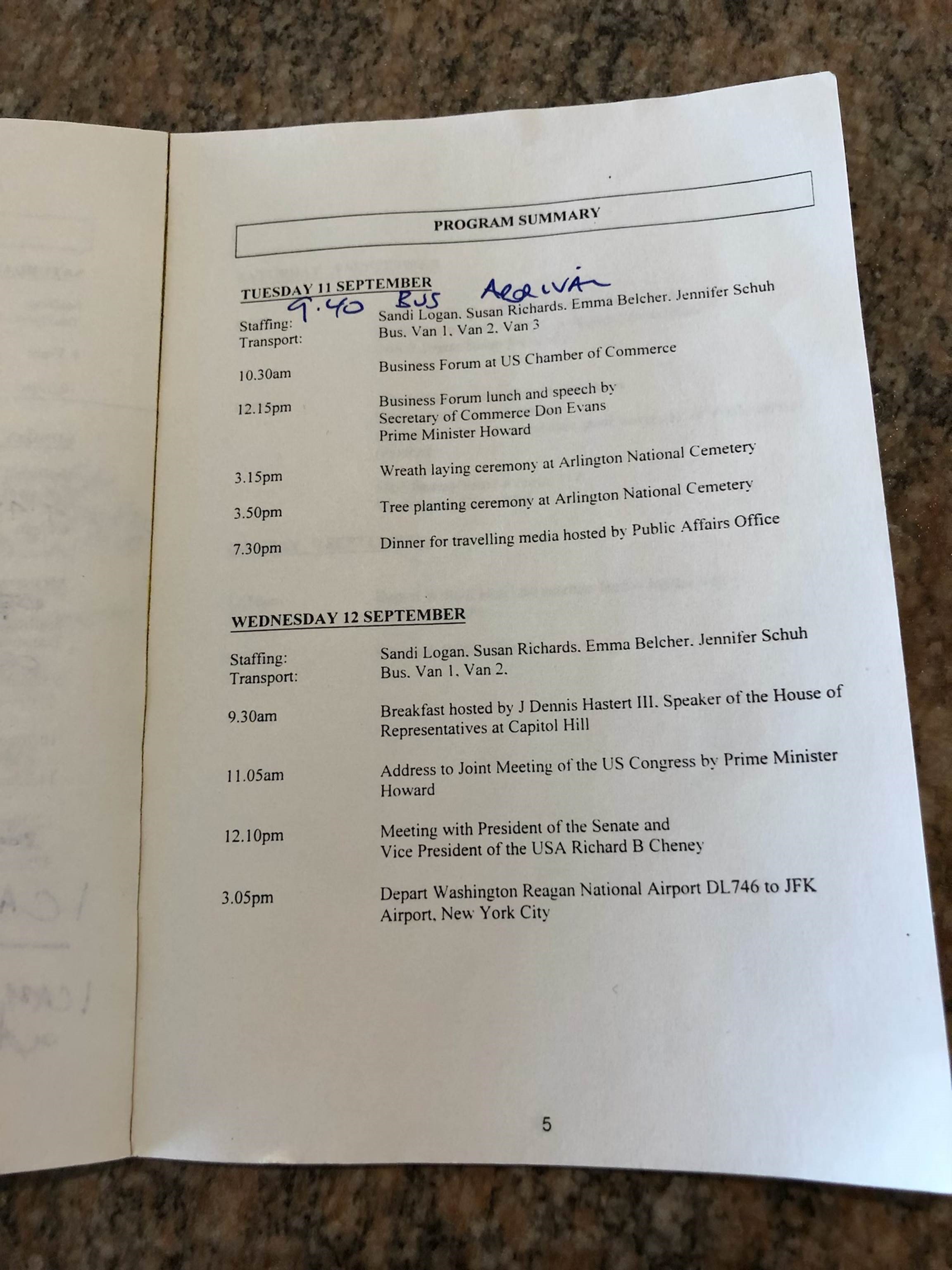
Tuesday the 11th, in the media guide, was a day of meetings and events.
A business forum and lunch, wreath-laying and tree planting at Arlington Cemetery.
The first job was at 10.30am, so plenty of time to shower and sort gear needed for the day.
It was 8.46am, about 30 minutes after returning from the walk, that everything changed.
I was in my room at the Willard Hotel, which is a block from the White House.
All the travelling media were staying there, along with the Prime Minister and his delegation.
I was sorting gear for the day and happened to look up at the TV.
There was a shot of a building on fire.
I thought it was a movie and honestly did not give it a second look.
A few minutes later my room phone rang. The PM would be holding a press conference ASAP.
I looked back at the TV.
The PM walked into the press conference, stony-faced.
One of the other cameramen on the trip was videoing the PM as he spoke, and I was shooting cutaways, the shots needed by editors to fill out the TV story – wide shots of the presser, shots of journos.
READ MORE: Where people died in the Twin Towers attacks
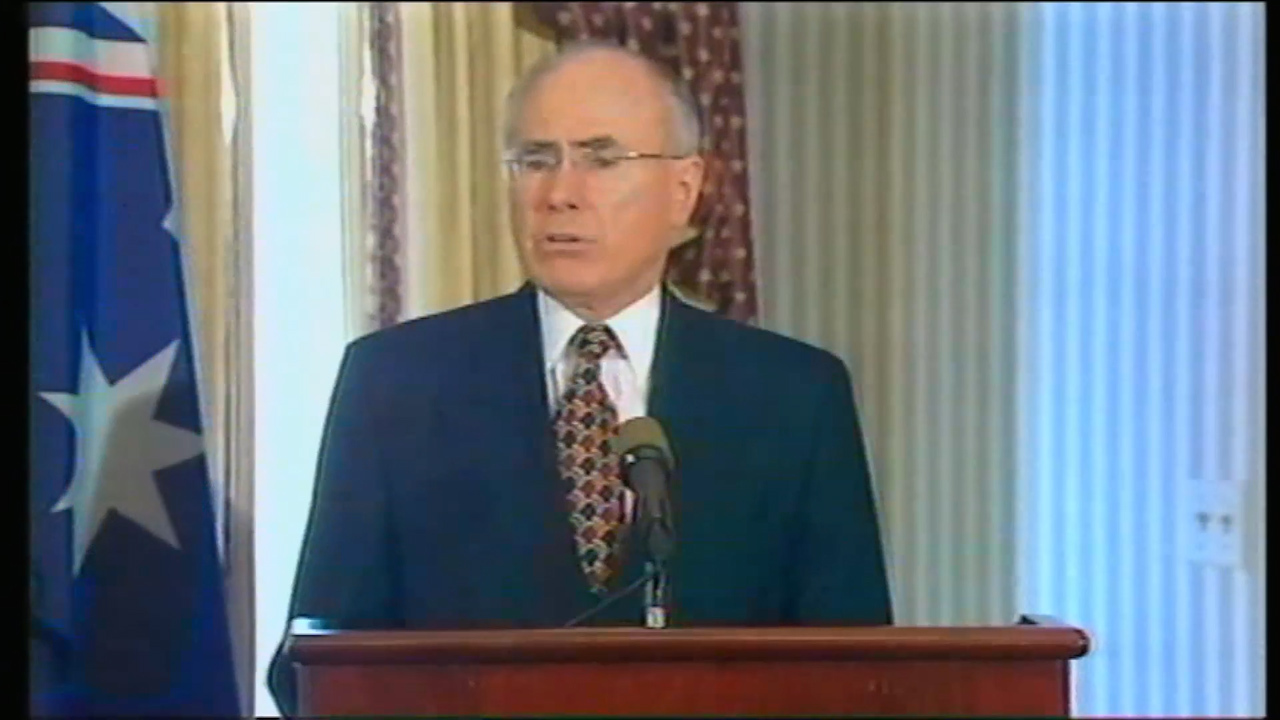
After about 30 minutes, I knew the press conference would be ending soon.
So, I left to get a shot of the PM leaving the Willard Hotel.
As I walked down the corridor to the lift, a Secret Service agent ran past me and into our media room.
I followed him.
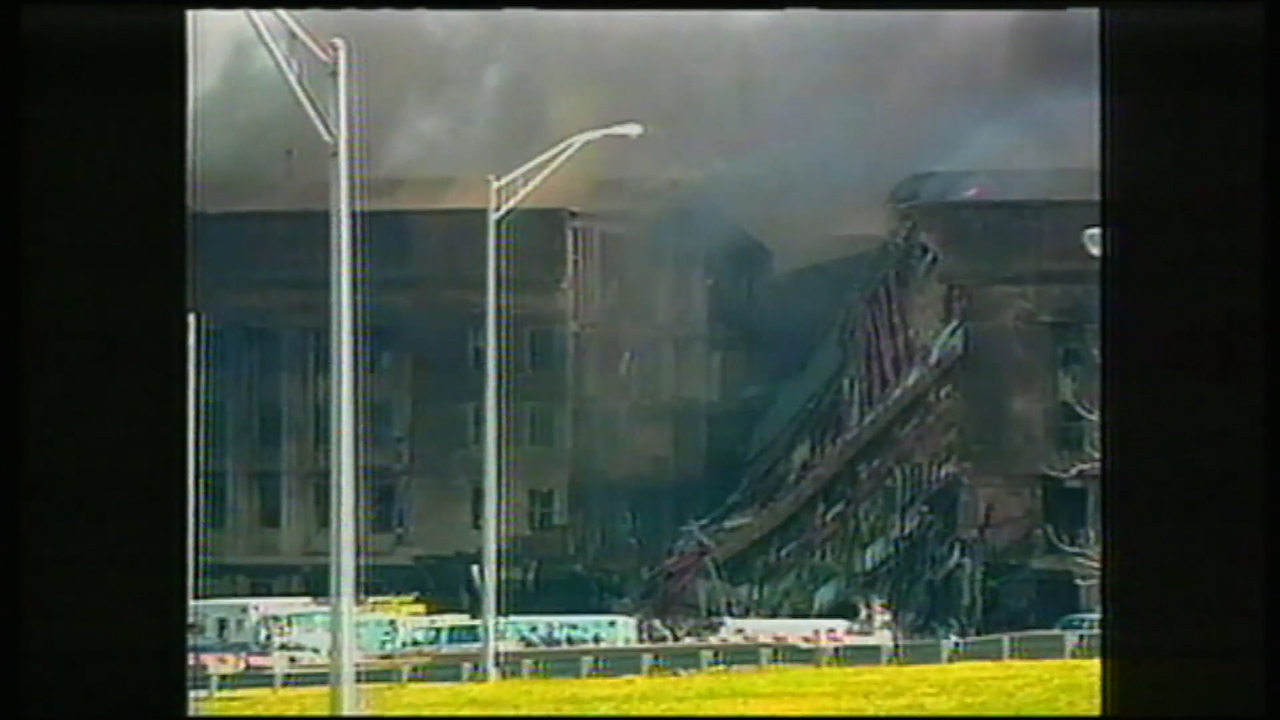
There, directly through our media office window, was the Pentagon.
It was on fire.
I immediately told the journalists that were still at the presser what I'd seen.
The PM, still speaking, did not know that the Pentagon – which was only couple of kilometres from where he was standing – had been targeted.
I raced outside with SBS TV journalist Dennis Grant.
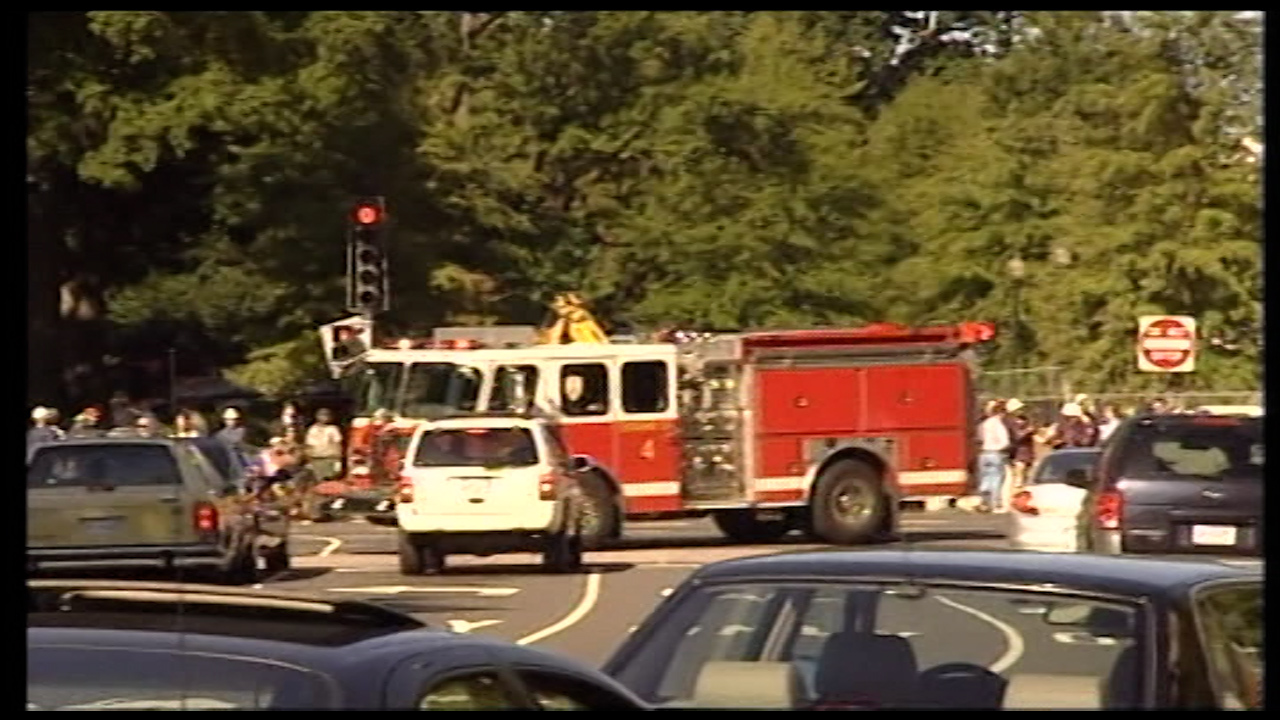
The chaos of what was taking place around the White House was evident, but all knew that Washington was under attack.
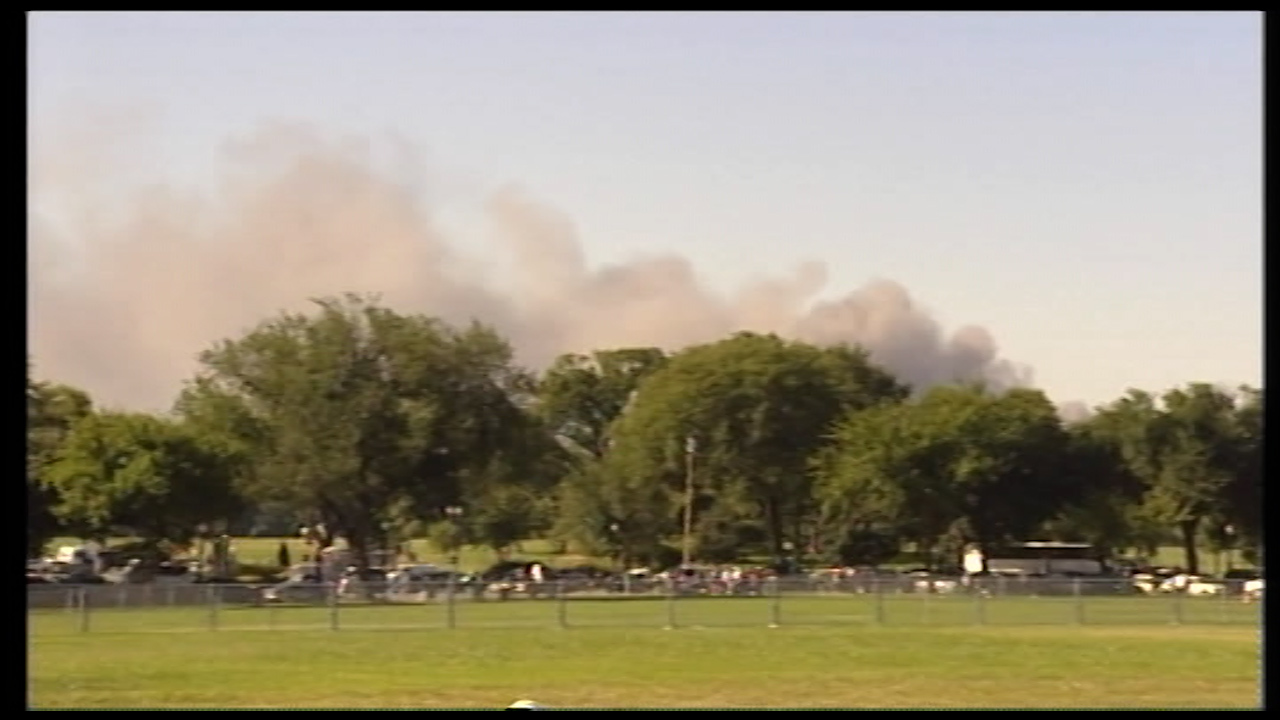
Smoke from the Pentagon could be seen from everywhere.
Police, ambos and fire engines were everywhere and speeding in all directions.
Fighter jets flying overhead. Traffic jams wherever you looked.
All phone networks were down.
People, including myself, were listening to the radio in cars hearing the description of the Twin Towers falling.
Soon the radio was drowned out by the sounds of people crying.
Word was out that a plane was heading for the White House.
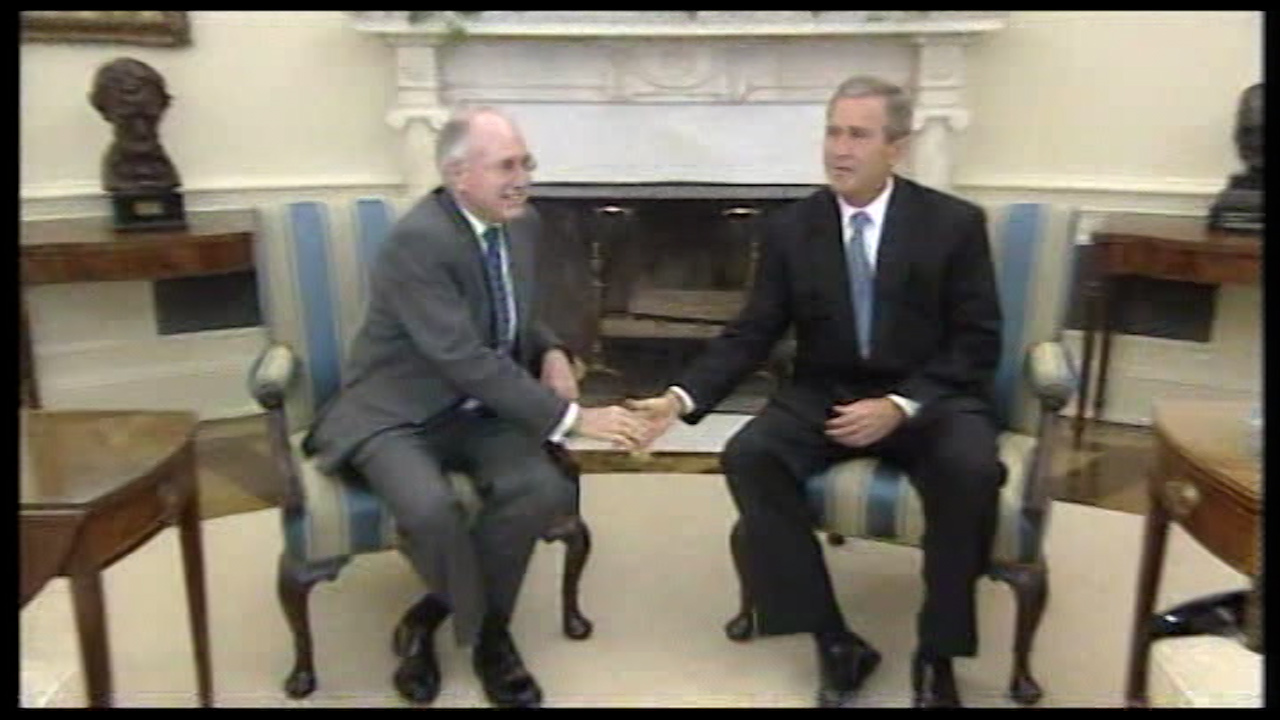
The day before, President George W. Bush greeted Mr Howard at the entrance to the White House with a warm handshake and shouted to the waiting media: "I'm honoured the Prime Minister's here, a great friend, Australia's a great friend and I'm so honoured he's here."
The President and the Prime Minister would very quickly come to realise how special that friendship was.
John Howard flew back to Australia a couple of days later and I stayed covering stories at the Pentagon and later that week, joined colleagues from Nine's bureau in New York.
Even now while writing this piece, it brings up emotions of my time spent covering 9/11.
I didn't video the plane hitting the Pentagon, nor the planes into the Towers or the falling of the buildings.
What I did video was the faces of people who lost loved ones or didn't know if their loved ones survived.
Sadness and heartbreak are difficult things to forget.

Plastic screens at shop counters 'risk more harm than good'
Plastic screens fitted to supermarket checkouts and shop counters to prevent the spread of COVID-19 could be causing more harm than good, according to an expert.
Last year after the pandemic hit Australia, supermarkets and other retailers spent hundreds of millions of dollars on measures to combat coronavirus such as screens, antibacterial gel and extra staff on doors.
But some retailers in Australia and overseas have recently taken down the clear barriers after they found the screens made it hard for customers to talk to staff and led customers to ignore social distancing rules.
LIVE UPDATES: NSW records 1542 cases, nine deaths with virus
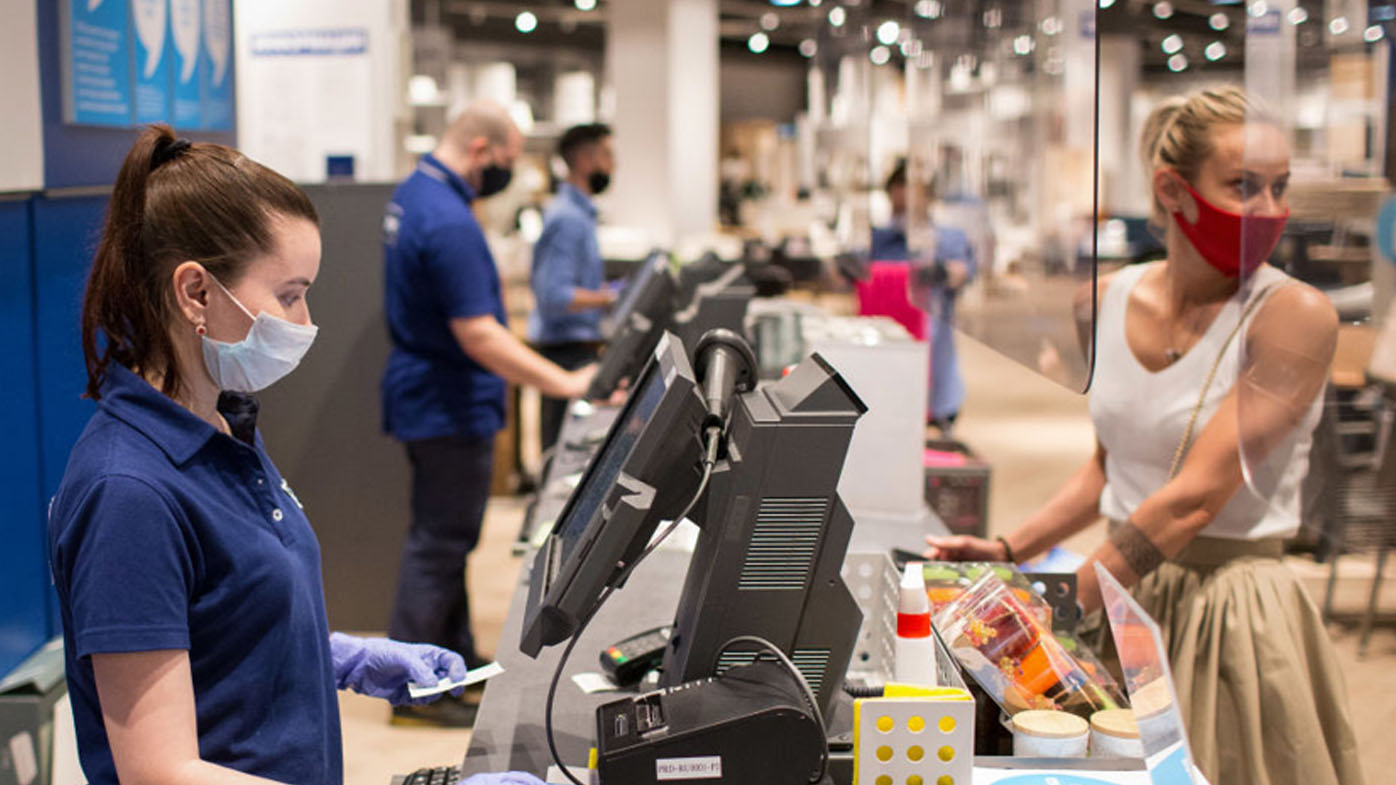
Geoff Hanmer, from the University of Adelaide, told nine.com.au the screens were probably causing "more harm than good".
"Anything that creates stagnant pockets of air, whether it is a screen or furniture, is not helpful to making sure spaces are properly ventilated," Professor Hanmer said.
"In certain situations, it can be potentially dangerous."
He says a major public health goal in preventing the spread of COVID-19 is to dilute people's breath so there is less chance they will be infected.
"It's bad when you have staff together, behind a wall of screens, because if one person is infected, the others will become infected," Professor Hanmer said.
And in some cases, the screens can lead to poor social distancing and a breach of health orders, such as when people poke their heads around them to communicate with staff or stay behind them but pull their masks down as they try to talk louder.
Some major UK supermarket companies are considering removing their plastic screens, reports say, but the barriers are likely to remain in Australian supermarkets for some time.
READ MORE: Publicans in regional Victoria say new capacity restrictions are unworkable
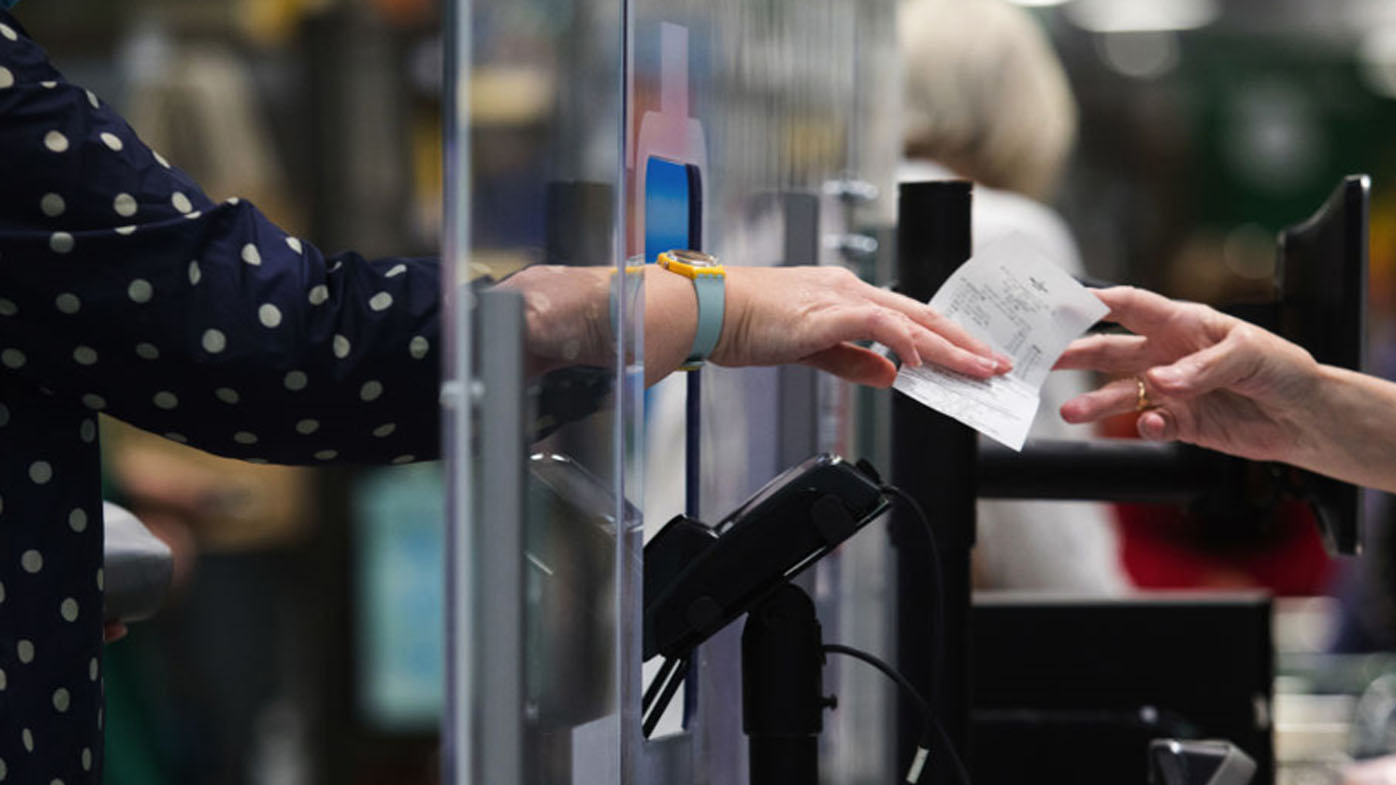
Coles says its screens were installed last year as an extra pandemic measure.
"Coles implemented screens in 2020 as an additional COVID-safe measure in line with health directions and COVID-safe plans," a spokesman said.
"We don't intend to remove these unless health directions change."
READ MORE: Fears NSW roadmap out of lockdown leaves young people behind
A spokesman for Woolworths says the company plans to keep screens but will continue to monitor public health developments.
"Our plexiglass screens provide an additional safeguard for our team members and customers and remain a part of our COVID-safe plans," he said.
"As always, we'll continue to monitor the latest health advice to ensure our stores have the right COVID-safe settings."
The most beautiful aerial images of 2021 have been released
The winners of the 2021 Drone Photography Awards have been released, showcasing a dazzling new perspective of our world.
Outgoing iwi chair leaves Trust with new strategic approach
The outgoing Ngā Tāngata Tiaki o Whanganui chair says he is happy to be leaving the Trust with a new strategic approach to support development aspirations put forward by hapū and marae.Gerrard Albert, who has led…
Napier judge rules Māori girl should remain with Pākehā couple
A Napier-based Family Court judge has dismissed an application by Oranga Tamariki to remove a traumatised and neglected Māori girl from her Pākehā foster parents and rehome her with a Māori woman, Stuff reports.For…
Fall of Afghanistan: US leads meeting on evacuation moves – where was NZ?
The Government needs to ask the United States for a “please explain” over why New Zealand was not invited to US-led crunch talks on options of evacuating people still trapped in Afghanistan. Foreign Minister Nanaia Mahuta has said…
Dunedin Airport worker who planted fake bomb has sentence halved
A security officer who planted a fake bomb at Dunedin Airport has had his sentence cut in half.Preetam Prakash Maid, 33, was jailed for three years over the incident which happened just days after the Christchurch mosque shootings…