The Act party wants electronic income checks for gang members to prevent them from spending any welfare money on alcohol, gambling or tobacco.Reviews of similar schemes in Australia and New Zealand – where it applies only to young…
Category Archives: headline
US Capitol rioter gets eight months behind bars
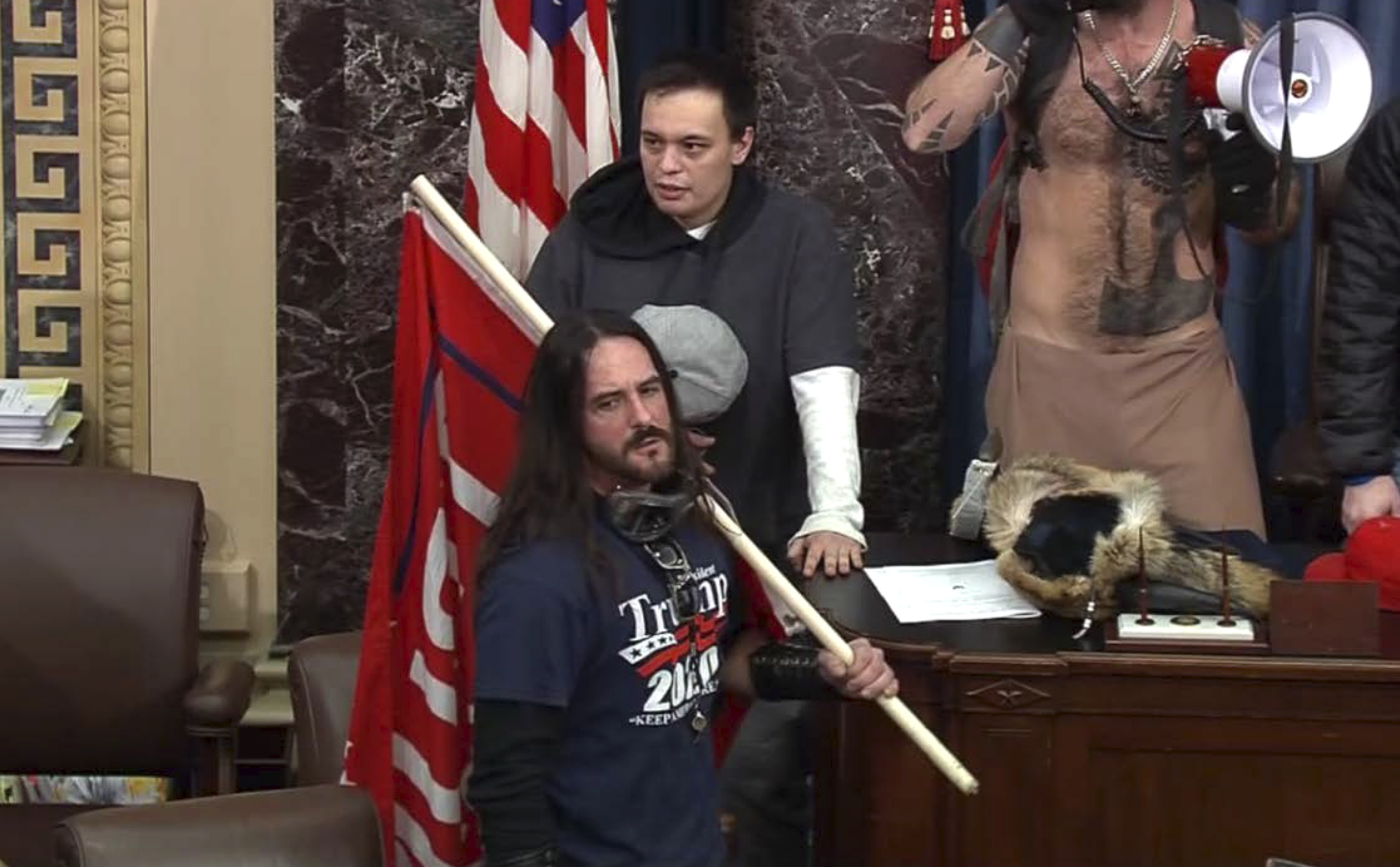
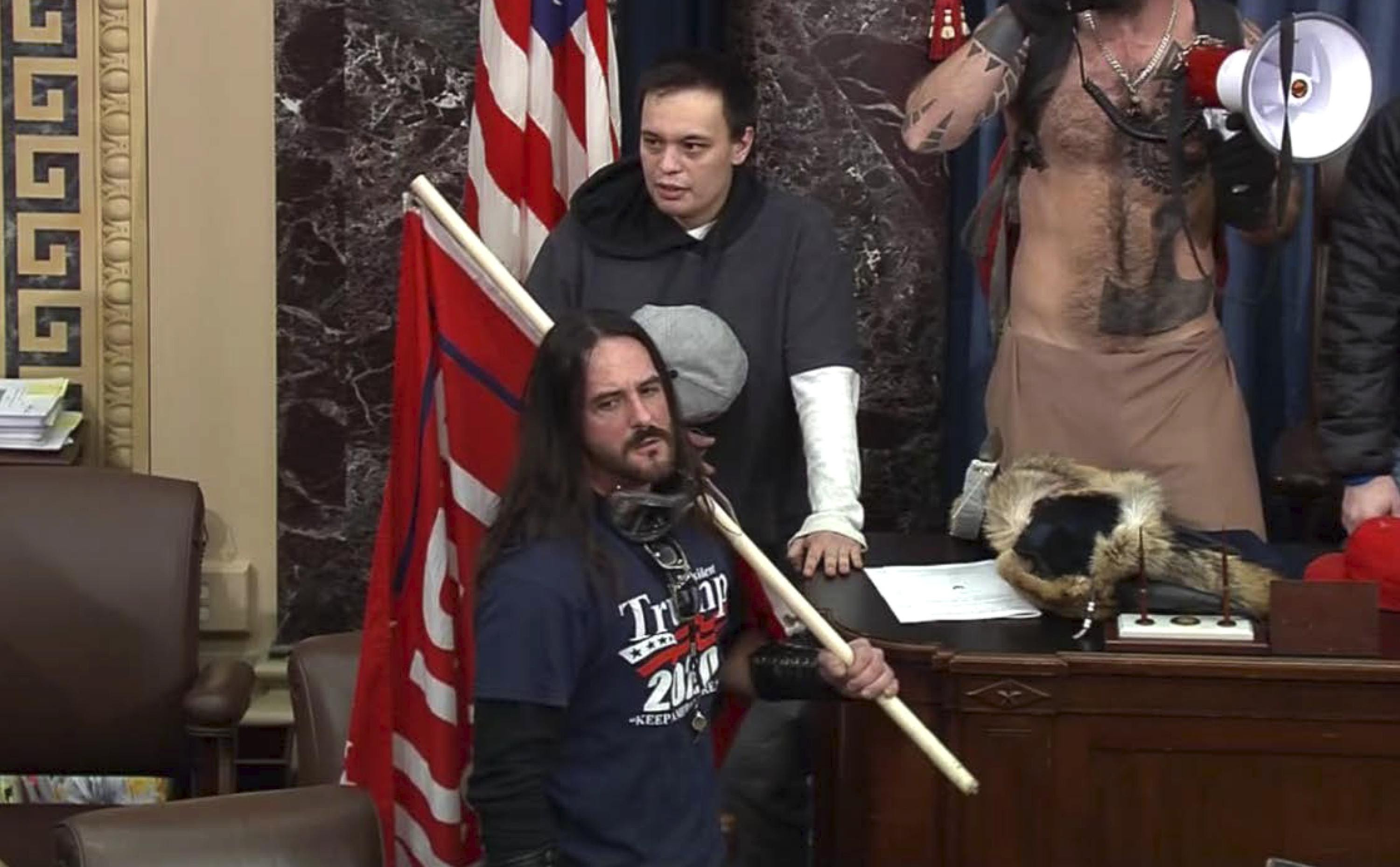
A Florida man who breached the US Senate chamber carrying a Trump campaign flag was sentenced Monday to eight months behind bars, the first resolution for a felony case in the Capitol insurrection.
Paul Allard Hodgkins apologised and said he was ashamed of his actions on January 6. Speaking calmly from a prepared text, he described being caught up in the euphoria as he walked down Washington's most famous avenue, then followed a crowd of hundreds up Capitol Hill and into the Capitol building.
"If I had any idea that the protest … would escalate (the way) it did … I would never have ventured farther than the sidewalk of Pennsylvania Avenue," Hodgkins told the judge. He added: "This was a foolish decision on my part."
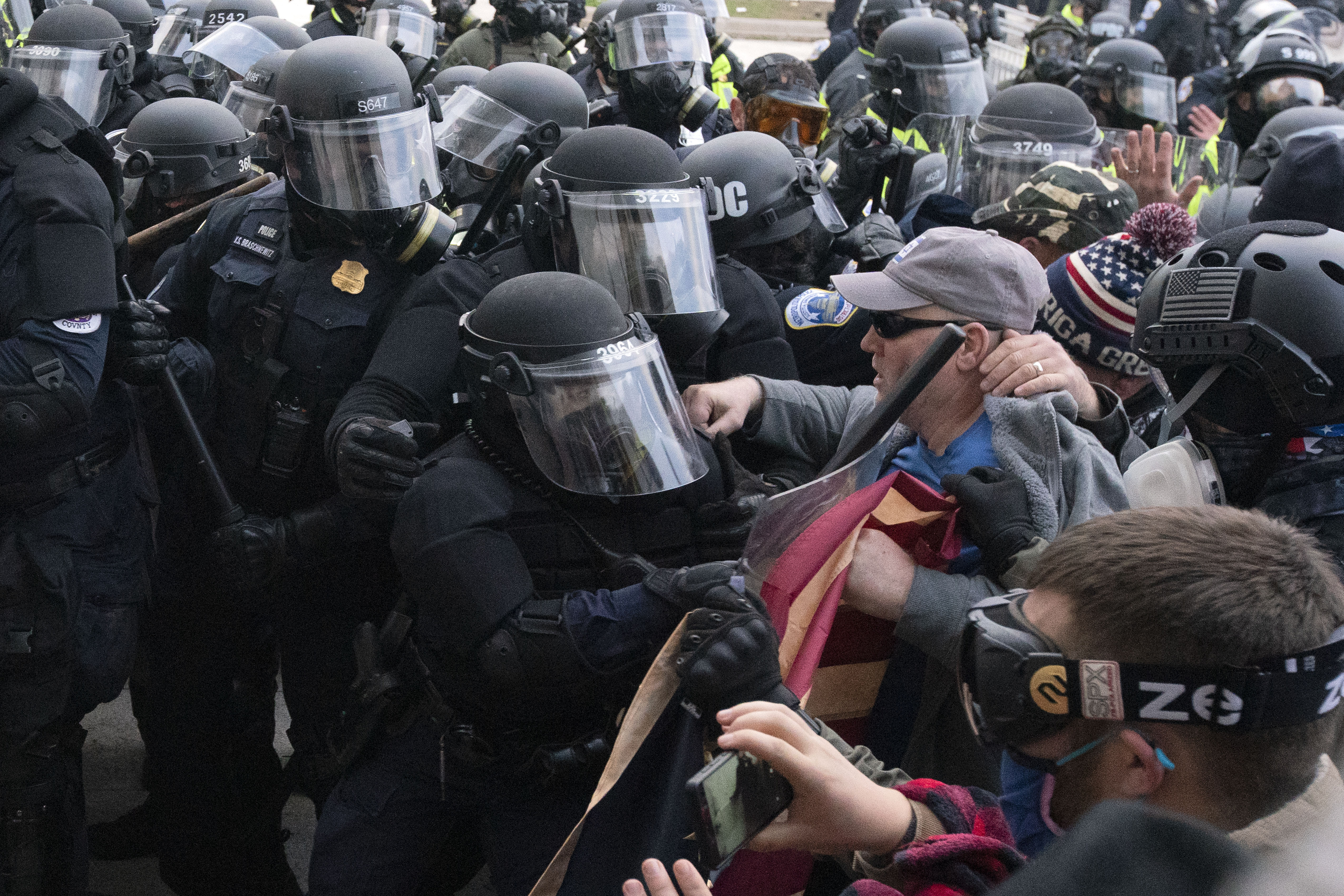
Prosecutors had asked for Hodgkins to serve 18 months behind bars, saying in a recent filing that he, "like each rioter, contributed to the collective threat to democracy" by forcing lawmakers to temporarily abandon their certification of Joe Biden's 2020 election victory over President Donald Trump and to scramble for shelter from incoming mobs.
In pronouncing the sentence, Judge Randolph Moss said that Hodgkins had played a role, if not as significant as others, in one of the worst episodes in American history. Still he chose to give Hodgkins a year less in prison.
"That was not, by any stretch of the imagination, a protest," Moss said. "It was … an assault on democracy." He added: "It left a stain that will remain on us … on the country for years to come."
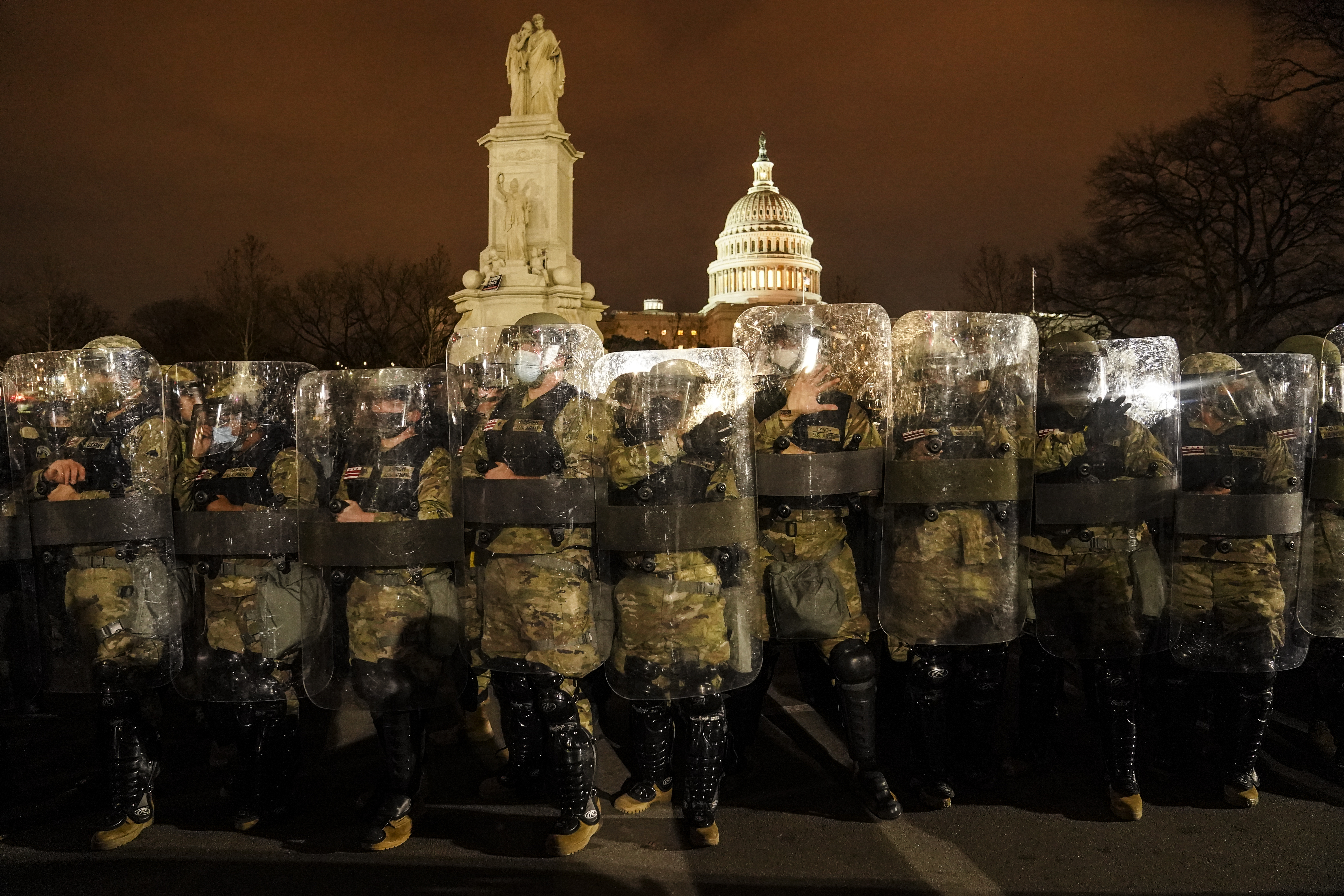
The sentencing could set the bar for punishments of hundreds of other defendants as they decide whether to accept plea deals or go to trial. Hodgkins and others are accused of serious crimes but were not indicted, as some others were, for roles in larger conspiracies.
Under an agreement with prosecutors, he pleaded guilty last month to one count of obstructing an official proceeding, which carries a maximum 20-year prison sentence. In exchange, prosecutors agreed to drop lesser charges, including entering a restricted building and disorderly conduct.
Video footage shows Hodgkins wearing a Trump 2020 T-shirt, the flag flung over his shoulder and eye goggles around his neck, inside the Senate. He took a selfie with a self-described shaman in a horned helmet and other rioters on the dais behind him.
His lawyer pleaded with the judge to spare his 38-year-old client time in prison, saying the shame that will attach to Hodgkins for the rest of his life should be factored in as punishment.
The lawyer argued in court papers that Hodgkins' actions weren't markedly different from those of Anna Morgan Lloyd — other than Hodgkins stepping onto the Senate floor. Morgan Lloyd was the first of roughly 500 arrested to be sentenced. She pleaded guilty to misdemeanour disorderly conduct and last month was sentenced to three years of probation.
Hodgkins was never accused of assaulting anyone or damaging property. And prosecutors said he deserves some leniency for taking responsibility almost immediately and pleading guilty to the obstruction charge.
But they also noted how he boarded a bus in his hometown of Tampa bound for a January 6 Trump rally carrying rope, protective goggles and latex gloves in a backpack — saying that demonstrated he came to Washington prepared for violence.
On the day, he walked through grounds already littered with smashed police barriers and broken windows, evening passing police officers and others injured as the crowd surged toward the Capitol, prosecutors said.
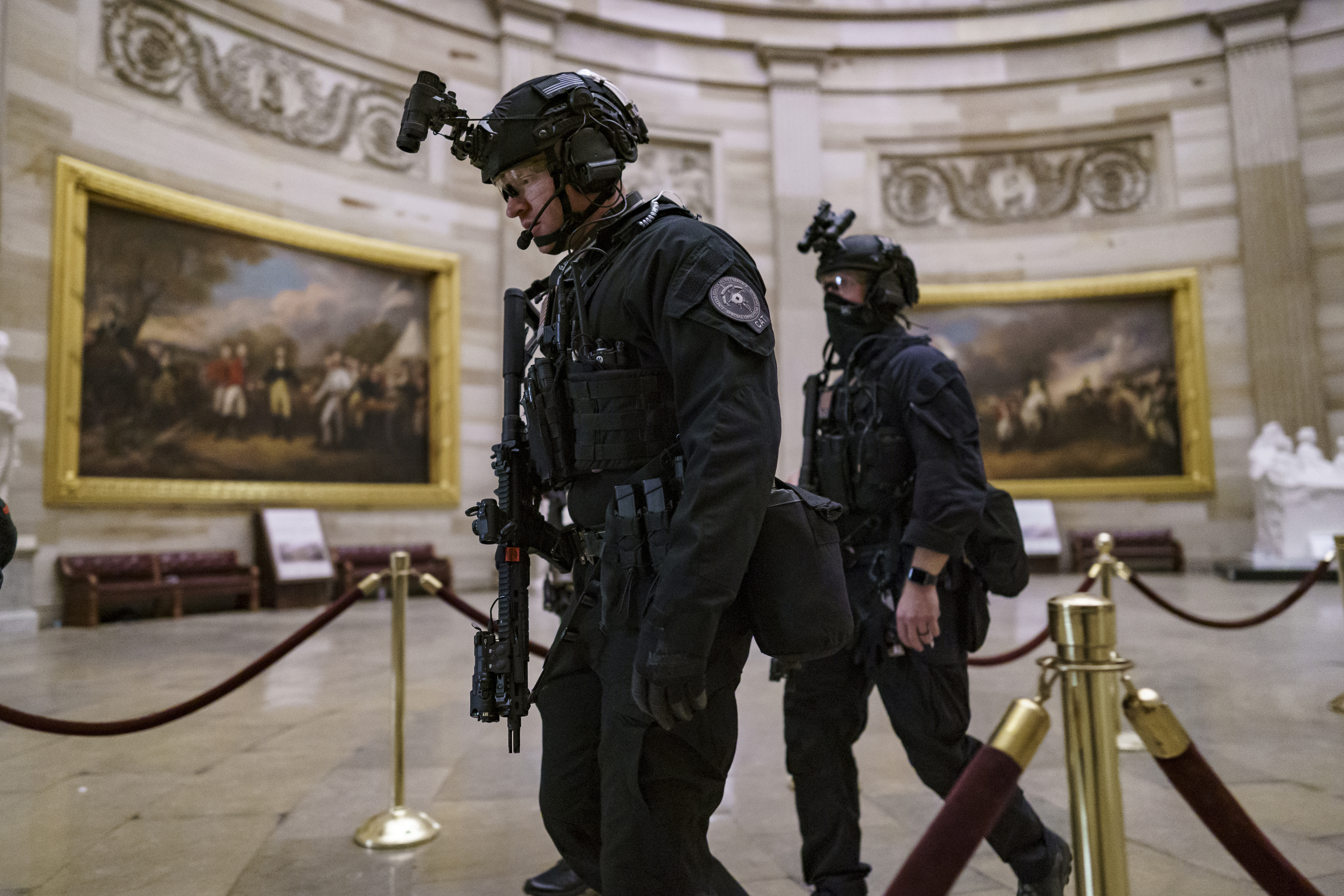
"Time and time again, rather than turn around and retreat, Hodgkins pressed forward," the government filing said.
Hodgkins' lawyer, Patrick N. Leduc, described his client as an otherwise law-abiding American who, despite living in a poorer part of Tampa, regularly volunteered at a food bank. He noted that Hodgkins had been an Eagle Scout.
His actions on January 6 "is the story of a man who for just one hour on one day lost his bearings … who made a fateful decision to follow the crowd," the attorney said.
Virus surge fears, UK leader's quarantine, mar 'Freedom Day'
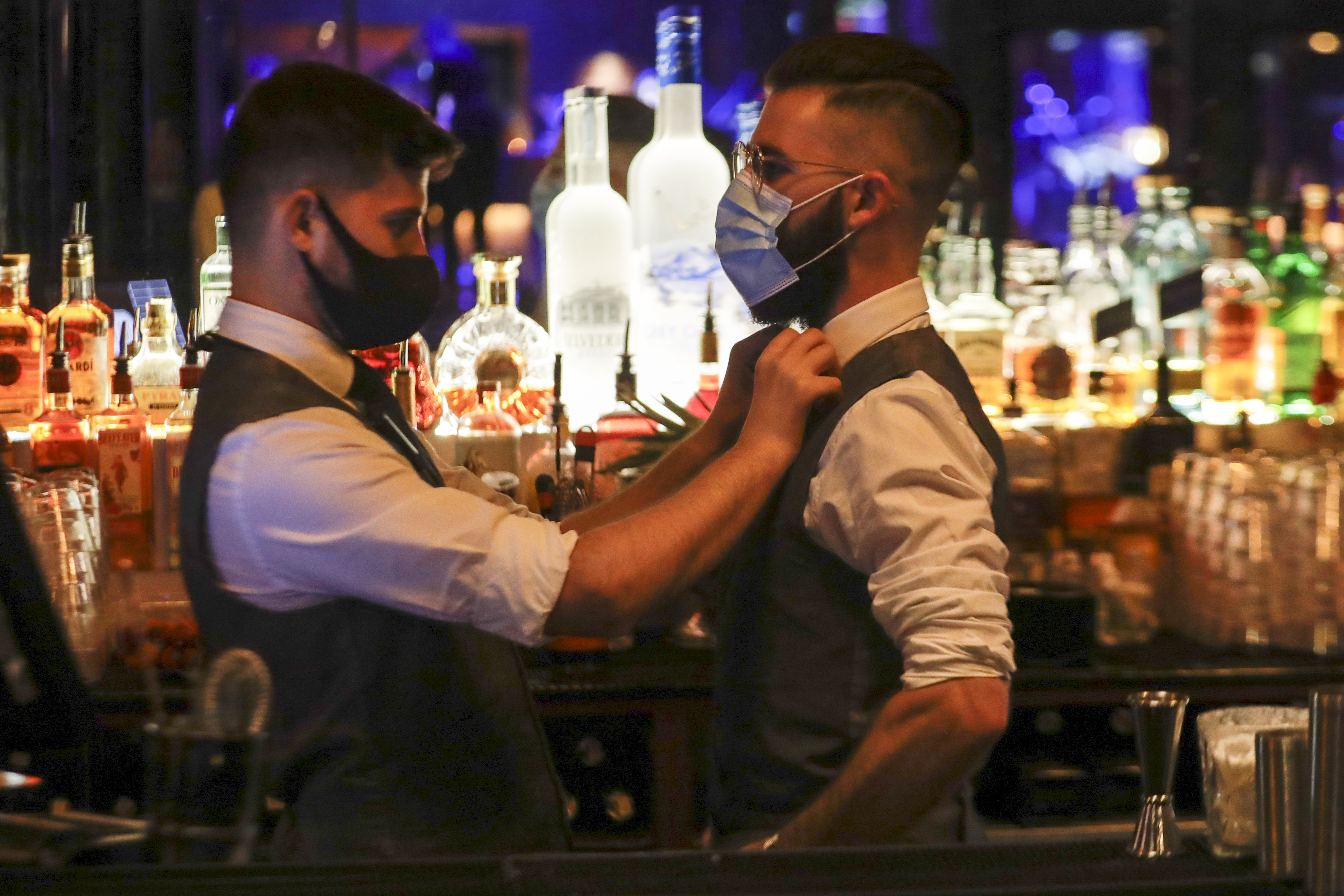
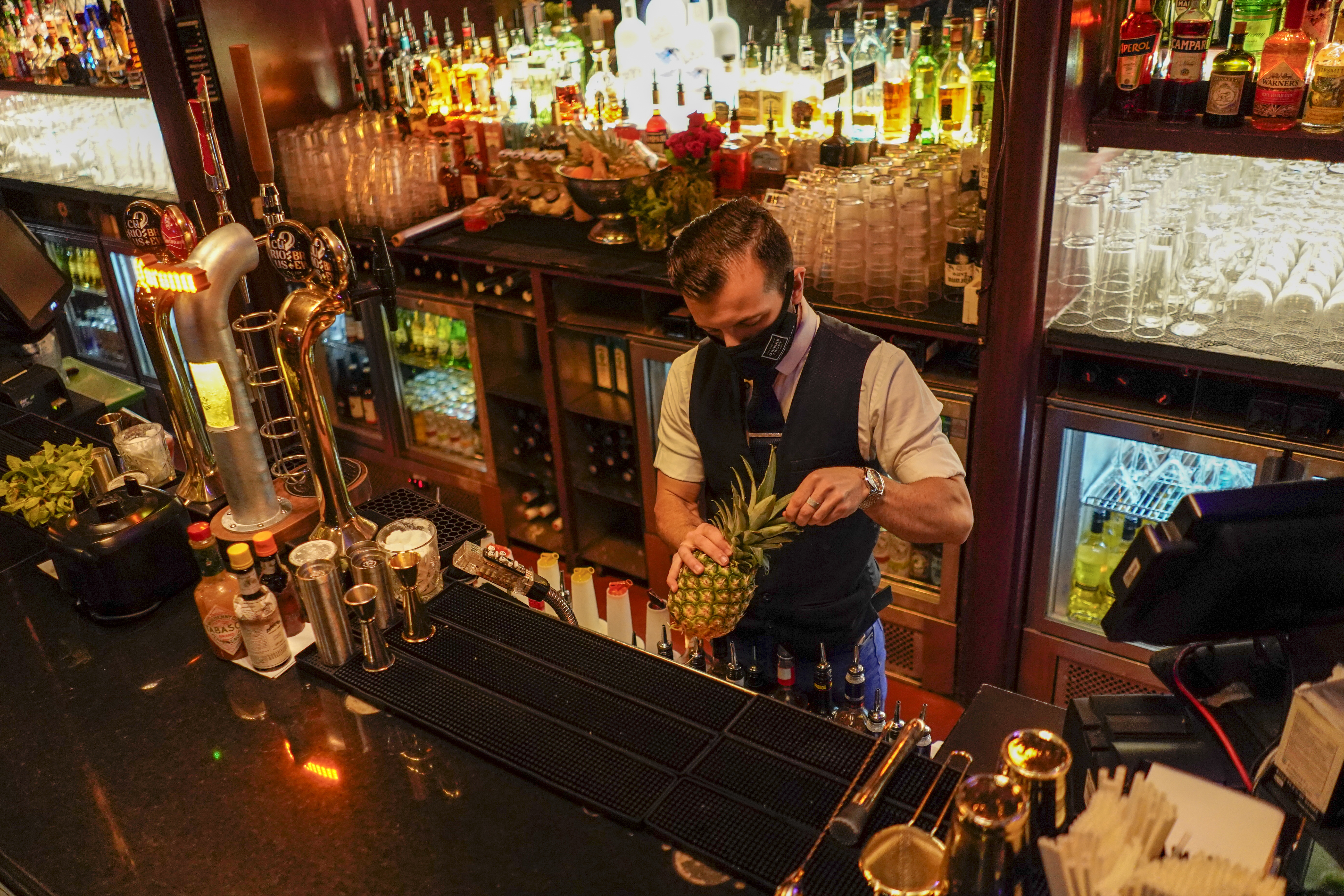
Corks popped, beats boomed out and giddy revellers rushed onto dance floors when England's nightclubs reopened Monday as the country lifted most remaining coronavirus restrictions after more than a year of lockdowns, mask mandates and other pandemic-related curbs on freedom.
For clubbers and nightclub owners, the moment lived up to its media-given moniker, "Freedom Day". But the big step out of lockdown was met with nervousness by many Britons and concern from scientists, who say the UK is entering uncharted waters by opening up when confirmed cases are not falling but soaring.
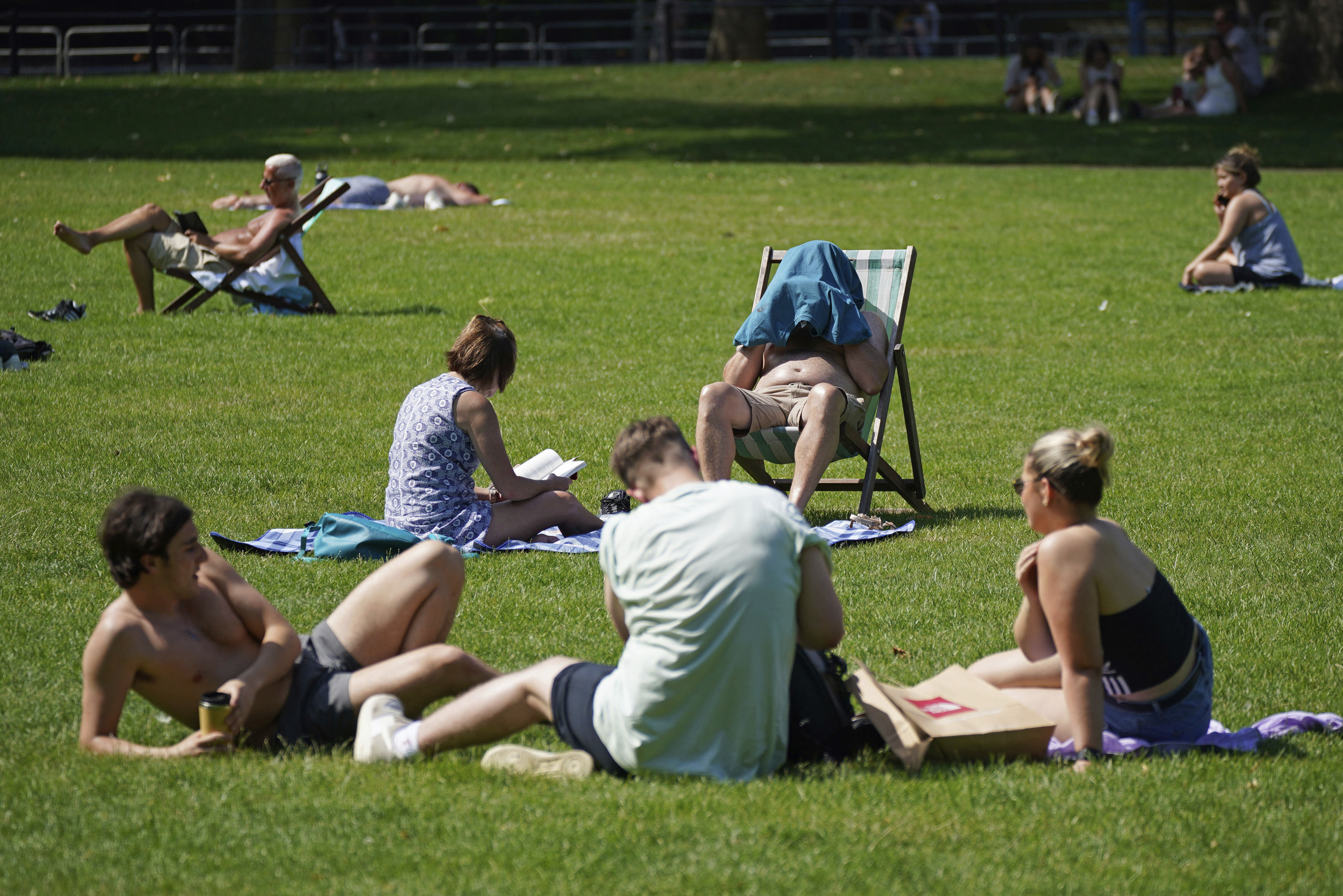
As of Monday, face masks were no longer legally required in England, work-from-home guidance ended and, with social distancing rules shelved, no limits existed on the number of people attending theatre performances or big events.
READ MORE: UK and Singapore planning to 'live with COVID-19'

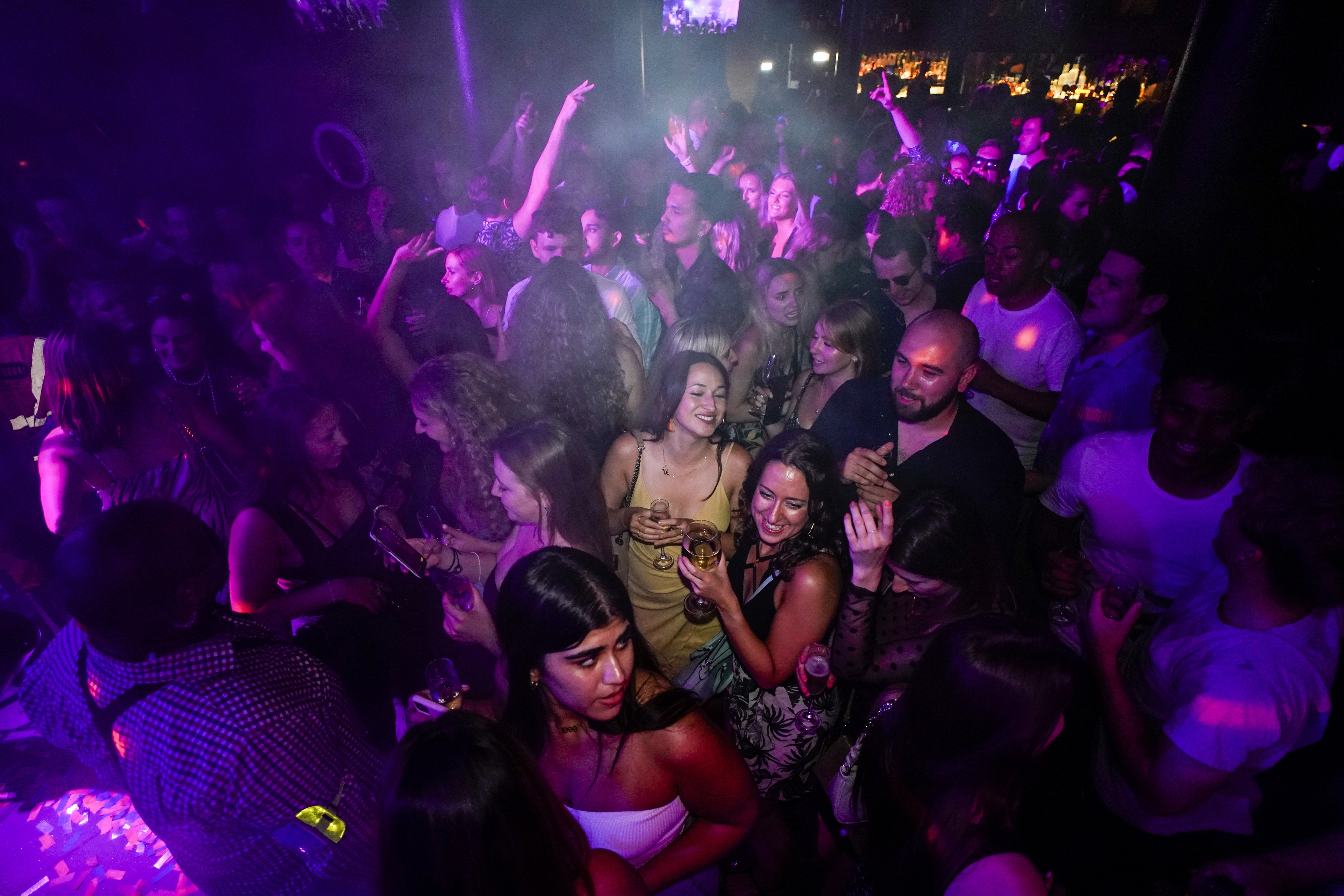
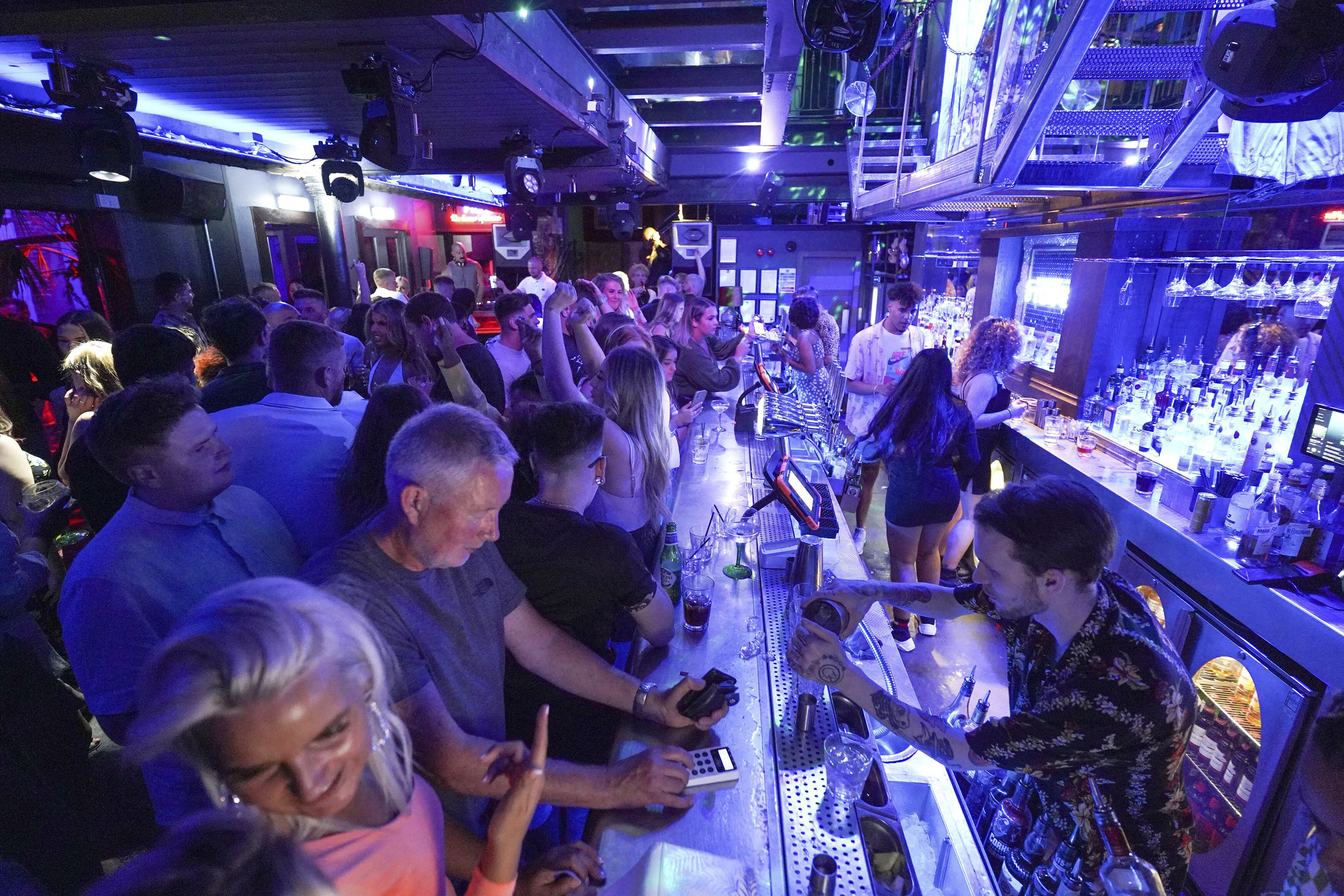
Nightclubs were allowed to open for the first time in almost 18 months, and from London to Liverpool, thousands of people danced the night away at "Freedom Day" parties starting at midnight.
"I'm absolutely ecstatic," clubgoer Lorna Feeney said at Bar Fibre in the northern England city of Leeds. "That's my life, my soul — I love dancing."
At The Piano Works in London, patrons packed the area around the cordoned-off dance floor on Sunday as a host led a countdown to midnight.
Once a ceremonial ribbon was cut, the crowd ran toward the dance floor as confetti canons went off and a disco ball spun above. Soon, unmasked clubgoers dancing to a live band's rendition of Whitney Houston's "I Wanna Dance With Somebody" filled the floor.
READ MORE: Boris Johnson in isolation after rapid U-turn on eve of 'Freedom Day'
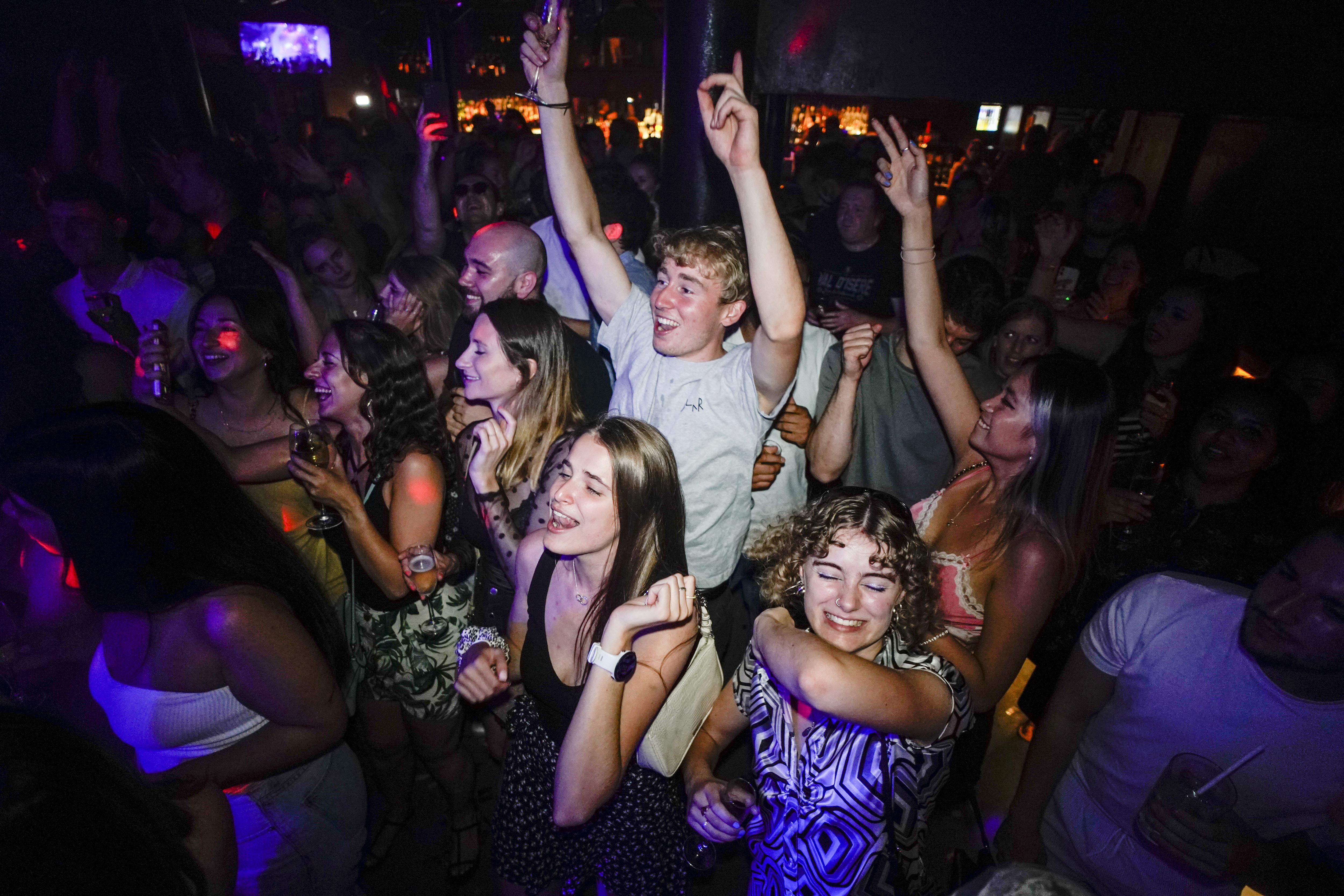
One of the people attending The Piano Works party, Mark Troy, called the return of nightclubs "a most joyous occasion."
Restrictions end as cases top 50,000 a day
But while entertainment businesses and ravers are jubilant, many others are deeply worried about scrapping restrictions at a time when COVID-19 cases are on a rapid upswing because of the highly infectious delta variant first identified in India.
Cases topped 50,000 per day last week for the first time since January.
Deaths remain far lower than in the winter thanks to vaccines, but have risen from less than 10 a day in June to about 40 a day in the past week.

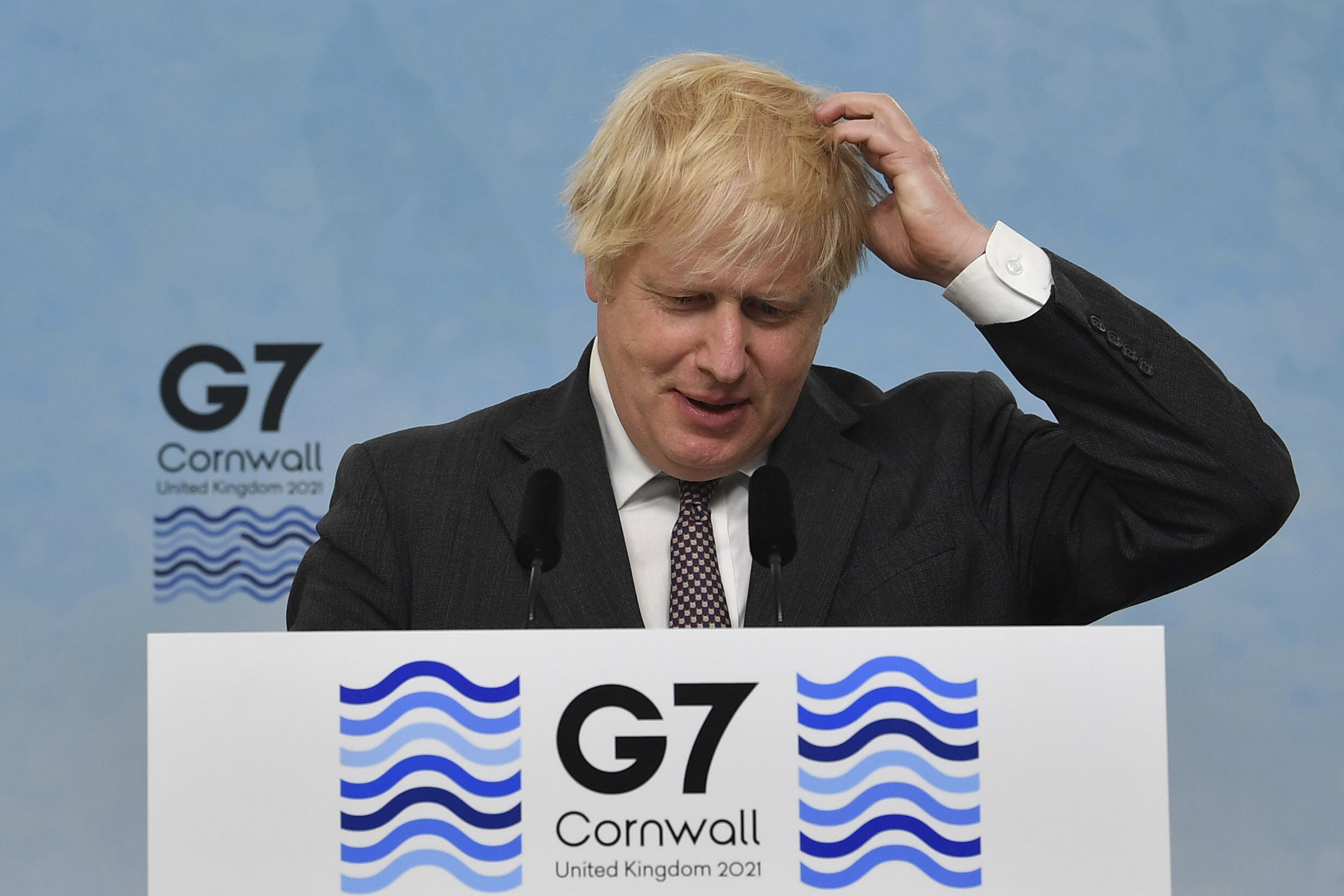
Prime Minister Boris Johnson, who has dialled down talk of freedom in recent weeks, urged the public to exercise "prudence and respect for other people and the risks that the disease continues to present."
In a reminder of how volatile the situation is, the prime minister was spending "Freedom Day" in quarantine. Johnson and Treasury chief Rishi Sunak are both self-isolating for 10 days after contact with Health Secretary Sajid Javid, who tested positive for COVID-19 on Saturday.
Johnson initially said he would take daily tests instead of self-isolating — an option not offered to most people — but U-turned amid public outrage.
READ MORE: UK records more new cases in one day than Australia's entire pandemic
The prime minister is among hundreds of thousands of Britons who have been told to quarantine because they have been near someone who tested positive. The situation is causing staff shortages for businesses including restaurants, car manufacturers and public transport.
Experts fear 'how bad it's going to be'
Globally, the World Health Organisation says cases and deaths are climbing after a period of decline, spurred by the delta variant. Like the UK, Israel and the Netherlands both opened up widely after vaccinating most of their people, but had to reimpose some restrictions after new infection surges. The Dutch prime minister admitted that lifting restrictions too early "was a mistake."
In the US, many areas abandoned face coverings when the Centres for Disease Control and Prevention said fully vaccinated people didn't need to wear them in most settings. Some states and cities are now trying to decide what to do as cases rise again.
British officials have repeatedly expressed confidence that the UK's vaccine rollout — 68.3 per cent of adults, or just over half of the total population, has received two doses — will keep the threat to public health at bay. But leading international scientists described England's move as a threat to the whole world, and 1200 scientists backed a letter to British medical journal The Lancet criticising the Conservative government's decision.
"I can't think of any realistic good scenario to come out of this strategy, I'm afraid," said Julian Tang, a clinical virologist at the University of Leicester. "I think it's really a degree of how bad it's going to be."
Tang said nightclubs in particular are potent spreading grounds, because they increase close physical contact among a core customer base — people 18 to 25 — that hasn't yet been fully vaccinated.
READ MORE: England to lift last virus restrictions on July 19
"That's the perfect mixing vessel for the virus to spread and to even generate new variants," he said.
The government wants nightclubs and other crowded venues to check whether customers have been vaccinated, have a negative test result or have recovered from the disease.
There is no legal requirement for them to do so, however, and most say they won't. Michael Kill, chief executive of the Night Time Industries Association, said many owners accuse the government of "passing the buck" to businesses.
"Either mandate it or don't mandate it," Kill said. "This is putting an inordinate amount of pressure on us."
READ MORE: How the UK is opening up in the face of 100,000 daily cases
Johnson's decision to scrap the legal requirement for face masks in indoor public spaces — while recommending people keep them on — has also sowed confusion.
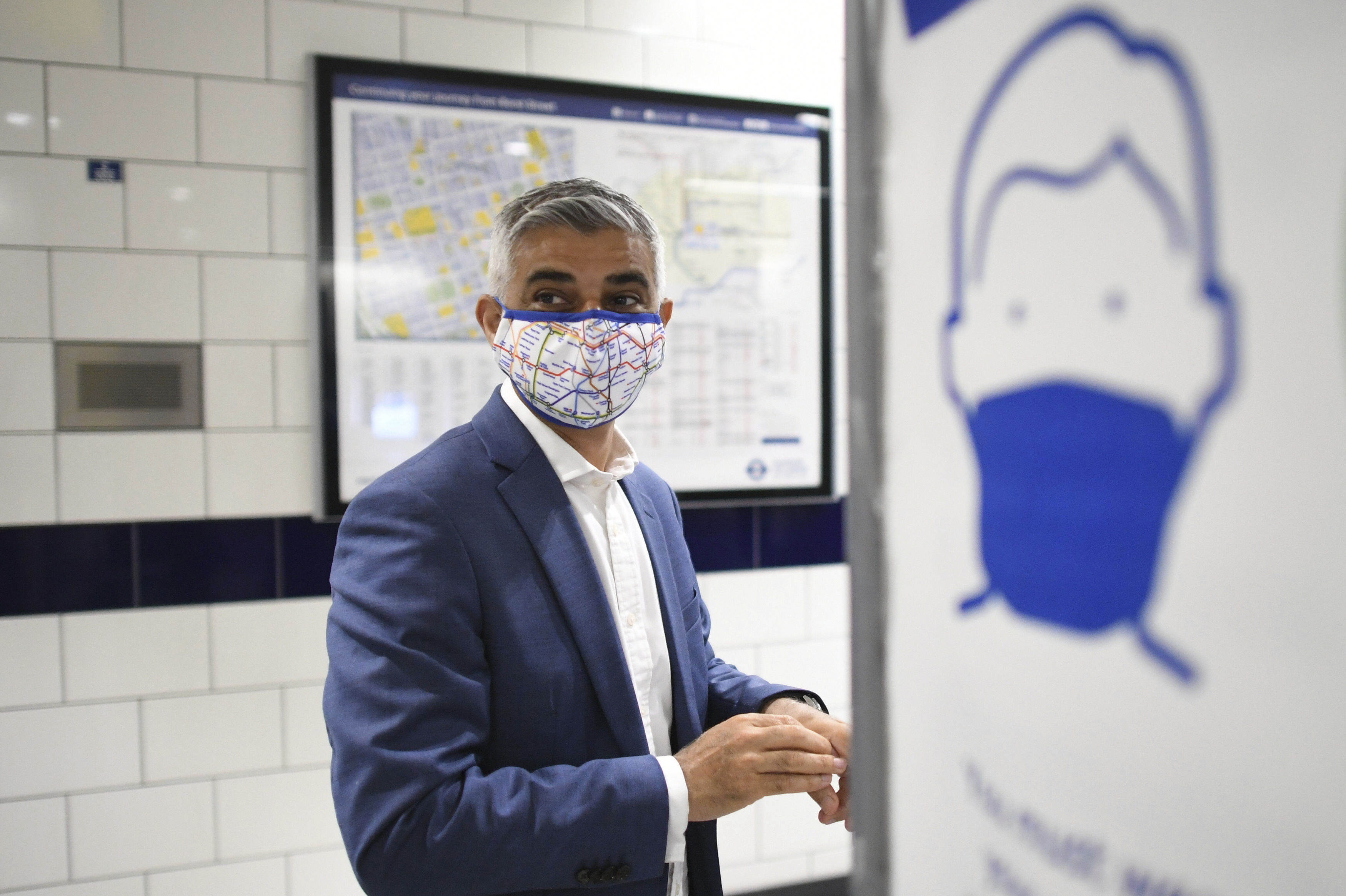
Some retailers said they would encourage customers to keep their masks on, and London Mayor Sadiq Khan said they remain mandatory on the capital's subways and buses — though police can no longer be called in to enforce the rule.
Khan said Monday that more than 90 per cent of passengers appeared to be wearing masks, "and what I think that shows is that people are carrying on their great habits."
But many believe implementing such policies will be tricky without legal backing.
Psychologist Robert West, who sits on a science panel that advises the government, said telling people to be careful without giving them thorough knowledge of risks was "like putting someone out on the road without having taught them to drive."
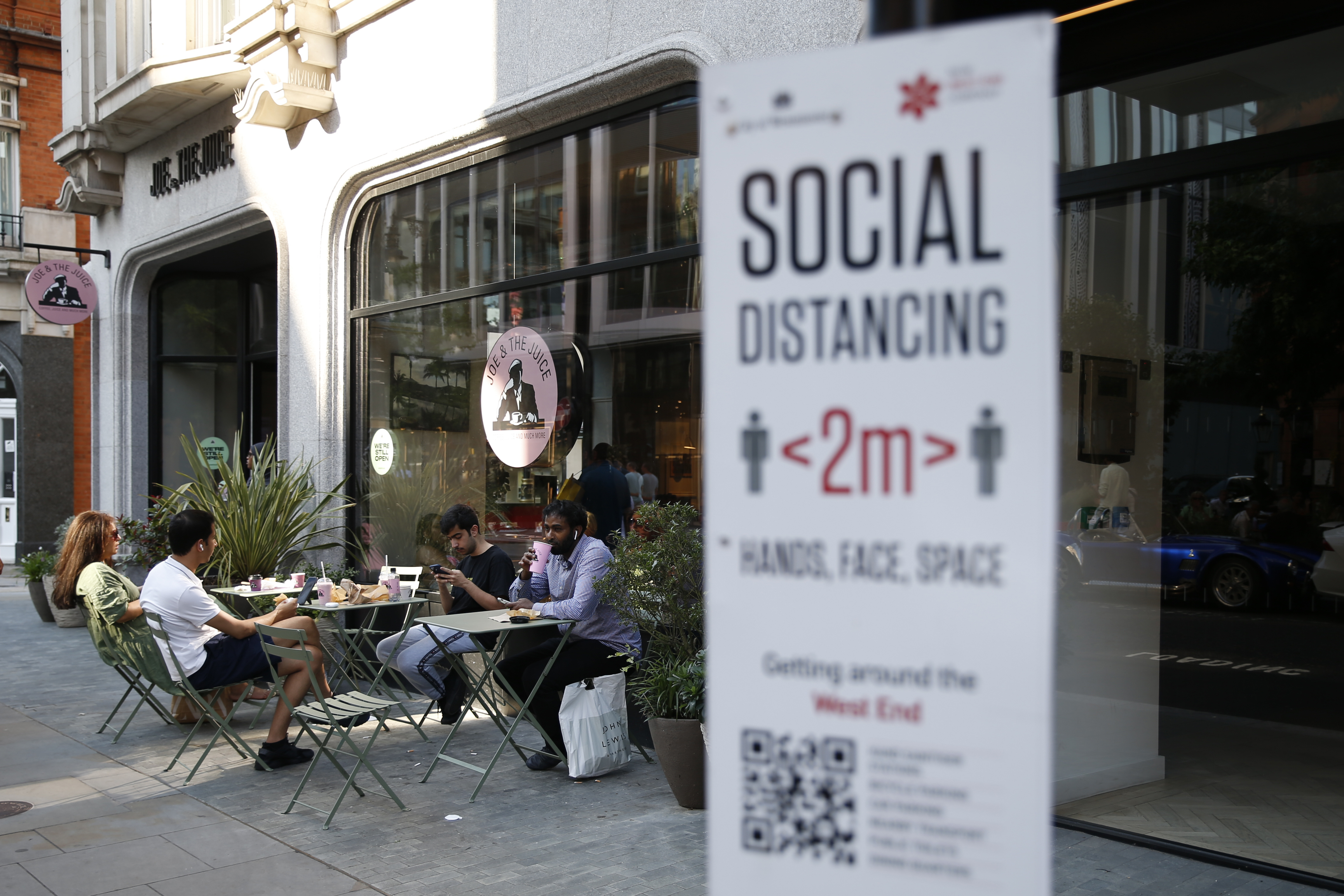
The end of restrictions in England is a critical moment in Britain's handling of the pandemic, which has killed more than 128,000 people nationwide, the highest death toll in Europe after Russia. Other parts of the UK — Scotland, Wales and Northern Ireland — are taking slightly more cautious steps out of lockdown and keeping mask requirements for now.
At London's Egg nightclub, clubber Alex Clark acknowledged feeling "a bit of apprehension and uncertainty."
Fellow clubgoer Kevin Ally felt no such qualms.
"There's zero concern," he said. "The only concern is why we haven't been here for a year and a half. It's been a very long time since we've been out.
"It's good to be back, and we're here to dance."
PR: US Coast Guard in $15M Cocaine Haul
The United States Coast Guard says the crew of the cutter Joseph Tezanos has offloaded nearly US$15 million in seized cocaine and transferred custody of two male smugglers at Coast Guard Base San Juan, following the interdiction of a go-fast vessel in the Mona Passage waters in the Caribbean Sea near Mona Island, Puerto Rico.
“The interdiction resulted from multi-agency efforts in support of US Southern Command’s enhanced counter-narcotics operations in the Western Hemisphere and coordination with the Caribbean Corridor Strike Force (CCSF),” the US Coast Guard said.
It said the United States Attorney’s Office for the District of Puerto Rico is leading the prosecution for this case.
During a routine patrol Saturday afternoon, the US Coast Guard said a Customs and Border Protection (CBP) Air and Marine Operations (AMO) Multi-Role Enforcement Aircraft (MEA) aircrew detected two men aboard a go-fast vessel suspected of drug trafficking.
It’s reported that the Coast Guard Cutter Joseph Tezanos, was operating in the vicinity when it was diverted and responded in hot pursuit to interdict the suspect vessel.
“Shortly thereafter, cutter Joseph Tezanos arrived on scene and interdicted the go-fast vessel with the assistance of the cutter’s small boat,” it added. “The crew of cutter Joseph Tezanos embarked the suspected smugglers and located loose packages aboard the 24-foot go-fast vessel, and they also recovered packages from the water that were jettisoned from the go-fast vessel.”
In total, the US Coast Guard said the crew seized 502 packages of cocaine with a combined weight of about 1,104 pounds.
“I directly attribute the success of this interdiction to the close interoperability that the Coast Guard has with CBP and my crew’s phenomenal performance during the pursuit, boarding and towing of the go-fast vessel,” said Lieutenant Anthony Orr, Cutter Joseph Tezanos commanding officer.
Hector Rojas, director of the Caribbean Air and Marine Branch, said: “The Caribbean Air and Marine Branch values its partnerships that result in successful seizures like this one.
“Our agents will continue to use our advanced aeronautical and maritime capabilities to detect and interdict smuggling attempts throughout our coastal borders,” he added.
The US Coast Guard said CCSF is a multi-agency Organized Crime Drug Enforcement Task Force group operating in the District of Puerto Rico focusing on Caribbean and South American-based Transnational Criminal Organizations involved in the maritime and air smuggling shipments of narcotics from Puerto Rico to the Continental US and in the laundering of drug proceeds using bulk cash smuggling and sophisticated laundering activities.
The post PR: US Coast Guard in $15M Cocaine Haul appeared first on The St Kitts Nevis Observer.
Man in NSW assisting police after body found in box in Brisbane
A man in New South Wales is speaking with police following the discovery of a body in the riverside Brisbane suburb of Hamilton.
The body, which 9News.com.au understands was in a box, was found on Monday afternoon at an apartment complex on Parkside Circuit.
It's understood police were looking for a missing person before the discovery. They are treating the death as suspicious
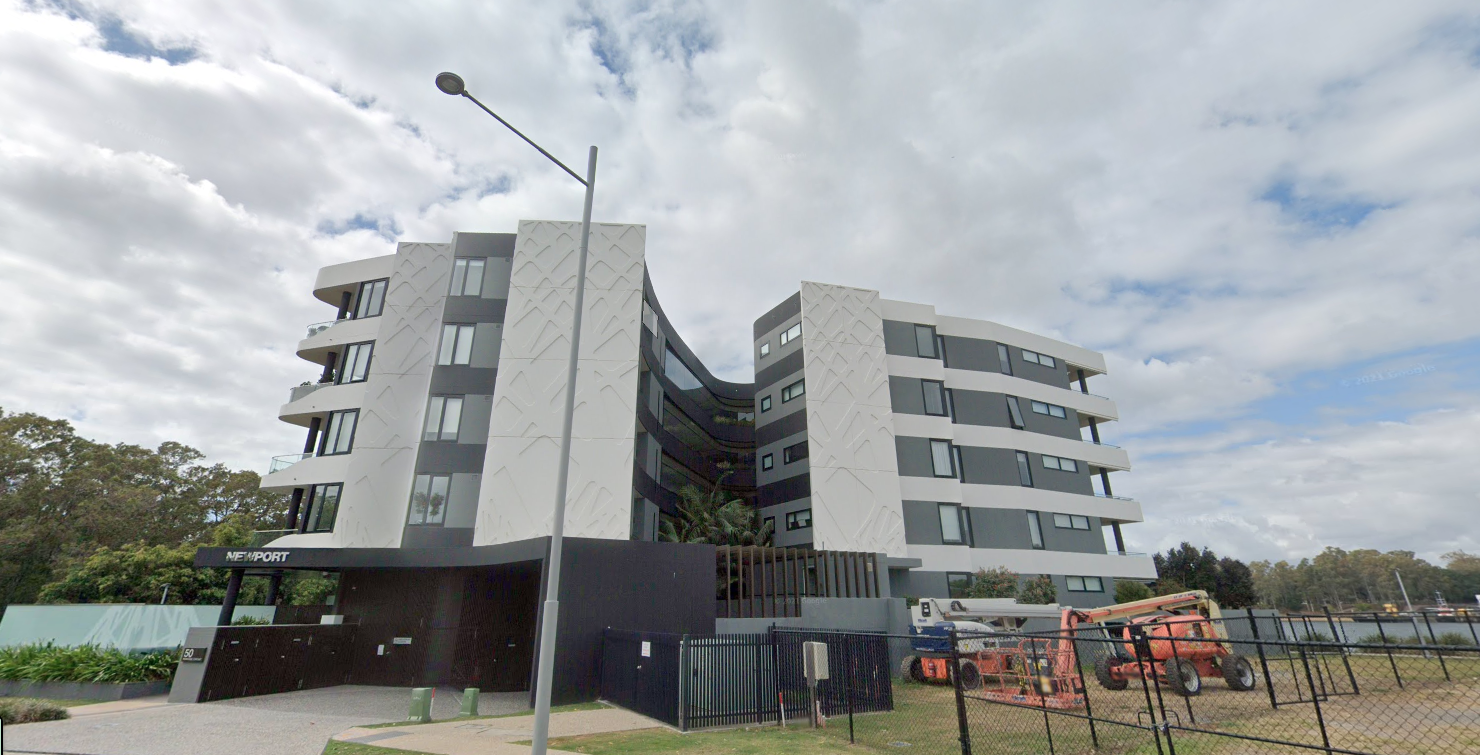
"A crime scene has been declared at Hamilton following the discovery of a body this afternoon," Queensland Police said in a statement.
"Police had cause to attend the address, an apartment complex on Parkside Circuit shortly before 4pm."
Queensland Police said a 26-year-old man in NSW was assisting detectives with their inquiries.
The investigation is being run out of Hendra police station, down the road from where the body was found.
US and Australia blame China for Microsoft Exchange email server hack
Australia has joined the US in blaming China for a hack of Microsoft Exchange email server software that compromised tens of thousands of computers around the world earlier this year.
The US administration and allied nations, including Australia, also disclosed a broad range of other cyberthreats from Beijing, including ransomware attacks from government-affiliated hackers that have targeted companies with demands for millions of dollars.
China's Ministry of State Security has been using criminal contract hackers, who have engaged in cyber extortion schemes and theft for their own profit, according to a senior administration official.
That official briefed reporters about the investigation on the condition of anonymity.
READ MORE: PM renews call for COVID-19 origins investigation
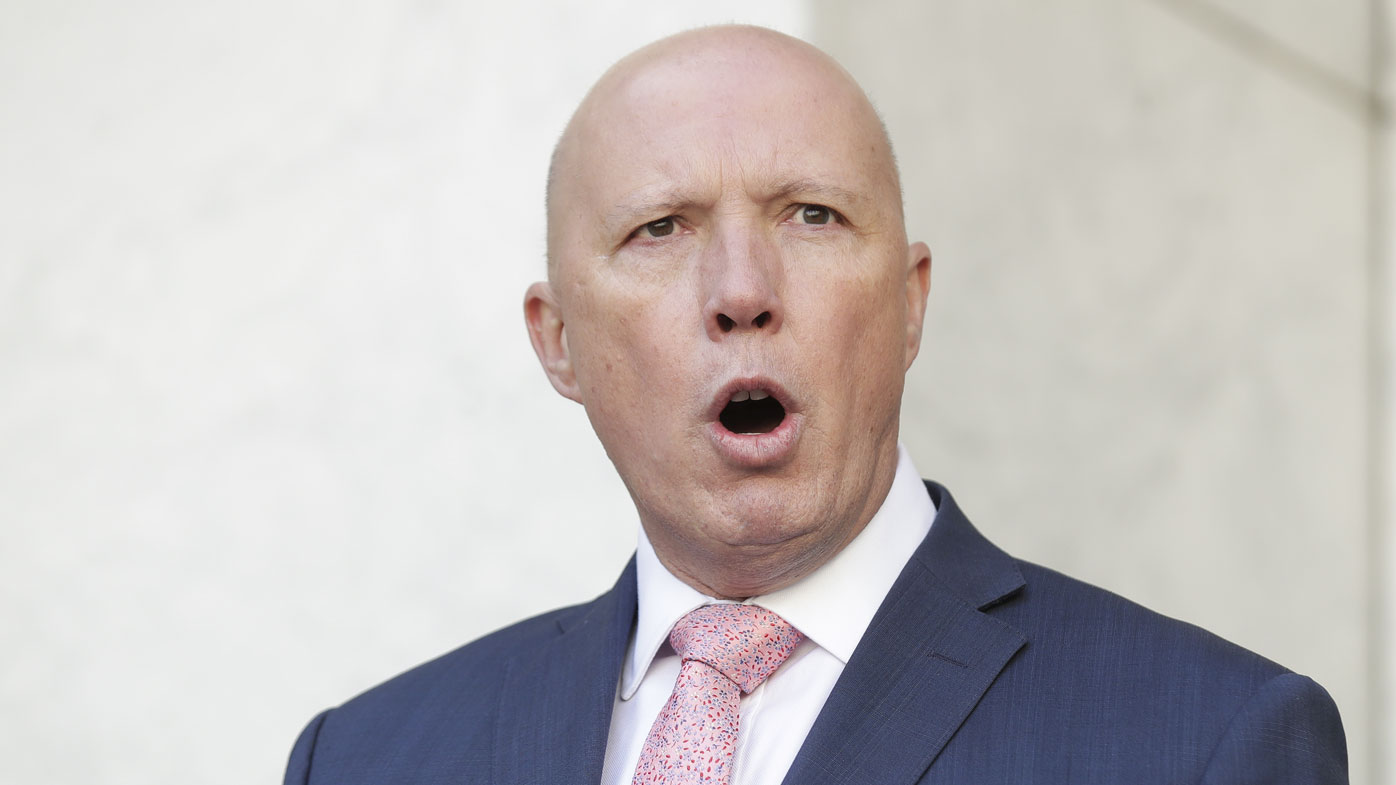
Defence Minister Peter Dutton on Monday night expressed "serious concerns about malicious cyber activities by China's Ministry of State Security".
He said the MSS exploited vulnerabilities in the Microsoft Exchange software to affect thousands of computers and networks worldwide, including in Australia.
"These actions have undermined international stability and security by opening the door to a range of other actors, including cybercriminals, who continue to exploit this vulnerability for illicit gain," he said, in a statement.
"The Australian Government is also seriously concerned about reports from our international partners that China's Ministry of State Security is engaging contract hackers who have carried out cyber-enabled intellectual property theft for personal gain and to provide commercial advantage to the Chinese Government."
Mr Dutton called on China to "act responsibly in cyberspace", abide by its commitments to the G20 and refrain from cyber-enabled theft of intellectual property, trade secrets and confidential business information.
A senior administration official said Australia was among "an unprecedented group of allies… joining the United States in exposing and criticising the PRC's Ministry of State Security's malicious cyber activities."
https://twitter.com/jekearsley/status/1417080734964060162
The Microsoft Exchange Server holds millions of corporate emails, calendars and rostering products and if hacked entire email inboxes could be wiped as well as stolen.
In the wake of the attack, the Australian Signals Directorate's Australian Cyber Security Centre (ACSC) confirmed Australian organisations — thought to be more than 7000 servers locally — had been affected by the hack.
The announcements highlighted the ongoing cyberthreat posed by Chinese government hackers even as the US administration has been consumed with trying to curb ransomware attacks from Russia-based syndicates that have targeted critical infrastructure, including a massive fuel pipeline.
Even though the finger-pointing was not accompanied by any sanctioning of Beijing, a senior US administration official who disclosed the actions to reporters said the US had confronted senior Chinese officials and that the White House regarded the multi-nation public shaming as sending an important message.
That hackers affiliated with the Ministry of State Security carried out a ransomware attack was surprising and concerning to the US government, the senior administration official said.
But the attack, in which an unidentified American company received a high-dollar ransom demand, also gave US officials new insight into what the official said was "the kind of aggressive behaviour that we're seeing coming out of China."
READ MORE: US issues stark warning on China's South China Sea 'bullying'

The European Union also blamed China for what it said were malicious cyber activities with "significant effects" that targeted government institutions and political organisations in the EU and its 27 member states, as well as key European industries.
In a statement, the EU's foreign policy chief Josep Borrell said the hacking was "conducted from the territory of China for the purpose of intellectual property theft and espionage."
The majority of the most damaging and high-profile recent ransomware attacks have involved Russian criminal gangs.
Though the US has sometimes seen connections between Russian intelligence agencies and individual hackers, the use of criminal contract hackers by the Chinese government "to conduct unsanctioned cyber operations globally is distinct," the official said.
The Microsoft Exchange hack was first identified in January and was rapidly attributed to Chinese cyber spies by private sector groups.
An administration official said the government's attribution to hackers affiliated with China's Ministry of State Security took until now in part because of the discovery of the ransomware and for-profit hacking operations and because the administration wanted to pair the announcement with guidance for businesses about tactics that the Chinese have been using.
An advisory Monday from the FBI, the National Security Agency and the Cybersecurity and Infrastructure Security Agency laid out specific techniques and ways that government agencies and businesses can protect themselves.
The White House also wanted to line up an international coalition of allies to call out China, according to the official, who said it was the first time NATO had condemned Beijing's hacking operations.
A Chinese Foreign Ministry spokesperson, asked about the Microsoft Exchange hack, has previously said that China "firmly opposes and combats cyber attacks and cyber theft in all forms" and cautioned that attribution of cyberattacks should be based on evidence and not "groundless accusations."
Haitian President’s Frantic Phone Call for Help
Miami Herald- Assassinated Haitian president Jovenel Moise made a frantic phone for help before being killed.
The call came at 1:34 a.m. Haitian President Jovenel Moïse, who was on the other line,was in difficulty, and he needed reinforcement.
“They are shooting by the house,” he told the Haitian National Police commissioner. “Mobilize people.”
The non-stop automatic gunfire in Pelerin 5 where Moïse, his wife Martine and two children lived, started at about 1:30 a.m., according to a resident in the area, who said she ducked underneath her bed to escape the sound as she looked at her phone to see what time it was.
While neighbors in the area weren’t sure what was happening, unknown assailants who would later claim to be part of the Drug Enforcement Administration (a claim denied by the DEA) were advancing and making their way to the president’s private residence in the foothills of Haiti’s capital.
Inside the president’s bedroom, they would open fire. He was shot in the forehead, chest, hip and stomach, and his left eye was gouged, according to Charles Henry Destin, a justice of the peace who later documented the crime scene.
The deadly assault followed 10 minutes of frantic pleas. With no sign of his security forces, Moïse, 53, would make another call, this time to a tactically trained officer with the Haiti National Police.
“Where are you?” Moïse said, calling the officer by name after he answered, “Mr. President.”
“I need your assistance, now!” Moïse said. “My life is in danger. Come quick; come save my life.”
Before the phone call ended, there was silence. Then, the sound of an assault rifle. Refusing to accept what was inevitable, the officer — who asked to remain anonymous in an interview with the Herald, yelled to his fellow officers, “Everyone get back in your cars. We need to leave now.”
The three-car convoy was headed to Pelerin 5, the hilltop neighborhood of modest homes, unpaved roads and million-dollar mansions where Moïse lived.
What ensued in the next hours would be a police manhunt for former Colombian special forces and two Haitian Americans from South Florida, using high-beam lights and specialized units of Haiti’s national police along a well-traveled road.
The fierce pursuit started on the main road leading to Moïse’s residence. It would subsequently involve nearby impoverished neighborhoods, an abandoned building behind a police station and the Taiwanese Embassy, on whose premises 11 of the alleged commandos were apprehended.
More than a week after the murder, 18 Colombians and two Haitian Americans are in custody, while three Colombians are dead and five remain-at-large. Haitian security forces have also made other arrests, including that of a South Florida-based Haitian doctor, Christian Emmanuel Sanon. The owner of a Doral-based firm, CTU Security, run by a Venezuelan émigré, has been named as a person of interest.
Still questions linger. The Miami Herald and the McClatchy Washington Bureau have spoken to at least three people who received calls from inside the president’s house on the morning of July 7. All agreed to speak on the condition of anonymity due to the sensitive nature of the ongoing probe, which has led to 24 security agents being sanctioned and five high-ranking members of the president’s security team being relieved of administrative duties and placed in isolation.
All have recounted the final moments of Moïse, who was killed in the brazen middle-of-the night assassination as his alleged assailants ransacked his house and bedroom, according to multiple sources, and then shot him after positively identifying him with a caller on the other line.
“They came inside, went straight to the room and kept talking to someone on the phone to identify the president,” the officer said, confirming the report of another person familiar with the investigation. “They turned the house upside down.’ ”
When the shooter described the president’s profile to the other person on the line, “he turned to face the president and shot him without any conversation.”
‘When I send you to protect a president, I don’t send you to live’
How foreign mercenaries got past at least three police checkpoints on the road to Moïse’s house and past presumably dozens of security agents inside his walled-off compound to gain access to his second-floor bedroom remains one of the key questions more than a week after his shocking death.
The ongoing multi-national investigation involves at least four countries and four law enforcement agencies, including the Federal Bureau of Investigation, and has so far led to the arrest of several Haitians with ties to South Florida.
What happened to the president’s security team, none of whom were killed or reportedly shot, is another unsolved mystery — one that one of several Haitian national police officers who arrived at the scene shortly after 2 a.m. say they are also asking themselves.
The post Haitian President’s Frantic Phone Call for Help appeared first on The St Kitts Nevis Observer.
WA woman recovering from blood disorder after AstraZeneca jab
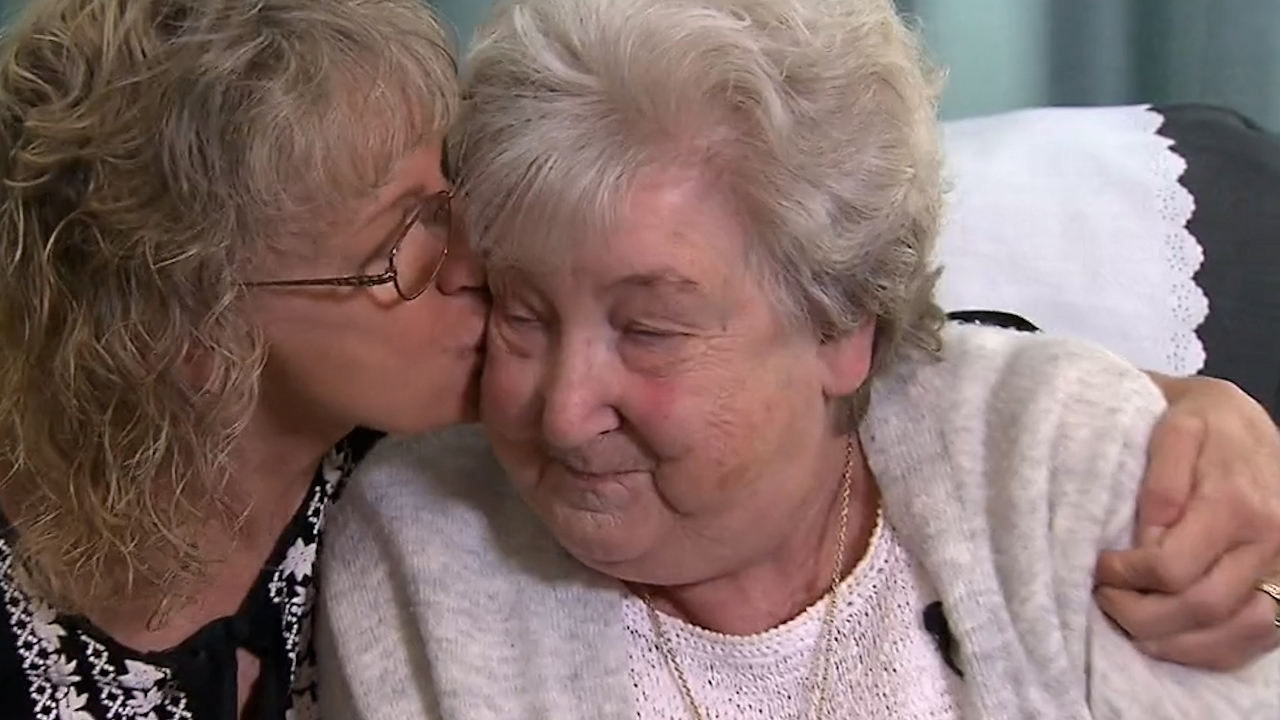
A Western Australian woman is recovering from a blood disorder that is a potentially deadly and highly rare side effect of the AstraZeneca vaccine.
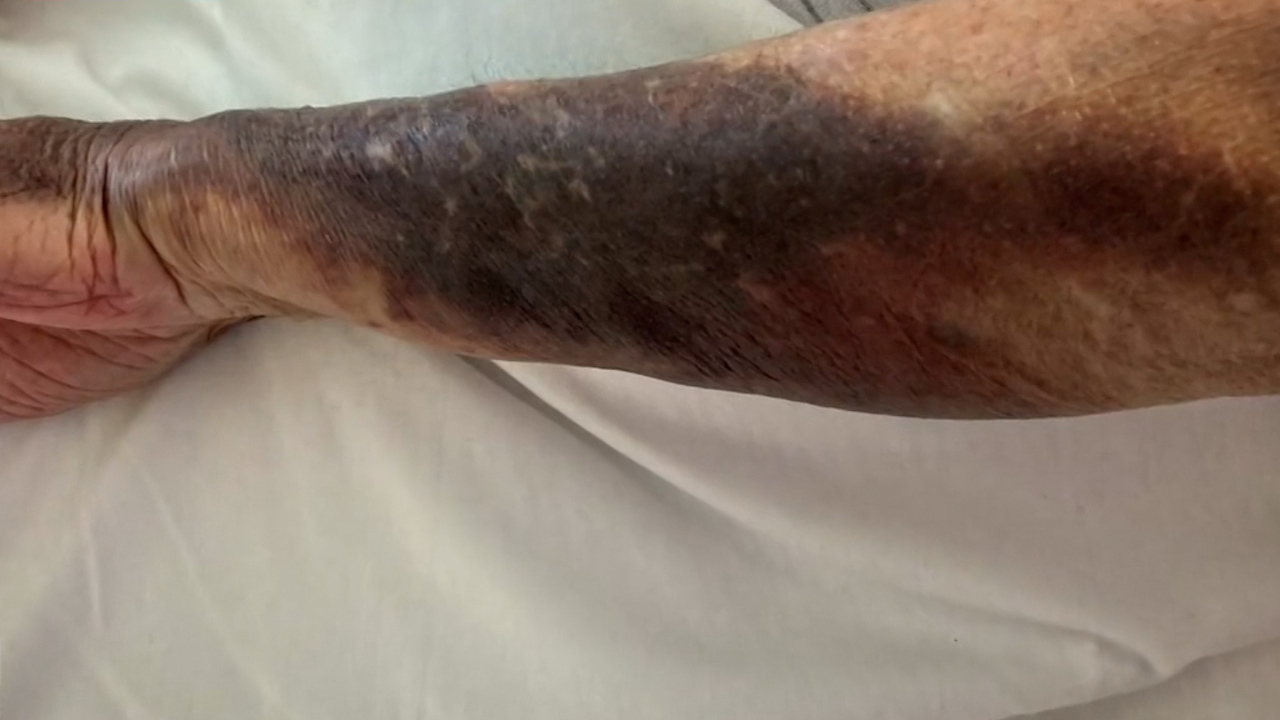
Maureen Deboick, aged 80, received her first jab of the vaccine on March 24. Two weeks later, on April 7, she developed a headache and then a rash of black blisters appeared inside her mouth by April 23.
The day after she presented to Albany Hospital and was flown to Perth where she spent 17 days in Fiona Stanley Hospital.
READ MORE: Lottery for vaccinated citizens 'a good idea', Dutton says
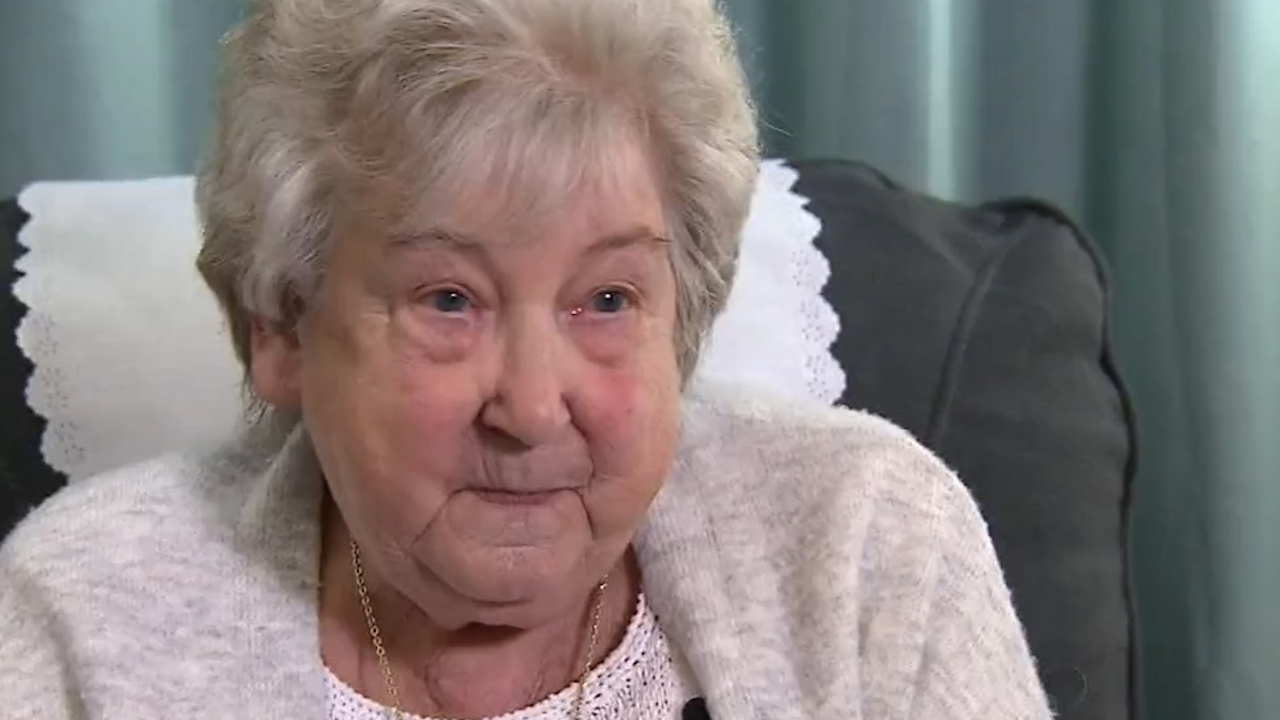
She had bleeding on the brain and a platelet count of zero, meaning her blood would not clot.
"It took a few days before it set in, this sort of predicament I was in," Ms Deboick told 9News.
Ms Deboick was diagnosed with immune thrombocytopenia (ITP), a rare bleeding disorder estimated to carry a one-in-100,000 chance of developing from the vaccine.
"They say it is a one-in-100,000 chance … but that one in 100,000 is going to suffer," Ms Deboick said.
READ MORE: PM puts blame on ATAGI for Australia's 'glacial' rollout
Authorities stress that Ms Deboick's case is rare. Of more than 5.4 million AstraZeneca doses administered in Australia, there have only been 31 suspected cases of ITP.
Dr Mark Duncan-Smith from the Australian Medical Association (AMA) says the data is overwhelmingly positive on the AstraZeneca vaccine.
"It is a very safe and effective vaccine in the over 60s group," Dr Duncan-Smith said.
READ MORE: Outrage after hefty parking fines issued at Sydney mass vaccine hub
"We have to look back to the UK where it is the primary vaccine and is actually the most common variety of vaccine used in the world."
Ms Deboick said she does not want Australians to boycott the vaccine but to be aware of the potential side effects.
World View: US Fires, German Floods, Japan Olympics, More
July 19, 2021

AP Morning Wire
Good morning from The Hague.
- Dangerous conditions are complicating firefighters’ efforts to battle wildfires in the Western United States,
- While in Germany, authorities are defending their preparations for flooding that left more than 180 people dead in Western Europe.
- The AP looks at global inequity in COVID-19 vaccinations that persists deep into the pandemic.
- And Japan prepares for an Olympics unlike any other as Tokyo counts down to the July 23 start of a Summer Games unlike any other.
- Man faces 1st sentencing for felony in US capitol rioting.
- American father, son sent to prison in Carlos Ghosn escape.
- Survivors of Breivik massacre worry racism is re-emerging in Norway.
MIKE CORDER
The Associated Press
|
|
The Rundown
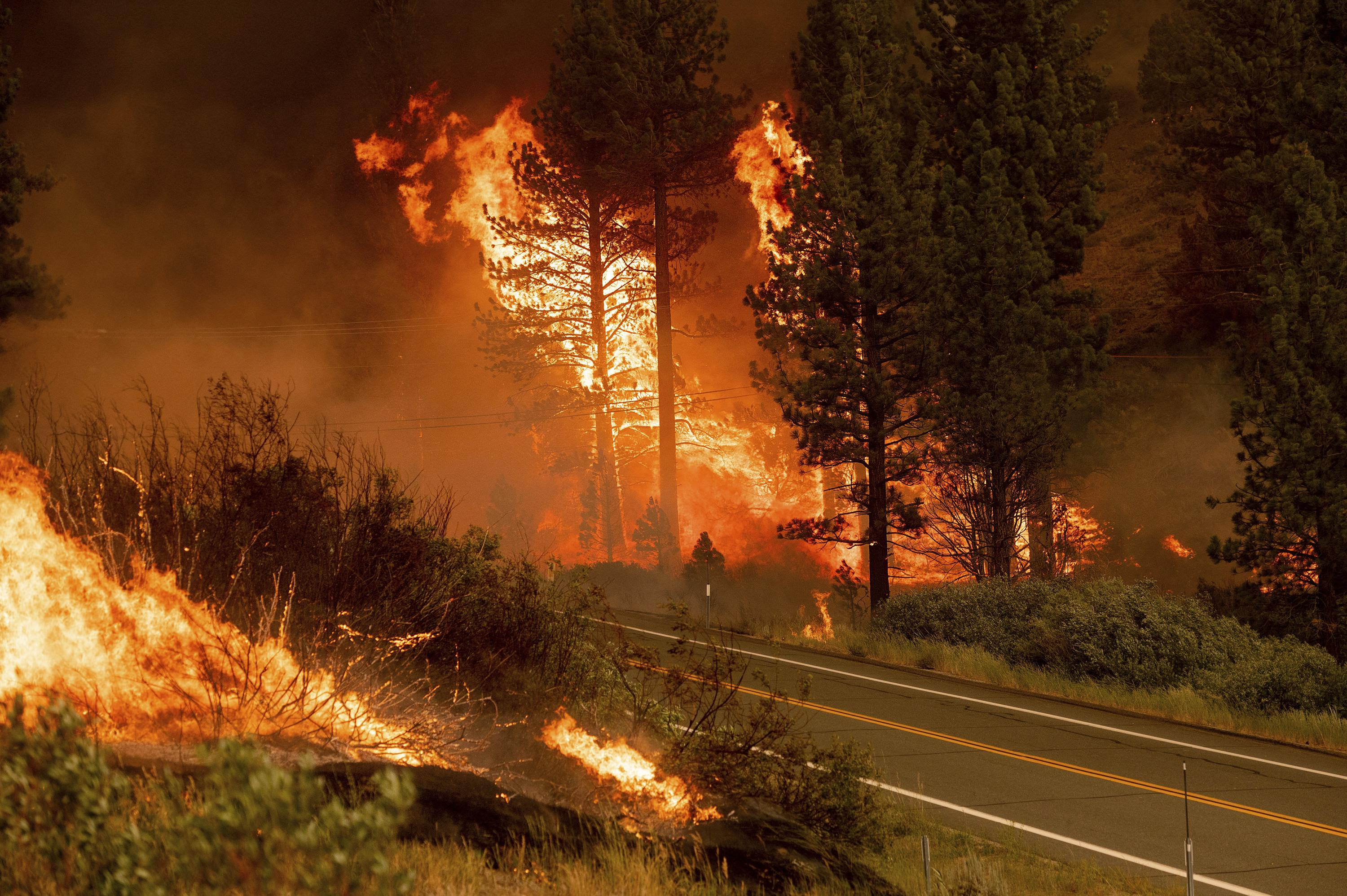
BLY, Ore. (AP) — Erratic winds and parched Oregon forests added to the dangers for firefighters on Monday as they battled the largest wildfire in the U.S., one of dozens burning across several Western states….Read More
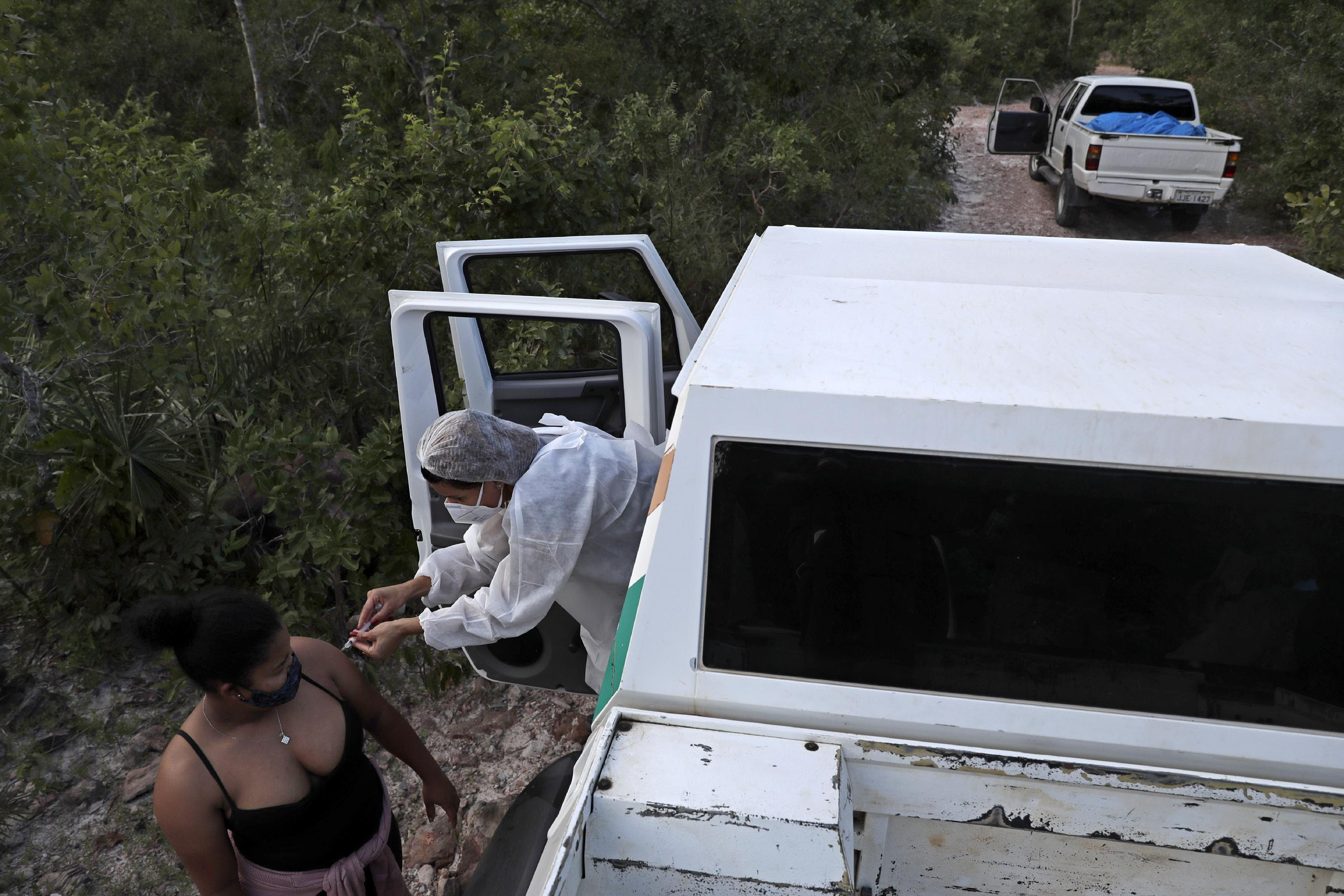
PARIS (AP) — No one disputes that the world is unfair. But no one expected a vaccine gap between the global rich and poor that was this bad, this far into the pandemic. Inequity is everywhere: Inoculations go…Read More
 |
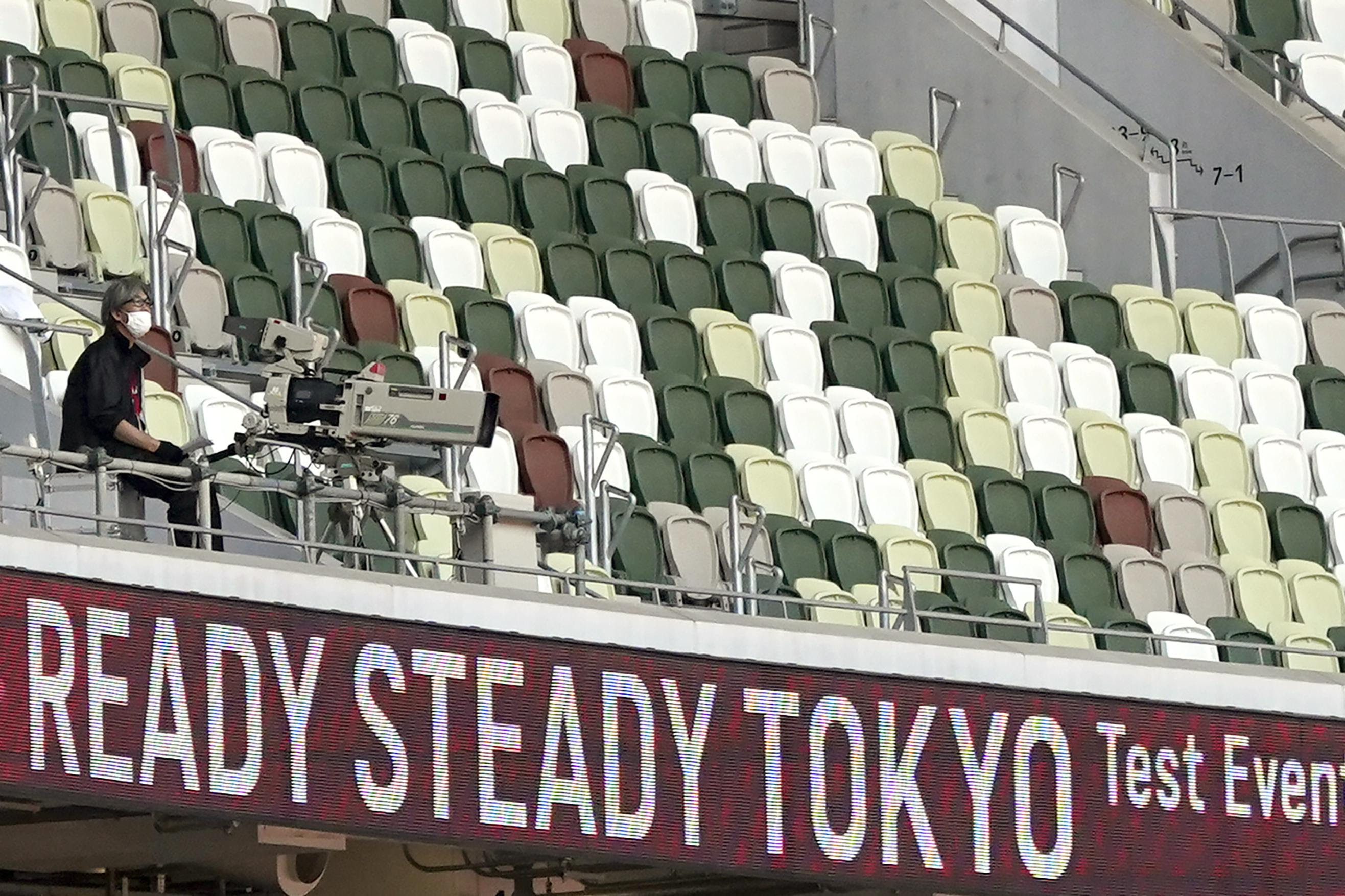
TOKYO (AP) — After a yearlong delay and months of hand-wringing that rippled across a pandemic-inflected world, a Summer Games unlike any other is at hand. It’s an Olympics, sure, but also, in a very real way…Read More
 *****@
CHICAGO (AP) — A Florida man who breached the U.S. Senate chamber carrying a Trump campaign flag is scheduled to become the first Jan. 6 rioter sentenced for a felony, in a hearing that will help set a benchm…Read More
|

BERLIN (AP) — German officials are defending their preparations for flooding in the face of the raging torrents that caught many people by surprise and left over 180 people dead in Western Europe, but they co…Read More
|
|
OTHER TOP STORIES
TOKYO (AP) — A Tokyo court handed down prison terms for the American father and son accused of helping Nissan’s former chairman, Carlos Ghosn, escape to Lebanon while aw…Read More
STAVANGER, Norway (AP) — On the 10th anniversary of Norway’s worst peacetime slaughter, survivors of Anders Behring Breivik’s assault worry that the racism which nurture…Read More
WASHINGTON (AP) — President Joe Biden is set to host King Abdullah II of Jordan during one of the most difficult moments of the Jordanian leader’s 22-year rule and at a …Read More
WASHINGTON (AP) — A cocktail of propaganda, conspiracy theory and disinformation — of the kind intoxicating to the masses in the darkest turns of history — is fueling de…Read More
|
|
The post World View: US Fires, German Floods, Japan Olympics, More appeared first on The St Kitts Nevis Observer.
Local Hip Hop Song Drives Cuban Protests
Cuba is suffering through a summer of dire shortages, from food and electricity to medicine. Fed-up Cubans are taking to the streets in unprecedented protests — and they’re voicing their outrage through a song called Patria y Vida — homeland and life.
The slogan is a spin on the communist regime’s decades-old slogan of “patria o muerte” — homeland or death. In strong terms, the song accuses the government of destroying the quality of life in Cuba, a message that quickly found traction with protesters who are demanding change.
“No more lies. My people demand freedom. No more doctrines!” the song says. It calls for people to shout “patria y vida … and start building what we dreamed of/ what they destroyed with their hands.”
The viral hit has become a political slogan
Patria y Vida has been a phenomenon since its release this year. The song is a collaboration between a group of Afro-Cuban reggaeton and hip-hop stars based in Miami, such as Yotuel Romero and Alexander Delgado, along with rappers Maykel Osorbo and El Funky, who live in Cuba. A YouTube video of the song has been viewed nearly 6 million times.
YouTube
When the single was released, Romero, who is part of the group Orishas, said that for him, the song was motivated by a look back at Cuba’s long history.
“Before the revolution, we had a beautiful Havana; now we have ruins,” he told Billboard in February. “From that point on, I said, ‘I’m not going to be quiet anymore.’ ”
Where the original Castro-era slogan was a call to arms for people to stand against outside influence, the new slogan tells people to hit the streets and take back their country.
“It’s over now! And we’re not afraid,” the song declares.
Patria y Vida quickly became an anthem. When large protests erupted in April, NPR’s Carrie Kahn declared it “astonishing” and a sign of “a growing movement challenging the regime like we haven’t seen in decades.”
After the song’s release, Cuban authorities arrested Osorbo. His supporters have submitted complaints to the United Nations over his treatment, saying that the government is persecuting him for expressing his views and for helping create the song.
The protests have been some of Cuba’s largest
Thousands of Cubans have been taking part in protests in Havana and elsewhere on the island, shouting their demands for more freedom along with calls for an end to high prices and economic turmoil. A run of electrical blackouts has added to their frustrations.
Crowds have been chanting slogans against Cuban President Miguel Díaz-Canel as well as demanding more access to vaccines. Cuba has been experiencing a record spike in COVID-19 cases and deaths in recent weeks. Overall, the nation has reported nearly 245,000 cases.
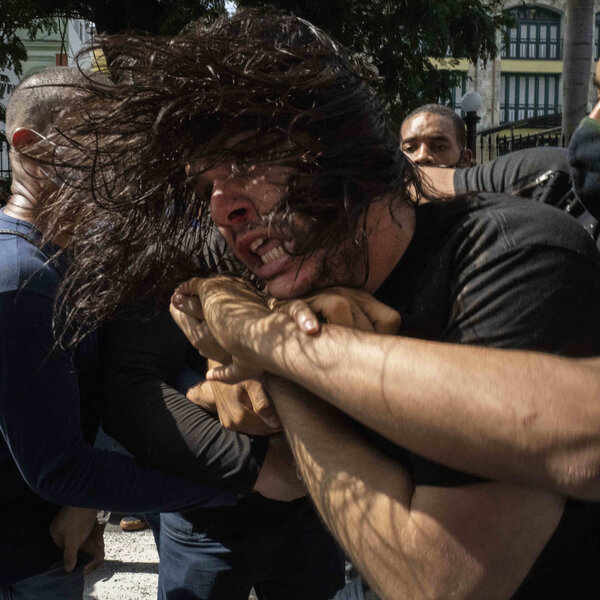
Marches and protests have been disrupted by police, who made mass arrests and used tear gas against demonstrators on Sunday. Videos circulating online have also shown officers firing toward crowds, reporter Nora Gámez Torres of the Miami Herald and El Nuevo Herald told NPR.
“There were really unprecedented images coming out of the island,” she said.
Why is Cuba suffering?
There are several main reasons, including U.S. economic sanctions that were tightened under former President Donald Trump and the pandemic’s toll on the island’s economy and infrastructure. Cuba is also getting less economic help from one of its main allies, Venezuela.
“The government is in debt and has no money,” Torres said. “So the population has been enduring severe scarcities of food and medicine.”
Many are also angry and frustrated by Cuba’s policy of selling food in U.S dollars — which most of the country’s people don’t earn.
Remittances from relatives in the U.S. and elsewhere are also down. And like many places, Cuba’s tourism industry has been hollowed out by more than a year of travel restrictions due to COVID-19.
It’s not yet clear what will happen next, Torres said.
“Even if the government retains control, which is the most likely scenario, Cubans now see what they can do if enough people come out to protest,” she said. “So the genie is out of the bottle now and the frustration is not going anywhere.”
With the government facing a deep crisis, she warned, we’ll likely see more repression in the coming days.
The Cuban government is blaming the U.S.
Granma, the Communist Party newspaper, blames the protests on “annexationist interests, paid and directed by the United States.”
Díaz-Canel has said Cuba is facing difficulties that it knew were coming when the U.S. put tight economic sanctions on the country. And while the pandemic has made the situation worse, the president said every country in the world is being forced to cope with the coronavirus.
In a speech Monday, Díaz-Canel also dwelled on his country’s national electrical system, saying its infrastructure is hobbled by both the U.S. embargo and by overconsumption.
The U.S. stance
President Biden said he strongly supports the protesters.
“The Cuban people are demanding their freedom from an authoritarian regime,” Biden said during a White House event Monday. “I don’t think we’ve seen anything like these protests in a long, long time if, quite frankly, ever.”
Biden added, “The U.S. stands firmly with the people of Cuba as they assert their universal rights. And we call on the government of Cuba to refrain from violence in their attempt to silence the voices of the people of Cuba.”
The post Local Hip Hop Song Drives Cuban Protests appeared first on The St Kitts Nevis Observer.